Why Cambridge Properties Can’t Afford to Ignore Asbestos
Cambridge is a city built across centuries. Victorian terraces, Edwardian townhouses, mid-century university blocks, post-war commercial premises — the built environment here spans almost every era of modern construction. And many of those buildings were put up or refurbished during the decades when asbestos was used freely across the industry.
If your property dates from before 2000, there is a real chance asbestos-containing materials (ACMs) are present somewhere inside it. An asbestos survey in Cambridge is the only reliable way to find out what you are dealing with.
Without one, you are making decisions about your building — and the safety of everyone who uses it — based on guesswork. That is not a position any responsible property owner, landlord, or facilities manager should be in.
What an Asbestos Survey Cambridge Actually Involves
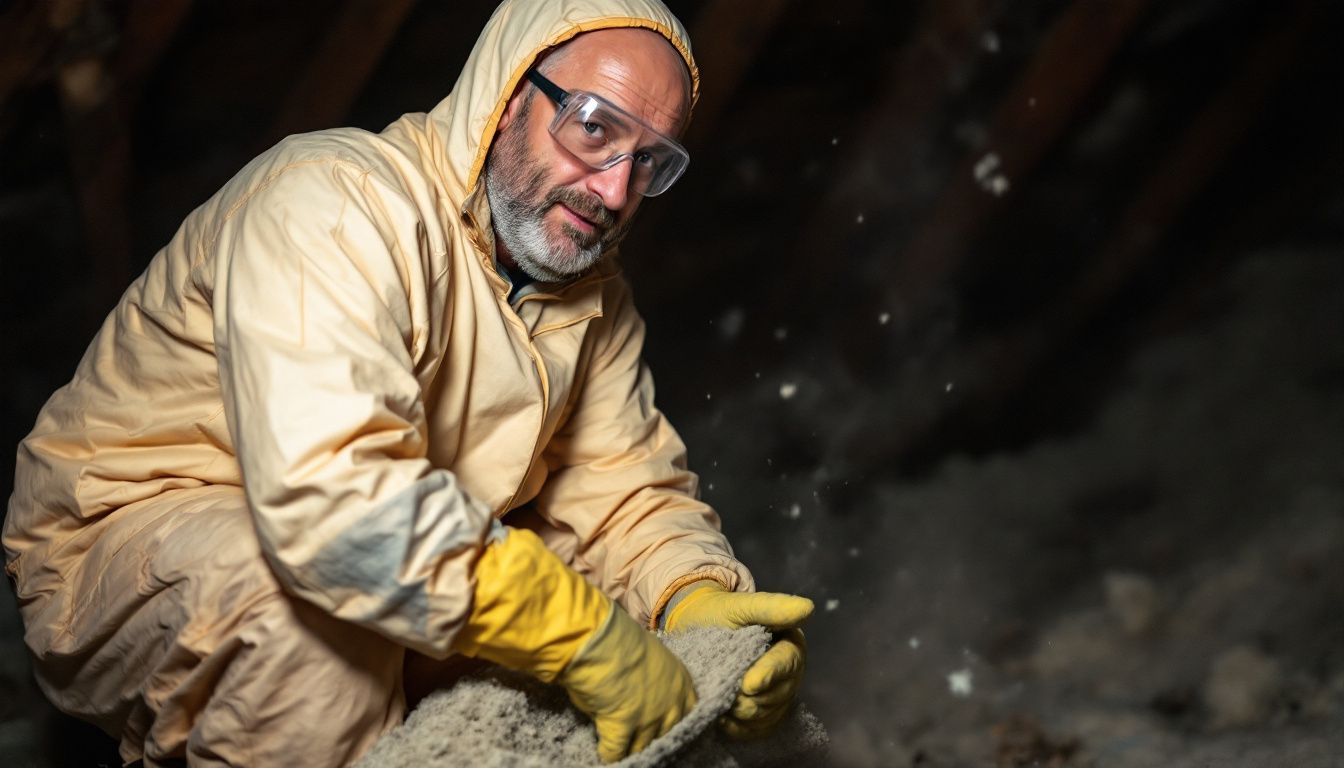
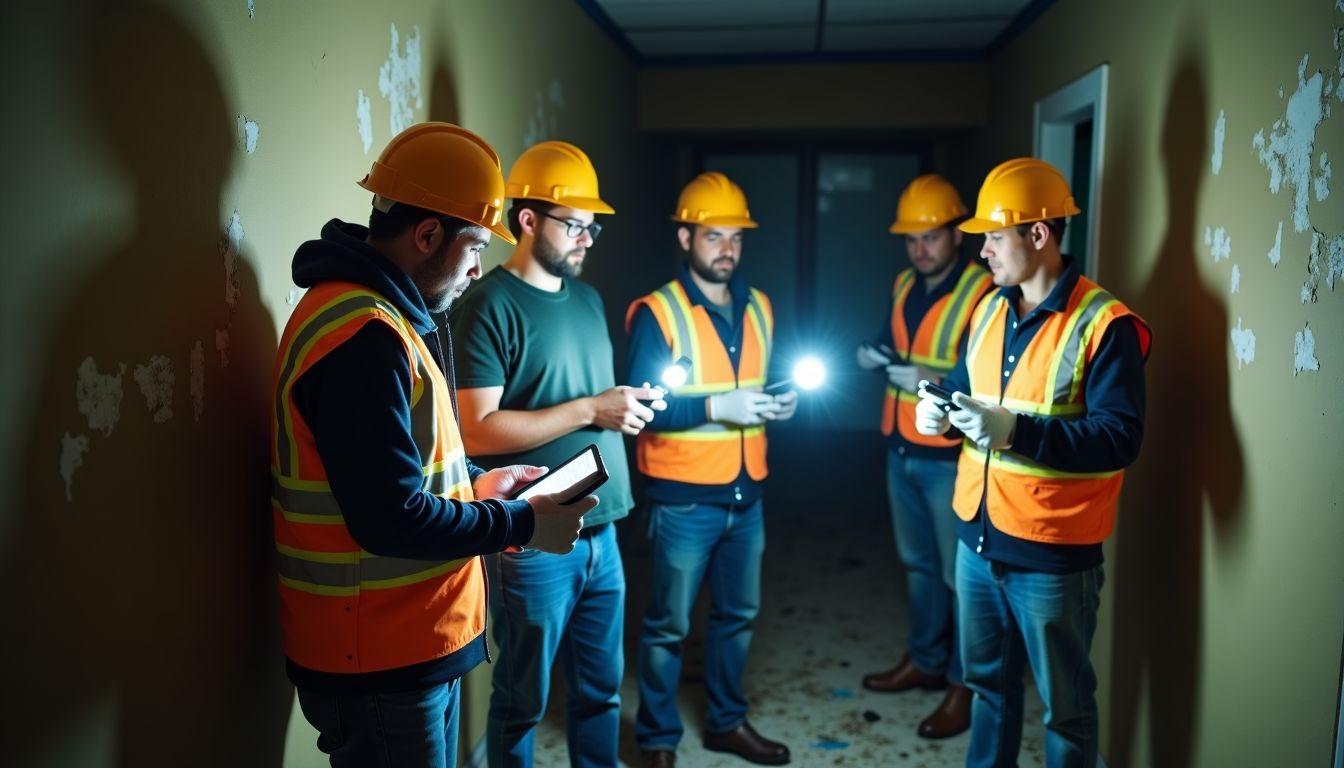
At its core, an asbestos survey is a systematic inspection of your property carried out by a trained, qualified surveyor. The surveyor identifies materials that may contain asbestos, takes samples where necessary, and sends those samples to a UKAS-accredited laboratory for analysis.
The results feed into an asbestos register — a formal record of where ACMs are located, what condition they are in, and what risk they pose. This register forms the backbone of your asbestos management obligations under the Control of Asbestos Regulations.
Every survey should follow HSG264 (Asbestos: The Survey Guide), the HSE’s definitive guidance on how surveys should be planned and carried out. Any surveyor who cannot demonstrate familiarity with HSG264 is not someone you should be trusting with this work.
The Different Types of Asbestos Survey — and When You Need Each One
Not every survey is the same. The type you need depends on what you are doing with the building and what your legal obligations are. Getting this right from the start saves time, money, and potential legal exposure.
Management Survey
A management survey is the standard survey for buildings in normal use. It locates ACMs in accessible areas — walls, ceilings, floors, pipework, service ducts, and similar locations — so they can be monitored and managed safely over time.
This is what most duty holders need to fulfil their legal obligations under the Control of Asbestos Regulations. If you manage a commercial property, a block of flats, a school, or any other non-domestic building, a management survey is typically your starting point.
Surveyors take bulk samples of suspect materials and send them for laboratory analysis. The results, combined with a condition assessment of each ACM, allow a proper risk rating to be assigned — telling you whether materials need to be removed, encapsulated, or simply monitored at regular intervals.
Refurbishment and Demolition Survey
If you are planning any significant building work — whether a full demolition, a major refurbishment, or a targeted fit-out — you need a demolition survey before work begins. This is a legal requirement under the Control of Asbestos Regulations, not an optional precaution.
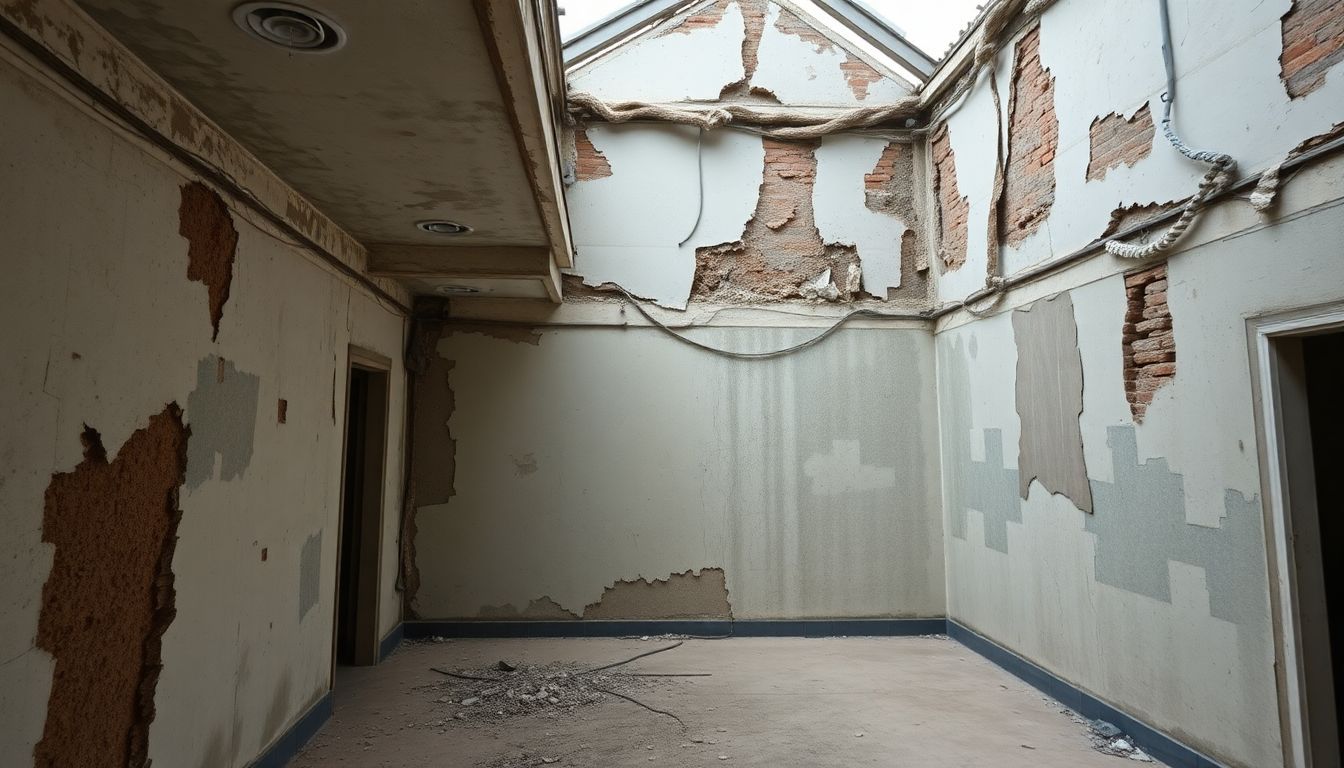
The survey is intrusive by design. Surveyors open up walls, lift floors, and access voids to find ACMs that a management survey would not disturb. Any asbestos identified must be safely removed before construction or demolition work starts.
Skipping this step is not just a compliance failure — it puts contractors, workers, and neighbouring occupants at genuine risk of asbestos exposure. Mesothelioma and asbestos-related lung cancer are the consequences of that exposure, often appearing decades after the fact.
Pre-Purchase Survey
Buying a property in Cambridge without knowing its asbestos status is a risk that can translate directly into unexpected costs after completion. A pre-purchase asbestos survey gives buyers a clear picture of what ACMs are present, what condition they are in, and what remediation might cost.
Many buyers and their solicitors now request this survey before exchange of contracts. It can support price negotiations, inform decisions about whether to proceed, and prevent expensive surprises once the keys change hands.
Reports are typically available within 24 hours of the site visit, which means the survey need not slow down the transaction.
Asbestos Testing and Sample Analysis in Cambridge
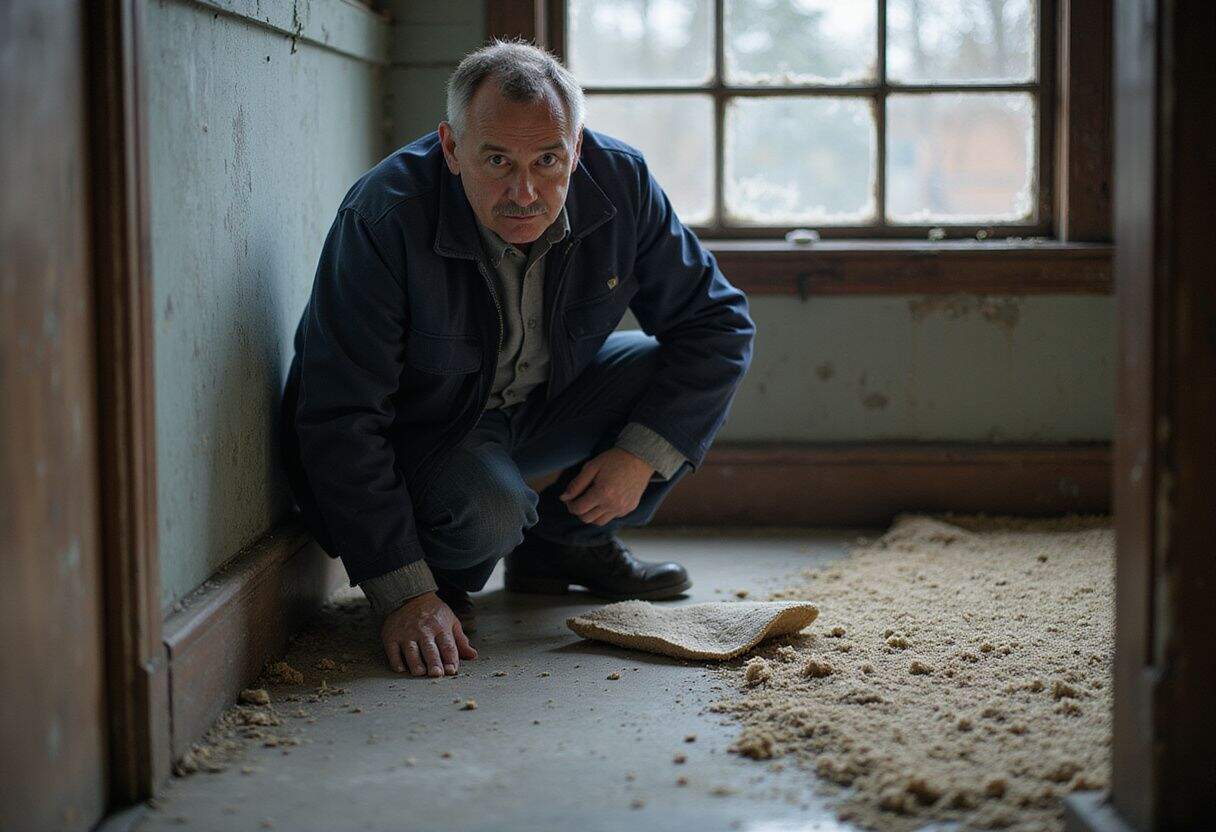
Sampling is the only way to confirm whether a material contains asbestos. Visual identification alone is not sufficient — many ACMs look identical to non-asbestos materials, and assuming otherwise can lead to either unnecessary alarm or dangerous complacency.
During a survey, the surveyor takes small bulk samples from suspect materials. These are sent to a UKAS-accredited laboratory, where analysts use polarised light microscopy or electron microscopy to identify asbestos fibres and determine the type — whether chrysotile, amosite, crocidolite, or another variety.
If you have already had a survey and need additional samples tested, Supernova’s sample analysis service allows you to submit samples directly for laboratory testing without commissioning a full survey. This is a practical option when you need to verify a specific material quickly.
For properties where asbestos presence is suspected but a full survey has not yet been arranged, asbestos testing can provide a fast and cost-effective first step. Understanding what you are dealing with early makes every subsequent decision easier and safer.
Your Legal Duties as a Duty Holder in Cambridge
The Control of Asbestos Regulations places a legal duty to manage asbestos on anyone who owns, manages, or has responsibility for non-domestic premises. This includes landlords of commercial properties, housing associations managing communal areas, facilities managers, and employers with responsibility for their workplace.
The duty requires you to:
- Find out whether asbestos is present in your premises
- Assess the condition and risk of any ACMs identified
- Produce and maintain an asbestos register
- Create an asbestos management plan and act on it
- Provide information about ACMs to anyone who may disturb them
- Review and update your records regularly
Failing to meet these obligations is not a minor administrative oversight. The HSE can and does prosecute duty holders who ignore their responsibilities. More importantly, failing to manage asbestos properly puts real people at risk.
If you are unsure whether the duty applies to you, the HSE’s guidance is clear: if you have any degree of control over the maintenance or repair of a non-domestic building, you are likely a duty holder.
What to Look for When Choosing an Asbestos Surveyor in Cambridge
The quality of an asbestos survey depends almost entirely on the competence of the surveyor and the laboratory they use. Choosing on price alone is a false economy — a poor survey that misses ACMs or delivers an inaccurate risk assessment can cost far more to rectify than you saved upfront.
UKAS Accreditation
UKAS (United Kingdom Accreditation Service) accreditation is the benchmark for quality in asbestos surveying and laboratory analysis. A UKAS-accredited surveying body has been independently assessed against internationally recognised standards.
Always confirm that both the surveying organisation and the laboratory they use hold current UKAS accreditation. Supernova Asbestos Surveys holds UKAS accreditation for asbestos surveying and sample analysis, meaning every survey we carry out meets the highest standards of accuracy and compliance.
Surveyor Qualifications
Individual surveyors should hold recognised qualifications — the P402 qualification (or its equivalent) is the standard for asbestos surveyors in the UK. Do not hesitate to ask about the qualifications of the specific surveyor attending your property.
Clear, Actionable Reporting
A good asbestos report does more than list what was found. It should include photographs, precise location plans, a condition assessment for each ACM, a risk rating, and clear recommendations on what action — if any — is required. Vague or incomplete reports leave you exposed.
Experience with Cambridge Properties
Cambridge has a distinctive built environment, with a high proportion of older properties, listed buildings, and university-owned estates. A surveyor with experience across the region will be better placed to anticipate where ACMs are likely to be found and how to access them safely.
Supernova Asbestos Surveys operates across Cambridgeshire and the surrounding counties, including Bedfordshire, Essex, and Hertfordshire, with a team experienced in the full range of property types found across the region.
Asbestos Removal in Cambridge — When It Is Necessary
Not every ACM needs to be removed. In many cases, asbestos that is in good condition and unlikely to be disturbed can be safely managed in situ, with regular monitoring and clear records. Removal is not always the right answer, and it is certainly not the cheapest or simplest one.
However, when ACMs are damaged, deteriorating, or located in areas that will be disturbed by building work, asbestos removal becomes necessary. Removal must be carried out by licensed contractors for most types of asbestos work. The HSE maintains a register of licensed asbestos removal contractors, and using an unlicensed contractor is both illegal and dangerous.
Following removal, air monitoring is used to confirm that fibre levels have returned to background levels before the area is reoccupied. Waste asbestos is classified as hazardous waste and must be disposed of in accordance with the relevant regulations — this is not something that can be handled informally.
How Much Does an Asbestos Survey in Cambridge Cost?
Survey costs vary depending on the type of survey, the size and complexity of the property, the number of samples required, and the turnaround time for the report. As a general guide:
- Management surveys for smaller commercial or residential properties typically start from around £180–£250
- Refurbishment and demolition surveys for larger or more complex properties will cost more, reflecting the intrusive nature of the work
- Pre-purchase surveys are priced similarly to management surveys, depending on the scope
Always request a detailed quote that specifies what is included — number of samples, laboratory analysis, report format, and turnaround time. A quote that looks cheap but excludes laboratory fees or charges separately for each sample can quickly become more expensive than a straightforward all-inclusive price.
Reports from Supernova Asbestos Surveys are typically turned around within 24 hours of the site visit, so you are not left waiting days for information you need to act on.
Cambridge’s Built Environment — Why Local Knowledge Matters
Cambridge presents a particular set of challenges for asbestos surveyors. The city’s historic core includes a significant number of listed buildings and conservation area properties, where access restrictions and the need to avoid damage to fabric require a more considered approach.
Beyond the historic centre, Cambridge has substantial stock of mid-century university buildings, science park developments, and post-war commercial premises — all built during the period when asbestos use was at its peak. Spray-applied coatings, asbestos insulating board, floor tiles, and pipe lagging are among the most commonly encountered ACMs in this type of stock.
Residential properties across the city — particularly those built or extended between the 1950s and 1980s — may contain textured coatings such as Artex, asbestos cement products, and insulation materials. Homeowners planning renovation work should arrange an asbestos testing assessment before any significant work begins, even if the property is not subject to the formal duty to manage.
Asbestos Surveys Across the UK — Supernova’s National Coverage
Supernova Asbestos Surveys operates nationally, with surveyors covering every region of England, Scotland, and Wales. Whether you need an asbestos survey in London, an asbestos survey in Manchester, or an asbestos survey in Birmingham, our teams are available to book quickly and deliver consistent, accredited results.
For Cambridge and the wider East of England, our local knowledge of the region’s property stock means faster, more accurate surveys with fewer non-access caveats in the final report.
With over 50,000 surveys completed nationwide, Supernova has the scale to handle everything from a single domestic property to a multi-site commercial portfolio — all to the same UKAS-accredited standard.
Practical Steps to Take Right Now
If you are responsible for a Cambridge property built before 2000 and have not yet arranged an asbestos survey, here is what to do:
- Identify your duty holder status. Do you manage, own, or control a non-domestic building? If so, the duty to manage asbestos applies to you.
- Choose the right survey type. Management survey for ongoing use, refurbishment or demolition survey before building work, pre-purchase survey before exchange of contracts.
- Select a UKAS-accredited provider. Confirm accreditation for both the surveying organisation and the laboratory they use.
- Request a detailed quote. Make sure laboratory analysis, report delivery, and all samples are included in the price.
- Act on the results. An asbestos register is only useful if it is maintained, shared with relevant contractors, and reviewed regularly.
Asbestos management is not a one-off task. It is an ongoing obligation that requires regular review, particularly if the condition of your building changes or work is planned.
Book Your Asbestos Survey in Cambridge Today
Supernova Asbestos Surveys provides UKAS-accredited asbestos surveys across Cambridge and the wider East of England. Our surveyors are qualified, experienced, and familiar with the full range of property types found across the region — from listed university buildings to post-war commercial premises and residential properties.
Reports are delivered within 24 hours of the site visit as standard. We cover management surveys, refurbishment and demolition surveys, pre-purchase surveys, sample analysis, and asbestos removal support — everything you need to manage your obligations under one roof.
Call us on 020 4586 0680 or visit asbestos-surveys.org.uk to get a quote or book your survey today.
Frequently Asked Questions
Do I legally need an asbestos survey for my Cambridge property?
If you own, manage, or have control over a non-domestic building built before 2000, the Control of Asbestos Regulations places a legal duty on you to manage asbestos. This typically requires a management survey to establish whether ACMs are present. Domestic properties are not subject to the same formal duty, but a survey is still strongly advisable before any renovation or building work.
How long does an asbestos survey in Cambridge take?
The time on site depends on the size and complexity of the property. A standard management survey for a small to medium commercial premises might take two to four hours. Larger properties or intrusive refurbishment surveys will take longer. Reports are typically delivered within 24 hours of the site visit.
What happens if asbestos is found during a survey?
Finding asbestos does not automatically mean it needs to be removed. If the material is in good condition and unlikely to be disturbed, it can often be safely managed in place with regular monitoring and clear records. Your surveyor will assign a risk rating to each ACM and recommend the appropriate course of action — whether that is monitoring, encapsulation, or removal.
Can I take my own samples for asbestos testing?
Technically it is possible to take your own bulk samples, but it carries risk — disturbing asbestos-containing materials without proper precautions can release fibres. If you need specific materials tested, Supernova’s sample analysis service allows you to submit samples directly to a UKAS-accredited laboratory. For a thorough assessment of your property, a full survey carried out by a qualified surveyor is always the more reliable option.
How much does an asbestos survey in Cambridge cost?
Prices vary depending on the type of survey, the size of the property, and the number of samples required. Management surveys for smaller properties typically start from around £180–£250, with larger or more complex properties priced accordingly. Always request a detailed quote that includes laboratory analysis and report delivery — some providers charge separately for these elements, which can significantly increase the overall cost.