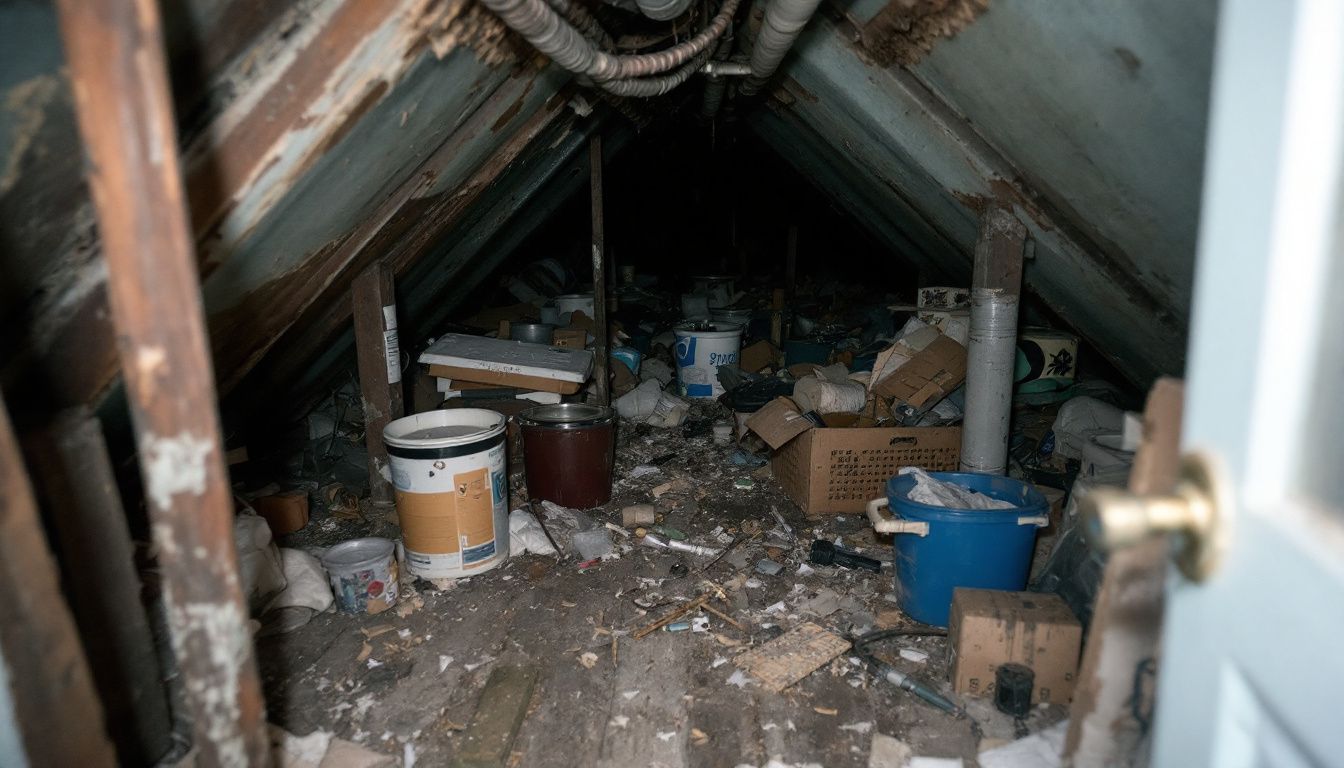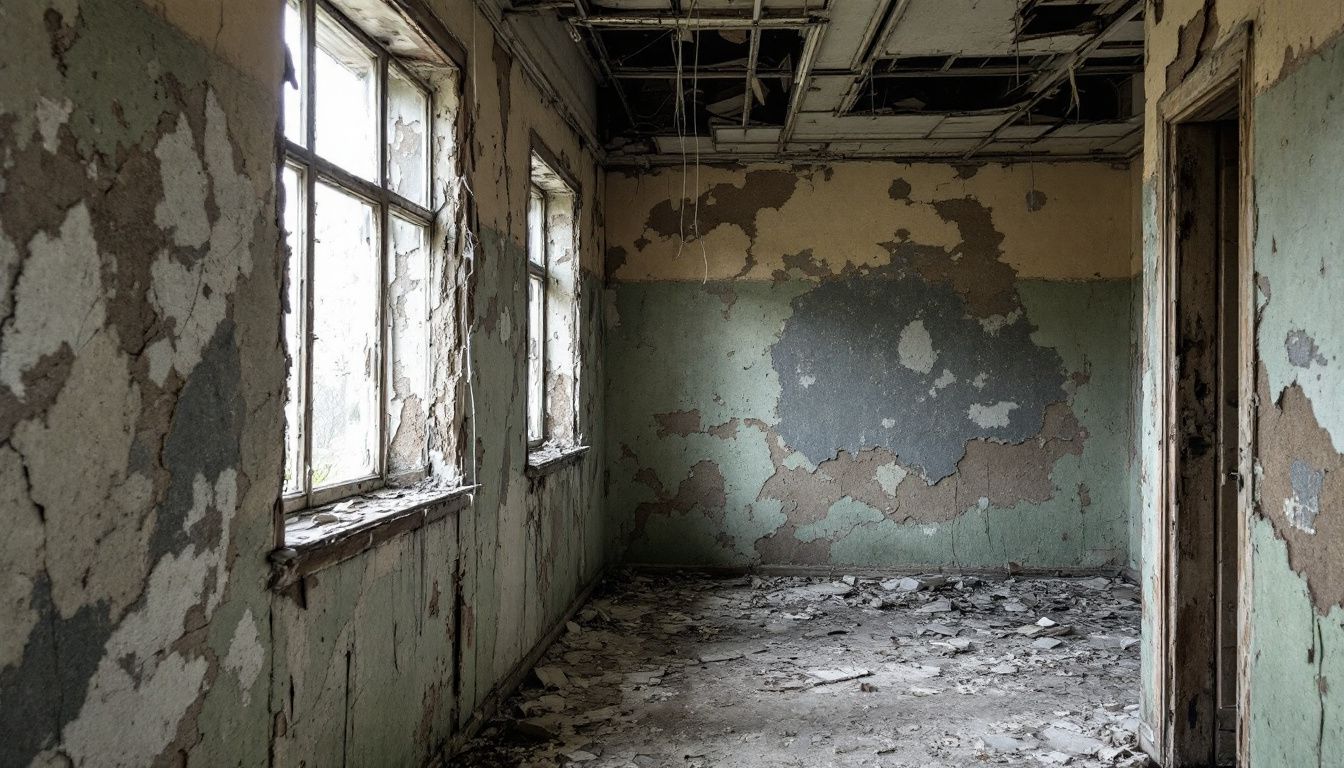
Author: ☀️ Supernova

  • Asbestos Awareness Training Requirements for Employers in the UK

    Asbestos Awareness Training Requirements for Employers in the UK

    One careless cut into a ceiling void can release fibres no one can see. That is why asbestos awareness training remains one of the simplest and most effective ways to prevent accidental exposure in UK buildings.

    For employers, property managers and training coordinators, the issue is rarely a lack of paperwork. The real problem is what happens on site, in plant rooms, risers, loft spaces, service cupboards and behind old wall linings, when someone starts work before checking the asbestos information properly.

    Across the UK, many buildings constructed or refurbished before 2000 may still contain asbestos-containing materials. Under the Control of Asbestos Regulations, employers must provide adequate information, instruction and training to anyone liable to disturb asbestos during their work. HSE guidance and HSG264 also shape how asbestos is identified, surveyed and managed in practice.

    That means asbestos awareness training should never sit in isolation. It works best when paired with current asbestos surveys, a clear register, a workable management plan and site controls that stop intrusive work until the risk has been checked.

    Why asbestos awareness training matters

    Asbestos awareness training is about recognition and avoidance. It does not teach people to remove asbestos, repair asbestos-containing materials or take samples from suspect products.

    This distinction matters. Category A, often called Cat A asbestos training, is designed to help workers recognise where asbestos may be present, understand the risks of disturbance and know what action to take if they encounter suspect materials.

    Done properly, asbestos awareness training helps organisations:

    • Reduce accidental disturbance during routine maintenance and repair
    • Meet legal duties for information, instruction and training
    • Improve contractor control before work starts
    • Create a reliable training record for audits and compliance checks
    • Support supervisors and managers in challenging unsafe assumptions
    • Improve communication between dutyholders, site teams and external contractors

    If your teams access ceiling voids, floor voids, ducts, risers, roof spaces, service cupboards, meter rooms or plant areas, asbestos awareness training should already be part of your compliance process.

    Who needs asbestos awareness training?

    The short answer is anyone whose work could disturb the fabric of a building. That includes people who do not intend to work on asbestos, but may come across it while carrying out ordinary tasks.

    Typical roles include:

    • Electricians
    • Plumbers and heating engineers
    • Joiners and carpenters
    • Painters and decorators
    • General builders
    • Roofers
    • Gas engineers
    • Telecoms and data cabling engineers
    • Maintenance operatives
    • Facilities management teams
    • Site supervisors and managers
    • Architects and surveyors visiting older premises
    • Housing association and local authority maintenance staff
    • Property managers overseeing repairs and contractor access

    It is also highly relevant for those who organise work rather than carry it out directly. If you appoint contractors, issue permits, plan refurbishment or sign off maintenance access, you need enough understanding to confirm that asbestos information has been reviewed before work begins.

    How asbestos awareness training fits UK legal duties

    Employers must provide suitable training to employees liable to be exposed to asbestos, or who supervise such employees. In practice, that means assessing who may disturb building materials during their work and making sure training is proportionate to that risk.

    asbestos awareness training - Asbestos Awareness Training Requirements

    Awareness training also supports the wider duty to manage asbestos in non-domestic premises. A register sitting in a folder will not prevent disturbance if workers do not understand what they are looking at or when they should stop work.

    Good compliance links three things together:

    1. Training so workers understand the hazard and the limits of their role
    2. Asbestos information such as surveys, registers and management plans
    3. Site controls so no intrusive work starts until asbestos risks have been checked

    HSE guidance is clear on the basic principle: people must know enough to avoid disturbing asbestos. For property managers, that means making asbestos information available before maintenance, repair or refurbishment begins.

    If you manage older premises in the capital, arranging an asbestos survey London service can help ensure contractors have current site information before works start.

    The same principle applies across regional portfolios. A current asbestos survey Manchester can support safer maintenance planning, while an asbestos survey Birmingham may be essential before intrusive repairs or refurbishment.

    Asbestos Awareness Training – IATP Certificate and Accreditation

    When buyers compare providers, accreditation is usually the first thing they look at. That is sensible, but it should not be the only test.

    A recognised course still needs to be clear, practical and suitable for the people taking it. The best asbestos awareness training explains real workplace scenarios, the limits of Cat A training and the exact action to take if suspect materials are found.

    You will commonly see courses marketed as:

    • IATP approved asbestos awareness training
    • UKATA approved asbestos awareness training
    • RoSPA assured asbestos awareness training
    • Courses with CPD recognition

    Asbestos Awareness Training – IATP Certificate and Accreditation is a common search because employers want reassurance that the syllabus follows accepted industry expectations. An IATP-branded course may be suitable provided the content is current, the assessment is robust and the certificate clearly records completion.

    Before buying any asbestos awareness training, ask practical questions:

    • What learning outcomes does the course cover?
    • Is it clearly for Cat A awareness only?
    • How long does it take to complete?
    • How does the final assessment work?
    • Is the certificate downloadable immediately?
    • Can managers access completion records?
    • Is learner support available if there are login issues?
    • Does the content reflect HSE guidance and common workplace risks?

    Digital badges, wallet passes and instant certificates can be useful on site, but they are secondary. The real value lies in whether the course changes behaviour before work starts.

    IATP Approved Asbestos Awareness Training Course £22.50 + vat

    The phrase IATP Approved Asbestos Awareness Training Course £22.50 + vat appears often because it reflects a common online price point. For many employers, it is a reasonable benchmark when comparing providers.
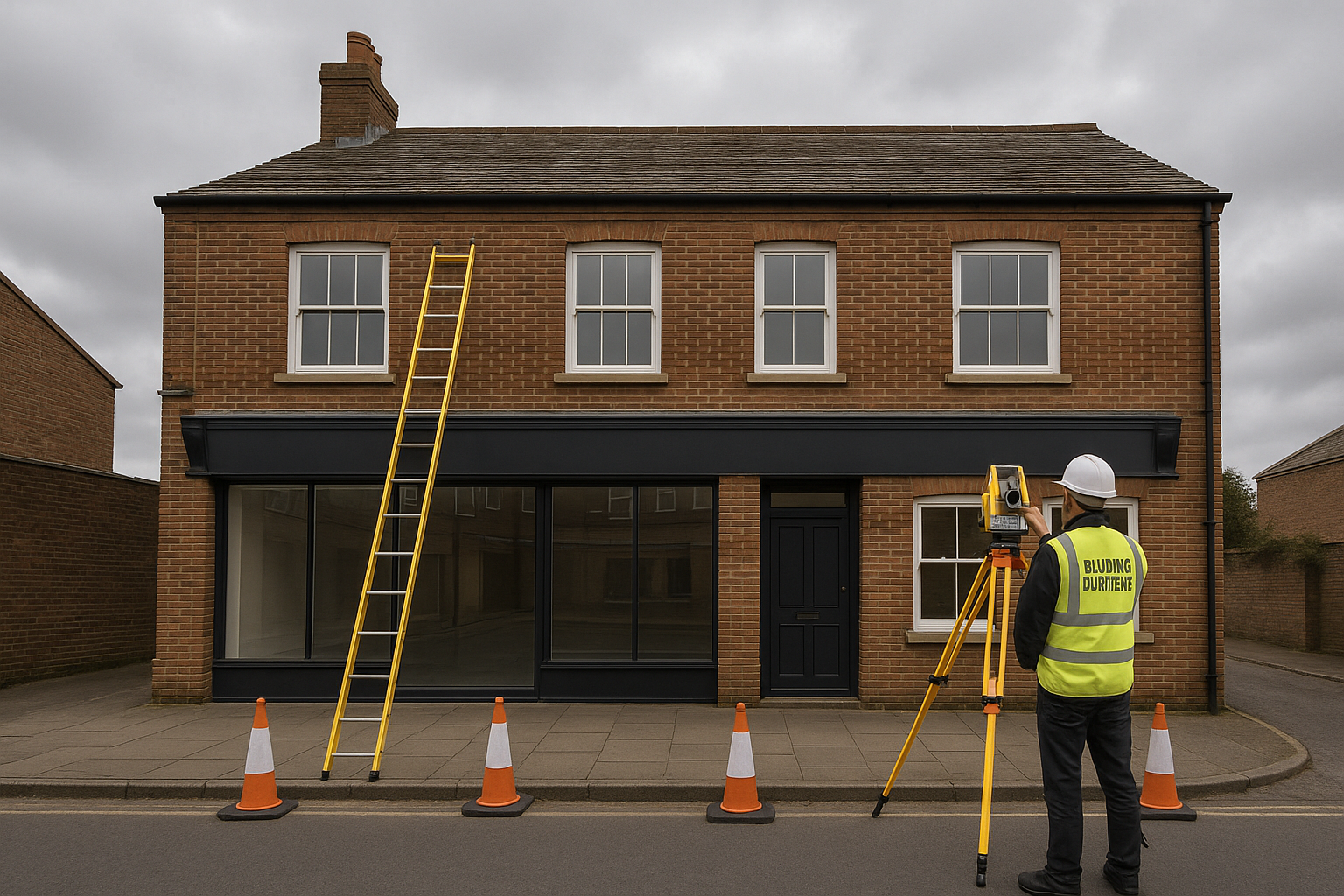
    asbestos awareness training - Asbestos Awareness Training Requirements

    At that price, buyers usually expect:

    • Immediate access to the online course
    • A structured learning programme
    • A final assessment
    • An instant downloadable certificate
    • Basic learner support

    Price alone should not decide the purchase. A cheaper course is poor value if learners click through it without understanding where asbestos may be found or what to do when information is missing.

    When comparing providers around the £22.50 + vat mark, check whether the course:

    • Explains the difference between awareness and licensed work
    • Uses realistic examples from maintenance and refurbishment settings
    • Covers common asbestos-containing materials in buildings
    • Shows how asbestos registers and management plans are used in practice
    • Provides suitable reporting tools for managers

    Discounts available for teams and bulk bookings

    Many providers offer discounts available for larger groups, and that can make sense for employers rolling out asbestos awareness training across multiple sites. The key is to balance cost with administration, reporting and learner support.

    Bulk pricing is especially useful where you need to train:

    • Facilities management teams
    • Housing maintenance operatives
    • School or NHS estates staff
    • Mobile engineers working across several buildings
    • Approved contractor lists
    • Supervisors and managers who control access to work areas

    If discounts are offered, ask exactly what is included. A lower per-user cost can look attractive, but it may not include progress tracking, reminder emails, certificate storage or coordinator dashboards.

    Practical questions to ask about discounts available:

    • What is the minimum number of users for a reduced rate?
    • Can licences be used over time or must they all start at once?
    • Is there a portal for tracking completion?
    • Can certificates be downloaded in bulk?
    • Is support available for training coordinators?

    Ideal for training coordinators

    For larger organisations, asbestos awareness training is not a one-off purchase. It is an ongoing management task involving new starters, refresher cycles, contractor onboarding and audit readiness.

    That is why online delivery is often ideal for training coordinators. It allows multiple learners to complete the course at different times while keeping records in one place.

    Training coordinators usually need more than a certificate at the end. They need a system that works across several teams, properties and contractors.

    Useful features include:

    • Bulk enrolment for multiple learners
    • Simple learner dashboards
    • Progress tracking and completion reporting
    • Downloadable certificates
    • Clear evidence for audits and client checks
    • Renewal planning for refresher training
    • Support for supervisors and managers overseeing compliance

    If you are coordinating asbestos awareness training for caretakers, FM staff, engineers or external contractors, ask providers how they handle administration. A low-cost course becomes expensive if record-keeping is poor or learners struggle to access the platform.

    Practical advice for coordinators

    Make the course part of a wider pre-work process. Training should sit alongside asbestos registers, permit systems and contractor induction, not replace them.

    It also helps to group learners by job role. An electrician, a property manager and a caretaker all need asbestos awareness training, but the examples that resonate with them may differ.

    For smoother delivery:

    1. Identify who is liable to disturb building materials
    2. Set completion deadlines before site access is granted
    3. Keep certificates with your contractor and staff records
    4. Link training records to refresher reminders
    5. Check that site-specific asbestos information is still current

    Ideal for individual learners

    Online asbestos awareness training also suits individual workers who need certification quickly. A learner can usually start immediately, complete the course the same day, pass the assessment and download a certificate without waiting for a classroom date.

    That is especially useful for subcontractors, new starters and mobile engineers who need proof of training before attending site. It can also help self-employed tradespeople who work in older domestic and commercial premises where asbestos may still be present.

    Before choosing a course as an individual learner, check:

    • Whether the certificate is issued instantly
    • How long access lasts if you need to pause and return
    • Whether the course works on mobile, tablet and desktop
    • Whether support is available if you fail the test or lose access
    • Whether the content clearly explains what you must not do

    A certificate is useful, but what matters most is this: once trained, you should be more likely to stop, check and report rather than drill first and ask questions later.

    How to get asbestos certificate

    How To Get Asbestos Certificate is one of the most common questions from workers and employers. In the context of asbestos awareness training, the certificate is usually issued after the learner completes the course and passes the assessment.

    The process is normally straightforward:

    1. Choose a suitable asbestos awareness training provider
    2. Register as an individual learner or enrol users in bulk
    3. Complete the online learning modules
    4. Pass the end-of-course assessment
    5. Download or receive the certificate

    Before relying on any certificate, check that it includes:

    • The learner’s name
    • The course title
    • The completion date
    • The provider’s details
    • Any relevant accreditation reference where applicable

    For employers, the certificate should be stored with training records and matched to the worker’s role. It should not be treated as a permit to work on asbestos-containing materials.

    What an asbestos awareness certificate does and does not mean

    An asbestos awareness certificate shows that the learner has completed awareness-level training. It does not mean they are qualified to remove asbestos, intentionally disturb asbestos-containing materials or carry out asbestos sampling.

    That distinction is critical. If the planned task involves direct work on asbestos, different levels of training, controls and legal requirements apply.

    Asbestos awareness training – course structure

    A good online course is usually broken into short modules. That makes asbestos awareness training easier to complete, easier to revisit and easier to understand in practical terms.

    Asbestos Awareness Training – Course Structure should be clear from the start. Learners should know what they are expected to understand by the end, how long the course will take and how they will be assessed.

    Module 1 – Asbestos background information

    Module 1 – Asbestos background information should explain what asbestos is, why it was used so widely and why it is still a live risk in many UK buildings.

    Learners need context. Asbestos was valued for heat resistance, strength and insulating properties, which is why it was used in so many products across homes, schools, offices, hospitals, factories and public buildings.

    A strong first module should cover:

    • What asbestos is
    • Why it was used in construction and refurbishment
    • Why many older buildings may still contain asbestos
    • Why the risk comes from disturbed fibres rather than simple presence alone

    This foundation matters because workers often assume asbestos is limited to industrial settings. In reality, it can appear in ordinary places such as service cupboards, boiler casings, ceiling tiles, wall panels, garage roofs and textured coatings.

    Module 2 – Types of asbestos

    Learners should be introduced to the main asbestos types historically used in the UK, including chrysotile, amosite and crocidolite. The course does not need to turn workers into analysts, but it should help them understand that asbestos was used in many forms and products.

    The practical message is simple: if a material could contain asbestos and the information has not been checked, do not disturb it.

    Module 3 – Common asbestos-containing materials

    This is one of the most useful parts of asbestos awareness training. Learners need to recognise the products and locations most likely to create risk during routine work.

    Typical materials covered should include:

    • Asbestos insulating board
    • Pipe lagging
    • Sprayed coatings
    • Asbestos cement sheets and products
    • Vinyl floor tiles and bitumen adhesives
    • Textured coatings
    • Gaskets, ropes and seals
    • Ceiling tiles and panels
    • Insulation around boilers and services

    The course should explain that appearance alone is not enough to confirm whether a material contains asbestos. Workers should always rely on survey information and site controls, not guesswork.

    Module 4 – Health effects

    Asbestos awareness training should explain the health effects of exposure in direct, plain language. Learners need to understand why disturbing asbestos is serious, even if fibres cannot be seen.

    Topics usually include:

    • How fibres enter the body
    • Why asbestos-related disease can develop long after exposure
    • Conditions associated with exposure, such as mesothelioma, asbestos-related lung cancer, asbestosis and pleural thickening

    The aim is not to alarm people. It is to make the consequences clear enough that unsafe shortcuts stop looking acceptable.

    Module 5 – Asbestos risk management

    Module 2 – Asbestos Risk Management or an equivalent section should move from background knowledge to workplace action. This is where learners understand how asbestos risk is controlled day to day.

    Key topics should include:

    • The purpose of the asbestos register
    • How management plans help control risk
    • Why pre-work checks matter
    • How permit systems and contractor briefings support safety
    • What to do if information is missing, unclear or out of date

    For property managers, this part of asbestos awareness training is especially useful. It links the duty to manage asbestos with practical site controls.

    Module 6 – Legal responsibilities

    A proper course should explain responsibilities without drowning learners in legal jargon. Workers need to know what employers must provide, what supervisors should check and what individuals must do before starting work.

    Practical legal points include:

    • Employers must provide suitable training where exposure is possible
    • Workers must follow information, instruction and site controls
    • Supervisors should confirm asbestos information has been reviewed
    • Dutyholders must manage asbestos in non-domestic premises

    Module 7 – Emergency procedures

    This is where asbestos awareness training becomes immediately useful on site. If a suspect material is damaged, drilled, cut or otherwise disturbed, workers need a simple response plan.

    A good course should teach learners to:

    1. Stop work immediately
    2. Keep others away from the area
    3. Avoid further disturbance
    4. Report the incident to the appropriate manager or dutyholder
    5. Follow site procedures for isolation, assessment and next steps

    That response can prevent a minor incident from becoming a wider contamination problem.

    Certificates generated – live feed and proof of completion

    Certificates Generated – Live Feed is a feature some training providers use to show recent completions. It can create confidence for buyers by demonstrating that learners are actively using the platform.

    For employers, though, the more useful question is how certificates are managed after completion. A live feed is less important than having a reliable system for storing, retrieving and checking training records when needed.

    Look for a provider that allows you to:

    • Download certificates individually or in bulk
    • Track completed and incomplete learners
    • Search records by name or team
    • Keep evidence ready for audits and client checks
    • Monitor expiry or refresher dates where applicable

    If a provider promotes certificates generated in real time, treat it as a convenience feature rather than proof of quality. The course content, assessment and administration matter more.

    Call back, get in touch and choosing the right provider

    Call Back and Get in Touch sections are common on training websites for a reason. Buyers often have practical questions that are not answered by the sales page alone.

    If you are choosing asbestos awareness training for a business, contact the provider before buying if any of the following apply:

    • You need bulk licences for several teams
    • You want discounts available for larger groups
    • You need reporting access for training coordinators
    • You need certificates issued quickly for site mobilisation
    • You want to confirm the accreditation or course scope
    • You need support for subcontractors or temporary staff

    When you get in touch, ask direct questions. Do not settle for vague promises about compliance or instant certificates.

    Useful questions include:

    • Is this course suitable for workers liable to disturb asbestos but not work on it directly?
    • What is included in the price?
    • How are certificates issued and stored?
    • Can managers monitor progress?
    • Do you offer a call back for bulk booking enquiries?
    • What support is available if learners have technical issues?

    A quick call can save time, especially if you are rolling out training across a portfolio and need the administration to work properly from day one.

    Practical advice for employers and property managers

    Asbestos awareness training works best when it is part of a wider asbestos management system. If you rely on the certificate alone, you leave too much to chance.

    To make the training effective in practice:

    1. Check which roles are actually liable to disturb building materials
    2. Provide asbestos awareness training before those workers attend site
    3. Make sure surveys, registers and management plans are current
    4. Require pre-work checks before drilling, cutting or opening up
    5. Brief contractors on site-specific asbestos information
    6. Use stop-work procedures where information is missing or unclear
    7. Keep training records organised for audits and contractor control

    Property managers should also review whether the asbestos information they hold still matches the condition and use of the building. A management survey may support routine occupation, but refurbishment or intrusive maintenance often requires more detailed planning.

    If the survey information is out of date, incomplete or unsuitable for the planned work, update it before work starts. That is one of the most practical ways to support the value of asbestos awareness training on site.

    Common mistakes to avoid

    Even organisations that take compliance seriously can make avoidable errors. Most of them come from treating asbestos awareness training as a box-ticking exercise rather than a decision-making tool.

    Watch out for these common mistakes:

    • Assuming a certificate allows direct work on asbestos
    • Training workers but failing to provide current asbestos information
    • Letting contractors start intrusive work without checking the register
    • Buying the cheapest course without checking quality or support
    • Ignoring supervisors who also need awareness-level understanding
    • Failing to store certificates and completion records properly
    • Relying on old survey data for new refurbishment works

    If you fix those issues, asbestos awareness training becomes far more than a compliance document. It becomes a practical control that helps people stop unsafe work before fibres are released.

    Frequently Asked Questions

    What is asbestos awareness training?

    Asbestos awareness training is Cat A training designed to help workers recognise where asbestos may be present, understand the risks of disturbing it and know what action to take if suspect materials are encountered. It is awareness and avoidance training only.

    Does asbestos awareness training qualify someone to remove asbestos?

    No. Asbestos awareness training does not qualify anyone to remove asbestos, repair asbestos-containing materials or take samples. It teaches people how to avoid disturbing asbestos and when to stop work and report concerns.

    How do I get an asbestos awareness certificate?

    You usually get an asbestos awareness certificate by completing the course and passing the final assessment. Most online providers issue the certificate as a downloadable document once the learner has successfully finished the training.

    Who should take asbestos awareness training?

    Anyone liable to disturb the fabric of a building during their work should take asbestos awareness training. That commonly includes electricians, plumbers, joiners, decorators, builders, maintenance staff, supervisors, facilities teams and property managers overseeing works in older premises.

    How often should asbestos awareness training be refreshed?

    Refresher needs should be considered as part of your wider training and risk management arrangements. Employers should review whether workers still have current knowledge, especially where job roles, work activities or building risks have changed.

    If you need expert support beyond training, Supernova Asbestos Surveys can help with asbestos surveys, testing and practical advice for property managers, dutyholders and organisations across the UK. To arrange a survey or discuss your requirements, call 020 4586 0680 or visit asbestos-surveys.org.uk.

  • Asbestos in the Workplace: Risks, Health Effects & Safety

    Asbestos in the Workplace: Risks, Health Effects & Safety

    It Is Not Only Tradespeople Who Face Asbestos Risk at Work

    Asbestos kills more workers in the UK each year than any other occupational cause. Yet there remains a stubborn and dangerous assumption that only tradespeople are at a higher risk of asbestos exposure — a belief that leaves teachers, office workers, cleaners, and healthcare staff dangerously unaware of the risks they may face every single day.

    If you work in, manage, or regularly occupy a building constructed before 2000, asbestos is a subject you cannot afford to ignore. The material is still present in millions of UK buildings, and the diseases it causes are irreversible, life-limiting, and in most cases fatal.

    What Is Asbestos and Why Does It Still Matter?

    Asbestos is a naturally occurring fibrous mineral that was used extensively throughout UK construction during the twentieth century. It was prized for its heat resistance, fire protection properties, and durability — which is precisely why it ended up in so many buildings.

    The UK banned brown and blue asbestos in 1985, followed by a full ban on white asbestos in 1999. But the material remains embedded in an enormous number of buildings that predate those bans, and it is not going anywhere on its own.

    When asbestos-containing materials are disturbed, they release microscopic fibres into the air. These fibres are invisible to the naked eye — you cannot smell them, taste them, or feel them entering your lungs. Once inhaled, they become permanently lodged in lung tissue, where they cause damage that accumulates silently over years or decades before any symptoms appear.

    Where Is Asbestos Found in Workplaces?

    Asbestos does not announce itself. It blends into the fabric of a building, hidden in materials that look entirely ordinary. Any non-domestic building constructed or refurbished before 2000 should be treated as potentially containing asbestos until a professional survey confirms otherwise.

    Common locations where asbestos-containing materials are found in workplaces include:

    • Roof tiles and corrugated cement sheets — particularly common in industrial units, warehouses, and older commercial buildings
    • Floor tiles and adhesive backing — vinyl floor tiles from the 1960s through to the 1980s frequently contained chrysotile (white asbestos)
    • Textured coatings — products such as Artex were commonly applied to ceilings and walls and often contained asbestos fibres
    • Pipe lagging and boiler insulation — particularly in plant rooms, boiler houses, and service ducts
    • Sprayed coatings on structural steelwork — used for fire protection in industrial and commercial buildings
    • Ceiling tiles and partition boards — asbestos insulating board (AIB) was widely used in suspended ceilings and fire doors
    • Electrical equipment and fuse boards — older electrical installations sometimes incorporated asbestos components
    • Soffits, fascias, and external panels — asbestos cement was routinely used in these applications

    The presence of asbestos in any of these locations does not automatically mean workers are in immediate danger. Asbestos-containing materials that are in good condition and left completely undisturbed generally pose a low risk. The danger arises when those materials are drilled, cut, sanded, broken, or disturbed in any way.

    The Three Types of Asbestos Most Commonly Found in UK Buildings

    There are six recognised types of asbestos, but three were most commonly used in UK buildings:

    • Chrysotile (white asbestos) — the most widely used type, found in cement products, floor tiles, and textured coatings
    • Amosite (brown asbestos) — commonly found in insulating board, ceiling tiles, and thermal insulation
    • Crocidolite (blue asbestos) — considered the most hazardous type, used in spray coatings and pipe insulation

    All three types are dangerous. The colour names are informal and do not reflect how the material actually appears within a product. You cannot identify asbestos by looking at it — laboratory analysis is always required for confirmation.

    The Health Effects of Asbestos Exposure

    The diseases caused by asbestos exposure are serious, life-limiting, and in most cases fatal. What makes them particularly devastating is the latency period — symptoms typically do not emerge until 20 to 50 years after initial exposure. By the time a diagnosis is made, the damage is irreversible.

    Mesothelioma

    Mesothelioma is a cancer of the mesothelium — the thin membrane that lines the lungs, chest wall, and abdominal cavity. It is almost exclusively caused by asbestos exposure and has no cure. The prognosis is extremely poor, and the latency period is typically between 30 and 50 years, meaning many of those diagnosed today were exposed during the 1970s and 1980s.

    Asbestos-Related Lung Cancer

    Asbestos exposure significantly increases the risk of developing lung cancer. The risk is compounded substantially for workers who also smoke — the combination creates a multiplicative effect on lung cancer risk that far exceeds either factor alone. Symptoms often do not appear until the cancer is at an advanced stage, making early detection extremely difficult.

    Asbestosis

    Asbestosis is a chronic lung disease caused by the inhalation of large quantities of asbestos fibres over a prolonged period. The fibres cause progressive scarring of the lung tissue, which permanently reduces the lungs’ ability to function. There is no cure. It is most commonly associated with heavy occupational exposure and tends to develop after years of working directly with asbestos materials.

    Pleural Thickening and Pleural Plaques

    Pleural thickening involves the scarring and hardening of the pleura — the membrane surrounding the lungs. When severe, it restricts lung expansion and causes breathlessness. Pleural plaques are localised areas of scarring on the pleura, often detected incidentally on chest X-rays. While plaques themselves are not usually symptomatic, they are a marker of past asbestos exposure.

    It Is Not Only Tradespeople Who Are at a Higher Risk of Asbestos Exposure

    The assumption that only tradespeople are at a higher risk of asbestos exposure is one of the most persistent and damaging misconceptions in workplace health and safety. It leads workers — and the managers responsible for them — to underestimate the risk in their own environments.

    Yes, construction workers, electricians, plumbers, and carpenters face elevated daily risks because their work regularly involves disturbing building fabric. But they are far from alone. The following groups are all at meaningful risk.

    Construction and Maintenance Workers

    Workers who drill, cut, sand, or strip building materials in pre-2000 structures are at the sharpest end of asbestos risk. This includes not only large-scale construction projects but also routine maintenance tasks — replacing a ceiling tile, drilling into a partition wall, or cutting through a floor to access pipework. These everyday activities can release significant quantities of asbestos fibres if the materials involved have not been properly assessed beforehand.

    An estimated 20 tradespeople die every week in the UK from asbestos-related diseases linked to past workplace exposure. That figure reflects the scale of historical harm — and the critical importance of preventing future exposure now.

    Shipyard and Industrial Workers

    Workers in shipbuilding and ship repair were historically among the most heavily exposed to asbestos in the UK. Asbestos was used extensively throughout vessels for insulation, fireproofing, and pipe lagging. Many dockyard workers who retired decades ago are only now developing asbestos-related diseases as a result of that exposure.

    Industrial workers in factories, power stations, and manufacturing plants similarly encountered asbestos in machinery insulation, gaskets, and building materials. Older industrial premises may still contain significant quantities of asbestos-containing materials that require careful management.

    Firefighters

    Firefighters attending incidents in older buildings face a dual hazard: the fire itself may release asbestos fibres from damaged materials, and the aftermath — during salvage and investigation — can disturb materials that were previously intact. Full respiratory protective equipment is essential, and decontamination procedures must be followed rigorously after any incident in a building where asbestos may be present.

    Teachers, Office Workers, and Healthcare Staff

    Many people are surprised to learn that teachers, office workers, and healthcare staff can also face meaningful asbestos exposure. Schools, hospitals, and commercial offices built before 2000 frequently contain asbestos-containing materials. Provided those materials are in good condition and undisturbed, the risk is low — but it is not zero.

    Deteriorating asbestos materials, poorly managed buildings, or maintenance work carried out without proper assessment can expose these workers to fibres. Duty holders managing such premises have a legal obligation to identify and manage asbestos risks, regardless of the type of work carried out in the building.

    Domestic Workers and Cleaners

    Cleaners and domestic workers who operate in older commercial or institutional buildings may also encounter asbestos risks, particularly if they use equipment that disturbs surfaces — floor polishers used on old vinyl floor tiles being a notable example. Awareness training is essential for anyone working in environments where asbestos-containing materials may be present.

    UK Legal Requirements for Managing Asbestos in the Workplace

    The Control of Asbestos Regulations place clear legal duties on those who manage non-domestic premises. These duties apply to building owners, employers, and anyone with responsibility for the maintenance or repair of a workplace.

    The core legal obligations include:

    1. Identifying whether asbestos is present — through a professional asbestos survey conducted by a competent surveyor
    2. Assessing the condition and risk of any asbestos-containing materials found
    3. Producing and maintaining an asbestos register — a written record of the location, type, and condition of all identified asbestos-containing materials
    4. Implementing a management plan — setting out how identified asbestos will be managed, monitored, and communicated to those who may disturb it
    5. Keeping records and reviewing the management plan regularly to reflect any changes in the condition of materials or building use

    HSE guidance, including HSG264, sets out the standards that asbestos surveys must meet. There are two primary survey types: the management survey, which is required for the ongoing management of asbestos in occupied premises, and the demolition survey, which is required before any intrusive refurbishment or demolition work begins.

    Failure to comply with the Control of Asbestos Regulations can result in prosecution, unlimited fines in the Crown Court, and — most critically — serious harm to workers and building occupants.

    Who Can Remove Asbestos?

    The removal of most asbestos-containing materials must be carried out by a licensed asbestos contractor, approved by the HSE. Certain lower-risk materials may be handled by unlicensed but trained operatives, but this is tightly defined in legislation and should never be assumed without professional advice.

    No untrained person should ever attempt to remove or disturb suspected asbestos-containing materials. If you are unsure whether a material contains asbestos, treat it as though it does until laboratory testing confirms otherwise.

    Practical Steps to Protect Workers from Asbestos Exposure

    Protecting workers from asbestos is not complicated in principle, but it does require consistent application of the right procedures. The following steps form the foundation of effective asbestos risk management in any workplace:

    1. Commission a professional asbestos survey before undertaking any maintenance, refurbishment, or construction work in a pre-2000 building
    2. Maintain an up-to-date asbestos register and make it accessible to contractors and maintenance staff before they begin any work
    3. Provide asbestos awareness training to all workers who could encounter asbestos-containing materials — this is a legal requirement under the Control of Asbestos Regulations
    4. Never disturb suspected asbestos-containing materials without a prior assessment by a qualified professional
    5. Review your management plan regularly — particularly after any building work, change of use, or deterioration in material condition
    6. Use licensed contractors for any removal or encapsulation work involving higher-risk asbestos-containing materials

    Asbestos awareness does not require specialist knowledge from every worker — but it does require that every worker knows enough to recognise when to stop and seek advice before proceeding.

    Asbestos Surveys Across the UK

    Whether you are managing a commercial property, a school, a healthcare facility, or an industrial site, getting the right survey in place is the single most important step you can take. Supernova Asbestos Surveys operates nationwide, with specialist teams covering every region of the country.

    If you are based in the capital, our asbestos survey London service covers all London boroughs and surrounding areas. For properties in the North West, our asbestos survey Manchester team is available for both management and refurbishment surveys. In the Midlands, our asbestos survey Birmingham service provides fast, reliable coverage across the region and beyond.

    Every survey we carry out is conducted by qualified, experienced surveyors working to the standards set out in HSG264. We provide clear, actionable reports that give you everything you need to meet your legal duties and keep your workers safe.

    Frequently Asked Questions

    Is it true that only tradespeople are at a higher risk of asbestos exposure?

    No — this is a common and dangerous misconception. While construction workers, plumbers, and electricians do face elevated risk due to the nature of their work, anyone who works in or manages a pre-2000 building can be exposed to asbestos fibres. Teachers, office workers, healthcare staff, cleaners, and firefighters can all encounter asbestos in the course of their working lives.

    How do I know if my workplace contains asbestos?

    You cannot identify asbestos by sight. The only reliable way to determine whether asbestos-containing materials are present is through a professional asbestos survey carried out by a competent surveyor. If your building was constructed or refurbished before 2000, you should assume asbestos may be present until a survey confirms otherwise.

    What type of asbestos survey does my workplace need?

    The type of survey depends on what you intend to do with the building. A management survey is required for the routine management of asbestos in occupied premises. A refurbishment and demolition survey is required before any intrusive work — including significant maintenance, refurbishment, or demolition — begins. A qualified surveyor can advise you on which type is appropriate for your situation.

    What are my legal duties as a building manager or employer?

    Under the Control of Asbestos Regulations, duty holders must identify whether asbestos is present, assess the condition of any asbestos-containing materials, maintain an asbestos register, and implement a written management plan. Workers who may encounter asbestos must also receive appropriate awareness training. Failure to comply can result in prosecution and significant financial penalties.

    What should I do if I accidentally disturb asbestos-containing materials?

    Stop work immediately. Evacuate the area and prevent anyone else from entering. Do not attempt to clean up the material yourself. Contact a licensed asbestos contractor to assess the situation and carry out any necessary remediation. Report the incident to your employer or duty holder and seek guidance from the HSE if required.

    Speak to Supernova Asbestos Surveys Today

    With over 50,000 surveys completed across the UK, Supernova Asbestos Surveys has the experience, expertise, and nationwide reach to help you meet your legal obligations and protect everyone in your building.

    Do not wait until a problem arises. Call us on 020 4586 0680 or visit asbestos-surveys.org.uk to book a survey or speak to one of our team about your specific requirements.

  • Asbestos Awareness Training for Workers and Employees: Why It Matters

    Asbestos Awareness Training for Workers and Employees: Why It Matters

    Why the Importance of Asbestos Awareness Cannot Be Overstated

    Around 5,000 people die every year in the UK from asbestos-related diseases — more than double the number killed on UK roads. Many of those deaths trace back to brief, seemingly minor exposures that happened decades ago, often because nobody at the time understood the risk.

    That is the brutal reality of asbestos, and it is precisely why the importance of asbestos awareness remains one of the most pressing workplace health and safety issues in Britain today. This is not a problem confined to history books or old industrial sites — it is happening right now, in buildings across the country, to workers who have no idea they are at risk.

    Asbestos does not announce itself. It hides inside ceiling tiles, floor coverings, pipe lagging, roofing sheets, and textured coatings in hundreds of thousands of buildings. Workers disturb it without realising. Dust rises, fibres are inhaled, and the damage is done — silently, invisibly, and with consequences that may not surface for 20 to 40 years.

    The Scale of the Problem in UK Workplaces

    Asbestos was used extensively in UK construction from the 1950s through to the late 1990s. It was cheap, fire-resistant, and incredibly versatile. By the time the full ban on its use came into effect, it had been incorporated into an enormous range of building materials.

    The result is that a significant proportion of buildings constructed before 2000 are likely to contain asbestos-containing materials (ACMs) somewhere. That includes offices, schools, hospitals, factories, housing blocks, and retail premises. This is not a niche problem affecting a handful of derelict industrial sites — it is a widespread, everyday risk for anyone working in or on older buildings.

    Approximately 20 tradespeople die every week in the UK from past asbestos exposure. Mesothelioma, asbestosis, and asbestos-related lung cancer are the primary killers. These are not historical statistics — they reflect exposures that happened years ago and continue to claim lives today, which is precisely why preventing future exposure through proper awareness and training is so critical.

    What the Law Says About Asbestos Awareness Training

    The legal framework is clear. The Control of Asbestos Regulations places a duty on employers to ensure that workers who are liable to disturb asbestos during their work receive adequate information, instruction, and training. This is not optional guidance — it is a legal requirement.

    Failure to comply can result in prosecution, significant fines, and unlimited liability in the event of a worker developing an asbestos-related disease. The HSE’s guidance document HSG264 sets out the standards expected for asbestos surveys and management, but the training obligations extend well beyond surveyors.

    Any worker who might encounter ACMs in the course of their duties — whether they are drilling a wall, lifting floor tiles, or cutting through a ceiling — must receive appropriate training before they carry out that work.

    The Duty to Manage

    For non-domestic properties, the Control of Asbestos Regulations also imposes a duty to manage asbestos. Dutyholders — which typically means building owners, employers, or those responsible for maintenance — must identify whether ACMs are present, assess their condition and risk, and put in place a written management plan.

    A management survey is the standard tool used to fulfil this obligation, and it forms the foundation of any sensible asbestos management programme. Awareness training sits alongside this duty — knowing that ACMs exist in a building is only useful if the people working there understand what that means for how they carry out their work.

    Refresher Training Requirements

    Training is not a one-off box-ticking exercise. The HSE expects that asbestos awareness training is refreshed regularly — typically on an annual basis — to ensure workers remain up to date with current guidance, changes in best practice, and any new information about the buildings they work in.

    Records of training should be kept and be readily available for inspection. If your training records cannot demonstrate that workers have received up-to-date instruction, you are already on the wrong side of the regulations.

    Understanding the Health Risks of Asbestos Exposure

    To truly appreciate the importance of asbestos awareness, workers and employers need to understand exactly what asbestos does to the human body. It is not an exaggeration to describe asbestos as one of the most dangerous substances ever used in construction.

    When ACMs are disturbed, microscopic fibres are released into the air. These fibres are too fine to see with the naked eye and too small to be filtered out by the body’s natural defences. Once inhaled, they lodge permanently in the lung tissue and the lining of the chest cavity. Over years and decades, they cause scarring, inflammation, and ultimately cancer.

    The Diseases Caused by Asbestos

    • Mesothelioma — a cancer of the lining of the lungs or abdomen, almost exclusively caused by asbestos exposure. It is incurable and typically fatal within 12 to 18 months of diagnosis.
    • Asbestos-related lung cancer — directly linked to asbestos fibre inhalation. Smoking significantly increases the risk.
    • Asbestosis — a chronic scarring of the lung tissue that causes progressive breathlessness and significantly reduces quality of life.
    • Pleural thickening — a condition where the lining of the lungs thickens and hardens, restricting breathing capacity over time.

    All three main types of asbestos fibre found in UK buildings — white (chrysotile), brown (amosite), and blue (crocidolite) — are classified as hazardous. Blue and brown asbestos are considered the most dangerous, but no type is safe when fibres are released and inhaled.

    There is no safe level of asbestos exposure, and there is no cure for mesothelioma. Prevention through awareness and proper training is the only effective strategy.

    Who Is Most at Risk — and Why Awareness Matters for Every Trade

    It would be a mistake to think asbestos awareness training is only relevant for specialist asbestos removal contractors. The workers at greatest risk are often those who have no idea they are working near ACMs at all. Awareness training is specifically designed to address this gap.

    Trades with Elevated Exposure Risk

    Any trade that regularly works in or on older buildings faces potential asbestos exposure. The following roles carry particularly elevated risk:

    • Electricians — drilling into walls and ceilings, lifting floorboards, working in roof spaces where ACMs are common
    • Plumbers and heating engineers — disturbing pipe lagging, working around boilers and plant rooms, removing old insulation
    • Carpenters and joiners — cutting through partition walls, working with textured coatings, removing old fitted furniture
    • Plasterers — applying new coatings over or removing old Artex and textured finishes that frequently contain asbestos
    • Roofers — handling and removing old cement roof sheets and guttering that commonly contain chrysotile
    • Demolition workers — breaking down structures where ACMs may be present throughout
    • IT and telecoms installers — drilling into walls and ceilings in older commercial buildings, often without prior survey information
    • Maintenance staff — carrying out day-to-day repairs in older buildings where ACMs may not be clearly identified or labelled
    • Ground workers — encountering asbestos fragments in soil on brownfield sites where old structures once stood

    The common thread is that none of these workers are asbestos specialists. They are simply doing their jobs. Without proper awareness training, they may not recognise the materials they are disturbing, may not take appropriate precautions, and may not know when to stop and seek specialist advice.

    Office Workers and Building Occupants

    Awareness is relevant beyond those doing physical work. Facilities managers, building managers, and even office workers benefit from understanding what ACMs are, where they might be found, and what to do if they suspect materials have been damaged.

    A ceiling tile disturbed by a leak, or a damaged floor tile in a kitchen — these are situations where basic awareness can prompt the right response rather than an inadvertent disturbance that puts everyone in the building at risk.

    What Effective Asbestos Awareness Training Covers

    Awareness training is not the same as licensed asbestos removal training. It does not qualify workers to remove or work with ACMs. Its purpose is to ensure that workers can recognise potential asbestos-containing materials, understand the risks, and know when to stop work and seek expert guidance.

    Core Topics in Asbestos Awareness Training

    1. What asbestos is and where it was used — understanding the history of asbestos use in UK construction and the wide range of products and materials that may contain it
    2. The health risks — a clear explanation of the diseases caused by asbestos exposure, how fibres cause harm, and why even brief exposures carry risk
    3. How to identify potential ACMs — understanding which materials are most likely to contain asbestos based on their age, location, and appearance, while recognising that visual identification alone is never definitive
    4. What to do if you suspect ACMs are present — stopping work, not disturbing the material further, reporting to a supervisor, and arranging for a proper survey or sample analysis
    5. Legal duties and responsibilities — understanding what the Control of Asbestos Regulations requires of both employers and workers
    6. Emergency procedures — what to do if ACMs are accidentally disturbed, including how to minimise spread and when to seek medical advice

    Good training is practical and relevant to the specific trades and environments workers encounter. Generic awareness of asbestos is useful, but training that connects directly to the materials and situations a plumber or electrician is likely to face in their daily work is far more effective.

    The Role of Asbestos Surveys in Supporting Awareness

    Training alone is not sufficient. Workers need access to accurate, up-to-date information about the buildings they are working in. This is where professional asbestos surveys become essential.

    Before any refurbishment, maintenance, or demolition work begins on a pre-2000 building, a survey should be carried out to identify the location, extent, and condition of any ACMs. That information should be shared with all workers before they start. A worker who has received awareness training but is then sent into a building with no survey information is still operating blind.

    Supernova Asbestos Surveys operates nationwide, with local surveyors covering major cities and regions across the UK. Whether you need an asbestos survey London, an asbestos survey Manchester, or an asbestos survey Birmingham, our surveyors can typically be on site within 24 to 48 hours, with reports delivered promptly to support your project timelines.

    Surveys and training work together. The survey tells you where ACMs are. The training tells workers what to do with that information.

    Building a Culture of Asbestos Awareness

    Beyond formal training and legal compliance, the importance of asbestos awareness lies in embedding it as part of everyday working culture. A single training session, however well delivered, will not protect workers if the culture around them treats asbestos as an inconvenience rather than a genuine hazard.

    Building that culture means:

    • Making asbestos information readily available to all workers before they begin work in any older building
    • Encouraging workers to ask questions and raise concerns without fear of being dismissed or penalised for slowing a job down
    • Ensuring supervisors and site managers lead by example and take asbestos risks seriously in their day-to-day decisions
    • Reviewing and updating the asbestos register for a building whenever new information comes to light
    • Never assuming a building is asbestos-free simply because it looks modern or has been recently refurbished

    The cultural shift matters because many asbestos incidents happen not because workers lack training, but because the pressure to get a job done quickly overrides what they know. A workplace culture that genuinely values safety makes it easier for workers to act on their training rather than ignore it.

    When Awareness Is Not Enough: Licensed and Non-Licensed Work

    Asbestos awareness training establishes a baseline of knowledge. But it is critical that workers and employers understand its limits. Awareness training does not authorise anyone to carry out work on ACMs.

    The Control of Asbestos Regulations distinguishes between three categories of asbestos work:

    • Licensed work — the highest-risk activities, such as removing asbestos insulation or asbestos insulating board, which must only be carried out by HSE-licensed contractors
    • Notifiable non-licensed work (NNLW) — lower-risk activities that do not require a licence but must be notified to the relevant enforcing authority, with specific controls in place
    • Non-licensed work — the lowest-risk category, where ACMs are in good condition and disturbance is minimal, but appropriate precautions must still be taken

    If workers encounter materials they suspect contain asbestos, the correct response is always to stop, secure the area, and seek expert advice. Where asbestos removal is required, this must be carried out by qualified professionals with the appropriate licences and equipment.

    Attempting to remove or manage ACMs without the right qualifications and controls does not just put individual workers at risk — it can contaminate an entire building and expose everyone in it to harm.

    Practical Steps for Employers Right Now

    If you are an employer, facilities manager, or dutyholder and you are not confident that your asbestos awareness obligations are being met, here is where to start:

    1. Audit your training records — establish who has received awareness training, when they received it, and whether it is overdue for renewal
    2. Check your asbestos register — if you manage a pre-2000 non-domestic building and do not have an up-to-date asbestos register, commission a management survey immediately
    3. Communicate with your workforce — make sure all workers and contractors have access to the asbestos information for the buildings they work in before they start
    4. Review your procedures — ensure there is a clear, documented process for what workers should do if they suspect or accidentally disturb ACMs
    5. Engage a qualified surveyor — if you have any doubt about the asbestos status of a building, do not guess. Commission a survey from a UKAS-accredited surveying company

    These steps are not complicated or prohibitively expensive. What they require is commitment — a decision that the health of your workforce is worth taking seriously.

    Frequently Asked Questions

    Who is legally required to have asbestos awareness training?

    Under the Control of Asbestos Regulations, any worker who is liable to disturb asbestos-containing materials during their work must receive adequate information, instruction, and training. This applies to a wide range of trades — including electricians, plumbers, carpenters, plasterers, roofers, and maintenance staff — as well as supervisors and managers responsible for overseeing work in older buildings. It is the employer’s legal duty to ensure this training is in place before workers carry out relevant tasks.

    How often does asbestos awareness training need to be refreshed?

    The HSE expects asbestos awareness training to be refreshed on a regular basis — typically annually. This ensures workers remain current with best practice guidance and any changes to the buildings or environments they work in. Training records should be maintained and made available for inspection if required by an enforcing authority.

    Can asbestos awareness training qualify workers to remove asbestos?

    No. Asbestos awareness training is designed to help workers recognise potential asbestos-containing materials and know when to stop work and seek specialist advice. It does not qualify anyone to carry out work on ACMs. Depending on the material and the nature of the work, removal may require a contractor holding an HSE licence. Workers who suspect they have encountered asbestos should stop work, secure the area, and contact a qualified professional.

    What should I do if I think I have disturbed asbestos accidentally?

    Stop work immediately and leave the area, closing it off to prevent others from entering. Do not attempt to clean up any dust or debris yourself. Report the incident to your supervisor or employer as soon as possible. The area should be assessed by a qualified asbestos professional before any further work takes place. Depending on the extent of the disturbance, decontamination procedures may be required. If you are concerned about exposure, seek medical advice and keep a record of the incident.

    Do I need an asbestos survey before starting work on an older building?

    Yes, in most cases. Before any refurbishment, maintenance, or demolition work begins on a building constructed before 2000, a survey should be carried out to identify the presence, location, and condition of any asbestos-containing materials. This information must be shared with all workers before they begin. Without it, even well-trained workers are operating without the information they need to stay safe. Supernova Asbestos Surveys can arrange surveys at short notice across the UK — call us on 020 4586 0680 or visit asbestos-surveys.org.uk.

    Get Expert Asbestos Support from Supernova

    Understanding the importance of asbestos awareness is the first step. Acting on it is what protects lives. Whether you need a management survey, a refurbishment survey, sample analysis, or specialist removal, Supernova Asbestos Surveys has the expertise and the nationwide reach to help.

    With over 50,000 surveys completed across the UK, we work with property managers, employers, contractors, and building owners to ensure asbestos is identified, managed, and dealt with properly — giving you the information and confidence to keep your workers safe and your obligations met.

    Call us today on 020 4586 0680 or visit asbestos-surveys.org.uk to find out how we can help.

  • Why UK Workers and Employees Need Asbestos Awareness Training

    Why UK Workers and Employees Need Asbestos Awareness Training

    Asbestos Still Kills — And Awareness Is the Only Real Defence

    Asbestos kills more people in the UK each year than any other single work-related cause. It is not a relic of a distant industrial past — it is present right now in thousands of offices, schools, hospitals, and homes built before 2000. Understanding the importance of asbestos awareness is not optional for anyone who works in or manages older buildings. It is a legal duty, a moral responsibility, and quite literally a matter of life and death.

    The fibres are invisible to the naked eye. You cannot smell them. You cannot taste them. And by the time symptoms appear, the damage has already been done — often decades earlier. That is what makes asbestos so uniquely dangerous, and why awareness remains the single most effective weapon against it.

    What Makes Asbestos So Hazardous?

    Asbestos is a naturally occurring mineral that was widely used in UK construction throughout most of the twentieth century. It was valued for its fire resistance, durability, and insulating properties. By the time its full dangers were properly understood, it had been woven into the fabric of an enormous proportion of the UK’s built environment.

    When asbestos-containing materials (ACMs) are disturbed — through drilling, cutting, sanding, or even aggressive cleaning — they release microscopic fibres into the air. Those fibres, once inhaled, lodge permanently in the lung tissue. The body cannot expel them, and over time they cause severe and irreversible damage.

    The diseases caused by asbestos exposure include:

    • Mesothelioma — a cancer of the lining of the lungs or abdomen, almost exclusively caused by asbestos and almost always fatal
    • Asbestos-related lung cancer — directly linked to fibre inhalation and clinically similar to lung cancer from other causes
    • Asbestosis — progressive scarring of lung tissue that reduces breathing capacity over time
    • Pleural thickening — a thickening of the membrane surrounding the lungs, causing breathlessness and chest pain

    The latency period for these diseases is typically between 15 and 60 years. A worker exposed in the 1980s may only now be receiving a diagnosis. This delayed timeline is one of the central reasons the importance of asbestos awareness must be treated with the same seriousness today as it was a generation ago — because today’s exposures will become tomorrow’s fatalities.

    The Legal Framework: What UK Law Requires

    The importance of asbestos awareness is firmly embedded in UK law. The Control of Asbestos Regulations places clear legal duties on both employers and duty holders — those responsible for the maintenance and management of non-domestic premises.

    Duties on Employers

    Employers must ensure that any worker who is liable to disturb asbestos-containing materials in the course of their work receives adequate information, instruction, and training. This applies whether the worker is a full-time employee, a contractor, or a self-employed individual working on your site.

    Training must be appropriate to the nature of the work being carried out. For most workers in trades and maintenance roles, this means asbestos awareness training — a course designed to help people recognise where ACMs might be found, understand the risks, and know what to do if they suspect they have encountered asbestos.

    Duties on Duty Holders

    For non-domestic properties, the Regulations impose a specific duty to manage asbestos. Duty holders — which may be building owners, landlords, facilities managers, or managing agents — must:

    • Assess whether asbestos is present in the premises
    • Maintain an up-to-date asbestos register
    • Produce a written management plan and act on it
    • Share information about the location of ACMs with anyone who may disturb them
    • Arrange regular reviews of the asbestos management plan

    Failure to comply with these duties is a criminal offence. The Health and Safety Executive (HSE) has the power to issue improvement notices, prohibition notices, and prosecute both individuals and organisations. Fines can be substantial, and in serious cases, custodial sentences are possible.

    Commissioning a management survey is the standard starting point for fulfilling the duty to manage. It identifies the presence, location, and condition of ACMs so that an informed management plan can be put in place.

    Who Needs Asbestos Awareness Training?

    The importance of asbestos awareness extends across a wide range of industries and job roles. If your work brings you into contact with the fabric of buildings constructed before 2000, you are potentially at risk.

    Trades and Construction Workers

    Workers in the construction and maintenance trades face the highest occupational risk. This includes:

    • Electricians and electrical engineers
    • Plumbers and gas engineers
    • Heating and ventilation engineers
    • Carpenters and joiners
    • Plasterers, painters, and decorators
    • Roofers and cladding installers
    • Demolition workers
    • Shop fitters and interior contractors
    • Telecommunications and alarm installation engineers

    These workers regularly drill, cut, and disturb building materials without always knowing what those materials contain. Asbestos awareness training gives them the knowledge to pause, assess, and act safely before a situation becomes dangerous.

    Facilities Managers and Building Supervisors

    Anyone responsible for commissioning or overseeing maintenance work in older buildings needs to understand asbestos risks. Even if they never pick up a tool themselves, they may be directing workers into areas where ACMs are present. Without awareness, they cannot fulfil their duty of care.

    Architects, Surveyors, and Designers

    Design professionals working on refurbishment or extension projects need to understand the asbestos landscape of any building they are working with. Specifying work that inadvertently disturbs ACMs can have serious legal and health consequences for everyone involved.

    Self-Employed Contractors

    Self-employed individuals are not exempt from the Regulations. If you work in a trade that brings you into contact with older buildings, the responsibility for your own training sits with you. It is not something you can rely on a client or main contractor to provide unless that has been explicitly agreed.

    What Asbestos Awareness Training Actually Covers

    Asbestos awareness training is not about turning workers into removal specialists. It is about giving them enough knowledge to recognise a potential risk and respond correctly — which in most cases means stopping work and seeking expert guidance.

    A proper asbestos awareness course will typically cover:

    1. What asbestos is and where it was commonly used in UK buildings
    2. The different types of asbestos and their relative risk levels
    3. How to identify materials that may contain asbestos
    4. The health effects of exposure and why the latency period matters
    5. The legal framework, including the Control of Asbestos Regulations and HSE guidance
    6. What to do if you suspect you have found asbestos
    7. Emergency procedures if accidental disturbance occurs
    8. The importance of not disturbing suspected ACMs and reporting findings

    Training should be refreshed regularly — at least annually — to ensure workers remain current with best practice and any updates to HSE guidance. Records of training must be kept by employers as evidence of compliance.

    Where Asbestos Hides: Common Locations in UK Buildings

    One of the most practical aspects of asbestos awareness is knowing where to look. Asbestos was used in so many different applications that it can appear almost anywhere in a pre-2000 building.

    Common locations for asbestos-containing materials include:

    • Ceiling tiles and artex coatings — textured coatings applied to ceilings and walls frequently contained chrysotile (white asbestos)
    • Floor tiles and adhesives — vinyl floor tiles and the bitumen adhesive used to fix them are a common source
    • Pipe and boiler lagging — thermal insulation around pipes, boilers, and calorifiers often used amosite (brown asbestos)
    • Insulating board (AIB) — used extensively in fire doors, ceiling panels, partition walls, and around heating systems
    • Roof sheets and guttering — corrugated asbestos cement was widely used on industrial and agricultural buildings
    • Sprayed coatings — applied to structural steelwork and concrete for fire protection
    • Gaskets and rope seals — found in older boilers, furnaces, and industrial plant

    The key point is that asbestos-containing materials are not always obvious. They do not come with warning labels. A qualified surveyor is the only reliable way to confirm their presence or absence — and if you suspect materials in your building, an asbestos testing kit can provide an initial indication before a full professional survey is arranged.

    The Role of Professional Asbestos Surveys

    Awareness training teaches workers what to look for and how to respond. But it does not replace the need for a professional survey carried out by a qualified surveyor. The two work together — training helps workers flag concerns, and surveys provide the definitive answers.

    HSE guidance document HSG264 sets out the standards that asbestos surveys must meet. There are two main types, and understanding the difference between them is itself a key part of asbestos awareness.

    Management Surveys

    A management survey is the standard survey required to manage asbestos in a building that is in normal occupation and use. It locates, as far as reasonably practicable, the presence and extent of any suspect ACMs and assesses their condition. The results feed directly into the asbestos register and management plan that duty holders are required to maintain.

    Refurbishment and Demolition Surveys

    Before any significant building work, refurbishment, or demolition takes place, a more intrusive demolition survey is required. This survey must identify all ACMs in the areas to be disturbed, because those materials will need to be removed before work begins. Attempting to carry out refurbishment without this survey is not only dangerous — it is illegal.

    Where ACMs are confirmed and pose a risk, asbestos removal must be carried out by a licensed contractor working to strict HSE-approved methods. This is not a job for an untrained operative with a dust mask — it requires specialist equipment, controlled conditions, and proper waste disposal.

    Asbestos Awareness Across the UK: Local Expertise Matters

    The importance of asbestos awareness is not confined to any one region. Older building stock is spread across every corner of the country, and the legal duties apply equally whether you are managing a Victorian terrace in the capital or a 1970s industrial unit in the Midlands.

    Supernova Asbestos Surveys operates nationwide, with local surveyors available for rapid deployment. Whether you need an asbestos survey in London, an asbestos survey in Manchester, or an asbestos survey in Birmingham, our BOHS P402-qualified surveyors can typically attend within 24 to 48 hours of your enquiry.

    Local knowledge matters when it comes to asbestos. Surveyors who understand the typical construction methods and materials used in your region are better placed to identify risk areas quickly and accurately.

    The Business Case for Taking Asbestos Awareness Seriously

    Beyond the legal and moral obligations, there is a compelling practical case for investing in asbestos awareness across your organisation.

    Avoiding Costly Incidents

    An accidental asbestos disturbance on a construction or maintenance project can bring work to a complete halt. Decontamination, specialist removal, air monitoring, and regulatory investigations are all expensive — often running into tens of thousands of pounds. The cost of prevention is a fraction of the cost of remediation.

    Protecting Your Workforce

    Workers who are informed about asbestos risks are better equipped to protect themselves. They are more likely to flag concerns before work begins, follow safe systems of work, and use appropriate personal protective equipment. This reduces the likelihood of exposure incidents and the associated human cost.

    Maintaining Regulatory Compliance

    HSE inspections can happen at any time, particularly following an incident or complaint. Being able to demonstrate that your workers have received appropriate training, that your building has been surveyed, and that you maintain an up-to-date asbestos register puts you in a far stronger position. Ignorance is not a defence.

    Building a Culture of Safety

    Organisations that take asbestos awareness seriously tend to have stronger safety cultures overall. When workers see that their employer invests in their safety and health, it builds trust and encourages a more proactive approach to risk management across the board. That culture has value that goes well beyond asbestos.

    Practical Steps to Take Right Now

    If you are responsible for a building or a workforce that operates in older properties, the importance of asbestos awareness should translate directly into action. Here is where to start:

    1. Establish whether your building has been surveyed. If you do not have an asbestos register and management plan, commissioning a survey should be your immediate priority.
    2. Check your training records. Are all relevant workers — including contractors — covered by up-to-date asbestos awareness training? If records are incomplete or out of date, address this now.
    3. Brief your workforce. Even before formal training is arranged, make sure workers know the basic rule: if in doubt, stop work and report. Do not disturb any material you cannot positively identify.
    4. Review your contractor management procedures. When engaging tradespeople for maintenance or refurbishment work, confirm that they have received appropriate asbestos awareness training and that they have been briefed on the asbestos register for your building.
    5. Plan for refurbishment properly. If you are planning any building work, ensure the correct type of survey is commissioned before work begins. Do not assume that a previous survey covers the areas being disturbed.
    6. Keep records. Document everything — surveys, training, management plan reviews, and any incidents. Good records are your best protection if the HSE ever comes knocking.

    Frequently Asked Questions

    Who is legally responsible for managing asbestos in a building?

    The duty to manage asbestos in non-domestic premises falls on the duty holder — typically the building owner, landlord, facilities manager, or managing agent, depending on the terms of any lease or management agreement. The Control of Asbestos Regulations sets out these responsibilities clearly. If you are responsible for the maintenance of a building, you are likely to have duties under the Regulations regardless of your formal job title.

    Does asbestos awareness training apply to domestic properties?

    The legal duty to provide asbestos awareness training applies in a workplace context — it covers workers who may encounter ACMs in the course of their employment. However, tradespeople working in domestic properties can still encounter asbestos, and the health risks are identical. Any contractor working in pre-2000 homes should have received asbestos awareness training, and homeowners planning significant renovation work should consider commissioning a survey before work begins.

    How often does asbestos awareness training need to be refreshed?

    HSE guidance recommends that asbestos awareness training is refreshed at least annually. This ensures that workers remain current with best practice and any changes to guidance. Employers are required to keep records of training as evidence of compliance. If a worker’s role changes and they take on work that brings them into greater contact with older buildings or building materials, their training should be reviewed accordingly.

    What should a worker do if they think they have disturbed asbestos?

    Stop work immediately. Do not attempt to clean up any dust or debris. Leave the area and prevent others from entering. Inform your supervisor or the duty holder for the building as soon as possible. The area should be assessed by a qualified asbestos professional before any further work takes place. Air monitoring may be required to determine whether fibres have been released. Under no circumstances should work continue until the situation has been properly assessed and any necessary remediation completed.

    Is an asbestos survey required before every refurbishment project?

    Yes — before any refurbishment or demolition work that will disturb the fabric of a pre-2000 building, a refurbishment and demolition survey must be carried out in the areas to be affected. This is a legal requirement under the Control of Asbestos Regulations and HSE guidance document HSG264. An existing management survey is not sufficient for this purpose, as it is not designed to be intrusive. The refurbishment survey must identify all ACMs that could be disturbed by the planned work so they can be removed safely beforehand.

    Talk to Supernova Asbestos Surveys

    With over 50,000 surveys completed across the UK, Supernova Asbestos Surveys has the experience, qualifications, and national reach to support you at every stage — from initial survey through to management planning and licensed removal.

    Our BOHS P402-qualified surveyors work to the standards set out in HSG264 and the Control of Asbestos Regulations. We provide clear, actionable reports that give you everything you need to meet your legal duties and protect the people in your buildings.

    Call us on 020 4586 0680 or visit asbestos-surveys.org.uk to arrange a survey or discuss your requirements with a member of our team. We can typically attend within 24 to 48 hours — because when it comes to asbestos, acting quickly is always the right decision.

  • Exposing the Truth: Personal Stories of Asbestos Exposure and Its Consequences

    Exposing the Truth: Personal Stories of Asbestos Exposure and Its Consequences

    The Hidden Cost of Asbestos: Real Stories, Real Consequences

    Asbestos has never been an abstract threat. For thousands of families across the UK, it is a lived reality — a slow, devastating consequence of working in a factory, living in a poorly renovated home, or simply serving on a ship. Exposing the truth about asbestos exposure is not comfortable reading, but it is necessary. These personal stories deserve to be heard, and the lessons within them could save lives.

    More than 5,000 people die each year in the UK from asbestos-related diseases. That figure has not dropped significantly in decades, despite asbestos being banned in the UK. The reason is straightforward: millions of buildings still contain it, and disturbance remains a daily risk for tradespeople, renovators, and building occupants alike.

    Faces Behind the Statistics: Personal Stories of Asbestos Exposure

    Statistics are easy to scroll past. People are not. The following accounts represent the human reality of asbestos exposure — from workers who had no idea of the danger, to children who were harmed before they could even understand what asbestos was.

    Jason’s Story: A Family Destroyed by a Workplace Hazard

    Jason Williams was 45 years old when he received his mesothelioma diagnosis. He had spent his working life in corporate environments, never imagining that the buildings around him harboured a lethal material. Six months after his diagnosis, Jason died.

    He left behind a family who had watched him deteriorate rapidly. His father, Roy Williams, refused to let that loss go unanswered and has since become a vocal advocate for the complete removal of asbestos from UK buildings. Roy argues — rightly — that the current duty-to-manage approach leaves too many people at risk.

    His family pursued legal action against Jason’s former employers and received compensation. But as Roy has made clear publicly, no financial settlement replaces a son, a father, or a husband.

    Jim McWhorter: Asbestos Aboard a Navy Ship

    Jim McWhorter served in the US Navy, spending years working in engine rooms and below-deck spaces heavily insulated with asbestos-containing materials. Pipes, bulkheads, boiler rooms — asbestos was everywhere, and the dust it released was constant. Jim was not told about the risk. Nobody was.

    He was eventually diagnosed with pleural mesothelioma and died on 26 December 2018. His story is representative of an entire generation of naval and merchant seafarers, both in the US and the UK, who were exposed to asbestos as a routine part of their service.

    The latency of asbestos disease — the gap between exposure and diagnosis — is what makes cases like Jim’s so tragic. He spent decades not knowing, and by the time symptoms appeared, the disease was already advanced.

    Raeleen Minchuk: Exposed Before She Could Walk

    Perhaps the most unsettling accounts involve people who had no agency whatsoever in their exposure. Raeleen Minchuk was a baby when her parents carried out home renovations in 1979. The work disturbed asbestos-containing materials, and fibres settled throughout the family home. Raeleen crawled through those rooms. She played in that dust.

    In October 2014, aged just 36, she was diagnosed with peritoneal mesothelioma — a cancer of the abdominal lining linked directly to asbestos exposure. Her case illustrates a critical point: there is no safe age for asbestos exposure, and there is no minimum threshold that guarantees safety.

    Even brief, incidental contact with asbestos fibres can, in some cases, lead to life-altering disease decades later.

    Susanne Kennedy and the Generational Grief of Asbestos

    Susanne Kennedy lost her uncle Robert, who had worked in construction throughout the 1970s, handling building materials that routinely contained asbestos. Like so many tradespeople of that era, he had no protective equipment, no warnings, and no awareness of the risk.

    Robert’s death left a family to process not just grief, but anger — the particular kind that comes from knowing the harm was preventable. Susanne’s experience is shared by countless UK families who have watched relatives die from diseases that were entirely foreseeable.

    The Physical Reality: What Asbestos Does to the Body

    Asbestos fibres, once inhaled or ingested, cannot be expelled by the body. They embed in tissue and cause chronic inflammation over many years, eventually triggering cellular changes that lead to disease.

    Mesothelioma

    Mesothelioma is the cancer most closely associated with asbestos exposure. It affects the lining of the lungs (pleural mesothelioma) or the abdomen (peritoneal mesothelioma). It is aggressive, largely resistant to treatment, and almost always fatal within months of diagnosis.

    The latency period — the time between first exposure and diagnosis — is typically between 20 and 50 years. This means people diagnosed today were likely exposed in the 1970s, 1980s, or 1990s. The disease is not going away any time soon.

    Asbestosis and Lung Cancer

    Asbestosis is a chronic scarring of the lung tissue caused by prolonged asbestos inhalation. It causes progressive breathlessness, persistent cough, and reduced lung function. It is not curable, and it significantly increases the risk of lung cancer.

    Lung cancer linked to asbestos exposure is particularly prevalent among workers who also smoked, as the two risk factors interact. But non-smokers with heavy asbestos exposure are also at elevated risk. Both conditions can take decades to manifest, making early detection genuinely difficult.

    Symptoms to Watch For

    If you have a history of asbestos exposure — whether occupational or domestic — these are the symptoms that warrant immediate medical attention:

    • Persistent or worsening cough
    • Shortness of breath, particularly on exertion
    • Chest pain or tightness
    • Unexplained weight loss
    • Swelling in the abdomen
    • Finger clubbing (widening and rounding of the fingertips)

    Symptoms may not appear for 15 to 60 years after exposure. If you know you were exposed — even decades ago — tell your GP. Early detection remains the single most effective way to improve outcomes.

    The Psychological Weight of an Asbestos Diagnosis

    The physical consequences of asbestos-related disease are well documented. The psychological impact receives far less attention, but it is equally real and equally devastating.

    Anxiety, Depression, and Isolation

    Receiving a mesothelioma diagnosis is, for most people, a terminal prognosis. The emotional response — fear, anger, grief, guilt — is profound and often overwhelming. Many patients describe a sense of profound injustice: they did nothing wrong, they simply went to work.

    Partners and children carry their own burden. The anticipatory grief of watching a loved one deteriorate, combined with the practical demands of caregiving, creates enormous psychological strain. Children who lose a parent to an asbestos-related disease often carry that loss into adulthood in complex ways.

    Support Systems That Make a Difference

    Specialist support groups for mesothelioma patients and their families exist across the UK. Organisations such as Mesothelioma UK offer clinical nurse specialists, counselling, and peer support networks that have been shown to meaningfully improve quality of life.

    Family counselling, where available, helps all members of a household develop tools for coping — both during the patient’s illness and in bereavement. Mental health support should be considered a standard part of asbestos disease care, not an optional extra.

    Exposing the Truth About Where Asbestos Still Hides

    Exposing the truth about asbestos means being honest about the scale of the ongoing problem. Asbestos was used extensively in UK construction from the 1950s through to its final ban in 1999. Any building constructed or refurbished before 2000 may contain it.

    Common locations include:

    • Ceiling tiles and floor tiles
    • Textured coatings such as Artex
    • Pipe lagging and boiler insulation
    • Roof sheeting and soffit boards
    • Insulating board used in partition walls and door panels
    • Sprayed coatings on structural steelwork
    • Gaskets and rope seals in industrial plant

    Asbestos-containing materials in good condition and left undisturbed pose a low risk. The danger arises when they are drilled, cut, sanded, or otherwise disturbed — releasing respirable fibres into the air.

    This is why renovation work in older buildings carries particular risk, and why a professional survey is essential before any such work begins.

    The Legal Framework: What Building Owners Must Do

    Under the Control of Asbestos Regulations, duty holders — those responsible for non-domestic premises — are legally required to manage the risk from asbestos. This means identifying whether asbestos is present, assessing its condition, and putting a management plan in place.

    The HSE’s guidance document HSG264 sets out the standards for asbestos surveys and is the benchmark against which all professional surveys in the UK are assessed. Compliance is not optional: failure to manage asbestos correctly can result in prosecution, unlimited fines, and — most critically — preventable harm to workers and occupants.

    For domestic properties, the regulations are less prescriptive, but the risk is no less real. Homeowners undertaking renovation work should always commission a survey before disturbing any materials in a pre-2000 property.

    What Needs to Change: The Case for Stronger Action

    Roy Williams, who lost his son Jason, is among many campaigners calling for a more proactive approach to asbestos removal in the UK. The current regulatory framework requires management rather than removal — meaning asbestos is often left in place, monitored, and managed over time.

    Critics argue this approach is inadequate. Buildings change hands, maintenance records are lost, and tradespeople working in good faith disturb materials they had no idea were dangerous. The argument for a planned, funded programme of asbestos removal from public buildings — schools, hospitals, offices — has significant merit and growing political support.

    In the meantime, the practical responsibility falls to building owners, employers, and contractors to take the duty to manage seriously. That means commissioning proper surveys, maintaining accurate records, and ensuring that anyone working in a building with known asbestos is properly informed and protected.

    Protecting Yourself and Others: Practical Steps

    Whether you are a property owner, a contractor, or simply someone living in an older home, there are concrete steps you can take to reduce risk.

    Before Any Renovation or Maintenance Work

    1. Commission a professional asbestos survey from a UKAS-accredited provider before any intrusive work begins.
    2. Share the survey results with all contractors working on the site.
    3. Ensure that any identified asbestos-containing materials are either removed by a licensed contractor or clearly marked and protected.
    4. Keep records of all asbestos surveys, removals, and management actions.

    If You Suspect You Have Been Exposed

    1. Stop work immediately and leave the area.
    2. Do not attempt to clean up any dust or debris yourself.
    3. Seal off the area if possible.
    4. Contact a licensed asbestos professional to assess and remediate the situation.
    5. Inform your GP of the potential exposure and request it is noted in your medical records.

    Professional asbestos removal should always be carried out by a licensed contractor working in accordance with the Control of Asbestos Regulations. Attempting to remove asbestos-containing materials without the correct training, equipment, and licensing is illegal for certain material types and extremely dangerous in all cases.

    Asbestos Surveys Across the UK: Getting the Right Help

    The stories in this post span workplaces, homes, and naval vessels. Asbestos does not discriminate by geography — it is present in buildings from Cornwall to Caithness. Getting the right professional help, wherever you are in the country, is essential.

    If you are based in the capital, a professional asbestos survey London service can assess your property quickly and accurately, whether you manage a commercial building, a block of flats, or a pre-2000 residential home requiring work.

    For those in the North West, an asbestos survey Manchester can cover everything from industrial premises to domestic properties, ensuring full compliance and peace of mind before any renovation or maintenance work begins.

    In the Midlands, an asbestos survey Birmingham provides the same rigorous, accredited service for property owners and managers dealing with the legacy of decades of industrial and residential construction.

    Wherever you are based, the principle is the same: do not guess, do not assume, and do not start work without knowing what is in your building. A professional survey is the only reliable way to find out.

    The Moral Imperative: Why These Stories Must Be Told

    Jason, Jim, Raeleen, and Robert’s family did not choose to become part of the asbestos story. They were placed in harm’s way by decisions made by employers, builders, and regulators — decisions that prioritised cost and convenience over human life.

    Exposing the truth about asbestos exposure serves a purpose beyond remembrance. Every person who reads these accounts and decides to commission a survey before renovating their home, or who ensures their contractors are properly briefed, is making a decision that could prevent the next generation of victims.

    The latency of asbestos disease means the consequences of today’s decisions will not be felt for decades. That is precisely why those decisions matter so much right now. The families who have already paid the price deserve to know that their stories are changing behaviour — and saving lives.

    Frequently Asked Questions

    How long after asbestos exposure do symptoms appear?

    The latency period for asbestos-related diseases is typically between 15 and 60 years. Mesothelioma, the most serious asbestos-related cancer, usually takes between 20 and 50 years to develop after initial exposure. This is why many people being diagnosed today were exposed during the 1970s, 1980s, or 1990s. If you have any history of asbestos exposure, inform your GP regardless of how long ago it occurred.

    Is asbestos still present in UK buildings?

    Yes. Asbestos was not fully banned in the UK until 1999, and it was used extensively in construction from the 1950s onwards. Millions of buildings — homes, schools, hospitals, offices, and industrial premises — still contain asbestos-containing materials. Any building constructed or significantly refurbished before 2000 should be treated as potentially containing asbestos until a professional survey confirms otherwise.

    What should I do if I think I’ve disturbed asbestos during renovation work?

    Stop work immediately and leave the area. Do not attempt to clean up dust or debris yourself, as this can spread fibres further. Seal off the affected area if you can do so safely, and contact a licensed asbestos professional to assess the situation. You should also inform your GP of the potential exposure and ask for it to be recorded in your medical notes.

    Do I need an asbestos survey for a domestic property?

    There is no legal requirement for homeowners to commission an asbestos survey in the same way that applies to non-domestic duty holders. However, if you are planning any renovation, maintenance, or building work on a property constructed before 2000, commissioning a professional survey before work begins is strongly advisable. Disturbing asbestos-containing materials without knowing they are present is one of the most common ways domestic exposure occurs.

    What is the difference between a management survey and a refurbishment survey?

    A management survey is used to locate and assess the condition of asbestos-containing materials in a building during normal occupation. It is designed to inform an asbestos management plan. A refurbishment or demolition survey is more intrusive and is required before any building work that could disturb the fabric of the structure. HSG264, the HSE’s guidance on asbestos surveys, sets out the standards for both types. Always use a UKAS-accredited surveyor to ensure the survey meets the required standard.

    Speak to Supernova Asbestos Surveys

    Supernova Asbestos Surveys has completed over 50,000 surveys nationwide. Our UKAS-accredited surveyors work across the UK, providing management surveys, refurbishment and demolition surveys, and asbestos testing and sampling services for commercial, industrial, and domestic properties.

    If you own or manage a building constructed before 2000, or if you are planning any renovation or maintenance work, do not take chances. Call us on 020 4586 0680 or visit asbestos-surveys.org.uk to book your survey today.

  • Remembering the Victims: Honoring Those Affected by Asbestos and Breaking the Silence

    Remembering the Victims: Honoring Those Affected by Asbestos and Breaking the Silence

    Nellie Kershaw: The Woman Who Changed Asbestos History in Britain

    She was 33 years old, a spinner at a textile mill in Rochdale, and she died without a penny in compensation. Nellie Kershaw‘s story is one of the most important — and most overlooked — chapters in the history of asbestos disease in Britain. Her death did not simply represent one tragedy. It sparked a chain of events that would eventually lead to the recognition of asbestosis as an occupational disease, the first asbestos industry regulations, and decades of workers’ rights campaigning that continues to this day.

    Understanding what happened to Nellie Kershaw, and why it still matters, is essential for anyone who wants to grasp how the UK arrived at its current asbestos regulations — and why those regulations exist to protect people who are still at risk right now.

    Who Was Nellie Kershaw?

    Nellie Kershaw was a working-class woman from Rochdale, Lancashire, who spent years employed at Turner Brothers Asbestos — one of the largest asbestos processing companies in Britain at the time. Her job involved working directly with raw asbestos fibres, spinning them into thread in conditions that generated enormous quantities of airborne dust.

    She had no protective equipment. There was no ventilation designed to remove asbestos dust from the air she breathed every working day. Like thousands of her colleagues, she simply got on with the job, entirely unaware of what those invisible fibres were doing to her lungs.

    By the early 1920s, her health had deteriorated severely. She was diagnosed with pulmonary fibrosis — her lungs were scarring from the inside, a direct result of asbestos inhalation. She left work in 1922, too ill to continue.

    Her Final Years and Death

    Nellie Kershaw applied to Turner Brothers Asbestos for compensation as her condition worsened. The company refused. Despite her doctor explicitly linking her illness to asbestos exposure at their factory, the company denied liability and offered nothing.

    She died in March 1924, aged just 33, leaving behind a husband and children. The family could not afford a proper burial. Nellie Kershaw was interred in an unmarked pauper’s grave in Rochdale cemetery — a final indignity that speaks volumes about how little working people, and especially working women, were valued at the time.

    Her death certificate listed the cause as pulmonary fibrosis due to asbestos dust. It was one of the first official medical records in Britain to explicitly name asbestos as the cause of a worker’s death — a fact that would carry enormous weight in the years that followed.

    Why Nellie Kershaw’s Case Was a Turning Point

    At the time of her death, there was no legal recognition that asbestos exposure caused occupational disease. Workers who became ill had no recourse, no compensation scheme, and no protection whatsoever. Nellie Kershaw’s case helped change that — not immediately, and not easily, but it set things in motion.

    Her doctor, William Edmund Cooke, was so struck by the findings from her post-mortem that he published a report in the British Medical Journal in 1924. He described the presence of asbestos fibres in her lung tissue and the severe fibrosis they had caused. This was groundbreaking medical evidence at a time when the industry was actively denying any connection between asbestos dust and lung disease.

    The Merewether and Price Report

    Nellie Kershaw’s case contributed to growing pressure on the government to investigate conditions in the asbestos industry. In 1930, factory inspectors E.R.A. Merewether and C.W. Price published a landmark report on asbestosis among textile workers. Their findings were damning.

    The report documented that a significant proportion of asbestos workers were developing pulmonary fibrosis after prolonged exposure. It called for urgent action — better ventilation, dust suppression, and medical surveillance of workers. The following year, the Asbestos Industry Regulations came into force: the first legal framework specifically designed to protect asbestos workers in Britain.

    Nellie Kershaw never saw any of this. But her death, and the medical evidence it generated, was part of the foundation on which these protections were built. Without her case — and the courage of the doctor who documented it — that regulatory progress might have been delayed by years, if not decades.

    The Continuing Legacy of Asbestos Disease in the UK

    Nellie Kershaw’s story feels distant — a century ago, a different world. But the asbestos crisis she represents is far from over. The UK still has one of the highest rates of mesothelioma in the world, a direct consequence of the widespread use of asbestos throughout the twentieth century in construction, shipbuilding, manufacturing, and countless other industries.

    Mesothelioma has a latency period of 20 to 50 years, meaning people are still dying today from exposures that happened decades ago. Many of them worked in industries that no longer exist, for companies that have long since dissolved. The human cost is still being counted, and it will continue to be counted for years to come.

    Memorial Events and Remembrance

    Groups like the Merseyside Asbestos Victims Support Group hold annual memorial events to honour those lost to asbestos-related diseases. These ceremonies — candle lightings, name readings, public gatherings on Workers’ Memorial Day — serve a dual purpose. They provide comfort to bereaved families and they keep political pressure alive on governments to improve support for victims.

    Memorial plaques, remembrance walks, and community art projects all help to ensure that people like Nellie Kershaw are not forgotten. These acts of remembrance are not merely symbolic — they sustain the campaigning energy that has driven real policy change over the decades.

    Political Advocacy for Victims

    Politicians have increasingly taken up the cause of asbestos victims, highlighting the bureaucratic hurdles that can leave seriously ill people without the financial help they urgently need. Advocacy groups help victims navigate compensation claims, benefits applications, and legal proceedings.

    They also lobby for clearer government policy on managing asbestos in public buildings — schools, hospitals, and council properties — where millions of people are potentially at risk from deteriorating asbestos-containing materials. This is not a historical debate. It is an active political issue with real consequences for real people today.

    Asbestos in Buildings Today: What Nellie Kershaw’s Story Means for Property Owners

    The reason Nellie Kershaw’s story still matters practically — not just historically — is that asbestos did not disappear when it was banned. It is still present in millions of buildings across the UK. Any property built or refurbished before 2000 may contain asbestos-containing materials (ACMs), and those materials can release fibres if disturbed during maintenance, renovation, or demolition work.

    The Control of Asbestos Regulations place a legal duty on owners and managers of non-domestic premises to manage asbestos. This means identifying where ACMs are, assessing their condition, and having a plan in place to manage the risk. Failure to comply is a criminal offence — not a technicality, but a serious legal obligation with real enforcement behind it.

    Management Surveys: Your First Step

    For most non-domestic properties, the starting point is an management survey, which identifies the location, type, and condition of any ACMs that could be disturbed during normal occupation and routine maintenance. This survey forms the basis of your asbestos register and management plan — two documents you are legally required to have and to act upon.

    Once you have a register in place, it needs to be kept up to date. Conditions change, materials deteriorate, and work is carried out. A re-inspection survey ensures your register reflects the current state of the building and that any changes in risk are captured and acted upon before they become a danger.

    Demolition and Refurbishment Work

    If you are planning significant work on a building — stripping out interiors, removing partitions, replacing roofing, or demolishing structures — a management survey alone is not sufficient. Before any work begins that will disturb the fabric of the building, you need a demolition survey to locate and identify all ACMs that workers might encounter.

    This is not optional. HSG264, the HSE’s guidance on asbestos surveys, is explicit that refurbishment and demolition surveys must be carried out before intrusive work commences. Sending a tradesperson into a building without this information is exactly the kind of negligence that Nellie Kershaw’s story was supposed to consign to history.

    If You Are Unsure Whether Asbestos Is Present

    If you are a homeowner or small landlord unsure whether a material contains asbestos, a testing kit allows you to collect a sample safely and have it analysed by an accredited laboratory. This is a practical first step before any work begins on a property of uncertain age or history.

    For larger or more complex properties, or where work is planned that will disturb the fabric of the building, a professional survey is essential. Do not rely on visual inspection alone — asbestos cannot be identified by sight, and guessing is not a risk management strategy.

    The People Most at Risk Today

    Nellie Kershaw worked in a factory where asbestos was the product. The people most at risk today are different — they are tradespeople who work in buildings every day without knowing what is in the walls, ceilings, and floors around them. Electricians, plumbers, carpenters, and builders are all regularly exposed to asbestos-containing materials during routine work.

    The tragedy is that this exposure is entirely preventable. Proper surveys, well-maintained asbestos registers, and clear communication between building managers and contractors are all that is needed to ensure that workers are not sent into danger unknowingly. Nellie Kershaw had no idea what she was breathing. There is no excuse for the same ignorance today.

    Beyond asbestos, if you manage a commercial premises, do not overlook your obligations under fire safety legislation. A fire risk assessment is a legal requirement for most non-domestic buildings and sits naturally alongside asbestos management as part of a broader building safety programme. Both obligations exist to protect people — and both carry serious legal consequences if ignored.

    Honouring Nellie Kershaw by Getting Asbestos Right

    The most meaningful way to honour Nellie Kershaw and the thousands of workers who suffered as she did is to take asbestos seriously today. That means not cutting corners on surveys, not disturbing suspect materials without proper checks, and not assuming that because a building looks modern it is asbestos-free.

    It means treating the legal duty to manage asbestos as exactly what it is — a duty — rather than a bureaucratic inconvenience. The regulations that now protect workers and building occupants did not appear from nowhere. They were built, painfully and slowly, on the suffering of people like Nellie Kershaw.

    Supernova Asbestos Surveys operates across the UK, with qualified surveyors available in major cities and regions. If you manage a property in the capital, our asbestos survey London service provides fully qualified surveyors at short notice. In the North West — the very region where Nellie Kershaw worked and died — our team delivers a complete asbestos survey Manchester service. And for properties in the Midlands, our asbestos survey Birmingham team covers the full range of survey types across the region.

    Get a Free Quote from Supernova Asbestos Surveys

    Supernova Asbestos Surveys has completed over 50,000 surveys across the UK. Our BOHS P402-qualified surveyors follow HSG264 guidance on every job, and all samples are analysed at a UKAS-accredited laboratory. Reports are delivered promptly, written in plain English, and fully compliant with the Control of Asbestos Regulations.

    Whether you need a management survey, a refurbishment and demolition survey, or a re-inspection of an existing register, we can help. Call us on 020 4586 0680 for a free quote, or visit asbestos-surveys.org.uk to request a free quote online. We aim to respond within 15 minutes during business hours.

    Nellie Kershaw deserved better. So does everyone who lives or works in a building that might contain asbestos. Make sure you know what is in yours.

    Frequently Asked Questions

    Who was Nellie Kershaw and why is she significant?

    Nellie Kershaw was a worker at Turner Brothers Asbestos in Rochdale who died in 1924 at the age of 33 from pulmonary fibrosis caused by asbestos exposure. Her case is historically significant because her death certificate was one of the first in Britain to explicitly name asbestos dust as the cause of death, and the medical evidence from her case contributed to the eventual introduction of the first asbestos industry regulations — the UK’s first legal protections for asbestos workers.

    Did Nellie Kershaw receive any compensation for her illness?

    No. Nellie Kershaw applied to Turner Brothers Asbestos for compensation after her doctor linked her illness directly to her work at the factory. The company refused to accept liability. She died without receiving any financial support, and her family could not afford a headstone. She was buried in an unmarked pauper’s grave in Rochdale cemetery.

    How did Nellie Kershaw’s death lead to changes in asbestos law?

    Her case was one of several that drew medical and government attention to conditions in the asbestos industry. Her doctor published findings in the British Medical Journal linking asbestos fibres to lung disease. This contributed to the Merewether and Price Report of 1930, which documented widespread asbestosis among textile workers and called for regulatory action. The Asbestos Industry Regulations followed in 1931, marking the beginning of legal asbestos protection in Britain.

    Is asbestos still a problem in the UK today?

    Yes. Asbestos remains present in millions of buildings constructed or refurbished before 2000. The UK continues to record mesothelioma deaths as a result of historical exposures, and tradespeople working in older buildings remain at risk if asbestos-containing materials are disturbed without proper identification and controls. The Control of Asbestos Regulations place a legal duty on building owners and managers to manage this risk.

    What type of asbestos survey do I need for my building?

    For most occupied non-domestic buildings, a management survey is the starting point — it identifies ACMs that could be disturbed during normal use and maintenance. If you are planning refurbishment or demolition work, you will need a more intrusive survey before work begins. If you already have an asbestos register, it should be reviewed regularly through a re-inspection survey to ensure it remains accurate and up to date. Contact Supernova Asbestos Surveys on 020 4586 0680 for guidance on which survey is right for your property.

  • The Battle Against Asbestos: Personal Accounts of Fighting for Health and Rights

    The Battle Against Asbestos: Personal Accounts of Fighting for Health and Rights

    Nancy Tait: The Woman Who Transformed Britain’s Fight Against Asbestos

    When Nancy Tait’s husband died from mesothelioma in 1968, she faced a choice that would define the rest of her life. She could grieve privately, or she could fight. She chose to fight — and in doing so, she became one of the most important advocates for workers’ rights and public health that Britain has ever produced.

    Her story is inseparable from the wider asbestos crisis that continues to claim more than 5,000 lives in the UK every year. Understanding Nancy Tait means understanding the scale of that crisis, the human cost behind the statistics, and the ongoing legal and regulatory battles that her campaigning helped to shape.

    Who Was Nancy Tait?

    Nancy Tait became a household name in asbestos campaigning circles following the death of her husband from mesothelioma — the aggressive cancer of the lung lining caused almost exclusively by asbestos exposure. Her personal tragedy became a public mission that she pursued with extraordinary determination for decades.

    She campaigned relentlessly for victims’ rights, improved compensation systems, and tighter regulation of asbestos in the workplace. Her efforts were formally recognised when the Queen awarded her an MBE in 1996 — a rare and fitting acknowledgement of how significantly she had shaped public health advocacy in Britain.

    The Push for a National Register

    One of Nancy Tait’s central campaigns was the establishment of a national register of asbestos-related illness. The idea was straightforward but powerful: track who had been made sick by workplace asbestos, create accountability, and help victims prove the link between their illness and their employer’s negligence.

    It was exactly the kind of systemic, evidence-based thinking that made her such an effective campaigner. Without reliable records, victims faced the near-impossible task of reconstructing their entire working history while seriously ill — often against well-funded corporate legal teams determined to resist liability.

    The Scale of Britain’s Asbestos Crisis

    To appreciate why Nancy Tait’s work mattered so profoundly, you need to grasp the sheer scale of what Britain was — and still is — dealing with. Asbestos was used extensively in British construction and industry throughout the twentieth century. It was cheap, fire-resistant, and versatile. It was also lethal.

    The UK did not ban the final forms of asbestos until 1999, meaning decades of widespread use left a toxic legacy that continues to claim lives today. The numbers tell a stark story:

    • More than 5,000 people in the UK die each year from asbestos-related diseases
    • Approximately 2,500 of those deaths are from mesothelioma alone
    • Around 1.5 million homes in the UK are estimated to contain asbestos materials
    • Six million tonnes of asbestos is thought to remain in British buildings constructed before the 1999 ban
    • Research suggests approximately 65 healthcare workers and 70 education staff die from asbestos-related disease each year — figures significantly higher than official statistics indicate

    These are not abstract numbers. Each one represents a person who went to work, came home to their family, and was unknowingly poisoned by a material their employer knew — or should have known — was dangerous.

    Secondary Exposure: The Hidden Danger That Devastated Families

    One of the most disturbing aspects of the asbestos crisis is secondary exposure — the way asbestos fibres travelled from the workplace into family homes, making people sick who had never worked with the material themselves.

    Workers would return home with asbestos dust on their clothing, hair, and skin. Family members — particularly wives and children — would then be exposed when they hugged a returning worker, shook out work clothes, or simply spent time in rooms where fibres had settled onto carpets and furniture.

    The Case of Adrienne Sweeney

    Adrienne Sweeney never worked with asbestos. She became ill and died because she washed her husband’s work clothes — clothes covered in asbestos dust he had brought home from his job. Her family subsequently received £250,000 in compensation, a landmark outcome that established secondary exposure as a legally recognised and serious harm.

    Her case was not unique. Countless women across Britain were exposed in exactly the same way, performing the ordinary domestic task of doing the laundry, with no idea of the danger they faced. Children who played on floors where fibres had settled, or who greeted a parent returning from work, faced the same invisible risk.

    Why Secondary Exposure Is So Difficult to Detect

    The tragedy of secondary exposure is compounded by the long latency period of asbestos-related diseases. Mesothelioma and asbestosis can take anywhere from 15 to 60 years to develop after initial exposure. By the time symptoms appear, the connection to asbestos fibres brought home decades earlier is not always obvious — either to the patient or their GP.

    This delay made it exceptionally hard for victims to seek justice. Nancy Tait understood this acutely, which is why she pushed so hard for better record-keeping and a national register that could help establish those connections retrospectively.

    The Workplace Reality: Who Was Most at Risk?

    While secondary exposure affected families at home, the primary victims of the asbestos crisis were workers in industries where the material was used most heavily. Shipbuilding, construction, insulation, and manufacturing were among the highest-risk sectors.

    Shipyard workers were particularly vulnerable. Men who spent careers in enclosed spaces surrounded by asbestos-lagged pipes and boilers inhaled enormous quantities of fibres over decades. Many did not discover they were ill until long after they had retired.

    Healthcare and Education Workers

    The risk was not confined to heavy industry. Many older hospitals and schools were built using asbestos-containing materials, and the people who worked in them — teachers, nurses, administrators — faced ongoing low-level exposure over years and even decades.

    Official statistics have historically understated this problem. Research suggests that the number of healthcare and education workers dying from asbestos-related disease each year is substantially higher than those recorded in official data. The gap between recorded and actual deaths points to a persistent problem with how asbestos-related illness is identified and attributed.

    If you work in or manage an older building and are concerned about asbestos risk, commissioning a professional survey is the most reliable first step. Our team regularly carries out asbestos survey London work in healthcare settings, schools, and commercial properties across the capital.

    The Legal Battle: Justice Delayed, Justice Denied

    One of the most painful dimensions of the asbestos crisis has been the legal struggle faced by victims and their families. Asbestos litigation is complex, time-consuming, and heavily weighted in favour of well-resourced defendants.

    Companies facing asbestos claims have employed a range of tactics to delay or avoid liability. Some have restructured through insolvency proceedings to separate themselves from their asbestos liabilities. Others have spent heavily on legal teams to challenge the evidence linking their products or sites to a claimant’s illness. The sheer volume of cases — and the difficulty of tracing exposure back through decades of employment records — makes these cases extraordinarily hard to pursue.

    The Human Cost of Delayed Justice

    Mesothelioma is a rapidly progressing disease. Many victims do not survive long after diagnosis. The brutal reality is that some people die before their legal case is resolved, meaning they never receive the compensation they were owed.

    Families are then left to pursue claims on behalf of their deceased relatives, navigating grief and legal complexity simultaneously. Nancy Tait recognised this injustice clearly. Her campaigning work was partly aimed at creating systems — like the national register — that would make it easier to establish liability without requiring victims to reconstruct their entire working life from scratch while seriously ill.

    Compensation Campaigns and Support Networks

    Grassroots campaigns have played a vital role in helping victims navigate the legal system. Support groups across the UK provide practical assistance — helping people gather employment records, understand their legal rights, and connect with specialist solicitors who handle asbestos cases.

    These groups also campaign for legislative change. The push for faster court processes, better access to compensation funds, and clearer legal frameworks for secondary exposure claims has been driven largely by voluntary organisations and the families of victims. Nancy Tait’s legacy lives on in the work these groups continue to do.

    In cities like Manchester, where heavy industry left a significant asbestos legacy, professional survey services play an important role in the ongoing effort to identify and manage remaining risks. Our asbestos survey Manchester team works with property owners, employers, and housing providers to ensure buildings are assessed properly.

    Awareness, Education, and the Campaign for Change

    Awareness campaigns have been central to the fight against asbestos-related disease. Annual awareness events bring together patients, families, researchers, and campaigners to share information and push for progress. Charity fundraising events — including sponsored runs and walks held in memory of those lost to mesothelioma — raise both funds and public consciousness.

    Social media campaigns have extended the reach of these efforts, allowing real stories from affected families to reach audiences far beyond traditional advocacy networks. The human stories behind the statistics are often the most powerful tool campaigners have.

    Education in Schools and Workplaces

    Teaching people to recognise asbestos risks before they encounter them is far more effective than treating disease after the fact. Awareness programmes in schools and workplaces help workers understand what asbestos looks like, where it is likely to be found in older buildings, and what to do if they suspect they have encountered it.

    The core message is straightforward: if in doubt, stop work and get a professional assessment. Disturbing asbestos-containing materials without proper precautions is one of the most common ways people are exposed today — often during renovation or maintenance work on older properties.

    The Role of Medical Professionals

    Doctors and occupational health specialists have an important role in identifying asbestos-related disease early. Campaigns have worked to improve medical education around the symptoms of mesothelioma and asbestosis, which can be mistaken for other respiratory conditions.

    Symptoms to be aware of include persistent cough, shortness of breath, chest pain, and unexplained weight loss. These may not appear until 15 to 60 years after the original exposure — which is why anyone with a history of working in high-risk environments should mention this to their GP, even if they currently feel well.

    The Regulatory Framework Nancy Tait Helped to Shape

    The legal framework governing asbestos in the UK today reflects decades of campaigning by people like Nancy Tait. The Control of Asbestos Regulations place clear duties on those who manage non-domestic premises to identify, assess, and manage asbestos-containing materials. HSG264 — the HSE’s guidance on asbestos surveys — sets out the standards that professional surveyors must meet.

    Under these regulations, the duty holder for a commercial or public building must have an up-to-date asbestos management plan in place. This means knowing where asbestos is present, assessing its condition, and ensuring that anyone who might disturb it — maintenance workers, contractors, builders — is informed before they begin work.

    What Duty Holders Must Do

    1. Commission a professional asbestos survey to identify any asbestos-containing materials in the building
    2. Assess the condition of those materials and the risk they pose
    3. Produce and maintain an asbestos register and management plan
    4. Share the register with anyone who may disturb the fabric of the building
    5. Review and update the management plan regularly, particularly after any building work

    Failure to comply is not just a legal risk — it is a genuine danger to the people who use your building. The regulations exist because of the harm that was done when asbestos was left unmanaged and workers were kept in the dark.

    If you manage a commercial property in the West Midlands and need to meet your legal obligations, our asbestos survey Birmingham team can help you identify what is present and put the right management measures in place.

    Nancy Tait’s Lasting Legacy

    Nancy Tait did not live to see the end of asbestos-related disease in Britain — because that end has not yet come. But she lived to see a country that takes the issue far more seriously than it did when her husband died in 1968. She helped to build the legal, regulatory, and social infrastructure that gives today’s victims a fighting chance of receiving justice.

    Her MBE was a formal recognition of that contribution. But her real legacy is the thousands of families who have received compensation, the workers who have been protected by improved regulations, and the buildings that have been surveyed and made safer because of the framework she helped to create.

    The fight is not over. Asbestos remains in millions of British buildings. People are still being diagnosed with mesothelioma every week. The work of campaigners, surveyors, legal professionals, and medical specialists continues — and it continues in the spirit of what Nancy Tait started more than five decades ago.

    How Supernova Asbestos Surveys Can Help

    Supernova Asbestos Surveys has completed more than 50,000 surveys across the UK. Whether you manage a commercial property, a school, a healthcare facility, or a residential block, our UKAS-accredited surveyors can help you understand your asbestos risk and meet your legal obligations under the Control of Asbestos Regulations.

    We operate nationwide, with specialist teams covering London, Manchester, Birmingham, and every major city in between. Our surveys are thorough, clearly reported, and delivered to the standard required by HSG264.

    To book a survey or discuss your requirements, call us on 020 4586 0680 or visit asbestos-surveys.org.uk. Do not leave asbestos risk unmanaged — the consequences are too serious, and the legal obligations too clear.
    Frequently Asked Questions

    Who was Nancy Tait and why is she significant?

    Nancy Tait was a British asbestos campaigner who began her advocacy work after her husband died from mesothelioma in 1968. She campaigned for victims’ rights, better compensation systems, and improved workplace regulation for decades. She was awarded an MBE in 1996 in recognition of her contribution to public health advocacy. Her work helped shape the regulatory and legal framework that governs asbestos management in the UK today.

    What is mesothelioma and how is it linked to asbestos?

    Mesothelioma is an aggressive cancer of the lining of the lungs, abdomen, or heart. It is caused almost exclusively by exposure to asbestos fibres. The disease has a latency period of 15 to 60 years, meaning symptoms can appear decades after the original exposure. There is currently no cure, though treatments are available to manage the disease and improve quality of life.

    What is secondary asbestos exposure?

    Secondary exposure occurs when someone is exposed to asbestos fibres without working directly with the material. The most common route is through contact with a worker who brought asbestos dust home on their clothing or skin. Family members — particularly those who washed work clothes — faced significant exposure without ever entering a workplace where asbestos was used. Secondary exposure is legally recognised as a genuine harm, and victims can pursue compensation claims.

    What are the legal duties for managing asbestos in buildings?

    Under the Control of Asbestos Regulations, duty holders for non-domestic premises must identify asbestos-containing materials, assess their condition and risk, and produce a written management plan. This plan must be shared with anyone who might disturb the fabric of the building, including contractors and maintenance workers. Professional asbestos surveys carried out to the standard set out in HSG264 are the correct way to fulfil these duties.

    How do I know if my building contains asbestos?

    If your building was constructed or refurbished before 2000, there is a reasonable chance it contains asbestos-containing materials. The only reliable way to confirm this is through a professional asbestos survey carried out by a qualified surveyor. Visual inspection alone is not sufficient — many asbestos-containing materials look identical to non-asbestos alternatives. Supernova Asbestos Surveys can arrange a survey at short notice across the UK. Call 020 4586 0680 to discuss your requirements.

  • A Deadly Occupation: The Harsh Reality of Asbestos in the Workplace

    A Deadly Occupation: The Harsh Reality of Asbestos in the Workplace

    Asbestos in the Workplace: What Every Employer and Worker Needs to Know

    Asbestos in the workplace remains one of the UK’s most serious occupational health hazards — and it is far from a problem confined to history. Thousands of workers are still diagnosed with asbestos-related diseases every year, decades after the material was banned from use in new buildings. If you manage premises, run a business, or work in the trades, understanding your exposure risk and your legal obligations could quite literally save lives.

    Why Asbestos Is Still a Workplace Problem in the UK

    Asbestos was used extensively in British construction and manufacturing throughout most of the twentieth century. It wasn’t fully banned until 1999, which means any building constructed or refurbished before that date may contain it.

    That covers an enormous number of workplaces — offices, factories, schools, hospitals, warehouses, and more. The material doesn’t announce itself. It hides inside walls, above ceiling tiles, beneath floor coverings, and around pipework.

    Workers disturb it without knowing, and the consequences can take decades to surface. Symptoms of asbestos-related disease typically appear 20 to 40 years after initial exposure, by which point the damage is irreversible. That long latency period is precisely what makes asbestos in the workplace so dangerous — and so easy to underestimate.

    Which Industries Face the Highest Risk?

    While any worker in a pre-2000 building can be exposed, certain industries carry a disproportionately high risk. These are the sectors where asbestos-containing materials are most likely to be disturbed and inhaled.

    Construction and Refurbishment

    Builders, joiners, plasterers, and electricians regularly work in buildings where asbestos-containing materials are present. Drilling into walls, ripping out old ceilings, or cutting through floor tiles can release fibres instantly.

    The danger is compounded by the fact that many tradespeople work across multiple sites, accumulating exposure over an entire career. This is consistently one of the highest-risk occupations in the UK for asbestos exposure.

    Plumbing and Heating

    Old pipework and boilers were frequently lagged with asbestos insulation. Plumbers working on older heating systems can disturb this material without realising it’s there. Even minor contact — knocking against an insulated pipe — can release fibres into the air.

    Shipbuilding and Naval Industries

    Asbestos was used extensively in shipbuilding for fire resistance and insulation. Workers in confined engine rooms and below-deck spaces faced intense, prolonged exposure. Many former shipyard workers are still developing asbestos-related conditions today.

    Automotive Repair

    Brake pads, clutch plates, and gaskets in vehicles manufactured before the mid-1990s often contained asbestos. Mechanics sanding or grinding these components without adequate protection were exposed to significant levels of airborne fibres.

    Demolition

    Demolition teams face asbestos exposure across virtually every pre-2000 structure they work on. Breaking down walls, removing roofing sheets, and clearing old plant rooms can generate substantial quantities of airborne asbestos dust if proper precautions aren’t followed.

    A demolition survey is a legal requirement before any such work begins — not an optional extra. Without it, you are exposing your workforce to serious harm and yourself to criminal liability.

    Facilities Management and Maintenance

    Maintenance workers in commercial and public sector buildings often carry out small, routine tasks — fixing a ceiling tile, drilling a wall, replacing a light fitting — that can disturb asbestos-containing materials. These so-called ‘short-duration’ tasks are a significant source of cumulative exposure over a working lifetime.

    Where Asbestos Hides in Workplace Buildings

    Knowing where asbestos is commonly found is the first step in managing it effectively. The material was used in hundreds of different products and applications, so its presence isn’t always obvious from appearance alone.

    Common locations include:

    • Sprayed coatings on structural steelwork, ceilings, and walls — often applied for fire protection and thermal insulation
    • Pipe and boiler lagging — asbestos insulation wrapped around heating systems and hot water pipes
    • Ceiling tiles and suspended ceiling systems — particularly in offices and schools built between the 1960s and 1980s
    • Floor tiles and adhesives — vinyl floor tiles and their backing compounds frequently contained asbestos
    • Asbestos cement products — corrugated roofing sheets, guttering, and cladding panels on industrial buildings
    • Textured coatings — Artex-style finishes on walls and ceilings in commercial and residential properties
    • Partition walls and boards — asbestos insulating board (AIB) was widely used in fire doors, partition walls, and ceiling panels
    • Electrical equipment — fuse boxes, switchgear panels, and cable insulation in older installations
    • Gaskets and rope seals — found in industrial plant, boilers, and older machinery

    The critical point is that you cannot identify asbestos by sight alone. Many materials that look perfectly ordinary contain it. Only laboratory analysis of a sample can confirm its presence — which is why professional surveys are essential before any intrusive work begins.

    The Health Consequences of Asbestos Exposure at Work

    Asbestos fibres are microscopic. When disturbed, they become airborne and can be inhaled deep into the lungs, where they become permanently lodged. The body cannot break them down or expel them, and over time they cause progressive, irreversible damage.

    Mesothelioma

    Mesothelioma is a cancer of the lining of the lungs, abdomen, or heart. It is almost exclusively caused by asbestos exposure and is invariably fatal. There is currently no cure, and the prognosis following diagnosis is typically very poor.

    Asbestos-Related Lung Cancer

    Asbestos exposure significantly increases the risk of lung cancer, particularly in people who also smoke. The risk is multiplicative — a smoker exposed to asbestos faces a far greater danger than either factor alone would suggest.

    Asbestosis

    Asbestosis is a chronic lung condition caused by prolonged exposure to asbestos fibres. The lungs become scarred and stiff, making breathing progressively more difficult. It is not cancer, but it is seriously debilitating and can be fatal in severe cases.

    Pleural Disease

    Pleural plaques, pleural thickening, and pleural effusions are all conditions affecting the lining of the lungs. They can cause breathlessness, chest pain, and reduced lung function. The presence of pleural plaques confirms past asbestos exposure and indicates an elevated cancer risk.

    Other Cancers

    Research has also linked asbestos exposure to cancers of the larynx and ovaries. The mechanism involves fibres migrating through the body via the lymphatic system, causing cellular damage far from the original site of inhalation.

    What makes all of these conditions particularly devastating is the latency period. A worker exposed in their twenties may not develop symptoms until their fifties or sixties. By then, the disease is often advanced and the original source of exposure long forgotten.

    Legal Obligations: What the Law Requires

    The Control of Asbestos Regulations set out clear, enforceable duties for anyone responsible for non-domestic premises. These aren’t guidelines — they are legal requirements backed by criminal penalties for non-compliance.

    The Duty to Manage

    The duty to manage asbestos applies to the person responsible for maintaining or repairing non-domestic premises — typically the employer, building owner, or facilities manager. That duty requires them to:

    1. Find out whether asbestos-containing materials are present in the building
    2. Assess the condition and risk of any materials found
    3. Produce a written asbestos management plan
    4. Act on the plan — monitor, manage, or arrange removal as appropriate
    5. Provide information about asbestos locations to anyone who might disturb it
    6. Review and update the plan regularly

    The starting point for fulfilling this duty is almost always an asbestos management survey. This type of survey is designed to locate and assess asbestos-containing materials that are accessible during normal occupation of the building, and its findings form the basis of your management plan.

    Before Refurbishment or Demolition

    If any intrusive work is planned — whether a minor refurbishment or a full demolition — a more thorough survey is required. An asbestos refurbishment survey involves accessing areas that would not normally be disturbed during routine occupation, ensuring all asbestos-containing materials in the work zone are identified before contractors begin.

    Starting refurbishment work without this survey is not only dangerous — it’s a criminal offence under the Control of Asbestos Regulations.

    Licensed and Non-Licensed Work

    Not all asbestos work requires a licence, but the highest-risk materials do. Work on asbestos insulation, asbestos insulating board, and sprayed coatings must be carried out by a contractor holding a licence issued by the HSE. This is non-negotiable.

    Some lower-risk work — such as encapsulating asbestos cement or removing small quantities of certain materials — may be classed as non-licensed. However, even non-licensed work must follow strict controls, including appropriate personal protective equipment, correct disposal procedures, and in some cases formal notification to the HSE.

    Training Requirements

    Any worker who is liable to disturb asbestos during their work must receive appropriate training. The level required depends on the type of work being carried out. Awareness training is the baseline — it ensures workers can recognise asbestos-containing materials and know what to do if they encounter them unexpectedly.

    Record-Keeping

    Employers are required to keep records of asbestos surveys, risk assessments, and any work carried out on asbestos-containing materials. Given the long latency period of asbestos-related diseases, these records may need to be retained for decades.

    The HSE’s guidance document HSG264 provides detailed advice on managing asbestos in non-domestic premises and is an essential reference for any dutyholder.

    What to Do If You Suspect Asbestos in Your Workplace

    If you come across a material you suspect may contain asbestos, the immediate rule is simple: stop work, leave it undisturbed, and seek professional advice. Do not attempt to sample or test it yourself.

    Here’s a practical step-by-step approach:

    1. Stop all work in the area — prevent anyone else from entering until the situation has been assessed
    2. Do not disturb the material — avoid touching, drilling, cutting, or sweeping near it
    3. Ventilate the area if possible — open windows and doors, but don’t use fans, which can spread fibres further
    4. Contact a UKAS-accredited surveying company — they can take a sample safely and arrange laboratory analysis
    5. Await results before resuming work — if asbestos is confirmed, a management plan must be in place before the area is reoccupied

    If fibres have already been released — for example, a worker has drilled into a material that turns out to contain asbestos — this may constitute a notifiable incident. Seek specialist advice immediately and do not attempt to clean up without proper equipment and training.

    Choosing the Right Type of Asbestos Survey

    There are two main types of survey, and choosing the wrong one can leave you exposed — legally and physically. Understanding the difference is straightforward once you know what each one is designed to do.

    Asbestos Management Survey

    A management survey is the standard survey for occupied non-domestic buildings. It locates asbestos-containing materials that are accessible and likely to be disturbed during normal use of the building. It does not involve significant intrusive investigation.

    The outcome is a register of asbestos-containing materials, complete with risk assessments, which forms the basis of your ongoing management plan. Every non-domestic premises owner or dutyholder should have one.

    Asbestos Refurbishment and Demolition Survey

    A refurbishment survey is required before any work that involves disturbing the fabric of a building — from a kitchen refit to a full structural overhaul. It is more intrusive than a management survey and may involve opening up walls, lifting floors, and accessing roof voids.

    For full demolitions, a dedicated demolition survey is required. This is the most thorough type of investigation, designed to locate all asbestos-containing materials throughout the entire structure before it is brought down.

    Both survey types must be carried out by a surveyor with the relevant qualifications and experience. The findings must be provided to contractors before work begins — not after.

    Asbestos Surveys Across the UK

    Asbestos in the workplace is a nationwide issue, and professional survey services are available across the country. Whether you need an asbestos survey London for a city-centre office block, an asbestos survey Manchester for an industrial unit, or an asbestos survey Birmingham for a commercial premises, the process and legal obligations remain exactly the same.

    What matters most is that the surveyor you appoint is UKAS-accredited, experienced in your type of building, and able to provide a clear, actionable report. The survey is the foundation of everything that follows — your management plan, your contractor briefings, and your legal compliance all depend on it being done properly.

    Practical Steps Every Employer Should Take Now

    If you’re responsible for a workplace built before 2000 and you don’t yet have an asbestos register, here’s where to start:

    • Commission a management survey — this is your legal baseline and should be the first action if one doesn’t already exist
    • Review your existing register — if you have one, check when it was last updated and whether any changes to the building have occurred since
    • Brief your workforce — anyone working in the building should know where asbestos-containing materials are located and what not to disturb
    • Vet your contractors — before any maintenance or refurbishment work begins, confirm that contractors have been briefed on the asbestos register
    • Plan ahead for any building work — if refurbishment is on the horizon, commission the appropriate survey well in advance, not at the last minute
    • Keep records — document every survey, risk assessment, and piece of remedial work carried out

    Managing asbestos in the workplace isn’t a one-off task. It requires ongoing attention, regular reviews, and a culture of awareness among everyone who works in or maintains the building.

    Frequently Asked Questions

    Does my workplace legally need an asbestos survey?

    If you are responsible for a non-domestic building constructed before 2000, you have a legal duty under the Control of Asbestos Regulations to manage asbestos. The practical starting point for fulfilling that duty is commissioning an asbestos management survey. Without one, you cannot know what asbestos-containing materials are present, where they are, or what condition they’re in — and you cannot produce the management plan the law requires.

    What should I do if a worker accidentally disturbs asbestos?

    Stop work in the affected area immediately and prevent others from entering. Do not attempt to clean up dust or debris without specialist equipment and training. Ventilate the space by opening windows, but avoid using fans. Contact a UKAS-accredited asbestos consultant as soon as possible. Depending on the extent of the disturbance, this may be a reportable incident under the Reporting of Injuries, Diseases and Dangerous Occurrences Regulations (RIDDOR) — seek professional advice without delay.

    How often should an asbestos management plan be reviewed?

    The Control of Asbestos Regulations require that asbestos management plans are reviewed and, if necessary, revised at regular intervals. In practice, you should review your plan at least annually, and also following any changes to the building, any work that may have disturbed asbestos-containing materials, or any change in the condition of materials identified in the register.

    Can I carry out my own asbestos sampling to save money?

    No. Attempting to sample asbestos-containing materials without the correct training, equipment, and protective measures can release fibres into the air and create a serious health hazard. Sampling must be carried out by a competent person — ideally a UKAS-accredited surveyor. The cost of a professional survey is minimal compared to the legal, financial, and human cost of getting it wrong.

    Is asbestos always dangerous in the workplace?

    Asbestos-containing materials that are in good condition and are not being disturbed do not generally pose an immediate risk. The danger arises when materials are damaged, deteriorating, or disturbed by work activities — releasing microscopic fibres into the air. This is why the standard approach is to manage asbestos in place where it is safe to do so, rather than automatically removing it. A professional survey will assess the condition and risk of each material found and advise accordingly.

    Get Professional Help with Asbestos in Your Workplace

    Supernova Asbestos Surveys has completed over 50,000 surveys across the UK. Our fully accredited surveyors work with employers, facilities managers, and property owners to identify asbestos-containing materials, fulfil legal obligations, and protect the people who work in their buildings.

    Whether you need a management survey for an occupied office, a refurbishment survey ahead of building works, or a demolition survey before a site is cleared, we can help — quickly, professionally, and at a competitive price.

    Call us on 020 4586 0680 or visit asbestos-surveys.org.uk to book your survey or speak to a member of our team.

  • Breaking the Silence: The Fight for Justice and Compensation for Asbestos Victims

    Breaking the Silence: The Fight for Justice and Compensation for Asbestos Victims

    How Long Does an Asbestos Lawsuit Take — and What Should You Do Right Now?

    If you or someone you love has been diagnosed with an asbestos-related illness, one question tends to dominate everything else: how long does an asbestos lawsuit take? The honest answer is that it varies considerably — but understanding the process, the realistic timelines, and the factors that shape your case can make the difference between years of uncertainty and reaching a resolution as quickly as possible.

    Asbestos litigation in the UK has a long and hard-fought history. Decades of legal battles have shaped the compensation systems we have today, and while the process is far more accessible than it once was, it is rarely straightforward.

    Why Asbestos Lawsuits Take Longer Than Most Personal Injury Claims

    Asbestos-related diseases are unlike most personal injuries. The gap between exposure and diagnosis can be anywhere from 20 to 50 years. By the time someone is diagnosed with mesothelioma, asbestosis, or asbestos-related lung cancer, the company they worked for may have closed, changed ownership multiple times, or dissolved its insurance arrangements entirely.

    This creates a unique set of challenges that simply do not exist in, say, a road traffic accident claim. Evidence is harder to find. Witnesses may have passed away. Employment records from the 1960s or 1970s can be incomplete or missing altogether.

    Add to that the involvement of insurers who routinely contest liability, and you begin to understand why these cases demand specialist legal support and a considerable degree of patience.

    Typical Timelines: What to Realistically Expect

    So, how long does an asbestos lawsuit take from start to finish? Here is a realistic breakdown based on the type of claim and the route taken.

    Mesothelioma Claims: 6 Months to 2 Years

    Mesothelioma is an aggressive cancer with a poor prognosis, and the legal system recognises the urgency. Solicitors experienced in asbestos litigation will often fast-track these cases, and many mesothelioma claims are resolved within 6 to 12 months.

    Complex cases involving multiple employers or dissolved companies can take longer. The Diffuse Mesothelioma Payment Scheme, established by the UK government, can resolve eligible claims within approximately six weeks — a significant lifeline for families who cannot trace a liable employer or insurer.

    Asbestosis and Pleural Thickening Claims: 1 to 3 Years

    Claims for asbestosis or pleural thickening tend to take longer, partly because these conditions are not always as immediately life-threatening, and partly because establishing causation across decades of employment history is complex.

    Expect a timeline of one to three years for these cases, depending on how quickly evidence can be gathered and whether the insurer disputes liability.

    Secondary Exposure Claims: Often Longer

    Secondary exposure claims — where a family member became ill from asbestos fibres brought home on a worker’s clothing — can be among the most complex. The Compensation Act makes these claims possible, but proving the link between domestic exposure and a diagnosed illness requires detailed evidence and expert medical testimony.

    These cases can take two to four years or more, and specialist legal representation is essential from the outset.

    The Key Stages of an Asbestos Lawsuit

    Understanding how long an asbestos lawsuit takes also means understanding what actually happens at each stage. Here is the typical journey from first consultation to final payment.

    Stage 1: Initial Legal Consultation and Case Assessment

    Your solicitor will review your medical diagnosis, employment history, and any available records. This stage can take a few weeks to a couple of months, depending on how readily information is available.

    The solicitor will assess whether you have a viable claim and which route — direct employer liability, insurer tracing, or a government scheme — is most appropriate for your circumstances.

    Stage 2: Gathering Evidence

    This is often the most time-consuming part of the entire process. Evidence required typically includes:

    • Employment records and payslips from previous employers
    • Medical records and specialist diagnosis reports
    • Witness statements from former colleagues
    • Building or site records confirming asbestos use
    • Expert medical evidence linking the illness to the exposure

    If records are missing or employers have dissolved, tracing insurers through the Employers’ Liability Tracing Office (ELTO) adds further time. This stage alone can take six months to over a year.

    Stage 3: Letter of Claim and Insurer Response

    Once evidence is assembled, your solicitor sends a formal letter of claim to the defendant or their insurer. Under the Pre-Action Protocol for Disease and Illness Claims, insurers have a set period to acknowledge the claim and investigate.

    Delays at this stage are common, particularly where insurers dispute liability or request further medical evidence.

    Stage 4: Negotiation or Court Proceedings

    The majority of asbestos claims settle out of court. If the insurer accepts liability, negotiations over the level of compensation can take weeks to months. If liability is disputed, court proceedings may be necessary, extending the timeline significantly — sometimes by an additional one to two years.

    Stage 5: Settlement and Payment

    Once a settlement is agreed or a court judgment is reached, payment is typically made within 28 days. For government scheme payments, such as the Diffuse Mesothelioma Payment Scheme, funds are often released considerably faster.

    Factors That Can Slow Down Your Asbestos Claim

    Several factors can significantly extend how long an asbestos lawsuit takes. Being aware of them helps you and your legal team plan accordingly.

    • Dissolved or insolvent employers: When the company responsible no longer exists, tracing historic insurers is essential but time-consuming.
    • Multiple employers: Many workers were exposed across several jobs, making it harder to attribute liability to a single party.
    • Disputed medical causation: Insurers may instruct their own medical experts to challenge whether the illness was caused by workplace exposure.
    • Missing employment records: The longer ago the exposure occurred, the less likely records are to survive intact.
    • Insurer delays and resistance: Some insurers routinely delay responses or make low initial offers, prolonging the process.
    • Court backlogs: If a case proceeds to litigation, court scheduling delays can add months to the overall timeline.

    What Can Speed Up an Asbestos Lawsuit?

    While you cannot control every factor, there are practical steps that can genuinely accelerate your claim.

    1. Instruct a specialist solicitor early. Asbestos litigation is a niche area. A solicitor with specific experience in industrial disease claims will know exactly where to look for evidence and which routes to pursue.
    2. Gather what you can. Any payslips, P60s, union membership cards, or photographs from your working years can be invaluable. Former colleagues who can provide witness statements are equally important.
    3. Get a formal diagnosis promptly. A clear, specialist medical diagnosis is the foundation of any claim. Do not delay seeking a second opinion from a respiratory or oncology specialist if needed.
    4. Consider the government schemes. For mesothelioma victims who cannot trace a liable employer, the Diffuse Mesothelioma Payment Scheme offers a much faster route to compensation than litigation.
    5. Respond promptly to your solicitor’s requests. Delays in providing information, signing documents, or attending medical assessments add weeks or months to the process unnecessarily.

    UK Compensation Schemes: A Faster Alternative to Litigation

    For many asbestos victims, the traditional litigation route is not the only option. The UK has developed several compensation mechanisms that can deliver faster results.

    The Diffuse Mesothelioma Payment Scheme

    This government-backed scheme provides lump-sum payments to mesothelioma sufferers who cannot bring a civil claim because their employer or their employer’s insurer cannot be traced. Payments are calculated as a percentage of average civil damages and can be processed in as little as six weeks — significantly faster than any court-based route.

    The Pneumoconiosis etc. (Workers’ Compensation) Act

    This legislation provides one-off lump-sum payments to workers disabled by certain dust-related diseases, including asbestosis and diffuse mesothelioma, where no civil claim is possible. Dependants of workers who have died from these conditions can also make a claim under this Act.

    Industrial Injuries Disablement Benefit

    This is a state benefit available to people disabled as a result of an industrial accident or disease, including asbestos-related conditions. It is not a compensation payment in the legal sense, but it provides ongoing financial support while a legal claim is being pursued in parallel.

    The Legal History That Shaped Today’s Compensation Landscape

    Understanding how long an asbestos lawsuit takes also means appreciating how far the legal system has come. The first recorded asbestos-related death was documented in 1924, and it took decades of hard-fought litigation before meaningful protections were put in place.

    The Asbestos Industry Regulations were among the first formal acknowledgements that asbestos posed a genuine health risk to workers. Landmark cases through the latter half of the twentieth century — including pivotal decisions at the House of Lords — forced employers to accept liability for knowingly exposing workers to a dangerous substance.

    The Fairchild case was a watershed moment, establishing that where a worker had been exposed to asbestos by multiple employers and it was impossible to determine which specific exposure caused the illness, each employer could still be held liable. This fundamentally changed the landscape for victims who had worked across several sites or industries.

    The Compensation Act built further on this foundation, enabling secondary exposure claims from family members who had never set foot in a factory but had nonetheless been exposed to asbestos fibres brought home on work clothing. Each of these legal developments reduced the burden on victims, making it progressively easier to access the compensation they deserve.

    The Role of Asbestos Surveys in Legal Claims and Prevention

    One area where property owners and duty holders can take immediate, practical action is ensuring that asbestos in buildings is properly identified and managed. An management survey carried out by a qualified surveyor creates a formal record of asbestos-containing materials in a property — a document that can be critical evidence in future legal proceedings or insurance disputes.

    Under the Control of Asbestos Regulations, duty holders in non-domestic premises are legally required to manage asbestos risk. Failure to do so not only puts workers at risk but can also create significant legal liability — exactly the kind of liability that leads to the protracted lawsuits discussed throughout this post.

    If you are a property manager, employer, or landlord and you have not yet had a survey carried out, the time to act is now — not after someone becomes ill. You can get a free quote from Supernova in minutes.

    The best way to avoid asbestos litigation is to prevent exposure in the first place. That means knowing where asbestos is in your building, managing it properly, and ensuring that any work that might disturb it is carried out safely and in accordance with HSE guidance and HSG264.

    Asbestos Surveys Across the UK

    Supernova Asbestos Surveys has completed over 50,000 surveys across the UK. Whether you are based in the capital or further afield, our local surveyors are ready to help you meet your legal obligations and protect the people in your building.

    We carry out asbestos survey London work across all London boroughs, with surveyors who understand the unique mix of commercial and residential properties the city presents. Our teams also provide asbestos survey Manchester services covering the Greater Manchester area, and we operate a full programme of asbestos survey Birmingham work for clients across the West Midlands.

    Wherever you are in the UK, Supernova can provide fast, accredited asbestos surveying that keeps you compliant, protects your occupants, and — critically — gives you the documented evidence you need if questions about asbestos exposure ever arise.

    Call us on 020 4586 0680 or visit asbestos-surveys.org.uk to book your survey today.

    Frequently Asked Questions

    How long does an asbestos lawsuit take on average in the UK?

    The average timeline depends on the type of claim. Mesothelioma claims are often resolved within 6 to 12 months due to the urgency of the condition. Asbestosis and pleural thickening claims typically take one to three years. More complex cases involving multiple employers, dissolved companies, or secondary exposure can take two to four years or longer.

    What is the fastest way to receive compensation for an asbestos-related illness?

    For mesothelioma sufferers who cannot trace a liable employer or insurer, the Diffuse Mesothelioma Payment Scheme can process payments in as little as six weeks. This is considerably faster than pursuing a civil claim through the courts. Instructing a specialist solicitor early and responding promptly to all requests also helps speed up any route to compensation.

    Can I make a claim if the company I worked for no longer exists?

    Yes. If your former employer has dissolved, it may still be possible to trace their historic liability insurers through the Employers’ Liability Tracing Office (ELTO). If no insurer can be found and you have mesothelioma, the Diffuse Mesothelioma Payment Scheme provides an alternative route. A specialist solicitor will advise on the most appropriate option for your circumstances.

    Does having an asbestos survey help in a legal claim?

    A formal asbestos survey creates a documented record of asbestos-containing materials in a building, which can serve as important evidence in legal proceedings or insurance disputes. Under the Control of Asbestos Regulations, duty holders in non-domestic premises are legally required to manage asbestos risk, and a survey is a key part of demonstrating compliance with that duty.

    What is the time limit for making an asbestos compensation claim in the UK?

    In most cases, the limitation period for personal injury claims in England and Wales is three years from the date of diagnosis or the date you became aware that your illness was linked to asbestos exposure. Courts do have discretion to allow claims outside this period in certain circumstances, but it is always advisable to seek legal advice as soon as possible after diagnosis.

  • Silence No More: Empowering Asbestos Victims to Share Their Stories

    Silence No More: Empowering Asbestos Victims to Share Their Stories

    Tony Green Asbestos: The Human Story Behind Why Surveys Save Lives

    The name Tony Green asbestos may never appear in an HSE guidance document or a government white paper, but stories like his sit at the very heart of why asbestos awareness still matters so urgently across the UK. Ordinary people — tradespeople, teachers, factory workers, school caretakers, and their families — have had their lives changed irreversibly by a material that was once considered safe and used in virtually every building constructed before 2000.

    Behind every regulation, every survey requirement, and every enforcement notice, there are real human beings. Understanding that is what separates genuine asbestos management from box-ticking compliance.

    Why Stories Like Tony Green’s Still Matter

    The UK has one of the highest rates of mesothelioma in the world. That is a direct and measurable consequence of decades of heavy industrial asbestos use — in shipbuilding, construction, insulation manufacturing, and countless other trades.

    What makes asbestos-related disease particularly cruel is the latency period. Between 20 and 50 years can pass between first exposure and diagnosis. People who worked in contaminated environments in the 1970s and 1980s are still falling ill today, long after the industries that harmed them have moved on.

    Personal accounts like the Tony Green asbestos story make the invisible visible. When a statistic becomes a person — a former maintenance worker, a plumber who spent decades working in pre-2000 buildings, a teacher who simply turned up to work — it becomes much harder to treat asbestos management as an abstract regulatory obligation.

    Support groups across the UK, including those affiliated with the Asbestos Victims Support Groups Forum UK, work to ensure these voices are heard. They advocate for research funding, push for fair compensation, and provide practical and emotional support to victims and their families. These organisations give victims a platform that can influence policy, shift attitudes, and ultimately save lives.

    The Reality of Asbestos in UK Buildings

    Asbestos was fully banned in the UK in 1999. That means any building constructed or significantly refurbished before that date may contain asbestos-containing materials (ACMs). The list of locations where it was used is longer than most people expect:

    • Ceiling tiles and floor tiles
    • Pipe lagging and boiler insulation
    • Roof panels and corrugated sheeting
    • Textured coatings such as Artex
    • Sprayed coatings on structural steelwork
    • Insulating board in partition walls and fire doors
    • Soffit boards, guttering, and external cladding

    Many of these materials remain in place today — in schools, offices, hospitals, factories, and private homes. When undisturbed and in good condition, the risk is relatively low. The danger arises when they are disturbed during renovation, maintenance, or demolition without a proper survey having been carried out first.

    This is precisely the scenario that leads to stories like Tony Green’s. A tradesperson called in to carry out what appears to be routine work — drilling, cutting, or stripping out old materials — unknowingly disturbs asbestos fibres. Those fibres become airborne, are inhaled, and lodge in the lungs. The damage is done silently, and symptoms may not appear for decades.

    Who Is Most at Risk from Asbestos Exposure?

    Occupational exposure remains the most common route of harm. Certain trades carry a disproportionately high risk because their work regularly brings them into contact with building fabric:

    • Electricians
    • Plumbers and heating engineers
    • Carpenters and joiners
    • Plasterers
    • Demolition workers and labourers
    • Maintenance staff in older buildings

    Secondary exposure is also a serious and often overlooked concern. Family members of workers who brought asbestos fibres home on their clothing have developed mesothelioma. Teachers and pupils in schools with deteriorating asbestos have been affected. The risk extends well beyond the construction site.

    The Tony Green asbestos story reflects a pattern seen across thousands of cases in the UK — exposure that seemed unremarkable at the time, in a building that seemed perfectly normal, leading to consequences that were devastating and entirely preventable.

    What UK Law Requires: Legal Duties on Duty Holders

    The Control of Asbestos Regulations place clear and enforceable legal duties on those who own or manage non-domestic properties. The duty to manage asbestos requires a responsible person to:

    • Identify the location and condition of any ACMs in the building
    • Assess the risk those materials pose
    • Put a written management plan in place to control that risk
    • Make information available to anyone who may disturb the fabric of the building
    • Review and monitor the plan regularly

    HSE guidance, particularly HSG264, sets out in detail how surveys should be conducted and what qualified surveyors are required to do. There are three principal survey types, and understanding which applies to your situation is essential.

    Management Survey

    A management survey identifies ACMs that could be disturbed during normal occupancy and routine maintenance. It is required for all non-domestic premises and forms the foundation of any asbestos management plan.

    If you manage a commercial building and have not had one carried out, this is your legal starting point. It is not optional — it is a statutory requirement under the Control of Asbestos Regulations.

    Refurbishment Survey

    A refurbishment survey is required before any work that will disturb the building fabric in a targeted area — whether that is stripping out a kitchen, rewiring a floor, or undertaking a significant fit-out. It is more intrusive than a management survey and must locate all ACMs in the affected areas, including those that are concealed or inaccessible.

    Demolition Survey

    A demolition survey is required before any full demolition or major structural work. It is the most intrusive survey type and must account for all ACMs throughout the entire structure. No demolition contractor should begin work without one in place.

    Failing to comply with these duties is not just a regulatory offence. It puts real people at risk of the kind of irreversible harm that Tony Green and thousands of others have experienced. No fine or enforcement notice can compensate for a mesothelioma diagnosis.

    What Happens When No Survey Is Carried Out?

    Without a survey, contractors working on a pre-2000 building have no way of knowing what materials they are disturbing. They cannot take appropriate precautions. They cannot protect themselves, their colleagues, or the building’s occupants.

    The consequences can be fatal — and because of the long latency period, they may not become apparent for 20 or 30 years. The HSE can issue improvement notices, prohibition notices, and prosecutions against those who fail to meet their duties. But enforcement action after the fact does nothing to undo the harm already done.

    Prevention is the only meaningful protection. If you are unsure whether your building has been properly surveyed or whether your asbestos register is up to date, acting before any work is commissioned is the only responsible course of action.

    The Emotional and Psychological Weight on Victims and Families

    For people in the position of Tony Green and those who share similar stories, the impact of an asbestos-related diagnosis extends far beyond the physical. The emotional toll is enormous, and it affects not just the patient but everyone around them.

    Mesothelioma, asbestosis, and asbestos-related lung cancer are serious, life-limiting conditions. A diagnosis often comes at a stage when treatment options are limited. Patients face uncertainty, pain, and the knowledge that their illness was caused by someone else’s failure to protect them. Anger, grief, and a profound sense of injustice are common and entirely understandable responses.

    Caregivers — spouses, children, siblings — take on enormous responsibilities. They manage medications, attend appointments, navigate benefits systems, and provide emotional support, often while processing their own fear and grief. Many reduce their working hours or give up work entirely, adding financial strain to an already devastating situation.

    The Role of Asbestos Support Groups

    Support groups play an irreplaceable role in helping victims and families cope. Organisations such as the Merseyside Asbestos Victim Support Group and the Asbestos Victims Support Groups Forum UK provide practical advice, emotional support, and advocacy. They connect people who might otherwise feel completely isolated in their experience.

    These groups also campaign for better research funding, improved treatment options, and fairer compensation systems. They give victims a platform to share their stories — accounts that raise awareness, influence policy, and ultimately save lives by pushing for stronger protections.

    If you or someone you know has been affected by asbestos exposure, reaching out to one of these groups can make a genuine difference. No one should navigate this alone.

    How Proper Surveys Prevent Future Cases

    The most powerful thing that can be done to prevent future asbestos-related illness is straightforward: get a survey before any work is carried out on a pre-2000 building. This applies whether you are a property owner, a facilities manager, a landlord, or a contractor commissioning work.

    A proper asbestos survey, carried out by a qualified and accredited surveyor, identifies where ACMs are present, assesses their condition, and provides clear guidance on what action is needed. It protects workers, occupants, and the person responsible for the building from legal liability.

    If you suspect asbestos-containing materials may be present in your property, follow these steps:

    1. Do not disturb the material. Leave any suspect material alone until it has been professionally assessed.
    2. Commission a survey. A qualified surveyor will identify, sample, and assess any suspect materials.
    3. Follow the report’s recommendations. Depending on the condition and type of ACM, the recommendation may be to manage it in place, encapsulate it, or arrange for licensed removal.
    4. Keep records. Your asbestos register must be kept up to date and made available to anyone who may disturb the building fabric.
    5. Review regularly. ACMs in good condition can remain safely in place, but their condition should be monitored and reassessed periodically.

    These are not complex or expensive steps. They are the difference between protecting the people in your building and exposing them to harm that cannot be undone.

    Raising Awareness: Why Every Story Counts

    The Tony Green asbestos story is not an isolated case. It represents thousands of similar experiences across the UK — people who were exposed through no fault of their own, in workplaces and buildings that should have been safe, and who now live with the consequences.

    Every person who hears about the consequences of asbestos exposure and takes steps to ensure their own building is properly surveyed is potentially saving a life — perhaps their own, perhaps a contractor’s, perhaps a future tenant’s. Awareness campaigns, support groups, media coverage, and personal testimonies all play a part in shifting attitudes and behaviour.

    The UK has made significant progress in asbestos regulation since the material was banned, but the legacy of historical use continues to cause harm. Complacency is not an option. If you manage a building, own a property, or commission construction or maintenance work, you have a role to play.

    Asbestos Surveys Across the UK

    Supernova Asbestos Surveys has completed over 50,000 surveys across the UK. Our surveyors are BOHS-qualified, and our reports are delivered within 24 hours. We cover the full range of property types — commercial, industrial, residential, and public sector.

    If your property is in the capital, our asbestos survey London service covers the full Greater London area and can typically be booked at short notice. For properties in the North West, our asbestos survey Manchester team operates across Greater Manchester and the surrounding region. In the Midlands, our asbestos survey Birmingham service covers Birmingham and the wider West Midlands.

    Wherever your property is located, we can help you meet your legal obligations and protect the people who use your building. Stories like Tony Green’s are a powerful reminder of what is at stake when those obligations are not taken seriously.

    To book a survey or speak to one of our team, call us on 020 4586 0680 or visit asbestos-surveys.org.uk. We are here to help you act before harm is done — not after.

    Frequently Asked Questions

    Who was Tony Green and why is his story associated with asbestos?

    Tony Green is one of many individuals whose name has become associated with the human cost of asbestos exposure in the UK. Stories like his represent the experiences of workers and their families who were exposed to asbestos fibres — often unknowingly — during the course of ordinary employment in buildings or industries where asbestos was widely used. These personal accounts are vital in keeping public and regulatory attention focused on the ongoing legacy of asbestos in UK buildings.

    What diseases are caused by asbestos exposure?

    The main asbestos-related diseases are mesothelioma (a cancer of the lining of the lungs or abdomen), asbestos-related lung cancer, asbestosis (a chronic scarring of lung tissue), and pleural thickening. All are serious and can be life-limiting. Because of the long latency period — which can be 20 to 50 years — many people are only now being diagnosed as a result of exposures that occurred decades ago.

    Do I legally need an asbestos survey before refurbishment work?

    Yes. Under the Control of Asbestos Regulations, a refurbishment survey is required before any work that will disturb the fabric of a pre-2000 building. This applies to targeted areas of work such as rewiring, stripping out, or structural alterations. Carrying out such work without a survey in place is a legal offence and puts workers and occupants at serious risk.

    What should I do if I think I have been exposed to asbestos?

    If you believe you have been exposed to asbestos fibres, you should inform your GP and seek medical advice. You should also report the exposure to your employer if it occurred in a workplace context. Organisations such as the Asbestos Victims Support Groups Forum UK can provide guidance on legal rights, compensation claims, and emotional support. Do not wait for symptoms to appear — asbestos-related conditions can take decades to develop, and early medical monitoring is advisable.

    How do I find a qualified asbestos surveyor?

    You should look for a surveyor who holds the BOHS P402 qualification or equivalent, and whose company is accredited by UKAS. HSE guidance sets out the standards surveyors must meet. Supernova Asbestos Surveys employs BOHS-qualified surveyors and operates nationwide. You can reach our team on 020 4586 0680 or through asbestos-surveys.org.uk to arrange a survey at your property.

  • The Silent Epidemic: Bringing Attention to Asbestos in the UK

    The Silent Epidemic: Bringing Attention to Asbestos in the UK

    Asbestos in Hospitals: What NHS Trusts, Estates Managers and Healthcare Workers Need to Know

    Walk through the corridors of almost any NHS hospital built before 2000 and you are, statistically speaking, walking through a building that contains asbestos. That is not scaremongering — it is the reality facing the UK’s healthcare estate right now. Asbestos in hospitals remains one of the most pressing but least-discussed occupational health challenges in the country, affecting everyone from consultants and nurses to porters, maintenance engineers and the patients in their care.

    Understanding the scale of the problem, the legal duties it creates, and the practical steps you can take is essential for anyone responsible for a healthcare building. Here is what you need to know.

    The Scale of the Problem: Asbestos Across the NHS Estate

    The NHS is the largest employer in the UK and operates one of the largest and most complex property portfolios in the world. A significant proportion of that portfolio was built during the post-war decades when asbestos-containing materials (ACMs) were used extensively in construction — in ceiling tiles, floor tiles, pipe lagging, roof panels, partition walls, boiler rooms, and dozens of other applications.

    Estimates suggest that around 90% of NHS buildings contain asbestos in some form. In London alone, over 450 NHS buildings have recorded ACMs. In Scotland, that figure rises to nearly 700 NHS facilities. These are not empty administrative buildings — they are active hospitals, clinics, treatment centres and mental health units where thousands of people work and receive care every single day.

    The sheer age of much of the NHS estate compounds the risk. As buildings age, previously stable asbestos materials can degrade, become friable, and release fibres. Maintenance and refurbishment work — both planned and reactive — creates regular opportunities for disturbance if proper controls are not in place.

    Who Is at Risk Inside a Healthcare Setting?

    The assumption that asbestos risk in hospitals is confined to maintenance teams is dangerously outdated. Whilst estates and facilities staff carry the highest direct exposure risk, the nature of hospital buildings means the risk is far more widely distributed.

    Maintenance and Estates Workers

    Plumbers, electricians, carpenters and general maintenance operatives working in healthcare buildings are at the sharpest end of asbestos risk. Reactive maintenance — fixing a leaking pipe, replacing a ceiling tile, chasing a cable through a wall — routinely disturbs ACMs in buildings where the asbestos register is incomplete, outdated or simply not consulted before work begins.

    The HSE’s own enforcement data consistently shows that failure to check asbestos records before maintenance work is one of the most common breaches identified during inspections. This is not a theoretical concern — it is a pattern the regulator sees repeatedly across the sector.

    Clinical and Administrative Staff

    Nurses, doctors, administrative staff and others who spend their working lives inside older hospital buildings face lower but still meaningful risk from background fibre release. Damaged ceiling tiles, deteriorating pipe lagging and disturbed floor coverings can all release fibres into occupied areas.

    NHS nurse Guru Ghoorah died aged 45 from mesothelioma attributed to his hospital working environment — a case that resulted in a £650,000 settlement from four NHS trusts and served as a stark reminder that clinical staff are not immune from asbestos-related disease.

    Contractors and Visiting Tradespeople

    Short-term contractors brought in for specific jobs are particularly vulnerable. They may be unfamiliar with the building, have limited access to the asbestos register, or simply not be briefed adequately before starting work. Robust contractor management and a clear permit-to-work system are essential safeguards in any healthcare setting.

    Patients

    Patients — often immunocompromised, elderly or otherwise vulnerable — spend time in these buildings and can be exposed to fibres if ACMs are disturbed during their stay. This is particularly relevant during ward refurbishments or when maintenance work is carried out in occupied areas. The duty of care to patients extends to the fabric of the building they are being treated in.

    Legal Duties for NHS Trusts and Healthcare Dutyholders

    The Control of Asbestos Regulations places a clear legal duty on those who manage non-domestic premises to manage the risk from asbestos. For NHS trusts and other healthcare organisations, this is not optional — it is a statutory obligation that carries serious consequences if ignored.

    In practical terms, the dutyholder must:

    • Assess whether ACMs are present in their buildings
    • Presume materials contain asbestos unless there is strong evidence they do not
    • Maintain an up-to-date asbestos register and management plan
    • Ensure the condition of ACMs is regularly monitored
    • Provide information about the location and condition of ACMs to anyone who may disturb them
    • Review and update the management plan whenever circumstances change

    HSE guidance, set out in HSG264, provides the technical framework for how surveys should be conducted and how findings should be recorded. For healthcare buildings, compliance with this guidance is the baseline expectation during any HSE inspection or enforcement action.

    Failure to comply can result in improvement notices, prohibition notices, prosecution, and — most critically — preventable illness and death among staff and patients. The legal and moral stakes could not be higher.

    Types of Asbestos Survey Relevant to Healthcare Buildings

    Not all asbestos surveys are the same, and choosing the right type for a healthcare setting is critical. HSG264 defines two main survey categories, with a third specifically for demolition scenarios.

    Management Survey

    A management survey is the standard survey required for all non-domestic premises during normal occupation and use. It identifies the location, extent and condition of ACMs that could be disturbed during day-to-day activities, forming the basis of the asbestos register and management plan.

    For most hospital buildings, a management survey is the starting point — and it should be updated whenever the building’s condition or use changes. Without a current, accurate management survey, the dutyholder is effectively managing blind.

    Refurbishment Survey

    Before any refurbishment, renovation or significant maintenance work, a more intrusive survey is required. A refurbishment survey is designed to locate all ACMs in the area affected by planned work, including those that are hidden or inaccessible during a standard management survey.

    In a hospital environment — where refurbishment is almost constant — this survey type is frequently needed. Using a management survey where a refurbishment survey is required is a common and dangerous mistake. If your trust is planning ward upgrades, theatre refurbishments or infrastructure works, the correct survey type must be commissioned before any work begins.

    Demolition Survey

    Where a building or part of a building is to be demolished entirely, a demolition survey is required. This is the most intrusive survey type and must identify every ACM present so that all asbestos can be removed before demolition proceeds. For NHS estates undergoing major redevelopment or partial demolition, this is a non-negotiable step.

    Common Locations for Asbestos in Hospital Buildings

    Knowing where to look is half the battle. In NHS buildings constructed or refurbished between the 1950s and late 1990s, ACMs are commonly found in the following locations:

    • Ceiling tiles — particularly suspended ceiling systems in corridors, wards and plant rooms
    • Floor tiles and adhesives — vinyl floor tiles and the black bitumen adhesive beneath them frequently contain chrysotile asbestos
    • Pipe lagging and insulation — boiler rooms, plant rooms and service corridors often contain heavily insulated pipework with amosite or crocidolite lagging
    • Partition walls and boards — asbestos insulation board (AIB) was widely used in internal partitions, fire doors and ceiling panels
    • Roof materials — asbestos cement sheets were used extensively in flat and pitched roof construction
    • Boilers and plant equipment — older boilers, calorifiers and associated plant may have asbestos gaskets, rope seals and insulating materials
    • Textured coatings — Artex and similar textured coatings applied to ceilings and walls before 2000 may contain chrysotile

    The variety and volume of potential ACM locations in a large hospital means that a thorough, professionally conducted survey is the only reliable way to establish what is present and where. Visual assumptions are not sufficient — sampling and laboratory analysis are required to confirm the presence of asbestos in suspect materials.

    The Asbestos Register: Your Most Important Management Tool

    An asbestos register is not just a legal requirement — it is the single most important document in managing asbestos risk in a healthcare building. A well-maintained register tells everyone who works in or on your building exactly where ACMs are located, what condition they are in, and what action — if any — is required.

    In practice, many NHS trusts struggle with asbestos registers that are incomplete, out of date, or held in formats that are difficult to access and share. If a maintenance operative cannot quickly check whether a ceiling void contains asbestos before drilling into it, the register is failing in its primary purpose.

    Best practice for healthcare organisations includes:

    • Holding the register in a digital, easily searchable format
    • Ensuring it is accessible to all relevant staff and contractors before work begins
    • Updating it immediately following any survey, sampling or removal work
    • Conducting periodic re-inspections of known ACMs to assess whether their condition has changed
    • Integrating the register with the permit-to-work system so no work can be authorised without an asbestos check

    A register that sits in a filing cabinet or is only accessible to the head of estates is not a functional safety document. It needs to be live, accessible and embedded in day-to-day operations.

    Managing Asbestos During Hospital Refurbishment

    Hospital buildings are never static. Wards are reconfigured, theatres are upgraded, imaging suites are installed, and infrastructure is constantly being maintained and replaced. Every one of these activities creates potential for asbestos disturbance — and every one of them requires careful planning.

    The starting point for any refurbishment project should be a review of the asbestos register, followed by a refurbishment survey of the affected area if ACMs are present or suspected. This should happen before the project design is finalised, not as an afterthought once contractors are on site.

    Where ACMs are identified in the path of planned work, there are three options:

    1. Leave them in place and work around them, if it is safe to do so
    2. Encapsulate them to prevent fibre release
    3. Arrange for their removal by a licensed contractor before the main works begin

    The right choice depends on the type and condition of the material, the nature of the work, and the level of risk involved. Licensed asbestos removal is required for work with higher-risk materials such as asbestos insulation board, pipe lagging and sprayed coatings. This work must be carried out by a contractor holding a licence from the HSE and must be notified to the HSE in advance.

    Training, Communication and Culture

    The best asbestos management plan in the world is worthless if the people working in the building do not know about it or do not follow it. Training and communication are fundamental to effective asbestos management in healthcare settings.

    All staff who could encounter ACMs — not just maintenance teams — should receive asbestos awareness training. This does not mean training everyone to work with asbestos. It means ensuring that people know what ACMs might look like, understand that they should not disturb suspected materials, and know who to contact if they find damaged or suspect materials.

    For maintenance and estates staff, more detailed training on the asbestos register, the permit-to-work system, and emergency procedures is essential. Contractors must be briefed and must sign to confirm they have received and understood asbestos information before starting any work.

    Building a culture where asbestos awareness is embedded in everyday practice — rather than treated as a box-ticking exercise — is what separates organisations that manage this risk well from those that end up facing enforcement action or, worse, a coroner’s inquest.

    What to Do If You Suspect Asbestos Has Been Disturbed

    Despite the best planning and procedures, incidents happen. If asbestos is suspected to have been disturbed in a healthcare setting, the response must be immediate and structured.

    The steps to follow are:

    1. Stop work immediately — anyone working in the area should cease activity and leave the space without disturbing the area further
    2. Isolate the area — prevent access by staff, patients and visitors until the situation has been assessed
    3. Do not use ventilation or air conditioning to clear the area — this can spread fibres further
    4. Contact a qualified asbestos consultant to carry out air monitoring and assess the extent of any release
    5. Report the incident internally and, where required, to the HSE under RIDDOR
    6. Arrange for licensed remediation if fibres have been released into an occupied or previously occupied space

    Having a written emergency response procedure — and ensuring that relevant staff know where to find it — is an essential part of any healthcare asbestos management plan.

    Asbestos Surveys for NHS and Healthcare Buildings Across the UK

    Healthcare buildings present unique surveying challenges. They are complex, multi-storey structures with extensive service runs, restricted access areas, and the ever-present need to minimise disruption to clinical operations. Surveyors working in this environment need sector-specific experience, not just a general knowledge of HSG264.

    Supernova Asbestos Surveys works with NHS trusts, private hospitals, care homes and other healthcare organisations across the UK. Whether you need a management survey for an occupied ward block, a refurbishment survey ahead of a capital project, or a demolition survey for a building earmarked for redevelopment, our team has the experience and accreditation to deliver.

    We cover healthcare facilities across the country, including asbestos survey London, asbestos survey Manchester and asbestos survey Birmingham, as well as many other locations nationwide.

    If you are responsible for a healthcare building and are not confident that your asbestos management arrangements are up to date, now is the time to act — not after an incident.

    Call Supernova Asbestos Surveys on 020 4586 0680 or visit asbestos-surveys.org.uk to arrange a survey or speak to one of our specialists.

    Frequently Asked Questions

    Is asbestos still present in NHS hospitals?

    Yes. The vast majority of NHS hospital buildings constructed before 2000 contain asbestos-containing materials in some form. Asbestos was used extensively in post-war construction, and much of the NHS estate dates from this era. The presence of asbestos does not automatically make a building unsafe, but it does create a legal duty to manage it properly.

    Who is legally responsible for managing asbestos in a hospital?

    Under the Control of Asbestos Regulations, the duty to manage asbestos falls on the dutyholder — typically the NHS trust or the organisation responsible for managing the building. In practice, this responsibility is usually delegated to the head of estates or facilities management, but ultimate accountability remains with the organisation. Failure to comply is a criminal offence.

    What type of asbestos survey does a hospital need?

    Most occupied hospital buildings require a management survey as a baseline. Before any refurbishment or significant maintenance work, a refurbishment survey of the affected area is required. If a building or part of a building is being demolished, a demolition survey must be completed first. Using the wrong survey type for the circumstances is a common compliance failure.

    Can hospital staff be exposed to asbestos without knowing it?

    Yes. Damaged or deteriorating ACMs can release fibres into the air in occupied areas without any obvious sign of disturbance. Clinical and administrative staff who work in older hospital buildings over many years can accumulate low-level exposure. This is why maintaining ACMs in good condition, carrying out regular inspections, and acting promptly when damage is found are all critical.

    What should I do if I find damaged asbestos in a hospital building?

    Do not touch or disturb the material. Restrict access to the area and report it immediately to the estates or facilities management team. A qualified asbestos consultant should assess the material and, if necessary, arrange for air monitoring and licensed remediation. Every healthcare building should have a written procedure for exactly this scenario, and staff should know how to follow it.

  • A Legacy of Asbestos: Personal Stories of Coping and Confronting a Deadly Disease

    A Legacy of Asbestos: Personal Stories of Coping and Confronting a Deadly Disease

    Asbestos has left a trail of pain and suffering in many lives across the UK. Each year, about 5,000 people die from illnesses linked to asbestos exposure in Britain. Our stories show real people who faced this deadly material and how they fought back.

    These brave souls share their battles to help others stay safe.

    Key Takeaways

    • Around 5,000 people die each year in Britain from asbestos-related illnesses, with many victims getting sick through work exposure or from washing work clothes.
    • Real stories from Sue, Liam, and Emily-Jane show how mesothelioma affects lives, with Sue being a 12-year survivor who now helps others cope with the disease.
    • Legal cases have won big payouts, like James Wilson’s £2.3 million and Mary Thompson’s £1.8 million, helping victims get money for medical care and family support.
    • Groups like the National Asbestos Helpline assist over 3,000 people yearly, while local teams give free talks at building sites to teach workers about safety.
    • Many victims found asbestos in jobs like HVAC work, construction, and shipyards, with the harmful effects often showing up years after exposure.

    Faces of Asbestos Exposure

    An abandoned asbestos-abatement suit in a warehouse symbolizes the risks of exposure.

    Every person with asbestos exposure has a story that needs telling. These brave souls share their raw battles with mesothelioma, from their first symptoms to their daily fight for survival.

    Sue: My Mesothelioma Story

    Sue Dickman faced a tough battle with peritoneal mesothelioma at age 72. Her doctors found cancer in her stomach lining, which scared her at first. She fought hard through many treatments and stayed strong.

    Now, she stands as a proud 12-year survivor of this rare cancer. Her story gives hope to others who deal with this illness.

    Sue shares her story to help people learn about mesothelioma and its links to asbestos. She talks at support groups and meets other patients facing the same fight. Her voice helps spread facts about this disease to more people.

    She wants others to know they can live well after a mesothelioma diagnosis. Liam’s story shows another side of living with mesothelioma.

    Liam: My Mesothelioma Story

    Liam’s battle with pleural mesothelioma started in 2018. He spent ten years working hard in the HVAC industry before his life changed forever. The doctors found cancer in his chest after months of breathing problems.

    His work with heating and cooling systems put him near asbestos without his knowledge. The tiny fibres got into his lungs day after day on the job.

    Each morning I wake up, I remind myself that I’m still here, still fighting. This disease won’t define my story.

    Liam joined support groups to help cope with his illness. He talks openly about his mesothelioma journey to help others spot the signs early. His wife stands by his side through all the medical tests and treatments.

    The couple now works to spread awareness about workplace safety. They tell people about the risks of asbestos in old buildings. Liam’s story shows how asbestos exposure affects real people in the HVAC trade.

    The next section looks at how this deadly material impacts lives in different ways.

    Emily-Jane: My Mesothelioma Story

    Emily-Jane faced a tough battle with mesothelioma. She got the news in June 2024 that she had epithelioid mesothelioma. This rare cancer changed her life in many ways. She spent lots of time in doctor visits and treatments.

    Her family stood by her side through all the hard days.

    She learned about asbestos exposure and its dangers. The doctors told her how the tiny fibres had made her sick. Emily-Jane now shares her story to help others spot the signs early.

    She wants people to know more about this illness. Her brave fight shows how strong people can be. She joined support groups to meet others who share the same struggles.

    The Devastating Impact of Asbestos Exposure

    Asbestos exposure leaves a trail of broken lives and shattered dreams across the UK. The deadly fibres attack the lungs and cause pain that spreads through families like ripples in a pond.

    Physical Health Consequences

    Breathing in toxic asbestos fibres leads to serious health problems. These tiny fibres stick to the lungs and cause painful scarring. People often notice they can’t breathe well and feel pain in their chest.

    Many suffer from bad coughing that won’t go away. These signs show up years after someone touches asbestos. The damage keeps getting worse over time, making simple tasks like walking up stairs very hard.

    Each year, 5,000 people die from diseases caused by asbestos exposure. The fibres can trigger lung cancer and other deadly chest illnesses. Some people get mesothelioma, a rare cancer that attacks the lining of the lungs.

    Others develop asbestosis, which makes the lungs stiff and causes breathing troubles. Many patients need oxygen tanks just to breathe normally. The emotional toll on patients and their families goes beyond the physical pain.

    Next, we’ll look at how this impacts people’s mental health and feelings.

    Psychological and Emotional Toll

    Beyond the physical pain, asbestos exposure leaves deep mental scars. People with asbestos-related illness face a mix of fear, anger, and sadness. The shock of getting such news hits hard.

    Many patients feel lost and scared about what comes next. Uncle Robert’s battle at the Glasgow hospice shows how tough this journey can be. The mental strain affects whole families too.

    Aunt Jean still carries the weight of loss, finding comfort only in small things like Celtic home games.

    Each day brings a new battle, not just with the body, but with the mind. – Aunt Jean, widow of Uncle Robert

    The mental load grows heavier as time passes. Patients often struggle with sleep and worry about their loved ones’ future. Money stress adds to their burden as medical bills pile up.

    Some feel guilty about not spotting the danger sooner. Support groups help people cope with these feelings. They share stories and find strength in others who walk the same path. The emotional toll touches everyone around them, creating ripples of pain through families and friends.

    How Asbestos Exposure Occurs

    Asbestos lurks in many places, from old buildings to work sites, putting people at risk every day. Workers face direct contact with deadly fibres, while families suffer from second-hand exposure through dust on clothes and tools brought home.

    Occupational Exposure

    Workers face high risks of asbestos exposure in many jobs. Construction sites, military bases, and emergency response areas pose the biggest threats. People who work as labourers, pipefitters, and plasterers need to be extra careful.

    The same goes for carpenters, electricians, and demolition crews who deal with old buildings daily.

    Safety rules help protect workers from harmful materials at their jobs. Insulation workers, roofers, and tile setters must follow strict workplace protocols. Ship builders and dock workers also need proper safety gear.

    These jobs put people near dangerous dust that can make them very sick. Clear safety steps and proper training can keep workers safe from workplace hazards.

    Secondary Exposure

    The risks of asbestos extend beyond the workplace. Family members face concealed hazards from asbestos fibres that travel home on work clothes. These microscopic fibres adhere to hair, shoes, and clothes, creating an unsafe home environment.

    I became ill from washing my husband’s work clothes every day. We were unaware that the dust on his overalls could be fatal to me, shares Mary, a mesothelioma patient.

    Numerous cases demonstrate how wives and children became ill from embracing workers with dusty clothes or cleaning work gear. The routine task of washing work clothes has resulted in serious illness in family members.

    These cases demonstrate that asbestos safety must begin at work and continue at home. Clear guidelines about changing clothes and washing up after work help protect families from this hidden danger.

    Environmental Exposure

    People face asbestos risks in many places outside of work. Toxic fibres lurk in old buildings, schools, and homes built before 2000. These dangerous materials hide in floor tiles, wall cavities, fuse boxes, and decorative coatings.

    Many folks don’t know they breathe in these harmful fibres until years later.

    Asbestos contamination spreads through the air we breathe every day. Strong winds can carry loose fibres from construction sites into nearby areas. Old buildings getting knocked down release clouds of toxic dust.

    Children playing near these spots breathe in these deadly particles without knowing it. This silent danger moves through communities and puts everyone at risk. Next, we’ll explore how people fight back and seek justice for their exposure.

    Fighting for Justice and Awareness

    Brave survivors of asbestos exposure have fought hard in UK courts to win millions in damages, whilst also pushing for stricter laws and raising public awareness through powerful campaigns – read on to learn how these champions turned their pain into purpose.

    Successful Compensation Stories

    Many asbestos victims have won fair compensation through legal battles. Their stories show hope for others facing similar struggles.

    • James Wilson got £2.3 million after proving his workplace exposed him to asbestos for 15 years. His case helped create new safety rules for UK factories.
    • Mary Thompson earned £1.8 million in compensation after secondary exposure from washing her husband’s work clothes. The court ruling set a key example for family member claims.
    • A group of 12 former shipyard workers won £15 million total in 2021. They proved their employer knew about asbestos risks but failed to protect them.
    • The Smith family received £900,000 after their dad died from mesothelioma. The money helped pay medical bills and support his children’s education.
    • Tom Brown got £1.2 million through an asbestos trust fund in just 90 days. His quick settlement helped cover urgent medical care.
    • Sarah Jones won £750,000 after finding proof her old school building contained asbestos. Her case pushed for better checks in UK schools.
    • The Mesothelioma Center helped David Clark get £1.5 million in 2022. He used the money for new treatment options not covered by insurance.
    • Linda White’s £650,000 settlement came after showing her dad’s work clothes exposed her to asbestos as a child. Her case opened doors for other family claims.

    These success stories push more companies to take responsibility for asbestos harm. Legal teams now work harder to help victims get proper compensation.

    The next section looks at how groups raise awareness about asbestos dangers.

    Advocacy and Awareness Efforts

    Asbestos risks need more public attention in the UK. People must learn about its dangers through strong awareness campaigns.

    • Local groups run free talks at building sites to teach workers about asbestos safety. These talks help workers spot risky materials.
    • The National Asbestos Helpline answers calls from worried people each day. They help over 3,000 people yearly with asbestos questions.
    • Safety groups give out free guides about asbestos in old buildings. These guides show where asbestos might hide in homes built before 2000.
    • Trade unions push for better laws to protect workers from asbestos harm. They fight for safer work rules and health checks.
    • Social media campaigns spread the word about asbestos dangers. Simple posts help reach young workers who might not know the risks.
    • Support groups link people who face asbestos illness. They share tips and help each other cope with health issues.
    • Public health teams visit schools to teach about asbestos safety. Kids learn how to stay safe in old buildings.
    • Building firms now train staff to spot asbestos before work starts. This helps stop workers from getting sick.
    • Health groups track asbestos cases to show why new safety rules matter. Their data helps make work sites safer.
    • TV ads warn people about fixing old homes without safety checks. These ads save lives by stopping risky DIY work.

    Bringing Attention to Asbestos in the UK

    People across the UK work hard to raise awareness about asbestos dangers. Local groups share stories in schools and workplaces to teach others about safety risks. Many workers now push their bosses to follow proper safety rules.

    Dr. Ken Takahashi’s research helps show why getting rid of asbestos matters so much.

    Groups like the British Lung Foundation lead the charge with public talks and safety guides. They teach workers how to spot asbestos and stay safe on the job. Safety experts visit building sites to check if rules are being followed.

    The law says bosses must protect their staff from asbestos risks. More people now speak up about unsafe work places. This helps make sure others don’t get sick from asbestos in the future.

    A Lasting Legacy of Resilience

    The strength of family bonds shines through in times of loss. Susanne keeps her Uncle Robert’s memory alive at Celtic home games. She sits next to Aunt Jean in the same seat where Uncle Robert once cheered.

    Their shared love for the team creates a special bond that helps them cope with grief. This simple act shows true resilience in the face of sadness.

    The motto “You’ll never walk alone, Uncle Robert” speaks of love that lasts forever. It proves how families stay strong through hard times. Their brave hearts face each day with fresh hope.

    This deep connection gives them power to turn pain into purpose. Such courage lights the way for others who deal with similar losses.

    Conclusion

    People with asbestos-related diseases show amazing courage in their daily battles. Their stories teach us about staying strong and fighting back against big companies who knew the dangers.

    Support groups and medical teams work hard to help patients cope with health problems from asbestos exposure. These brave souls push for better laws to protect workers and families from deadly asbestos dust.

    Their fight makes our world safer for future generations.

    For more insights and efforts on bringing this issue to light in Britain, read our detailed piece on the silent epidemic: spotlighting asbestos awareness in the UK.

    FAQs

    1. What is asbestos and why is it dangerous?

    Asbestos is a harmful material once used in buildings. It can make people very sick when tiny bits float in the air and get into their lungs. Many workers got ill from working with it years ago.

    2. How do people cope with asbestos-related illness?

    People join support groups and talk to others who understand their struggle. They also work with doctors who know how to treat these special health problems.

    3. What are the early signs that someone might have been exposed to asbestos?

    Breathing problems and chest pain are common first signs. A bad cough that won’t go away might also mean trouble.

    4. Can families get help if their loved one got sick from asbestos?

    Yes, many groups offer both money and support to families dealing with asbestos illness. They can talk to lawyers who know about these cases and get help paying for care.

  • Unseen Dangers: The Silent Threat of Asbestos in the UK

    Unseen Dangers: The Silent Threat of Asbestos in the UK

    Is the Asbestos Risk in UK Buildings Really Overblown?

    Some people genuinely believe the asbestos risk has been overblown — that decades of public health warnings have created unnecessary panic about a material that, in many cases, just sits quietly behind a wall doing nothing. That view is understandable. It is also dangerously incomplete.

    Asbestos remains the single largest cause of work-related deaths in the UK. The buildings most likely to contain it are the ones people spend the most time in: schools, offices, homes, and hospitals. The question is not whether asbestos is dangerous in every situation — it is not. The question is whether the UK has a coherent, consistent approach to managing the risk. The honest answer is: not always.

    Why People Think the Asbestos Danger Is Overblown

    The argument that asbestos risks are exaggerated tends to follow a familiar pattern. Asbestos has been in buildings for decades. Most of those buildings are still standing. Most of the people who have lived or worked in them have not developed asbestos-related disease. So what is all the fuss about?

    There is a grain of truth buried in that logic. Asbestos-containing materials (ACMs) that are in good condition and left completely undisturbed do pose a low risk. The fibres that cause disease are released into the air when materials are damaged, drilled into, cut, or disturbed during maintenance and refurbishment work. An intact ceiling tile is not the same as a ceiling tile being sanded down without respiratory protection.

    But here is where the overblown argument falls apart: most people have no idea whether the materials in their building are intact or damaged. Most people do not know which products in a pre-2000 building contain asbestos and which do not. And most people carrying out maintenance work — a plumber, an electrician, a DIY enthusiast — are not stopping to think about what is inside the wall before they drill into it.

    The Actual Scale of the Problem in the UK

    The UK used more asbestos per capita than almost any other country in the world during the mid-twentieth century. It was in everything: pipe lagging, ceiling tiles, floor tiles, textured coatings like Artex, roof panels, insulating board, gaskets, and more. Use peaked in the 1960s and 1970s before a ban on the most dangerous forms, with a full ban on all asbestos products not coming into force until 1999.

    Any building constructed or significantly refurbished before the year 2000 could contain asbestos — and that covers a vast proportion of the UK’s existing building stock, including the majority of state schools, a huge number of commercial properties, and millions of residential homes.

    The diseases caused by asbestos exposure — mesothelioma, asbestosis, asbestos-related lung cancer, and pleural thickening — have a latency period of between 20 and 50 years. People dying from asbestos-related disease today were typically exposed in the 1970s, 1980s, or 1990s. The UK records more than 5,000 asbestos-related deaths per year, making it one of the highest rates in the world. That is not a figure that supports the idea that the danger has been overblown.

    Where Asbestos Hides in UK Buildings

    One of the reasons the asbestos issue persists is that people simply do not know where to look. Asbestos is not always obvious, and it was used in so many different products that even experienced tradespeople can be caught out.

    Common Locations in Residential Properties

    • Textured coatings — Artex and similar ceiling and wall finishes applied before the 1990s frequently contain chrysotile asbestos
    • Floor tiles — Vinyl floor tiles and the adhesive beneath them, particularly those laid between the 1950s and 1980s
    • Pipe lagging — Insulation around boiler pipes and hot water systems in older properties
    • Insulating board — Used in partition walls, ceiling panels, fire doors, and around boilers
    • Roof materials — Corrugated asbestos cement sheets on garages, outbuildings, and flat roofs
    • Soffit boards — The boards under the eaves of many 1970s and 1980s houses

    Common Locations in Commercial and Public Buildings

    • Sprayed asbestos coatings on structural steelwork — highly friable and high-risk
    • Lagging on pipework and boilers in plant rooms and service areas
    • Ceiling tiles and suspended ceiling systems
    • Asbestos insulating board in wall panels and partitions
    • Gaskets and rope seals in older industrial plant
    • Asbestos cement products in roofing, cladding, and guttering

    The sheer variety of products means that a thorough management survey is the only reliable way to understand what is present in a building and where. Visual inspection alone is not sufficient — many ACMs look identical to non-asbestos alternatives.

    Schools: The Case That Should Settle the Debate

    If you want a concrete example of why the asbestos risk cannot be written off as overblown, look at the state of UK schools. The majority of state school buildings in England were constructed during the post-war period when asbestos use was at its height. Many of these buildings still contain substantial quantities of ACMs.

    Between 2001 and 2020, more than 460 teaching professionals died from mesothelioma — a cancer caused almost exclusively by asbestos exposure. These were not people who worked in shipyards or asbestos factories. They were teachers, working in classrooms, exposed to fibres released when maintenance work disturbed materials in their school buildings.

    The Covid-19 pandemic compounded the problem by interrupting routine inspection and monitoring programmes. Buildings that should have been checked regularly went without assessment. The condition of asbestos in school buildings is, in many cases, deteriorating — and deteriorating asbestos releases fibres.

    Trade unions representing teachers and school staff have repeatedly called for a managed programme of asbestos removal from school buildings. The response from successive governments has been to advocate a manage-in-place approach — monitoring and maintaining ACMs rather than removing them. Many asbestos specialists believe this is inadequate given the age and condition of many school buildings.

    The Legal Framework: What UK Law Actually Requires

    The Control of Asbestos Regulations set out clear legal duties for those who manage non-domestic premises. The duty to manage requires anyone responsible for the maintenance or repair of non-domestic premises to take reasonable steps to find out if asbestos is present, assess its condition, and manage the risk it poses.

    In practice, this means:

    1. Conducting a suitable and sufficient assessment of the premises — in practice, commissioning an asbestos management survey
    2. Preparing and implementing an asbestos management plan
    3. Providing information about the location and condition of ACMs to anyone who might disturb them
    4. Reviewing and monitoring the plan regularly

    HSE guidance, including HSG264, provides the technical standards for how surveys should be carried out and how materials should be assessed and classified. Licensed contractors are required for the removal of the most hazardous asbestos materials, including asbestos insulating board, lagging, and sprayed coatings.

    For domestic properties, the legal picture is less prescriptive — but the practical risk is just as real. Homeowners undertaking renovation work on pre-2000 properties are legally required to manage asbestos risks, and the HSE expects work to stop if ACMs are encountered unexpectedly.

    Why Manage-in-Place Is Not Always the Right Answer

    The official UK approach to asbestos has long been that removal is not always necessary — that well-maintained, undisturbed ACMs can be safely managed in place. This is technically correct in some circumstances. A sealed, intact asbestos cement roof panel in a rarely accessed outbuilding poses a very different risk profile from sprayed asbestos coating in a busy school corridor.

    The problem is that manage-in-place requires ongoing, competent, consistent management. It requires regular inspection, that everyone who works in or on the building knows where the ACMs are and what precautions to apply, and that the management plan is kept up to date and actually followed.

    In practice, management plans are sometimes poorly maintained. Premises change hands and the asbestos register is not passed on. Maintenance contractors are not briefed. Surveys go out of date. When manage-in-place works, it is a reasonable approach. When it does not — and there is ample evidence that it often does not — it puts people at risk.

    Studies have found that a significant proportion of asbestos items across UK buildings show signs of damage or deterioration. Damaged ACMs are a fundamentally different risk proposition from intact ones, and the argument that the danger is overblown tends to assume the former situation when the reality is frequently the latter.

    The Groups Most at Risk

    The narrative that asbestos risk is overblown often focuses on the general population — the vast majority of whom will never develop an asbestos-related disease. But that framing obscures the groups who face genuinely elevated exposure.

    Construction and Maintenance Workers

    Electricians, plumbers, carpenters, and general builders working on pre-2000 buildings encounter ACMs regularly, often without knowing it. The cumulative exposure from years of working in and around asbestos-containing materials creates a meaningful risk of disease. These workers are the highest-risk group in the UK.

    Teachers and School Staff

    As the mesothelioma mortality data makes clear, teachers and school support staff face elevated risk from working in buildings where asbestos management has not always been adequate. Healthcare workers in older NHS buildings face similar exposure risks during maintenance and refurbishment work.

    Women and Overlooked Groups

    Women are a frequently overlooked group in asbestos risk discussions. The assumption that asbestos disease is primarily a male, industrial problem has led to underdiagnosis and delayed treatment. Women who worked in textiles, manufacturing, and other industries involving asbestos-containing products — and those who washed the work clothes of men who worked with asbestos — have suffered significant rates of asbestos-related disease. The risk is not confined to any one demographic.

    What Property Owners and Managers Should Actually Do

    Whether you manage a commercial property, a school, a block of flats, or you are a homeowner planning renovation work, the practical steps are consistent.

    For Non-Domestic Properties

    • Commission a management survey if one does not exist or if the existing one is out of date
    • Ensure your asbestos register and management plan are current and accessible
    • Brief all contractors before they begin work — provide them with a copy of the register
    • Commission a demolition survey before any intrusive refurbishment or demolition work begins
    • Use licensed contractors for the removal of licensable ACMs — professional asbestos removal ensures the work is done safely and legally
    • Review the management plan annually and after any significant changes to the building

    For Residential Properties

    • If your home was built before 2000, assume ACMs may be present until proven otherwise
    • Do not drill, cut, sand, or disturb any material you cannot positively identify as asbestos-free
    • Commission a survey before any refurbishment — even relatively minor work like fitting a new kitchen or bathroom can disturb hidden ACMs
    • If you suspect a material contains asbestos, leave it alone and get it tested by a qualified analyst

    Getting a Survey Where You Are

    Access to a qualified, UKAS-accredited surveying team is straightforward regardless of where your property is located. If you are based in or around the capital, an asbestos survey London from an accredited provider gives you the assurance that the work meets the required technical standard.

    If you manage property in the North West, an asbestos survey Manchester from a qualified team will ensure your management obligations are properly met. For those in the Midlands, an asbestos survey Birmingham can be arranged quickly, with detailed reporting that gives you a clear picture of what is present and what action is required.

    Supernova Asbestos Surveys operates nationwide, with surveyors covering all regions of England, Scotland, and Wales. Every survey is carried out to HSG264 standards by qualified professionals, with clear, actionable reports delivered promptly.

    The Bottom Line on Whether Asbestos Risk Is Overblown

    The claim that asbestos risk is overblown rests on a selective reading of the evidence. Yes, undisturbed ACMs in good condition pose a low immediate risk. But the UK has millions of buildings containing asbestos, a large proportion of which are ageing, poorly monitored, and regularly disturbed by tradespeople who do not know what they are working with.

    More than 5,000 people die from asbestos-related disease in the UK every year. Those deaths are not a statistical abstraction — they are the delayed consequence of exposure that happened decades ago, often in workplaces and buildings that were never properly managed. The people dying today were exposed when the manage-in-place approach was already supposed to be working.

    Dismissing the risk as overblown is not a neutral position. It is one that makes it easier to defer surveys, skip contractor briefings, and cut corners on management plans. The cost of that complacency is measured in lives.

    If you are responsible for a building that may contain asbestos and you do not have a current, accurate survey in place, the most useful thing you can do is commission one. Not because of panic — but because knowing what is there is the only basis for managing it properly.

    Frequently Asked Questions

    Is the risk from asbestos really as serious as it is made out to be?

    The short answer is yes — but with important nuance. Asbestos-containing materials that are intact and undisturbed pose a low immediate risk. The serious risk arises when those materials are damaged, disturbed, or deteriorating, releasing fibres into the air. Given that the UK has an enormous stock of pre-2000 buildings containing asbestos, and that maintenance and refurbishment work regularly disturbs those materials without adequate precautions, the risk across the population is substantial. More than 5,000 asbestos-related deaths are recorded in the UK each year, which is not consistent with a danger that has been overblown.

    Do I need a survey if my building looks fine and no one has complained about asbestos?

    Yes. Asbestos-containing materials are often visually indistinguishable from non-asbestos alternatives, and the absence of visible damage does not mean materials are safe to disturb. Under the Control of Asbestos Regulations, duty holders for non-domestic premises are legally required to assess whether asbestos is present and manage the risk. A management survey is the standard method for fulfilling that duty. Relying on visual inspection or the absence of complaints is not legally or practically sufficient.

    What is the difference between a management survey and a demolition survey?

    A management survey is carried out to locate and assess ACMs that could be disturbed during normal occupation and routine maintenance. It is the standard survey required for most non-domestic premises under the duty to manage. A demolition survey — also known as a refurbishment and demolition survey — is a more intrusive investigation required before any significant refurbishment or demolition work. It is designed to locate all ACMs in the areas to be worked on, including those that would not be accessible during normal use. The two surveys serve different purposes and are not interchangeable.

    Can I remove asbestos myself to save money?

    For some lower-risk, non-licensable materials — such as asbestos cement products — it is technically possible for non-licensed contractors to carry out removal, provided they follow the relevant HSE guidance and notification requirements. However, the most hazardous materials — including asbestos insulating board, lagging, and sprayed coatings — must be removed by a licensed contractor. Attempting to remove licensable materials without the appropriate licence is illegal and extremely dangerous. Even for non-licensable work, engaging a professional is strongly advisable to ensure the work is done safely and waste is disposed of correctly.

    How often should an asbestos management plan be reviewed?

    The Control of Asbestos Regulations require that the asbestos management plan is reviewed and kept up to date. As a minimum, this means an annual review. It also means updating the plan after any significant changes to the building, after any work that has disturbed or removed ACMs, and whenever the condition of identified materials changes. An out-of-date management plan provides false assurance and may leave contractors and occupants without the information they need to work safely.

    Speak to Supernova Asbestos Surveys

    Supernova Asbestos Surveys has completed more than 50,000 surveys across the UK. Our teams are qualified, UKAS-accredited, and operate nationwide — from London and Birmingham to Manchester and beyond. Whether you need a management survey, a demolition survey, or advice on your legal obligations, we can help.

    Call us on 020 4586 0680 or visit asbestos-surveys.org.uk to request a quote or speak to a member of our team.

  • The Long-Term Effects of Asbestos: Personal Stories of Survival and Struggle

    The Long-Term Effects of Asbestos: Personal Stories of Survival and Struggle

    Asbestosis: What It Is, How It Develops, and What Life Looks Like After Diagnosis

    Asbestosis does not announce itself quickly. Symptoms can take 20 to 50 years to appear after initial exposure — by which point significant, permanent damage has already been done to the lungs. For many people across the UK, the diagnosis arrives decades after they last set foot in a factory, shipyard, or building site where asbestos was commonplace. It is a disease born of past industrial practices, but the risk of future cases remains very much alive today.

    This post covers what asbestosis actually does to the body, how it differs from other asbestos-related diseases, what daily life looks like for those living with it, and — critically — what property owners and employers must do to prevent future cases.

    What Is Asbestosis?

    Asbestosis is a form of pulmonary fibrosis — scarring of the lung tissue — caused specifically by the inhalation of asbestos fibres. When microscopic fibres lodge deep in the lungs, the body cannot expel them. Over time, the immune system’s repeated attempts to destroy these fibres cause inflammation, and that inflammation leads to irreversible scarring.

    That scarring stiffens the lungs. Healthy lung tissue is elastic, expanding and contracting with each breath. Scarred tissue does not move freely, which means every breath requires more effort and delivers less oxygen. The condition is progressive — it does not improve, and it cannot be reversed.

    How Asbestosis Differs from Mesothelioma and Lung Cancer

    Asbestosis is often mentioned alongside mesothelioma and asbestos-related lung cancer, but they are distinct conditions. Mesothelioma is a cancer of the lining of the lungs, chest wall, or abdomen. Lung cancer can be triggered or worsened by asbestos exposure, particularly in smokers.

    Asbestosis, by contrast, is not a cancer — it is a fibrotic disease, meaning its primary mechanism is scarring rather than malignant cell growth. That said, having asbestosis does increase a person’s risk of developing lung cancer. These conditions are not mutually exclusive, and someone diagnosed with asbestosis should receive regular monitoring for other asbestos-related diseases.

    Who Gets Asbestosis?

    Asbestosis is almost exclusively an occupational disease. It develops after heavy, prolonged exposure to asbestos — typically over many years of working directly with or around asbestos-containing materials (ACMs). The dose and duration of exposure are the key factors in determining risk.

    The industries most commonly associated with asbestosis include:

    • Construction and demolition
    • Shipbuilding and ship repair
    • Insulation installation and removal
    • Boilermaking and pipe lagging
    • Textile manufacturing involving asbestos fibres
    • Automotive repair (brake pads and clutch linings historically contained asbestos)

    Secondary exposure is also well documented. Family members of workers who brought asbestos dust home on their clothing have developed asbestosis and other related diseases — sometimes referred to as para-occupational exposure. It highlights just how far the risk can extend beyond the worksite itself.

    Asbestosis is far less common in people who had only brief or low-level asbestos contact. However, no level of asbestos exposure should be treated as entirely without risk.

    Recognising the Symptoms of Asbestosis

    Because asbestosis develops so slowly, many people do not seek medical attention until the disease has already progressed significantly. Knowing what to look for matters — both for individuals with a history of asbestos exposure and for healthcare professionals assessing patients with unexplained respiratory decline.

    Breathlessness

    Shortness of breath is usually the first and most prominent symptom. It starts during physical exertion — climbing stairs, carrying shopping, walking uphill — and gradually worsens until even routine activities become difficult. In advanced cases, breathlessness can occur at rest.

    Persistent Cough

    A dry, persistent cough is common in asbestosis. Unlike a productive cough associated with infection, this cough does not clear the airways — it is a symptom of the underlying lung damage rather than a response to mucus or pathogens. It can be exhausting and disruptive, particularly at night.

    Chest Tightness and Pain

    Many people with asbestosis describe a feeling of tightness or pressure across the chest. This can range from a dull, constant ache to sharper discomfort during deep breaths or physical activity. Chest pain should always be assessed medically, as it can also indicate other complications including pleural disease.

    Finger Clubbing and Crackling Sounds

    Two clinical signs that doctors look for in suspected asbestosis are finger clubbing — a broadening and rounding of the fingertips — and bibasal crackles, a distinctive crackling sound heard through a stethoscope when the patient breathes in. These signs are not exclusive to asbestosis but are strongly associated with it in the context of known asbestos exposure.

    Fatigue

    The effort required to breathe when lung function is compromised is genuinely exhausting. People with asbestosis frequently report profound fatigue that limits their ability to work, socialise, and carry out daily tasks. This is not simply tiredness — it is a direct consequence of the body working harder to oxygenate itself.

    Diagnosing Asbestosis

    Diagnosis typically involves a combination of a detailed occupational history, imaging, and lung function tests. A chest X-ray or high-resolution CT scan can reveal the characteristic patterns of fibrosis associated with asbestosis. Pulmonary function tests measure how much air the lungs can hold and how efficiently they transfer oxygen into the bloodstream.

    An accurate occupational history is essential. Doctors need to know what industries a patient worked in, for how long, and in what capacity. Without this context, asbestosis can be misdiagnosed as other forms of pulmonary fibrosis.

    If you have a history of asbestos exposure and are experiencing respiratory symptoms, make sure your GP is aware of that history. It is not always volunteered in a standard consultation, and it can make a significant difference to the accuracy of your diagnosis and the monitoring you receive.

    Living with Asbestosis: The Daily Reality

    There is no cure for asbestosis. Treatment focuses on managing symptoms, slowing progression where possible, and maintaining the best possible quality of life. For many people, this means a significant adjustment to how they live.

    Medical Management

    Treatment typically includes pulmonary rehabilitation — structured exercise and breathing programmes designed to maximise remaining lung function. Supplemental oxygen may be prescribed for people whose oxygen levels are consistently low. Vaccinations against influenza and pneumococcal pneumonia are strongly recommended, as respiratory infections can be far more dangerous for people with compromised lungs.

    Smoking cessation is critical for anyone with asbestosis who still smokes. Smoking dramatically accelerates lung damage and significantly increases the risk of developing lung cancer alongside the existing condition.

    Emotional and Psychological Impact

    A diagnosis of asbestosis carries a significant psychological weight. Many people feel anger — at employers who failed to protect them, at a system that allowed widespread asbestos use for decades, and at the knowledge that their illness was preventable. Anxiety about disease progression and the future is common, as is depression.

    Support groups, both in person and online, play a meaningful role for many people. Connecting with others who understand the specific experience of living with an asbestos-related disease can reduce isolation and provide practical advice. Charities such as Mesothelioma UK and the British Lung Foundation offer resources and signposting to specialist support.

    Impact on Work and Independence

    As asbestosis progresses, many people find they can no longer work, drive, or manage independently. This loss of independence — often experienced by people who have spent decades in physically demanding jobs — can be deeply difficult to accept.

    Accessing welfare benefits, disability support, and legal compensation can help, but navigating these systems while managing a serious illness adds another layer of stress. Legal claims for asbestosis are possible in many cases, particularly where negligent employer conduct can be demonstrated. Specialist solicitors deal exclusively with asbestos-related disease claims and can advise on eligibility even where the original employer no longer exists.

    The Connection Between Asbestosis and Asbestos Still Present in UK Buildings

    Asbestosis is a disease of the past in the sense that it results from exposures that occurred before the UK’s full asbestos ban. But the risk of future cases is not historical — it is ongoing. Asbestos-containing materials remain present in a large proportion of UK buildings constructed before 2000, and every time those materials are disturbed without proper controls, fibres are released into the air.

    Construction workers, maintenance staff, electricians, plumbers, and decorators are among those most at risk of ongoing exposure today. While the cumulative doses involved may be lower than those experienced by industrial workers in the mid-20th century, repeated unprotected exposure still carries real risk.

    This is precisely why asbestos surveys are a legal requirement before any refurbishment or demolition work on pre-2000 buildings, and why duty holders in non-domestic properties must manage asbestos in accordance with the Control of Asbestos Regulations. A management survey identifies where asbestos-containing materials are located, assesses their condition, and informs a management plan that keeps workers and occupants safe.

    What the Law Requires — and Why It Matters for Prevention

    The Control of Asbestos Regulations place a legal duty on those who manage non-domestic premises to identify, assess, and manage asbestos. This is not a bureaucratic formality — it is a direct response to decades of preventable illness and death.

    Under HSE guidance, including HSG264, asbestos surveys must be carried out by competent, accredited surveyors. The type of survey required depends on the work being planned:

    • Management surveys are required for routine maintenance and to fulfil the duty to manage in non-domestic properties.
    • Refurbishment and demolition surveys are required before any intrusive work or demolition, and must cover all areas to be disturbed.

    A demolition survey is the most thorough form of inspection available and is legally required before a building is demolished or undergoes major structural work.

    Failing to comply with these requirements is not only a criminal offence — it puts workers at risk of developing asbestosis, mesothelioma, and lung cancer decades down the line. The latency period means that a failure of duty today may not manifest as illness until well into the future, by which point the responsible party may be long gone. The human cost, however, does not disappear.

    Preventing Asbestosis: Practical Steps for Property Owners and Employers

    If you manage, own, or are responsible for a building constructed before 2000, there are concrete steps you should take now:

    1. Commission an asbestos survey if you do not already have an up-to-date asbestos register. Do not assume someone else has done this — verify it.
    2. Ensure your asbestos register is current and that all contractors working on the building have access to it before they start work.
    3. Never disturb suspected ACMs without first having them assessed by a competent surveyor and, where necessary, removed by a licensed contractor.
    4. Train staff who work in or manage the building to recognise potential ACMs and understand the reporting procedure.
    5. Review your asbestos management plan regularly — conditions change, materials deteriorate, and plans must reflect the current state of the building.

    These steps are not optional extras. They are the minimum required to protect the people who work in and around your building — and to ensure that the next generation does not face the same diagnoses that have devastated so many lives already.

    Asbestos Surveys Across the UK

    Supernova Asbestos Surveys operates nationwide, providing fully accredited asbestos surveys to property owners, landlords, employers, and contractors. Whether you need a survey in the capital or further afield, our experienced surveyors are ready to help.

    If you are based in the capital, our team carries out asbestos survey London work across all boroughs and property types. We also provide a full asbestos survey Manchester service covering the Greater Manchester area, as well as a dedicated asbestos survey Birmingham service for properties across the West Midlands.

    No matter where your property is located, getting a professional survey in place is the single most effective step you can take to prevent future asbestos exposure — and future cases of asbestosis.

    Frequently Asked Questions

    What is the difference between asbestosis and mesothelioma?

    Asbestosis is a non-cancerous fibrotic lung disease caused by the scarring of lung tissue following prolonged asbestos fibre inhalation. Mesothelioma is a cancer of the lining of the lungs, chest wall, or abdomen, also caused by asbestos exposure. Both are serious and irreversible, but they are distinct conditions with different mechanisms, prognoses, and treatment pathways. Having asbestosis does increase the risk of developing lung cancer, but it does not directly cause mesothelioma.

    How long does it take for asbestosis symptoms to appear?

    The latency period for asbestosis is typically between 20 and 50 years from the time of initial exposure. This means many people are not diagnosed until they are well into retirement age, long after the exposure that caused the disease. The delayed onset is one reason why asbestosis is often misdiagnosed or overlooked without a thorough occupational history.

    Can asbestosis be cured or treated?

    There is currently no cure for asbestosis. The lung scarring it causes is permanent and irreversible. Treatment focuses on managing symptoms and slowing further deterioration. This can include pulmonary rehabilitation, supplemental oxygen, vaccinations to protect against respiratory infections, and smoking cessation support. The goal is to maintain the best possible quality of life for as long as possible.

    Is asbestosis still a risk today, even though asbestos is banned in the UK?

    Yes. While the UK has banned the use of asbestos, a large proportion of buildings constructed before 2000 still contain asbestos-containing materials. Any time these materials are disturbed — during maintenance, refurbishment, or demolition — fibres can be released. Workers in construction, plumbing, electrical trades, and property maintenance remain at risk if proper controls are not in place. This is why the Control of Asbestos Regulations require duty holders to identify and manage asbestos in non-domestic premises.

    What type of asbestos survey do I need to protect workers from asbestos exposure?

    The type of survey depends on the work being planned. A management survey is required for occupied buildings to fulfil the duty to manage asbestos under the Control of Asbestos Regulations. A refurbishment and demolition survey is required before any intrusive or structural work. Both must be carried out by a competent, accredited surveyor in line with HSE guidance set out in HSG264. If you are unsure which survey applies to your situation, contact Supernova Asbestos Surveys for advice.

    Speak to Supernova Asbestos Surveys

    With over 50,000 surveys completed nationwide, Supernova Asbestos Surveys is one of the UK’s most experienced and trusted asbestos surveying companies. Our fully accredited surveyors work with property owners, employers, landlords, and contractors to ensure legal compliance and — more importantly — to protect people from the kind of exposure that leads to asbestosis.

    Call us on 020 4586 0680 or visit asbestos-surveys.org.uk to book a survey or get expert advice on your asbestos management obligations.

  • Beyond the Numbers: Putting a Face to Asbestos Victims

    Beyond the Numbers: Putting a Face to Asbestos Victims

    Asbestos Surveys for Churches: What Every Church Owner and Manager Needs to Know

    Churches are places of community, history, and trust — but many of them are also buildings quietly harbouring one of the UK’s most dangerous legacy materials. If your church was built or refurbished before the year 2000, asbestos surveys for churches are not just advisable — they are a legal and moral necessity.

    Whether you manage a Victorian parish church, a mid-century Methodist hall, or a 1980s community chapel, the risks are real and the duty to act is clear. Asbestos was used extensively in UK construction right up until its full ban in 1999, and religious buildings were no exception. Ignoring this reality doesn’t make the risk disappear — it just means no one knows where the danger is.

    Why Churches Are at Particular Risk from Asbestos

    Churches present a unique set of challenges when it comes to asbestos management. Many are old, listed, or subject to restricted access — which can make surveys feel complicated. But that complexity is exactly why getting professional help matters so much.

    Asbestos-containing materials (ACMs) were used throughout the 20th century in everything from roof insulation to floor tiles, pipe lagging to ceiling panels. A church built or significantly renovated between the 1950s and 1999 is highly likely to contain at least some ACMs.

    The problem is compounded by the wide range of activity that takes place in church buildings. Consider who regularly works in and around your building:

    • Volunteers carrying out routine maintenance and cleaning
    • Tradespeople brought in for repairs and upgrades
    • Congregants using the building week in, week out
    • Contractors working in roof voids, boiler rooms, and vestries

    All of these people could be put at risk if asbestos is disturbed without anyone knowing it’s there. That risk is entirely preventable with the right survey in place.

    The Legal Duty to Manage Asbestos in Churches

    Under the Control of Asbestos Regulations, anyone who has responsibility for the maintenance or repair of a non-domestic building has a legal duty to manage asbestos. This is known as the “duty to manage” and it applies directly to churches, chapels, and other places of worship.

    The duty holder — which in a church context is typically the incumbent, churchwardens, trustees, or the managing body — must:

    1. Identify whether asbestos is present in the building
    2. Assess the condition and risk of any ACMs found
    3. Produce and maintain an asbestos management plan
    4. Ensure anyone who might disturb the material is informed of its location
    5. Regularly monitor the condition of any known ACMs

    Failing to comply with these duties can result in enforcement action from the Health and Safety Executive (HSE), significant fines, and — most critically — putting people’s lives at risk.

    The HSE’s guidance document HSG264 sets out the technical standards for how asbestos surveys should be conducted. Any survey you commission should be carried out in line with this guidance by a competent, UKAS-accredited surveyor. This isn’t a box-ticking exercise — it’s the foundation of a safe building.

    What Types of Asbestos Survey Does a Church Need?

    Not all asbestos surveys are the same, and the type your church requires depends on what you intend to do with the building. There are three main survey types to be aware of, plus an ongoing monitoring requirement once ACMs have been identified.

    Management Survey

    A management survey is the standard survey required for any non-domestic building in normal use. It identifies the location and condition of any ACMs that could be disturbed during everyday activities or routine maintenance.

    For most churches simply looking to fulfil their legal duty and keep their building safe, this is the starting point. The surveyor will carry out a visual inspection and take samples from suspected materials for laboratory analysis, giving you a clear picture of what’s present, where it is, and what risk it poses.

    Refurbishment Survey

    If your church is planning any renovation, extension, or significant repair work — including work on a church hall or ancillary buildings — a refurbishment survey is required before work begins. This is a more intrusive survey that identifies all ACMs in areas that will be disturbed.

    This type of survey is critical. Tradespeople unknowingly cutting into asbestos insulation board or drilling through asbestos ceiling tiles is exactly how dangerous fibre release happens. The refurbishment survey protects your contractors and your congregation alike.

    Demolition Survey

    If any part of your church building or its outbuildings is to be demolished, a demolition survey is a legal requirement before any demolition work can take place. This is the most intrusive type of survey and must locate all ACMs throughout the structure, including those that are hidden or inaccessible during normal use.

    Re-Inspection Survey

    Once ACMs have been identified and recorded, they must be monitored over time. A re-inspection survey allows a qualified surveyor to assess whether the condition of known ACMs has deteriorated and whether the risk level has changed.

    These should be carried out at regular intervals — typically annually, or more frequently in heavily used buildings or those with a complex construction history.

    Where Is Asbestos Commonly Found in Churches?

    Asbestos can turn up in places that aren’t always obvious. Church buildings that have undergone piecemeal renovations over the decades can be particularly complex — materials from different eras may be present in the same space, and previous building works may have disturbed ACMs without anyone realising.

    In a church setting, the following are among the most common locations where ACMs are discovered:

    • Roof materials — asbestos cement roof sheets were widely used, particularly on church halls and outbuildings
    • Ceiling tiles and panels — suspended ceiling systems installed from the 1960s onwards frequently contained asbestos
    • Floor tiles and adhesives — vinyl floor tiles and the black bitumen adhesive beneath them often contain chrysotile asbestos
    • Pipe lagging and boiler insulation — older heating systems are a significant risk area, particularly in vestries and boiler rooms
    • Textured coatings — Artex and similar finishes applied to walls and ceilings before the 1990s frequently contained asbestos
    • Electrical equipment and fuse boards — older electrical installations sometimes incorporated asbestos-based insulation materials
    • Partition walls and boards — asbestos insulation board was used extensively in internal partitions and fire-resistant linings
    • Guttering and downpipes — asbestos cement was a common material for external drainage components

    The sheer variety of locations means you cannot rely on a visual inspection alone. Only laboratory analysis of samples taken by an accredited surveyor can confirm whether a material contains asbestos.

    The Risks of Getting It Wrong

    Asbestos-related diseases — including mesothelioma, asbestos-related lung cancer, and asbestosis — are caused by inhaling microscopic asbestos fibres. These conditions have a latency period of 20 to 50 years, meaning someone exposed today may not develop symptoms for decades.

    This long delay is one of the reasons asbestos risks can feel abstract. But the consequences are devastating and irreversible. There is no cure for mesothelioma, and the prognosis for asbestos-related cancers remains poor.

    For church leaders and trustees, the moral weight of this is significant. A volunteer who spends years helping with maintenance, a cleaner who regularly works in the vestry, a tradesperson brought in to fix the heating — all of these people are relying on you to have managed the asbestos risk properly.

    Beyond the human cost, the legal and reputational consequences of a failure to manage asbestos appropriately can be severe. HSE enforcement notices, prosecution, and civil liability claims are all possible outcomes where duty holders have failed to act.

    How to Commission Asbestos Surveys for Churches: A Step-by-Step Process

    Commissioning an asbestos survey for your church doesn’t need to be complicated. Follow this straightforward process:

    1. Identify your duty holder — establish clearly who within your church governance structure holds legal responsibility for the building’s maintenance and safety.
    2. Check existing records — review any previous asbestos surveys, management plans, or building records. If a survey has been carried out before, check when it was done and whether it covered the whole building.
    3. Determine what type of survey you need — if the building is in normal use with no planned works, a management survey is your starting point. If works are planned, you will need a refurbishment survey for the affected areas.
    4. Choose an accredited surveyor — ensure the surveying company holds UKAS accreditation for asbestos surveying. This is a mark of competence and a requirement under HSG264.
    5. Arrange access — coordinate with your surveyor to ensure all areas of the building can be accessed, including roof voids, boiler rooms, and any locked or restricted spaces.
    6. Act on the report — once you receive your survey report, use it to create or update your asbestos management plan and brief anyone who works in or on the building.

    If you’re unsure where to start, Supernova Asbestos Surveys can walk you through the process from the very first call. You can request a free quote in minutes and have a surveyor booked within 24 to 48 hours.

    Asbestos Surveys for Churches Across the UK

    Supernova Asbestos Surveys operates nationwide, with local surveyors covering every region of the UK. We have completed over 50,000 surveys and understand the specific challenges that come with religious and heritage buildings.

    If your church is in the capital, our team offers a specialist asbestos survey London service, covering all London boroughs and surrounding areas. We understand the particular challenges of older London church buildings, many of which date back centuries and have been modified repeatedly over time.

    For churches in the North West, our asbestos survey Manchester service covers Greater Manchester and the surrounding region. The industrial heritage of the area means many church buildings contain asbestos from mid-century construction and renovation projects.

    In the Midlands, our asbestos survey Birmingham team works across Birmingham and the wider West Midlands, supporting churches of all denominations and sizes.

    Wherever your church is located, we can provide a fast, professional, and fully accredited survey with reports typically delivered within 24 hours of the site visit.

    Managing Asbestos Ongoing: It’s Not a One-Off Task

    Getting a survey done is a vital first step, but asbestos management is an ongoing responsibility. Once ACMs are identified, they need to be monitored regularly to ensure their condition hasn’t deteriorated.

    Your asbestos management plan should be reviewed at least annually and updated whenever there are changes to the building, its use, or its condition. If new building works are planned — even something as seemingly minor as installing new electrics or replacing a section of flooring — the asbestos register should be checked first.

    Practical steps for ongoing management include:

    • Keeping a copy of the asbestos register accessible to anyone working in the building
    • Briefing all contractors on the presence and location of ACMs before they start work
    • Carrying out periodic visual checks of known ACMs to monitor their condition
    • Arranging re-inspection surveys at appropriate intervals, particularly if the building is older or heavily used
    • Ensuring any new staff, volunteers, or contractors are informed as part of their induction

    Good asbestos management doesn’t require specialist knowledge on your part day-to-day. What it does require is a clear record of what’s in the building, where it is, and what condition it’s in — and a commitment to keeping that record up to date.

    Special Considerations for Listed and Heritage Church Buildings

    Many UK churches are listed buildings or sit within conservation areas, which adds another layer of complexity to asbestos management. Intrusive survey work — particularly for refurbishment or demolition surveys — may require consent from Historic England or the local planning authority before it can proceed.

    This doesn’t reduce your legal obligations under the Control of Asbestos Regulations. It simply means that additional planning is required when commissioning more intrusive survey work. An experienced surveyor will be familiar with these constraints and can help you navigate them.

    For church buildings of significant historic importance, it’s worth engaging early with both your surveyor and your local planning or conservation officer. The sooner these conversations happen, the less likely they are to delay essential safety work.

    Frequently Asked Questions

    Do churches have a legal duty to have an asbestos survey?

    Yes. Under the Control of Asbestos Regulations, the duty to manage asbestos applies to all non-domestic premises, which includes churches, chapels, and other places of worship. If your church was built or refurbished before 2000, you are legally required to identify whether asbestos is present, assess the risk, and put a management plan in place. Failure to comply can result in HSE enforcement action and prosecution.

    What happens if asbestos is found in my church?

    Finding asbestos doesn’t necessarily mean it needs to be removed immediately. If ACMs are in good condition and are unlikely to be disturbed, they can often be safely managed in place. Your surveyor will assess the condition and risk level of any ACMs found and provide recommendations. The results feed into your asbestos management plan, which sets out how the materials will be monitored and managed going forward.

    How long does an asbestos survey take in a church?

    The duration depends on the size and complexity of the building. A management survey for a small chapel might take a few hours, while a large Victorian church with multiple ancillary buildings could take a full day or more. Your surveyor will give you an estimate based on the building’s size and layout before work begins. Reports are typically delivered within 24 hours of the site visit.

    Who is responsible for asbestos management in a church?

    The duty holder is whoever has responsibility for the maintenance and repair of the building. In a Church of England context, this is typically the incumbent and churchwardens. For other denominations, it may be trustees, deacons, or the managing committee. It’s worth clarifying this within your governance structure so that responsibilities are clearly understood and documented.

    How often should a church have its asbestos re-inspected?

    Once ACMs have been identified, they should be re-inspected at regular intervals — typically at least once a year. In older buildings, heavily used buildings, or those with a complex construction history, more frequent inspections may be appropriate. Your asbestos management plan should specify the re-inspection schedule, and this should be reviewed annually or whenever there are significant changes to the building or its use.

    Get Your Church Surveyed by the UK’s Leading Asbestos Specialists

    Supernova Asbestos Surveys has completed over 50,000 surveys across the UK, including religious buildings of all sizes, ages, and denominations. Our UKAS-accredited surveyors understand the unique challenges of church buildings — from listed Victorian structures to post-war community chapels — and will deliver a thorough, professional report that gives you everything you need to meet your legal duties and protect everyone in your building.

    Don’t wait for a maintenance job to uncover a problem. Get ahead of the risk with a professional asbestos survey today.

    Call us on 020 4586 0680 or visit asbestos-surveys.org.uk to request a free quote — we can typically have a surveyor with you within 24 to 48 hours.

  • The Human Cost of Asbestos: Hearing the Voices of Those Affected

    The Human Cost of Asbestos: Hearing the Voices of Those Affected

    Why Asbestos Surveys for Museums Are a Legal and Moral Imperative

    Museums are guardians of history — but many are also unknowing custodians of one of the most hazardous building materials ever used in construction. Asbestos surveys for museums are not just a legal formality; they are a critical safeguard for the staff, volunteers, contractors, and millions of visitors who pass through these buildings every year.

    Many of the UK’s most treasured cultural institutions occupy Victorian, Edwardian, or mid-20th century buildings — precisely the structures most likely to contain asbestos-containing materials (ACMs). If your museum was built or refurbished before 2000, the question is rarely whether asbestos is present, but where it is and what condition it’s in.

    The Unique Asbestos Risk Profile of Museum Buildings

    Museums present a distinct set of challenges that set them apart from standard commercial properties. Many occupy listed or heritage buildings where the fabric of the structure cannot easily be altered, making asbestos management more complex from the outset.

    Older buildings were routinely constructed using asbestos in roofing, pipe lagging, ceiling tiles, floor tiles, wall panels, and spray coatings applied to structural steelwork. In a museum context, these materials are often hidden behind display cases, within storage areas, or above suspended ceilings that haven’t been accessed in decades.

    High-Risk Areas Commonly Found in Museums

    The variety of spaces within a museum creates multiple potential exposure points. Areas that warrant particular attention during any asbestos survey include:

    • Plant rooms and boiler rooms — pipe lagging and insulation boards are frequently found here
    • Roof spaces and attics — spray-applied asbestos coatings were widely used on structural steelwork
    • Storage and archive rooms — often in older parts of the building and rarely surveyed
    • Suspended ceiling voids — asbestos insulation board tiles are common in post-war extensions
    • Toilet and utility areas — floor tiles and textured coatings were standard in these spaces
    • Basement areas — service runs with pipe lagging are a significant risk
    • Loading bays and workshops — often overlooked but frequently containing older ACMs

    The sheer range of spaces — from public galleries to conservation labs — means any asbestos survey must be thorough, methodical, and carried out by qualified professionals who understand the complexity of these environments.

    What the Law Requires: Your Duty to Manage Asbestos

    Under the Control of Asbestos Regulations, anyone who has responsibility for the maintenance or repair of non-domestic premises has a legal duty to manage asbestos. This applies directly to museum trustees, facilities managers, and local authority owners of public buildings.

    The duty to manage requires you to:

    1. Find out whether ACMs are present in your building
    2. Assess the condition and risk of any materials found
    3. Record the location and condition of all ACMs in an asbestos register
    4. Prepare and implement an asbestos management plan
    5. Provide information about ACM locations to anyone who may disturb them
    6. Review and monitor the plan regularly

    Failure to comply is a criminal offence. The Health and Safety Executive (HSE) can and does prosecute duty holders who neglect their responsibilities — and in a public-facing institution like a museum, the reputational damage of an enforcement notice or prosecution is considerable.

    HSE guidance, including HSG264, sets out exactly how surveys should be planned and conducted. Working with a UKAS-accredited surveying company ensures your survey meets these standards and will stand up to regulatory scrutiny.

    Types of Asbestos Survey Relevant to Museums

    Not every survey is the same, and choosing the right type is essential. Museums will typically need different survey types at different stages of the building’s life — and understanding the distinction matters.

    Management Surveys

    A management survey is the standard survey required for occupied, operational buildings. It locates ACMs in areas that are likely to be disturbed during normal occupancy, maintenance, and everyday use.

    For a museum, this means surveying all accessible areas — galleries, offices, corridors, plant rooms, and storage areas — to identify where asbestos is present and assess whether it poses a risk in its current condition. The output is an asbestos register and a management plan that tells your team exactly what’s there and what to do about it.

    This type of survey does not involve significant intrusive investigation and is designed to be carried out while the building remains in use — particularly important for museums that cannot easily close to visitors.

    Refurbishment Surveys

    If your museum is planning any building work — even something as routine as installing new lighting rigs, replacing flooring, or upgrading heating systems — a refurbishment survey is legally required before work begins.

    This is a far more intrusive investigation, designed to locate all ACMs in the areas to be disturbed. Given that many museums regularly undertake gallery refits, conservation work, and infrastructure upgrades, refurbishment surveys are likely to be a recurring requirement rather than a one-off exercise.

    Demolition Surveys

    Where a museum building or part of it is being demolished — including partial demolitions as part of a major redevelopment — a demolition survey is required. This is the most thorough and intrusive survey type, designed to identify every ACM in the structure before any demolition work begins. It is a legal requirement, not an optional extra.

    The Challenge of Heritage and Listed Buildings

    A significant proportion of UK museums are housed in listed buildings or structures within conservation areas. This creates an additional layer of complexity when it comes to both surveying and managing asbestos.

    Intrusive surveying — which may involve lifting floor coverings, opening ceiling voids, or drilling small holes to access cavities — must be carefully coordinated with conservation requirements. Damaging historic fabric is not an option, which means surveyors need experience working sensitively within heritage environments.

    At Supernova Asbestos Surveys, our team has extensive experience conducting asbestos surveys for museums and heritage buildings across the UK, working within the constraints of listed building consents and conservation requirements. We understand that protecting the building’s historic integrity is as important to our clients as identifying the asbestos risk.

    What the Survey Process Looks Like in Practice

    Understanding what to expect from a professional asbestos survey helps facilities managers plan effectively and minimise disruption to museum operations.

    Pre-Survey Planning

    Before any surveyor sets foot on site, good preparation makes a significant difference. Gather any existing building records, previous asbestos surveys, architect’s drawings, and maintenance logs — even partial records help surveyors identify likely locations and prioritise their investigation.

    Agree access arrangements in advance. Many museum spaces — particularly archive stores, conservation labs, and plant rooms — may require special access protocols. Coordinate with your facilities team to ensure surveyors can reach all necessary areas safely.

    The Survey Itself

    A qualified surveyor will systematically inspect all accessible areas, taking samples of suspected ACMs for laboratory analysis. Samples are small and taken with minimal disruption, but the surveyor will seal and make safe any sampled areas immediately.

    In a large or complex museum building, the survey may take more than one day. Our surveyors work methodically and can phase the survey to minimise impact on public-facing areas where required.

    The Asbestos Report and Register

    Following the survey, you will receive a detailed report identifying all suspected and confirmed ACMs, their location, condition, and risk assessment. This forms the basis of your asbestos register — a legal document that must be kept up to date and made available to anyone working on the building.

    At Supernova, we deliver reports within 24 hours of survey completion, giving you the information you need quickly so you can act without delay.

    Managing Asbestos in an Operational Museum

    Finding asbestos in your museum does not necessarily mean the building needs to close or that immediate removal is required. In many cases, asbestos that is in good condition and unlikely to be disturbed can be safely managed in place.

    The key is having a robust asbestos management plan that:

    • Records the location and condition of all ACMs
    • Sets out a regular inspection schedule to monitor condition
    • Provides clear instructions for any contractor or maintenance worker who may work near ACMs
    • Establishes a process for reviewing the plan when building work is planned
    • Ensures all relevant staff are trained and aware of the risks

    Staff training is particularly important in a museum context. Maintenance teams, exhibition installers, and even curatorial staff who handle display cases may inadvertently disturb ACMs if they are not aware of where they are located. Your asbestos register should be readily accessible and regularly communicated to all relevant personnel.

    When condition deteriorates or planned works require it, removal by a licensed contractor may be the appropriate course of action. Your surveyor can advise on the risk priority of any ACMs identified and help you make informed decisions about next steps.

    Asbestos Surveys for Museums Across the UK

    Supernova Asbestos Surveys operates nationwide, with local surveyors covering every region of the UK. Whether your museum is a small independent gallery or a major national institution, we have the capacity and expertise to deliver a professional, compliant survey.

    If your museum is based in the capital, our asbestos survey London service covers all London boroughs, with surveyors available at short notice. London is home to some of the UK’s oldest and most complex museum buildings, and our team has the experience to handle them.

    In the North West, our asbestos survey Manchester service covers Greater Manchester and the surrounding region, including the many industrial heritage museums and converted Victorian buildings that characterise the area.

    For museums in the Midlands, our asbestos survey Birmingham team is well placed to serve institutions across Birmingham and the wider West Midlands, including the region’s rich network of science, industry, and cultural museums.

    Why Choose Supernova Asbestos Surveys?

    With over 50,000 surveys completed across the UK, Supernova is the country’s leading asbestos surveying company. We are UKAS-accredited, which means our surveys meet the rigorous standards set out in HSG264 and the Control of Asbestos Regulations.

    We understand that museums are not standard commercial properties. They are complex, often historic buildings with unique access requirements, sensitive collections, and a duty of care to the public. Our surveyors approach every museum project with the professionalism and sensitivity that these environments demand.

    Our clients benefit from:

    • UKAS-accredited surveys that meet all legal requirements
    • Reports delivered within 24 hours of survey completion
    • Experienced surveyors with heritage building expertise
    • Nationwide coverage with local surveyors in every region
    • Clear, jargon-free reports that are easy for facilities managers to act on
    • Free quotes provided within 15 minutes of enquiry

    Ready to book or find out more? Get a free quote today and find out how quickly we can get a surveyor to your site. You can also call our team directly on 020 4586 0680 or visit asbestos-surveys.org.uk.
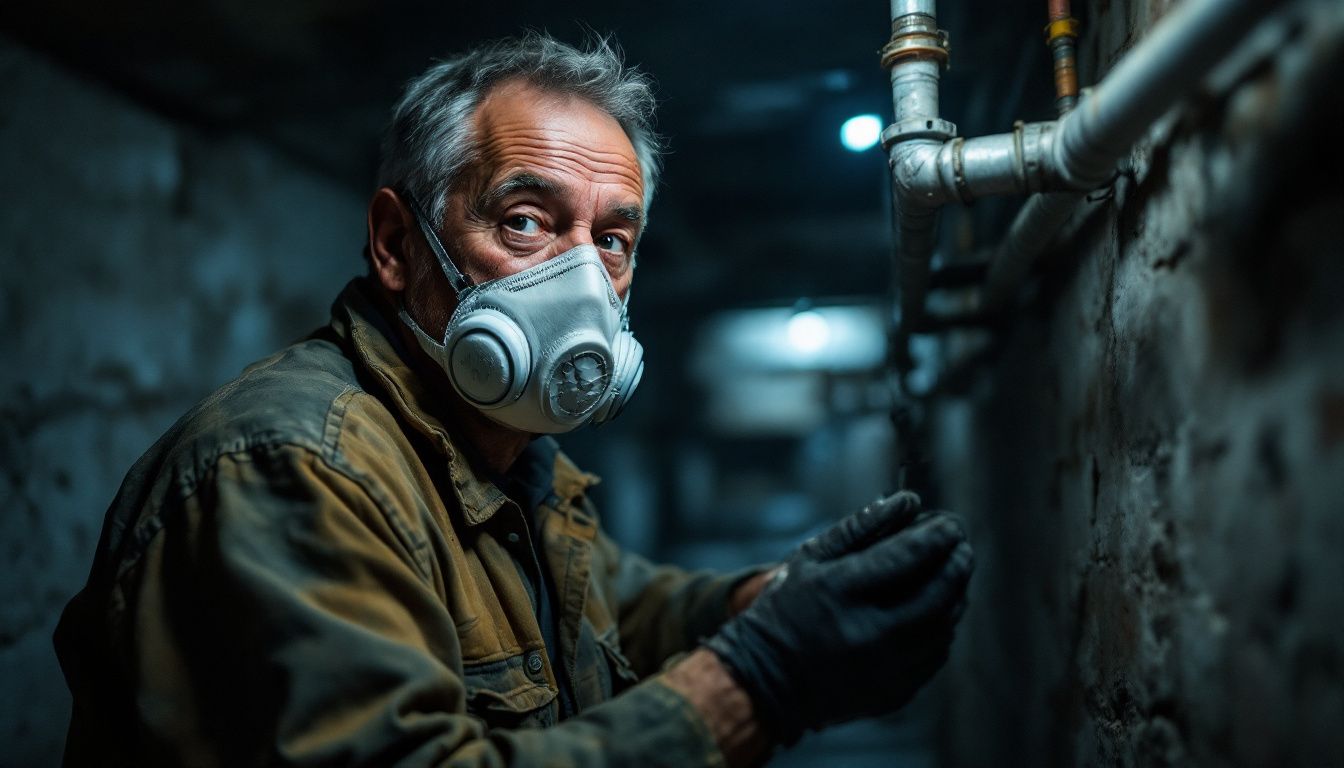
    Frequently Asked Questions

    Do museums legally need an asbestos survey?

    Yes. Under the Control of Asbestos Regulations, any non-domestic premises built or refurbished before 2000 must have an asbestos survey if there is a reasonable likelihood of ACMs being present. Museums fall squarely within this requirement. Trustees, facilities managers, and local authority owners all carry a legal duty to manage asbestos in their buildings.

    What type of asbestos survey does a museum need?

    Most operational museums will need a management survey as their baseline requirement. A refurbishment survey is required before any building or maintenance work begins in areas that may contain ACMs. A demolition survey is required before any demolition work. In practice, many museums will need all three types at different points in the building’s life.

    Can asbestos surveys be carried out while the museum is open to visitors?

    Yes, in most cases. A management survey is designed to be conducted in occupied buildings with minimal disruption. Our surveyors can phase their work to avoid public-facing areas during opening hours and coordinate with your facilities team to minimise any impact on operations.

    What happens if asbestos is found in a museum?

    Finding asbestos does not automatically require closure or immediate removal. If ACMs are in good condition and are unlikely to be disturbed, they can often be safely managed in place under a formal asbestos management plan. Your surveyor will assess the condition and risk of each material and advise on the appropriate course of action, which may range from monitoring and labelling to encapsulation or removal by a licensed contractor.

    How long does an asbestos survey take in a museum building?

    This depends on the size and complexity of the building. A smaller gallery or independent museum may be surveyed in a single day, while a large, multi-wing institution could require several days of phased survey work. At Supernova, we discuss timescales with you during the quoting process so you can plan accordingly, and we always deliver your report within 24 hours of survey completion.

  • Asbestos Exposure in the UK: Examining the Facts Through Personal Stories

    Asbestos Exposure in the UK: Examining the Facts Through Personal Stories

    What Asbestos Does to Your Lungs — and Why It Still Matters Today

    Asbestos and lungs are a devastating combination. The fibres you cannot see, cannot smell, and cannot feel at the time of exposure can silently destroy lung tissue over decades — and by the time symptoms finally appear, the damage is often irreversible.

    In the UK, thousands of people are still being diagnosed with asbestos-related lung diseases every year. Not because they were careless, but because they lived or worked in buildings where asbestos was simply part of the fabric. Understanding exactly what happens inside the body — and what you can do to protect yourself and others — could, for many people, be lifesaving.

    How Asbestos Fibres Damage the Lungs

    When asbestos-containing materials are disturbed — drilled into, sanded, broken, or left to deteriorate — they release microscopic fibres into the air. These fibres are so small they float for hours and can be inhaled deep into the respiratory system.

    Unlike ordinary dust particles that the body can expel through coughing, asbestos fibres lodge permanently in lung tissue. The body recognises them as foreign but cannot break them down. The result is a chronic inflammatory response that, over years and decades, causes irreversible scarring, cellular mutation, and ultimately disease.

    Why the Lungs Cannot Clear Asbestos Fibres

    The lungs have natural defence mechanisms — cilia, mucus, and immune cells — designed to trap and remove inhaled particles. Asbestos fibres, particularly the long, thin amphibole varieties such as crocidolite (blue asbestos) and amosite (brown asbestos), are shaped in a way that defeats these defences.

    They penetrate deep into the alveoli — the tiny air sacs where oxygen exchange happens — and remain there indefinitely. The immune system sends macrophages to engulf them, but the fibres are often too long to be fully consumed. This failed attempt at clearance triggers sustained inflammation, which is the starting point for all major asbestos-related lung diseases.

    The Main Asbestos Lung Diseases

    There are four primary conditions linked to asbestos fibres in the lungs. Each is serious. None has a cure. All are preventable.

    Asbestosis

    Asbestosis is a chronic lung disease caused by the scarring (fibrosis) of lung tissue following prolonged asbestos exposure. As scar tissue builds up, the lungs lose their elasticity and struggle to expand properly, making breathing progressively more difficult.

    Common symptoms include:

    • Persistent dry cough that does not resolve
    • Shortness of breath, initially on exertion, later at rest
    • Chest tightness and pain
    • Finger clubbing — a widening and rounding of the fingertips
    • Crackling sounds in the lungs when breathing

    Symptoms typically emerge 10 to 40 years after the initial exposure, which is why many former industrial workers from the 1970s and 1980s are only receiving diagnoses now. The scarring does not stop progressing once exposure ends — it continues, often worsening over time.

    Mesothelioma

    Mesothelioma is a cancer of the mesothelium — the thin protective lining that surrounds the lungs (pleural mesothelioma), abdomen, or heart. It is almost exclusively caused by asbestos exposure and carries a very poor prognosis, largely because symptoms do not appear until the disease is well advanced.

    The latency period — the time between exposure and diagnosis — is typically 20 to 50 years. The UK has one of the highest rates of mesothelioma in the world, a direct consequence of the country’s heavy industrial history and widespread use of asbestos in shipbuilding, construction, and manufacturing throughout the twentieth century.

    Pleural mesothelioma accounts for the vast majority of cases and causes symptoms including breathlessness, chest pain, and a persistent cough. Survival after diagnosis is measured in months rather than years for most patients, though emerging treatments are beginning to extend this.

    Lung Cancer

    Asbestos is a recognised cause of lung cancer, and the risk is significantly amplified in people who also smoke. When asbestos fibres lodge in lung tissue, they cause DNA damage in cells over time, which can lead to malignant tumour development.

    The latency period for asbestos-related lung cancer is typically 15 to 35 years. Workers in high-exposure industries — construction, insulation, shipbuilding, plumbing, and electrical work — carry elevated risk. Asbestos-related lung cancer is clinically identical to lung cancer from other causes, which means a thorough occupational history is essential for accurate diagnosis.

    Pleural Plaques and Pleural Thickening

    Not all asbestos lung conditions are immediately life-threatening, but they are all significant. Pleural plaques are areas of thickened tissue on the lining of the lungs, caused by asbestos fibre irritation. They are not cancerous, but their presence confirms past asbestos exposure and indicates elevated risk of more serious disease.

    Diffuse pleural thickening is more extensive and can restrict lung expansion, causing breathlessness similar to asbestosis. Both conditions are identified through chest X-ray or CT scanning.

    The Long Latency Period — Why Asbestos Lung Disease Is So Hard to Catch Early

    One of the most dangerous aspects of asbestos exposure is the sheer length of time between contact and symptoms. A worker who regularly handled asbestos insulation in the 1970s may not develop any noticeable respiratory symptoms until well into their sixties, seventies, or even eighties.

    This latency period — which can range from 10 to 60 years depending on the disease — creates a profound challenge for both patients and clinicians. By the time symptoms are recognised and investigated, the underlying disease may already be at an advanced stage.

    It also means that people who have never knowingly worked with asbestos can still develop asbestos lung disease. Secondary exposure — breathing in fibres brought home on a worker’s clothing, hair, or tools — is a well-documented route of harm. Family members of workers in high-exposure industries, particularly those who laundered work clothing, have developed mesothelioma and other conditions as a result.

    Who Is Most at Risk of Asbestos Lungs Damage in the UK?

    Asbestos was used extensively in UK construction and industry from the 1950s through to the late 1990s. The UK banned the import and use of all forms of asbestos in 1999, but the legacy of that era remains embedded in millions of buildings.

    Those at greatest risk of asbestos-related lung conditions include:

    • Tradespeople — electricians, plumbers, carpenters, and builders who work in pre-2000 buildings and may disturb asbestos-containing materials without realising it
    • Former industrial workers — particularly those who worked in shipyards, power stations, railways, and heavy manufacturing
    • Construction workers — especially those involved in renovation, refurbishment, or demolition of older buildings
    • Teachers and school staff — many UK schools built before 2000 contain asbestos in ceiling tiles, floor tiles, and pipe lagging
    • Family members of the above — through secondary exposure to contaminated clothing and equipment

    The Control of Asbestos Regulations places a legal duty on those managing non-domestic premises to identify, assess, and manage asbestos-containing materials. This is the foundation of protecting workers and visitors from inadvertent exposure today.

    If you manage or own property in the capital, our asbestos survey London service helps building owners and managers identify risks before any work begins, protecting everyone on site from potential exposure.

    Real Lives Affected by Asbestos Lung Disease

    Behind every diagnosis is a person who, often decades earlier, simply went to work, did their job, and came home — with no idea that invisible fibres were beginning a slow process of destruction inside their lungs.

    Former construction workers describe the dust as omnipresent — in the air, on their clothes, in their sandwiches at lunchtime. Many worked without respiratory protection because the dangers were not communicated to them, or were actively downplayed by employers who knew the risks.

    Women who washed their husbands’ work overalls describe having no knowledge that the dust shaken out each time they handled the clothing was potentially lethal. Children who played near fathers returning from work in insulation or shipbuilding industries had no warning either.

    These are not historical curiosities. The people being diagnosed with mesothelioma and asbestosis today were exposed in the 1970s, 1980s, and even the 1990s. And the risk of inadvertent exposure continues for tradespeople working in older buildings right now — which is precisely why professional asbestos surveys remain so critical.

    For those working across the north-west, our asbestos survey Manchester service covers commercial and residential properties throughout the region, ensuring duty holders can meet their legal obligations and keep workers safe.

    Symptoms to Watch For — and When to See a Doctor

    If you have a history of working in or around older buildings, or if a family member worked in an asbestos-heavy industry, it is worth being alert to the following symptoms — particularly if they are persistent or worsening:

    • Shortness of breath, especially during physical activity
    • A persistent cough that does not resolve over several weeks
    • Chest pain or tightness
    • Unexplained fatigue
    • Finger clubbing
    • Recurrent chest infections

    These symptoms are not exclusive to asbestos-related conditions, but they warrant prompt medical investigation. When you see your GP, make sure you mention any history of asbestos exposure — even if it was decades ago. This context is essential for guiding the right investigations.

    Diagnostic tools include chest X-rays, high-resolution CT scans, lung function tests, and in some cases, fluid sampling or tissue biopsy. Early detection, where possible, significantly improves the options available for treatment and management.

    Current Research and Emerging Treatments for Asbestos Lungs

    Asbestos lung disease research is an active and evolving field. While there is currently no cure for asbestosis or mesothelioma, significant advances are being made in both early detection and treatment.

    Immunotherapy

    Immunotherapy works by stimulating the body’s own immune system to identify and attack cancer cells. It has shown meaningful results in mesothelioma treatment, with combinations of immunotherapy drugs extending survival times for some patients beyond what was previously achievable with chemotherapy alone.

    Genetic Research

    Scientists have identified that certain genetic mutations — including changes to the BAP1 gene — appear to influence susceptibility to mesothelioma following asbestos exposure. This research is helping to identify individuals at higher risk and may eventually enable targeted screening programmes for those with a history of exposure.

    Early Detection Advances

    Low-dose CT scanning is increasingly being used to detect early changes in lung tissue associated with asbestos exposure. Research into blood biomarkers — measurable substances in the blood that indicate disease — is also progressing, with some tests showing promise for earlier mesothelioma detection than has historically been possible.

    Earlier detection translates directly into more treatment options and, in some cases, significantly better outcomes for patients.

    Legal Rights and Support for Those Affected

    If you or a family member has been diagnosed with an asbestos-related lung condition, you may be entitled to compensation. UK law recognises the duty of employers and building owners to protect people from asbestos exposure, and there is a well-established legal framework for pursuing claims.

    Key sources of support include:

    • Mesothelioma UK — a specialist charity providing free nursing support, information, and advice for patients and families
    • The British Lung Foundation — offering guidance and community support for those living with asbestos-related lung conditions
    • Asbestos Action — providing free legal and welfare advice to asbestos disease sufferers
    • Industrial Injuries Disablement Benefit — a government benefit available to those with certain occupational diseases, including asbestosis and mesothelioma
    • A specialist asbestos solicitor — many operate on a no-win, no-fee basis and can advise on the viability of a compensation claim

    Do not assume that a claim is impossible because the employer no longer exists or because exposure happened many years ago. Specialist legal teams deal with exactly these circumstances regularly.

    Preventing Asbestos Lung Disease — What Can Be Done Now

    The most powerful tool available for preventing further asbestos lung disease in the UK is knowledge. Knowing where asbestos is located in a building — and ensuring it is properly managed or safely removed before work begins — is the single most effective way to stop ongoing exposure.

    Under HSE guidance, including the Approved Code of Practice for the Control of Asbestos Regulations, duty holders managing non-domestic premises are legally required to have an asbestos management survey carried out and to maintain an up-to-date asbestos register. This is not optional — it is a legal obligation.

    For anyone planning refurbishment or demolition work, a refurbishment and demolition survey is required before any intrusive work begins. This goes further than a management survey, physically inspecting areas that will be disturbed to ensure no asbestos-containing materials are inadvertently broken and released.

    Property owners and managers in the West Midlands can rely on our asbestos survey Birmingham service to carry out both management and refurbishment surveys to the standards required by HSG264 and the Control of Asbestos Regulations.

    Practical steps every building manager should take include:

    1. Commission a professional asbestos management survey if one has not been carried out, or if the existing survey is out of date
    2. Maintain a current asbestos register and make it accessible to anyone who may work in the building
    3. Ensure contractors check the register before starting any work that could disturb the fabric of the building
    4. Never allow drilling, cutting, or sanding of materials suspected to contain asbestos without prior testing
    5. Review the asbestos management plan regularly and update it when the condition of materials changes

    These steps will not undo the harm already done to those exposed in previous decades. But they will prevent the next generation of diagnoses — and that matters enormously.

    Frequently Asked Questions

    How quickly does asbestos damage the lungs?

    Asbestos fibres begin causing microscopic damage to lung tissue from the point of inhalation, but the diseases they cause develop very slowly. Most asbestos-related lung conditions take between 10 and 60 years to produce noticeable symptoms, depending on the type and severity of exposure. This long latency period is one of the reasons asbestos diseases remain so difficult to detect early.

    Can a single exposure to asbestos cause lung disease?

    A single, brief exposure is unlikely to cause disease in the same way that prolonged occupational exposure does. However, there is no proven safe level of asbestos exposure, and even relatively limited contact with high concentrations of fibres carries some risk. The risk increases significantly with the frequency, duration, and intensity of exposure.

    What are the first signs that asbestos has affected your lungs?

    The earliest symptoms of asbestos-related lung conditions are often subtle and easily mistaken for other respiratory problems. Persistent breathlessness during physical activity, a dry cough that does not resolve, and chest tightness are common early indicators. If you have a history of asbestos exposure — even decades ago — these symptoms should always be investigated promptly by a GP.

    Is asbestos lung disease only a risk for people who worked with asbestos directly?

    No. Secondary exposure is a well-documented cause of asbestos lung disease. Family members who laundered contaminated work clothing, or who had regular contact with workers returning from high-exposure environments, have developed mesothelioma and other conditions without ever entering a workplace where asbestos was used. Environmental exposure in older buildings is also a recognised risk for occupants and visitors.

    Does the UK still have an asbestos problem today?

    Yes. Although the use of asbestos was banned in the UK in 1999, an estimated half a million buildings — including schools, hospitals, offices, and homes — still contain asbestos-containing materials. Tradespeople working in these buildings face ongoing risk of exposure if asbestos is not properly identified and managed. The Control of Asbestos Regulations exists specifically to address this legacy risk and protect workers today.

    Protect Your Building. Protect Your People.

    Asbestos lungs is not an abstract medical concept — it is the lived reality of thousands of people in the UK right now, and the potential future of anyone exposed to unmanaged asbestos today. The good news is that with the right surveys, the right management plans, and the right professional support, exposure is entirely preventable.

    Supernova Asbestos Surveys has completed over 50,000 surveys nationwide. Our accredited surveyors work to the standards set out in HSG264 and the Control of Asbestos Regulations, delivering clear, actionable reports that give building owners and managers everything they need to protect the people in their care.

    To book a survey or discuss your requirements, call us on 020 4586 0680 or visit asbestos-surveys.org.uk today.

  • From Diagnosis to Advocacy: How Asbestos Victims Are Making a Difference

    From Diagnosis to Advocacy: How Asbestos Victims Are Making a Difference

    Asbestos Victim Advice: Support, Legal Rights, and Staying Safe in the UK

    An asbestos diagnosis changes everything. Whether you have been told you have mesothelioma, asbestosis, or another asbestos-related condition, the weeks that follow can feel overwhelming — medically, financially, and emotionally.

    This asbestos victim advice covers the practical steps you can take, the support available to you, and what property owners and workers need to know to prevent future harm. Asbestos-related disease remains a serious public health issue in the UK, with thousands of people diagnosed every year — many of them decades after their original exposure. You do not have to face this alone.

    Understanding Asbestos-Related Illness in the UK

    Asbestos was widely used in UK construction and industry throughout most of the twentieth century. It was not fully banned until 1999, which means millions of buildings — homes, schools, hospitals, offices — still contain asbestos-containing materials (ACMs) today.

    When ACMs are disturbed or deteriorate, they release microscopic fibres into the air. These fibres can be inhaled without any immediate symptoms, but they lodge permanently in lung tissue and can trigger serious illness years or even decades later.

    Common Asbestos-Related Conditions

    • Mesothelioma — a rare and aggressive cancer of the lining of the lungs or abdomen, almost exclusively caused by asbestos exposure
    • Asbestosis — scarring of the lung tissue that causes progressive breathlessness
    • Pleural thickening — thickening of the membrane surrounding the lungs, restricting breathing
    • Asbestos-related lung cancer — particularly common in those who also smoked
    • Pleural plaques — calcified deposits on the pleura, usually benign but a marker of past exposure

    If you have been diagnosed with any of these conditions, your first step should be to speak with a specialist respiratory physician. In parallel, seek legal advice as quickly as possible — limitation periods apply to compensation claims, and gathering evidence of past exposure takes time.

    Practical Asbestos Victim Advice: Where to Start

    The period immediately following a diagnosis is not the time for delay. Acting early gives you the best chance of accessing financial support, legal compensation, and the right medical care.

    Get Specialist Medical Support

    Your GP should refer you to a specialist as soon as possible. In the UK, mesothelioma and other asbestos-related cancers are treated by thoracic oncologists and specialist lung teams at NHS hospitals. Some areas also have dedicated mesothelioma centres with multidisciplinary teams.

    Ask your consultant about clinical trials. Research into treatments for mesothelioma has advanced considerably, and some patients gain access to newer therapies through trial participation. Do not assume the first treatment pathway you are offered is the only one available.

    Seek Legal Advice Without Delay

    Compensation claims for asbestos-related illness are governed by strict time limits under UK law. In most cases, you have three years from the date of diagnosis — or the date you became aware that your illness was linked to asbestos — to begin a claim. This is known as the limitation period.

    Specialist asbestos solicitors work on a no-win, no-fee basis in most cases, which means there is no financial risk in seeking advice. They will help you trace your employment history, identify responsible employers or insurers, and build a case for compensation.

    Legal workshops run by advocacy organisations are also available. These sessions — often free to attend — help victims understand what evidence they need, how to approach lawyers, and what compensation categories exist, including damages for pain and suffering, loss of earnings, and care costs.

    Apply for State Benefits

    If you have been diagnosed with an asbestos-related condition, you may be entitled to a range of state benefits regardless of whether you pursue a legal claim. These include:

    • Industrial Injuries Disablement Benefit (IIDB) — available if your condition was caused by your employment
    • Diffuse Mesothelioma Payment Scheme — a government scheme for those who cannot trace a liable employer or insurer
    • Personal Independence Payment (PIP) — for help with daily living and mobility costs
    • Attendance Allowance — for those over State Pension age who need help with personal care
    • Universal Credit — if your illness has affected your ability to work

    A welfare rights adviser or specialist solicitor can help you identify every benefit you are entitled to and ensure applications are completed correctly. Many people miss out simply because they are unaware of what exists.

    The Role of Advocacy and Support Groups

    Asbestos victim support groups have become a powerful force in the UK, both for individuals navigating illness and for broader policy change. These organisations provide practical help, emotional support, and a collective voice that has shaped legislation and public awareness.

    Emotional and Practical Support

    Being diagnosed with a serious illness linked to past workplace exposure can bring feelings of anger, grief, and isolation. Support groups connect victims and their families with others who truly understand what they are going through.

    Many groups offer telephone helplines, face-to-face counselling, and peer support networks. Family members — who often carry much of the caring burden — can also access dedicated support. Bereavement services are available for those who have lost a loved one to an asbestos-related illness.

    Raising Awareness and Driving Change

    Advocacy groups run national campaigns throughout the year to keep asbestos in the public consciousness. Action Mesothelioma Day, held on the first Friday of July, brings together patients, families, clinicians, and campaigners to honour those affected and push for better research funding and safer laws.

    These groups also work directly with MPs, attend parliamentary hearings, and collaborate with the Health and Safety Executive (HSE) to influence asbestos policy. Their work has contributed to improvements in compensation schemes and greater awareness among employers and contractors.

    Media partnerships amplify these campaigns further. By sharing real stories through national newspapers and broadcast outlets, advocacy groups ensure that asbestos remains a visible issue — not a forgotten legacy of the past.

    If you want to get involved, contact one of the major UK asbestos charities or support groups. Many actively recruit volunteer speakers, fundraisers, and policy consultants. Your experience, however difficult, can help protect others.

    How Asbestos Victims Are Shaping UK Policy

    The asbestos victim community in the UK has been remarkably effective at influencing law and policy. The full ban on asbestos in 1999 was hard-won, driven in significant part by campaigners who had seen the devastating toll of asbestos disease in their families and communities.

    Today, advocacy continues on multiple fronts. Campaigners lobby for better funding for mesothelioma research, improved access to specialist treatment, faster processing of compensation claims, and stricter enforcement of asbestos management duties in public buildings — particularly schools.

    Public hearings and parliamentary consultations are key battlegrounds. When victims and their families give evidence at these forums — supported by medical data and legal expertise — they carry genuine weight. MPs who have heard directly from constituents affected by asbestos disease are far more likely to champion legislative change.

    What Property Owners and Managers Must Know

    Preventing future asbestos exposure is just as important as supporting those already affected. If you own or manage a non-domestic property built before 2000, you have a legal duty to manage asbestos under the Control of Asbestos Regulations.

    This duty requires you to identify the location and condition of any ACMs in your building, assess the risk they pose, and put a management plan in place to keep people safe. Ignorance is not a defence — and failing to comply can result in prosecution, unlimited fines, and imprisonment.

    The Duty to Manage Asbestos

    The duty to manage asbestos applies to the person or organisation in control of a non-domestic premises. This includes landlords, employers, facilities managers, and managing agents.

    The starting point is always a professional asbestos survey. A management survey is the standard survey required for occupied buildings. It identifies ACMs that could be disturbed during normal use or routine maintenance, assesses their condition, and provides the information needed to create or update your asbestos management plan.

    HSE guidance document HSG264 sets out the standards surveyors must follow. Always use a UKAS-accredited surveying company to ensure your survey meets these standards and stands up to regulatory scrutiny.

    When Is a Survey Required?

    You need an asbestos survey if:

    • You manage or own a non-domestic property built before 2000
    • You are planning any refurbishment, renovation, or demolition work
    • You have no existing asbestos register or it has not been updated recently
    • Workers or contractors will be disturbing the fabric of the building
    • You are buying or selling a commercial property

    For demolition or major refurbishment projects, a demolition survey is required. This is a more intrusive investigation that must locate all ACMs before any structural work begins, protecting workers and ensuring legal compliance throughout the project.

    For residential properties, surveys are strongly recommended before any building work. Homeowners do not fall under the duty to manage, but the risks are identical — and disturbing asbestos without knowing it is there puts lives at risk.

    Protecting Workers: Asbestos Safety on Site

    Many of the people most at risk of future asbestos exposure are tradespeople — plumbers, electricians, carpenters, and builders who work in older buildings every day. They may disturb ACMs without realising it, inhaling fibres that will not cause symptoms for decades.

    Under the Control of Asbestos Regulations, employers must ensure that workers who are liable to disturb asbestos receive appropriate training. This includes understanding where asbestos is likely to be found, how to recognise it, what to do if they suspect they have found it, and when licensed removal is required.

    The key rule for any tradesperson is simple: if in doubt, stop work and get the material tested. Never assume something is safe because it looks intact. Asbestos fibres are invisible to the naked eye, and even brief exposure can be significant.

    Asbestos Training and Awareness

    The HSE classifies asbestos work into three categories — licensable, notifiable non-licensed, and non-licensed. Each carries different training and notification requirements. Employers must ensure workers understand which category applies to the tasks they carry out and follow the correct procedures.

    Short awareness courses are widely available and often free through trade associations and local training providers. Supervisors and site managers should complete more detailed training that covers risk assessment, control measures, and emergency procedures.

    Asbestos Surveys Across the UK

    Supernova Asbestos Surveys operates nationwide, with local surveyors covering every region of England, Scotland, and Wales. Whether you are a duty holder looking to meet your legal obligations or a property owner wanting to protect workers and occupants, we are ready to help.

    If you are based in the capital and need an asbestos survey London teams can be with you quickly, with detailed reports delivered within 24 hours of the survey being completed.

    For businesses and property managers in the North West, our asbestos survey Manchester service covers the whole Greater Manchester area, with experienced local surveyors who understand the region’s building stock.

    And if you are in the Midlands, our asbestos survey Birmingham team is ready to carry out management, refurbishment, or demolition surveys at short notice.

    With over 50,000 surveys completed nationwide, Supernova Asbestos Surveys brings the experience and accreditation that duty holders and property owners need. Call us on 020 4586 0680 or visit asbestos-surveys.org.uk to book your survey or request a quote.

    Frequently Asked Questions

    What should I do first if I have been diagnosed with an asbestos-related illness?

    Ask your GP for an urgent referral to a specialist respiratory physician or thoracic oncologist. At the same time, contact a specialist asbestos solicitor — most work on a no-win, no-fee basis. Acting quickly matters because compensation claims are subject to strict time limits under UK law.

    How long do I have to make a compensation claim for an asbestos-related illness?

    In most cases, you have three years from the date of diagnosis — or from the date you became aware that your illness was linked to asbestos exposure — to begin a legal claim. This limitation period is strictly enforced, so seeking legal advice without delay is essential.

    Can I claim state benefits as well as pursue a legal compensation claim?

    Yes. State benefits such as Industrial Injuries Disablement Benefit, the Diffuse Mesothelioma Payment Scheme, and Personal Independence Payment are separate from any legal claim you may pursue. You can receive both. A welfare rights adviser or specialist solicitor can help you identify and apply for every entitlement.

    Do I need an asbestos survey if my building was built after 2000?

    Buildings constructed after 1999 are very unlikely to contain asbestos, as its use was banned in the UK from that point. However, if there is any doubt about when a building was constructed or whether earlier materials were used in later work, a survey is still advisable. For all non-domestic properties built before 2000, a professional survey is a legal requirement under the Control of Asbestos Regulations.

    What is the difference between a management survey and a demolition survey?

    A management survey is designed for occupied buildings in normal use. It identifies ACMs that could be disturbed during routine maintenance or day-to-day activities and informs your asbestos management plan. A demolition survey is a far more intrusive investigation required before any demolition or major structural refurbishment work. It must locate all ACMs throughout the building, including those in areas that would be inaccessible during normal occupation.

  • Asbestos Incident Preparedness for Homeowners

    Asbestos Incident Preparedness for Homeowners

    If You Come Across Suspected Asbestos, or If You Disturb Asbestos, What Is the First Thing You Must Do?

    Stop. Put everything down, walk away, and do not go back in. If you come across suspected asbestos, or if you disturb asbestos, what is the first thing you must do — before anything else — is stop work immediately and evacuate. Not in a few minutes. Right now.

    Asbestos fibres are invisible to the naked eye. Once airborne, you can inhale them without any awareness it is happening. The diseases they cause — mesothelioma, asbestosis, lung cancer — can take decades to develop, and that long latency period is precisely what makes asbestos so dangerous. There is no immediate alarm, no pain, no obvious sign that harm has been done.

    Whether you are a homeowner mid-renovation, a landlord whose contractor has just cracked open a ceiling tile, or a tenant who has noticed something unusual during a repair, this post walks you through every step of the correct response — and explains why each one matters.

    Why Stopping Work Immediately Is Non-Negotiable

    Asbestos-containing materials that are intact and undisturbed pose a relatively low risk. The danger escalates sharply the moment those materials are cut, drilled, sanded, scraped, or broken. Any activity that releases fibres into the air creates an exposure risk — and the longer that activity continues, the greater the volume of fibres released.

    Many homeowners make the mistake of pressing on to “just finish the job” after spotting something suspicious. Every additional minute of disturbance compounds the problem. The correct response is to down tools, leave the area, and seal it off before making any further plan.

    This is not overcaution. It is the legally correct response under the Control of Asbestos Regulations, which place a duty on anyone managing or working in a building to manage asbestos risks appropriately. Continuing work after identifying a potential asbestos risk is not only dangerous — it may also expose you to legal liability.

    Step-by-Step: What to Do When You Come Across Suspected Asbestos or Disturb It

    Work through these steps in order. They apply whether you have stumbled upon a suspicious material during renovation work or have already disturbed something and are now concerned about the consequences.

    1. Stop Work and Leave the Area

    Put your tools down and walk away from the area calmly. Do not attempt to clean up any dust or debris — this will only release more fibres into the air and extend your exposure.

    Do not use a vacuum cleaner. Standard domestic hoovers are not designed to capture asbestos fibres and will spread them further throughout the property. Instruct anyone else in the area to leave immediately, and keep children and pets well away from the space.

    2. Seal Off the Affected Area

    Once everyone is clear, seal the area as effectively as possible. Close all doors and windows to that room. If you have heavy-duty plastic sheeting and tape available, use them to cover doorways and any gaps where air might circulate.

    Turn off any ventilation systems, fans, or air conditioning units that serve the affected area. These will circulate fibres throughout the building if left running, potentially contaminating rooms that were previously unaffected.

    3. Do Not Re-Enter Without Proper Protection

    If you must re-enter — for example, to retrieve something essential — you need appropriate personal protective equipment. At minimum, this means a properly fitted FFP3 respirator (not a basic dust mask), disposable coveralls, gloves, and eye protection.

    In most cases, the safest decision is simply not to re-enter until a professional has assessed the situation. The contents of a room are not worth the health risk.

    4. Remove and Bag Any Contaminated Clothing

    If you were present when asbestos was disturbed, your clothing may have fibres on it. Remove outer clothing carefully — do not shake it — and seal it in a plastic bag immediately. Shower as soon as possible, washing your hair thoroughly.

    Do not carry contaminated clothing through other rooms of the property. Fibres can transfer from fabric to furniture, carpets, and other surfaces, spreading contamination well beyond the original incident area.

    5. Contact a Licensed Asbestos Professional

    Once the area is sealed and you are safely away from the scene, contact a licensed asbestos surveying company. Do not attempt to identify, handle, or remove the material yourself.

    Under the Control of Asbestos Regulations, certain types of asbestos work are legally restricted to licensed contractors, and even non-licensed work must follow strict safety protocols. A professional will carry out asbestos testing to confirm whether the material contains asbestos and, if so, what type and in what condition. This gives you an accurate picture of the risk and determines what remedial action is needed.

    How to Recognise Suspected Asbestos-Containing Materials

    You cannot identify asbestos by sight alone — laboratory analysis is the only reliable confirmation method. However, knowing where asbestos was commonly used in UK properties helps you recognise situations that warrant caution.

    Asbestos was used extensively in UK construction until its full ban in 1999. Properties built or refurbished before that date may contain asbestos in a wide range of locations, including:

    • Textured coatings on ceilings and walls (such as Artex)
    • Insulating board used in partition walls, ceiling tiles, and fire doors
    • Pipe lagging and boiler insulation
    • Vinyl floor tiles and the adhesive beneath them
    • Roof sheeting, soffit boards, and guttering — particularly in garages and outbuildings
    • Sprayed coatings on structural steelwork
    • Rope seals and gaskets in older heating systems
    • Cement products including corrugated roofing sheets and rainwater pipes

    If your property was built before 2000 and you are planning any intrusive work, arranging a management survey before a single drill bit touches the wall is the most reliable way to establish what is present and where. It removes the guesswork entirely.

    The Importance of Professional Asbestos Testing

    Guessing is not good enough when it comes to asbestos. The only way to confirm whether a material contains asbestos fibres is through laboratory analysis. A sample is taken by a trained professional, sent to an accredited laboratory, and examined using polarised light microscopy or scanning electron microscopy.

    If you have found a material you are concerned about but have not disturbed it, and it appears to be in good condition, you may be able to use a testing kit to collect a small sample safely. This should only be done if the material is genuinely intact and you can take a sample without causing further disturbance.

    If the material is already damaged or crumbling, call a professional rather than attempting to sample it yourself. For a thorough, accredited assessment, asbestos testing carried out by a qualified surveyor is the most reliable route. It removes any ambiguity and gives you a documented record of the findings that can inform future decisions about the property.

    What Happens After Testing: Your Options

    Once testing confirms the presence of asbestos, you have several options depending on the type of material, its condition, and what you intend to do with the property.

    Leave It in Place and Manage It

    If the asbestos-containing material is in good condition and is not going to be disturbed, it is often safest to leave it where it is. Asbestos that is intact and sealed poses a low risk. The material should be recorded in an asbestos register, monitored regularly, and flagged to any contractors who work in the property in future.

    This approach is widely supported by HSE guidance, including HSG264, which makes clear that management — not always removal — is the appropriate response to asbestos in good condition.

    Encapsulation

    Some asbestos materials can be encapsulated — sealed with a specialist coating that binds the fibres and prevents them from becoming airborne. This is a less disruptive option than removal and can be appropriate for materials in reasonable condition.

    Encapsulation does not eliminate the asbestos, so the material must still be recorded and monitored. Any future contractors working in the area must be made aware of its presence.

    Removal

    Where asbestos materials are damaged, deteriorating, or need to be disturbed for planned works, removal is the appropriate course of action. Licensed asbestos removal must be carried out by a contractor licensed by the HSE. They will set up controlled conditions, use appropriate PPE, and dispose of waste at a licensed facility.

    Never attempt to remove asbestos yourself. Beyond the serious health risk, unlicensed removal of certain asbestos materials is a criminal offence under the Control of Asbestos Regulations.

    Your Legal Duties as a Homeowner, Landlord, or Property Manager

    The legal framework around asbestos in the UK is clear. The Control of Asbestos Regulations place a duty to manage asbestos on those responsible for non-domestic premises. For homeowners in purely residential properties, the regulations are less prescriptive — but HSE guidance provides a clear framework for safe practice that applies to everyone.

    If you are a landlord, you have a legal obligation to ensure asbestos-containing materials in your properties are identified, assessed, and managed. Failure to do so can result in significant fines and, more importantly, serious harm to tenants and contractors.

    If you commission work on a pre-2000 property without first establishing whether asbestos is present, you may be placing contractors at risk. Under the Construction (Design and Management) Regulations, principal designers and contractors have duties to consider asbestos risk as part of pre-construction planning.

    The practical upshot is straightforward: if your property was built before 2000, get it surveyed before any intrusive work begins. Whether you need an asbestos survey London team, an asbestos survey Manchester specialist, or an asbestos survey Birmingham service, professional help is available nationwide.

    The Long-Term Health Consequences of Asbestos Exposure

    Understanding why the immediate response matters so much requires understanding what asbestos exposure actually does to the body. When asbestos fibres are inhaled, they lodge in the lung tissue. The body cannot break them down or expel them. Over time — often spanning decades — this causes scarring and inflammation that can develop into serious disease.

    The conditions associated with asbestos exposure include:

    • Mesothelioma — a cancer of the lining of the lungs or abdomen, almost exclusively caused by asbestos exposure and carrying a very poor prognosis
    • Asbestosis — progressive scarring of lung tissue that causes breathlessness and significantly reduces quality of life
    • Lung cancer — risk is substantially elevated by asbestos exposure, particularly in those who also smoke
    • Pleural plaques and pleural thickening — changes to the lining of the lungs that can cause discomfort and breathing difficulties

    There is no safe level of asbestos exposure. The latency period between exposure and diagnosis is what makes asbestos so insidious — by the time symptoms appear, the damage is long done. This is why stopping work immediately and seeking professional advice is not an overreaction. It is the only rational response.

    Should You See a Doctor After Potential Asbestos Exposure?

    If you believe you have been exposed to asbestos fibres — even briefly — it is worth speaking to your GP and informing them of what happened. There is no treatment that can reverse asbestos exposure, but having a record of the incident is important for your medical history.

    Your GP may refer you for a chest X-ray or other investigations depending on the circumstances. Even if they do not, having the exposure documented means that any future respiratory symptoms can be assessed in the correct context.

    Do not assume that because you feel fine, nothing has happened. The absence of immediate symptoms means nothing with asbestos-related disease. Document the incident, note the date, the location, and the nature of the work being carried out, and keep that record somewhere safe.

    Common Mistakes People Make — and How to Avoid Them

    Even well-intentioned people make costly errors when they encounter suspected asbestos. Being aware of these mistakes makes it far easier to avoid them under pressure.

    Continuing Work to “See What It Is”

    Cutting further into a suspicious material to get a better look at it is one of the most dangerous things you can do. If it is asbestos, you are releasing more fibres. If it is not, you have wasted time and caused unnecessary damage. Stop, seal, and test — in that order.

    Using a Standard Vacuum Cleaner

    This cannot be emphasised enough. A standard domestic hoover will not capture asbestos fibres — the particles are too small for ordinary filters. Using one will push fibres through the exhaust and spread them into the air. Only HEPA-filtered vacuums designed for asbestos use are appropriate, and these should only be operated by trained professionals.

    Assuming Old Buildings Have Already Been Cleared

    Many people assume that if a property has been renovated or refurbished in recent years, any asbestos will have been removed. This is not a safe assumption. Asbestos-containing materials are frequently missed during refurbishment, particularly in less accessible areas such as roof voids, service ducts, and beneath floor coverings. Always verify through a proper survey.

    Attempting DIY Removal

    The temptation to “just get rid of it” is understandable, but it is both dangerous and, in many cases, illegal. Removing certain asbestos materials without an HSE licence is a criminal offence. Even for materials that do not require a licence to remove, strict working procedures apply. The risks to your health and legal standing are simply not worth it.

    Not Telling Future Contractors

    If asbestos has been identified in your property — whether removed, encapsulated, or left in place and managed — any future contractor working in or near that area must be informed before they begin. Failing to do so puts them at risk and may expose you to liability if they are subsequently harmed.

    Planning Work on a Pre-2000 Property? Do This First

    The single most effective thing you can do to avoid an asbestos incident is to survey before you start. An asbestos management survey will identify the location, type, and condition of any asbestos-containing materials in the accessible areas of your property, giving you the information you need to plan work safely.

    This is not just good practice — it is the approach recommended by the HSE and supported by HSG264 guidance. Surveyors are trained to look in the places that are most likely to contain asbestos and to assess the risk each material presents.

    If you are planning more intrusive work — a full refurbishment, an extension, or demolition — a refurbishment and demolition survey is required. This involves a more invasive inspection to locate asbestos in areas that will be disturbed during the works.

    Do not rely on previous surveys carried out years ago. Materials deteriorate, conditions change, and a survey that was accurate five years ago may not reflect the current state of the building. If in doubt, commission a fresh assessment.

    Get Professional Help From Supernova Asbestos Surveys

    Supernova Asbestos Surveys has completed over 50,000 surveys across the UK. Our team of qualified surveyors operates nationwide, providing management surveys, refurbishment and demolition surveys, asbestos testing, and full project support for remediation and removal.

    If you have come across suspected asbestos, disturbed a material you are concerned about, or simply want to establish what is present in your property before work begins, we are here to help. We provide clear, accurate reports with practical recommendations — not jargon-heavy documents that leave you more confused than when you started.

    Call us on 020 4586 0680 or visit asbestos-surveys.org.uk to book a survey or speak to a member of our team. The sooner you know what you are dealing with, the sooner you can make safe, informed decisions about your property.

    Frequently Asked Questions

    If you come across suspected asbestos, or if you disturb asbestos, what is the first thing you must do?

    The very first thing you must do is stop work immediately and leave the area. Do not attempt to clean up, do not continue working, and do not re-enter without appropriate protective equipment. Seal the area by closing doors and windows, turn off any ventilation, and contact a licensed asbestos professional to assess the situation.

    Can I take an asbestos sample myself?

    If the material is intact, undamaged, and can be sampled without causing disturbance, a home testing kit may be suitable. However, if the material is damaged, crumbling, or has already been disturbed, you should not attempt to sample it yourself. Contact a licensed asbestos surveying company to carry out sampling safely and send it to an accredited laboratory for analysis.

    Is asbestos in my home illegal?

    No. The presence of asbestos in a property is not illegal. Asbestos was widely used in UK construction until 1999, and a great many properties still contain it. What matters is how it is managed. Asbestos-containing materials that are in good condition and are not being disturbed can be left in place provided they are recorded, monitored, and flagged to any future contractors. What is illegal is removing certain types of asbestos without an HSE licence.

    How long does asbestos exposure take to cause illness?

    Asbestos-related diseases typically have a very long latency period — often between 20 and 50 years between exposure and the development of symptoms. This is one of the reasons asbestos is so dangerous: there is no immediate indication that harm has occurred. If you believe you have been exposed, inform your GP and have the incident documented in your medical records, even if you feel well.

    Do I need a survey before renovating a pre-2000 property?

    Yes. HSE guidance strongly recommends that any property built before 2000 is surveyed for asbestos before intrusive work begins. For refurbishment or demolition work, a refurbishment and demolition survey is required to locate asbestos in areas that will be disturbed. A management survey is appropriate for ongoing management of a property where no major work is planned. Both types of survey should be carried out by a qualified, accredited surveyor.

  • Asbestos and Mesothelioma: What You Should Know

    Asbestos and Mesothelioma: What You Should Know

    The Asbestos and Mesothelioma Risk Every UK Property Owner Must Understand

    Mesothelioma is one of the most devastating cancers in the UK — and the overwhelming majority of cases trace back to a single cause: asbestos. Understanding asbestos and mesothelioma risk is not an academic exercise. For anyone who owns, manages, or works in a building constructed before 2000, it is a matter of life and death.

    This is not a historical problem that has been resolved. The UK still records over 2,500 mesothelioma deaths every year, and because the disease can take decades to develop, people are dying today from exposures that occurred in the 1970s and 1980s. The asbestos is still present — in ceilings, floor tiles, pipe lagging, and roofing materials across millions of British properties.

    What Exactly Is Asbestos?

    Asbestos is a naturally occurring silicate mineral that forms long, thin fibres. It was prized for decades for its heat resistance, tensile strength, and insulating properties — making it a staple material across construction, shipbuilding, automotive manufacturing, and household appliance production throughout the twentieth century.

    There are six regulated types, broadly divided into two groups:

    • Serpentine fibres: Chrysotile (white asbestos) — the most widely used commercially
    • Amphibole fibres: Crocidolite (blue), amosite (brown), tremolite, actinolite, and anthophyllite

    All six types are classified as human carcinogens. The amphibole varieties — particularly crocidolite and amosite — are considered the most dangerous because their needle-like fibres lodge deeply in lung tissue and resist the body’s attempts to break them down.

    Chrysotile fibres are somewhat more soluble in biological tissue, but they are by no means safe. The UK did not implement a full ban on asbestos until the late 1990s. Any building constructed or refurbished before that point may contain asbestos-containing materials (ACMs), and millions do.

    How Asbestos Fibres Cause Mesothelioma

    Mesothelioma is a cancer of the mesothelium — the thin membrane lining the lungs (pleura), abdomen (peritoneum), and heart (pericardium). Pleural mesothelioma, affecting the lung lining, is by far the most common form in the UK.

    The biological process by which asbestos triggers this cancer is well established, though it unfolds over an extraordinarily long period of time.

    Fibre Inhalation and Physical Damage

    When asbestos-containing materials are disturbed — drilled, sanded, cut, or broken — microscopic fibres are released into the air. These fibres are invisible to the naked eye and can remain airborne for hours.

    Once inhaled, the smallest fibres bypass the body’s natural filtration mechanisms in the nose and throat and penetrate deep into lung tissue. Fibres longer than approximately 10 micrometres are particularly hazardous because macrophages — the immune cells responsible for clearing foreign particles — cannot engulf them fully. The macrophage attempts to destroy the fibre, fails, and dies in the process, creating sustained, chronic inflammation in the surrounding tissue.

    DNA Damage and Cellular Mutation

    The chronic inflammatory response generates reactive oxygen species (free radicals) that cause direct DNA damage in mesothelial cells. Over time, this repeated genetic injury disrupts normal cell division, disabling tumour-suppressor genes and activating oncogenes.

    The result is uncontrolled cell proliferation — cancer. Research has identified specific molecular drivers in this process, including the HMGB1 protein, released by damaged cells, which sustains the inflammatory environment that promotes mesothelioma progression. This is why even relatively limited asbestos exposure can, in some individuals, eventually trigger disease decades later.

    Why the Latency Period Is So Long

    One of the most alarming features of mesothelioma is its latency period. The time between first exposure and clinical diagnosis typically ranges from 15 to 60 years. Someone exposed to asbestos dust as an apprentice in the 1970s may only receive a diagnosis today.

    This long latency period makes it extraordinarily difficult for individuals to connect their diagnosis to a specific exposure event. It also explains why the UK’s mesothelioma death toll continues to rise even though asbestos has been banned for over two decades — the exposures that are killing people now happened a generation ago.

    Asbestos and Mesothelioma Risk: Who Is Most Vulnerable?

    The asbestos and mesothelioma risk is not evenly distributed across the population. Certain groups face significantly elevated exposure and, therefore, significantly elevated cancer risk.

    High-Risk Occupations

    Occupational exposure accounts for the vast majority of mesothelioma cases in the UK. The following trades and industries carry the highest historical burden:

    • Shipbuilding and ship repair — asbestos was used extensively for insulation throughout vessels
    • Construction and demolition — carpenters, plumbers, electricians, and plasterers all worked alongside ACMs routinely
    • Boilermakers and laggers — directly handling asbestos insulation on pipes and boilers
    • Automotive mechanics — brake pads and clutch linings historically contained asbestos
    • Power station workers — heavy use of asbestos insulation in plant and equipment
    • Teachers and school staff — many UK schools built in the post-war era contain significant quantities of ACMs

    Over 95% of mesothelioma cases in men in the UK are linked to occupational asbestos exposure, as are approximately 85% of cases in women.

    Secondary and Para-Occupational Exposure

    Mesothelioma does not exclusively affect those who worked directly with asbestos. Family members of tradespeople have developed the disease after washing asbestos-contaminated work clothing, or simply living with someone who brought fibres home on their clothes and hair.

    This secondary exposure route is a sobering reminder that there is no truly safe threshold for asbestos fibre inhalation. Even low-level, intermittent exposure carries a measurable risk.

    Property Owners and Maintenance Workers Today

    One of the most significant ongoing exposure risks in the UK comes from renovation and maintenance work on older buildings. A plumber cutting through an asbestos cement panel, or a decorator sanding artex containing chrysotile, may be exposed to dangerous fibre concentrations without realising it.

    Under the Control of Asbestos Regulations, duty holders — including landlords, employers, and building owners — have a legal obligation to manage asbestos in non-domestic premises. Failing to do so puts both workers and occupants at risk. Professional asbestos testing is the essential first step in understanding what is present in a building before any work begins.

    Recognising the Symptoms of Mesothelioma

    Because of the long latency period, mesothelioma symptoms often do not appear until the disease is at an advanced stage. This makes early detection extremely challenging, which is why anyone with a history of asbestos exposure should discuss this proactively with their GP.

    Common symptoms of pleural mesothelioma include:

    • Persistent shortness of breath, often caused by fluid accumulation around the lung (pleural effusion)
    • Chest pain or tightness
    • A persistent, worsening cough
    • Fatigue and unexplained weight loss
    • Finger clubbing — a thickening and rounding of the fingertips

    Peritoneal mesothelioma — affecting the abdominal lining — may present with abdominal swelling, pain, nausea, and changes in bowel habits.

    If you have a known history of asbestos exposure and experience any of these symptoms, seek medical attention promptly. Early diagnosis, while still difficult, offers the best opportunity for treatment intervention.

    Other Serious Diseases Caused by Asbestos

    Mesothelioma is the most widely recognised asbestos-related cancer, but it is not the only serious disease caused by asbestos fibre inhalation. A full picture of the health risks includes the following conditions.

    Asbestosis

    Asbestosis is a chronic, progressive scarring of the lung tissue (pulmonary fibrosis) caused by long-term, heavy asbestos exposure. It is not cancer, but it is debilitating and incurable. Symptoms include breathlessness, a persistent cough, and reduced lung function — and asbestosis significantly increases the risk of developing lung cancer.

    Lung Cancer

    Asbestos is an established cause of lung cancer independent of mesothelioma. The risk is substantially amplified in individuals who also smoke. Someone who both smokes and has experienced significant asbestos exposure faces a multiplicative — not merely additive — increase in lung cancer risk. This is a critical distinction that many people are unaware of.

    Pleural Plaques and Pleural Thickening

    Pleural plaques are areas of fibrous thickening on the lining of the lungs. They are typically benign and not themselves dangerous, but their presence confirms that asbestos fibres have reached the pleura and serves as a marker of past exposure.

    Diffuse pleural thickening can restrict lung expansion and cause breathlessness in more severe cases. If you have been diagnosed with pleural plaques, inform your GP of your full occupational history and discuss ongoing monitoring.

    Managing Asbestos and Mesothelioma Risk in Your Property

    The most effective way to reduce asbestos and mesothelioma risk is to know exactly what is in your building and manage it responsibly. Asbestos that is in good condition and left undisturbed poses a low immediate risk. The danger arises when ACMs are damaged, deteriorating, or subjected to maintenance and renovation work.

    Get a Professional Asbestos Survey

    You cannot identify asbestos by looking at it. Even experienced surveyors cannot confirm the presence of asbestos without laboratory analysis of a sample. A professional asbestos survey, conducted in accordance with the HSE guidance document HSG264, is the only reliable way to identify ACMs in a building.

    There are two main types of survey:

    • A management survey identifies ACMs that could be disturbed during normal occupation and routine maintenance, forming the basis of an asbestos management plan
    • A demolition survey is a more intrusive assessment required before any significant building work or demolition, ensuring all ACMs are located and accounted for before works begin

    Supernova Asbestos Surveys carries out both types across the UK. Whether you need an asbestos survey in London, an asbestos survey in Manchester, or an asbestos survey in Birmingham, our UKAS-accredited surveyors will provide a thorough assessment with full laboratory analysis.

    Asbestos Testing and Sampling

    If you suspect a specific material contains asbestos but do not require a full survey, targeted asbestos testing of individual samples can provide rapid, laboratory-confirmed answers. This is particularly useful for landlords, contractors, or facilities managers who need to verify the composition of a specific material before work proceeds.

    Asbestos Removal

    Where ACMs are damaged, deteriorating, or located in areas that will be disturbed by planned works, professional asbestos removal by a licensed contractor is the appropriate course of action.

    Under the Control of Asbestos Regulations, certain high-risk asbestos work — including removal of sprayed coatings, lagging, and asbestos insulating board — is licensable work that must only be carried out by contractors holding a licence from the HSE. Attempting to remove asbestos yourself is not only illegal in many circumstances — it is genuinely dangerous. Improper removal can release enormous quantities of fibres into the air, creating exactly the kind of acute exposure event that drives serious disease risk.

    What to Do If You Accidentally Disturb Asbestos

    Accidental disturbance of asbestos-containing materials happens — particularly during DIY work in older properties. If you suspect you have disturbed asbestos, act immediately and methodically.

    1. Stop work immediately — do not continue cutting, drilling, or sanding
    2. Leave the area — move everyone out and close off the space to prevent fibres spreading
    3. Do not use a domestic vacuum cleaner — standard vacuums disperse fibres rather than containing them
    4. Do not disturb the material further — leave it exactly as it is
    5. Seek professional advice — contact a licensed asbestos surveyor or contractor before re-entering the area
    6. Arrange air testing — a qualified analyst can assess whether airborne fibre levels are safe before the space is reoccupied

    If significant exposure has occurred, document the incident and inform your GP. While a single brief exposure is unlikely to cause disease, it should be recorded as part of your exposure history.

    Your Legal Duties Under the Control of Asbestos Regulations

    The Control of Asbestos Regulations place clear duties on those who own or manage non-domestic premises. These are not advisory guidelines — they are enforceable legal obligations. The key duties include:

    • Duty to manage: Duty holders must take reasonable steps to find out if ACMs are present, assess their condition, and manage the risk they pose
    • Asbestos management plan: Where ACMs are identified, a written management plan must be produced and kept up to date
    • Information sharing: Anyone who may disturb ACMs — contractors, maintenance workers, emergency services — must be informed of their location and condition
    • Regular review: The condition of known ACMs must be monitored and the management plan reviewed regularly

    Domestic properties are not subject to the same duty-to-manage requirements, but homeowners undertaking renovation work still have obligations under health and safety law to protect workers and neighbours from asbestos exposure.

    The HSE takes enforcement of asbestos regulations seriously. Prosecutions and substantial fines have been issued against duty holders who have failed to manage asbestos responsibly — and, in cases where workers have been exposed, criminal proceedings are possible.

    Frequently Asked Questions

    What is the connection between asbestos and mesothelioma?

    Asbestos is the primary cause of mesothelioma in the UK. When asbestos-containing materials are disturbed, microscopic fibres are released into the air and can be inhaled. These fibres penetrate deep into lung tissue, causing chronic inflammation and DNA damage that can, over many decades, lead to mesothelioma — a cancer of the mesothelium, the lining surrounding the lungs, abdomen, and heart.

    How long does it take for asbestos exposure to cause mesothelioma?

    The latency period for mesothelioma — the time between first asbestos exposure and diagnosis — typically ranges from 15 to 60 years. This is why many people being diagnosed today were exposed during the 1970s and 1980s, and why the UK’s annual mesothelioma death toll remains significant despite the asbestos ban.

    Is there a safe level of asbestos exposure?

    No safe threshold for asbestos fibre inhalation has been established. While the risk of disease increases with the duration and intensity of exposure, even low-level or brief exposure carries a measurable risk. This is why the HSE and the Control of Asbestos Regulations require that exposure be reduced to as low as reasonably practicable — not merely kept below a set limit.

    Do I need an asbestos survey if my building was built before 2000?

    If you are a duty holder — a landlord, employer, or building owner — responsible for a non-domestic premises built before the late 1990s, you are legally required to manage asbestos under the Control of Asbestos Regulations. A professional asbestos survey conducted in line with HSG264 is the standard method for identifying what ACMs are present and assessing the risk they pose. Even for domestic properties, a survey is strongly advisable before any renovation or maintenance work.

    What should I do if I think I have been exposed to asbestos?

    If you believe you have been exposed to asbestos — whether recently or in the past — inform your GP and provide a full occupational and exposure history. There is no treatment to reverse the effects of asbestos inhalation, but your GP can arrange monitoring and ensure that any symptoms are investigated promptly. Early detection of asbestos-related disease offers the best opportunity for effective treatment.

    Speak to Supernova Asbestos Surveys

    Reducing asbestos and mesothelioma risk starts with knowing what is in your building. Supernova Asbestos Surveys has completed over 50,000 surveys across the UK, providing property owners, landlords, facilities managers, and contractors with the information they need to manage asbestos safely and legally.

    Our UKAS-accredited surveyors operate nationwide, delivering management surveys, demolition surveys, asbestos testing, and licensed removal referrals — all backed by full laboratory analysis and clear, actionable reports.

    Call us on 020 4586 0680 or visit asbestos-surveys.org.uk to book a survey or discuss your requirements with our team.