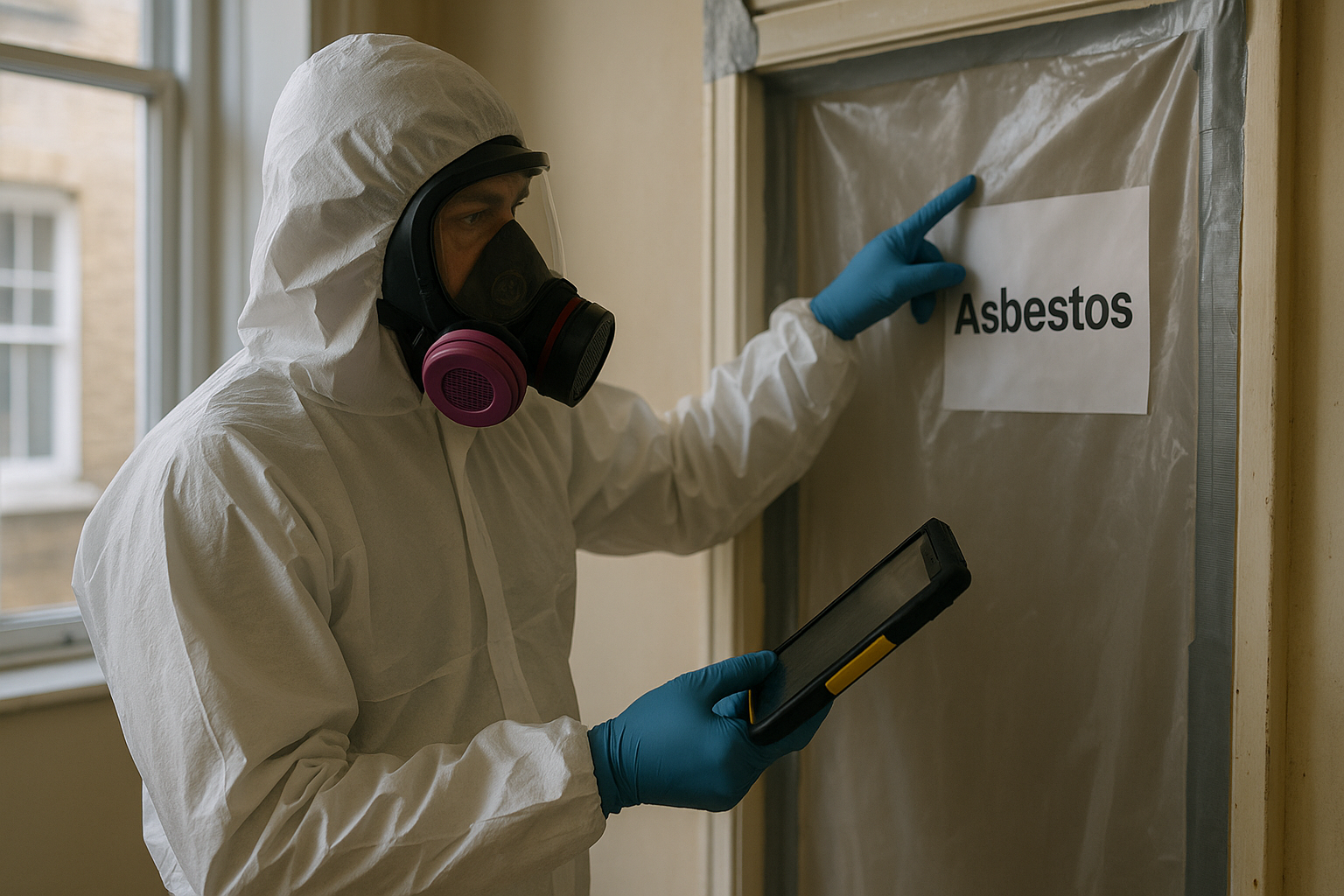
One wrong sentence can undo a lot of good asbestos management. If you have heard that a highly friable material is one that does not freely release fibres when disturbed, you need to stop and correct it straight away. That statement is false, and getting it wrong can lead to unsafe maintenance decisions, poor contractor instructions and unnecessary exposure risk.
The reality is the opposite. Friable asbestos-containing materials are the materials most likely to release fibres when disturbed, damaged or allowed to deteriorate. Less friable materials may hold fibres more tightly when intact, but that does not make them harmless.
Why “a highly friable material is one that does not freely release fibres when disturbed” is false
The phrase a highly friable material is one that does not freely release fibres when disturbed reverses the meaning of friability. In asbestos terms, friability describes how easily a material can be crumbled, broken or disturbed in a way that releases fibres into the air.
The more friable the material, the easier it is for fibres to become airborne. That matters because inhaling airborne asbestos fibres is the route of exposure associated with serious asbestos-related disease.
The correct way to think about it is simple:
- Highly friable materials release fibres more readily when disturbed
- Less friable materials tend to keep fibres bound more tightly while they remain intact
- Any asbestos-containing material can become dangerous if it is damaged, drilled, cut, sanded or removed badly
So if someone says a highly friable material is one that does not freely release fibres when disturbed, they have the risk hierarchy backwards. For a property manager, landlord or contractor, that is not a minor wording issue. It can affect what work is allowed to go ahead and whether the right controls are in place.
What friable and non-friable asbestos actually mean
Friable asbestos
Friable asbestos-containing materials can release fibres with relatively little force. In practical terms, they may crumble under hand pressure when dry, or they may already be in poor enough condition that even slight disturbance can release fibres.
Examples often include:
- Pipe lagging
- Sprayed coatings
- Loose fill insulation
- Thermal insulation products
- Damaged asbestos insulation board in some situations
These materials usually require a higher level of caution because the potential for fibre release is greater.
Non-friable asbestos
Non-friable asbestos is normally bound into another material such as cement, vinyl, resin or bitumen. When the product is in good condition, the fibres are held more firmly within that matrix.
Common examples include:
- Asbestos cement sheets and flues
- Vinyl floor tiles
- Bitumen products
- Some gaskets and seals
- Certain textured coatings
This is where confusion starts. People hear “non-friable” and assume “safe”. That is a risky shortcut. Lower friability does not mean no risk. It means the risk depends heavily on condition, location and whether the material will be disturbed.
Why non-friable asbestos can still be dangerous
Even where asbestos is tightly bound, the situation changes the moment the material is cut, drilled, broken, sanded, weathered or removed carelessly. A product that appears stable during normal occupation can become a fibre-release problem during maintenance, refurbishment or repair work.
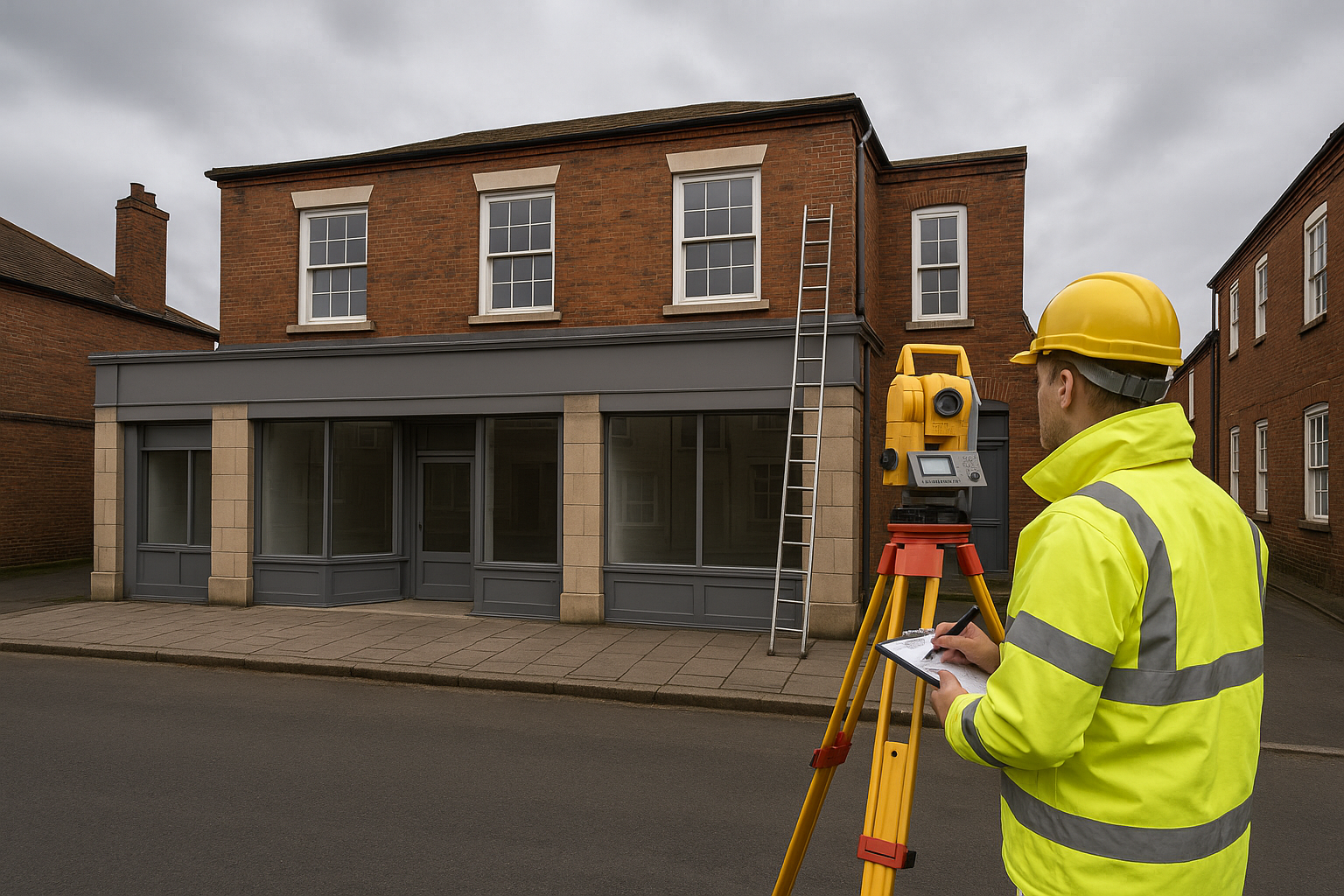
That is why the claim that a highly friable material is one that does not freely release fibres when disturbed is so misleading. It distracts from the real question: what is going to happen to the material next?
Typical situations where lower-friability asbestos becomes a problem include:
- Drilling asbestos cement soffits or panels to install services
- Lifting old floor tiles without checking the tile or adhesive
- Sanding or scraping textured coatings before decorating
- Breaking roof sheets during repair works
- Removing boards, boxing or panels during refurbishment
- Allowing water damage or age-related deterioration to weaken the material
In each of these cases, a material that once seemed stable may no longer behave as a contained product. Once damaged or mechanically disturbed, fibre release becomes more likely.
Common asbestos materials and how friability affects risk
Good asbestos management is never based on labels alone. You need to look at the actual product, its condition, where it is located and what work is planned nearby.
Higher-friability materials
These materials generally present a greater risk of airborne fibre release if disturbed:
- Pipe lagging
- Sprayed coatings
- Loose fill insulation
- Thermal insulation
- Damaged insulation board
Where these materials are damaged or exposed, urgent assessment is often needed. Access may need to be restricted while the risk is evaluated properly.
Lower-friability materials
These materials may present a lower immediate risk when intact:
- Asbestos cement sheets
- Asbestos cement flues
- Vinyl floor tiles
- Bitumen felt and mastics
- Gaskets and rope seals
That lower risk only applies while the material remains in good condition and is not disturbed. Break it, cut it or remove it badly, and the exposure risk can change very quickly.
Materials that sit in a grey area
Some materials are casually described as non-friable even though their real-world behaviour depends on age, damage and the work being carried out. Textured coatings are a good example. They may not release fibres easily during normal occupancy, but drilling, scraping and sanding can create risk.
This is why visual guesswork is never enough. Sampling and survey evidence matter far more than assumptions.
What UK regulations expect from dutyholders and property managers
For non-domestic premises, the Control of Asbestos Regulations place a duty to manage asbestos. That duty does not only apply to materials that look damaged or highly friable. If asbestos is present, or presumed to be present, it must be identified and managed properly.
HSG264 and wider HSE guidance set out the practical expectations. Dutyholders should know what asbestos-containing materials are present, where they are, what condition they are in, and how likely they are to be disturbed.
That usually means you need to:
- Identify asbestos-containing materials or presume they contain asbestos until proven otherwise
- Assess the risk based on material type, condition, accessibility and likelihood of disturbance
- Keep an up-to-date asbestos register
- Prepare and implement an asbestos management plan
- Share asbestos information with anyone liable to disturb the materials
- Review condition regularly and update records when circumstances change
If you manage offices, schools, retail units, industrial buildings, healthcare premises or mixed-use property, this is a core compliance task. It is not paperwork for the sake of it. It is how you prevent avoidable exposure.
When you need an asbestos survey
The right survey depends on what is happening in the building. Using the wrong survey can leave hidden asbestos in the path of planned works.
For routine occupation and day-to-day management, a management survey helps identify asbestos-containing materials that could be disturbed during normal use or minor maintenance.
Before intrusive building work starts, you need a refurbishment survey. This is designed to locate asbestos within the area affected by the works, including materials behind finishes, above ceilings, inside risers and within voids.
If a structure is going to be taken down, a demolition survey is required before demolition begins. Its purpose is to identify asbestos-containing materials throughout the building so they can be managed and removed appropriately ahead of the work.
Where asbestos has already been identified and left in place, a re-inspection survey helps confirm whether the condition has changed and whether the management plan remains suitable.
One of the most common mistakes is assuming an old management survey is enough for refurbishment. It is not. If the works are intrusive, the survey must match the activity.
How to assess risk in practical terms
Asbestos risk is not fixed. It changes with the condition of the material, how accessible it is, whether people are likely to disturb it and what work is planned nearby.
A sensible site-based assessment should ask:
- Is the material confirmed asbestos, presumed asbestos or still unknown?
- Is it friable, lower-friability or already damaged?
- Is it exposed or sealed behind other building elements?
- Can occupants, maintenance staff or contractors reach it easily?
- Is any drilling, cutting, removal or access work planned nearby?
- Has water ingress, impact damage or ageing changed its condition?
The phrase a highly friable material is one that does not freely release fibres when disturbed is dangerous because it oversimplifies risk. Real asbestos management is about material type and condition and context.
Practical advice if you suspect asbestos is present
If your building was constructed before 2000, caution is sensible. Many asbestos-containing materials are still present across the UK, often hidden in plain sight behind later finishes or inside service areas.
Before any work starts, use this checklist:
- Check whether an asbestos survey already exists
- Make sure the survey is relevant to the planned work
- Review the asbestos register before instructing contractors
- Do not rely on age, appearance or verbal assumptions
- Stop planned drilling, cutting or stripping if the material has not been assessed
- Arrange sampling where the material is uncertain
- Give contractors asbestos information before they start
If you need to confirm whether a suspect material contains asbestos, professional asbestos testing is usually the safest option. For straightforward cases where a postal sample service is suitable, an asbestos testing kit can help establish whether a material contains asbestos before work proceeds.
Some clients prefer a direct page focused on local and rapid support for asbestos testing, especially when they need clarity on a single suspect material rather than a full survey. If you are arranging site work in the capital, booking an asbestos survey London service can speed up the process and reduce delays.
What to do if asbestos is damaged or likely to be disturbed
Do not brush debris up. Do not use a domestic vacuum cleaner. Do not ask a general builder to remove it as a favour. Once asbestos is damaged, poor handling can turn a manageable issue into a much bigger one.
Take these steps instead:
- Stop work immediately
- Keep people away from the area
- Avoid further disturbance
- Arrange professional assessment and, where needed, sampling
- Record the issue and update the asbestos register if asbestos is confirmed
If the material needs to be taken out, use a competent contractor for asbestos removal. Removal is not always the best answer, but where materials are damaged, deteriorating or directly affected by planned works, it may be necessary.
For homeowners planning small projects, a basic testing kit can be a useful first step before any DIY begins. The key is to test before disturbing the material, not after.
Can asbestos ever be left in place safely?
Yes. In many situations, asbestos-containing materials can be managed safely in situ if they are in good condition, unlikely to be disturbed and properly recorded. This is often the most sensible approach for certain lower-friability materials.
But there is a big difference between managed asbestos and forgotten asbestos. Leaving it in place only works when there is a proper management plan behind it.
Before deciding to leave asbestos where it is, ask:
- Has the material been confirmed or is it only suspected?
- What type of product is it?
- What is its current condition?
- Is it accessible to occupants, contractors or maintenance staff?
- Will planned works affect it?
- Is the area dry, stable and protected from impact?
- Has it been recorded clearly in the asbestos register?
A lower-friability product in a locked plant area may be manageable for years. The same product in a corridor ceiling due to be rewired is a very different risk.
Why asbestos risk changes over time
Asbestos risk is not static. Materials age, buildings leak, tenants alter layouts, services are replaced and maintenance teams drill into places they did not touch before. All of that affects whether asbestos remains stable or becomes vulnerable to disturbance.
This is another reason why saying a highly friable material is one that does not freely release fibres when disturbed is so unhelpful. It suggests risk is a simple fixed label. In reality, product type is only part of the picture.
A few common examples make the point clearly:
- Asbestos cement roof sheets may remain stable for years, then crack during access works
- Textured coating may be low risk until an electrician drills through it
- Floor tiles may stay undisturbed until a refit exposes them
- Insulation board may become more vulnerable after repeated knocks or damp ingress
That is why re-inspection, contractor communication and planned surveys matter so much. They stop assumptions turning into exposure incidents.
Common mistakes to avoid
Most asbestos failures are not caused by obscure technical issues. They happen because someone assumes, guesses or pushes on without checking.
Avoid these common mistakes:
- Assuming non-friable means harmless
- Relying on an old survey for new refurbishment works
- Letting contractors start before they have seen the asbestos information
- Judging materials by appearance alone
- Ignoring minor damage because the product has been there for years
- Trying to clean up suspect debris without proper controls
- Forgetting to update the asbestos register after changes on site
If you manage property, the safest habit is simple: when in doubt, pause and verify. That approach saves time, money and unnecessary risk.
Frequently Asked Questions
Is the statement “a highly friable material is one that does not freely release fibres when disturbed” true or false?
False. A highly friable material is one that does release fibres more easily when disturbed. Friability refers to how readily a material can break down and release fibres into the air.
Does non-friable asbestos mean it is safe?
No. Non-friable asbestos may present a lower risk when intact, but it can still become dangerous if it is damaged, drilled, cut, sanded or removed incorrectly. Condition and planned activity are critical.
What survey do I need before building work starts?
It depends on the work. A management survey is for normal occupation and routine maintenance. If the work is intrusive, you usually need a refurbishment survey. If the building is being demolished, a demolition survey is required.
Can asbestos be left in place?
Yes, if it is in good condition, unlikely to be disturbed and properly managed. It must be recorded, monitored and included in an asbestos management plan. Leaving it in place without ongoing control is not safe management.
What should I do if I accidentally disturb suspect asbestos?
Stop work immediately, keep people away, avoid further disturbance and arrange professional assessment. Do not sweep it up or use a standard vacuum cleaner. The area should be assessed properly before work resumes.
Need expert asbestos advice?
If you need clear answers, fast sampling or the right survey before works begin, Supernova Asbestos Surveys can help. We carry out surveys, testing, re-inspections and support for property managers, landlords, contractors and homeowners across the UK.
Call 020 4586 0680 or visit asbestos-surveys.org.uk to book the right asbestos service for your property.