The Asbestos Laborer: Trades and Occupations with Unexpected Asbestos Exposure
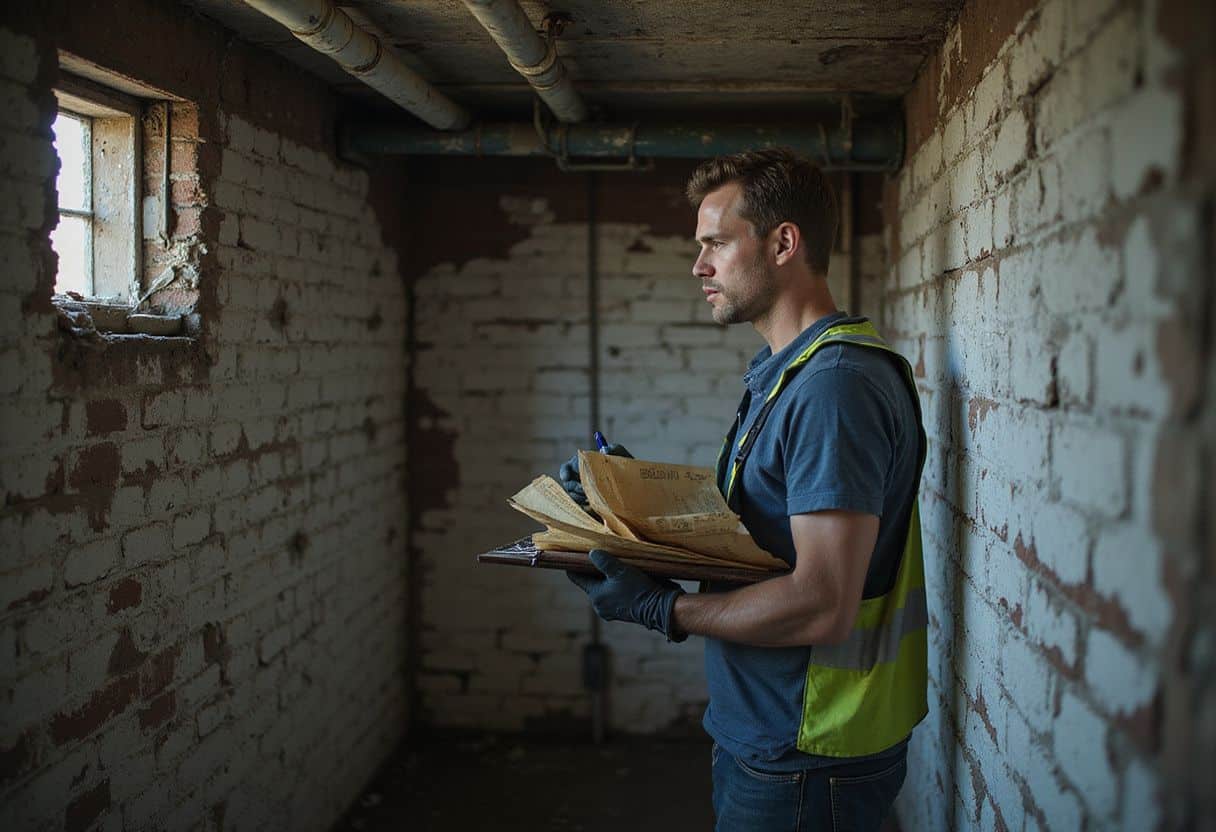
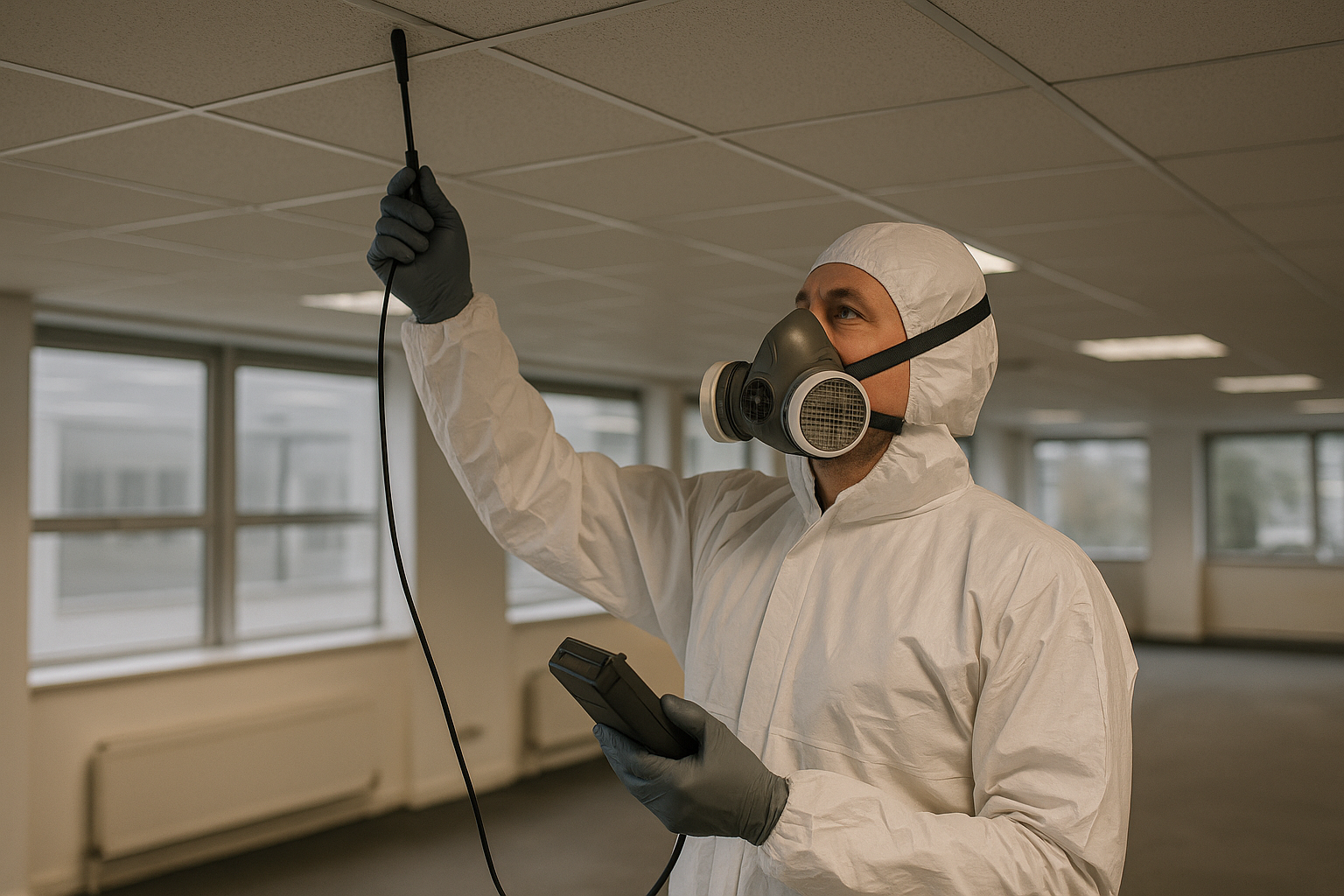
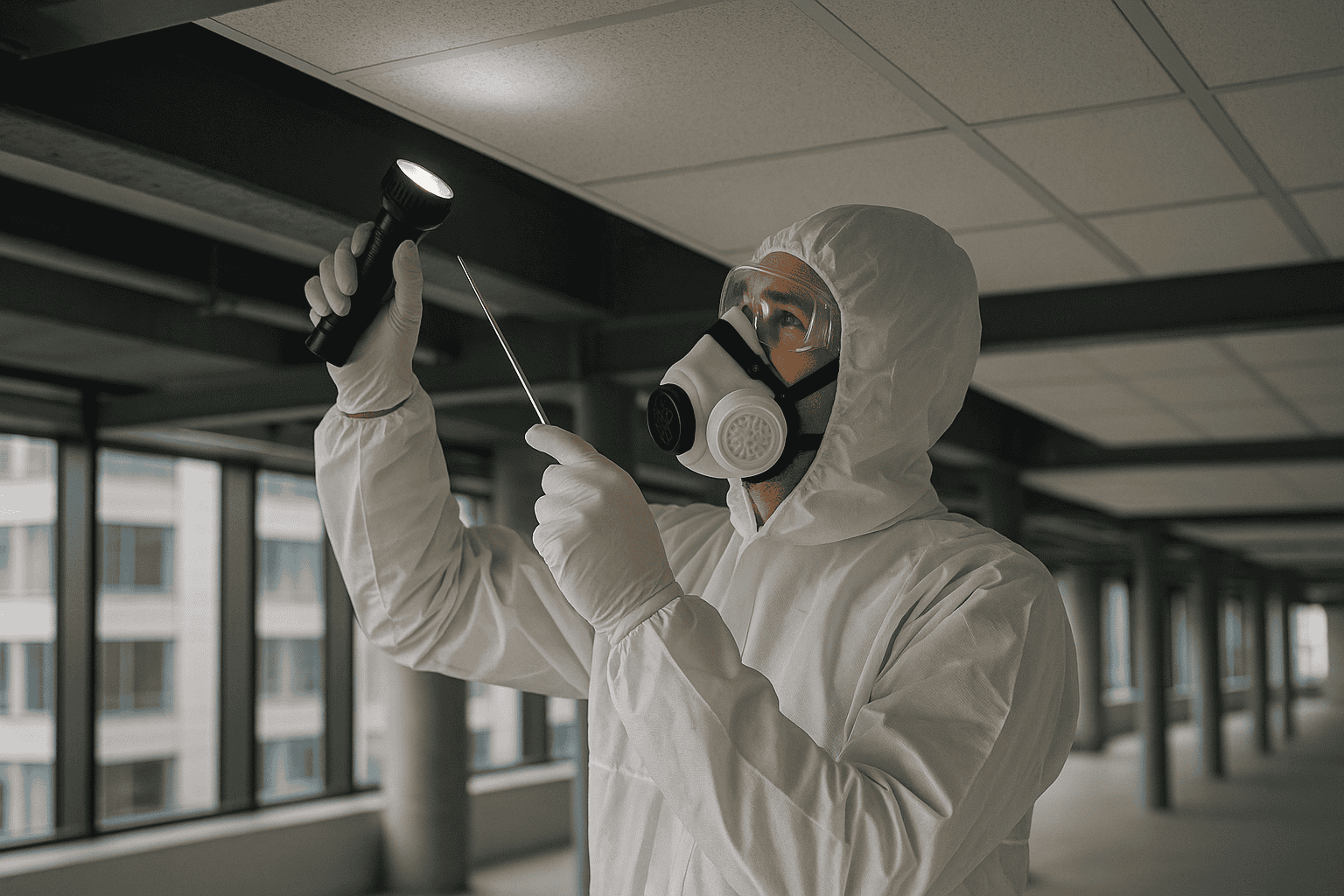
Think you’ve never worked with asbestos? You might want to reconsider. The asbestos laborer wasn’t always someone in a specialist hazmat suit — millions of ordinary British workers handled, drilled through, and breathed in asbestos fibres across dozens of everyday trades, often without any awareness of the risk they were taking on.
Asbestos was woven into British construction, manufacturing, and engineering for the best part of a century. It was cheap, fire-resistant, thermally stable, and extraordinarily versatile. Those properties made it almost irresistible to builders and engineers throughout the 20th century — and they made it almost impossible to avoid if you worked in the built environment.
If you worked in any of the trades below — particularly before the UK’s full ban came into effect in the late 1990s — there’s a real possibility you were exposed to asbestos fibres at levels significantly above the general population. Asbestos-related diseases can take 20 to 60 years to develop after exposure. Understanding your occupational history isn’t alarmist. It’s simply sensible.
Why So Many Workers Were Exposed Without Knowing It
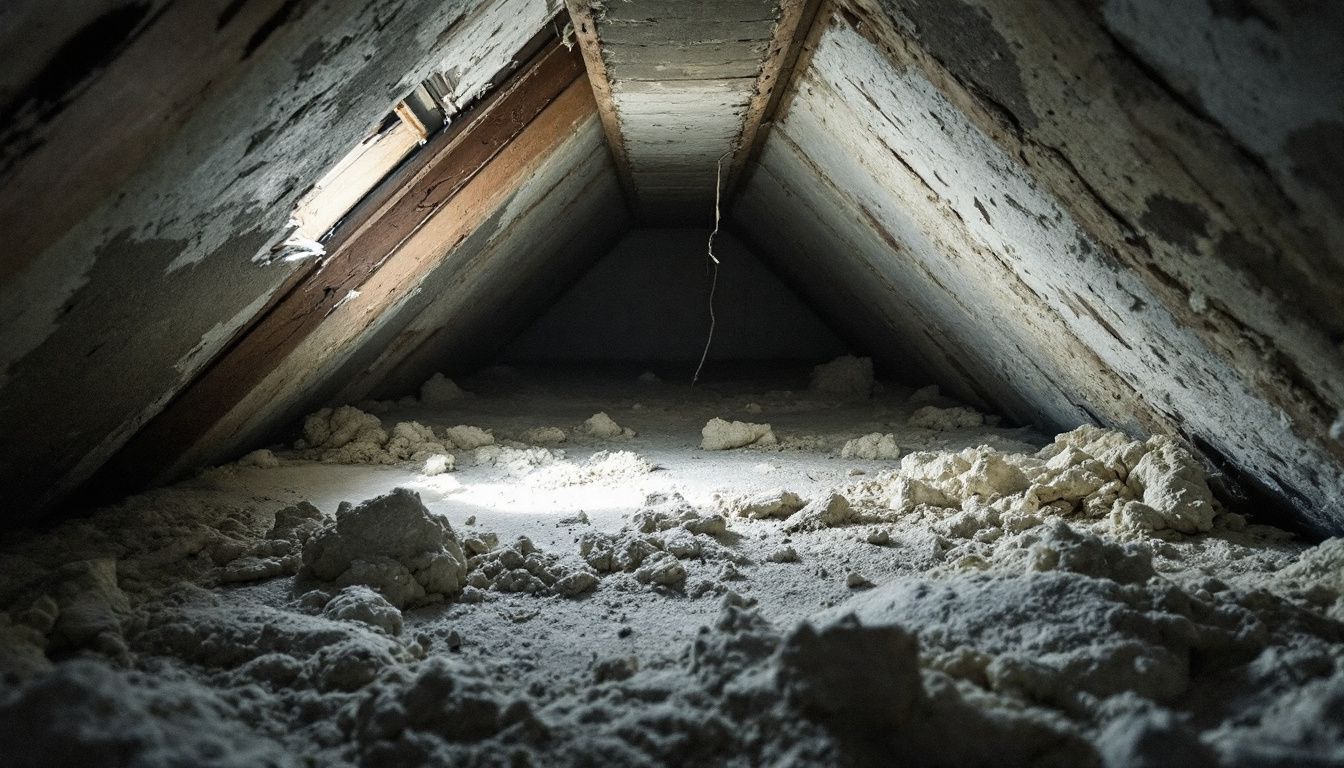
Asbestos only becomes dangerous when it’s disturbed. Fibres released into the air through cutting, drilling, sanding, or deterioration can be inhaled and become permanently lodged in lung tissue, where they may cause mesothelioma, asbestosis, or lung cancer decades later.
The problem for the typical asbestos laborer or tradesperson was that they had no way of knowing what the materials around them contained. Asbestos was added to hundreds of products — floor tiles, ceiling tiles, pipe lagging, plaster compounds, roofing sheets, gaskets, brake pads, and insulation boards — without any visible indication of its presence.
Workers who spent years disturbing asbestos-containing materials (ACMs) accumulated significant exposure without protective measures, health monitoring, or even basic awareness. The occupations below are where that risk was — and in some cases still is — very real.
1. Construction Workers and Labourers
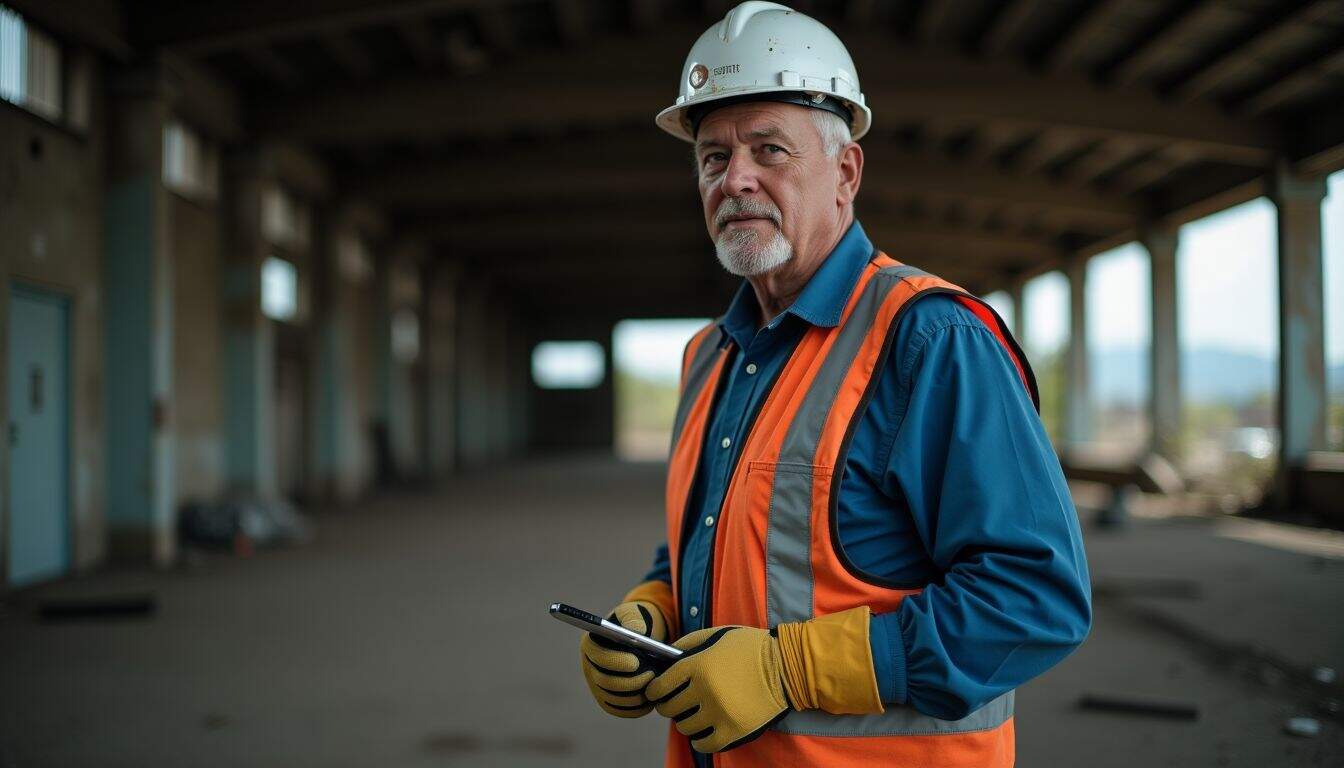
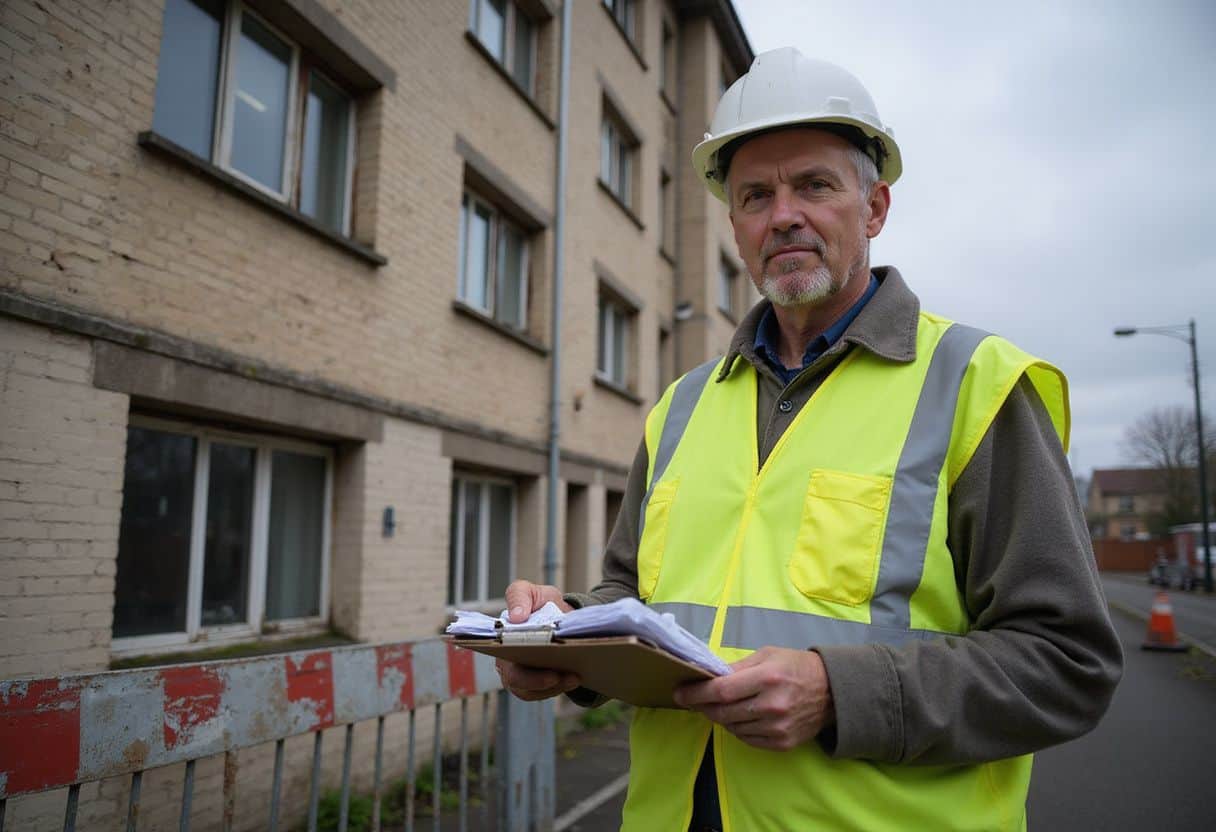
The construction asbestos laborer was among the most heavily exposed workers in the UK during the asbestos era. On any given site before the 1980s, workers were handling ACMs daily — floor and ceiling tiles, insulation boards, cement sheets, roofing materials, and jointing compounds all regularly contained asbestos.
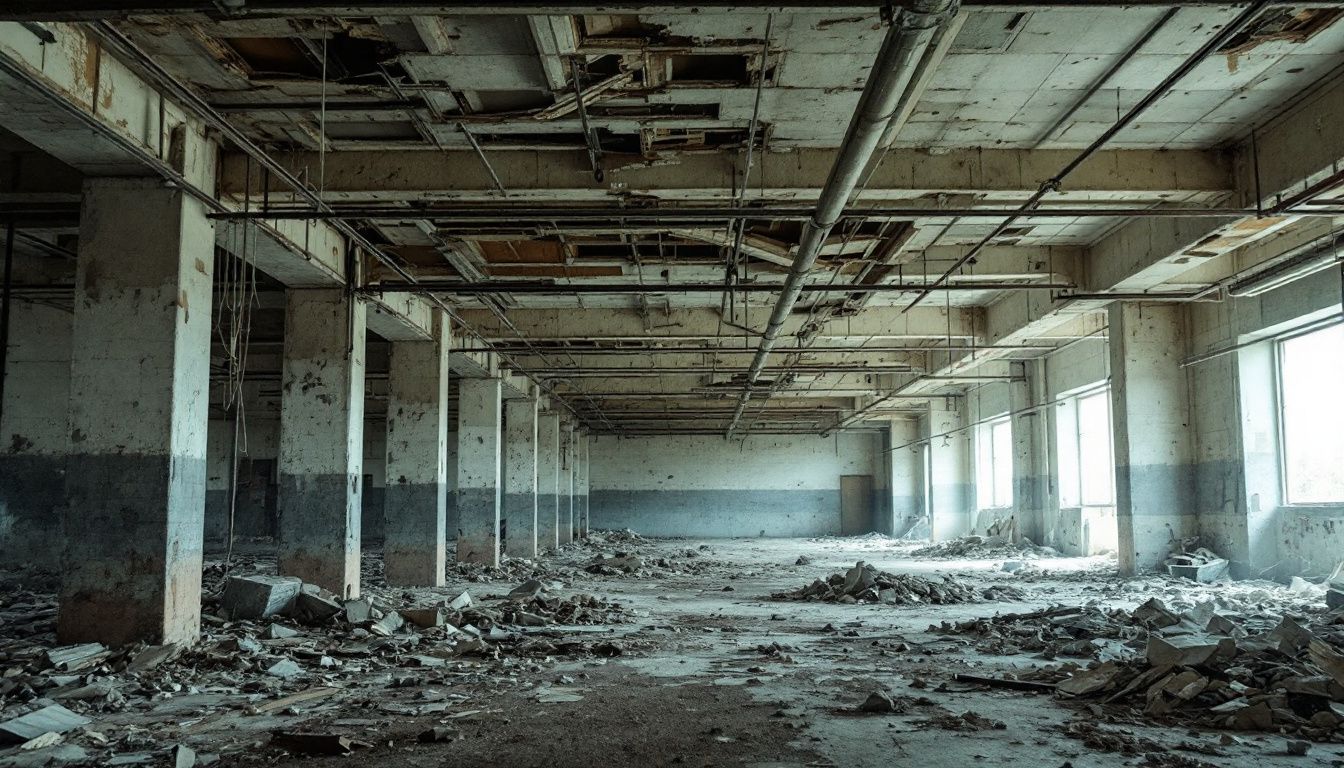
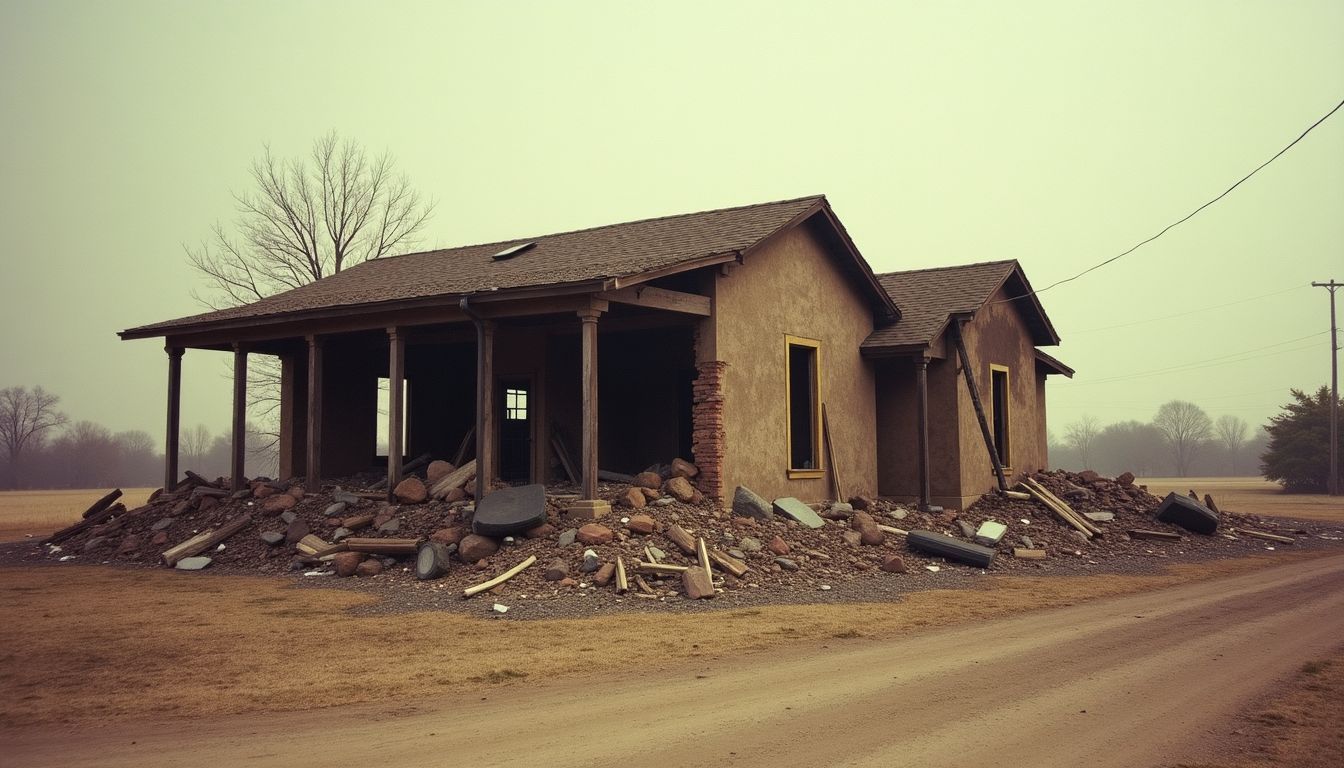
Demolition and refurbishment work disturbs the greatest quantities of fibres. Workers clearing sites, breaking out walls, or stripping buildings were exposed to high concentrations with little or no respiratory protection. The sheer volume of material being disturbed on a typical construction site made cumulative exposure extremely significant.
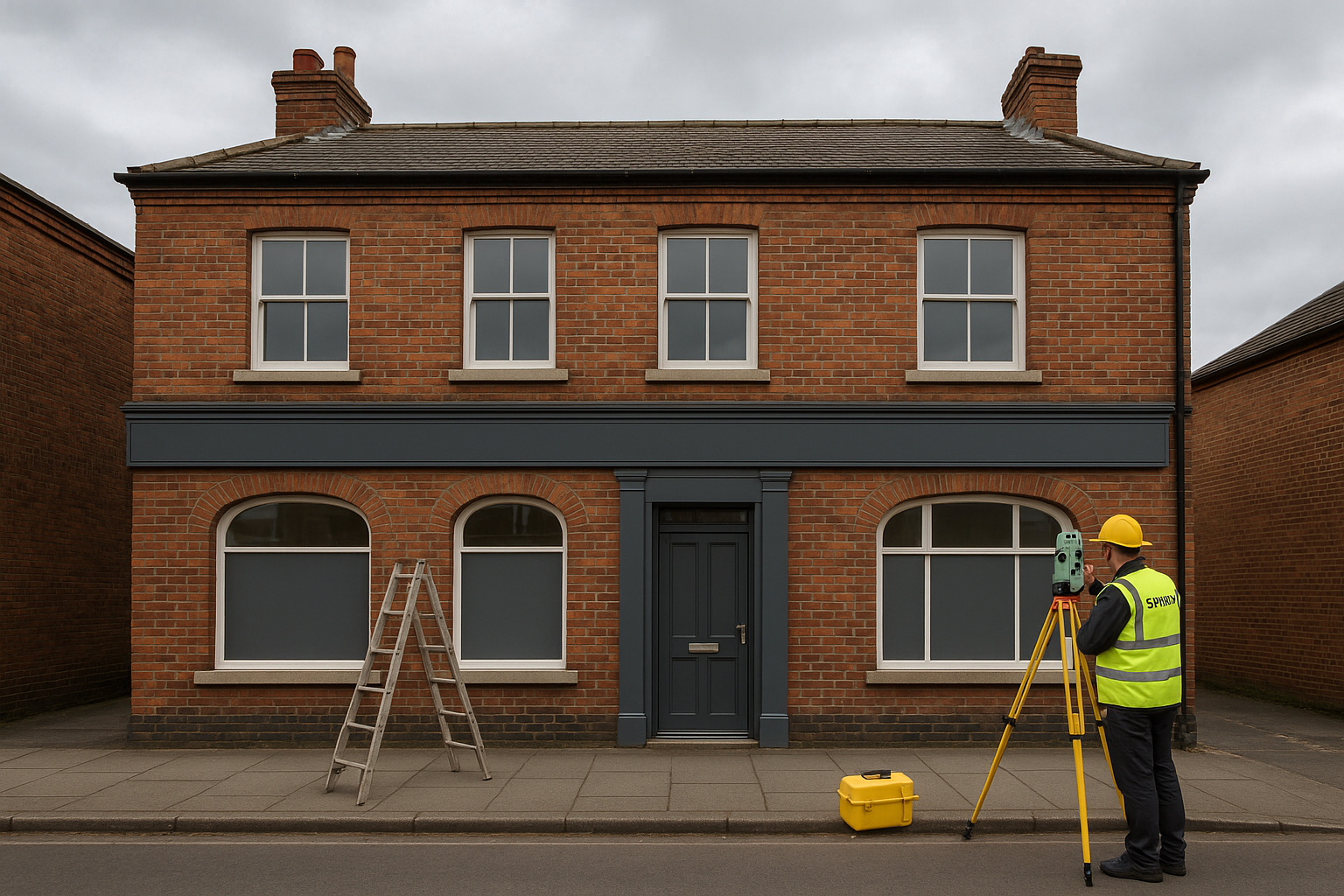
Today, the Control of Asbestos Regulations places strict duties on those managing refurbishment and demolition projects. Millions of UK buildings still contain asbestos, and construction workers remain one of the highest-risk occupational groups. Before any refurbishment or demolition project begins, a refurbishment survey or demolition survey is not just good practice — it’s a legal requirement under the Control of Asbestos Regulations.
2. Insulators and Laggers
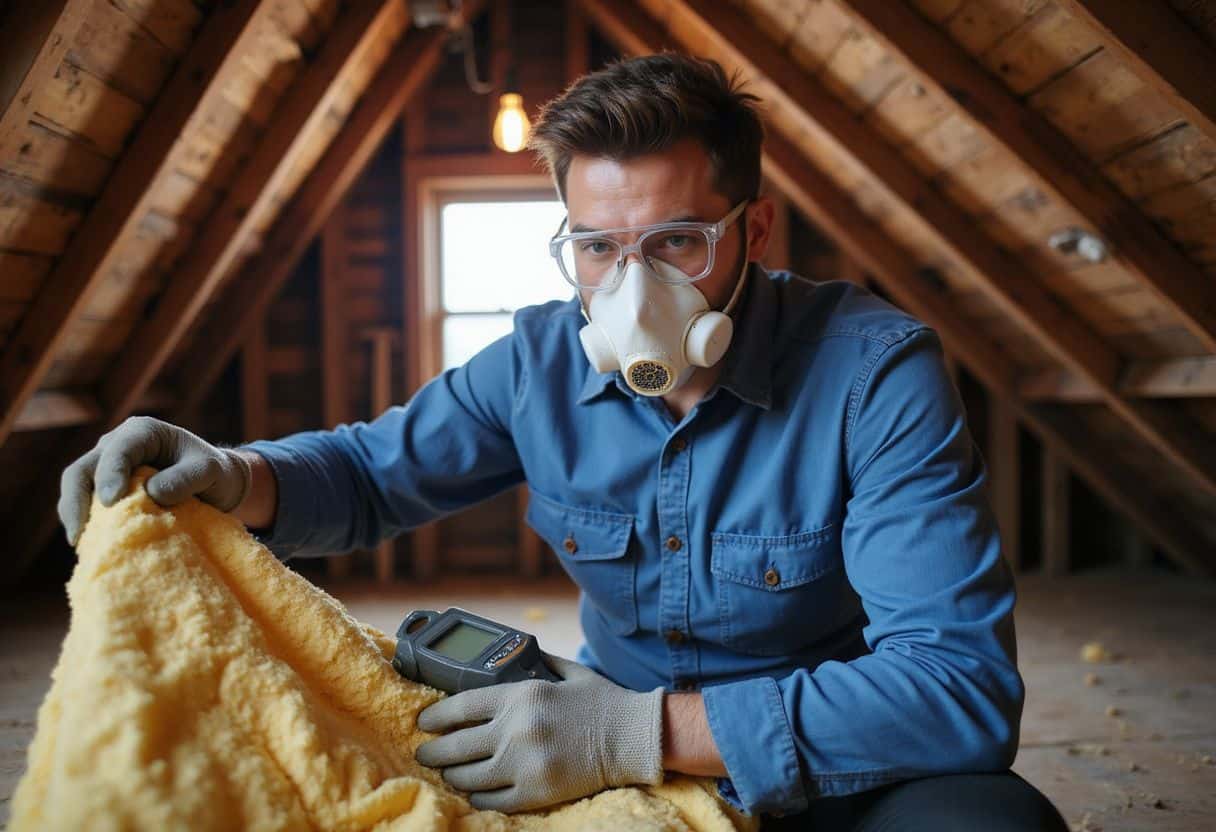
If there’s one trade more directly associated with asbestos exposure than any other, it’s insulation work. Asbestos was the insulation material of choice for industrial pipework, boilers, vessels, and structural steelwork for decades. Insulators — also known as laggers — worked with it constantly, cutting, shaping, and applying it by hand.
The fibres produced during this work were among the most hazardous generated by any trade. Many insulators who worked before the 1980s subsequently developed mesothelioma or asbestosis, and the latency period means new diagnoses among former laggers continue to this day.
Those continuing to work in industrial environments where older plant and equipment remains in service should treat any existing insulation with extreme caution and ensure a survey has been carried out before any maintenance work begins.
3. Plumbers and Heating Engineers
Pipe lagging made from asbestos-based materials was standard practice in British buildings for much of the 20th century. Plumbers regularly handled, cut, and removed this insulation — and many had no idea what it contained. The material looked and behaved like any other insulation product.
Today, plumbers working in older properties — particularly schools, hospitals, offices, and homes built before 1985 — may still encounter original pipe lagging, insulation boards, and gaskets containing asbestos. Cutting into or removing these materials without proper precautions puts workers at immediate risk.
Any plumber accessing service voids, roof spaces, or plant rooms in older buildings should assume asbestos is present until a survey confirms otherwise. A management survey of the property will identify the location and condition of any ACMs before work begins.
4. Painters and Decorators
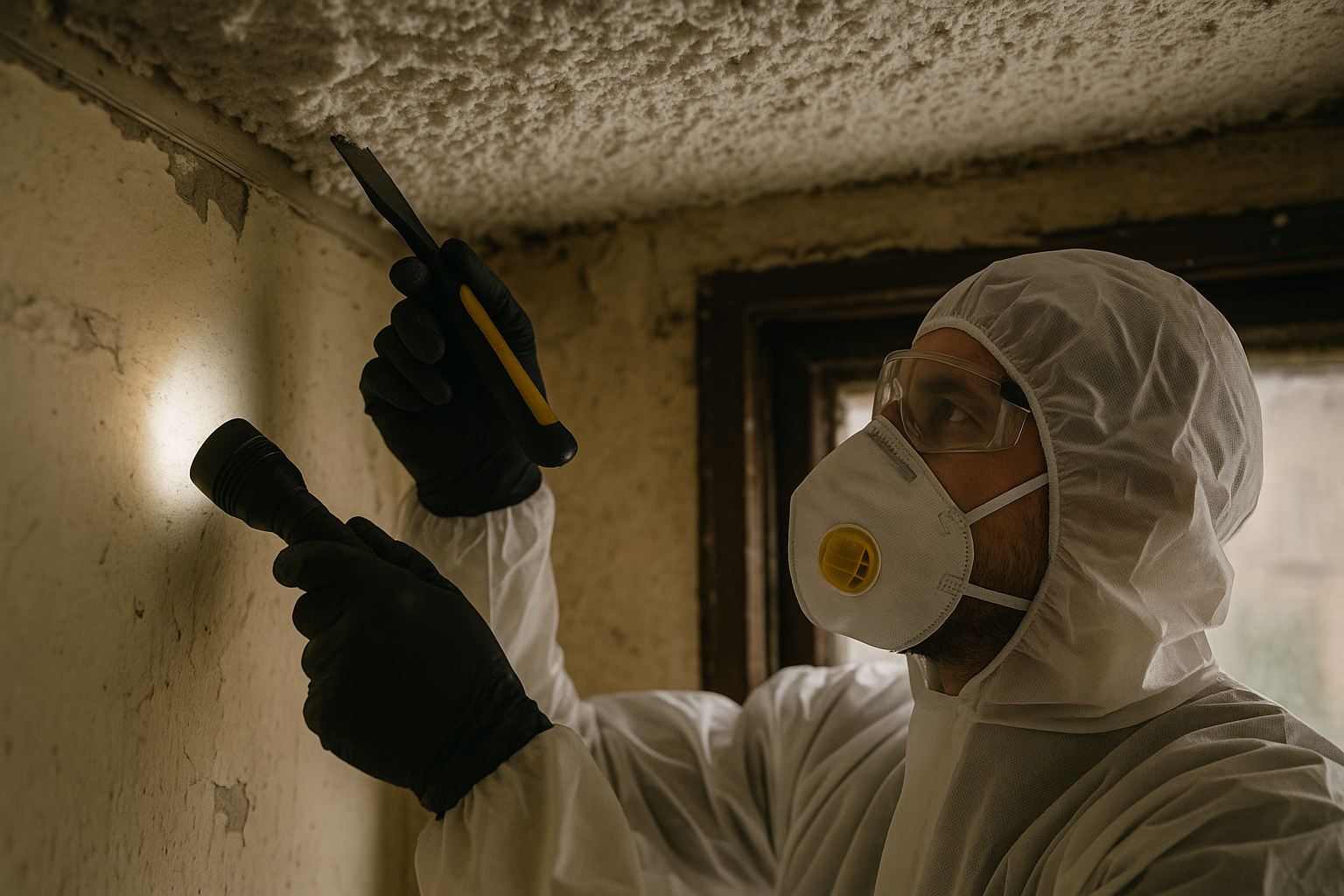
Painters became unknowing asbestos laborers for a straightforward reason: many of the materials they worked with contained it. Asbestos was added to caulks, putties, joint compounds, and spackling pastes as a filler and fire retardant. Textured coatings and decorative plasters — particularly Artex — frequently contained asbestos up until the late 1980s.
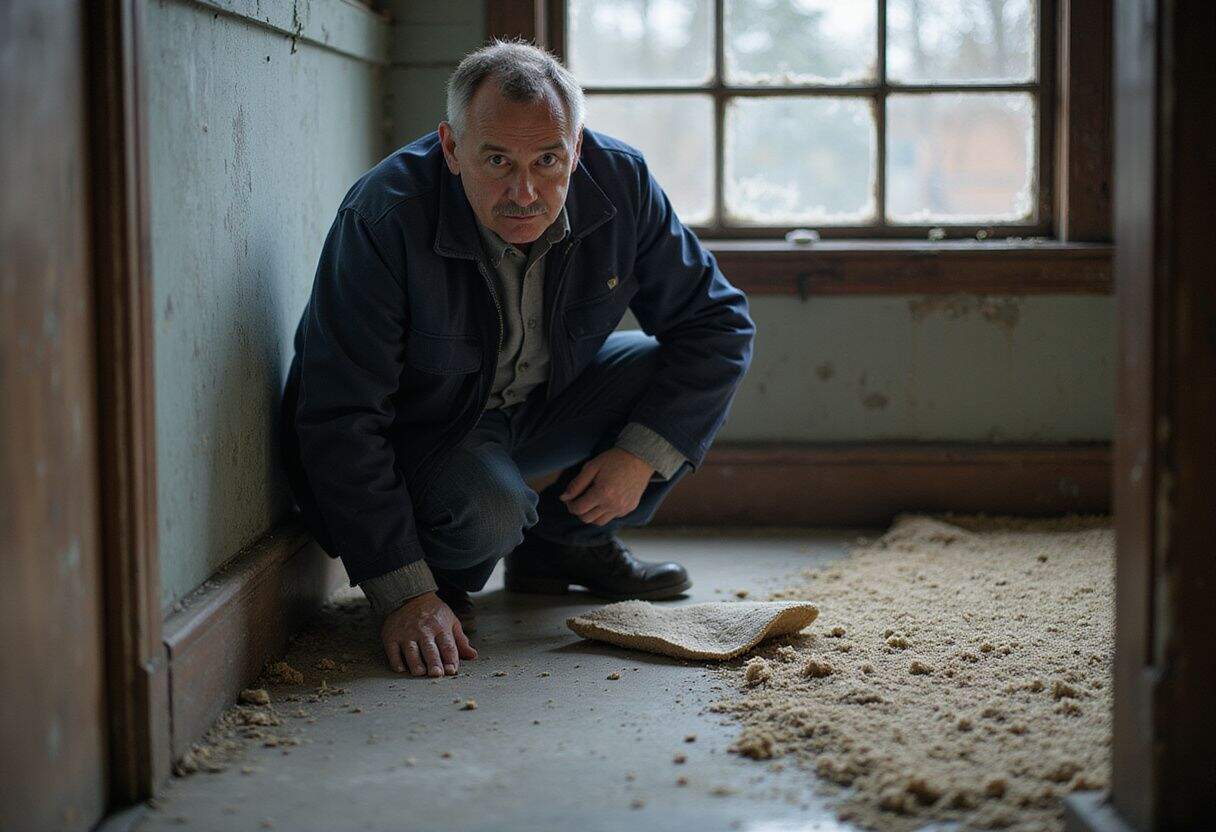
Sanding down old paintwork, scraping off textured finishes, or cutting through plasterboard are all activities that can release fibres from these materials. Painters working on renovation projects in older residential or commercial properties today can still encounter these legacy materials.
The rule of thumb is clear: treat any textured coating or old compound in a pre-2000 building as potentially containing asbestos until it has been tested. Don’t sand, scrape, or drill until you know what you’re dealing with.
5. Plasterers and Dryliners
Asbestos was commonly added to plaster products and dry lining compounds as a reinforcing agent and fire retardant. Plasterers working before the early 1990s regularly mixed and applied these materials, often generating significant dust in enclosed spaces with no ventilation controls.
Restoration and preservation work on older buildings presents an ongoing risk. Lath and plaster ceilings and walls in Victorian and Edwardian properties may have been treated or repaired with asbestos-containing products at some point during the 20th century.
Anyone working on these structures should commission an asbestos survey before starting any work that disturbs the fabric of the building. This applies equally to specialist restoration contractors and general builders taking on period property refurbishments.
6. Firefighters and Emergency Responders
Older buildings across the UK are full of asbestos-containing materials. When those buildings catch fire, ACMs are damaged and fibres are released into the smoke at dangerous concentrations. Firefighters entering burning or collapsed structures face a significant inhalation risk — not just from the fire itself, but from what the fire has disturbed.
Police officers, paramedics, and other first responders called to incidents in older buildings share this risk. The emergency context often means protective equipment is not being used optimally, or at all. Many responders were — and still can be — exposed without ever being told asbestos was present in the building.
This is one of the reasons why accurate asbestos records for buildings are so valuable. When emergency services attend an incident, knowing whether ACMs are present and where they’re located can make a meaningful difference to how responders protect themselves.
7. Mechanics — Automotive and Aircraft
Brake pads, clutch linings, and gaskets in older vehicles and aircraft commonly contained asbestos. When mechanics worked on braking systems — cleaning, grinding, or replacing worn pads — they disturbed accumulated asbestos dust without any awareness of the risk. The dust looked identical to ordinary brake dust.
Aircraft mechanics faced a similar problem. Asbestos-containing materials were used in wiring, brake assemblies, insulation, and seals across both civilian and military aircraft. Working in enclosed hangars and workshops concentrated the exposure further.
While asbestos in new vehicles has been eliminated, mechanics working on older vehicles or aircraft in restoration should treat brake and clutch dust as potentially hazardous and take appropriate precautions before beginning any work.
8. Shipyard Workers and Shipbuilders
British shipyards were significant employers throughout the 20th century, and they were also among the most dangerous environments for asbestos exposure. Asbestos was used extensively throughout vessels — in engine rooms, boiler rooms, bulkheads, pipe lagging, and deck materials — because of its fire resistance in an inherently high-risk environment.
The confined spaces of a ship made the exposure particularly acute. Fibres disturbed in one part of the vessel would circulate throughout enclosed compartments, affecting workers who weren’t even directly handling ACMs.
Workers who installed, maintained, or stripped asbestos insulation in shipyards have historically experienced some of the highest rates of asbestos-related disease in the UK, particularly in regions like Clydeside, Tyneside, and Belfast.
9. Industrial and Mill Workers
Paper mills, chemical plants, oil refineries, and power stations all relied heavily on asbestos as a fire retardant and thermal insulator throughout the mid-20th century. In environments where heat, steam, and fire risk were constant, asbestos was built into virtually every piece of processing equipment — boilers, turbines, pipe systems, pumps, valves, and generators.
Workers maintaining, repairing, or replacing this equipment were exposed repeatedly over the course of entire careers. In some paper mills, asbestos was also used as a raw material within the products themselves, creating additional direct handling exposure for line workers.
Secondary exposure was also a serious issue in these industries: fibres carried home on work clothing exposed family members — particularly spouses and children — to asbestos with no occupational protection whatsoever.
Secondary Exposure: The Hidden Risk to Families
Asbestos exposure wasn’t confined to the workplace. Workers who handled ACMs brought fibres home on their clothing, hair, and skin. Family members who washed work clothes — typically spouses — were frequently exposed to significant levels of asbestos without ever setting foot on a job site.
This secondary exposure has led to diagnoses of mesothelioma and asbestosis in people who never worked in an asbestos-related trade. If a parent or partner worked in any of the occupations described above, particularly before the 1980s, that secondary exposure is worth discussing with a GP or occupational health specialist when reviewing your health history.
What This Means for Workers and Property Managers Today
Whether you’re a former tradesperson concerned about past exposure, a current worker operating in older buildings, or a property manager with legal duties to fulfil, there are practical steps worth taking now.
For Former Workers
- Tell your GP about your occupational history. Asbestos-related conditions can present decades after exposure. Your doctor should know if you worked in a high-risk trade, even if you feel well now.
- Know your rights. If you believe you were exposed to asbestos as part of your employment, you may have legal options. Specialist solicitors handle asbestos-related claims, many on a no-win, no-fee basis.
- Don’t ignore symptoms. Persistent breathlessness, a chronic cough, or chest pain in someone with a history of asbestos exposure warrants prompt medical attention.
For Current Workers
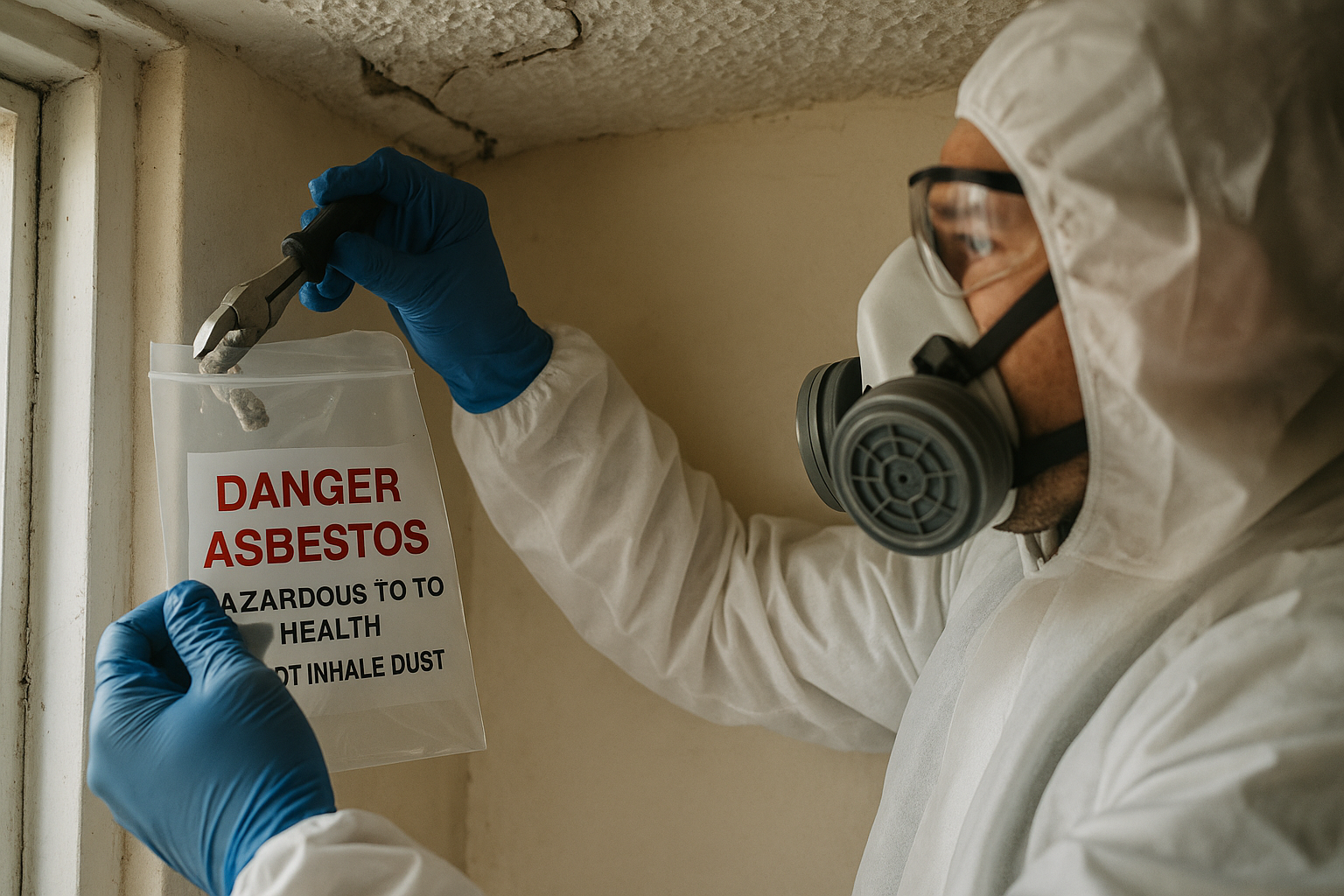
- Don’t disturb suspected ACMs. If you encounter materials you suspect may contain asbestos, stop work immediately. Do not attempt to sample or remove the material yourself.
- Ask for the asbestos register. Before starting work on any commercial or public building, the duty holder is legally required to share information about known ACMs with you. Ask for it before you begin.
- Use the right PPE. If you’re working in an environment where asbestos exposure is possible, appropriate respiratory protective equipment is not optional.
For Property Managers and Duty Holders
- Maintain an up-to-date asbestos register. The Control of Asbestos Regulations requires duty holders to manage asbestos in non-domestic premises. That starts with knowing what’s there.
- Commission a survey before any intrusive work. Whether it’s a routine refurbishment or a full demolition, a professional survey is a legal requirement — not an optional extra.
- Share information with contractors. Every tradesperson working on your premises has the right to know about ACMs that may affect their work. Make sure that information is accessible and current.
The Legal Framework: What the Regulations Require
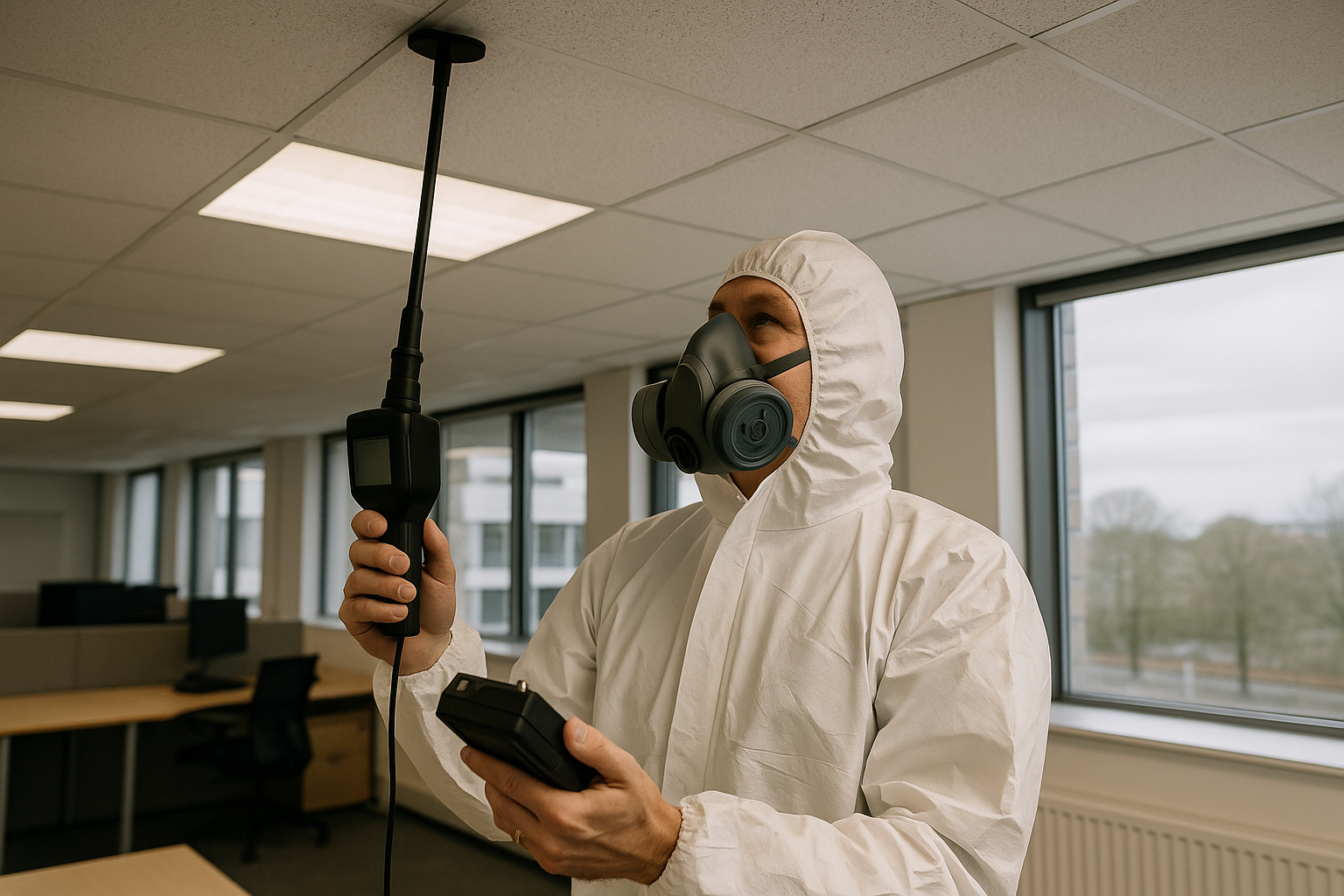
The Control of Asbestos Regulations sets out clear duties for employers, duty holders, and those managing work that may disturb asbestos-containing materials. HSE guidance — including HSG264 — provides detailed technical direction on how surveys should be planned, conducted, and recorded.
Under these regulations, duty holders in non-domestic premises must take reasonable steps to find out whether ACMs are present, assess their condition, and manage them so that workers and others are not put at risk. This duty applies whether or not you believe asbestos is present — the regulations require you to find out.
For refurbishment and demolition projects specifically, a survey must be carried out before work begins. This is not discretionary. Failure to comply can result in enforcement action, prosecution, and unlimited fines.
Asbestos Surveys Across the UK
Supernova Asbestos Surveys carries out professional asbestos surveys for commercial, industrial, and residential properties across the country. Whether you need a survey in the capital or further afield, our qualified surveyors are available nationwide.
We cover all major UK locations, including asbestos survey London, asbestos survey Manchester, and asbestos survey Birmingham, with consistent standards and accredited surveyors regardless of where your property is located.
Every survey we carry out is conducted in line with HSG264 and the Control of Asbestos Regulations, giving you a legally compliant report you can act on with confidence.
Frequently Asked Questions
What is an asbestos laborer and why are they at risk?
An asbestos laborer is any worker who handles or disturbs asbestos-containing materials (ACMs) as part of their job — whether knowingly or not. Trades including construction workers, plumbers, painters, plasterers, and mechanics have all historically encountered ACMs in the course of routine work. The risk arises when asbestos fibres are released into the air and inhaled, potentially causing serious diseases including mesothelioma and asbestosis decades later.
Which trades have the highest risk of asbestos exposure?
Historically, insulators and laggers, shipyard workers, and construction labourers have faced the highest levels of asbestos exposure. However, plumbers, electricians, painters, plasterers, mechanics, and firefighters have all experienced significant occupational exposure. Any trade that regularly works with or around the fabric of older buildings carries an ongoing risk if proper precautions are not taken.
Can family members be affected by asbestos brought home from work?
Yes. Secondary exposure — where asbestos fibres are carried home on work clothing, hair, or skin — has caused serious asbestos-related disease in people who never worked in a high-risk trade. Family members who washed the work clothes of an asbestos laborer or tradesperson were particularly at risk. If you have a family history of asbestos exposure, it is worth discussing this with your GP.
What type of asbestos survey do I need before refurbishment or demolition work?
Before any refurbishment work that involves disturbing the fabric of a building, a refurbishment survey is required. Before demolition, a demolition survey must be carried out. Both are legal requirements under the Control of Asbestos Regulations. A standard management survey is used for routine management of in-situ ACMs and is not sufficient for intrusive work. Supernova Asbestos Surveys can advise on the correct survey type for your project — call us on 020 4586 0680.
What should I do if I think I’ve been exposed to asbestos at work?
First, inform your GP of your occupational history and any known or suspected asbestos exposure — even if you currently feel well. Asbestos-related diseases have a latency period of 20 to 60 years, so early disclosure to your doctor is important. If you believe your employer failed to protect you from asbestos exposure, you may have legal recourse; specialist solicitors handle these cases, often on a no-win, no-fee basis. Do not attempt to self-diagnose or ignore symptoms such as persistent breathlessness or a chronic cough.
Get Professional Asbestos Surveying from Supernova
Supernova Asbestos Surveys has completed over 50,000 surveys across the UK. Our accredited surveyors work with property managers, contractors, housing associations, local authorities, and private clients to ensure asbestos is identified, recorded, and managed in full compliance with the Control of Asbestos Regulations.
If you’re managing a building, planning refurbishment work, or simply need to understand what’s in your property, we’re here to help. Call us on 020 4586 0680 or visit asbestos-surveys.org.uk to book your survey today.