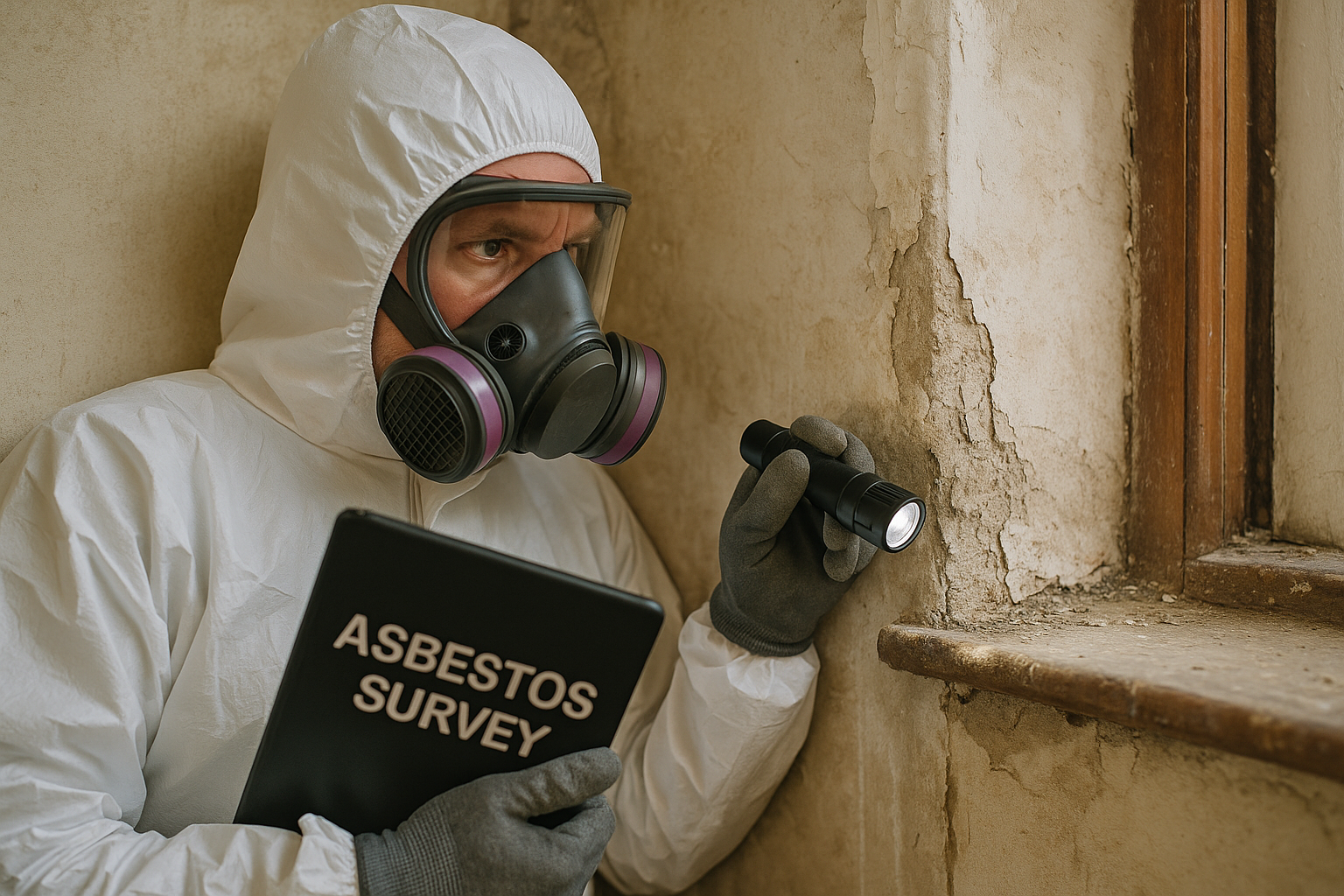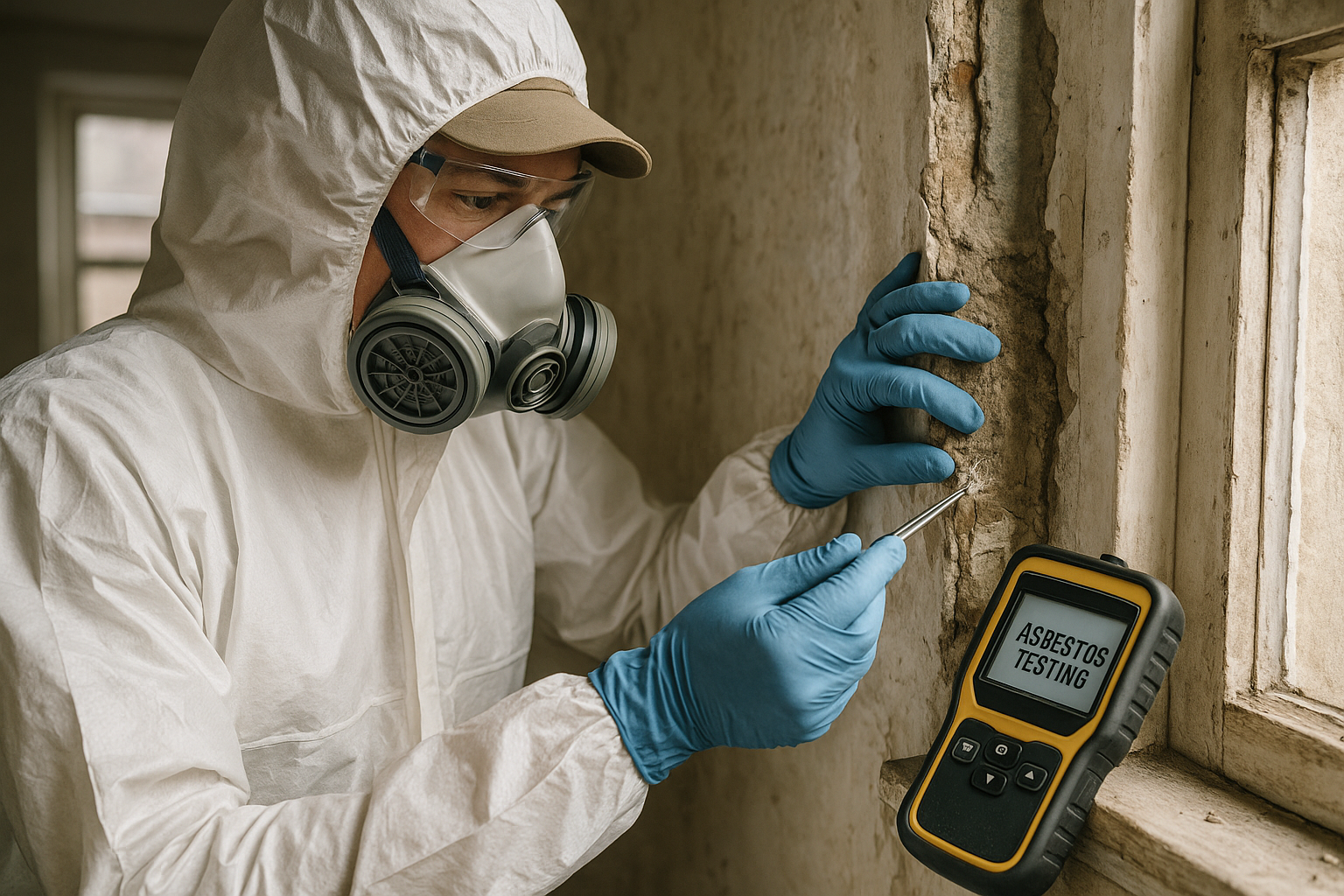
One wrong drill hole can turn a routine job into an asbestos incident. Exposure to asbestos fibres is best prevented by finding out what is in the building before work starts, checking reliable asbestos information, and making sure nobody disturbs suspect materials without the right controls in place.
That still matters across the UK. Asbestos has not vanished from older offices, schools, warehouses, shops, plant rooms, blocks of flats with communal areas, and industrial sites. If you manage property, oversee contractors, or approve maintenance work, prevention starts long before anyone picks up a tool.
Why asbestos is still a live risk in UK buildings
Asbestos was used widely because it was durable, heat resistant and affordable. It appears in insulation, pipe lagging, asbestos insulating board, ceiling tiles, textured coatings, floor tiles, cement sheets, sprayed coatings, gaskets and other building products.
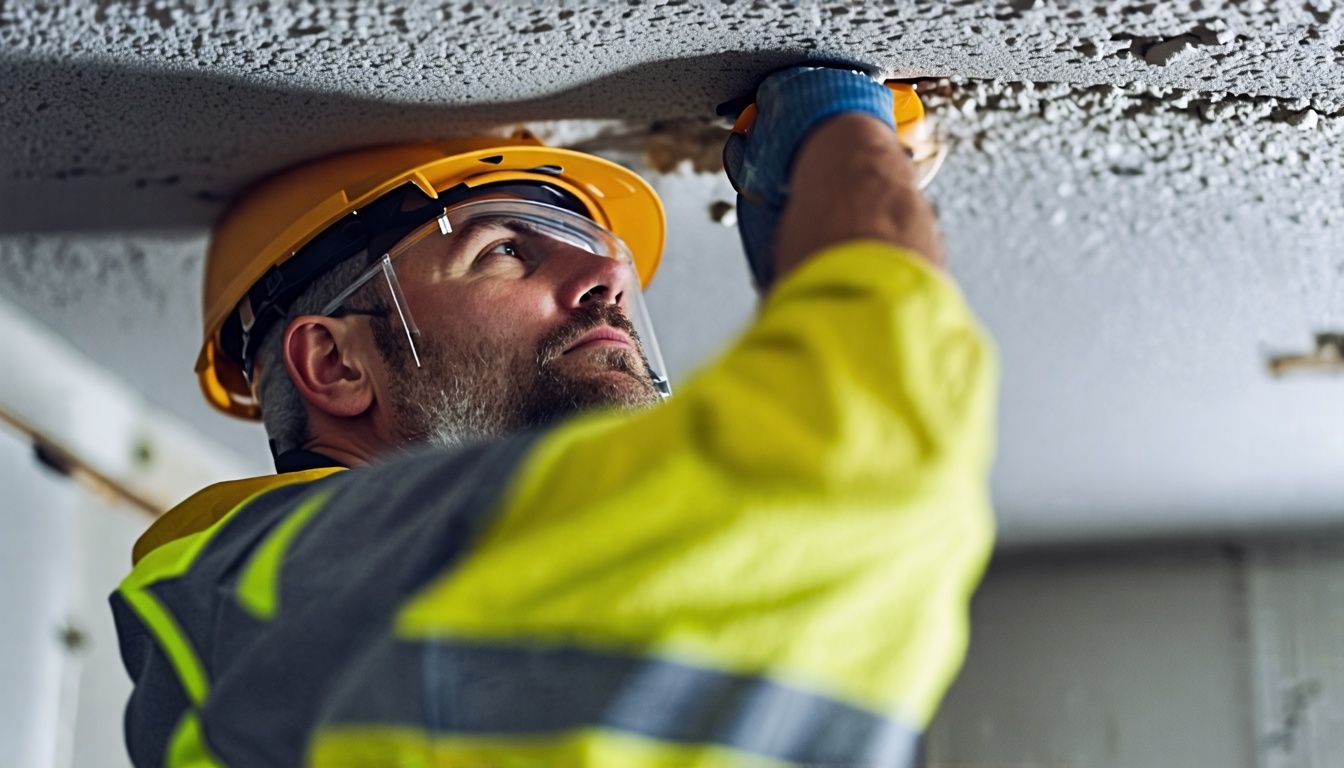
The danger comes when asbestos-containing materials are drilled, cut, broken, stripped, sanded or allowed to deteriorate. That can release microscopic fibres into the air. You cannot see airborne fibres, and you cannot judge safety by appearance alone.
For duty holders and employers, the legal position is clear. The Control of Asbestos Regulations require asbestos in non-domestic premises to be identified, assessed and managed. Surveying should follow HSG264, alongside wider HSE guidance on risk assessment, training, control measures and safe systems of work.
If you are responsible for a building built or refurbished before the UK ban, asbestos should be treated as an active management issue. Waiting until refurbishment starts is where many avoidable mistakes happen.
Exposure to asbestos fibres is best prevented by planning work properly
The most effective control is simple in principle: do not disturb asbestos. In practice, that means planning every maintenance, installation, refurbishment or demolition task around reliable asbestos information.
Many incidents happen because someone assumes a ceiling panel, boxing, floor covering or service riser is harmless. By the time the concern is raised, the material has already been disturbed.
Start with the building information
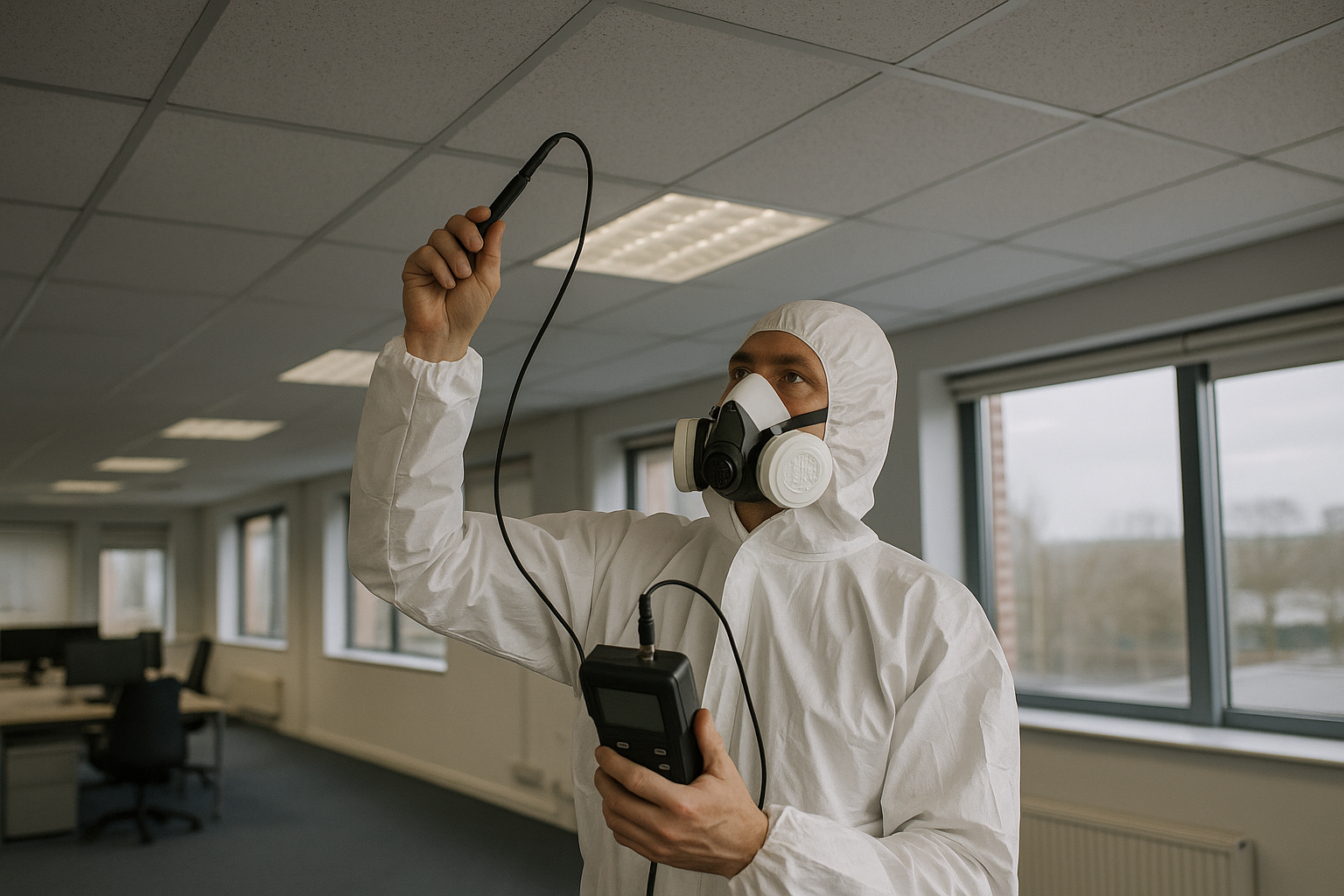
Before any work begins, ask for the asbestos register, previous survey reports, refurbishment records and any sample results. Check whether the information is current, whether the affected area is covered, and whether the planned task matches the scope of the existing records.
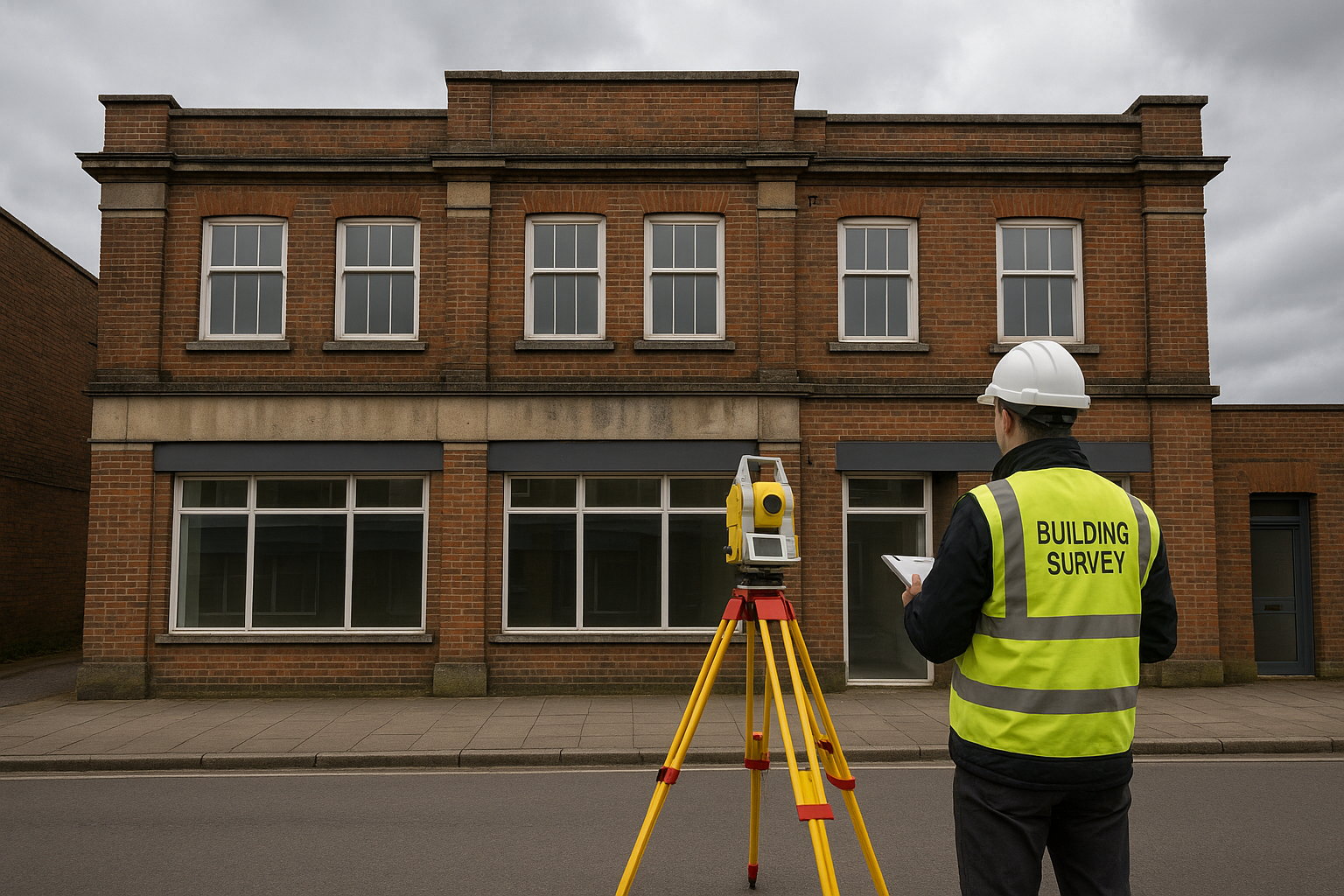
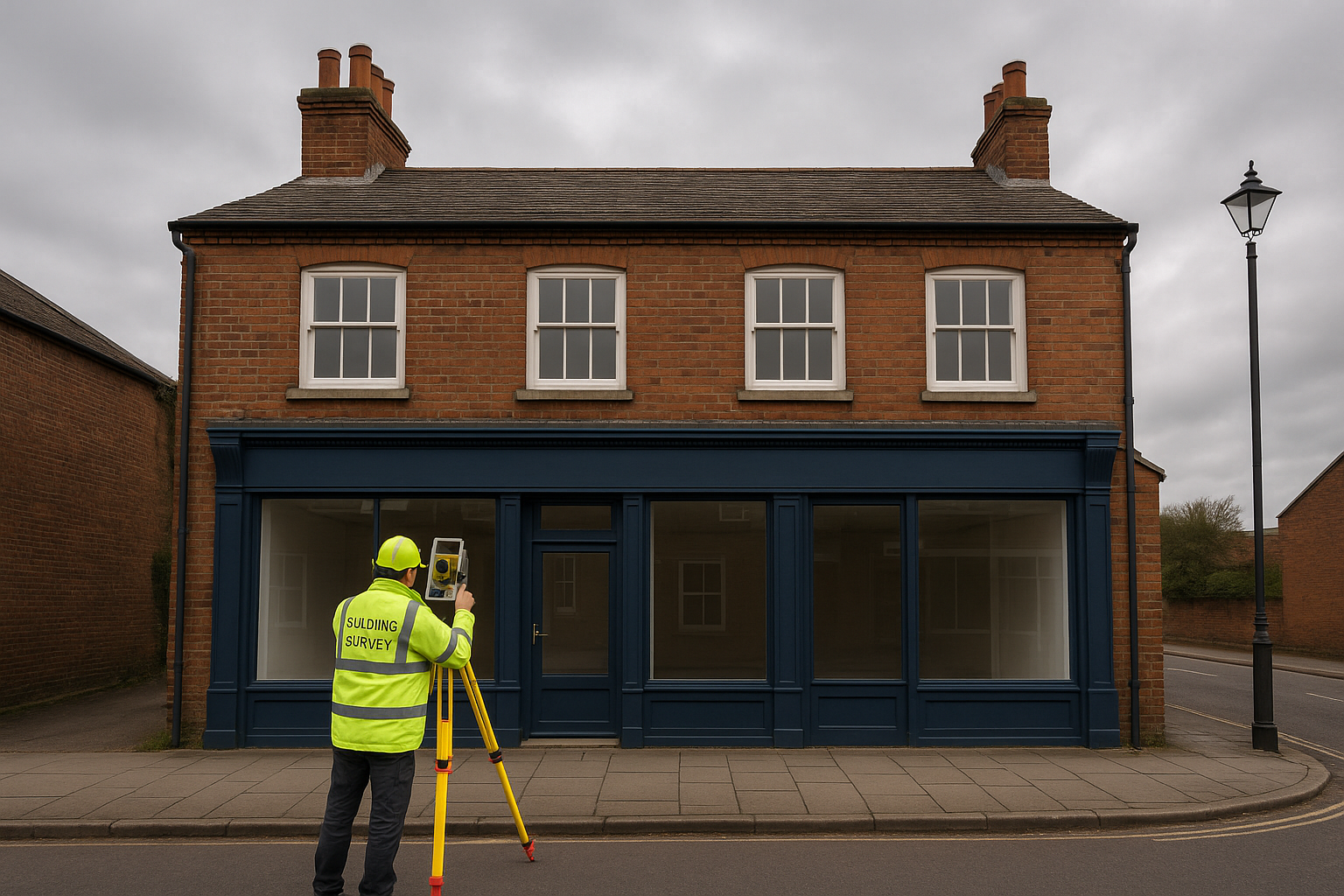
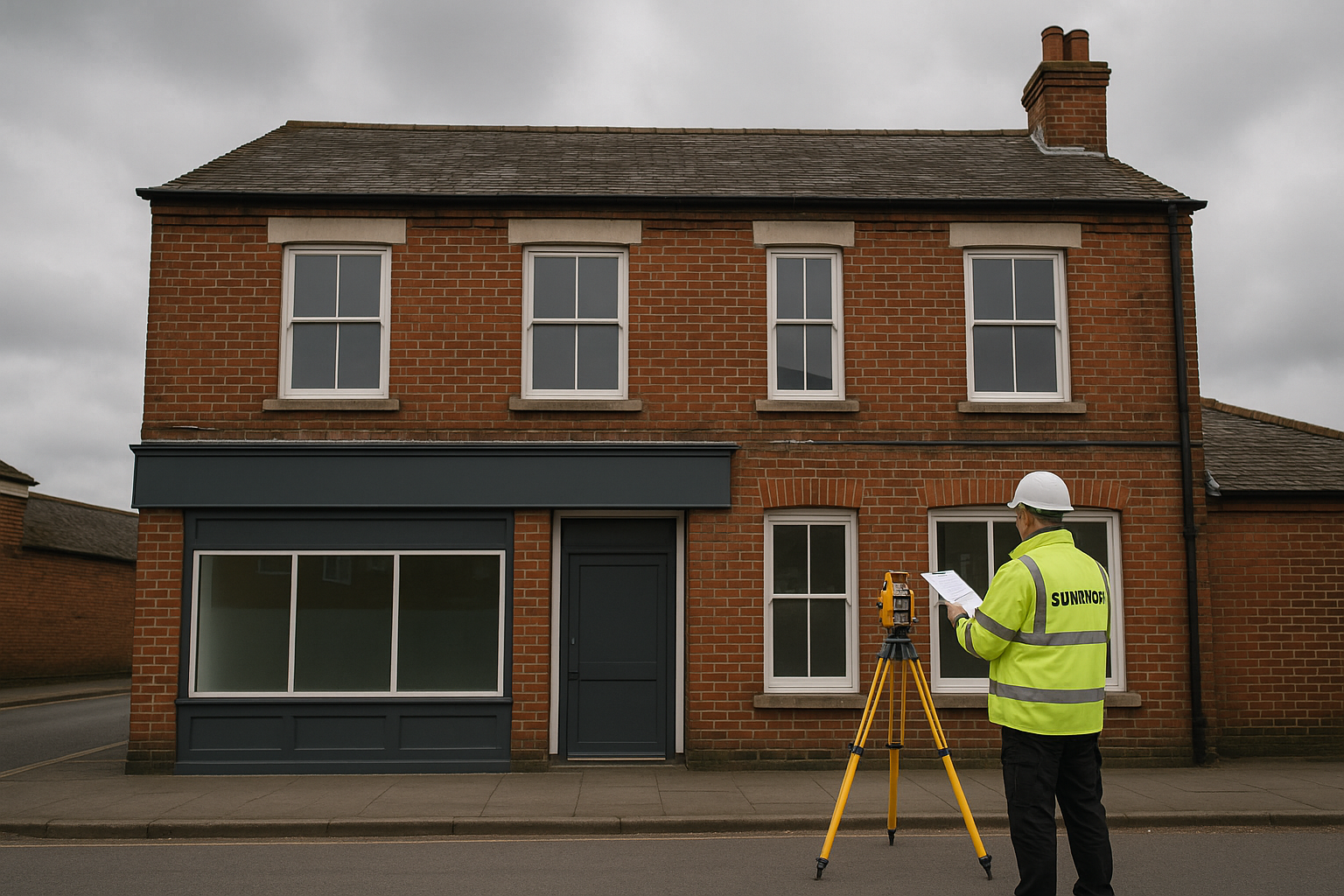
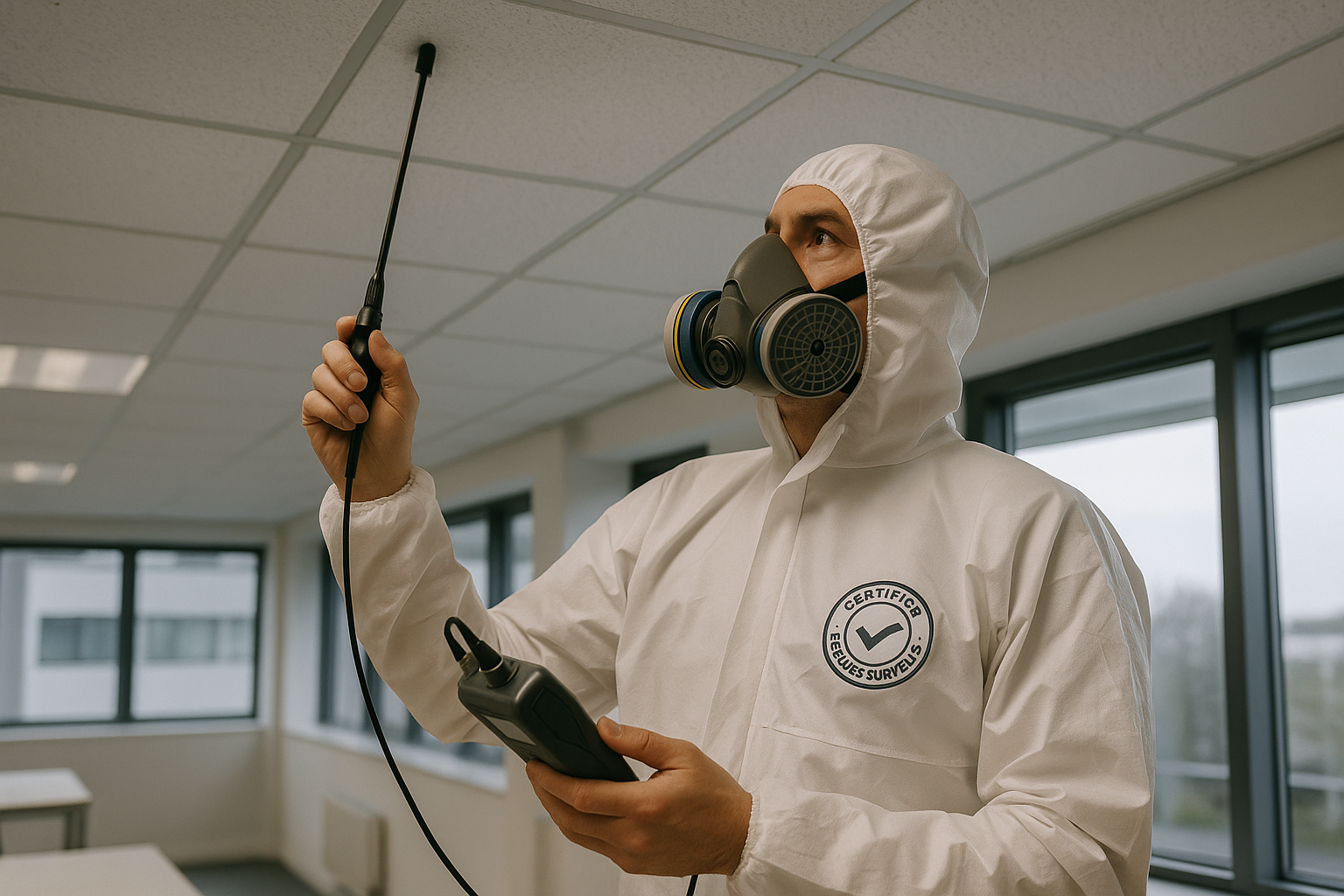
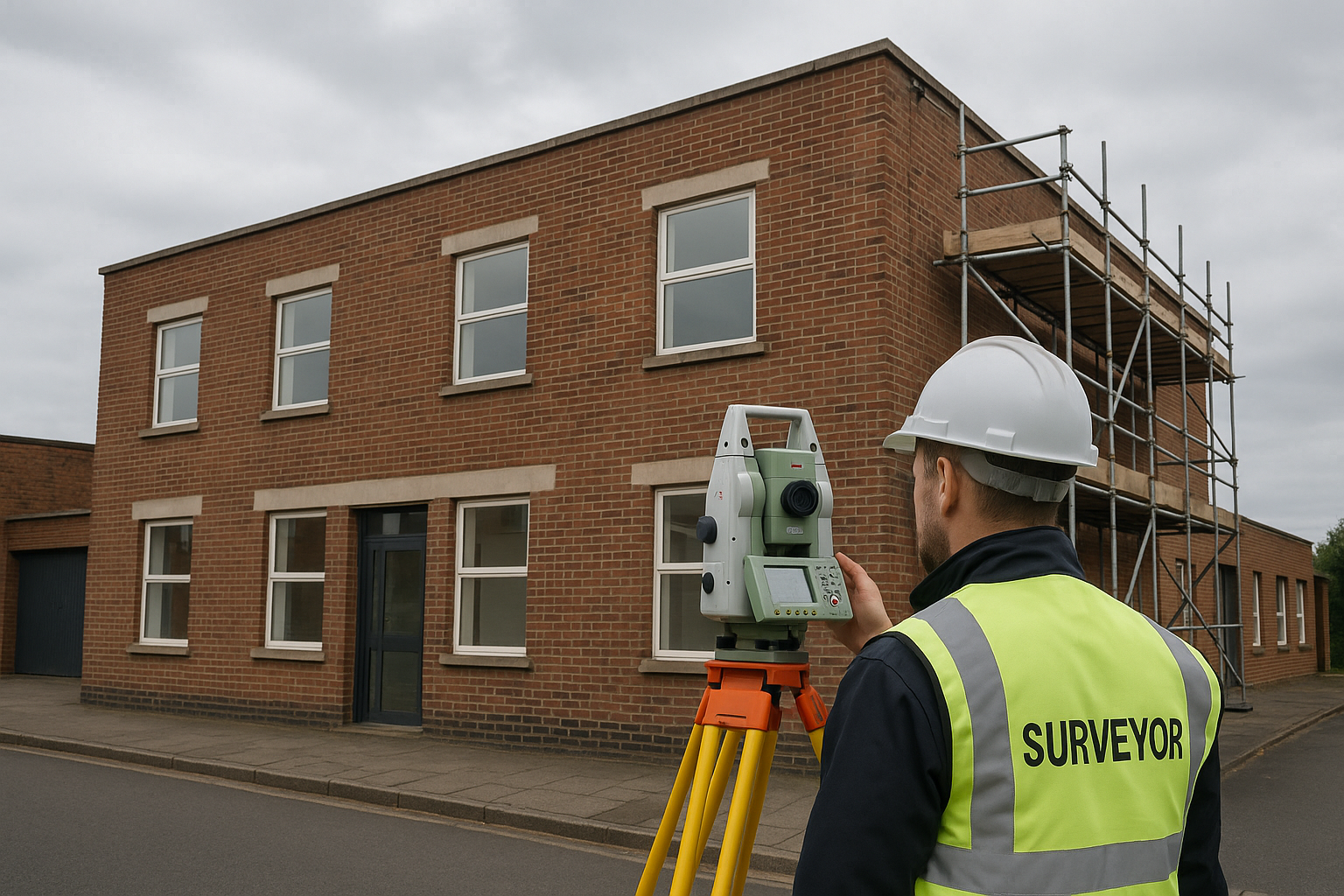
If the building needs asbestos information for normal occupation and routine maintenance, arrange a management survey. If the work is intrusive, involves structural alteration, strip-out or demolition, the correct step is a demolition survey.
Never rely on guesswork
Visual checks are not enough to confirm whether a material contains asbestos. Materials that look ordinary can still contain it, while some suspect items may not.
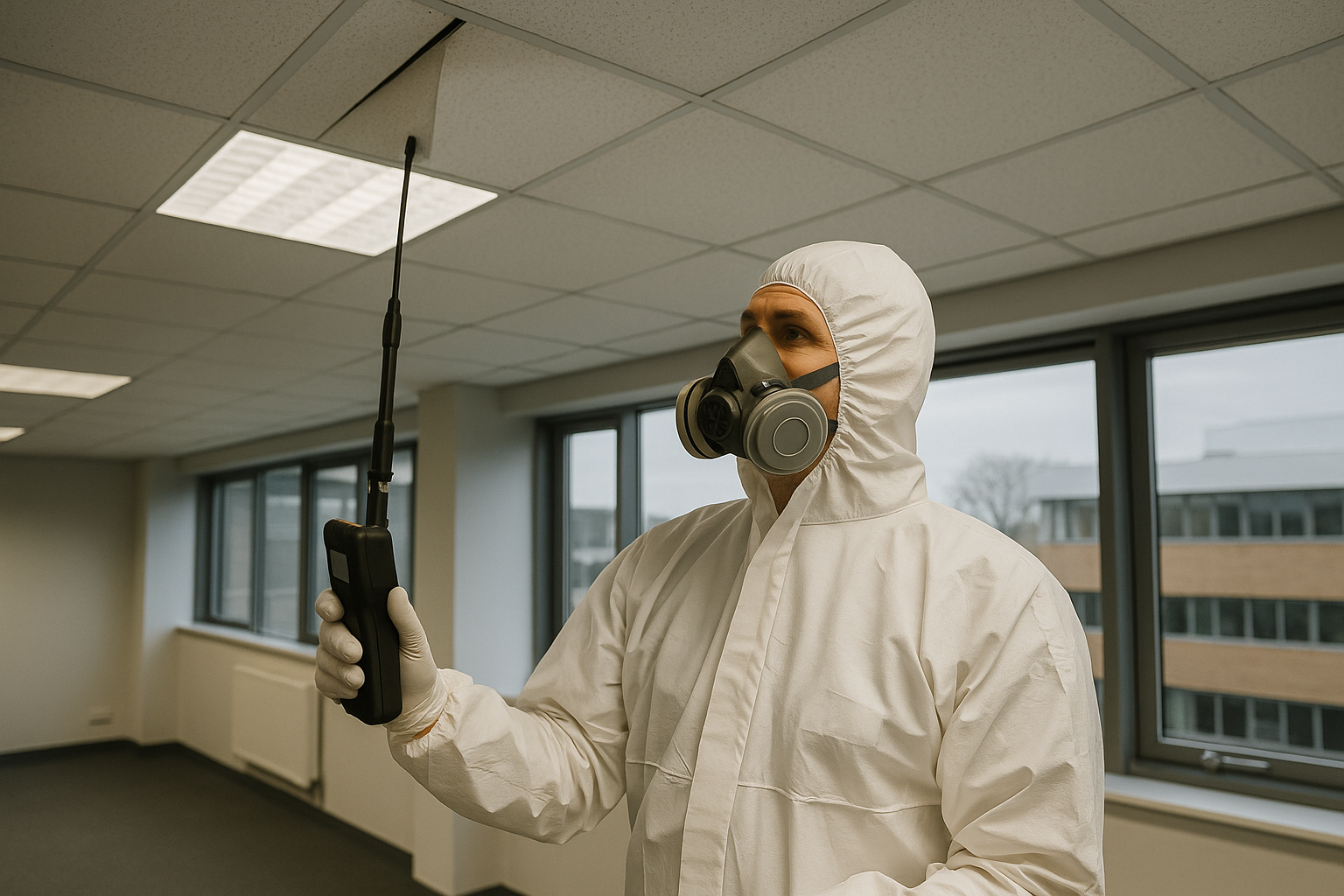
The only safe approach is evidence-based decision-making. Where there is uncertainty, arrange professional asbestos testing so the material can be identified properly.
Redesign the work where possible
Once asbestos information is available, look for ways to avoid disturbance altogether. Move fixing points, reroute services, use existing openings, change access methods, or reschedule work so asbestos is dealt with first.
This is where the phrase exposure to asbestos fibres is best prevented by becomes practical rather than theoretical. Prevention is not about reacting well after fibres are released. It is about stopping release in the first place.
Why asbestos is dangerous for workers and occupants
Asbestos fibres are small enough to be inhaled deep into the lungs. Once inhaled, they can remain in the body for many years, and disease may not appear until decades after exposure.
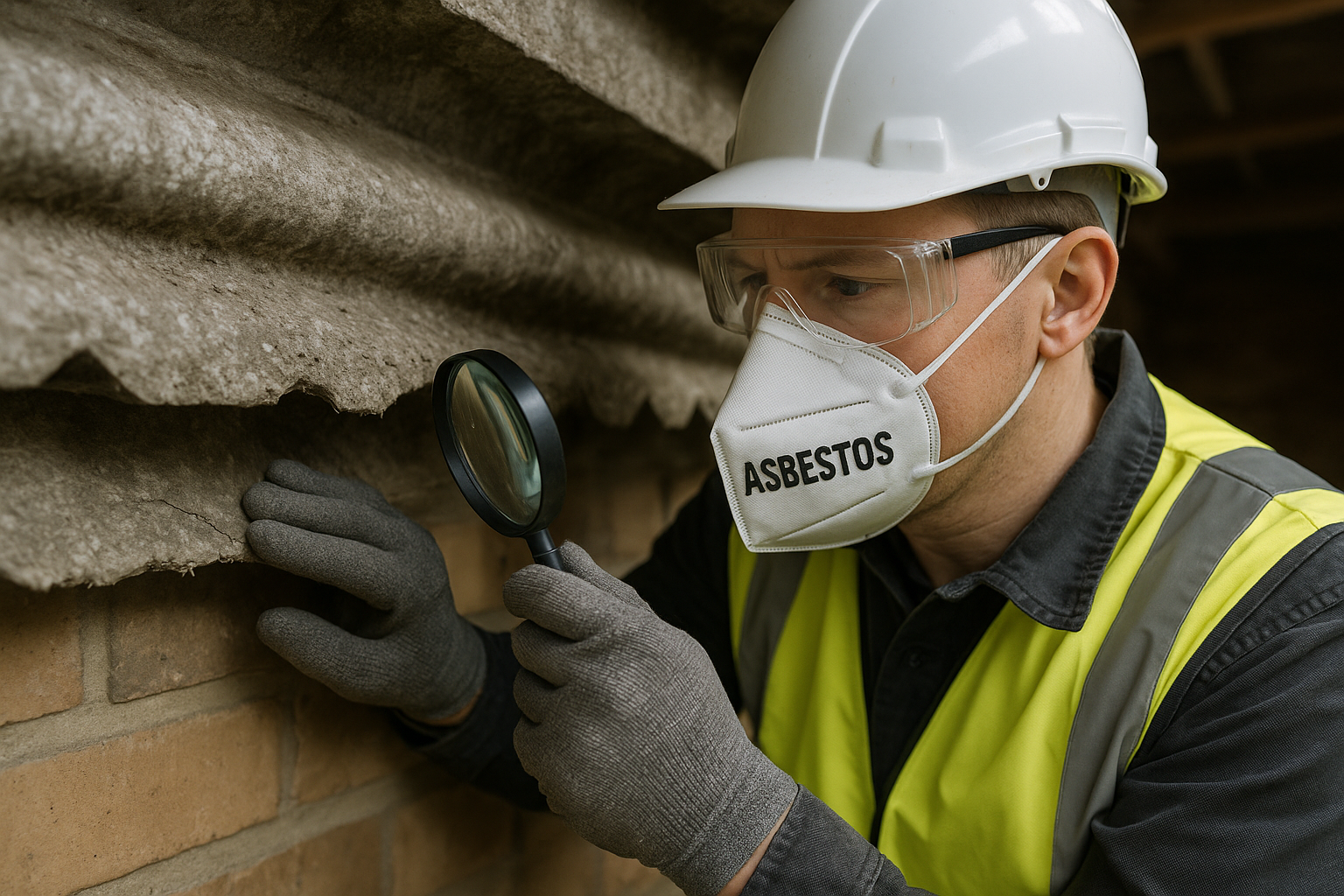
The main asbestos-related diseases include:
- Mesothelioma – a cancer affecting the lining of the lungs or abdomen
- Asbestos-related lung cancer – linked to inhalation of asbestos fibres
- Asbestosis – scarring of the lungs caused by significant exposure
- Pleural thickening and other pleural disease – conditions affecting the lining around the lungs
This long delay is one reason asbestos remains such a serious occupational hazard. A worker can disturb asbestos during what seems like a minor task and not know the consequences for many years.
Smoking can increase the risk of asbestos-related lung cancer. That does not make low exposure acceptable. The practical message stays the same: avoid disturbing asbestos and control exposure at source.
Who is most likely to come across asbestos at work
Asbestos risk is not limited to specialist removal contractors. Many of the people most likely to encounter it are carrying out ordinary repair, installation and access work in older buildings.
Common at-risk workers include:
- Electricians
- Plumbers and heating engineers
- Joiners and carpenters
- Builders and general maintenance operatives
- Roofers
- Painters and decorators preparing older surfaces
- Demolition and refurbishment teams
- Telecoms, fire alarm and security installers
- Facilities managers, caretakers and estates teams
- Shopfitters and fit-out contractors
Short-duration work can still create a serious problem if it disturbs asbestos insulating board, lagging, sprayed coatings or contaminated debris. Workers carrying out repeated small jobs across multiple sites can be especially vulnerable because the risk is easy to underestimate.
Where asbestos still appears in property portfolios
Asbestos is often discussed as a construction issue, but the risk extends much further. Any organisation operating from older premises may have asbestos-containing materials hidden within the building fabric or plant.

Construction, refurbishment and fit-out
These are high-risk activities because they involve intrusive work. Opening up ceilings, risers, service ducts, walls and floor voids regularly exposes hidden materials.
Education and healthcare
Schools, colleges, hospitals, clinics and care facilities often occupy older estates. Maintenance teams and contractors need clear asbestos information before carrying out repairs, upgrades or access work.
Manufacturing and industrial premises
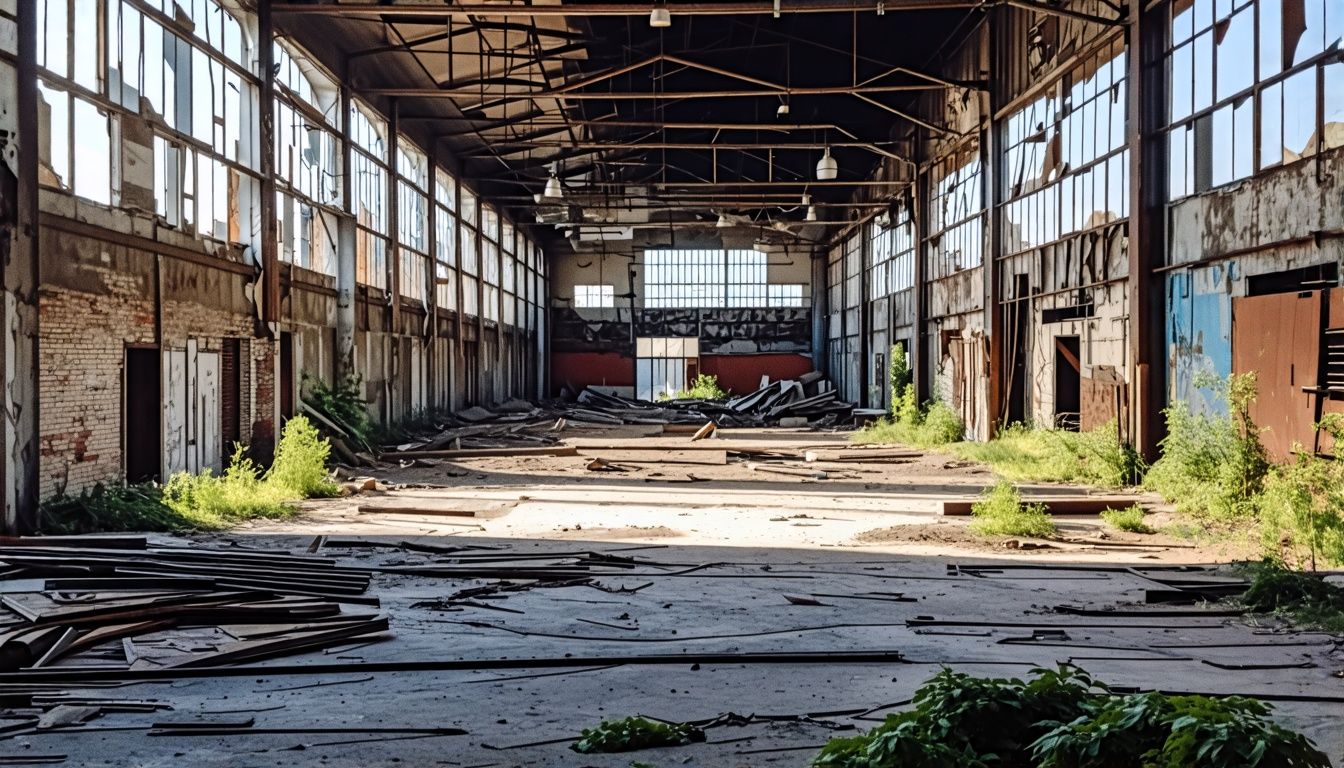
Older factories and workshops may contain asbestos in insulation, plant rooms, rope seals, gaskets, panels, cement products and thermal insulation materials. Shutdowns and reactive repairs often bring these risks to the surface quickly.
Retail, offices and hospitality
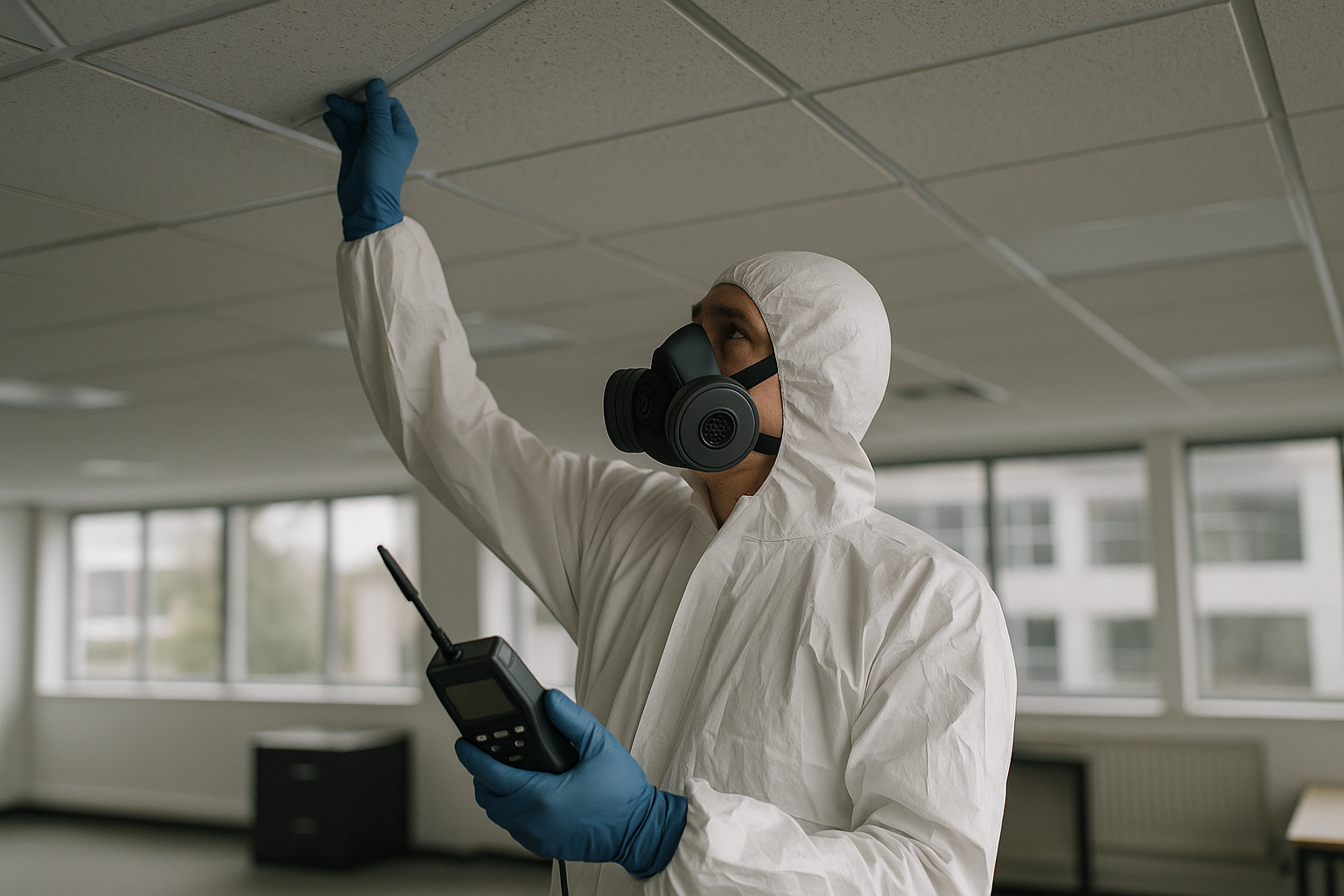
Refits and service upgrades in older commercial premises can disturb asbestos in partitions, ceiling tiles, soffits, risers and back-of-house areas. Fast programmes and multiple contractors increase the need for strong planning.
Housing and property management
Landlords, managing agents and housing providers need to understand asbestos in communal areas and during planned works. Duties differ between domestic and non-domestic settings, but the practical need to identify asbestos before work remains the same.
What employers and duty holders must do
Employers cannot rely on assumptions, memory or a quick site walk-round. If workers may disturb the building fabric, asbestos has to be considered properly before the task begins.
In practical terms, employers and duty holders should:
- Assess whether asbestos could be present before work starts
- Provide relevant asbestos information, registers and survey reports to workers and contractors
- Carry out a suitable risk assessment
- Plan work to avoid disturbing asbestos wherever possible
- Ensure anyone liable to disturb asbestos has appropriate information, instruction and training
- Use competent contractors for asbestos-related work
- Provide suitable control measures, equipment and decontamination arrangements where needed
- Stop work immediately if suspect asbestos is found unexpectedly
- Keep records current and accessible
If you manage multiple properties, standardise this process. Build asbestos checks into permits to work, contractor onboarding, planned maintenance, reactive repairs and refurbishment approvals.
For organisations needing local support, Supernova can help with an asbestos survey London, an asbestos survey Manchester or an asbestos survey Birmingham depending on where your properties are located.
Practical measures that actually reduce asbestos exposure risk
Good asbestos control is not built on one action. It comes from a sequence of sensible steps taken early and followed consistently.
1. Identify asbestos before work starts
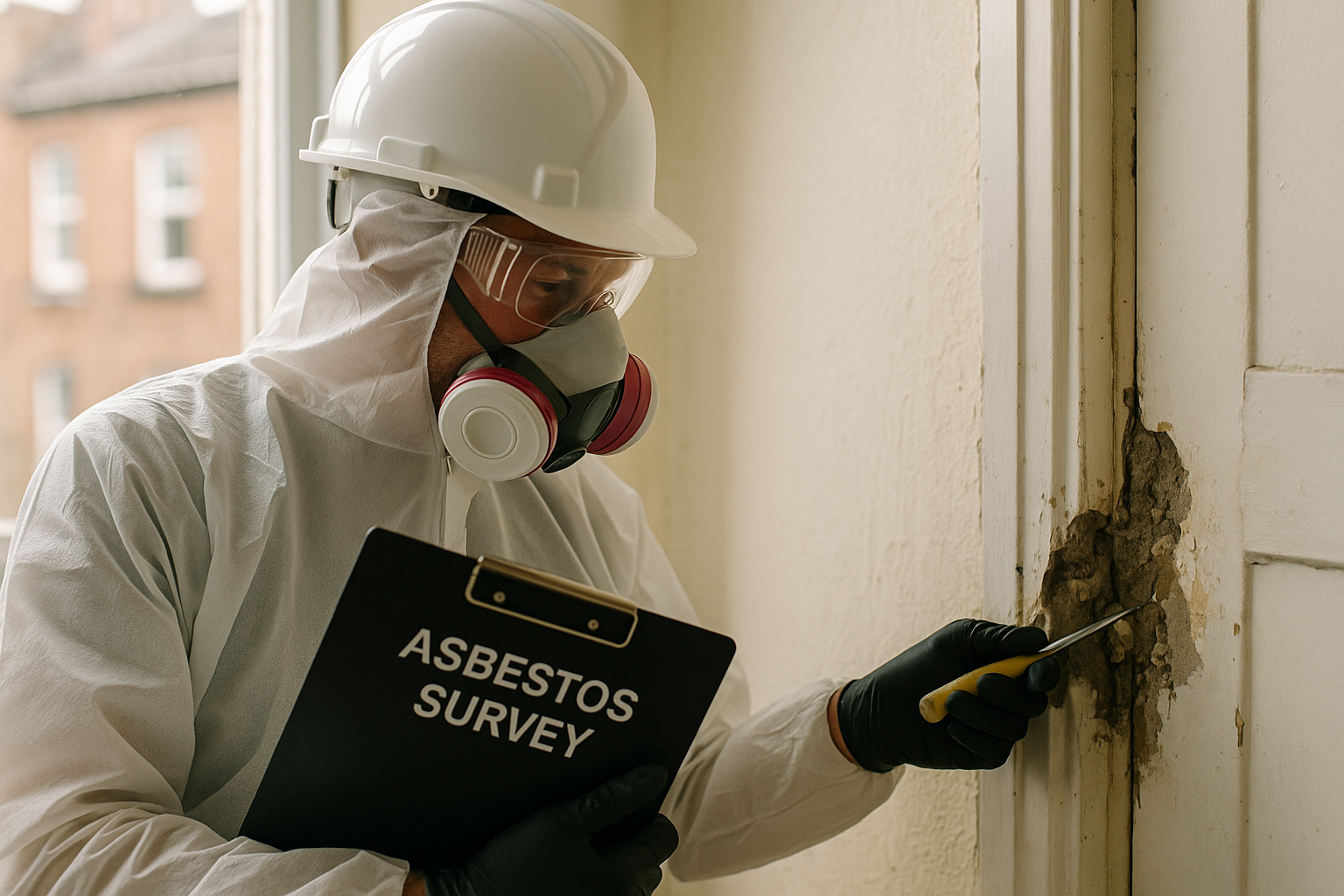
Survey the premises, review existing records and test suspect materials where needed. If there is no reliable asbestos information, treat that as a stop sign rather than a paperwork gap.
2. Avoid disturbance wherever possible
If asbestos is present and in good condition, it may be safer to manage it in place. Change the design, route, fixing method or access arrangement to avoid cutting, drilling or removal.
3. Use the right contractor for the task
Some asbestos work must be carried out by a licensed contractor. Other tasks may fall into non-licensed or notifiable non-licensed categories depending on the material, condition and likely fibre release.
If there is doubt, get specialist advice before proceeding. Misclassifying the work is a common cause of unsafe decisions.
4. Control the area
Restrict access, use signage and barriers, and prevent others from entering a potentially contaminated space. Good site control reduces the chance of secondary exposure.
5. Use suitable methods
Depending on the work, this may include controlled wetting, shadow vacuuming with suitable equipment, careful removal techniques, controlled waste handling and effective cleaning. Dry sweeping and ordinary vacuum cleaners should never be used on asbestos debris.
6. Train workers properly
Asbestos awareness training helps workers recognise likely asbestos-containing materials and know what to do if they encounter them. It does not qualify someone to remove asbestos, but it can prevent accidental disturbance.
7. Keep records updated
Registers, plans, sample results and remedial actions should be current, accurate and easy to access. Outdated records create confusion and increase the chance of poor decisions on site.
Testing suspect materials safely
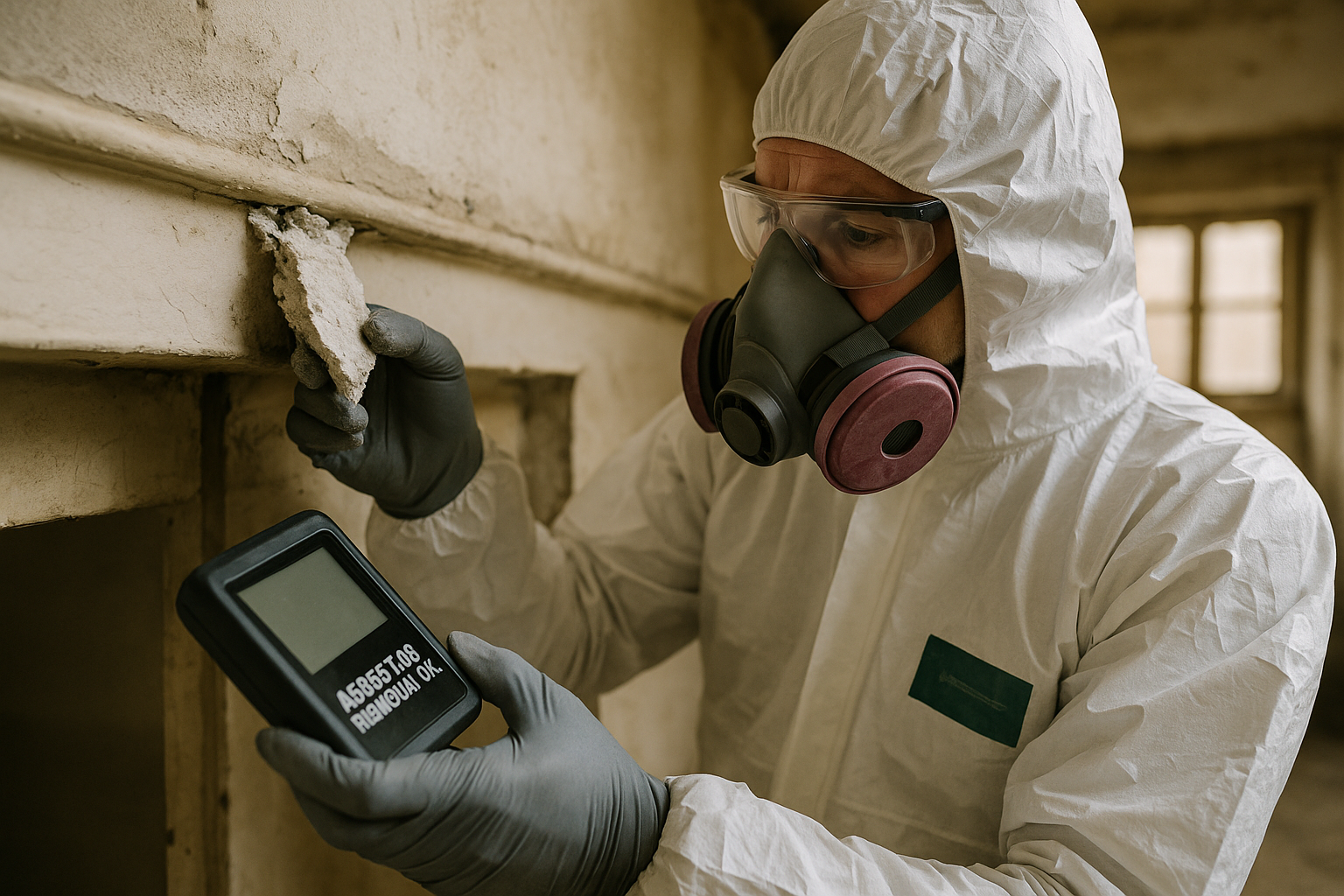
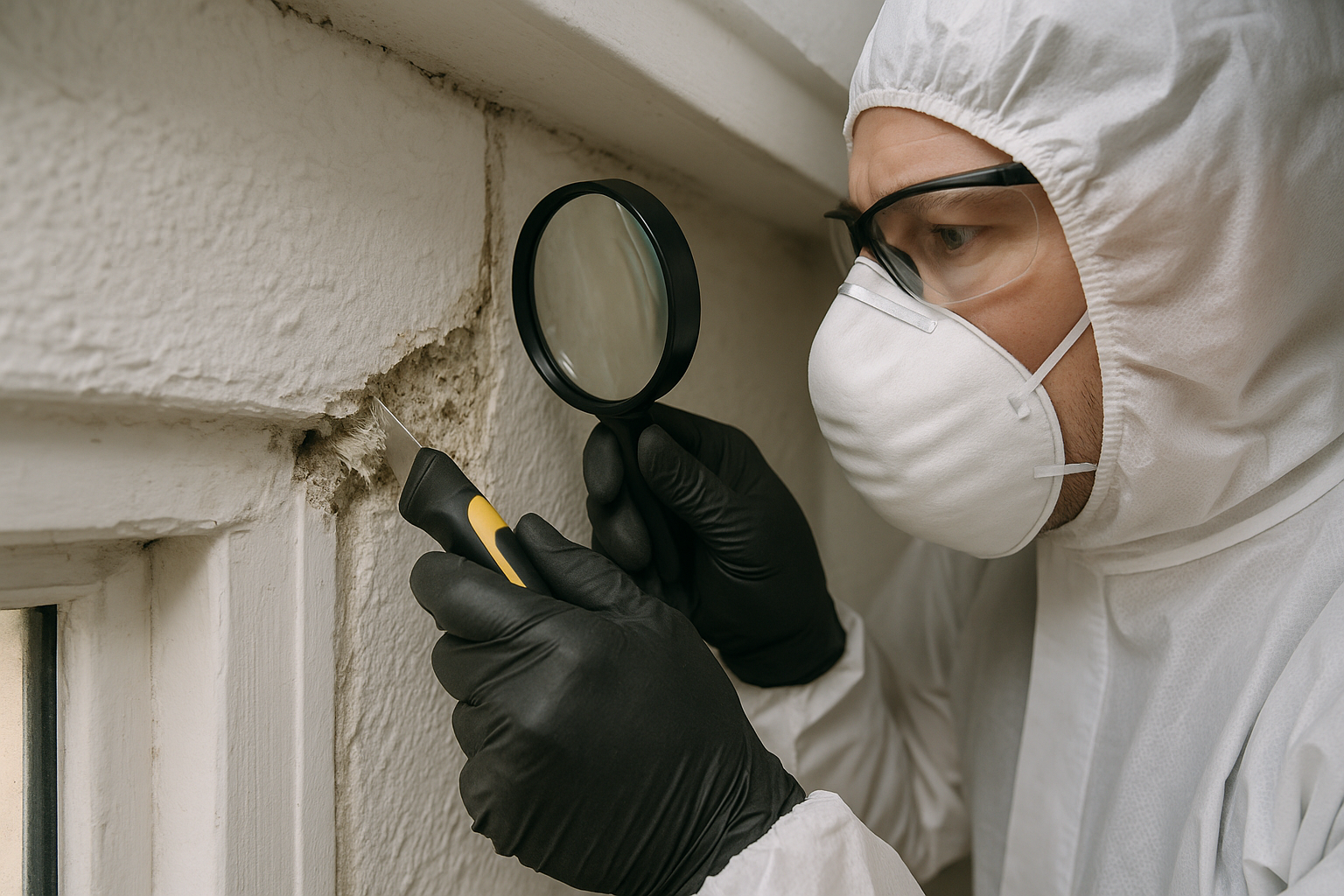
Testing is often the point where uncertainty becomes a clear plan. If a material might contain asbestos, confirmation through proper analysis is far better than guessing.
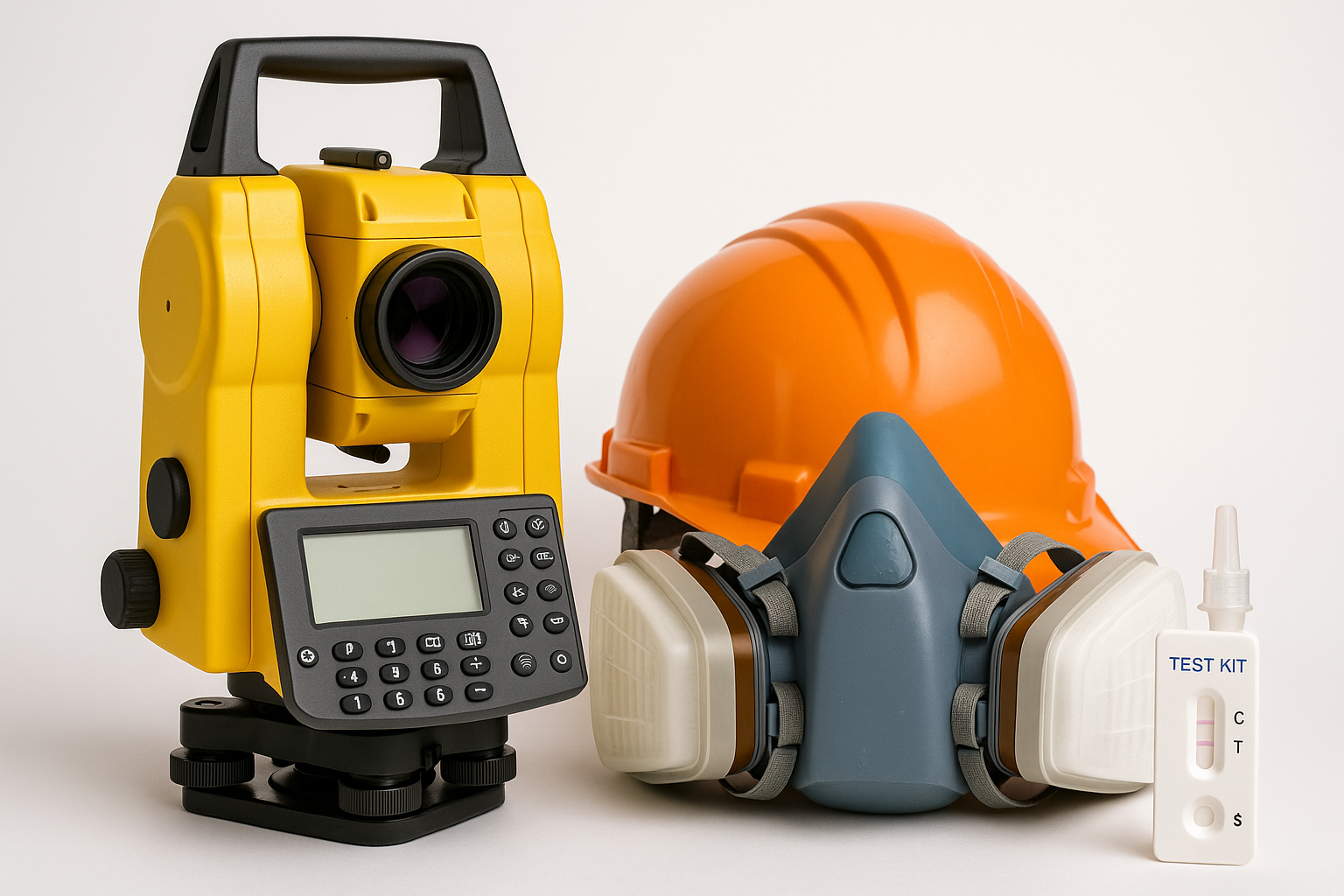
For suitable materials that can be sampled safely, Supernova offers sample analysis. If you need a postal option for low-risk sample submission, an asbestos testing kit is available online.
There is also a dedicated asbestos testing page if you need a quick route to arrange support. If you already know a postal option suits the material and the sampling can be done without creating risk, you can order a testing kit and follow the instructions carefully.
That said, not every material should be sampled by the person on site. If the material is damaged, friable, overhead, hard to reach, or likely to release dust, do not attempt to take a sample yourself. Bring in a competent asbestos professional instead.
Non-licensed asbestos work: what that means in practice
Not all asbestos work requires a licensed contractor, but that does not mean it can be handled casually. Non-licensed work still requires proper assessment, trained workers, suitable controls and safe waste handling.
Examples may include certain short-duration tasks involving asbestos cement or textured coatings, provided the material is in an appropriate condition and the method of work keeps fibre release low. Some work is classed as notifiable non-licensed work, which brings additional requirements.
A common mistake is assuming that non-licensed means low risk or no formal process needed. It does not. The material type, its condition, the planned method and the likelihood of fibre release all matter.
If you are unsure whether work is licensed, non-licensed or notifiable non-licensed, stop and get competent advice before anyone starts. That decision should be made before the task begins, not halfway through the job.
What to do if suspect asbestos is found unexpectedly
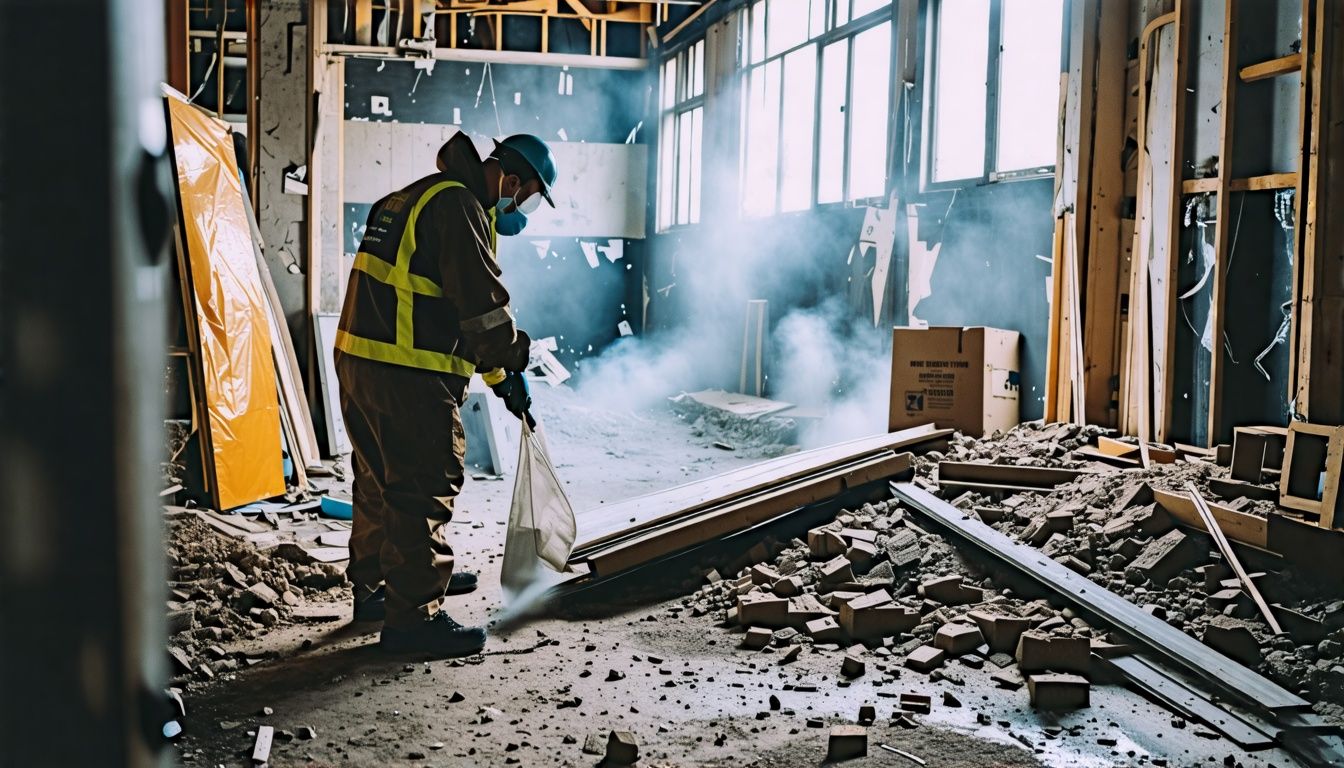
Unexpected discoveries happen during maintenance, strip-out and reactive repairs. The right response can prevent a small issue becoming a serious exposure incident.
- Stop work immediately. Do not keep going to finish the task.
- Keep people out of the area. Restrict access and prevent others from walking through.
- Do not disturb the material further. Avoid touching, sweeping or attempting to clean it up.
- Report it straight away. Inform the duty holder, site manager or responsible person.
- Arrange assessment. A competent asbestos professional should inspect the material and advise on the next step.
- Review contamination risk. If debris has spread, the area may need specialist cleaning and further controls.
Workers should know this procedure before they arrive on site. A simple stop-work rule is one of the most effective safeguards you can put in place.
How to build asbestos prevention into everyday property management
For property managers, the real challenge is not understanding asbestos in theory. It is making sure the right checks happen every time, across every site.
Good systems are usually simple, repeatable and easy for contractors to follow. Practical steps include:
- Make asbestos information part of every permit-to-work process
- Require survey checks before intrusive maintenance starts
- Share relevant asbestos records with contractors before they arrive
- Flag higher-risk areas such as risers, plant rooms, ceiling voids and service ducts
- Review the asbestos register after remedial work, removal or new sampling
- Keep emergency procedures clear for unexpected finds
- Use one reporting route so site teams know who to contact
If you oversee a mixed portfolio, avoid keeping asbestos information in separate places that nobody can access quickly. A register is only useful if the people doing the work can see it before the work starts.
It also helps to challenge vague wording in old reports. If a survey is limited, outdated or does not cover the planned work area, treat that as a gap that needs fixing. Do not let contractors fill the gap with assumptions.
Common mistakes that lead to avoidable asbestos exposure
Most asbestos incidents are not caused by a total lack of awareness. They happen because basic controls are skipped under pressure.
Watch for these common failures:
- Starting work before checking the asbestos register
- Using an old survey for a new intrusive task
- Assuming domestic-style areas are asbestos-free
- Letting contractors decide material safety by eye
- Sampling damaged or friable material without proper competence
- Using the wrong work category for the material
- Failing to isolate the area after an unexpected discovery
- Not updating records after testing, removal or remediation
Each of these mistakes is preventable. The fix is usually better planning, clearer communication and a willingness to stop work when information is missing.
Frequently Asked Questions
How can exposure to asbestos fibres be prevented most effectively?
Exposure to asbestos fibres is best prevented by identifying asbestos before work starts, avoiding disturbance wherever possible, and using the right survey, testing and control measures for the task. Reliable information should always come before intrusive work.
Do all older buildings need an asbestos survey?
Not every building needs the same type of survey, but if asbestos could be present and people may disturb the fabric of the building, suitable asbestos information is essential. In non-domestic premises, duty holders must identify and manage asbestos risks in line with the Control of Asbestos Regulations.
Can I take an asbestos sample myself?
Only if the material is suitable for safe sampling and doing so will not create risk. Damaged, friable, overhead or hard-to-reach materials should be left to a competent asbestos professional. If there is any doubt, do not sample it yourself.
What should I do if a contractor finds suspect asbestos during work?
Stop work immediately, keep people out of the area, avoid disturbing the material further, and report it to the responsible person. A competent asbestos professional should then assess the material and advise on the next steps.
Is non-licensed asbestos work safe to carry out without specialist planning?
No. Non-licensed work still needs proper assessment, trained workers, suitable controls and safe waste handling. Non-licensed does not mean informal or risk-free.
If you need clear asbestos information before maintenance, refurbishment or demolition, Supernova Asbestos Surveys can help. We provide surveys, testing and practical support nationwide. Call 020 4586 0680 or visit asbestos-surveys.org.uk to arrange the right service for your property.