Brown asbestos has a habit of appearing at the worst possible moment: when a contractor opens a riser, a caretaker drills into a panel, or a refurbishment team starts stripping out what looked like an ordinary wall lining. In older UK buildings, that split-second mistake can create a serious exposure risk, halt works, and trigger urgent compliance action.
If you manage property, oversee maintenance, or commission building works, understanding brown asbestos is part of doing the job properly. It affects safety, legal duties, contractor control, and whether a project can continue without putting people at risk.
What is brown asbestos?
Brown asbestos is the common name for amosite, one of the six recognised asbestos minerals. It belongs to the amphibole family, which is known for straight, needle-like fibres that can lodge deep in the lungs if inhaled.
Amosite was widely used in the UK because it offered strength, heat resistance, and good insulating performance. Those qualities made it useful in construction, but they also make it dangerous when damaged or disturbed.
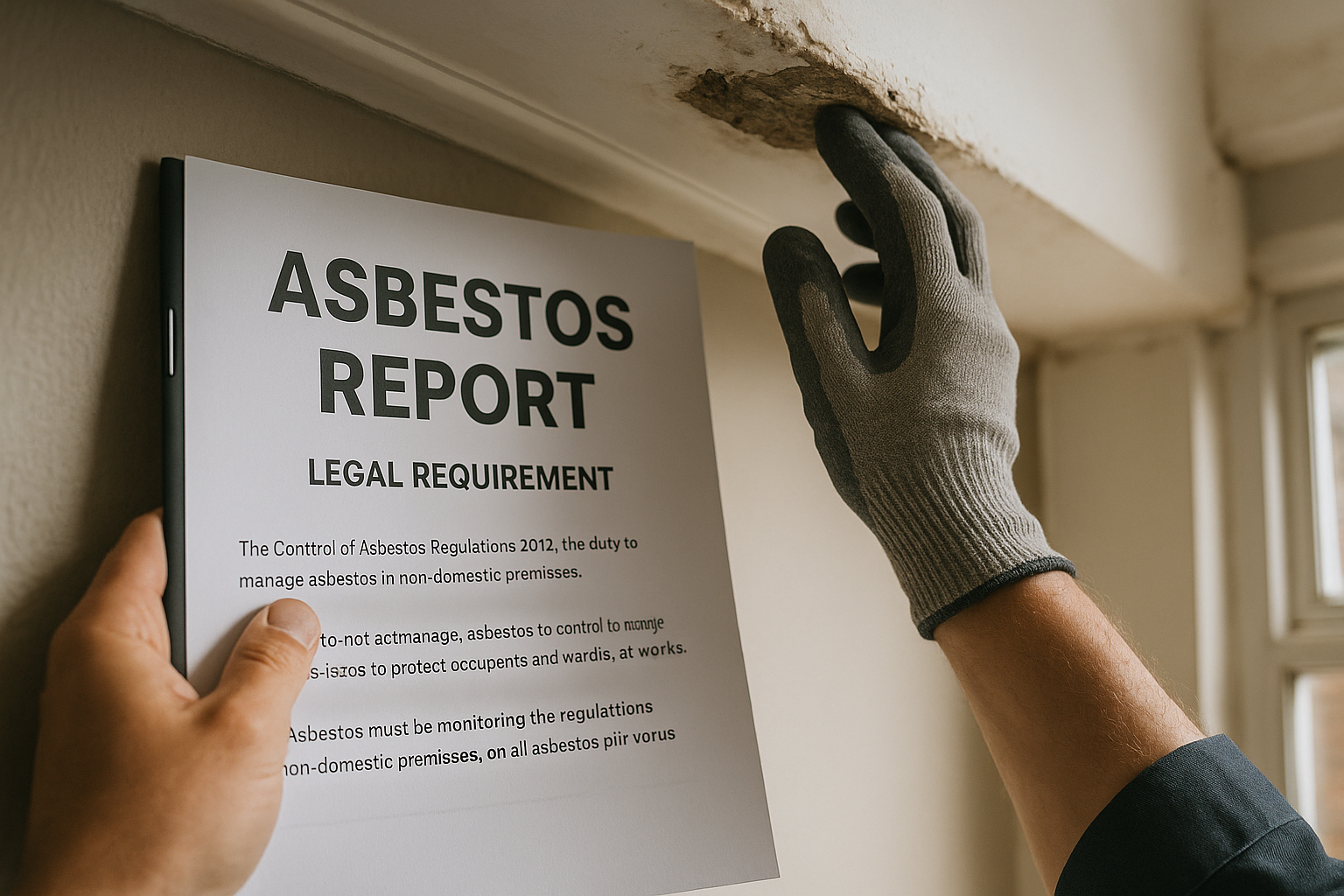
Under the Control of Asbestos Regulations, dutyholders must identify asbestos-containing materials where required, assess risk, and prevent exposure. Surveying and inspection should follow HSG264 and wider HSE guidance.
The key point is simple: brown asbestos is not just an old building material. It is a hazardous substance that needs proper identification, recording, and management.
Where brown asbestos was commonly used
Brown asbestos was especially popular in products that needed fire resistance, rigidity, and thermal insulation. In practice, it often turns up in higher-risk asbestos-containing materials rather than lower-risk bonded products.
Common locations and products include:
- Asbestos insulating board
- Fire doors and fire breaks
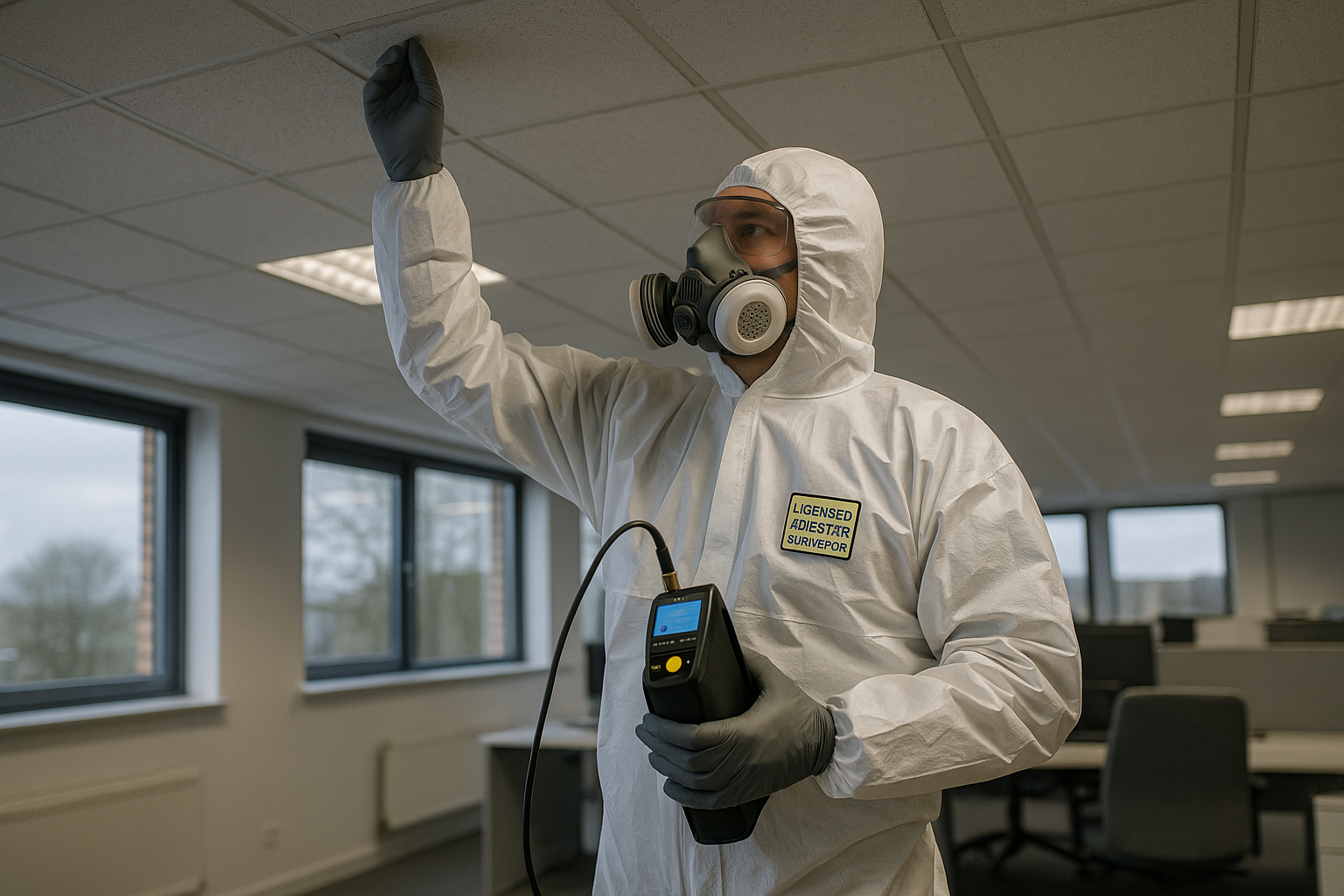
- Ceiling tiles and suspended ceiling systems
- Partition walls
- Service risers and duct panels
- Pipe insulation and boiler insulation
- Plant room linings
- Some roofing products and cement-based materials
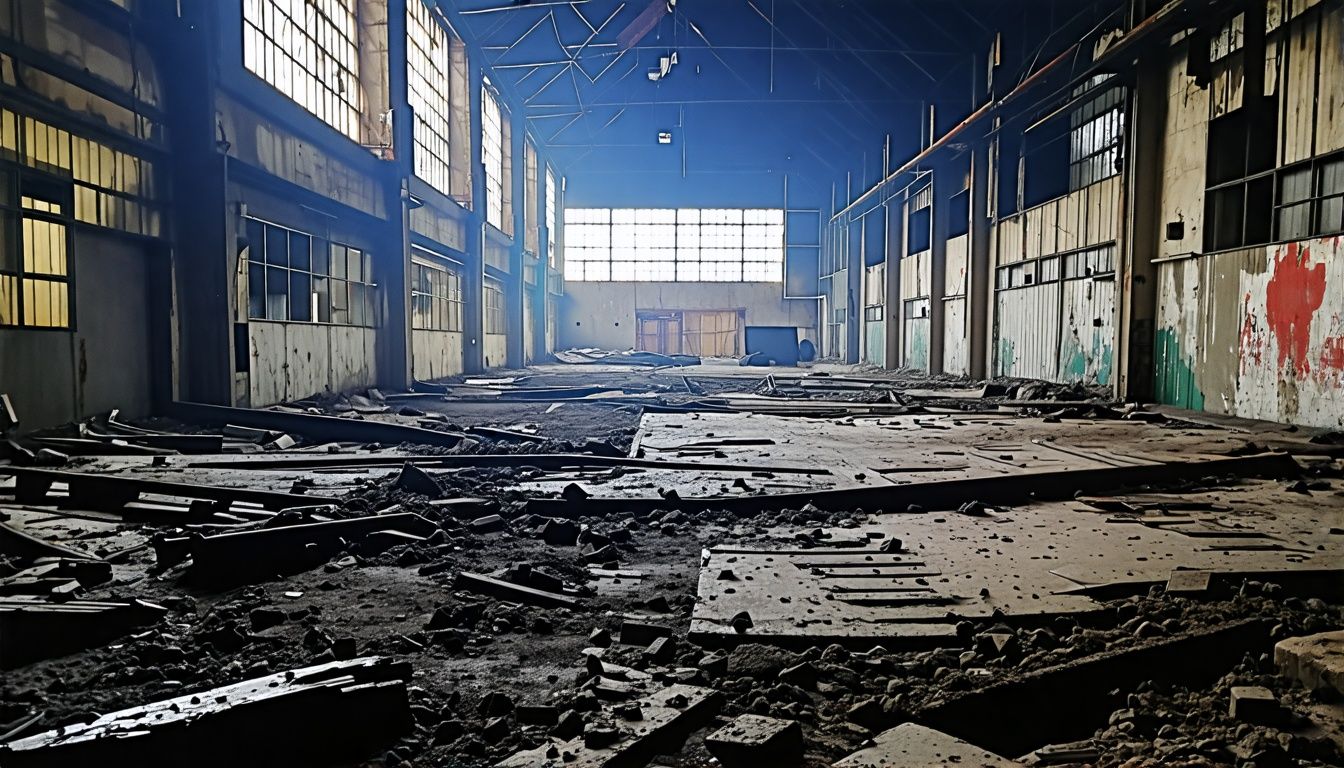
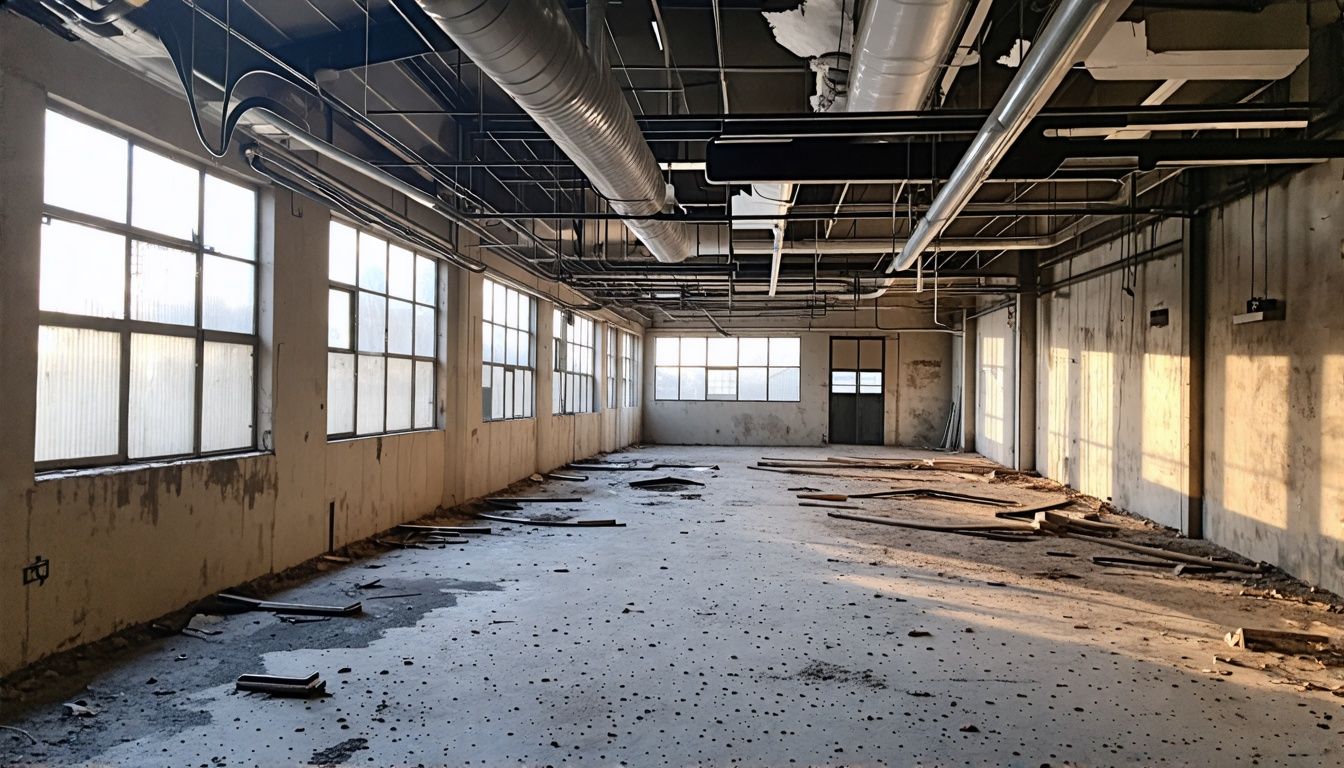
You are most likely to encounter brown asbestos in older schools, offices, hospitals, factories, warehouses, and communal areas of residential blocks. It may also sit behind later refurbishments, so a modern finish does not mean the structure beneath is asbestos-free.
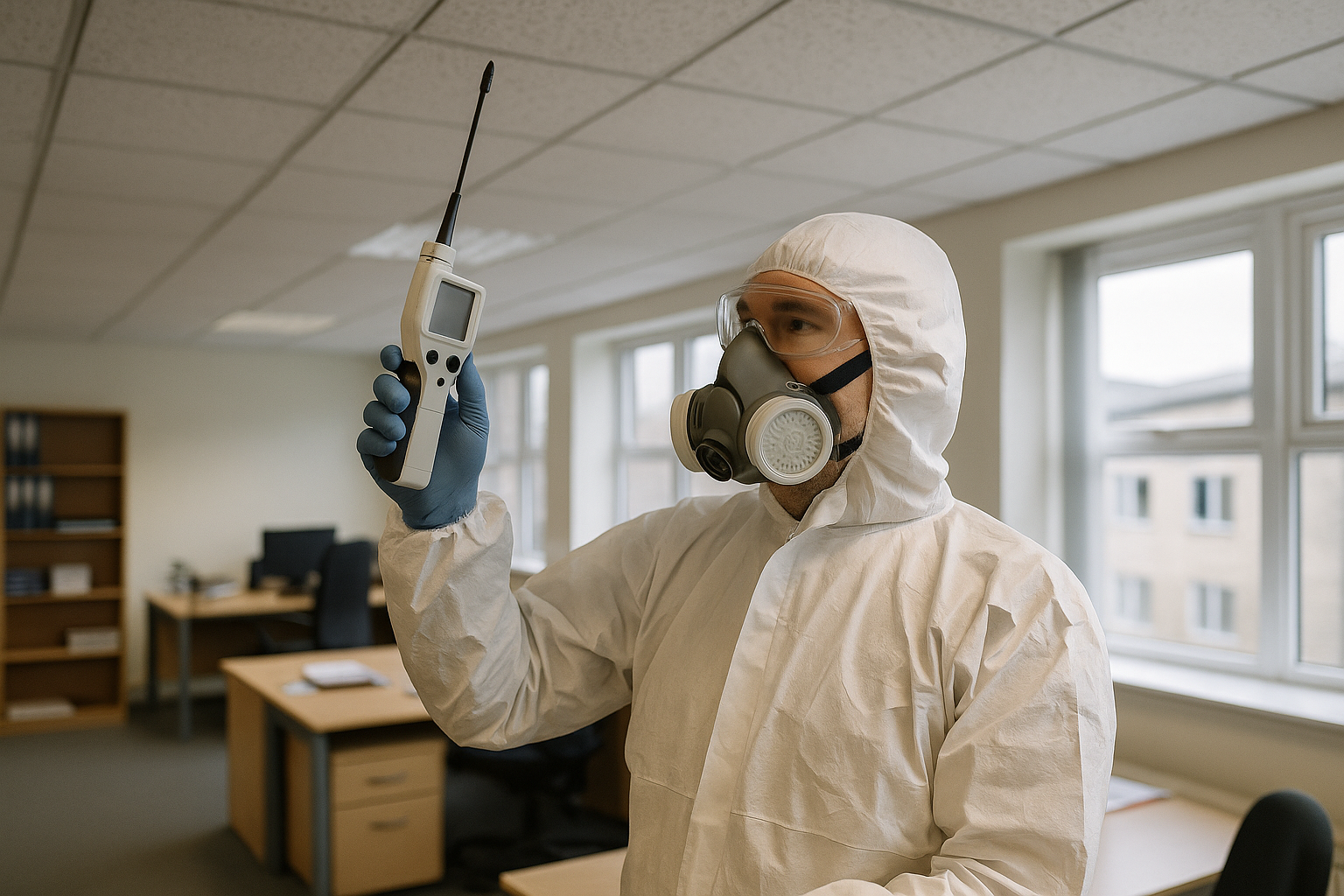
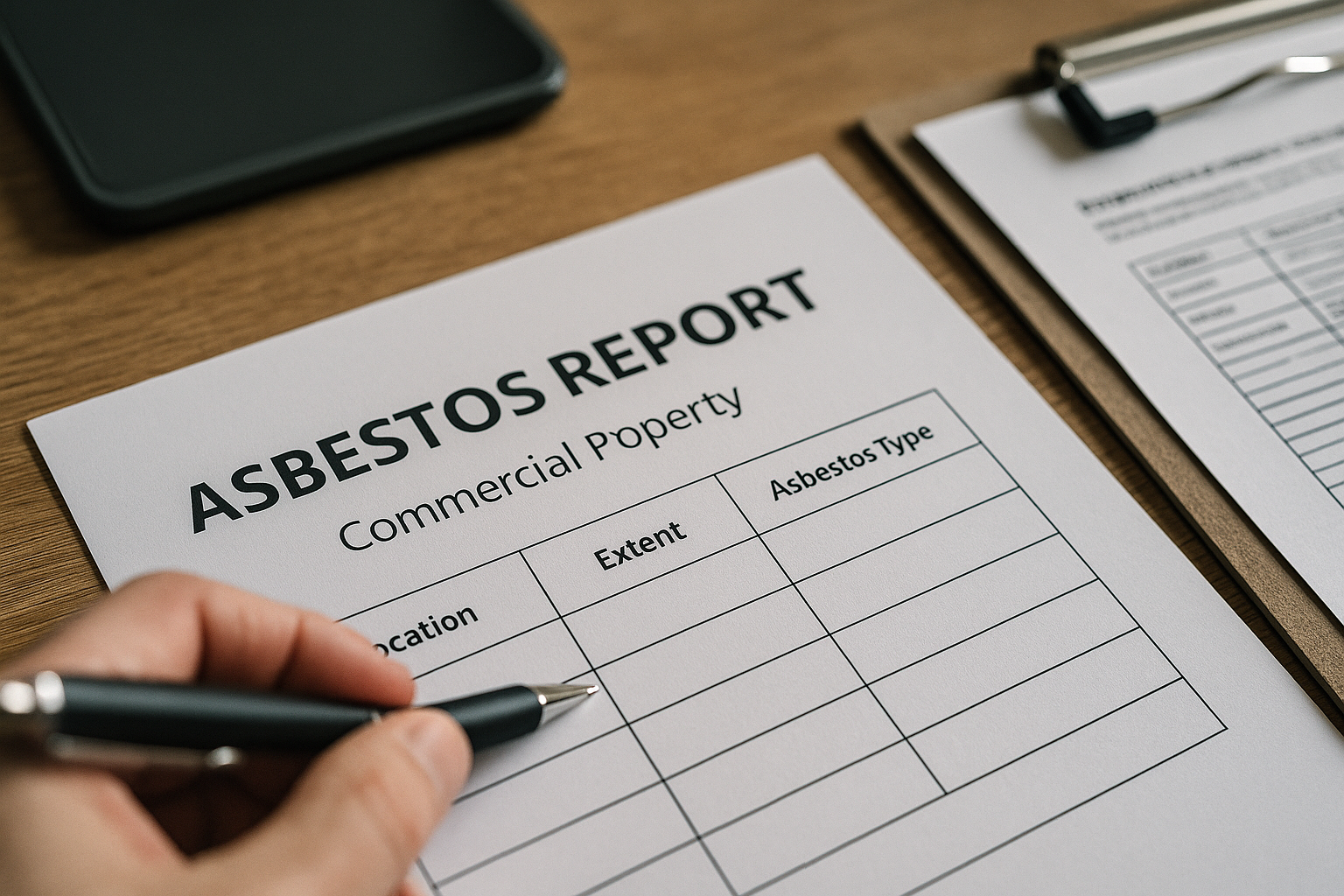
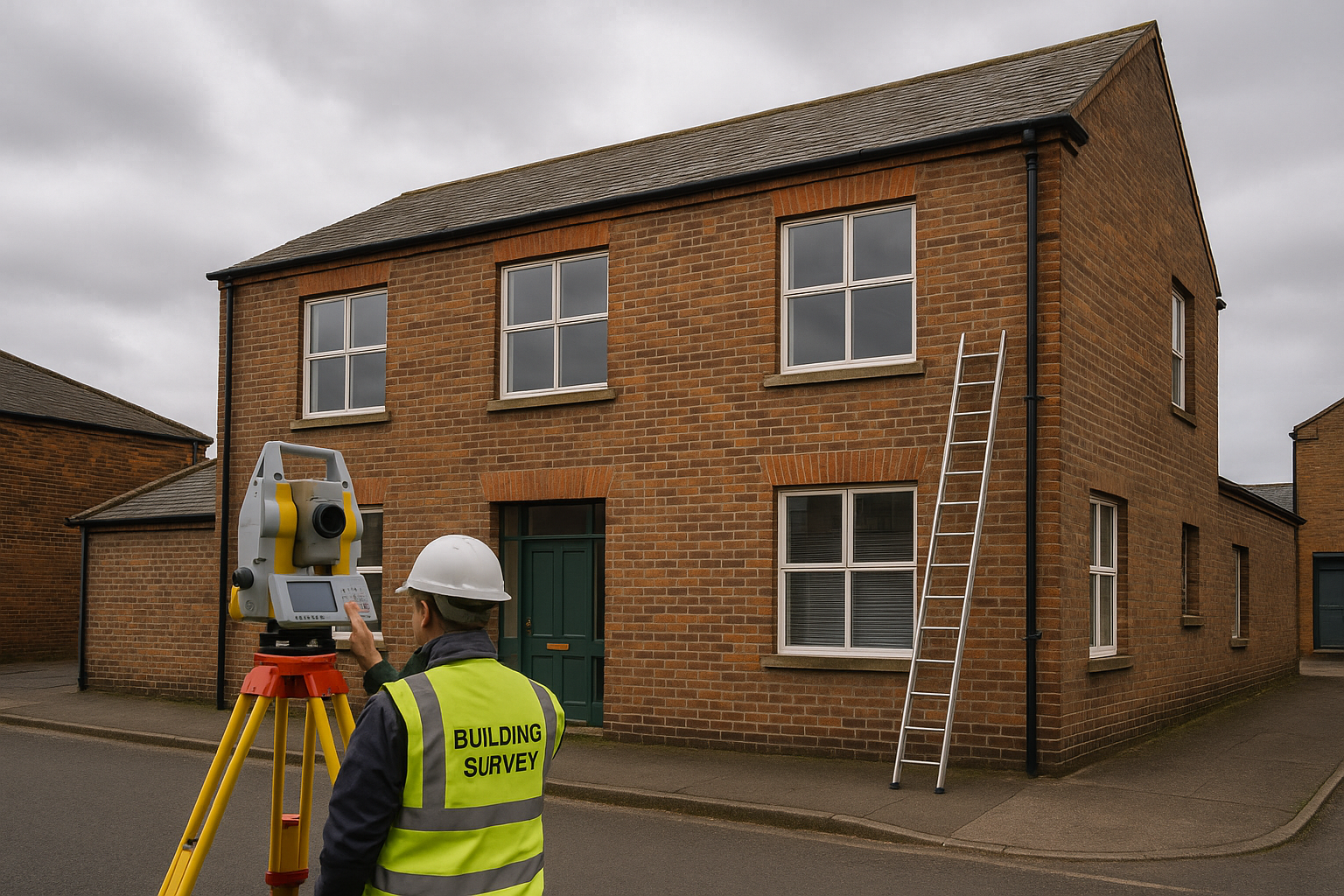
That is why a suitable survey matters before work starts. For occupied premises, a management survey helps identify accessible asbestos-containing materials, assess their condition, and support your asbestos register.
Why brown asbestos is considered high risk
All asbestos types are hazardous, but brown asbestos is often associated with materials that release fibres more readily when damaged. Amosite fibres are straight, brittle, and durable, which means disturbed material can create a serious airborne risk.
The level of risk depends on several factors:
- The type of product the asbestos is in
- Whether the material is sealed, exposed, or damaged
- How likely it is to be disturbed
- The extent of any work being carried out
- The potential for fibres to spread beyond the immediate area
Asbestos insulating board is a good example. If it is drilled, cut, broken, or removed without controls, fibre release can be significant. That is why brown asbestos often leads to more urgent management decisions than materials where fibres are tightly bound.
If there is any uncertainty, stop the task and get competent advice before work continues.
Brown asbestos compared with other asbestos types
Property managers often hear asbestos discussed by colour, but colour alone is not a reliable identification method. The more useful distinction is between the asbestos groups and the products they were used in.
White asbestos: chrysotile
White asbestos, or chrysotile, is the most commonly encountered asbestos type in UK buildings. Its fibres are curly and more flexible than amosite, and it was used in floor tiles, textured coatings, cement sheets, gaskets, and roofing products.
That does not make chrysotile safe. White asbestos is still hazardous and still subject to the same legal framework. The real issue is the material type, condition, and likelihood of disturbance.
Brown asbestos: amosite
Brown asbestos tends to be associated with insulating board, thermal insulation, and fire protection products. These are often more friable or more likely to release fibres when worked on, especially during maintenance and refurbishment.
That is one reason brown asbestos often causes more immediate concern on site.
Tremolite asbestos
Tremolite is much less common as a commercial product in UK premises. It is more often encountered as a contaminant in other minerals or asbestos-containing materials.
Even so, if laboratory analysis identifies tremolite, it still requires the same careful management under HSE guidance.
Anthophyllite asbestos
Anthophyllite is another less frequently encountered asbestos type. It has appeared in some insulation materials and can also occur as a contaminant.
From a practical management point of view, rarity changes very little. If it is present, it must still be recorded, risk assessed, and controlled.
How brown asbestos is found in real buildings
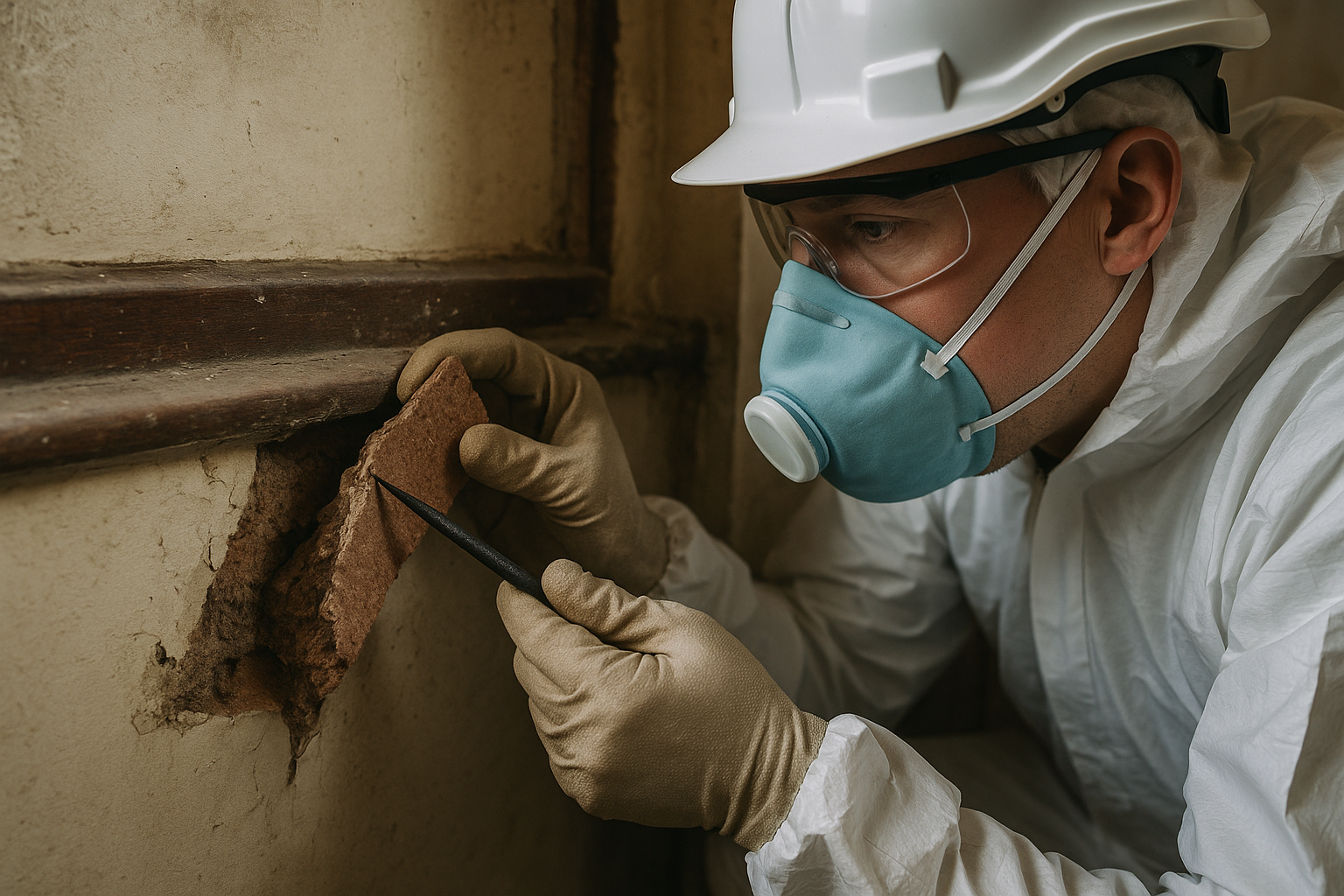
Brown asbestos is rarely discovered because someone set out to find it by eye. More often, it comes to light during routine work.
Typical scenarios include:
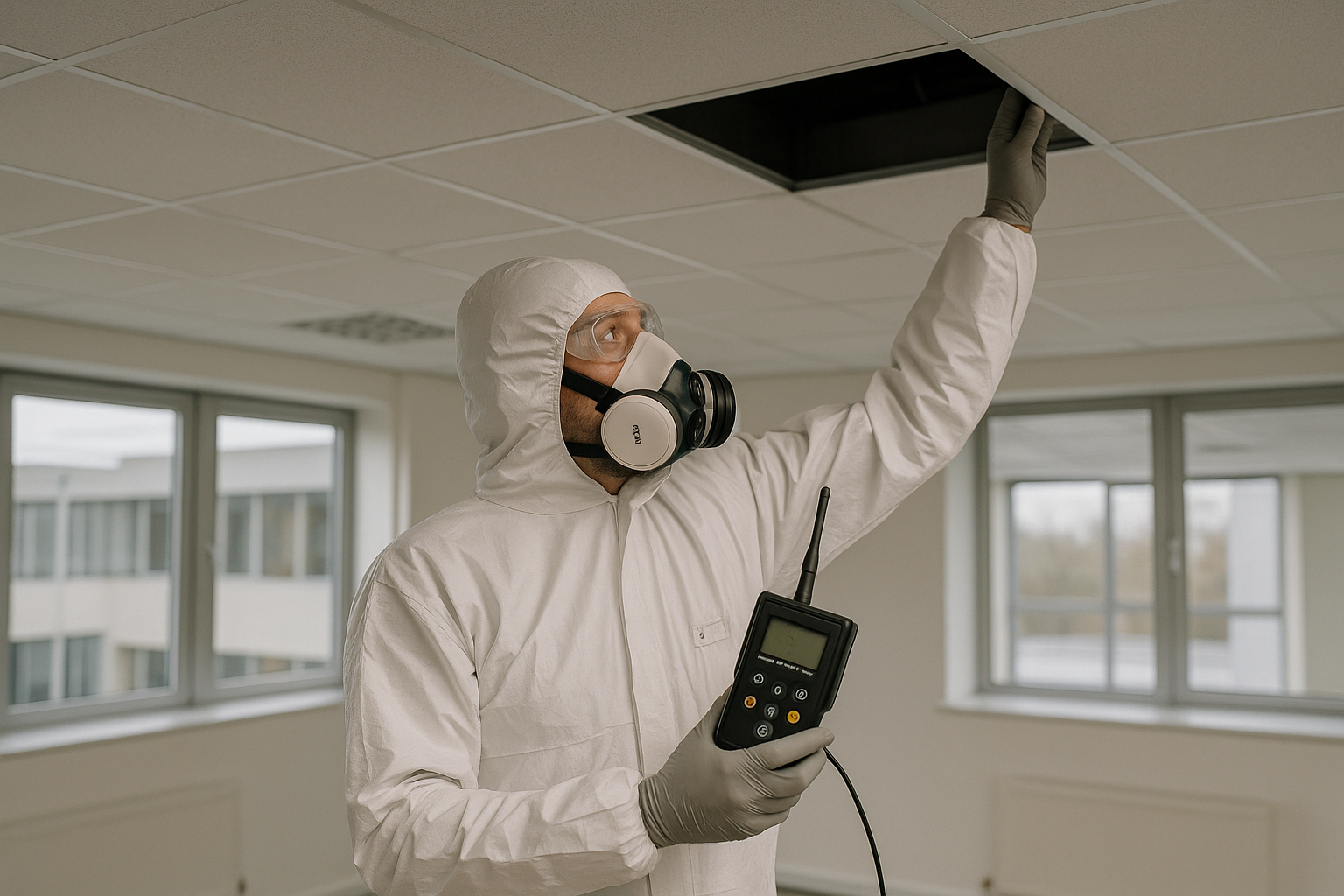
- A contractor removes a ceiling tile and finds old board above
- A maintenance operative drills into a service riser lining
- A fire door replacement reveals asbestos-containing core material
- Water damage exposes old insulating board in a plant room
- Refurbishment starts before hidden materials have been surveyed
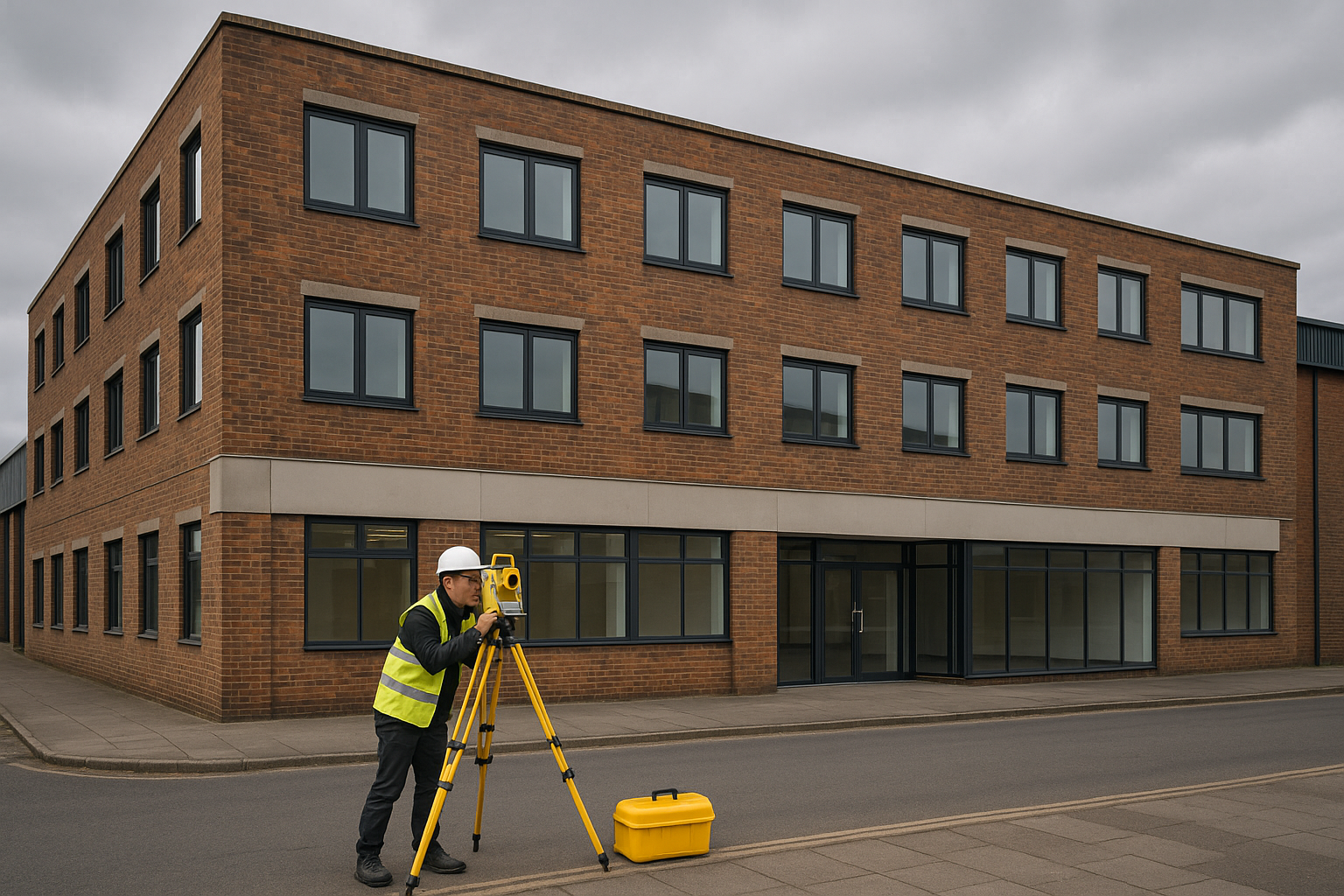
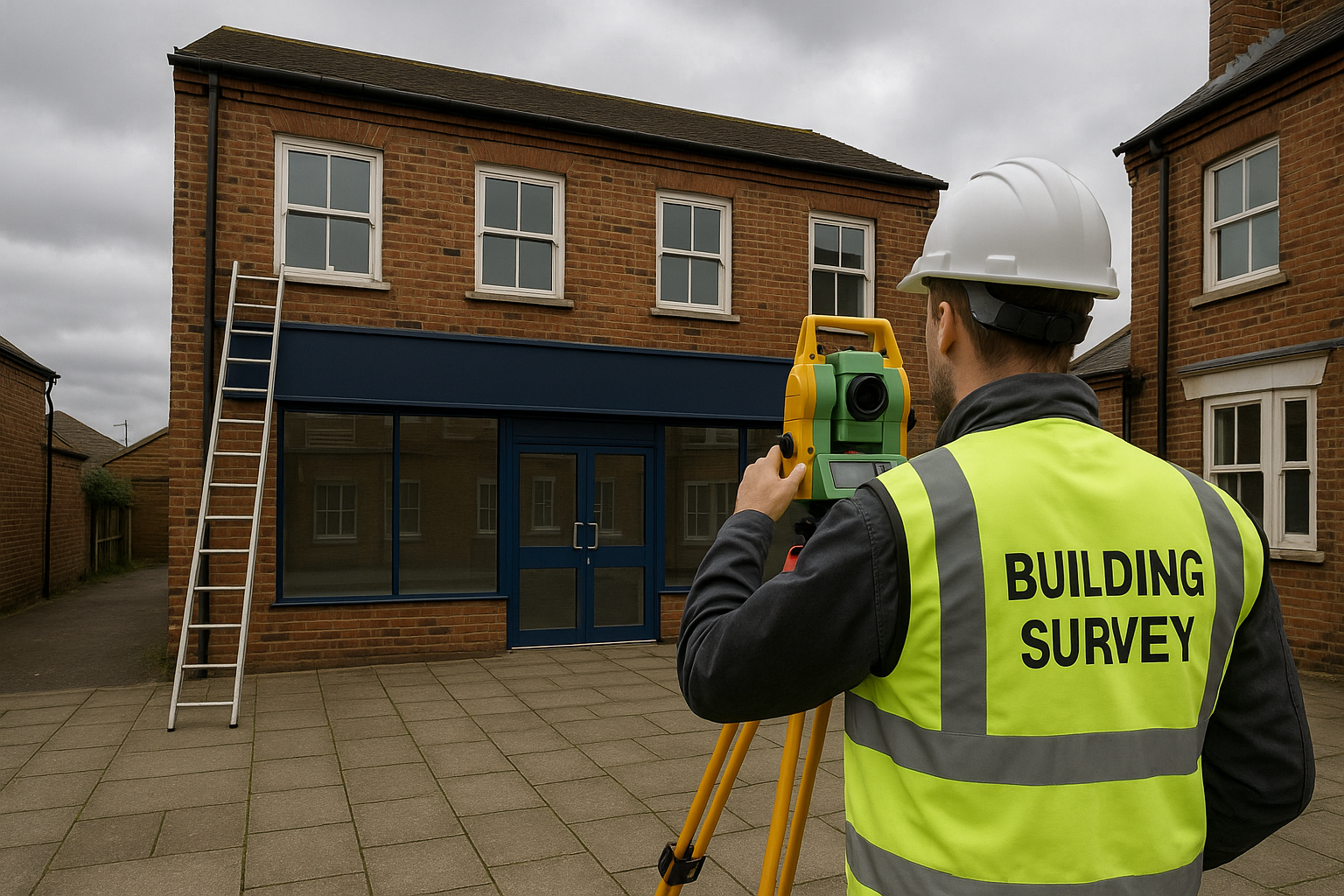
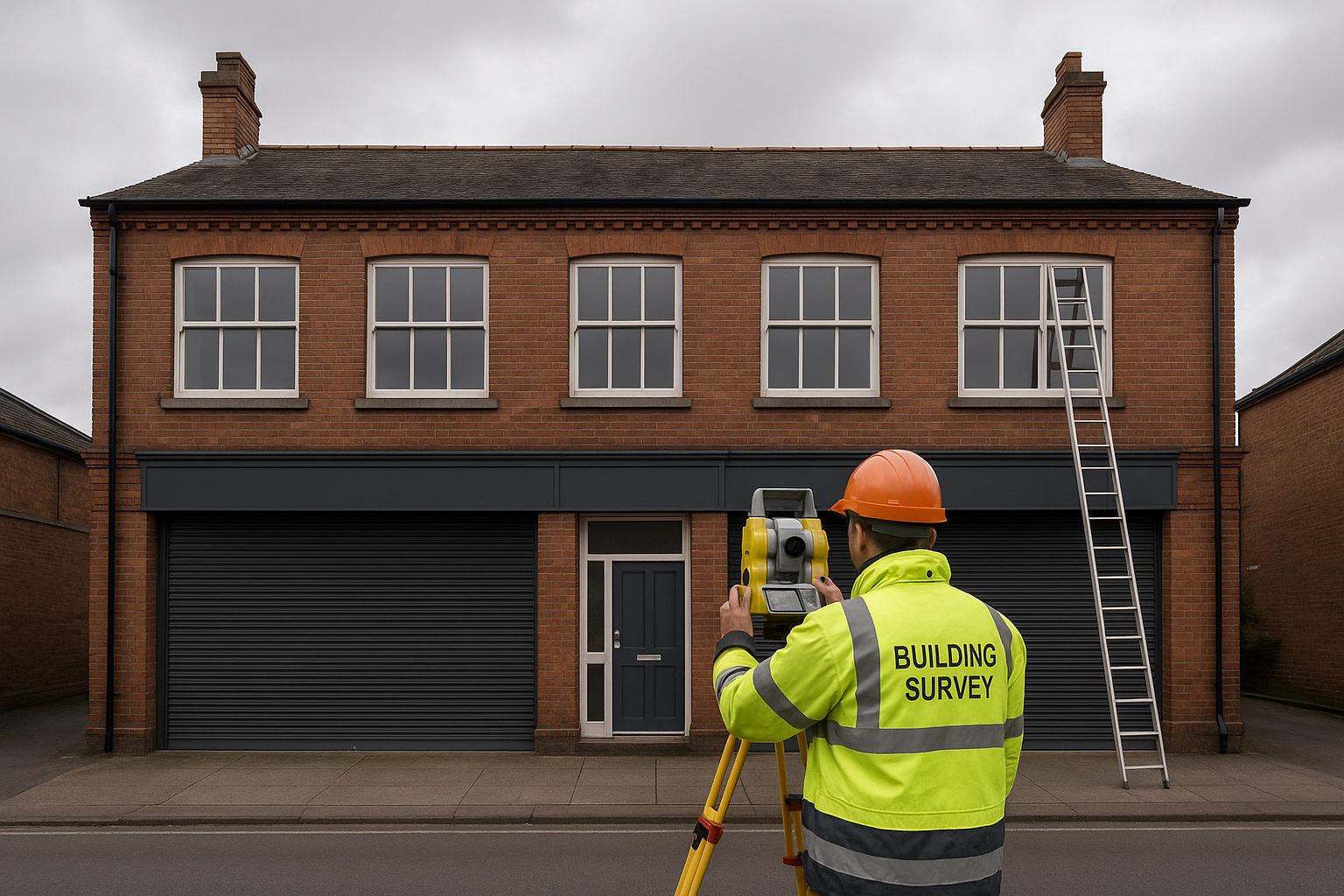
This is where planning makes a real difference. If work is intrusive, you usually need a refurbishment survey in the affected area before the job begins. If a building or structure is due to be taken down, a demolition survey is required before demolition proceeds.
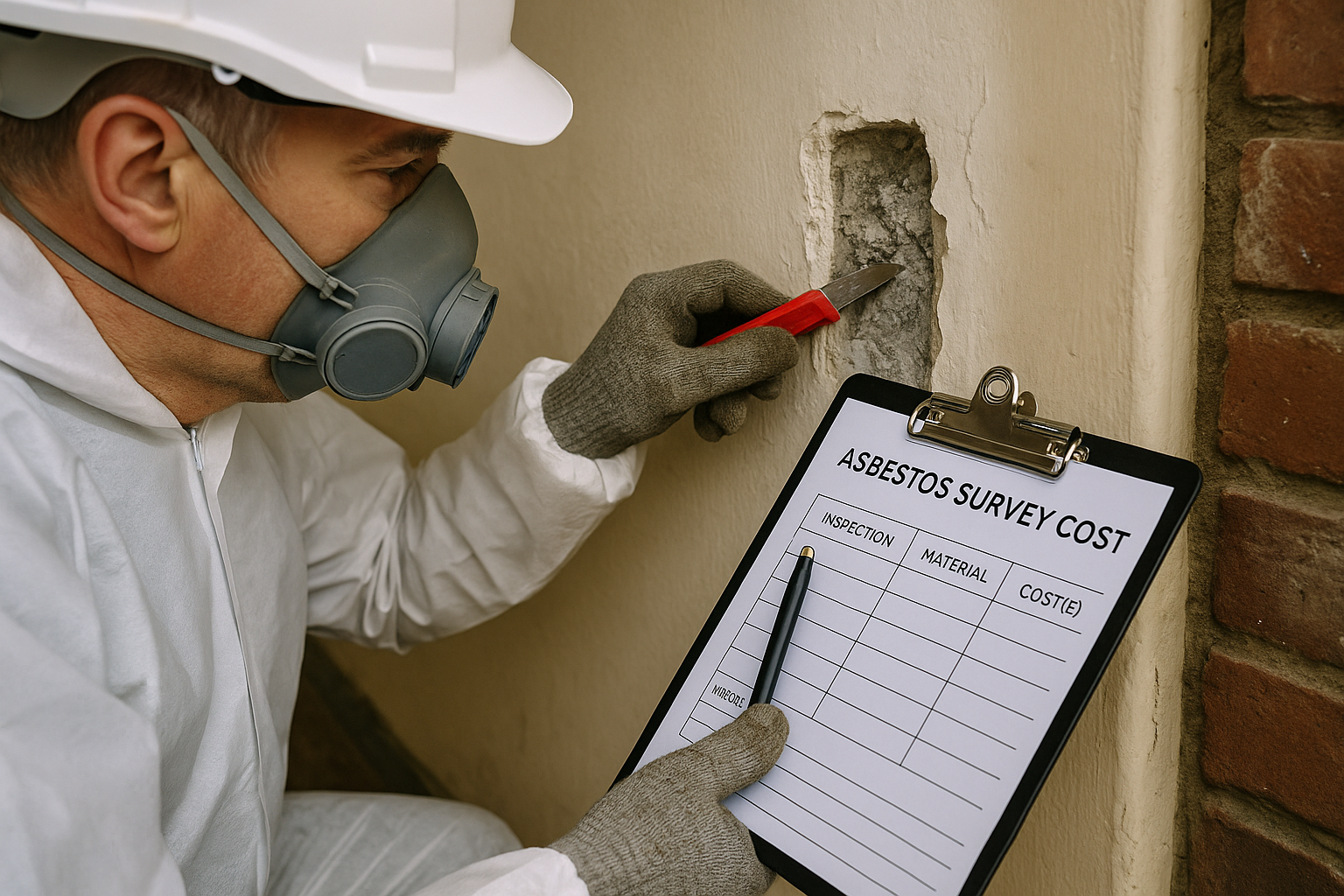
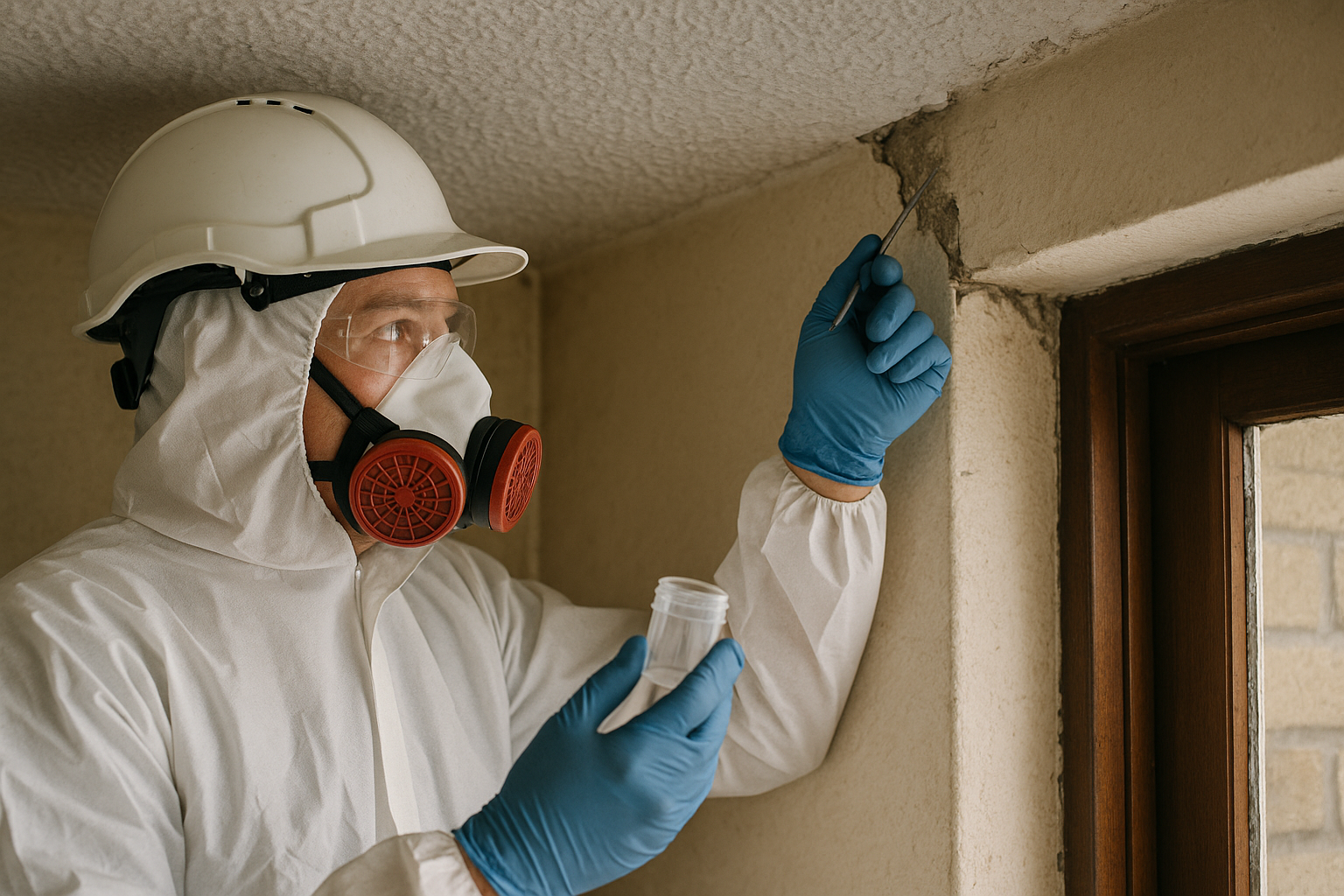
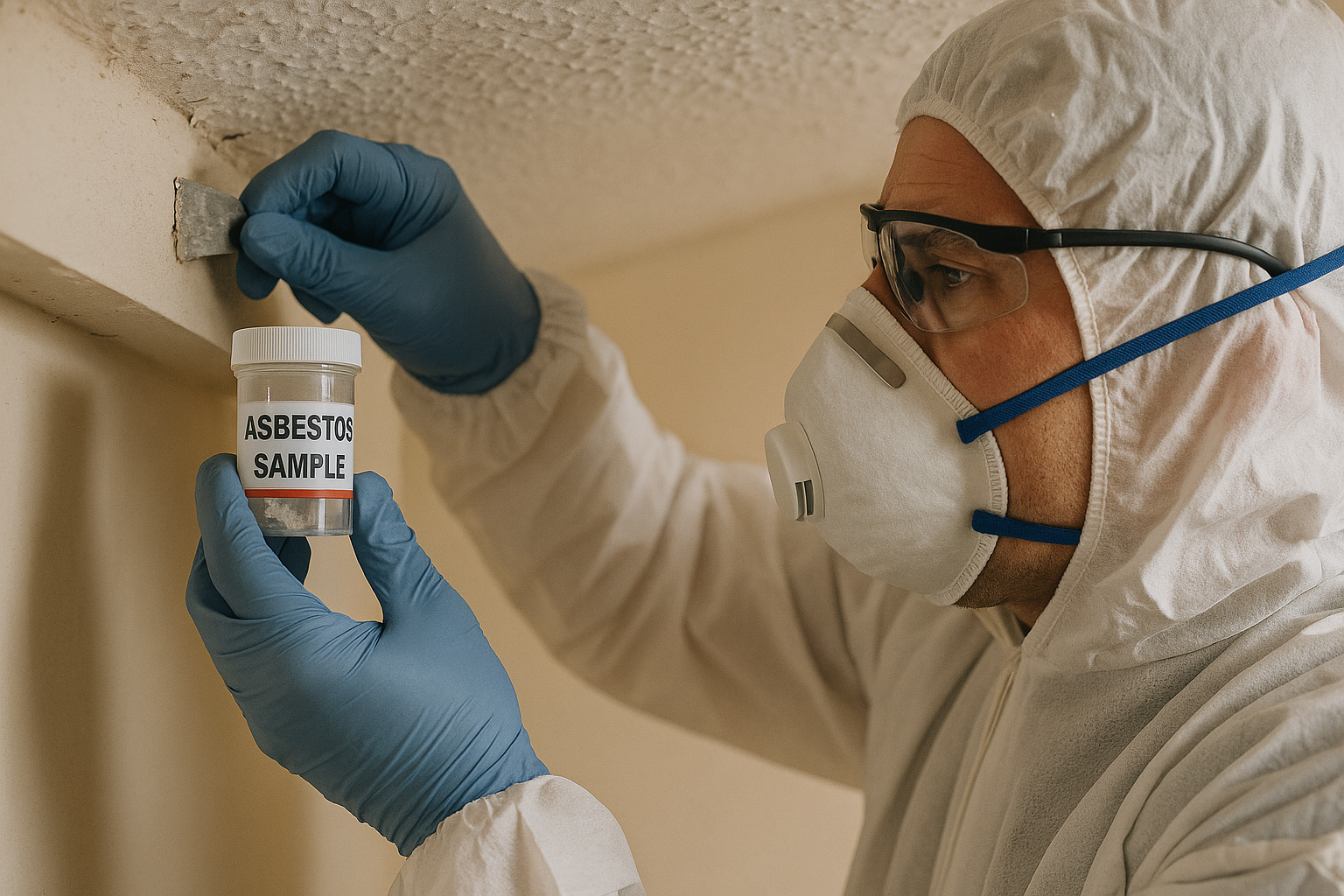
Do not rely on site assumptions, old labels, or colour descriptions. Brown asbestos cannot be confirmed visually. Sampling and laboratory analysis are needed for identification.
Environmental exposure to brown asbestos
Exposure is not limited to the person carrying out the work. When brown asbestos is disturbed, fibres can spread into surrounding areas, affecting occupants, visitors, cleaners, maintenance teams, and anyone passing through the space.
Common routes of environmental exposure include:
- Deteriorating asbestos insulating board in occupied areas
- Uncontrolled drilling, sanding, or cutting
- Refurbishment work starting before asbestos has been identified
- Dust moving through ventilation or air handling systems
- Poor handling of debris and waste
- Broken materials in yards, skips, or external areas
One of the biggest problems is that asbestos fibres cannot be seen with the naked eye. A room may look clean after disturbance and still present a serious risk until it has been properly assessed.
If suspect damage is discovered, take these steps straight away:
- Stop work immediately.
- Keep people out of the area.
- Prevent further disturbance.
- Arrange inspection and sampling by a competent asbestos professional.
- Do not allow re-entry until you have clear advice.
Fast, calm action usually prevents a local issue becoming a wider contamination problem.
Environmental impact of amosite in and around a site
The environmental impact of brown asbestos goes beyond the room where it was first disturbed. Once fibres enter dust, debris, or surrounding surfaces, they can persist because asbestos is highly durable.
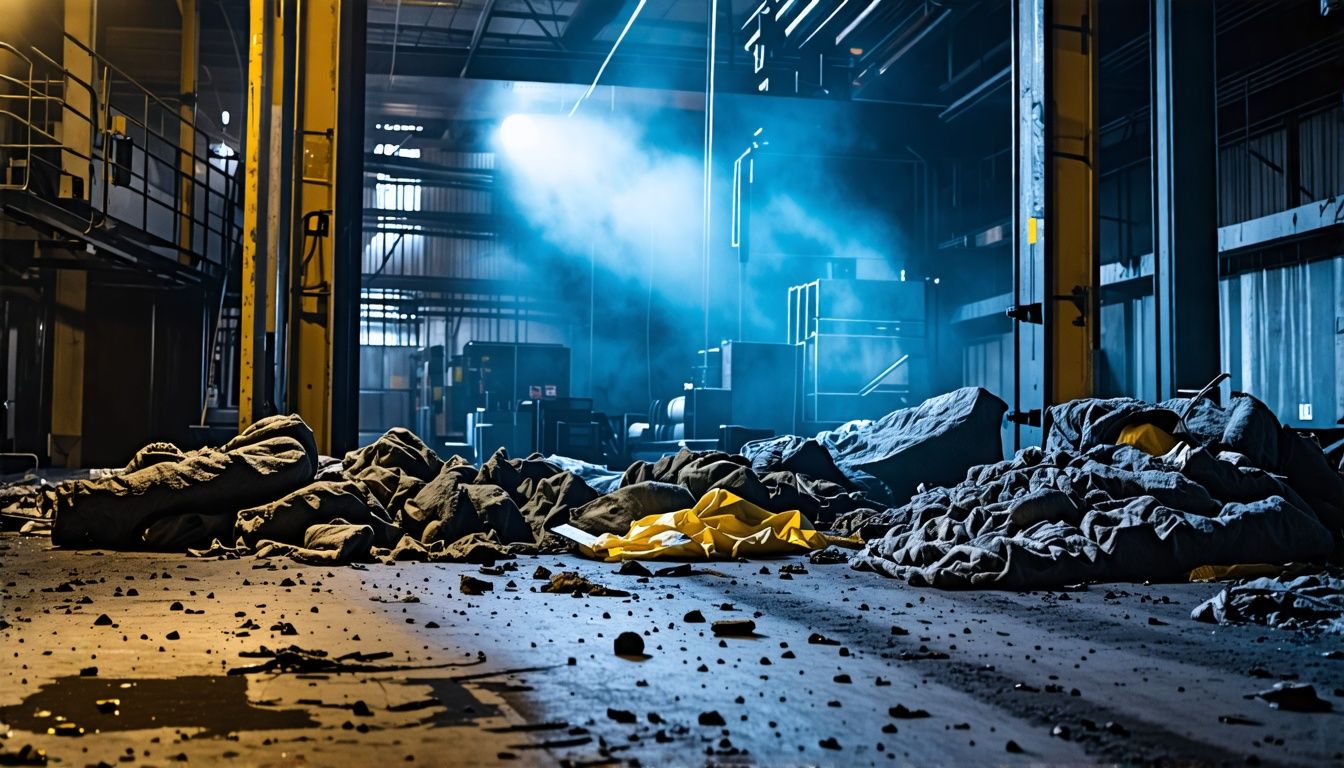
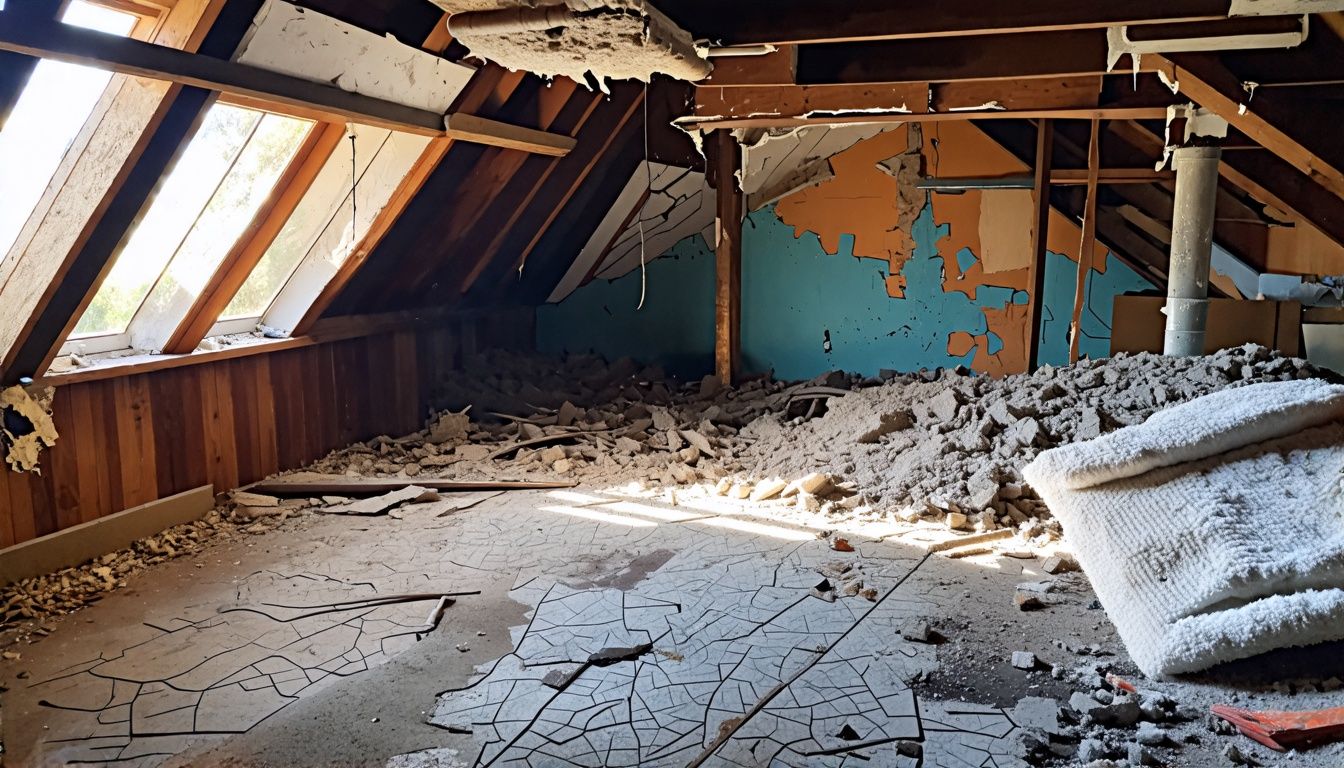
A damaged board in a plant room can lead to contamination on footwear, tools, equipment, and access routes if the area is not isolated quickly. In external areas, broken asbestos waste can contaminate soil or hardstanding and create a longer clean-up process.
To reduce environmental impact:
- Do not disturb suspect materials without the right survey information
- Review asbestos records before maintenance starts
- Isolate damaged areas quickly
- Use suitable controls for any work involving asbestos-containing materials
- Ensure waste is handled by authorised specialists
- Keep accurate records of locations, condition, and actions taken
These are practical controls, not paperwork for its own sake. Good management protects people and helps avoid disruption that is far more costly later.
Health risks linked to brown asbestos
Brown asbestos is associated with serious asbestos-related disease, including mesothelioma, asbestos-related lung cancer, asbestosis, and pleural thickening. These conditions usually develop after a long latency period, which is why asbestos remains a live issue long after installation.
The likelihood of harm depends on the nature of exposure, including the type of asbestos, the condition of the material, the amount of fibre released, and the duration of exposure. That is why damaged amosite insulation products need careful control.
Groups commonly at risk include:
- Maintenance teams opening hidden voids
- Contractors working on ceilings, risers, and plant rooms
- Caretakers and facilities staff carrying out reactive repairs
- Occupants in areas where damage has gone unnoticed
- Children and staff in older educational settings
The practical message for managers is clear: if a task could disturb brown asbestos, the right time to act is before the work starts, not after debris is already on the floor.
Pregnancy and the unborn child
Questions about pregnancy and asbestos exposure are common, and understandably so. The right approach is straightforward: exposure to brown asbestos should be prevented for everyone, including pregnant workers, contractors, visitors, and occupants.
There is no separate working assumption that makes asbestos exposure acceptable during pregnancy. If suspect material may be disturbed, stop the task, isolate the area, and get competent advice.
For property managers, this means thinking ahead. If works are planned in occupied premises, make sure asbestos information is available before contractors arrive, and consider who may be affected by adjacent rooms, access routes, and shared ventilation.
How to manage brown asbestos safely
Managing brown asbestos starts with a disciplined process. Guesswork is what leads to accidental disturbance.
Use this approach across your sites:
- Check the age and history of the building.
- Review existing asbestos surveys, registers, and plans.
- Identify whether the task is routine maintenance, refurbishment, or demolition.
- Arrange the correct survey before work begins.
- Brief contractors properly and share relevant asbestos information.
- Inspect known asbestos-containing materials regularly where required.
- Escalate damage immediately.
If materials need to be taken out, use suitable specialists for asbestos removal. Higher-risk products associated with brown asbestos often require licensed work, controlled methods, and correct waste handling.
Do not accept casual phrases such as “it’s only a small hole” or “we’ll be careful”. Small disturbances to asbestos insulating board can release significant fibre levels. The right survey and method statement matter far more than confidence on site.
Practical top tip
If a building was constructed or refurbished before 2000, treat any unknown board, ceiling panel, riser lining, or fire protection material as suspect until proven otherwise. That single rule prevents many accidental exposures.
It also helps to standardise your process across a portfolio:
- Keep the asbestos register up to date
- Brief contractors before they start
- Review survey information before every project
- Record damage and remedial actions clearly
- Do not let reactive repairs bypass asbestos checks
Choosing the right asbestos survey for your location
If you manage properties across different regions, local surveying support makes decision-making faster and more consistent. The aim is always the same: identify whether brown asbestos or any other asbestos-containing material is present before maintenance, compliance problems, or project delays escalate.
For sites in the capital, an asbestos survey London service can help you establish what is present and what action is needed. For North West properties, an asbestos survey Manchester appointment can support contractor planning and update your records properly. For sites in the Midlands, an asbestos survey Birmingham service can provide the evidence needed before works proceed.
Local access matters when you need a quick turnaround after damage, before planned maintenance, or ahead of intrusive works.
Warning signs that should trigger immediate action
Brown asbestos is often uncovered during ordinary building tasks rather than major projects. That is why small warning signs should never be brushed off.
Pause work and seek advice if you notice:
- Damaged board around pipework, boilers, or ducts
- Debris after work on ceilings, partitions, or fire doors
- Old insulating boards in plant rooms or risers
- Missing, incomplete, or outdated asbestos records
- Contractors needing to drill, cut, or open hidden areas
- Water damage affecting older ceiling or wall systems
In most cases, the cost of checking first is minor compared with the disruption caused by uncontrolled disturbance.
What property managers should do next
If brown asbestos may be present in your building, the safest next step is not to speculate. Review your records, confirm whether the right survey has been carried out, and stop any work that could disturb suspect materials until you have clear information.
Supernova Asbestos Surveys carries out asbestos surveys nationwide for commercial, residential, public sector, and industrial properties. Whether you need help with routine management, planned refurbishment, demolition preparation, or advice following suspected damage, our team can help you act quickly and stay compliant.
Call 020 4586 0680 or visit asbestos-surveys.org.uk to book a survey or discuss the right service for your property.
Frequently Asked Questions
Is brown asbestos more dangerous than white asbestos?
Brown asbestos is often considered higher risk because amosite fibres are straight and durable, and it was commonly used in higher-risk materials such as asbestos insulating board. White asbestos is still hazardous and must also be managed properly.
Can you identify brown asbestos by colour?
No. Brown asbestos cannot be confirmed by colour alone. Many asbestos-containing materials do not visibly match the colour name, so sampling and laboratory analysis are needed for reliable identification.
What should I do if brown asbestos is damaged?
Stop work immediately, keep people away, prevent further disturbance, and arrange inspection by a competent asbestos professional. Do not try to clean it up or remove it without the right controls.
Where is brown asbestos most commonly found?
Brown asbestos is commonly found in asbestos insulating board, fire protection, ceiling systems, partition walls, service risers, pipe insulation, and plant room linings in older buildings.
Do I need a survey before refurbishment works?
Yes, if the work is intrusive. A refurbishment survey is usually needed before refurbishment or major alterations so hidden asbestos-containing materials can be identified in the affected area.