Did Your 1990 Popcorn Ceiling Contain Asbestos?
If your property has a textured ceiling installed around 1990, you could be living or working with an asbestos risk you don’t know about. The question of 1990 popcorn ceiling asbestos comes up constantly among homeowners, landlords, and property managers — and the answer is more nuanced than a simple yes or no.
Asbestos was used in textured ceiling coatings across the UK for decades. Understanding whether your ceiling poses a risk, what to do about it, and when professional help is essential could protect both your health and your legal position.
What Is a Popcorn Ceiling?
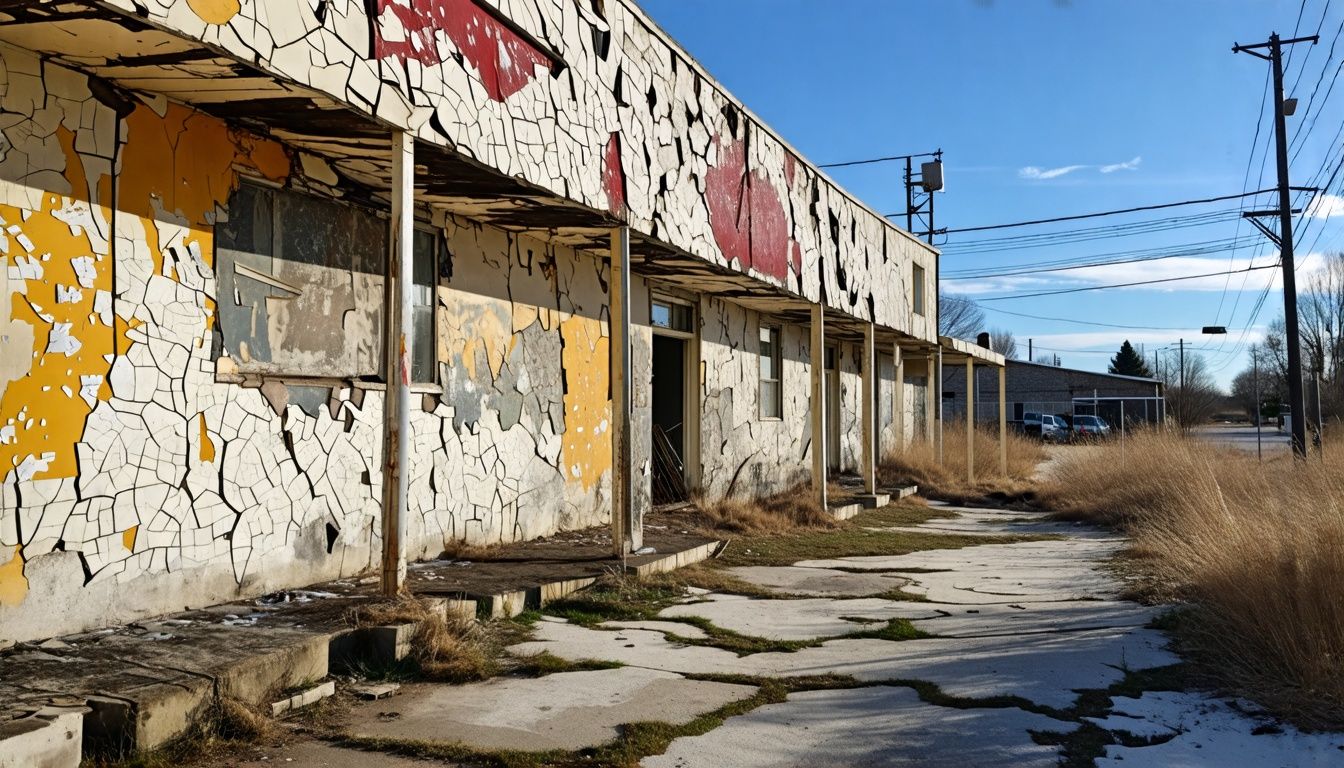
The term “popcorn ceiling” — also called a stipple ceiling, textured ceiling, or acoustic ceiling — refers to a spray-applied or hand-applied coating that gives a rough, bumpy surface. In the UK, the most widely recognised product of this type is Artex, though numerous similar products were used throughout the industry.
These coatings were enormously popular from the 1950s through to the 1990s. They were cheap to apply, hid imperfections in the underlying surface, and offered a degree of acoustic dampening. They were used in homes, schools, offices, and public buildings across the country.
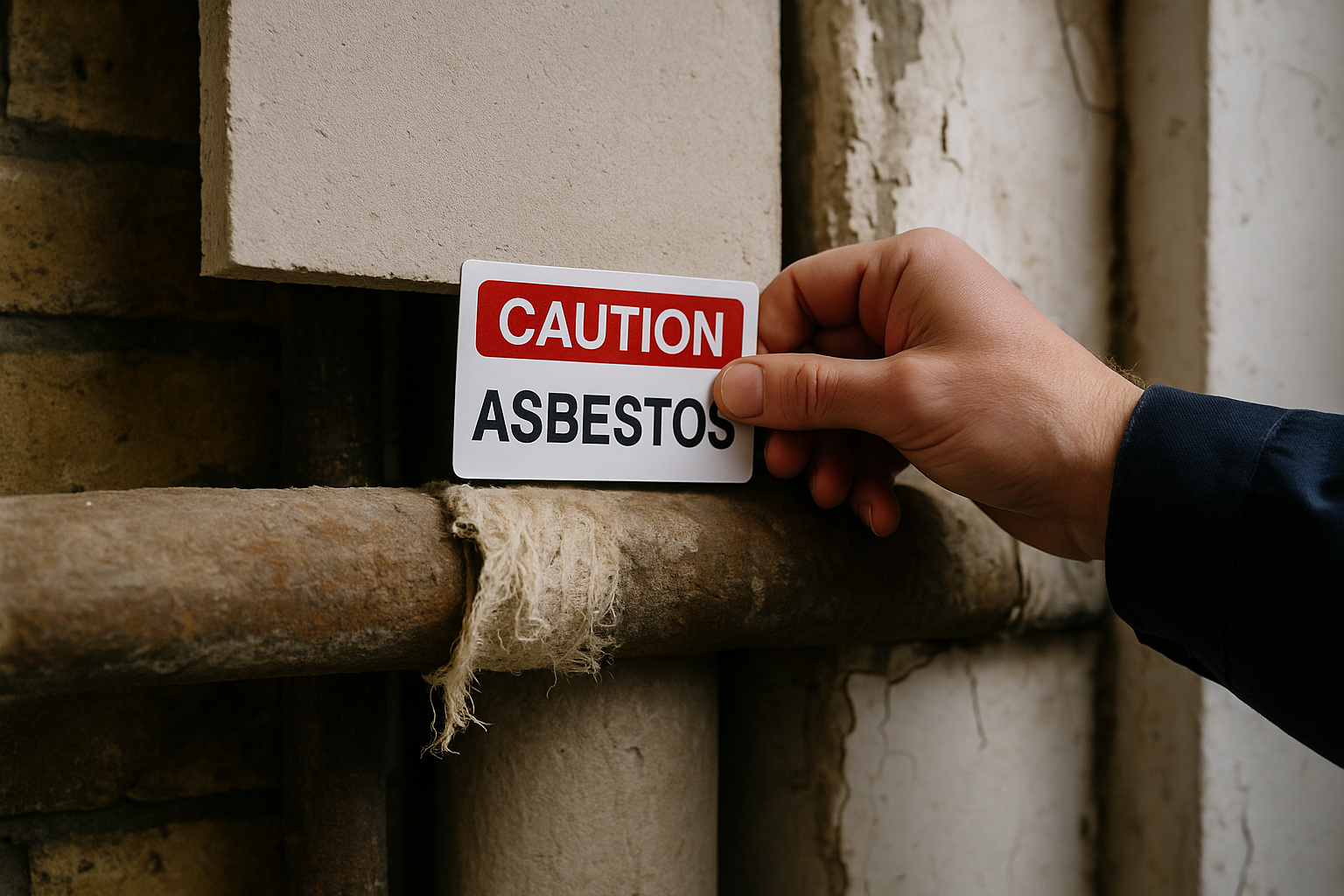
The problem is that many of these products — particularly those applied before the late 1980s — contained asbestos fibres as a binding and strengthening agent. That legacy has left millions of UK properties with potential asbestos-containing materials (ACMs) overhead.
Was Asbestos Used in Textured Ceilings Up to 1990?
This is where it gets critical. The UK banned the two most hazardous types of asbestos — blue (crocidolite) and brown (amosite) — in 1985. White asbestos (chrysotile), however, remained legal for use in the UK until 1999.
Chrysotile was the type most commonly found in textured decorative coatings like Artex. Manufacturers began phasing it out in the late 1980s, but the transition was gradual, not immediate. Products containing chrysotile were still being sold and applied into the early 1990s.
This means a ceiling applied in 1990 sits right in the grey zone. It may contain asbestos. It may not. The only way to know for certain is to have it tested.
The Timeline of Asbestos in Textured Coatings
Understanding the regulatory timeline helps explain why 1990 popcorn ceiling asbestos remains such a live concern for UK property owners:
- Pre-1985: Textured coatings commonly contained chrysotile (white asbestos), sometimes alongside amosite or crocidolite.
- 1985: Blue and brown asbestos banned in the UK. Chrysotile remained permitted.
- Late 1980s: Major manufacturers began reformulating products to remove asbestos, though this was not universal or immediate.
- Early 1990s: Some products still in circulation or being applied may have contained chrysotile. Stock from before the reformulation could still be in use on building sites.
- 1999: Full UK ban on chrysotile. All asbestos types now prohibited from use in new applications.
The upshot is straightforward: if your textured ceiling was applied before 2000, it warrants investigation. A 1990 installation is particularly uncertain — you cannot assume it is asbestos-free simply because it was applied relatively recently.
Why Does It Matter If the Ceiling Looks Fine?
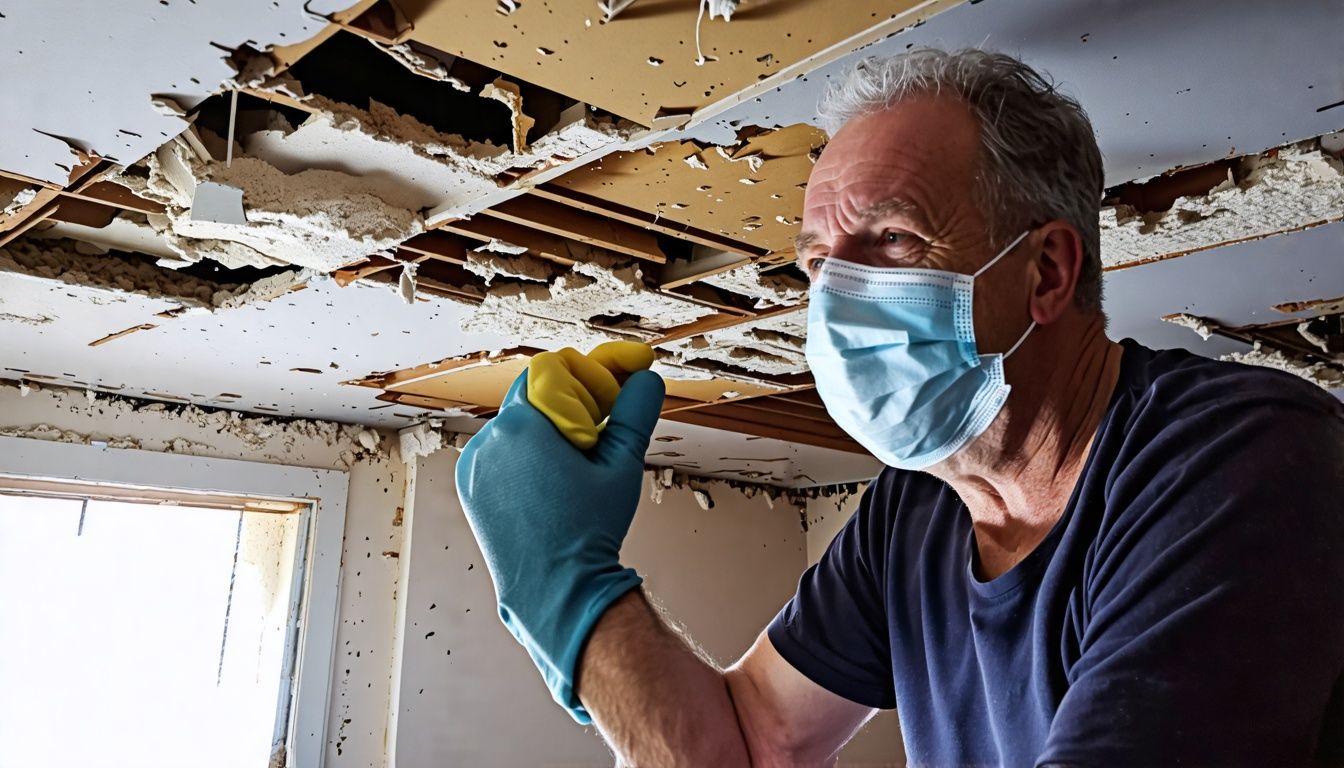
Asbestos-containing materials that are in good condition and left undisturbed generally do not present an immediate health risk. The danger arises when fibres become airborne — a process known as the material becoming “friable.”
Popcorn ceilings and textured coatings can become friable in several ways:
- Physical damage — knocks, scrapes, or impact from above
- Water damage and damp, which weakens the coating over time
- Drilling, sanding, or scraping during renovation work
- Removal attempts carried out without proper precautions
- Age-related deterioration in poorly maintained properties
Once fibres are released into the air, they are invisible and can remain suspended for hours. Inhalation of asbestos fibres is linked to serious, irreversible diseases including asbestosis, lung cancer, and mesothelioma — a cancer of the lining of the lungs or abdomen that is almost exclusively caused by asbestos exposure.
Mesothelioma has a latency period of 20 to 50 years, meaning exposure today may not manifest as disease until decades later. That delayed consequence is precisely why vigilance matters now, not when symptoms appear.
Why You Should Ignore American Advice on 1990 Popcorn Ceiling Asbestos
A significant proportion of the online information about 1990 popcorn ceiling asbestos originates from the United States, where regulations and timelines differ substantially from those in the UK. In the US, the Environmental Protection Agency restricted asbestos in spray-applied surfacing materials in 1978, though products already manufactured could still be sold and applied for some years afterwards.
The UK regulatory timeline is entirely distinct. The phased bans on different asbestos types followed different dates, and the products used in UK construction — including Artex and similar coatings — had their own reformulation histories that do not map onto US experience.
Do not rely on US-sourced guidance when assessing a UK property. If you are dealing with a UK property and need clarity on a textured ceiling, seek advice from a UK-qualified asbestos surveyor operating under HSE guidance and the Control of Asbestos Regulations.
How to Tell If Your 1990 Popcorn Ceiling Contains Asbestos
You cannot identify asbestos by looking at it. Colour, texture, and age are not reliable indicators. The only way to confirm whether a textured ceiling contains asbestos is through laboratory analysis of a material sample.
There are three practical routes to getting that answer.
Option 1: Professional Asbestos Survey
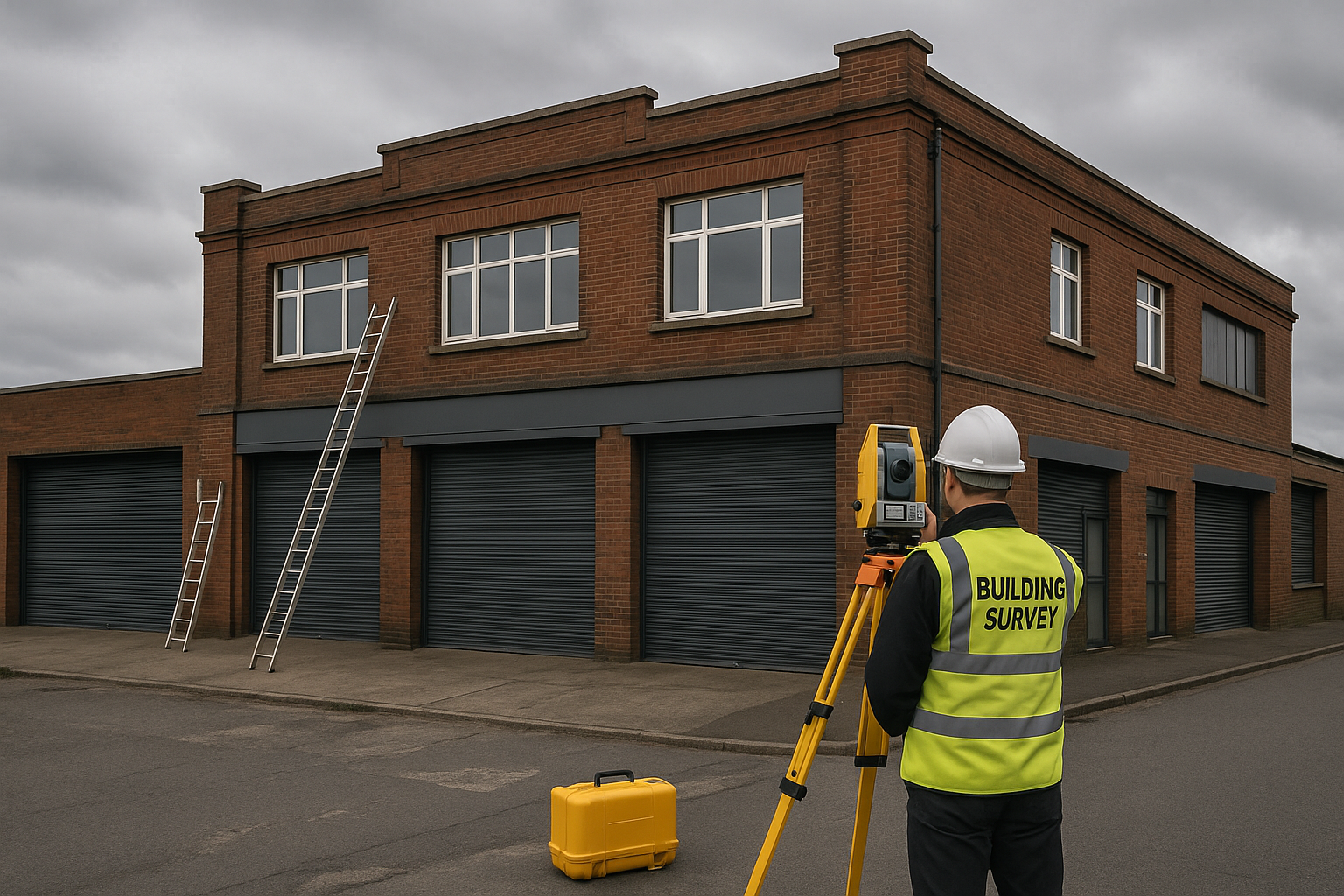
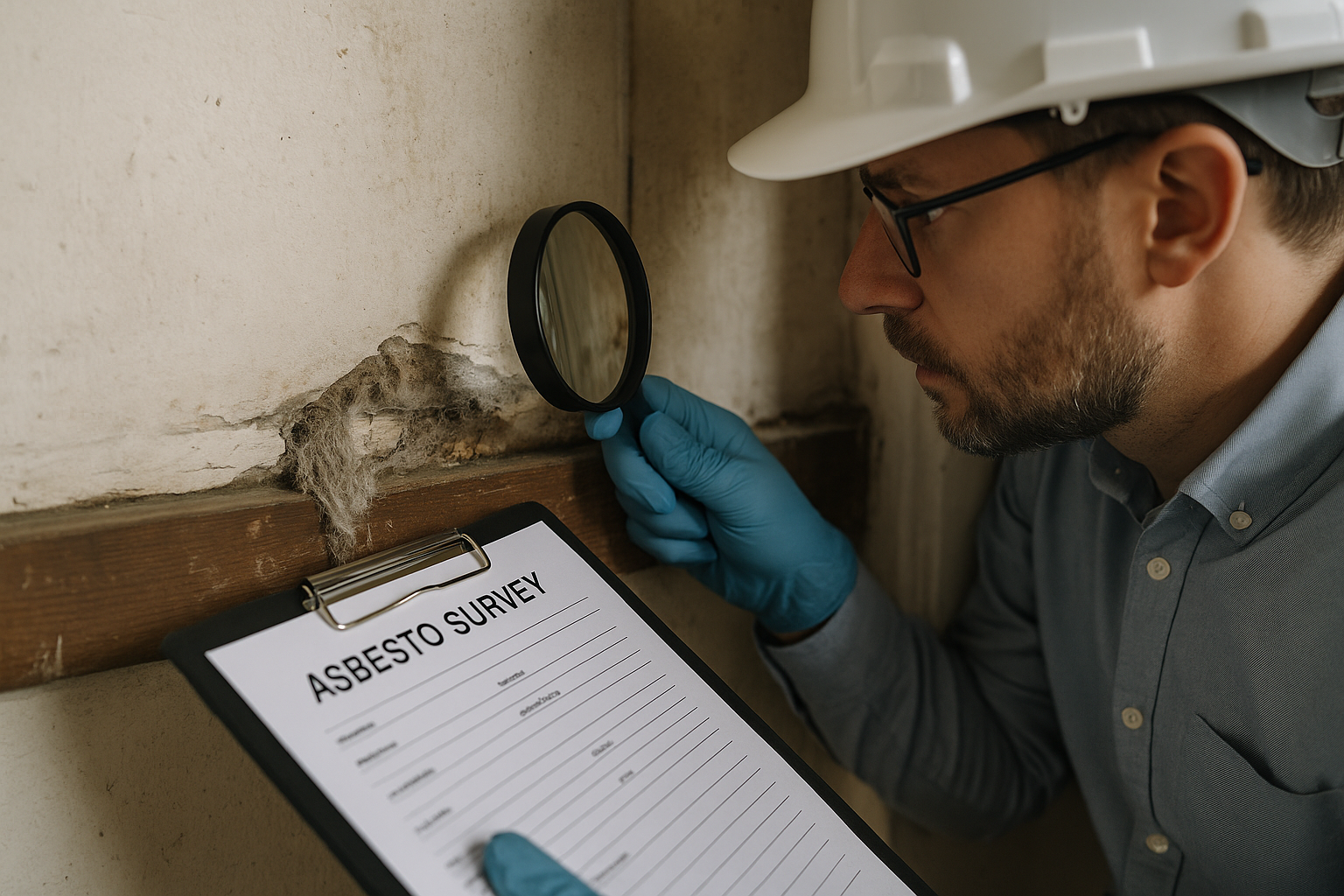
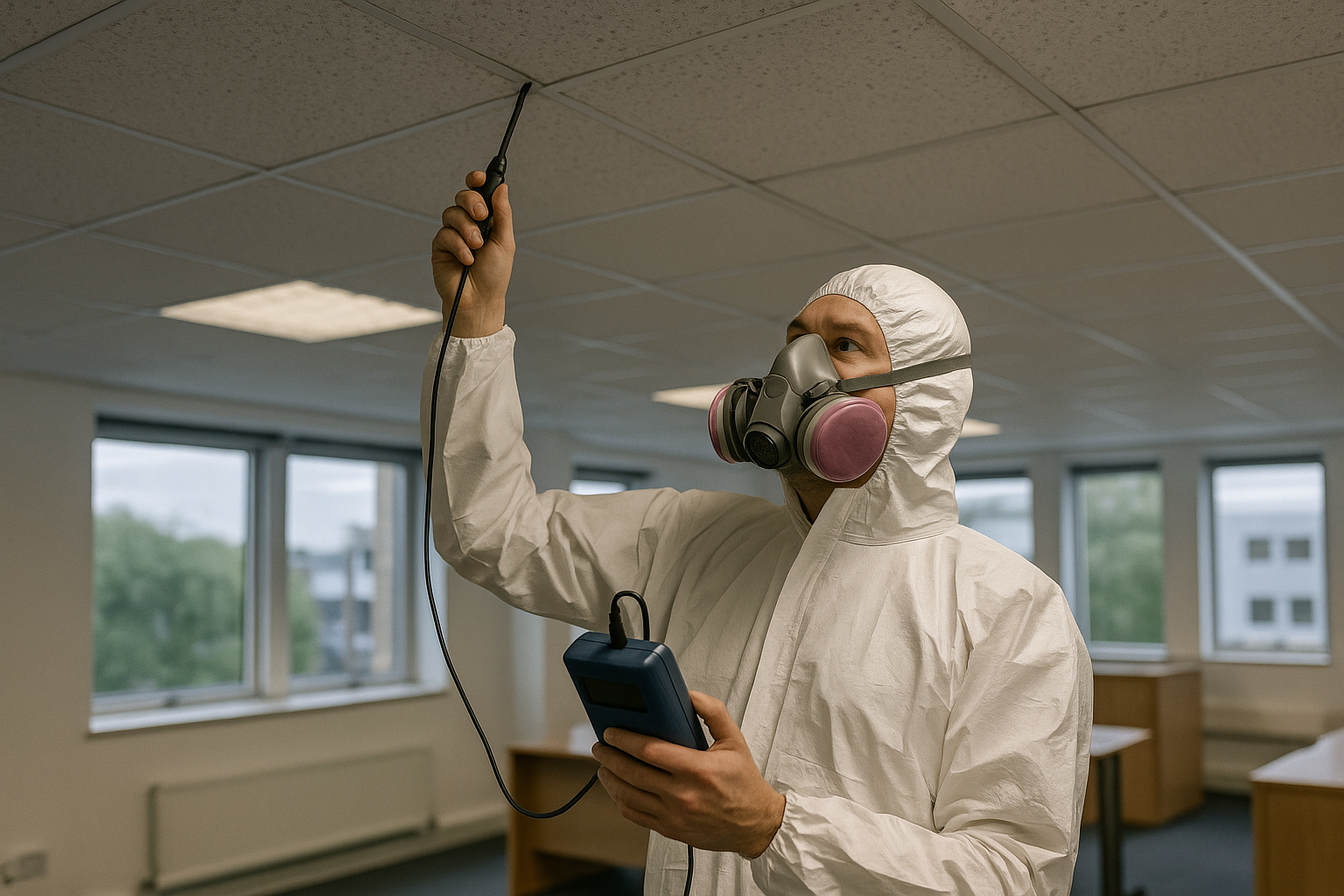
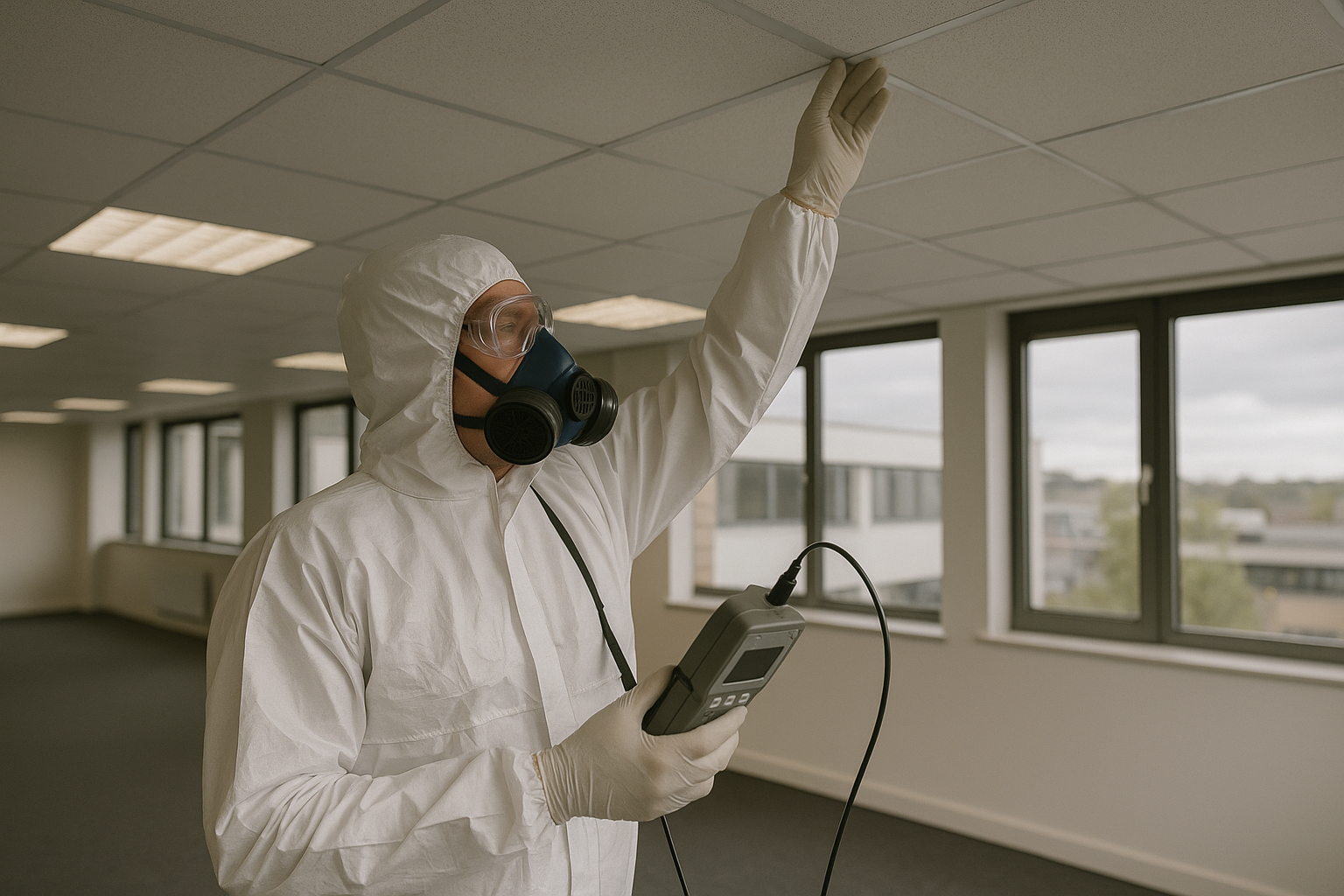
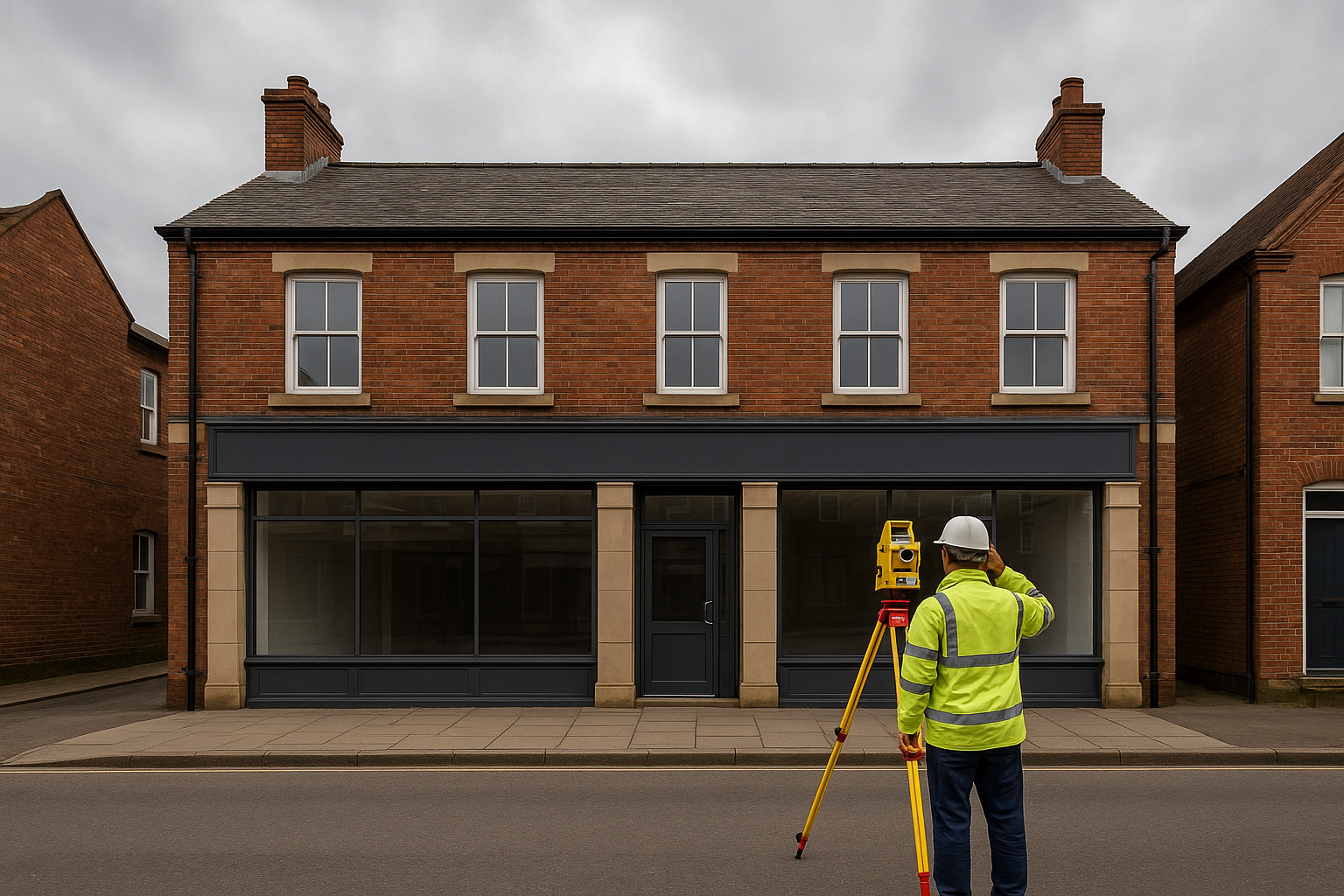
For non-domestic premises — offices, commercial properties, schools, rental properties — a professional management survey is the appropriate starting point. A qualified surveyor will inspect the property, take samples from suspect materials, and produce a written report identifying any ACMs, their condition, and recommended actions.
This survey forms the basis of your asbestos register and management plan — a legal requirement under the Control of Asbestos Regulations for duty holders of non-domestic premises. It is not optional, and it is not a box-ticking exercise. It is the foundation of safe, compliant building management.
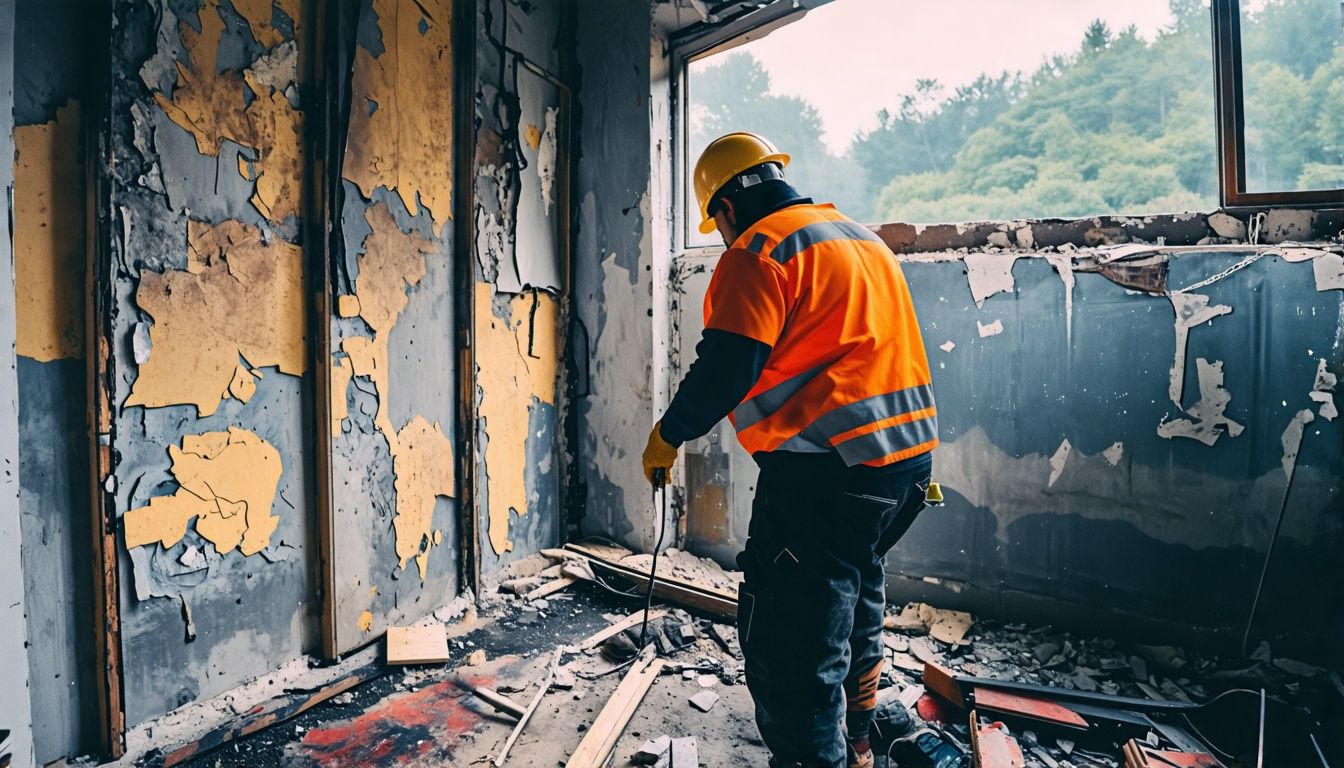
If you are planning refurbishment or demolition work — including ceiling removal — a more intrusive demolition survey is required before work begins. This survey is designed to locate all ACMs in the areas to be disturbed, and it is a legal obligation under HSE guidance including HSG264.
Option 2: DIY Sampling Kit
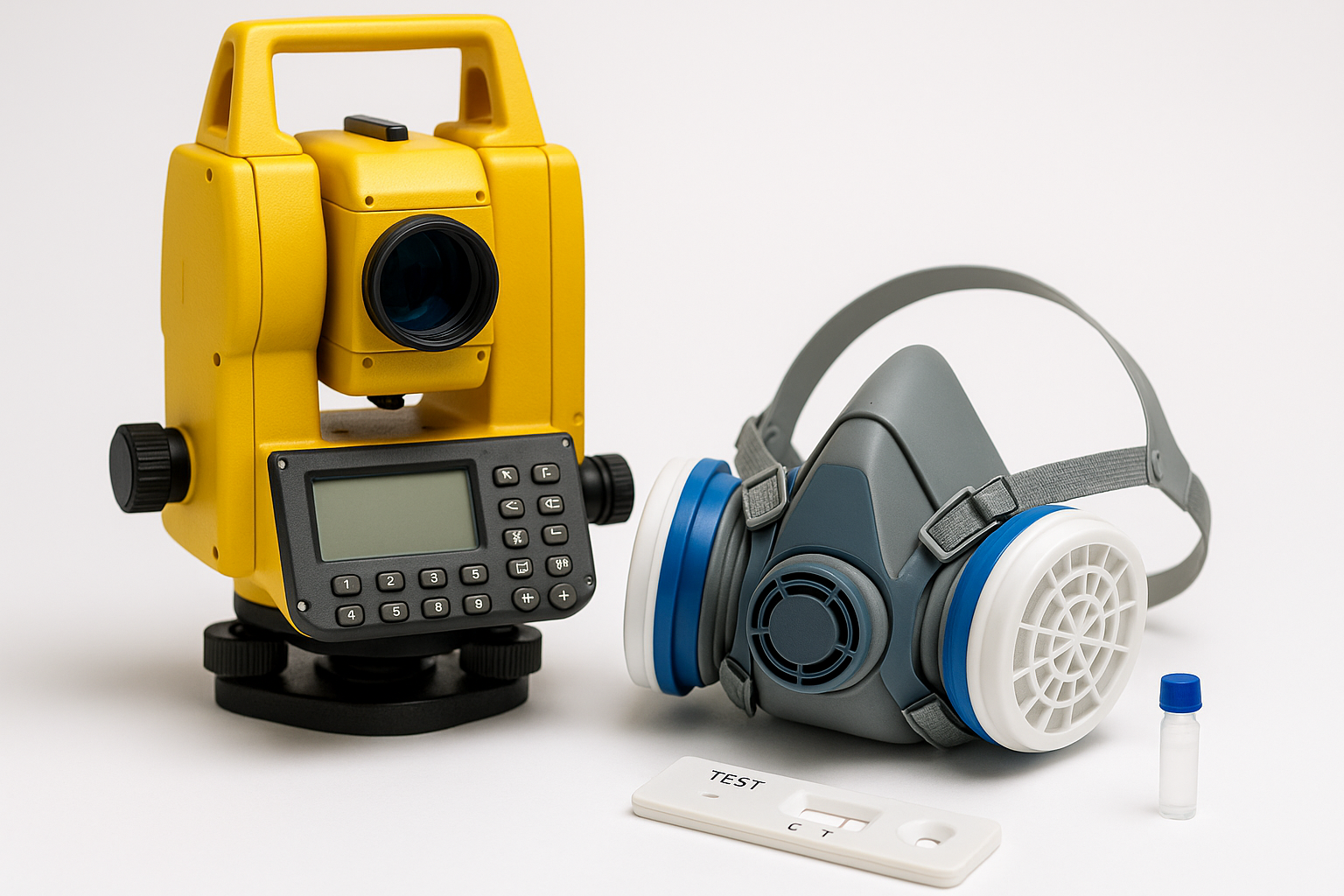
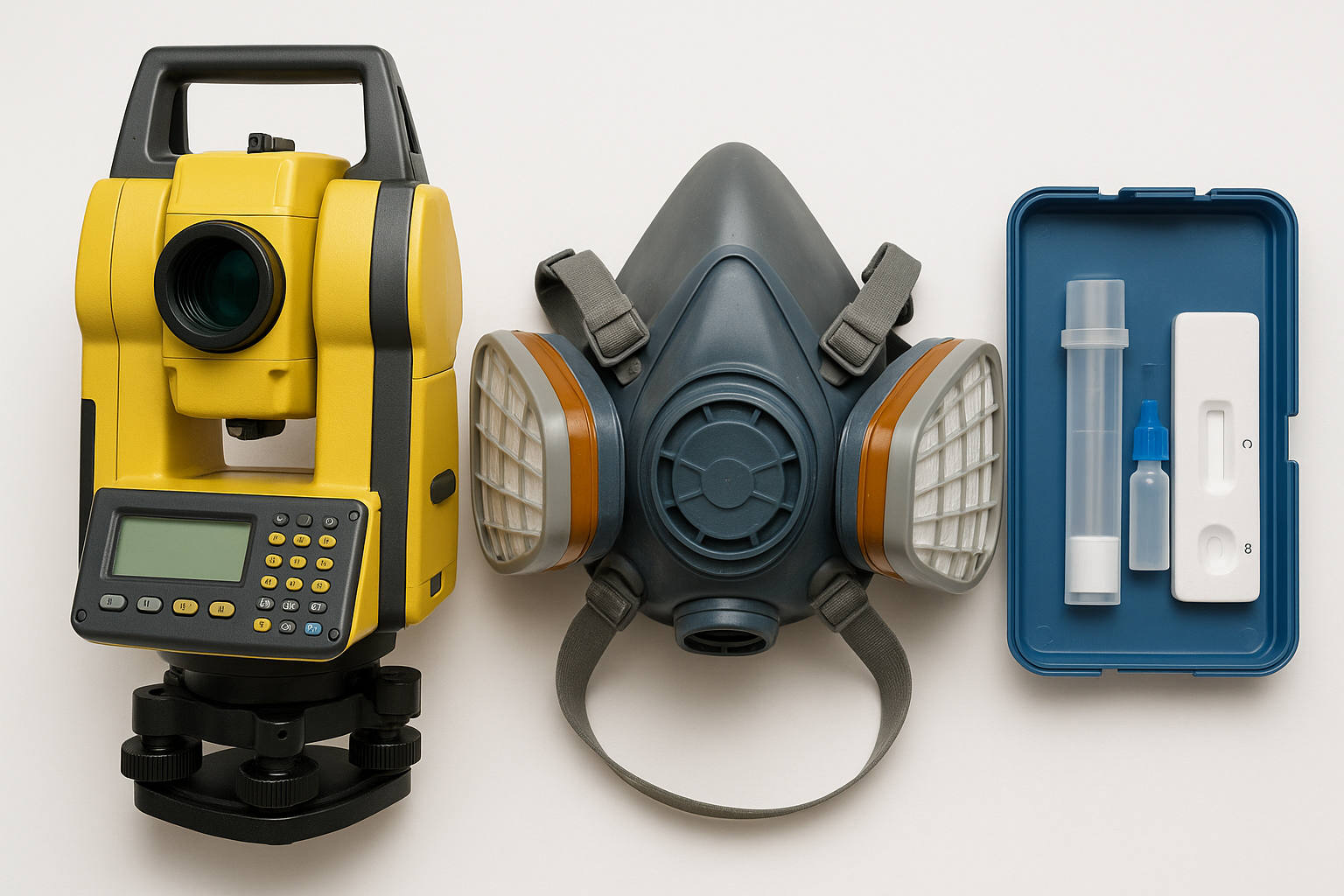
For homeowners in domestic properties, a professional survey is strongly recommended but not legally mandated in the same way. If you want an initial indication before commissioning a full survey, an asbestos testing kit allows you to take a small sample yourself and send it to an accredited laboratory for analysis.
If you go this route, follow the instructions precisely. Wear the protective equipment provided, dampen the area before sampling to minimise fibre release, and do not attempt to take a large or intrusive sample. The goal is a small, controlled sample — not a DIY investigation that creates more risk than it resolves.
Our sample analysis service provides UKAS-accredited laboratory results, giving you a definitive answer on whether asbestos is present in the material you have submitted.
Option 3: Professional Asbestos Testing
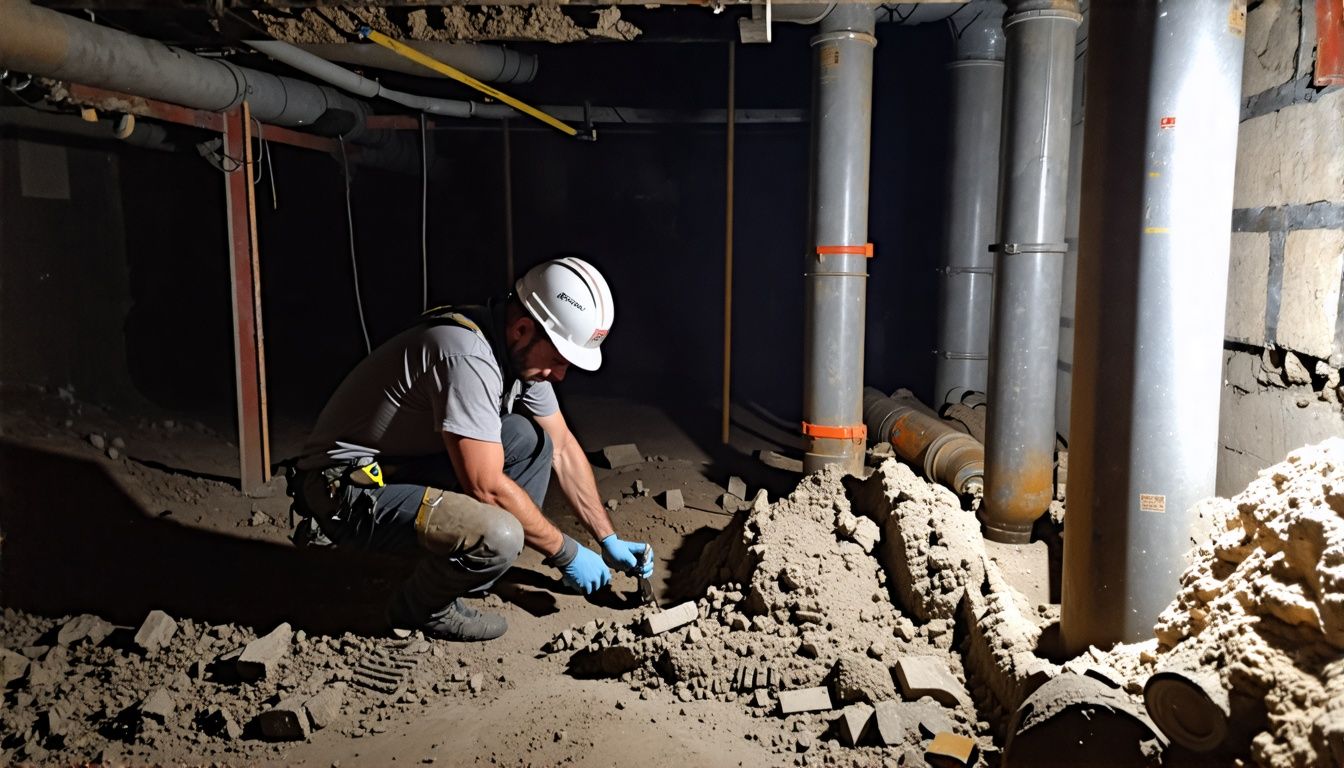
If you would rather have a professional take the sample but do not yet need a full survey, standalone asbestos testing is available. A technician visits the property, takes the sample under controlled conditions, and submits it for laboratory analysis.
This is a sensible middle ground for domestic properties where you have specific concerns about a ceiling or coating. You get a professional, defensible result without the full scope and cost of a survey.
What Should You Do If Asbestos Is Found in Your Ceiling?
Finding asbestos in a textured ceiling does not automatically mean it needs to be removed. In many cases, the safest course of action is to leave it in place and manage it carefully. The right response depends on the condition of the material and what you plan to do with the building.
Leave It and Manage It
If the ceiling is in good condition, not damaged, and not at risk of disturbance, HSE guidance is clear: managing it in place is often preferable to removal. Removal itself creates a disturbance risk, and a well-maintained ceiling that is monitored and recorded poses minimal day-to-day risk to occupants.
For non-domestic premises, this means recording the material in your asbestos register, assessing its condition, and arranging periodic re-inspection survey visits to monitor any changes over time. The Control of Asbestos Regulations require duty holders to review their management plan regularly — a re-inspection survey is the practical mechanism for doing so.
Encapsulation
Where the ceiling is in fair condition but showing early signs of deterioration, encapsulation — sealing the surface with a specialist coating — can stabilise the material and reduce fibre release risk. This must be carried out by a competent contractor familiar with asbestos work.
Encapsulation is not a permanent solution in all circumstances, but it can significantly extend the safe life of a managed ACM and buy time before more significant intervention is needed. It should always be followed up with continued monitoring and regular condition assessments.
Removal
Removal is necessary when the ceiling is significantly damaged, when major refurbishment work requires it, or when the building is being demolished. Asbestos removal from textured coatings is notifiable non-licensed work (NNLW) in most circumstances, which means it must be notified to the HSE and carried out by contractors with appropriate competence and controls in place.
Our asbestos removal service connects you with appropriately qualified contractors who operate in full compliance with the Control of Asbestos Regulations and HSE guidance.
Never attempt to remove a textured ceiling yourself if you suspect it contains asbestos. Dry scraping or sanding an asbestos-containing coating is one of the most effective ways to release large quantities of fibres into the air — and into your lungs.
Legal Obligations for UK Property Owners and Managers
For those managing non-domestic premises, the legal position is unambiguous. The Control of Asbestos Regulations impose a duty to manage asbestos on anyone responsible for the maintenance or repair of non-domestic premises. This includes commercial landlords, facilities managers, housing associations managing communal areas, and employers with responsibility for their premises.
The duty to manage requires you to:
- Identify whether ACMs are present in your building
- Assess the condition of any ACMs found
- Produce and maintain a written asbestos management plan
- Ensure the information is accessible to anyone who might disturb the materials
- Review and update the plan regularly
Failure to comply is a criminal offence. The Health and Safety Executive enforces the Regulations and can prosecute duty holders who have not taken reasonable steps to identify and manage asbestos in their buildings.
For domestic properties, while the formal duty to manage does not apply in the same way, homeowners still have a responsibility not to expose others to asbestos risks — particularly when employing tradespeople or contractors. Informing contractors of known or suspected ACMs before they begin work is not just good practice; it is a basic duty of care.
What About Tradespeople Working on Textured Ceilings?
Plasterers, electricians, painters, and decorators are among the trades most likely to disturb textured ceilings in the course of their work. Any tradesperson working in a property built before 2000 should treat all textured coatings as potentially containing asbestos until proven otherwise.
This is not overcaution — it is the standard recommended by the HSE and embedded in HSG264. Tradespeople have a legal duty to protect themselves and others from asbestos exposure, and that duty begins with not disturbing suspect materials without first establishing whether they contain asbestos.
If you are a contractor working in London and need prompt professional assessment before a job begins, our asbestos survey London service provides rapid, qualified support across the capital.
Practical Steps to Take Right Now
If you have a textured ceiling in a property built or refurbished before 2000 — and especially one installed around 1990 — here is what to do:
- Do not disturb the ceiling. Avoid drilling, sanding, scraping, or any work that might damage the surface until you know what you are dealing with.
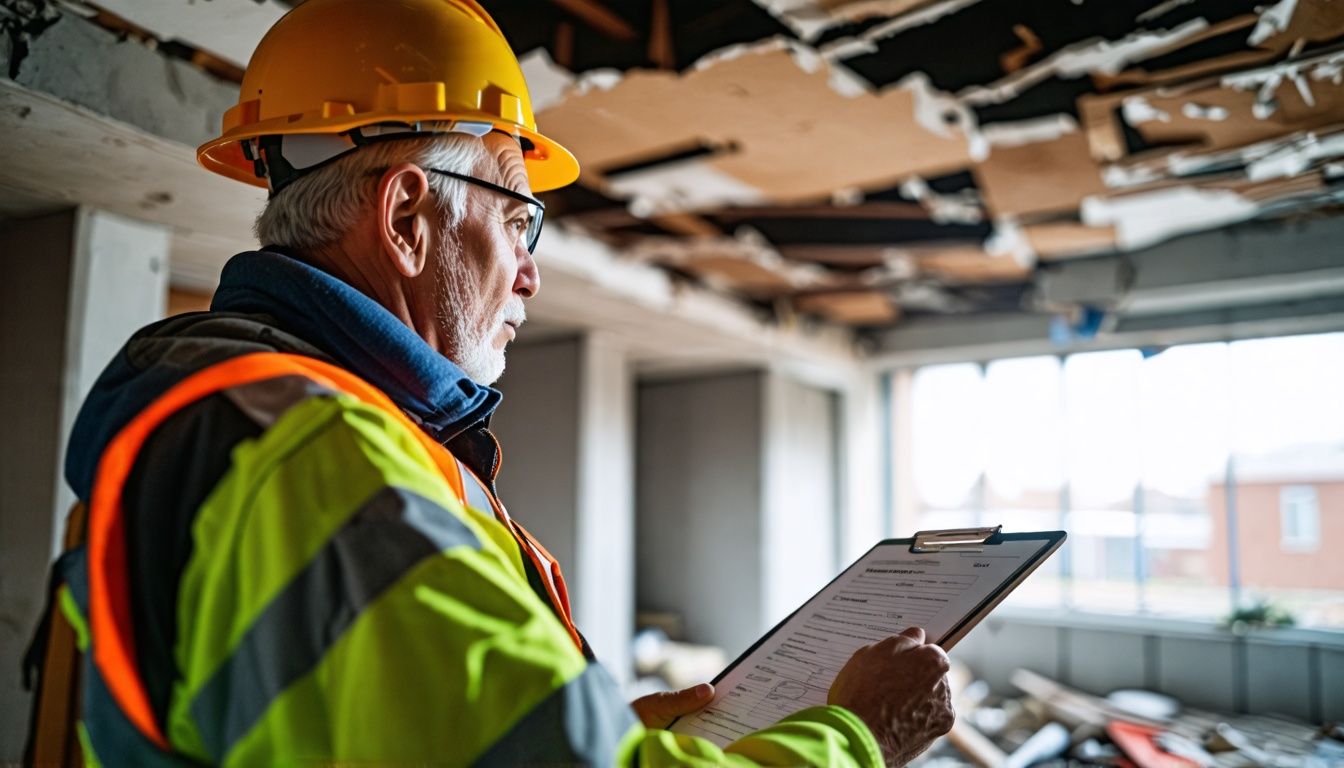
- Assess the condition visually. Look for cracks, water staining, flaking, or areas where the coating is coming away. These are warning signs that warrant urgent professional attention.
- Arrange testing or a survey. For domestic properties, an asbestos testing service or a DIY testing kit will give you a laboratory-confirmed answer. For non-domestic premises, commission a management survey immediately if one is not already in place.
- Record what you find. Whether asbestos is present or not, keep a written record. For non-domestic premises, this feeds directly into your asbestos register.
- Take action based on condition. If asbestos is confirmed, work with a qualified professional to determine whether the material should be managed in place, encapsulated, or removed.
Frequently Asked Questions
Do all popcorn ceilings installed in 1990 contain asbestos?
Not necessarily. By 1990, many manufacturers had already reformulated their textured coating products to remove chrysotile (white asbestos). However, products containing asbestos were still in circulation, and not all manufacturers made the switch at the same time. A 1990 ceiling sits in an uncertain period — the only way to know for certain is to have a sample tested by an accredited laboratory.
Is it safe to live in a house with an asbestos popcorn ceiling?
If the ceiling is in good condition and is not being disturbed, the risk from day-to-day living is generally considered low. Asbestos fibres only become a health risk when they are released into the air. However, you should have the ceiling tested so you know what you are dealing with, and you should monitor its condition regularly. Any signs of damage, flaking, or water staining should be assessed by a professional promptly.
Can I remove a 1990 popcorn ceiling myself if it contains asbestos?
No. You should never attempt to remove a textured ceiling yourself if it is confirmed or suspected to contain asbestos. Scraping or sanding an asbestos-containing coating releases fibres into the air, creating a serious inhalation risk. Removal must be carried out by a competent contractor following the requirements of the Control of Asbestos Regulations, and in many cases must be notified to the HSE before work begins.
What is the difference between a management survey and a demolition survey for a textured ceiling?
A management survey is a standard inspection used to locate and assess ACMs that might be disturbed during normal occupancy or routine maintenance. A demolition survey is a more intrusive investigation required before any refurbishment or demolition work that will disturb the fabric of the building — including ceiling removal. If you are planning to remove a textured ceiling, a demolition survey is legally required before work begins.
How much does it cost to test a popcorn ceiling for asbestos in the UK?
Costs vary depending on the route you choose. A DIY testing kit with laboratory analysis is the most cost-effective option for homeowners wanting an initial answer. Professional sampling by a qualified technician costs more but provides a defensible, professionally documented result. A full management survey covers the whole property and is the appropriate route for non-domestic premises. Contact Supernova Asbestos Surveys for a quote tailored to your property and circumstances.
Get Professional Advice from Supernova Asbestos Surveys
Supernova Asbestos Surveys has completed over 50,000 surveys across the UK. Whether you need a laboratory test to determine whether your 1990 popcorn ceiling contains asbestos, a full management survey for a commercial property, or guidance on the right course of action after a positive result, our qualified surveyors are ready to help.
Do not wait until a ceiling is damaged or a contractor disturbs it. Get clarity now, while the risk is still manageable.
Call us on 020 4586 0680 or visit asbestos-surveys.org.uk to book a survey, order a testing kit, or speak to a member of our team.