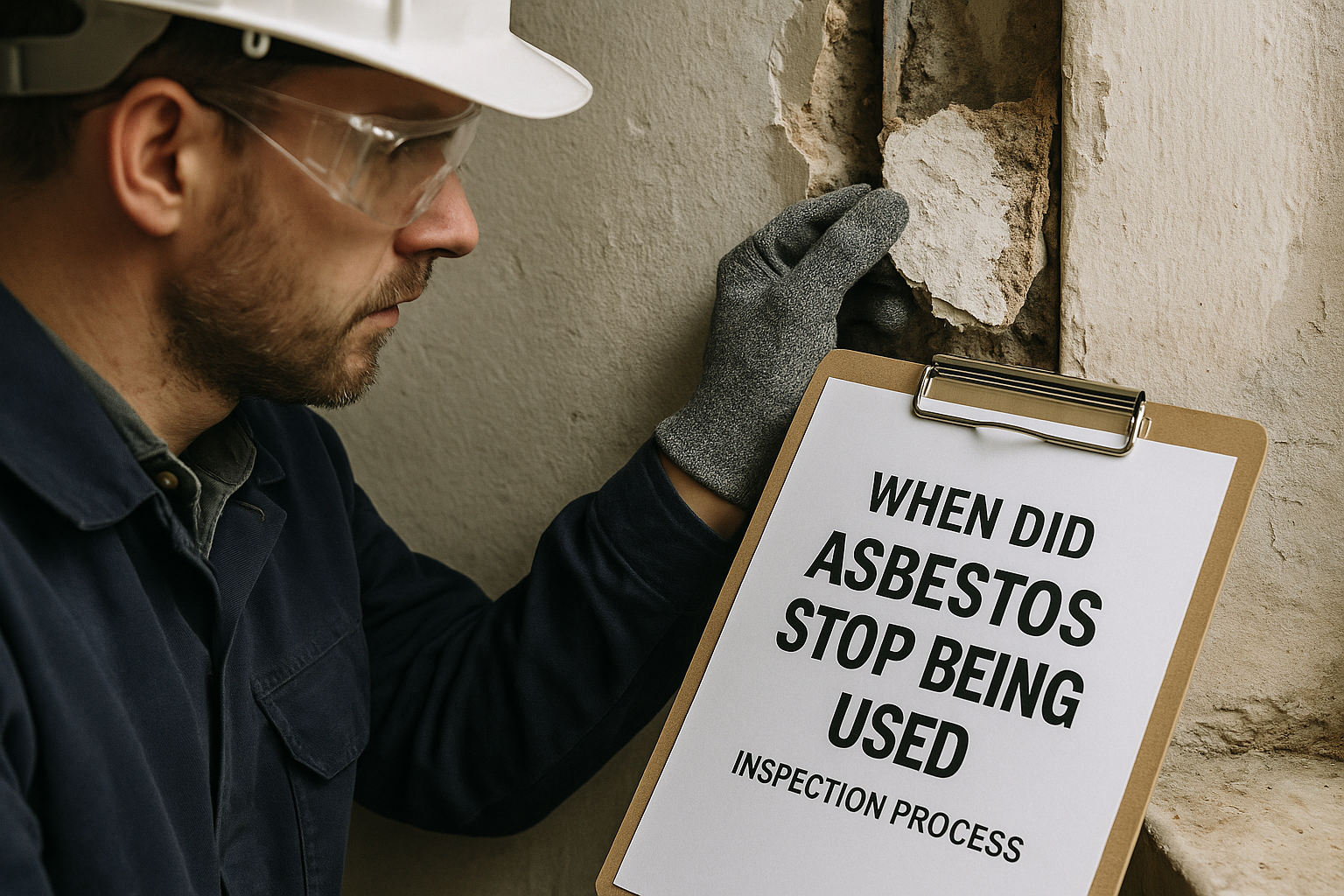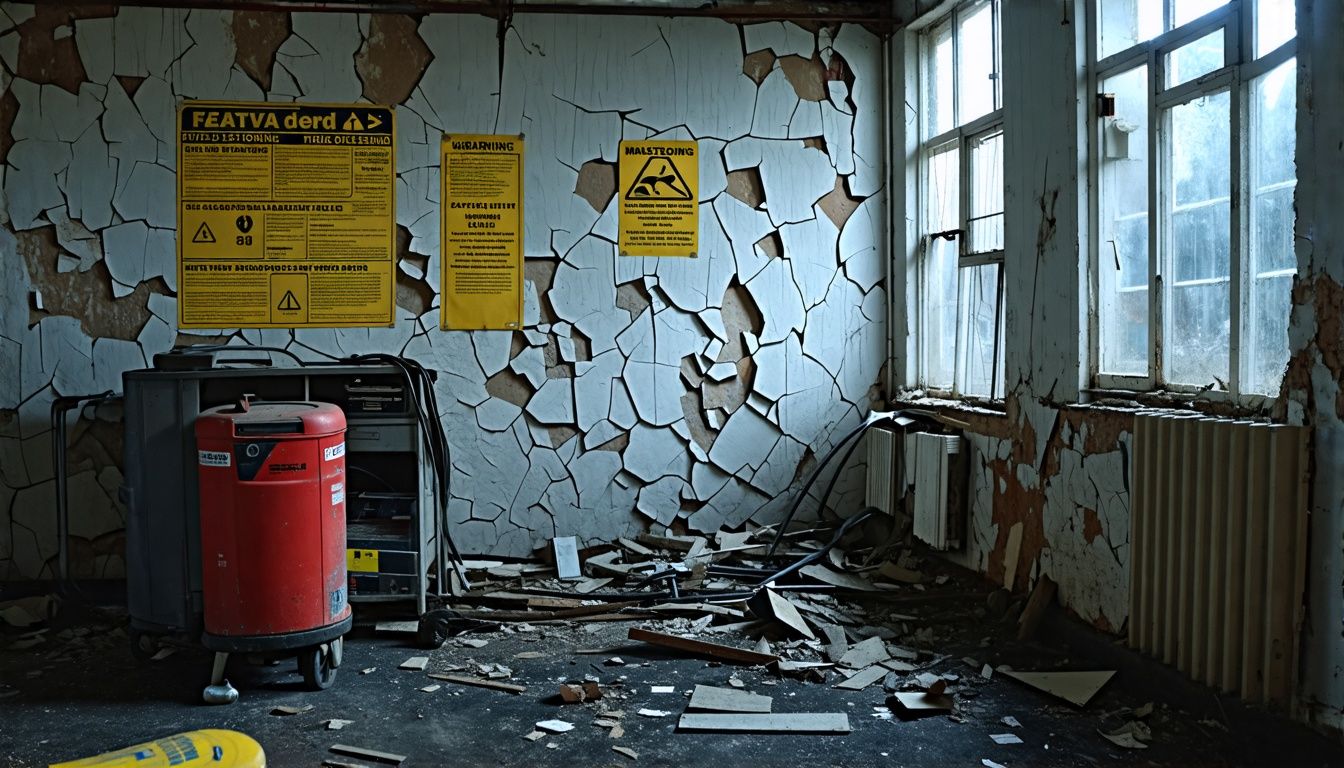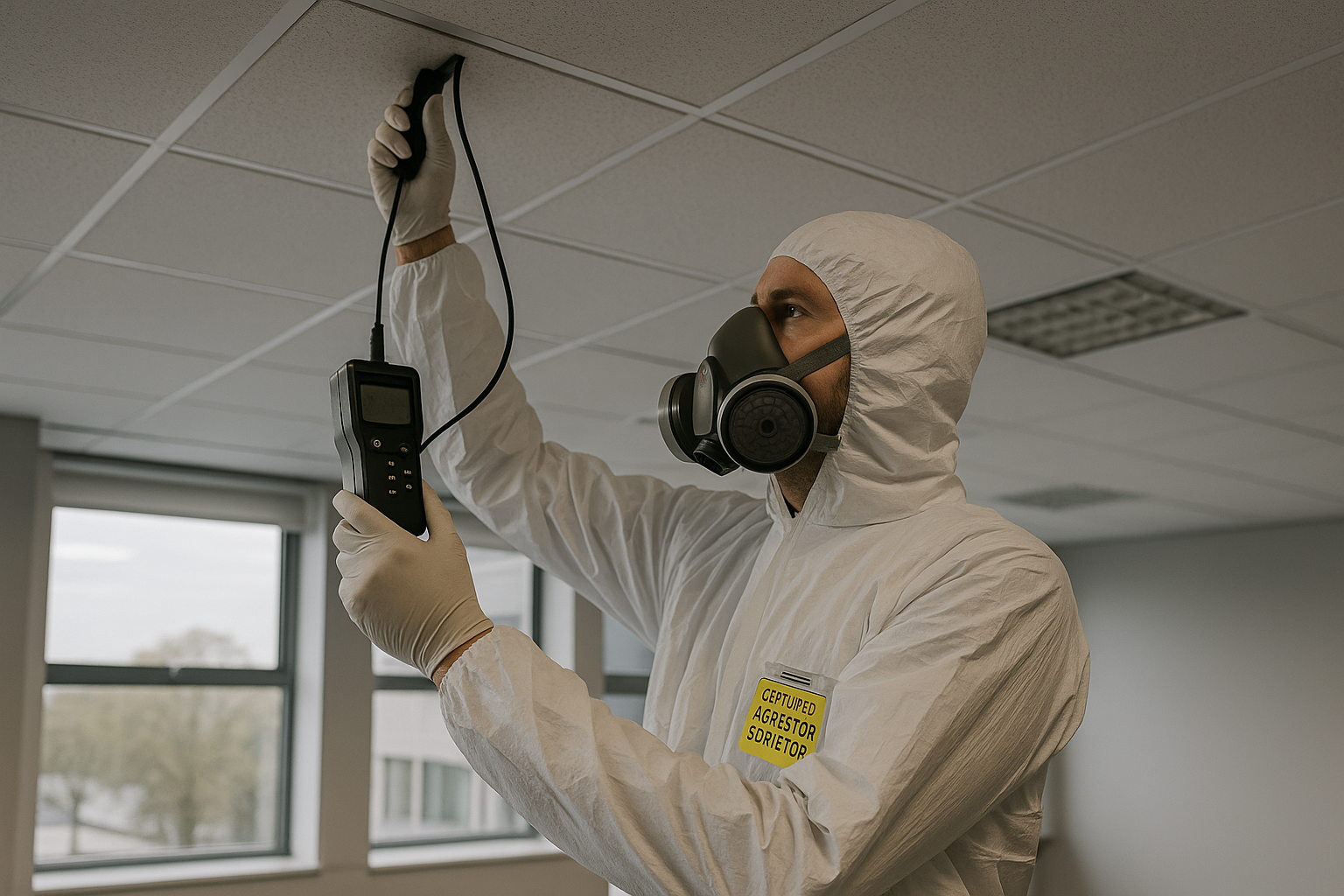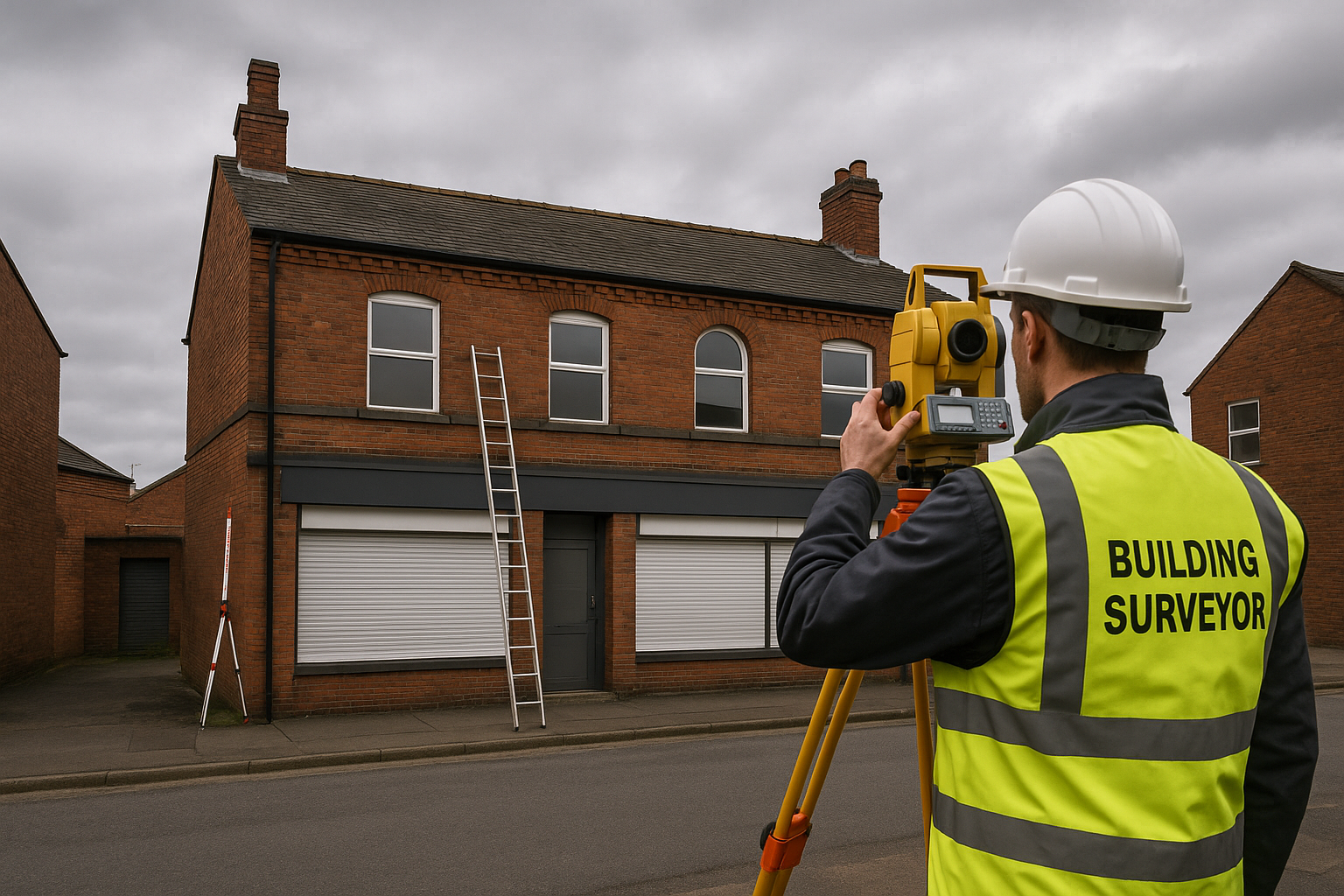
Asbestos may be banned in the UK, but the question what countries still use asbestos is not just a point of curiosity. It affects procurement, refurbishment planning, imported materials, and the wider risk picture for anyone responsible for buildings. For UK property managers, landlords and dutyholders, the global position helps explain why asbestos remains a live compliance issue even where new use has stopped.
Britain imported asbestos for decades and used it extensively in construction, plant and industrial products. That legacy is now managed under the Control of Asbestos Regulations, supported by HSE guidance and survey standards set out in HSG264. So while the UK no longer permits new use, asbestos remains present in many existing premises and still appears in parts of the global market.
What countries still use asbestos today?
If you are asking what countries still use asbestos, the short answer is that asbestos has not been fully banned worldwide. Some countries still mine chrysotile asbestos, some still import it, and others continue to allow it in certain products or sectors.
The position changes over time, and legal frameworks can tighten quickly. Even so, countries often identified as still allowing some form of asbestos use have included Russia, Kazakhstan, China, India, Indonesia, Vietnam and Thailand, alongside other jurisdictions where restrictions, enforcement or phase-out measures vary.
Most ongoing use is linked to chrysotile, sometimes promoted as suitable for controlled use. That argument is not accepted by mainstream occupational health guidance. In real workplaces, control measures are often inconsistent, and the risk of exposure during manufacture, installation, maintenance, damage and demolition remains a serious concern.
- Russia – a major producer and exporter of chrysotile
- Kazakhstan – another significant chrysotile-producing country
- China – historical production and use in manufacturing and industry
- India – a major importer, especially for asbestos-cement materials
- Indonesia – long associated with asbestos imports and use
- Vietnam – asbestos has remained present in some sectors
- Thailand – restrictions have existed, but not always a full ban
If you need certainty for due diligence, supply chain checks or procurement decisions, do not rely on a static list. Check the current legal position in the relevant jurisdiction and review product documentation properly.
Why some countries still use asbestos
The reason what countries still use asbestos remains such a common search is simple: asbestos was cheap, durable, heat resistant and widely used for decades. In lower-cost construction markets, those characteristics have continued to attract manufacturers and buyers, particularly for cement-based products.
Asbestos-cement roofing sheets, wall panels, pipes and industrial components have often remained in use because they are familiar and relatively inexpensive. Where domestic mining or manufacturing exists, the commercial pressure to continue can be strong.
Main drivers behind continued use
- Low cost compared with substitute materials
- Established factories and supply chains
- Domestic chrysotile mining industries
- Weak enforcement of workplace protections
- Claims that chrysotile can be used safely under strict controls
- Slow movement from partial restriction to full prohibition
That last point matters. A country may recognise asbestos as hazardous but still take years to move from limited controls to a complete ban. During that gap, workers, contractors and occupants can still be exposed.
For UK businesses buying overseas products, practical caution is essential. If the origin, composition or certification of a material is unclear, do not make assumptions.
Countries that still mine or export asbestos
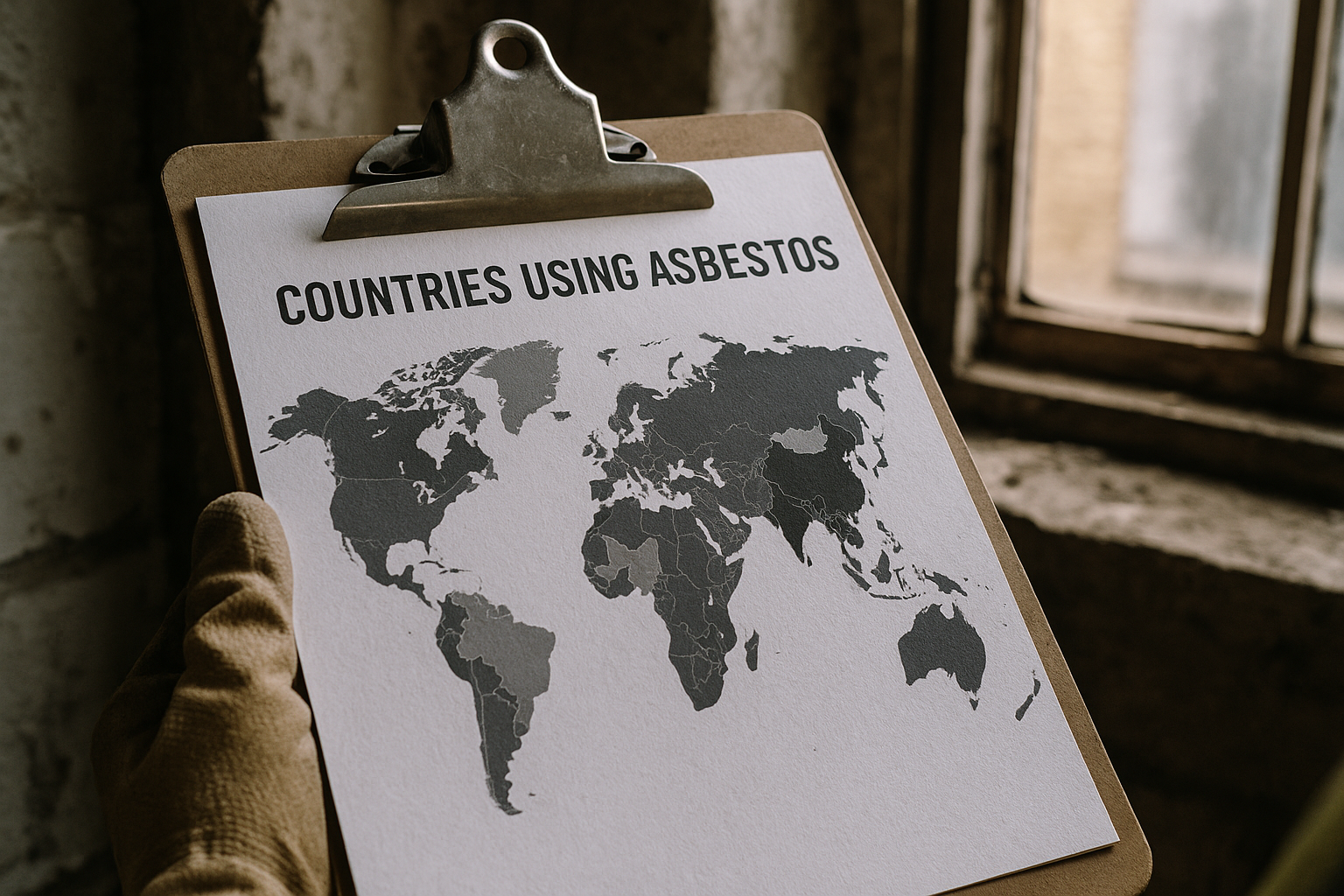
When looking at what countries still use asbestos, mining and export are central to the picture. Global production is far more concentrated than it once was, but a handful of producing countries have helped keep asbestos in international trade.
Russia
Russia is one of the most prominent answers to what countries still use asbestos. It has long been one of the world’s largest producers of chrysotile and has exported to overseas markets for many years.
That matters beyond Russia itself. A strong export industry helps maintain supply to manufacturers in countries where asbestos use continues, especially in building materials and industrial products.
Kazakhstan
Kazakhstan is another major producer. It has substantial chrysotile reserves and has remained part of the export market, which means it plays a wider role in keeping asbestos available internationally.
For anyone tracking global asbestos use, Kazakhstan matters not only because of domestic activity but because it supports ongoing manufacturing elsewhere.
Other producing nations
The wider picture can change as mines open, close or reduce output. Production is now concentrated in fewer places, but where mining continues it tends to support both local use and export-led demand.
That is one reason asbestos has not disappeared from the world economy, even though many countries have banned it outright.
Countries that still import or manufacture with asbestos
Mining is only part of the story behind what countries still use asbestos. Importing and manufacturing are just as relevant, particularly where asbestos-cement products remain common.
India
India is frequently cited in discussions about what countries still use asbestos. It has been one of the largest importers of asbestos, with asbestos-cement roofing sheets and related construction products widely used in parts of the market.
The commercial appeal has often been cost. The health concern is exposure during manufacturing, installation, maintenance, breakage, repair and demolition.
China
China has a significant history of asbestos production and use. Controls have developed over time, but asbestos has remained present in some industrial and manufacturing settings.
As with many large economies, the practical picture is complex. National policy, regional enforcement, industrial demand and legacy buildings do not always move at the same pace.
Indonesia, Vietnam and Thailand
These countries have often appeared in discussions about ongoing asbestos use, especially in roofing and construction materials. The exact position can shift, but they are regularly referenced when people ask what countries still use asbestos.
If you are sourcing products internationally, this is where proper due diligence matters. Review technical data, declarations, origin information and testing evidence rather than relying on labels or assumptions.
Countries that have banned asbestos
To understand what countries still use asbestos, it helps to set that against the many countries that no longer allow it. More than 60 countries have adopted some form of ban, although the scope and enforcement of those bans can differ.
Countries and regions that have moved to prohibit asbestos include:
- United Kingdom
- European Union member states
- Australia
- Canada
- South Africa
- Brazil
- Japan
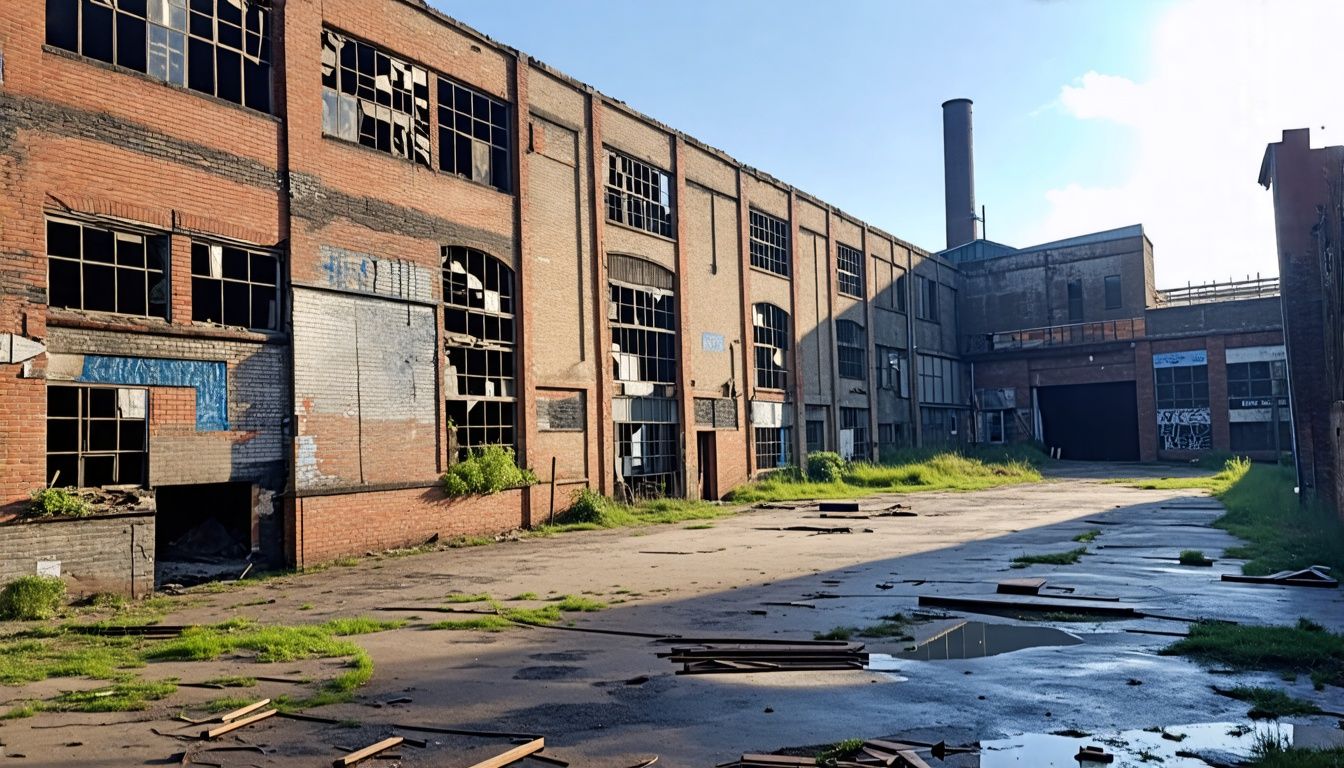
A ban on new use does not remove asbestos from the built environment. Older buildings, industrial sites, plant, equipment and contaminated land can still present a risk for decades. That is exactly the position in the UK.
The ban stopped new installation, but it did not remove asbestos from offices, schools, warehouses, factories, hospitals, retail units and housing built or refurbished before the prohibition took effect.
The UK position: banned, but still heavily managed
In Britain, asbestos is no longer used in new construction, but it remains a major compliance issue because so many existing buildings still contain asbestos-containing materials. That is why the question what countries still use asbestos should not distract from the practical question for dutyholders: where is asbestos in your building, what condition is it in, and how is it being managed?
Under the Control of Asbestos Regulations, those responsible for non-domestic premises must identify and manage asbestos risk. The duty is not automatic removal in every case. It is about proper assessment, recording, communication and control.
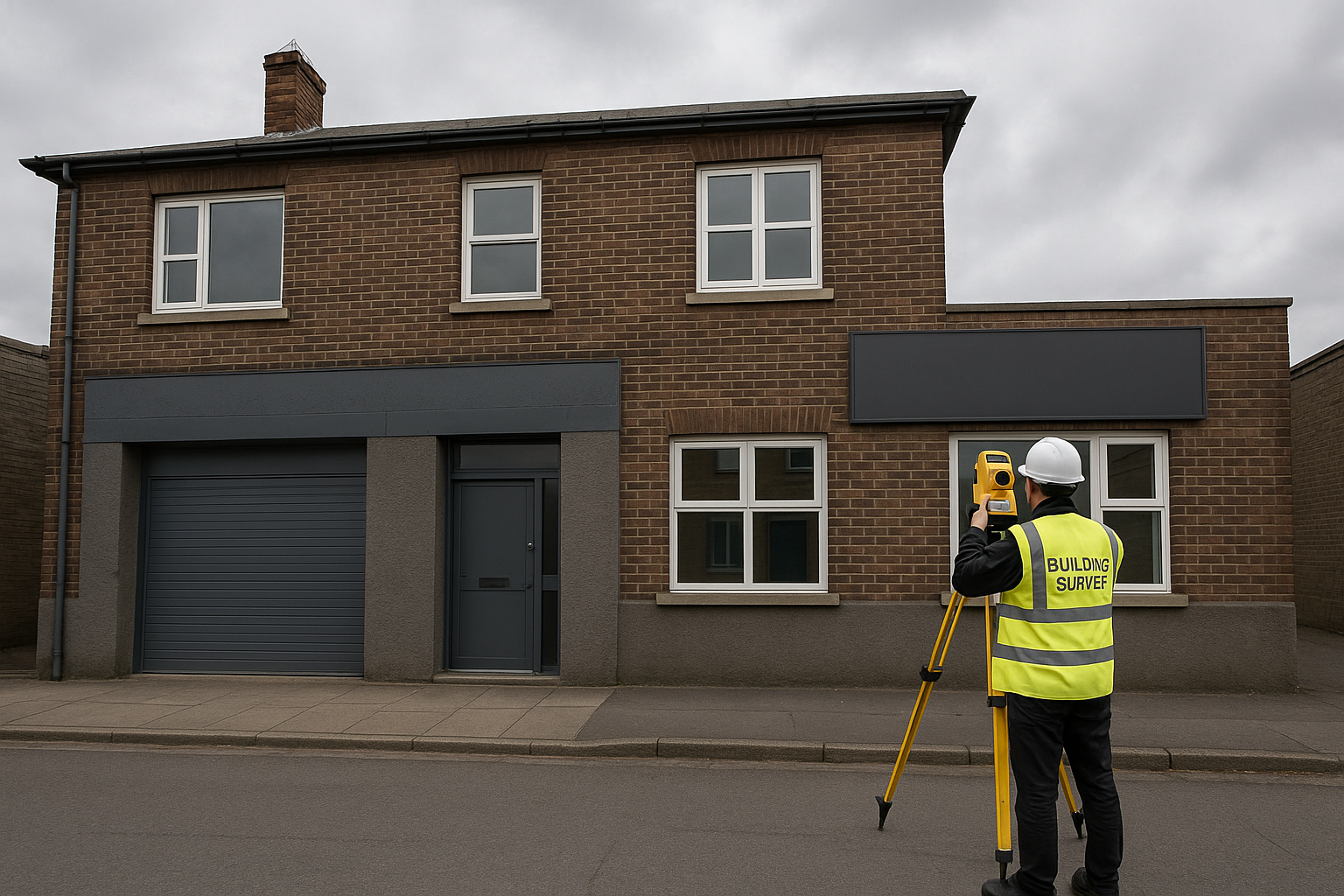
Survey work should follow HSG264, which sets out the purpose and standard of asbestos surveys. HSE guidance also makes clear that asbestos in good condition can sometimes be managed in place, provided it is properly identified, monitored and protected from disturbance.
What this means in practice
- Know whether asbestos is present
- Keep an up-to-date asbestos register
- Assess material condition and risk
- Review asbestos information regularly
- Control maintenance and refurbishment work
- Use competent contractors where required
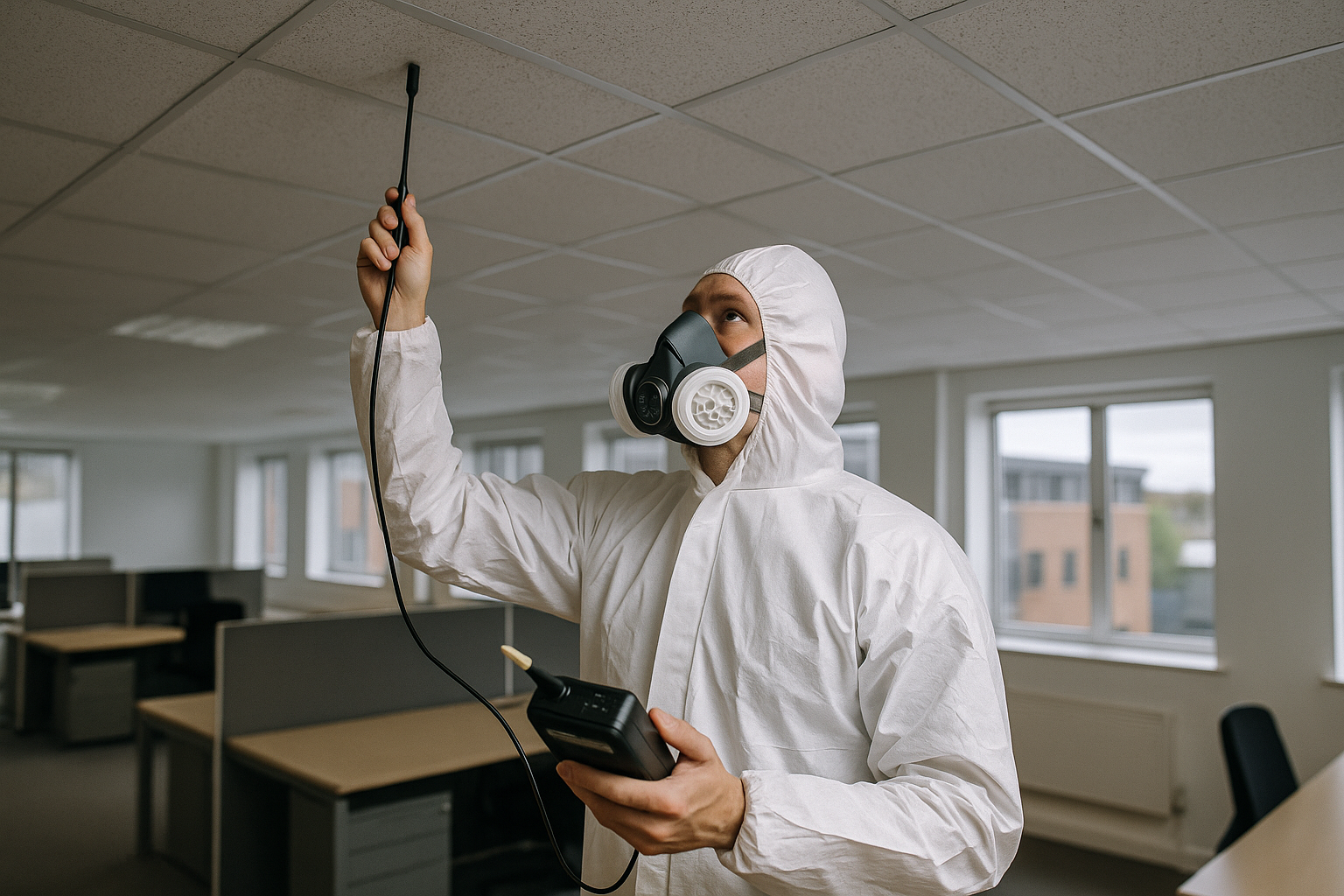
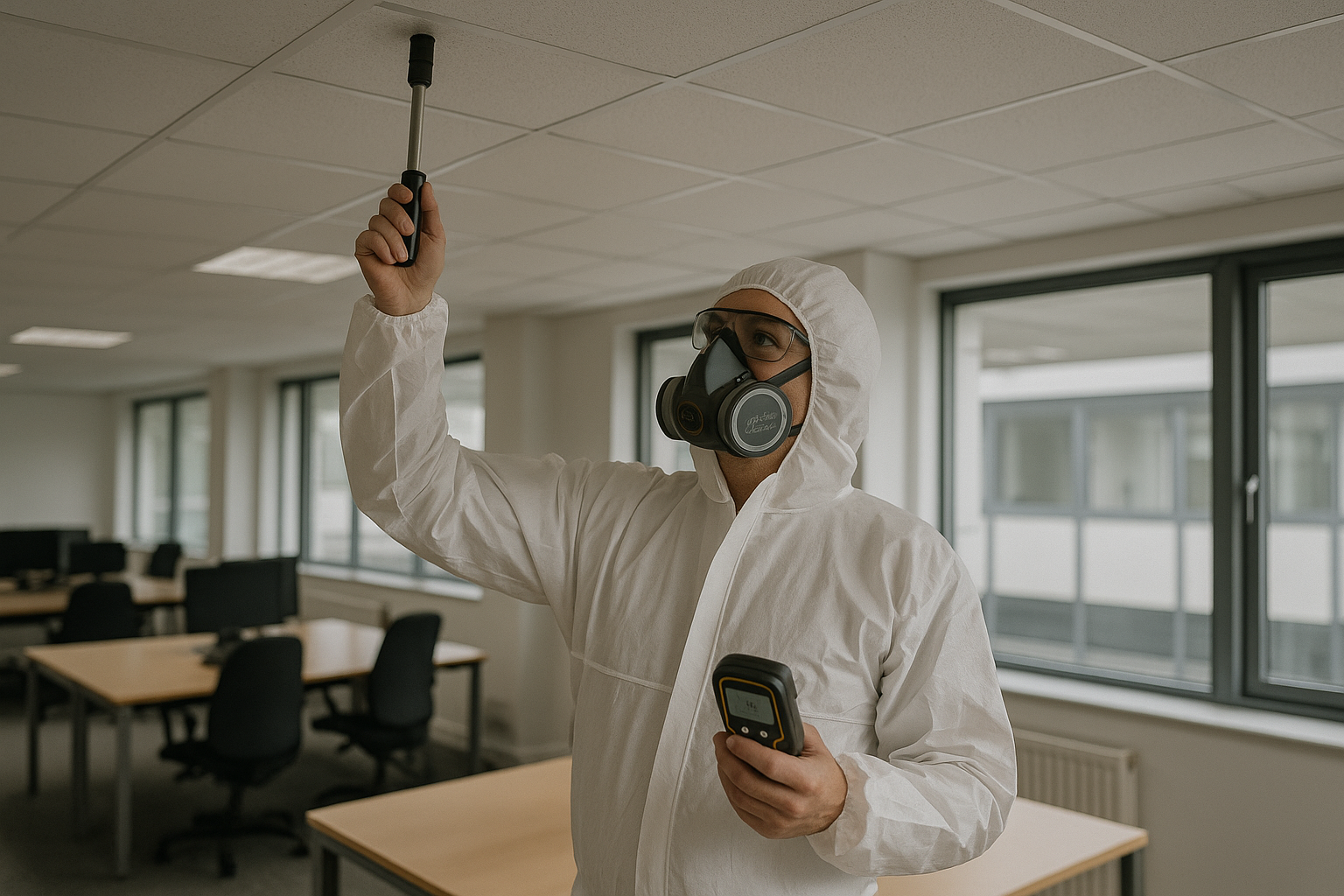
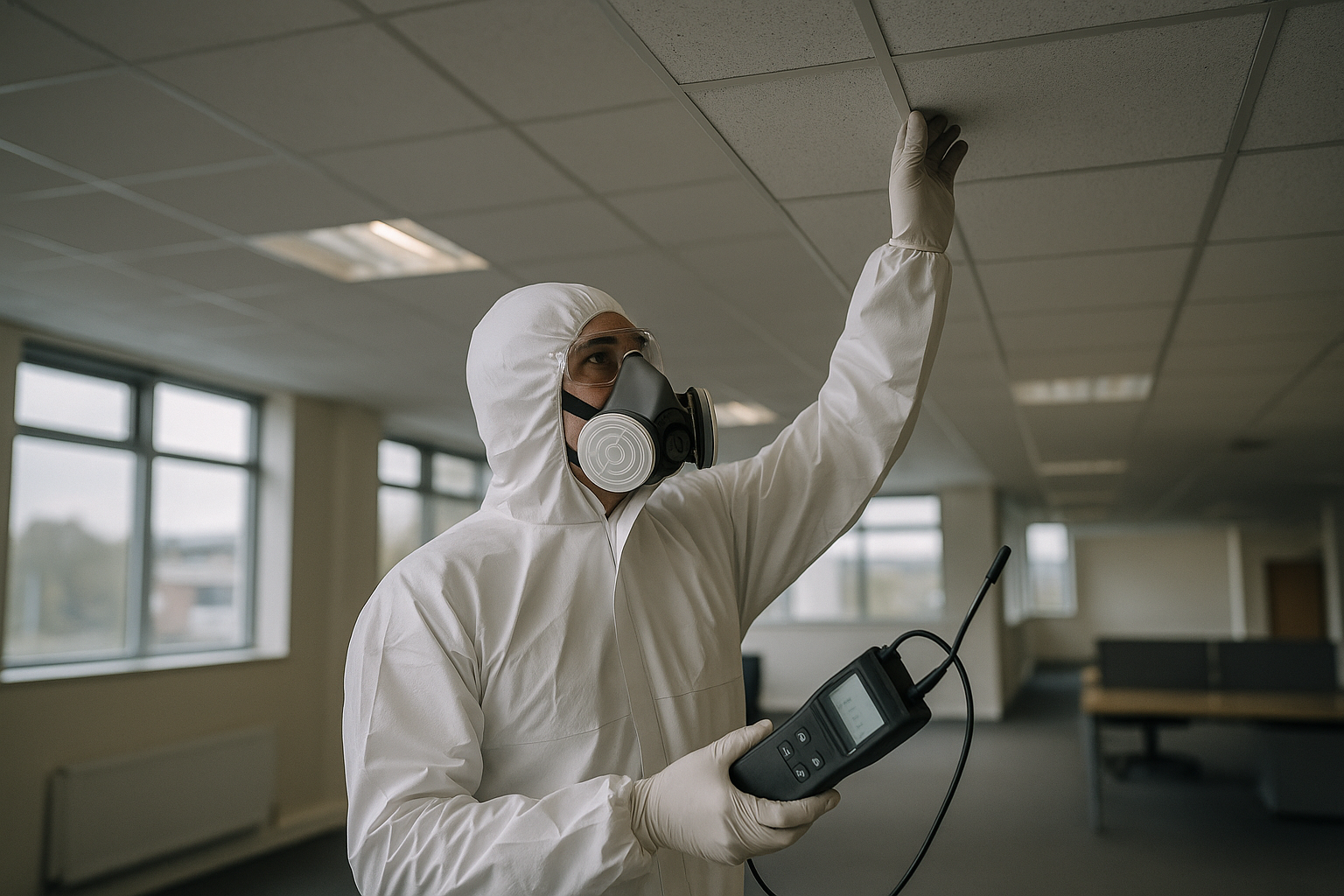
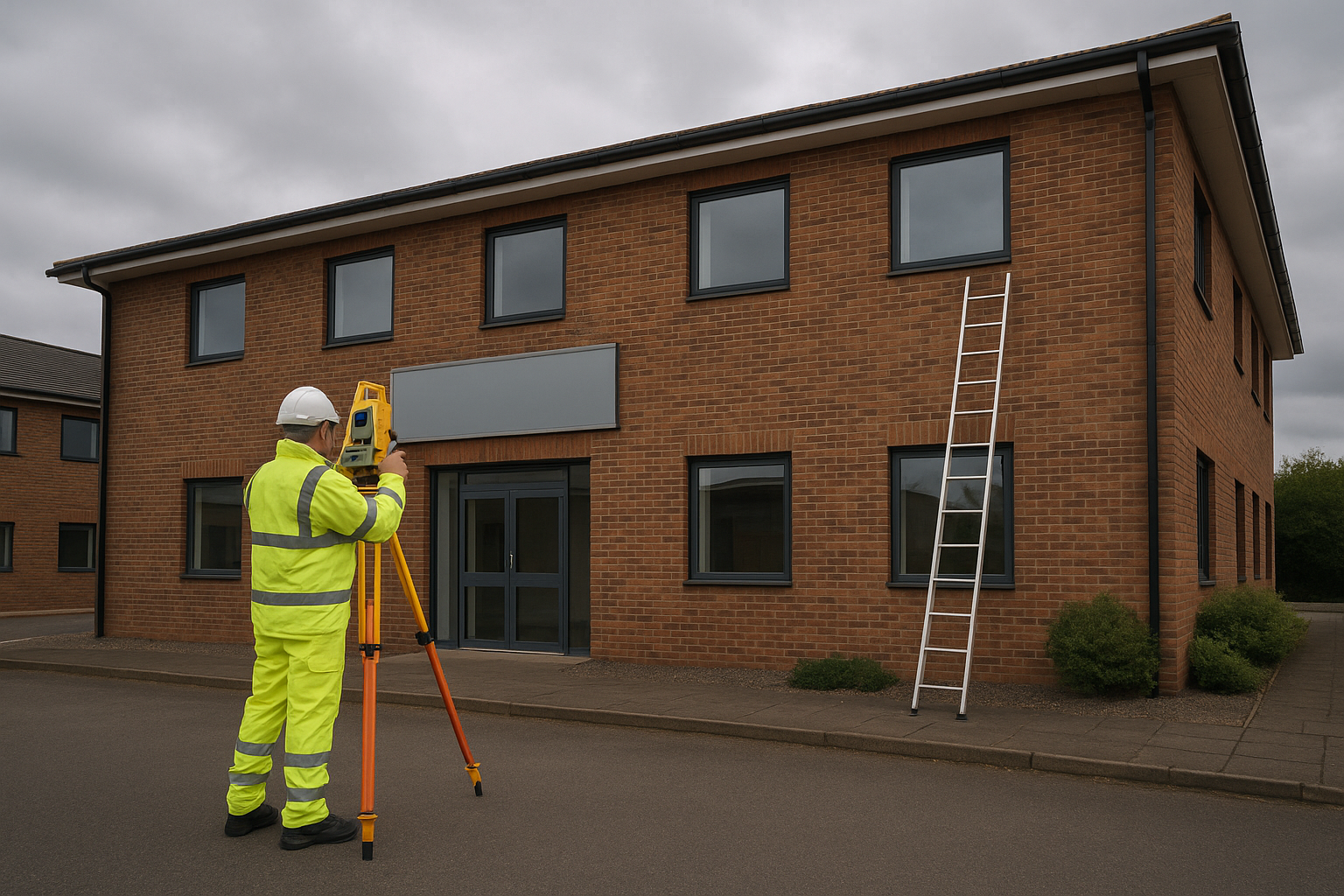
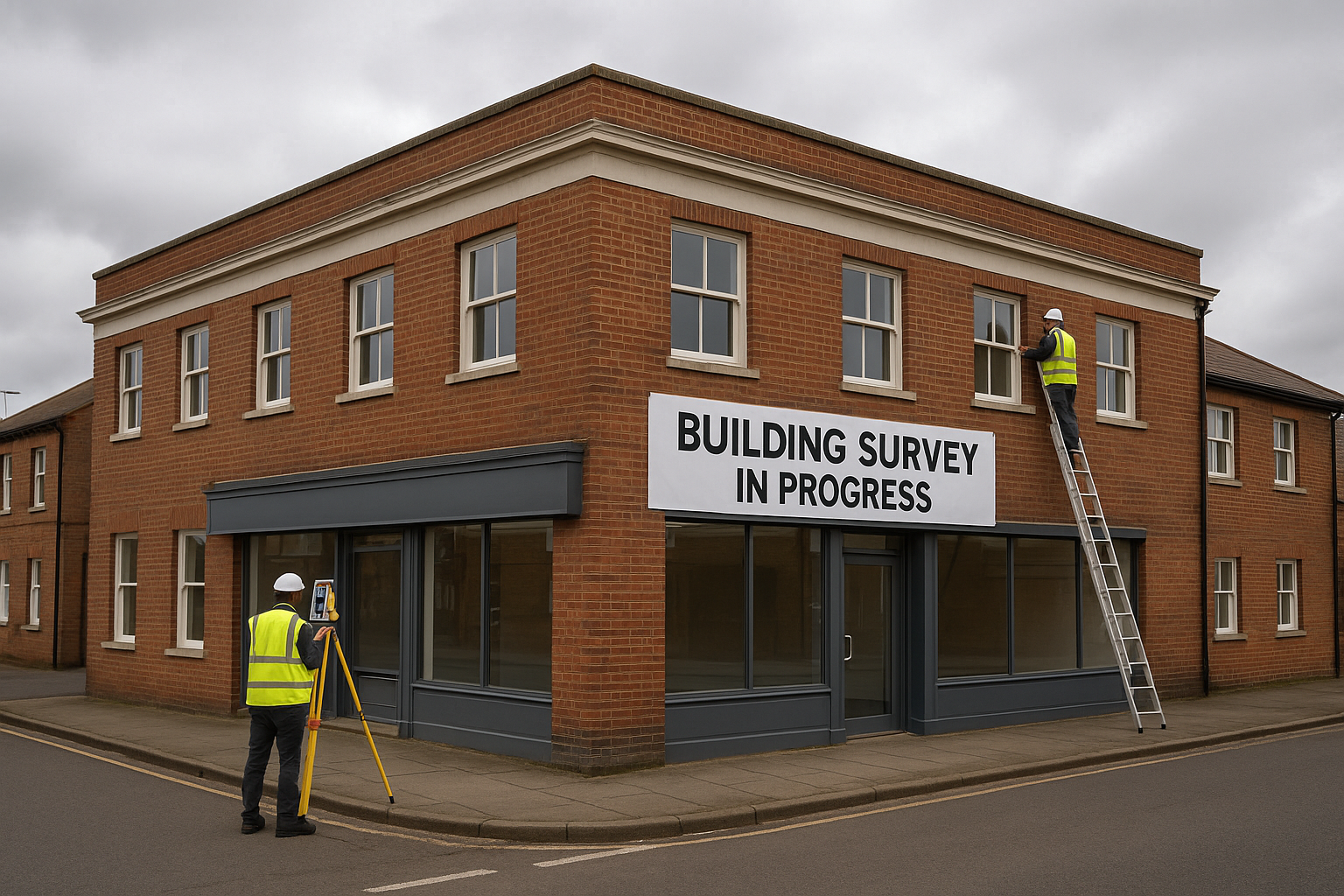
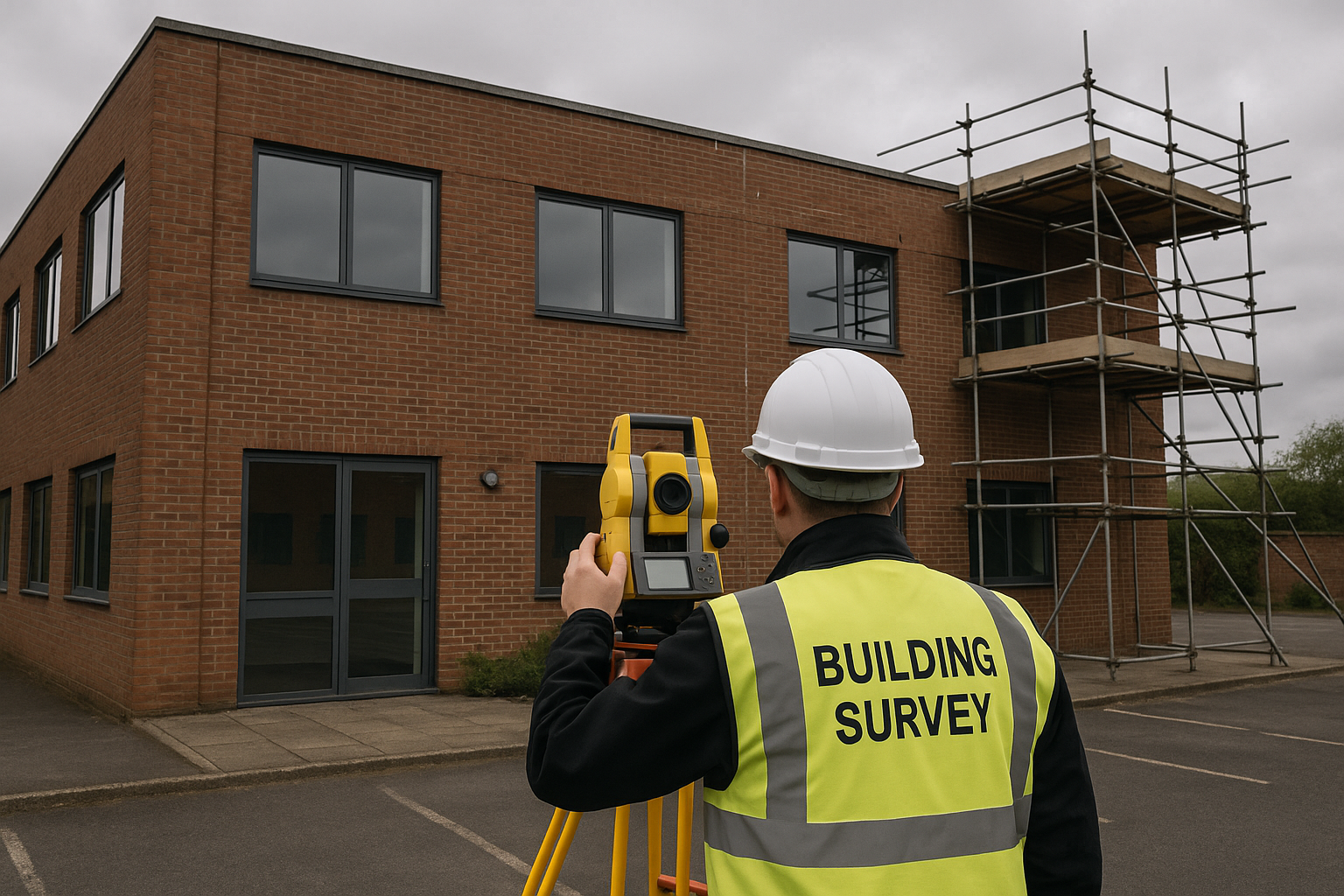
If you need to identify asbestos in an occupied building, a management survey is usually the starting point. It helps dutyholders locate likely asbestos-containing materials and manage them safely during normal occupation and routine maintenance.
Why global asbestos use still matters to UK property managers
There is a direct link between what countries still use asbestos and day-to-day building management in the UK. Even where domestic use has ended, international trade and historical imports still shape the materials found in British properties.
For decades, asbestos fibres and asbestos-containing products moved across borders in huge volumes. UK buildings incorporated materials sourced from overseas mines and manufacturers, then used them in everything from insulation board and pipe lagging to floor tiles, cement sheets, textured coatings and service risers.
Practical implications for UK buildings
- Older buildings may contain imported asbestos products – the age of the building matters more than the country of origin
- Refurbishment can expose hidden materials – asbestos is often concealed behind finishes, in voids and plant areas
- Imported plant or components may need checking – especially older machinery or undocumented stock
- Procurement teams should verify materials carefully – particularly where products come from markets with a known asbestos history
If you manage older premises, focus on what is actually in the building rather than assuming all risk sits overseas. The global story explains the background, but compliance starts with your own register, survey information and control measures.
Common products linked to asbestos use worldwide
When people ask what countries still use asbestos, they often picture mines or heavy industry. In reality, asbestos has been linked to a wide range of products, especially in markets where chrysotile use has continued.
Examples include:
- Asbestos-cement roofing sheets
- Wall cladding and partition boards
- Pipes and flues
- Brake and clutch components
- Gaskets and seals
- Thermal insulation materials
- Some fire-resistant textiles and specialist products
That does not mean every imported product contains asbestos. It means assumptions are risky, especially with older stock, undocumented materials or products from sectors with a known history of asbestos use.
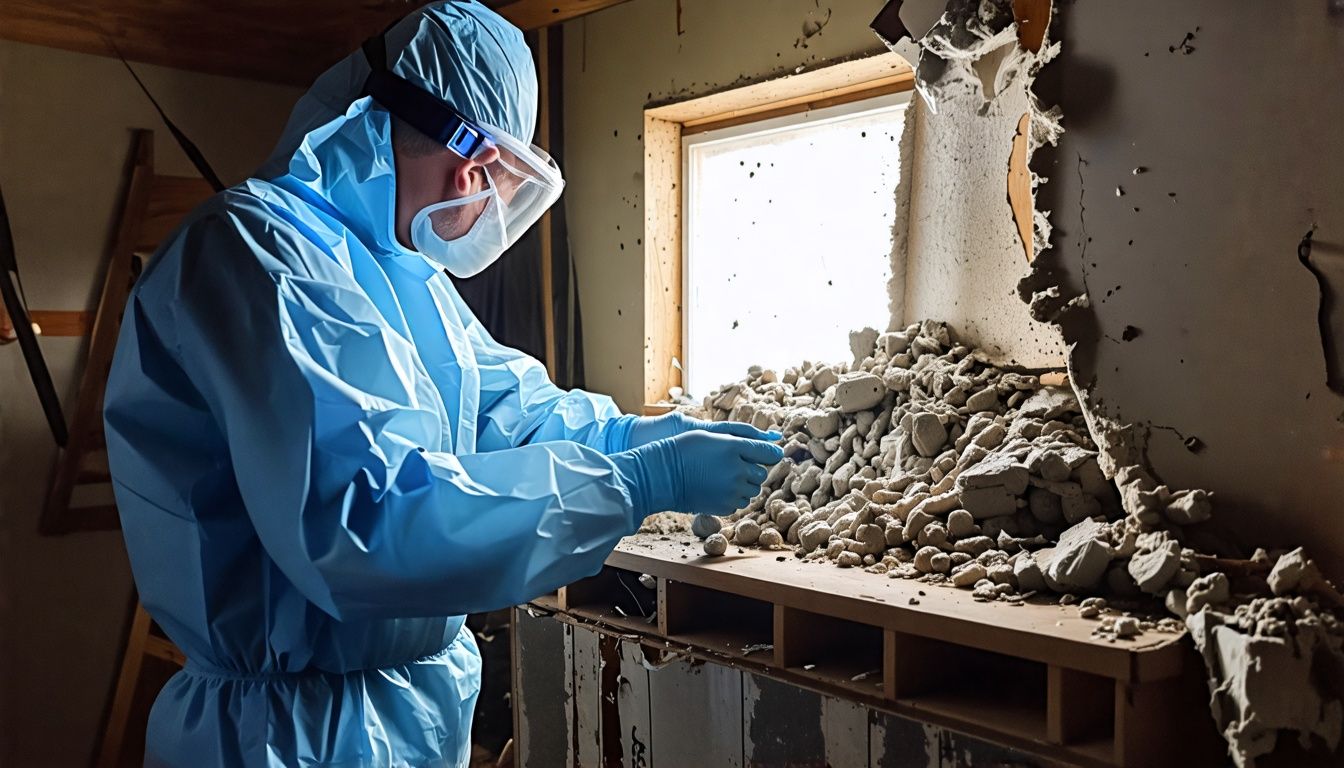
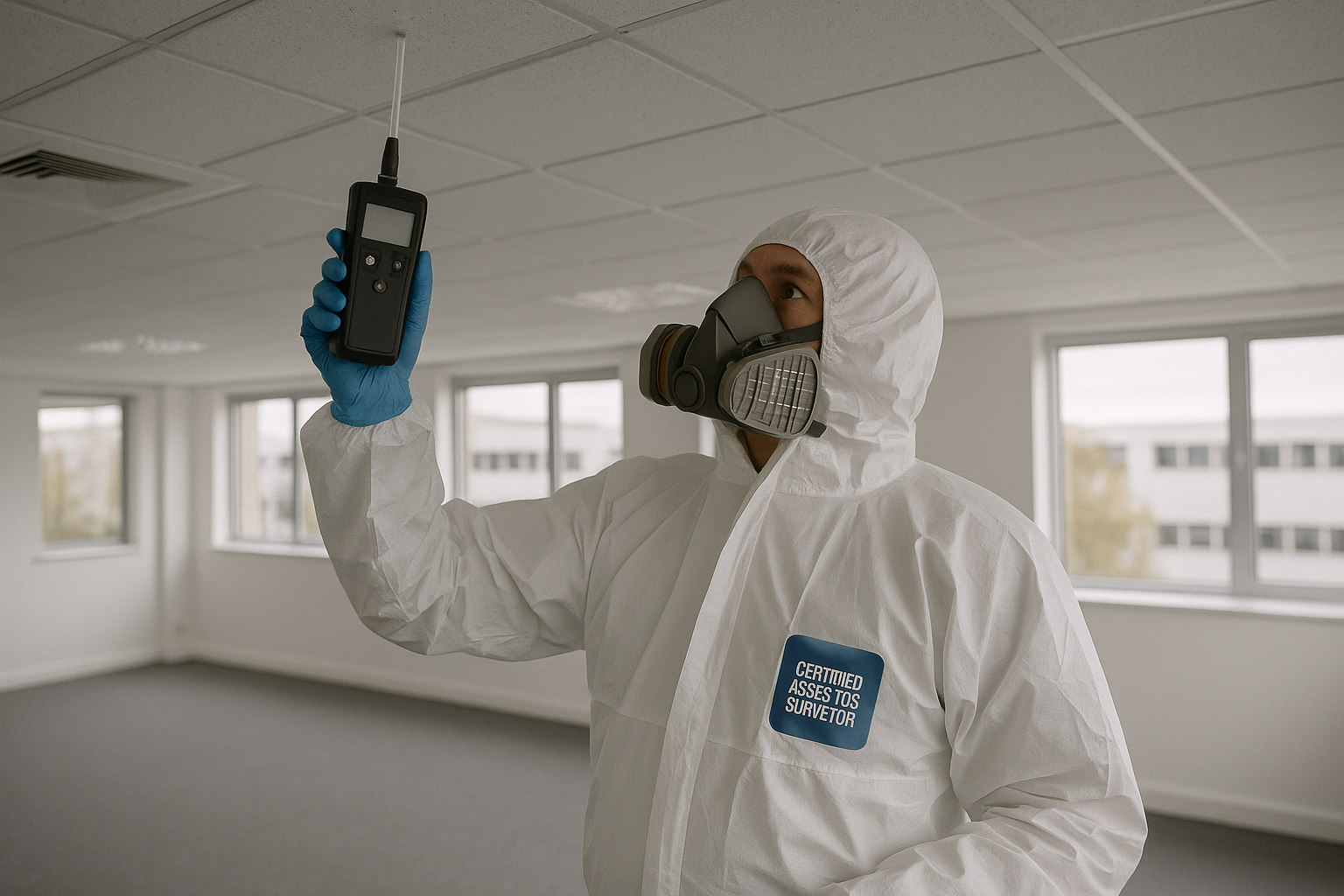
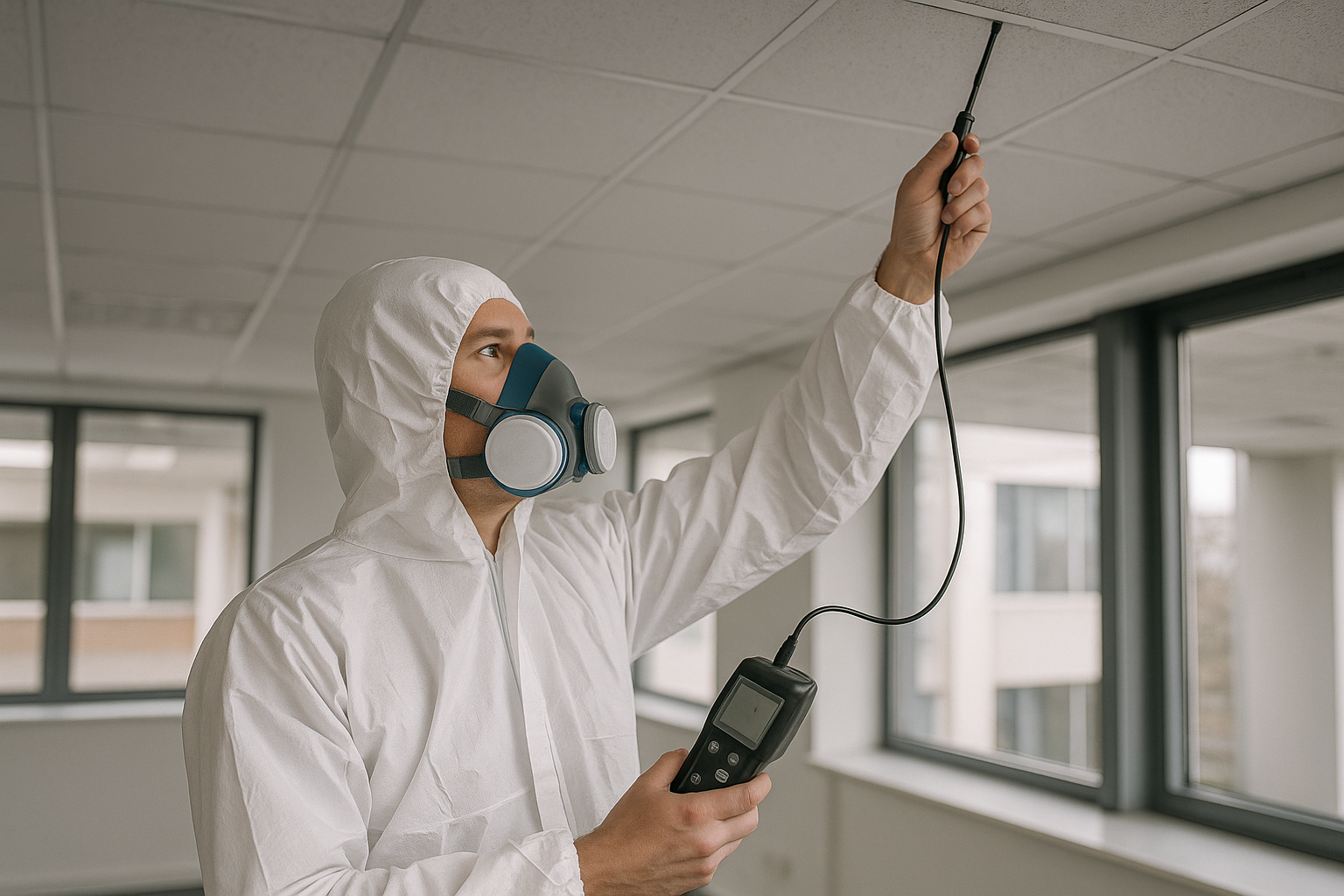
If there is doubt, stop and verify. Sampling and inspection should be carried out by competent professionals, not by site staff improvising on live materials.
Health risks behind the global move away from asbestos
The reason so many countries have banned asbestos is straightforward. Exposure to asbestos fibres is linked to serious disease, and the risk sits with inhalation of airborne fibres released when materials are damaged, drilled, cut, broken or disturbed.
Diseases associated with asbestos exposure include:
- Mesothelioma
- Asbestos-related lung cancer
- Asbestosis
- Pleural thickening and other pleural disease
Risk depends on the type of material, the work being done, how friable the product is, the duration of exposure and the controls in place. What does not change is the need for caution. If a material may contain asbestos, it should be treated carefully until it has been properly assessed.
For dutyholders, the practical lesson is simple: do not guess, do not disturb suspect materials unnecessarily, and do not rely on visual judgement alone.
Practical advice before maintenance, refurbishment or demolition
The search for what countries still use asbestos often starts as general interest. For property professionals, it should end with practical action. The biggest mistakes usually happen when work starts before asbestos information is checked.
Before maintenance work
- Check whether the building was constructed or refurbished before 2000
- Review the asbestos register and any existing survey reports
- Make sure contractors have relevant asbestos information before starting
- Do not allow drilling, cutting or access into hidden voids without checking risk first
Before refurbishment or intrusive works
- Do not rely on a standard management survey for intrusive work
- Arrange the correct survey before opening up the building fabric
- Plan access so hidden materials can be inspected properly
- Build asbestos risk into project timelines and budgets
If suspect materials are damaged
- Stop work immediately
- Keep people away from the area
- Do not sweep, vacuum, cut or sample the material yourself
- Seek competent advice on inspection, sampling and next steps
- Record the incident and review controls before work resumes
Where removal is necessary because materials are damaged, deteriorating or in the way of planned works, use a specialist asbestos removal service so the work is handled safely and in line with legal requirements.
How asbestos surveys fit into compliance
Surveying is the foundation of proper asbestos management. Without reliable information, registers become guesswork, contractors are exposed to unnecessary risk, and projects can grind to a halt once suspect materials are uncovered.
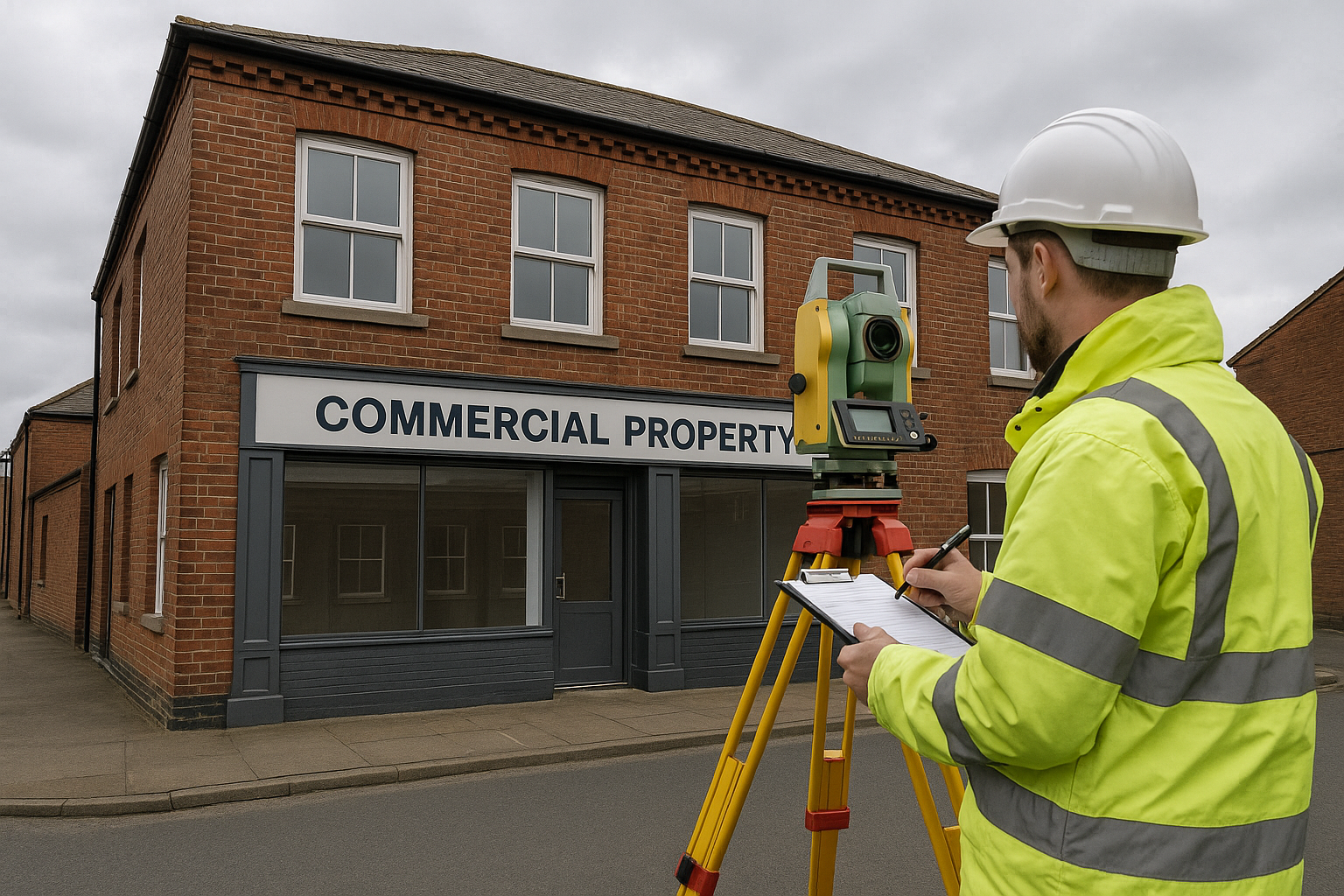
A suitable survey helps you identify likely asbestos-containing materials, assess their condition and decide whether they can be managed in place or need further action. It also supports communication with maintenance teams, trades and project managers.
If you are responsible for sites in the capital, arranging an asbestos survey London service before works begin can prevent delays and uncontrolled disturbance. The same applies in other regions. For North West properties, an asbestos survey Manchester booking can help establish what is present before contractors start opening up walls, ceilings or plant areas.
In the Midlands, a pre-works asbestos survey Birmingham service can save time, protect workers and avoid expensive stop-start projects caused by unexpected asbestos discoveries.
What to do if you are buying materials or equipment from overseas
If your interest in what countries still use asbestos is linked to procurement, take a structured approach. Imported products, old spare parts and second-hand plant can all raise questions, especially where origin records are weak.
- Ask for product composition and compliance documentation
- Check whether the item comes from a sector with a known asbestos history
- Be cautious with older machinery, friction products, seals and insulation components
- Do not assume a product is asbestos-free because it is commonly sold
- Where doubt remains, seek professional inspection or testing before use
This is particularly relevant for facilities teams, industrial operators and buyers dealing with legacy equipment. A low-cost component can create a much larger compliance problem if asbestos is discovered after installation or disturbance.
Frequently Asked Questions
What countries still use asbestos the most?
Countries commonly identified in discussions about ongoing asbestos use include Russia, Kazakhstan, China, India, Indonesia, Vietnam and Thailand. The exact legal position can change, so current local law and product controls should always be checked.
Is asbestos still legal anywhere in the world?
Yes. Although many countries have banned asbestos, some still allow mining, import, manufacture or use in certain products. Most ongoing use is associated with chrysotile asbestos.
If asbestos is banned in the UK, why does it still matter here?
It matters because many UK buildings still contain asbestos installed before the ban. Dutyholders must manage that legacy under the Control of Asbestos Regulations, using surveys, registers, risk assessment and proper controls.
Does a building need asbestos removed straight away if it is found?
No. HSE guidance allows some asbestos-containing materials to be managed in place if they are in good condition and unlikely to be disturbed. Removal is usually considered where materials are damaged, deteriorating or affected by planned works.
What is the first step if I manage an older commercial property?
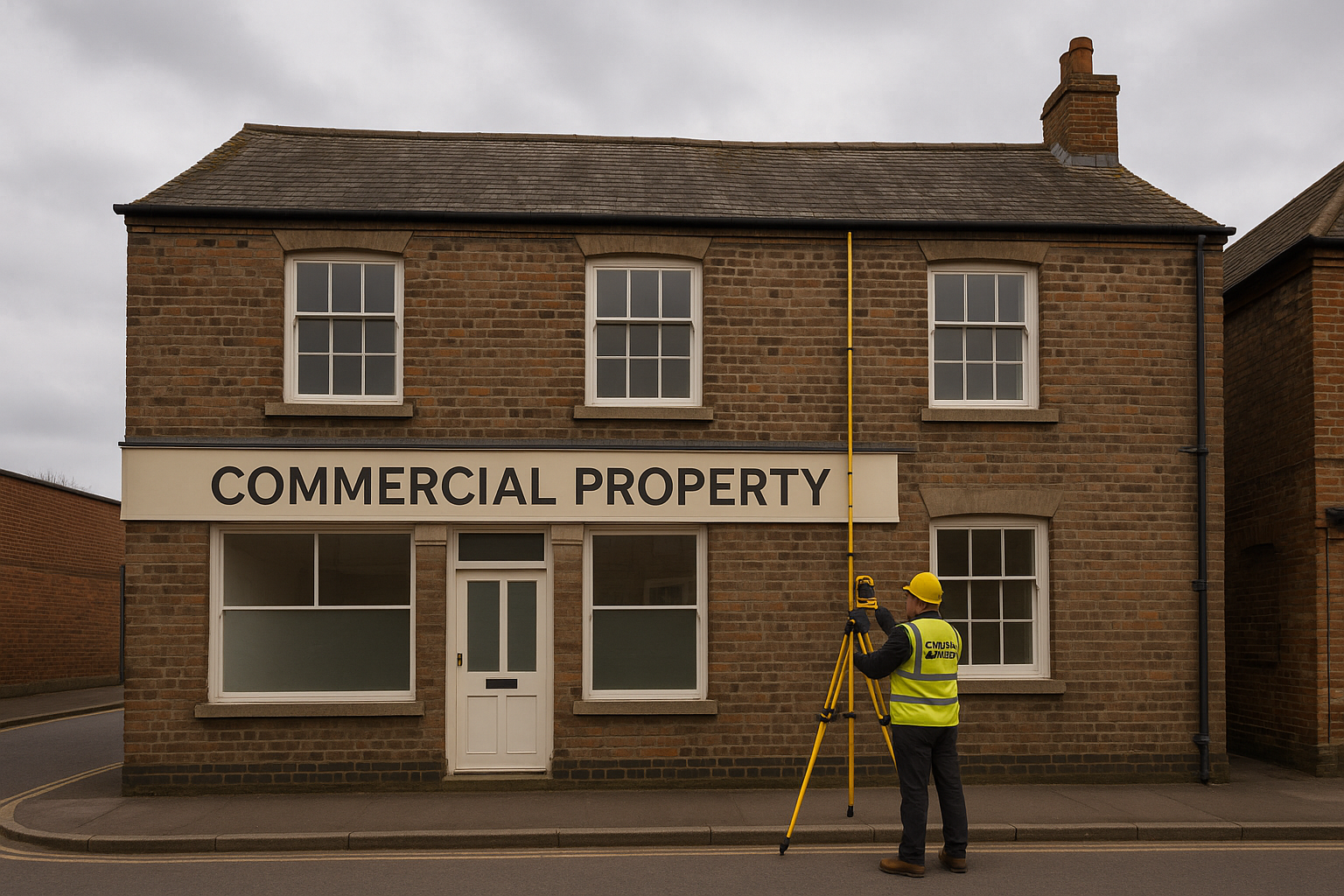
The first step is to make sure you have suitable asbestos information for the building. If that information is missing or out of date, arrange a professional survey and build the findings into your asbestos register and maintenance controls.
Need expert asbestos help?
If you manage property and need clear, practical advice, Supernova Asbestos Surveys can help. We carry out asbestos surveys nationwide, support dutyholders with compliant asbestos management, and can advise on the next steps where removal is required.
Call 020 4586 0680 or visit asbestos-surveys.org.uk to book a survey, discuss your site, or get expert guidance from a team that understands how asbestos risk works in real buildings.