Who Is Responsible for Asbestos Removal in the UK?
Asbestos is one of the most tightly regulated substances in the UK — and the question of who is responsible for asbestos removal is one that trips up building owners, managers, and contractors far more often than it should. Get it wrong, and you are not just looking at a compliance failure. You are looking at criminal liability, unlimited fines, and in serious cases, custodial sentences.
Responsibility depends on your role, your premises, and the nature of the work being carried out. But the detail matters enormously, because the legal duties in this area are specific, enforceable, and non-negotiable.
The Legal Framework: Where Responsibility Begins
The Control of Asbestos Regulations sets out the legal framework for managing and removing asbestos across the UK. These regulations place clear duties on specific categories of people — and if you fall into one of those categories, you cannot delegate your way out of the obligation.
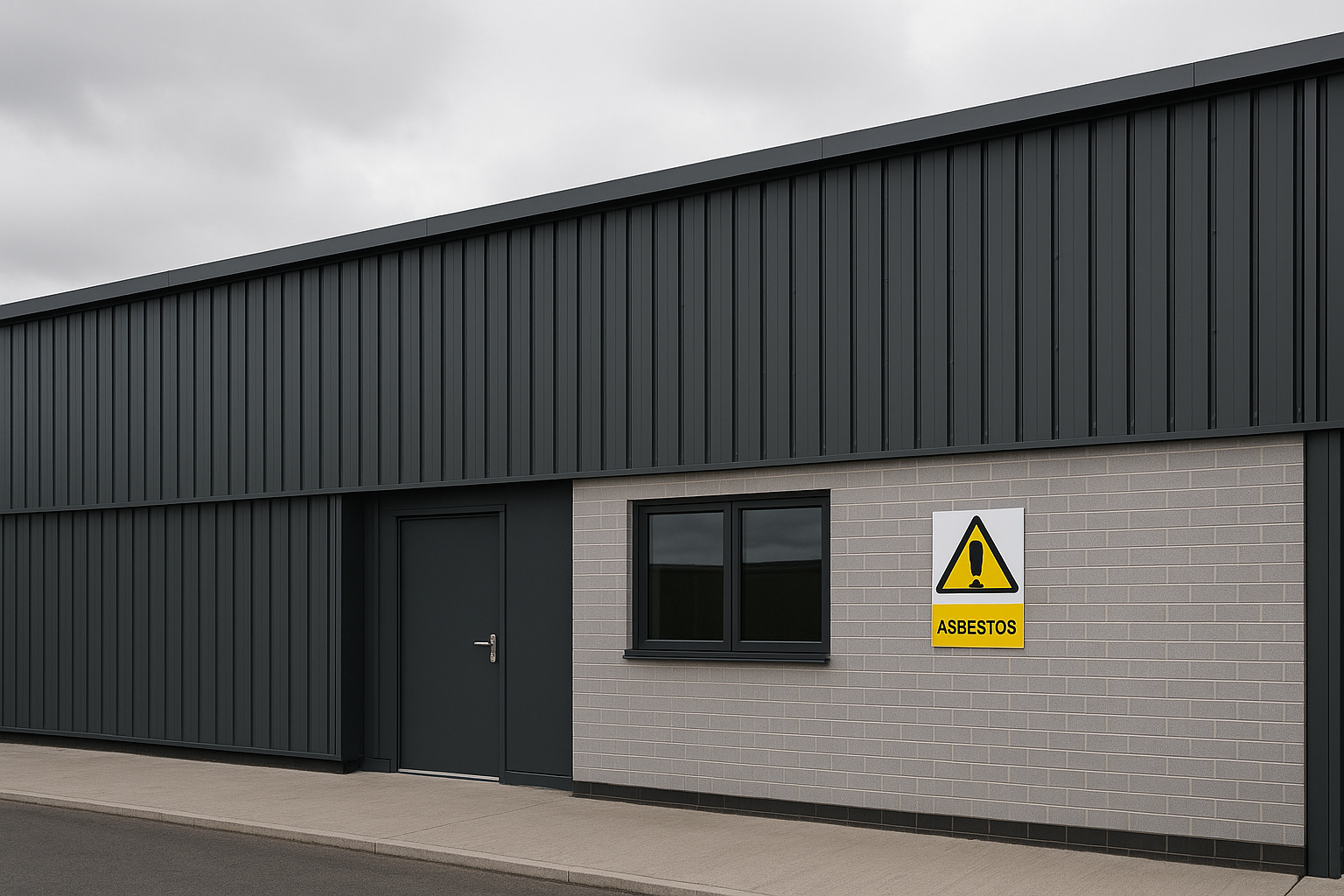
The regulations apply to non-domestic premises. That covers an enormous range of buildings: offices, schools, hospitals, warehouses, shops, leisure centres, and council buildings. Domestic properties are largely outside the scope, though there are important exceptions — particularly where a landlord is responsible for common areas in a residential block.
The Duty Holder
The central concept in the regulations is the duty holder. A duty holder is anyone who has responsibility for the maintenance or repair of non-domestic premises — whether through ownership, a lease, a management contract, or any other arrangement giving them control over the building.
In practice, duty holders include:
- Building owners and landlords
- Facilities managers and estate managers
- NHS trusts and healthcare organisations
- Local authorities and housing associations
- School governors and headteachers
- Company directors with responsibility for premises
If you have control over a building — or part of a building — you are very likely a duty holder. That means asbestos management is your legal responsibility, not someone else’s problem to sort out.
The Duty to Manage: An Ongoing Legal Obligation
Before you can remove asbestos, you need to know where it is. That is the starting point for the duty to manage — and it is one of the most important obligations under the regulations.
Under the duty to manage, responsible parties must:
- Take reasonable steps to find out whether asbestos-containing materials (ACMs) are present in the premises
- Presume that materials contain asbestos unless there is strong evidence they do not
- Assess the condition of any ACMs found and the risk they pose
- Prepare and implement a written asbestos management plan
- Review and monitor that plan on a regular basis
- Share information about ACMs with anyone who might disturb them
This is a live, ongoing obligation — not something you discharge once and forget. An asbestos management plan filed in a drawer and never reviewed is not compliance.
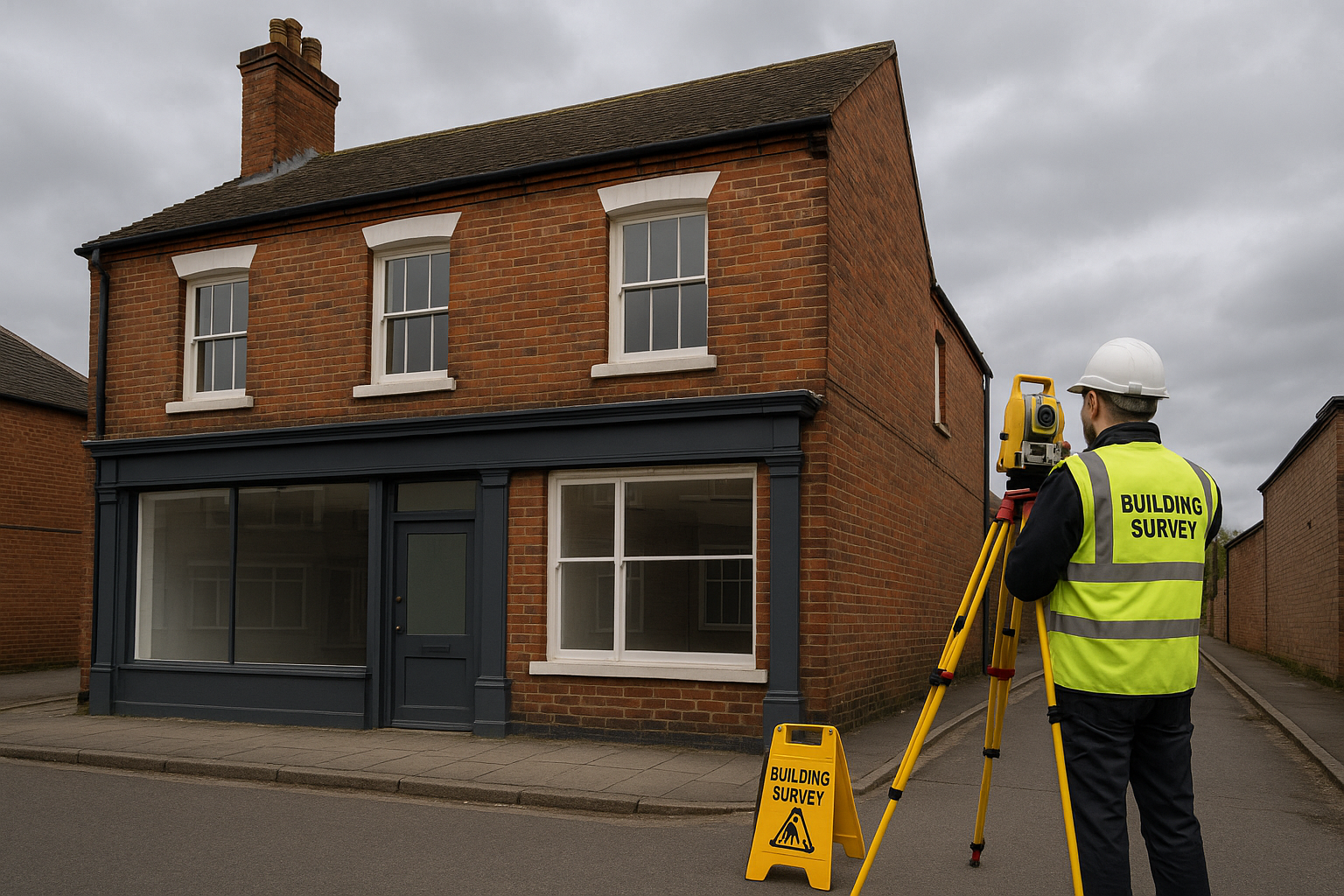
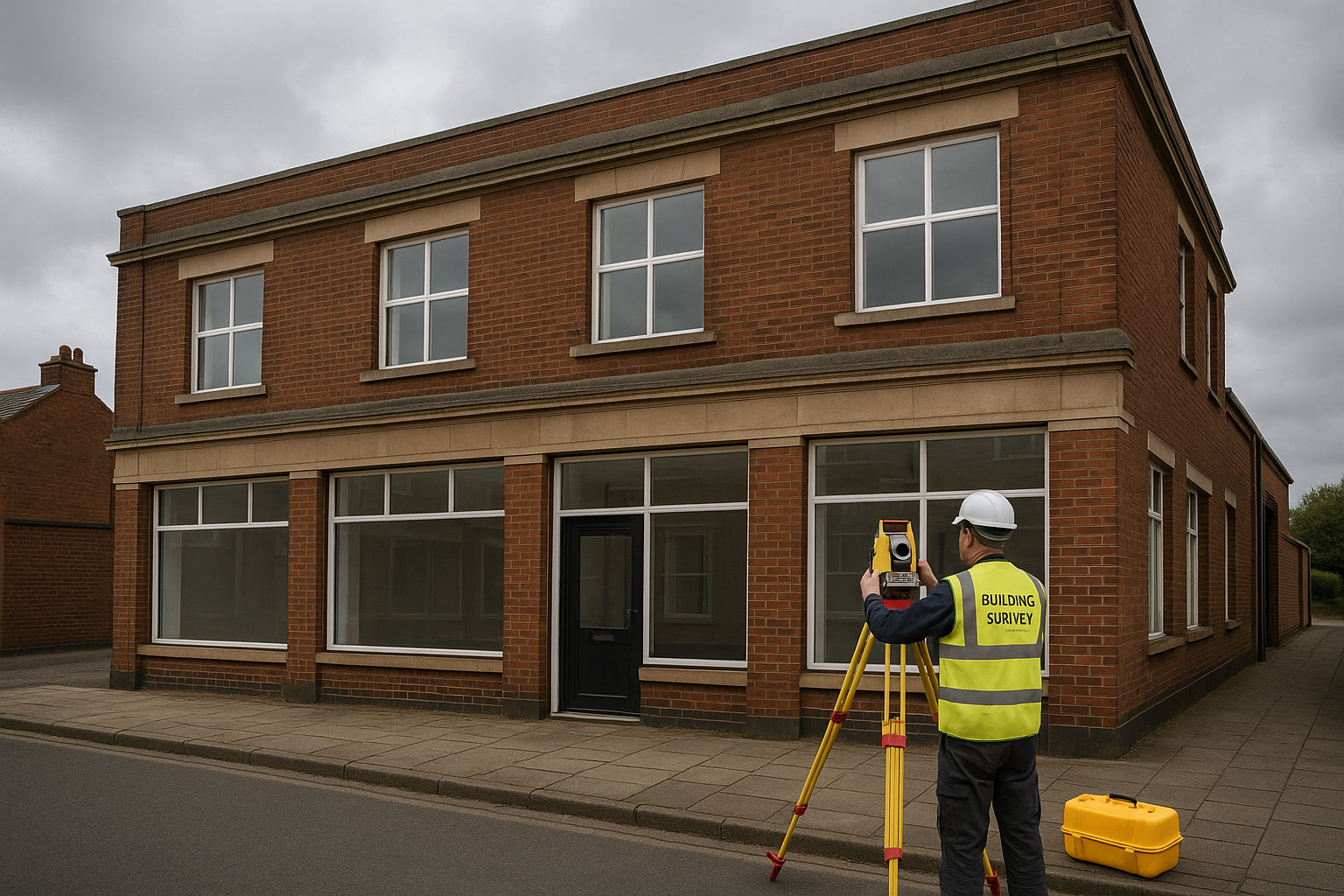
A management survey is the standard starting point for occupied buildings. It identifies ACMs that could be disturbed during normal occupation and everyday maintenance, giving duty holders the information they need to put a proper management plan in place.
Who Is Responsible for Asbestos Removal Specifically?
Managing asbestos in place and removing it are two different things — and the responsibilities shift depending on which you are doing. When it comes to actual removal, responsibility sits with both the duty holder who commissions the work and the contractor who carries it out. Both have legal obligations, and both can be prosecuted if those obligations are not met.
The Duty Holder’s Responsibilities When Commissioning Removal
As the duty holder, you cannot simply hand the job to a contractor and consider your responsibilities discharged. You must:
- Ensure the contractor holds a current HSE licence for licensed asbestos work
- Provide the contractor with accurate information about the location and condition of ACMs
- Ensure appropriate notification has been made to the relevant enforcing authority
- Keep records of all asbestos removal work carried out on your premises
- Update your asbestos register following any removal
Commissioning an unlicensed contractor to carry out licensed asbestos removal is a criminal offence. It does not matter that you did not do the work yourself — if you hired someone without the appropriate licence, you share the liability.
The Contractor’s Responsibilities
Licensed asbestos removal contractors carry their own set of legal obligations. They must:
- Hold a current HSE asbestos removal licence
- Notify the relevant enforcing authority at least 14 days before licensed work begins
- Prepare a written plan of work before commencing
- Carry out removal within a properly constructed negative pressure enclosure
- Provide workers with appropriate respiratory protective equipment (RPE) and protective clothing
- Carry out air monitoring throughout the removal process
- Pass a four-stage clearance inspection before the area is returned to use
- Dispose of asbestos waste through licensed channels only
An HSE licence is not a formality. Contractors must demonstrate competence, appropriate training, suitable equipment, and robust management systems before a licence is granted — and licences can be suspended or revoked if standards fall short.
Licensed, Notifiable, and Non-Licensed Work: Understanding the Difference
Not all asbestos-related work falls into the same category. The regulations divide it into three tiers based on risk, and the responsibilities that apply depend on which tier the work falls into.
Licensed Work
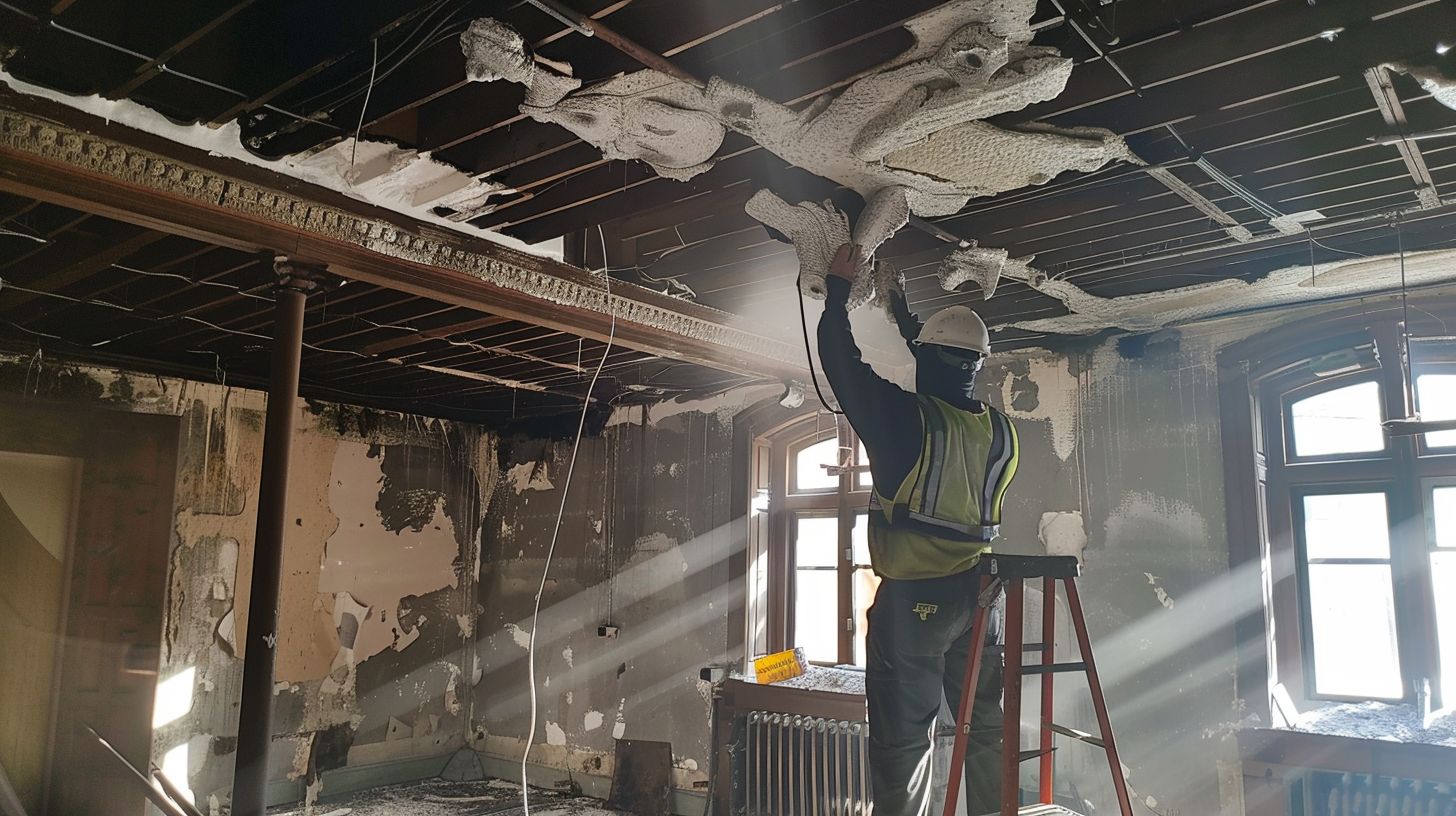
The highest-risk category. This includes removing asbestos insulation, asbestos insulating board (AIB), and asbestos coatings. Only HSE-licensed contractors can carry out this work, and it must be notified to the enforcing authority in advance. This is where the strictest controls apply and where the consequences of getting it wrong are most severe.
Notifiable Non-Licensed Work (NNLW)
Lower-risk work that does not require a licence but still requires notification to the enforcing authority. Workers carrying out NNLW must also be subject to medical surveillance. This category covers activities such as minor work on asbestos cement products or short-duration work on certain textured coatings.
Non-Licensed Work
The lowest-risk category. No licence is required, but the work must still be carried out safely and in full accordance with the regulations. Non-licensed work is not a free pass to handle ACMs without controls in place — legal obligations still apply.
The Role of the HSE in Enforcement
The Health and Safety Executive (HSE) is the principal regulator for asbestos management in the UK. It operates the licensing scheme for asbestos removal contractors, carries out inspections, and holds significant enforcement powers.
HSE inspectors carry out both planned and unannounced inspections of premises and removal sites. They review asbestos registers, check management plans, assess staff training records, and evaluate whether licensed contractors are working safely.
Where failures are identified, inspectors can issue improvement notices, prohibition notices, or pursue prosecution — which can result in unlimited fines and, in serious cases, imprisonment. Local authorities also share enforcement responsibilities, particularly for schools, council buildings, and other local facilities.
Anyone with concerns about asbestos mismanagement can report it to the HSE through its confidential reporting system. Credible reports are investigated.
When Removal Is Required: Refurbishment and Demolition
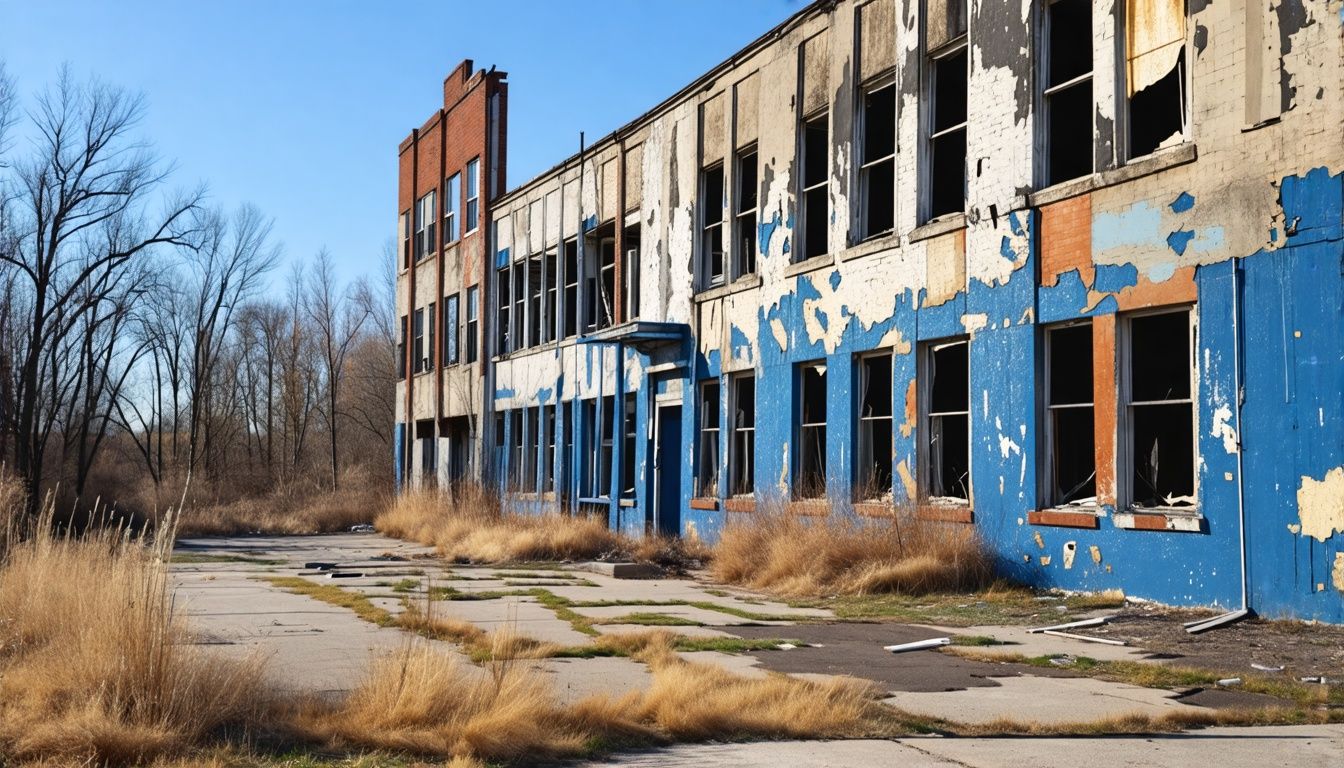
Asbestos does not always need to be removed. When ACMs are in good condition and unlikely to be disturbed, managing them in place is often the appropriate approach. But when a building is being refurbished or demolished, removal becomes a legal requirement — and the responsibilities that come with it are more demanding.
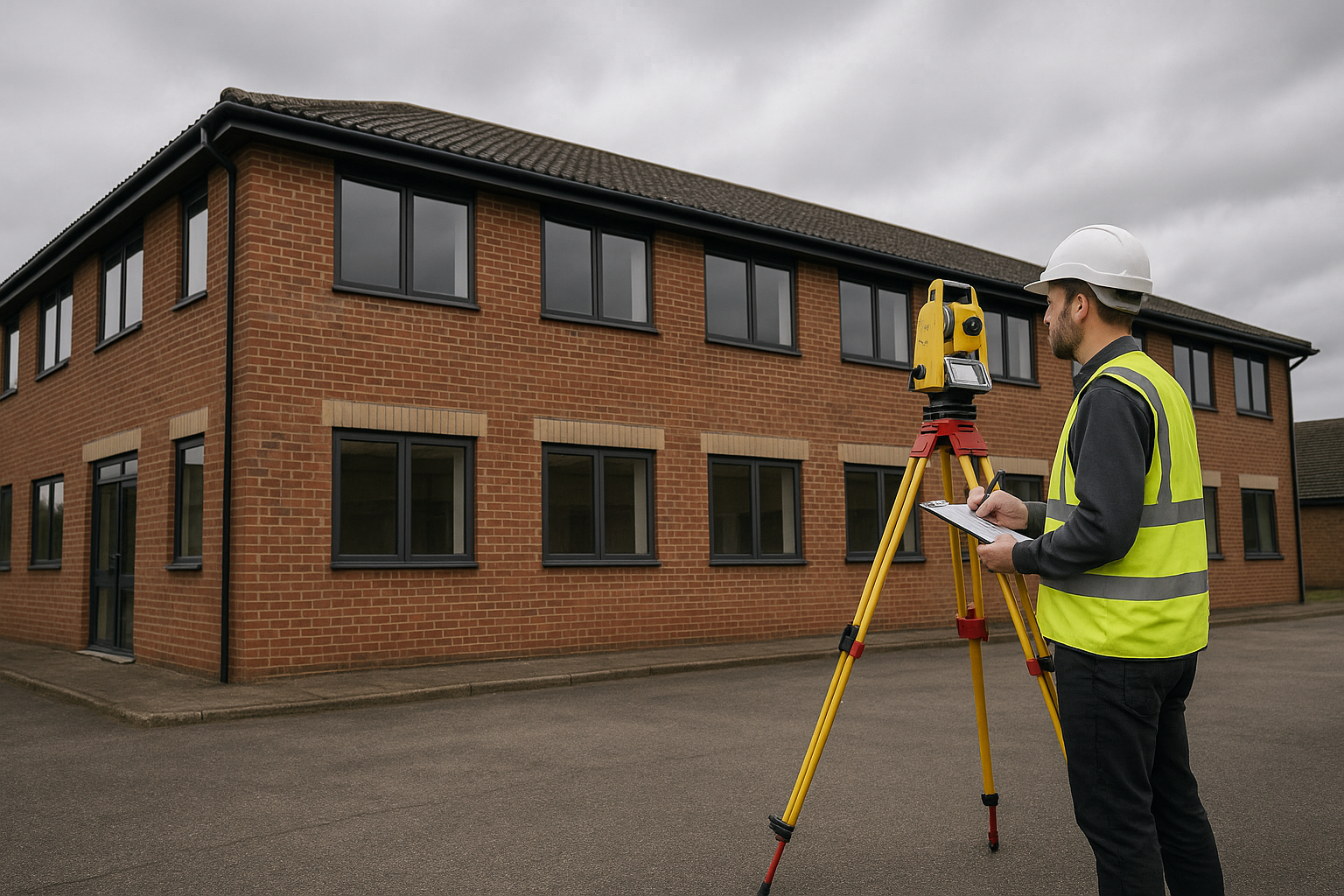
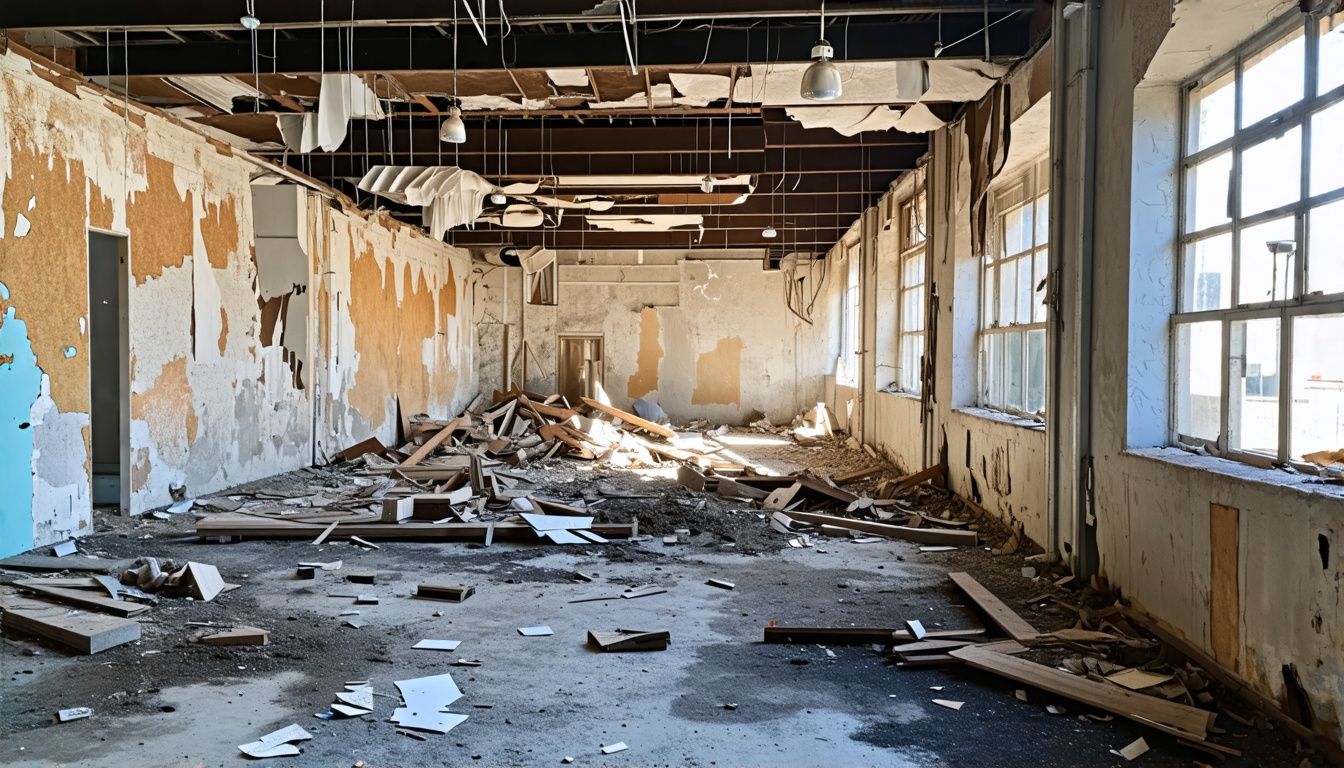
Before any refurbishment or demolition work, a demolition survey must be carried out. This is a more intrusive survey than a standard management survey — destructive where necessary — because it needs to locate all ACMs in the areas to be disturbed, regardless of their condition or accessibility.
Using a management survey in place of a refurbishment and demolition survey is a common and serious mistake. Once the survey is complete, all identified ACMs must be removed by a licensed contractor before demolition or significant refurbishment work begins. This is a legal requirement, not an optional precaution.
Keeping Your Asbestos Register Up to Date
An asbestos register is a live document. Every time removal work is carried out, the register must be updated to reflect what has been removed, when, and by whom. Failing to maintain an accurate register does not just create a compliance gap — it creates a genuine safety risk for anyone working in the building in future.
Regular re-inspection surveys are an important part of keeping your register current. The condition of ACMs can change over time through deterioration, accidental damage, or nearby maintenance work. A re-inspection survey assesses the current condition of known ACMs and identifies any changes that affect the risk they pose.
HSG264 — the HSE’s guidance on asbestos surveying — sets out best practice for survey types, sampling, and reporting. Duty holders should be familiar with its requirements, even if the technical work is carried out by a specialist surveyor.
Asbestos Waste Disposal: Strict Rules Apply
Asbestos waste is classified as hazardous waste under UK law. The rules governing its disposal are strict, and responsibility for compliance sits with both the contractor and the duty holder.
Once removed, asbestos materials must be:
- Double-bagged or wrapped in heavy-duty polythene sheeting
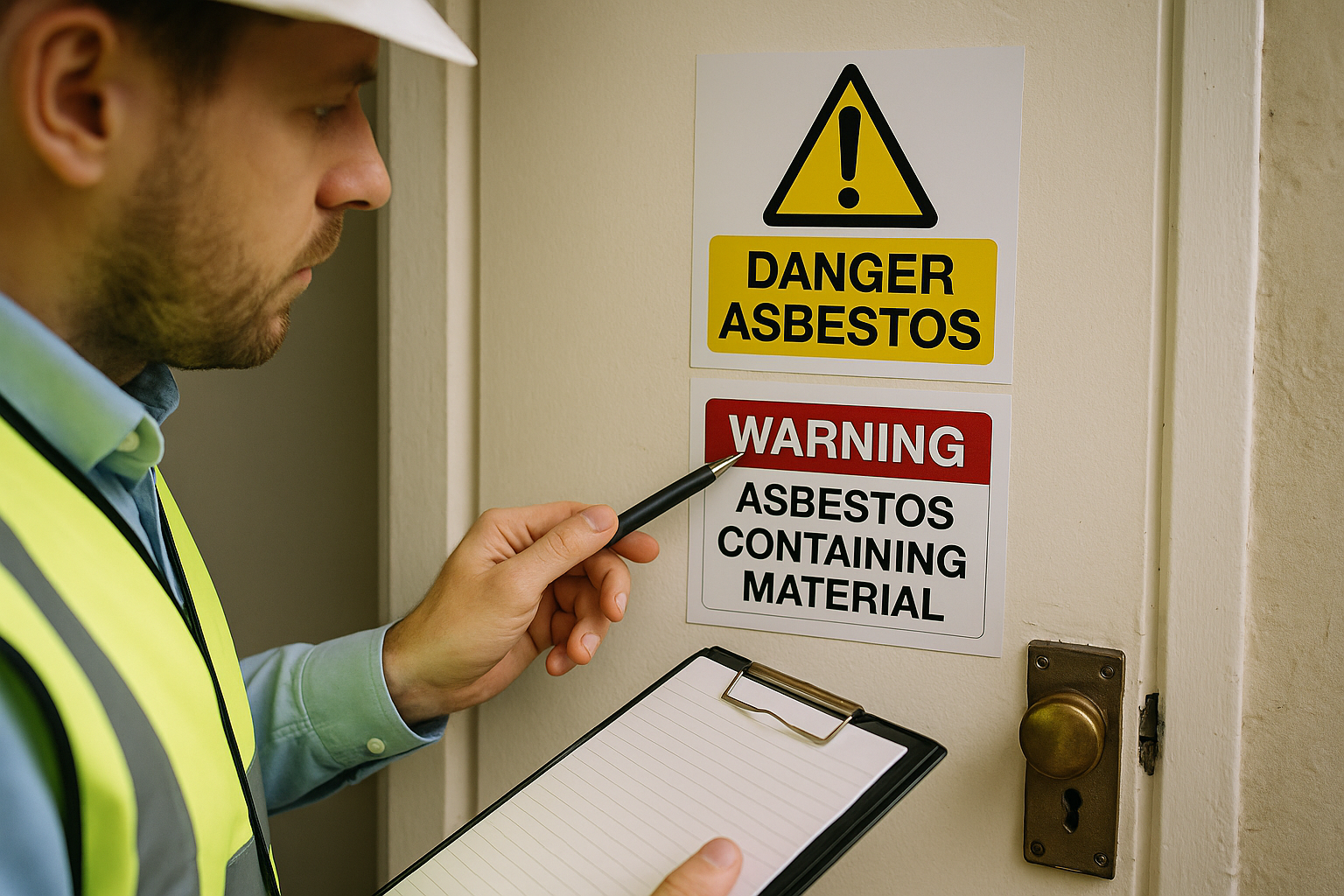
- Clearly labelled with the appropriate hazardous waste warning
- Transported by a licensed waste carrier
- Accompanied by the correct consignment note documentation
- Disposed of only at a permitted landfill site licensed to accept asbestos waste
Every movement of asbestos waste must be documented and traceable. Fly-tipping asbestos waste or disposing of it through unlicensed channels is a serious criminal offence that can result in prosecution of both the contractor and the duty holder.
When commissioning asbestos removal, always ask your contractor to provide waste consignment notes as part of the documentation package. If a contractor cannot or will not provide them, treat that as a significant red flag.
Information Sharing: A Duty That Is Frequently Overlooked
The duty to manage includes a clear obligation to share information. Duty holders must ensure that anyone who might disturb ACMs — contractors, maintenance workers, electricians, plumbers — is briefed on the location and condition of those materials before work begins.
Keeping an asbestos register locked in a filing cabinet that no contractor ever sees is not compliance. The information must be accessible to the people who need it, at the time they need it.
In practice, this means ensuring that any contractor arriving on site to carry out maintenance or repair work is provided with relevant asbestos information before they start. A signed record of that briefing is good practice and provides evidence of compliance if questions are ever raised.
Practical Steps for Duty Holders Right Now
If you manage or own a building constructed before 2000, here is what you should be doing:
- Check whether a survey has been carried out. If not, commission one. If one exists, check when it was done and whether it covers the whole building.
- Ensure you have a written asbestos management plan. It must be site-specific, regularly reviewed, and actively implemented — not just filed away.
- Check that your asbestos register is current. If removal work has been carried out since the last survey, the register must reflect that.
- Verify that contractors working on your premises are briefed on asbestos risks. Keep a record of every briefing.
- Schedule a re-inspection survey if one is overdue. The HSE recommends periodic re-inspection, and the frequency should reflect the risk level of ACMs present.
- Before any refurbishment or demolition, commission the correct survey type. A management survey is not sufficient for refurbishment or demolition projects.
- Only use HSE-licensed contractors for licensed removal work. Check the HSE’s licensed contractor register before appointing anyone.
Asbestos Responsibility in Domestic Properties
While the duty to manage under the Control of Asbestos Regulations applies to non-domestic premises, domestic property owners are not entirely without obligation. Landlords who own blocks of flats, for example, have duties in relation to common areas — stairwells, plant rooms, roof spaces, and communal corridors.
Homeowners carrying out DIY work in properties built before 2000 should also be aware that asbestos may be present. While there is no formal legal duty to manage asbestos in a private home, disturbing ACMs without proper precautions carries real health risks and, in some circumstances, legal exposure — particularly if tradespeople are put at risk as a result.
If you are buying or selling a property built before 2000, commissioning an asbestos survey as part of the due diligence process is a sensible step that can prevent costly surprises further down the line.
Regional Coverage: Asbestos Surveys Nationwide
Regardless of where your premises are located, the legal obligations are the same. Supernova Asbestos Surveys operates across the UK, providing surveys and removal services to duty holders in every region.
If you are based in the capital, our asbestos survey London service covers commercial, industrial, and public sector premises across Greater London. For clients in the North West, our asbestos survey Manchester team provides the full range of survey and management services. And in the West Midlands, our asbestos survey Birmingham team works with building owners, facilities managers, and contractors across the region.
With over 50,000 surveys completed nationwide, Supernova has the experience and accreditation to support duty holders at every stage — from initial survey through to removal and ongoing management.
Frequently Asked Questions
Who is legally responsible for asbestos removal in a commercial building?
The duty holder — typically the building owner, landlord, or facilities manager — is legally responsible for ensuring asbestos is properly managed and, where removal is required, that it is carried out by an HSE-licensed contractor. Both the duty holder and the contractor share legal obligations, and both can face prosecution if those obligations are not met.
Can a duty holder carry out asbestos removal themselves?
Only if the work falls into the non-licensed category and appropriate controls are in place. Licensed asbestos work — which covers the removal of asbestos insulation, asbestos insulating board, and asbestos coatings — must be carried out by an HSE-licensed contractor. Attempting to carry out licensed work without the appropriate licence is a criminal offence.
What happens if asbestos is removed without proper notification?
Failure to notify the relevant enforcing authority before licensed asbestos removal work begins is a breach of the Control of Asbestos Regulations. This can result in enforcement action by the HSE, including improvement notices, prohibition notices, and prosecution. Both the contractor and the duty holder who commissioned the work can be held liable.
How often should an asbestos register be reviewed?
There is no single prescribed interval, but the HSE recommends that asbestos registers and management plans are reviewed regularly — and that re-inspection surveys are carried out periodically to assess any changes in the condition of ACMs. The frequency of re-inspection should reflect the risk level of the materials present. Higher-risk materials in poor condition warrant more frequent review.
Do homeowners have a legal duty to remove asbestos?
The formal duty to manage under the Control of Asbestos Regulations applies to non-domestic premises, not private homes. However, homeowners who disturb ACMs without proper precautions — particularly where tradespeople are involved — can face legal exposure under health and safety law. For any significant work on a pre-2000 property, commissioning a survey before work begins is strongly advisable.
Talk to Supernova Asbestos Surveys
If you are unsure whether your asbestos management obligations are being met — or if you need a survey, re-inspection, or removal service — Supernova Asbestos Surveys can help. We are one of the UK’s most experienced asbestos surveying companies, with accredited surveyors operating nationwide.
Call us on 020 4586 0680 or visit asbestos-surveys.org.uk to find out more or request a quote. Do not wait for an HSE inspection to find out whether your compliance is up to standard.