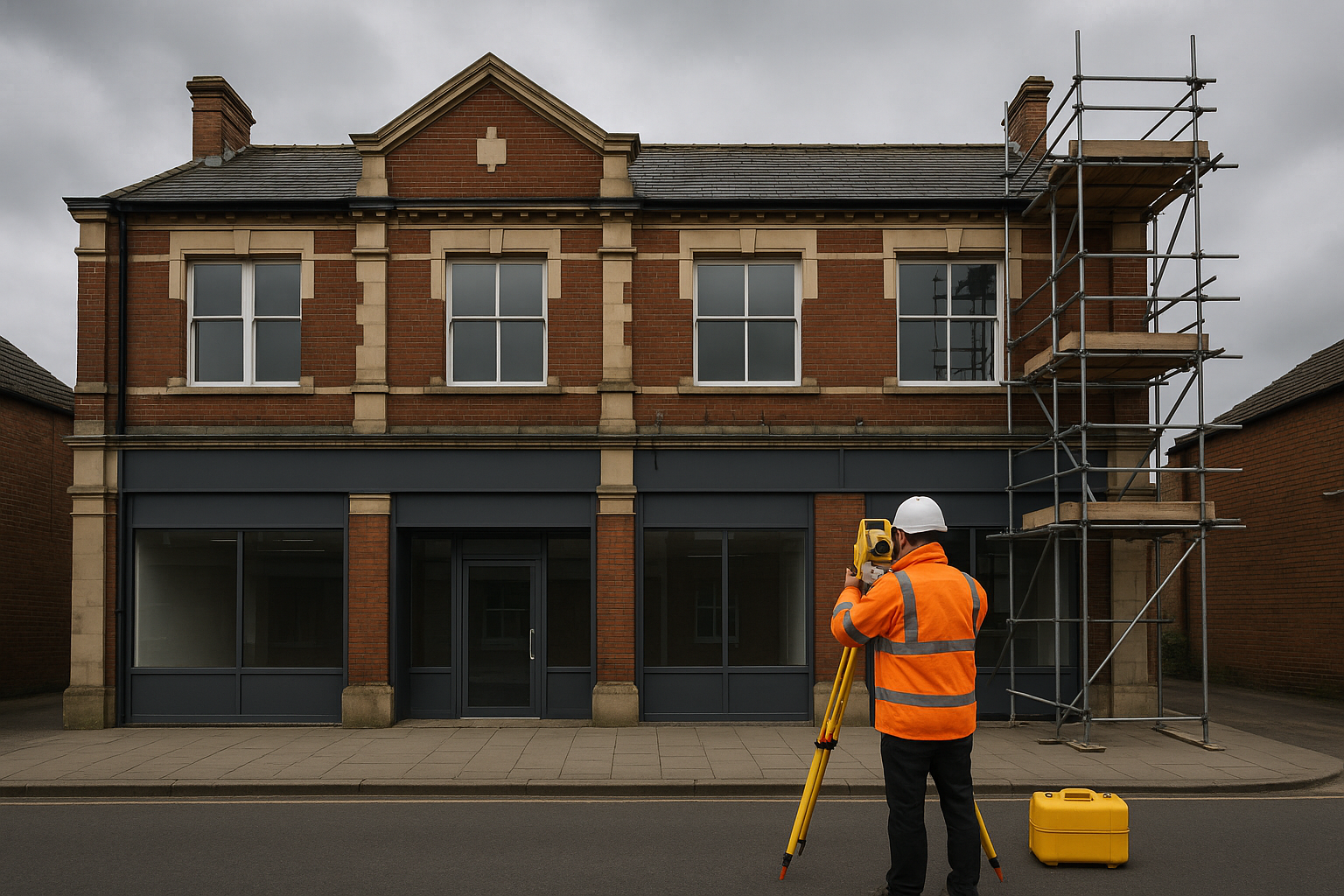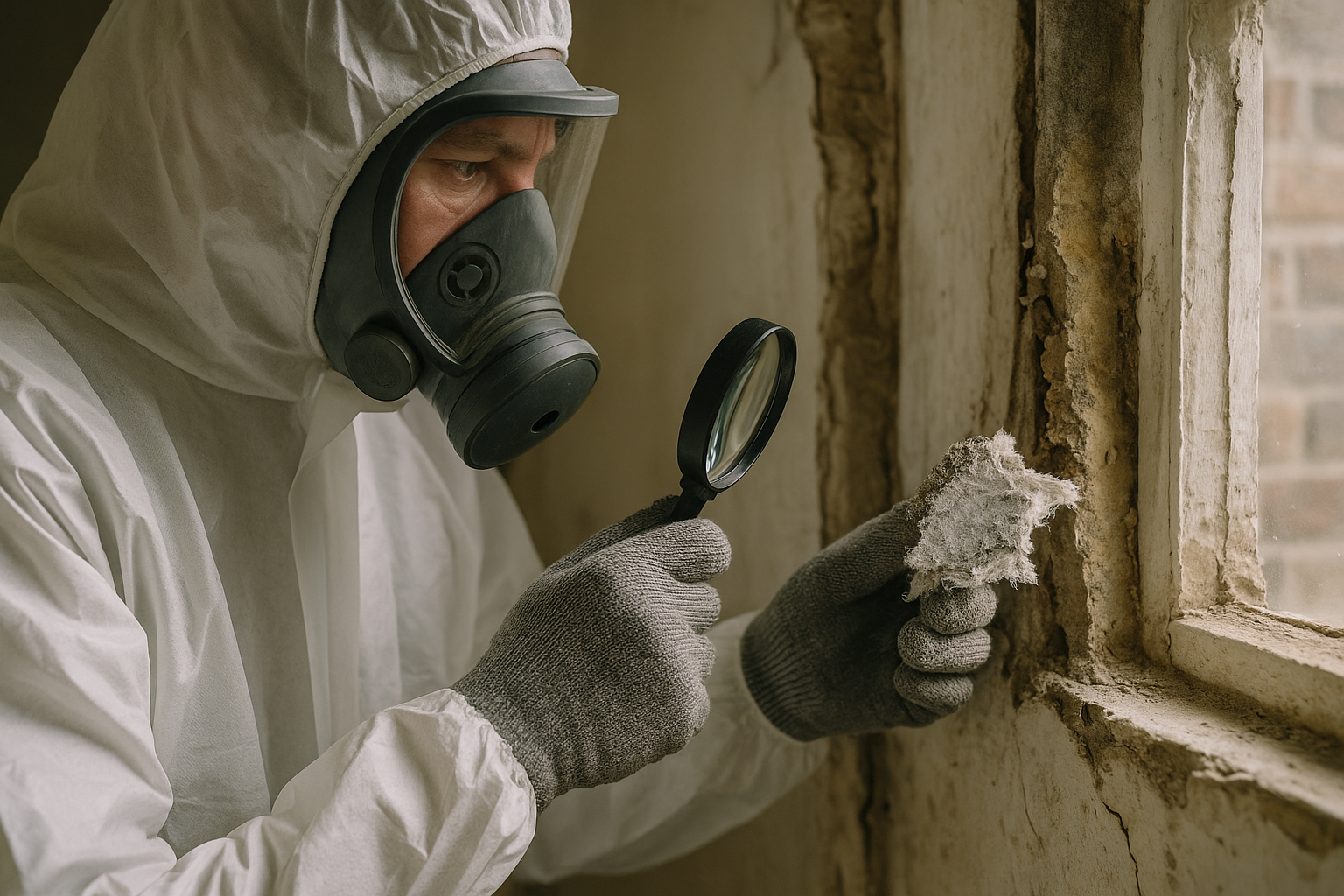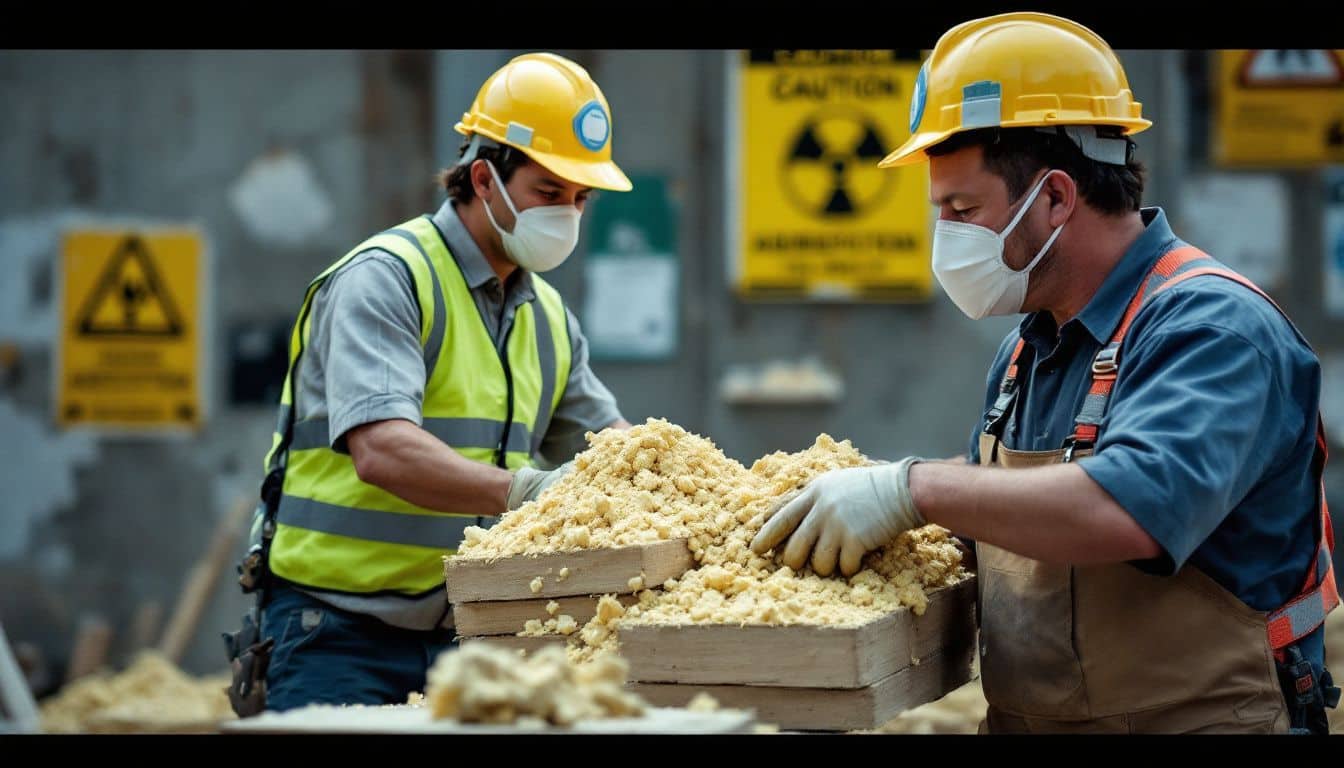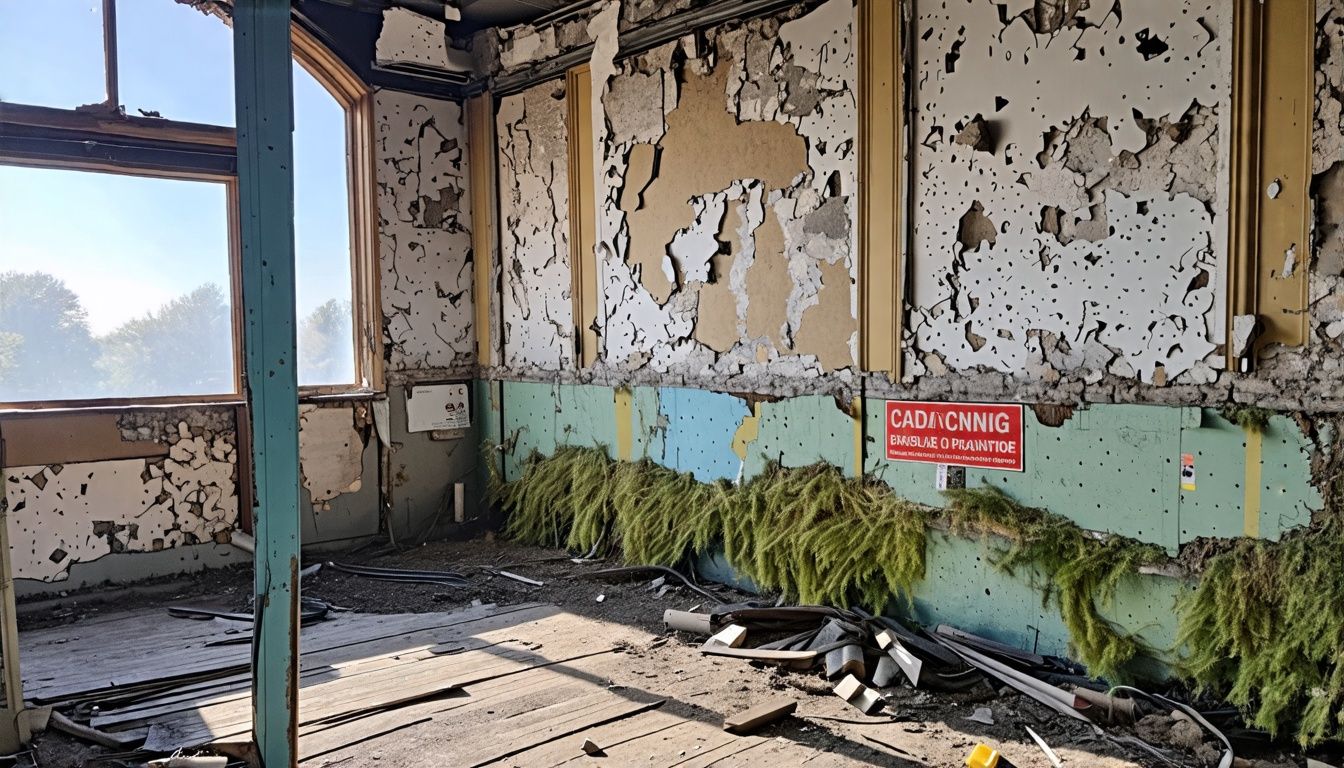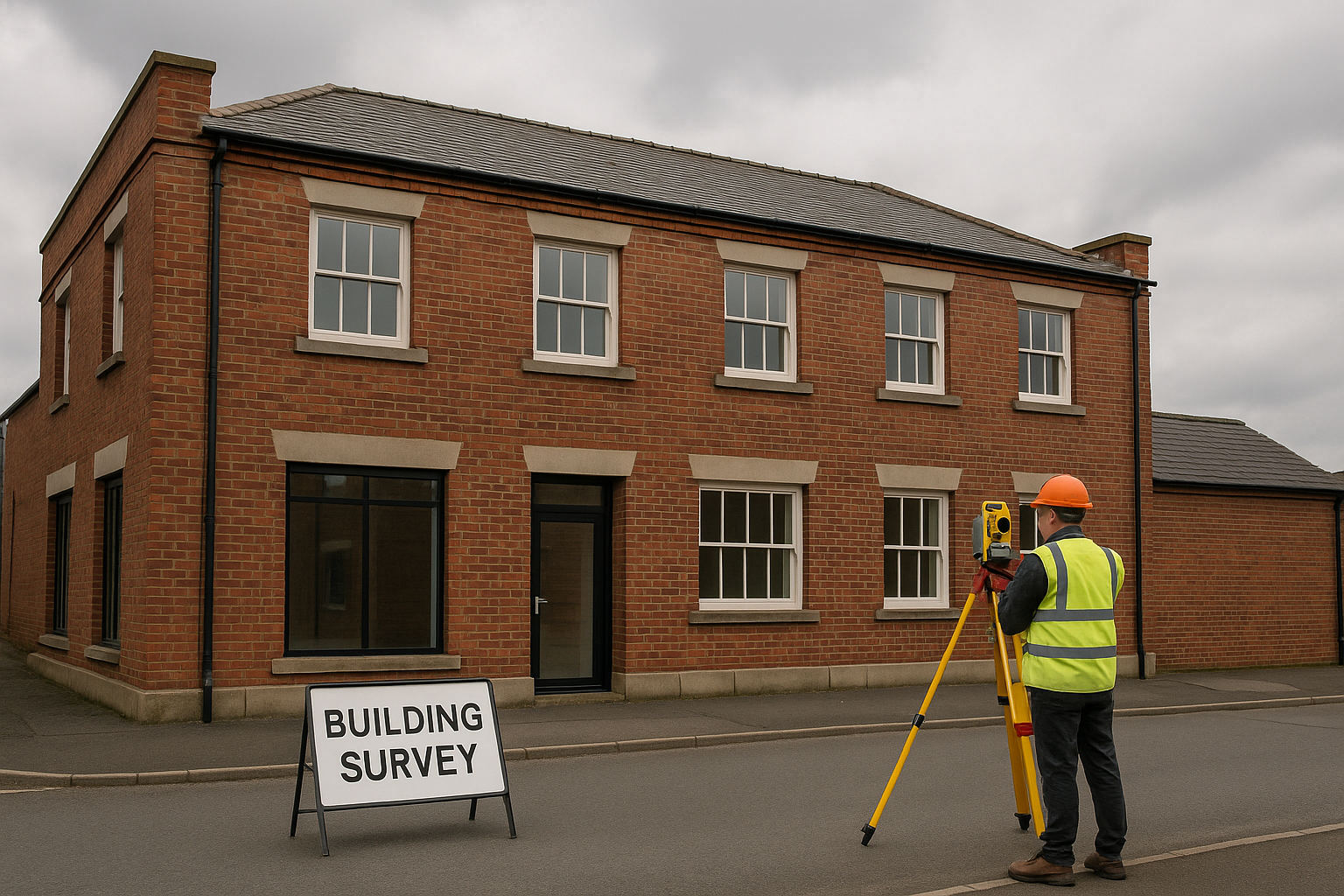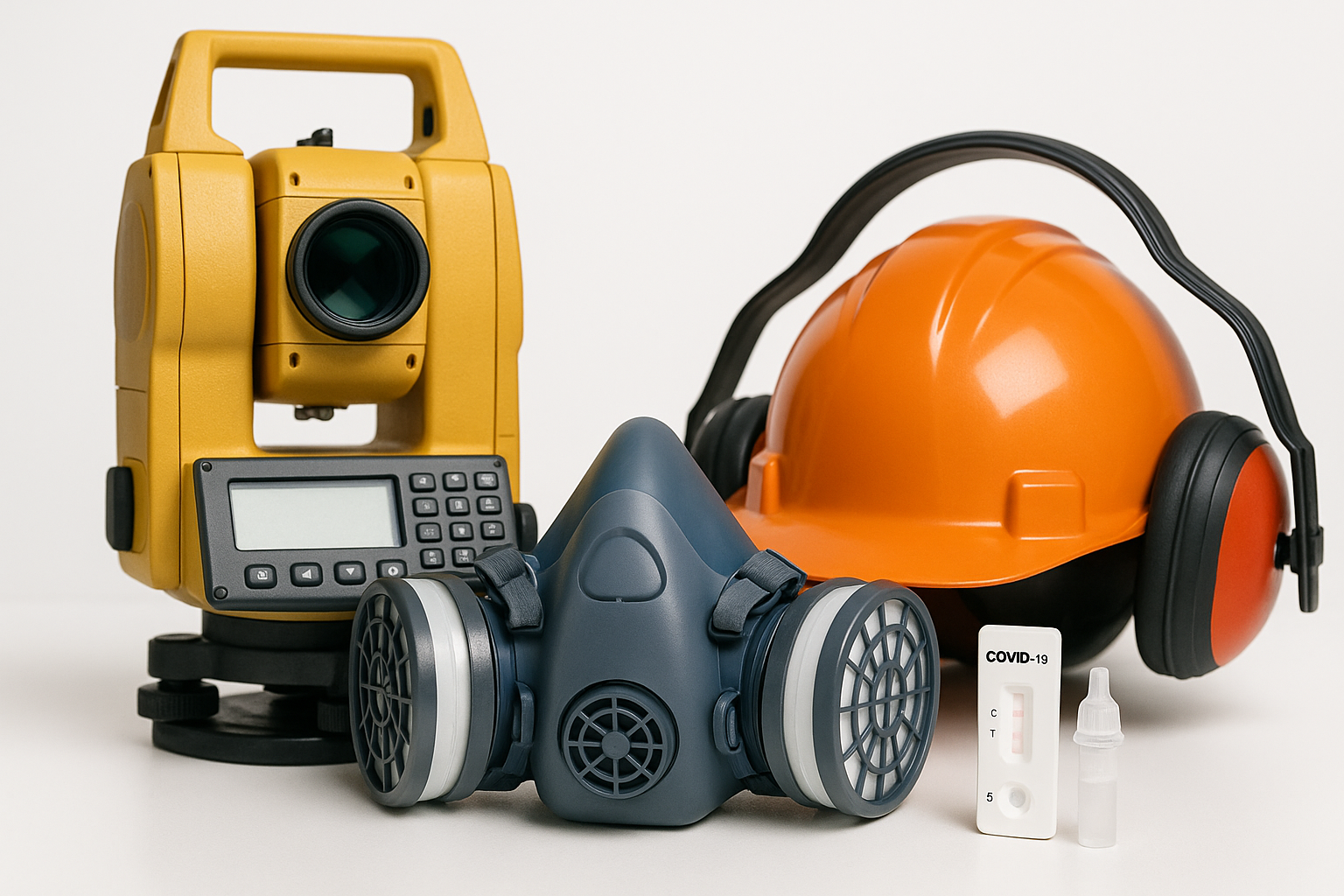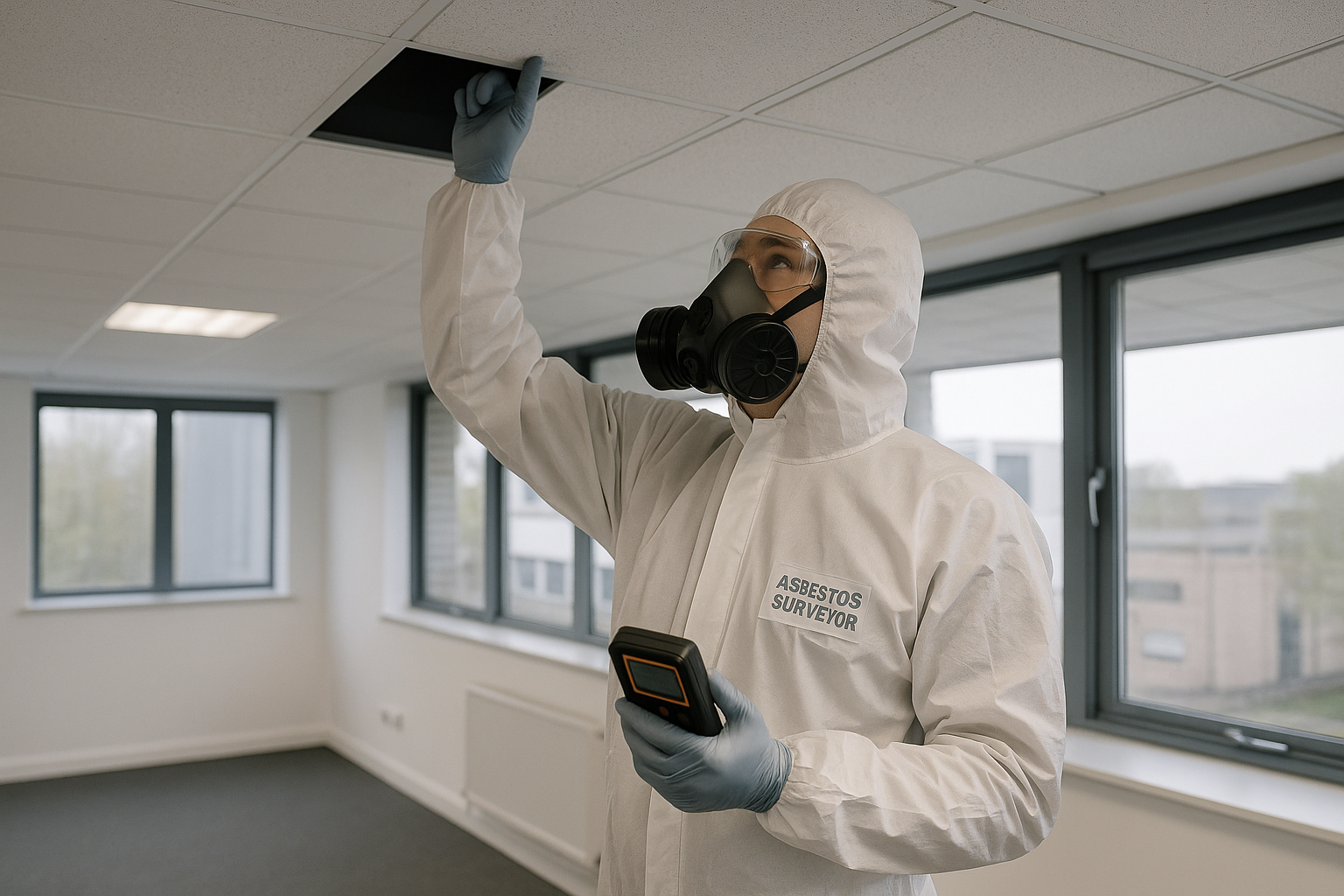
Asbestos still catches out workplaces that assume the risk disappeared years ago. In reality, many offices, schools, warehouses, factories and communal buildings across the UK still contain asbestos in hidden parts of the fabric, and the danger begins the moment those materials are damaged, drilled, cut or disturbed without proper checks.
For property managers, landlords, dutyholders and employers, asbestos is not just a historical issue. It is an active compliance, health and safety, and building management issue that needs clear records, the right survey, and practical controls that actually work on site.
Why asbestos remains a serious workplace risk
Asbestos was used widely because it offered heat resistance, strength and insulation. That means it was built into thousands of products used in non-domestic premises and mixed-use buildings throughout the UK.
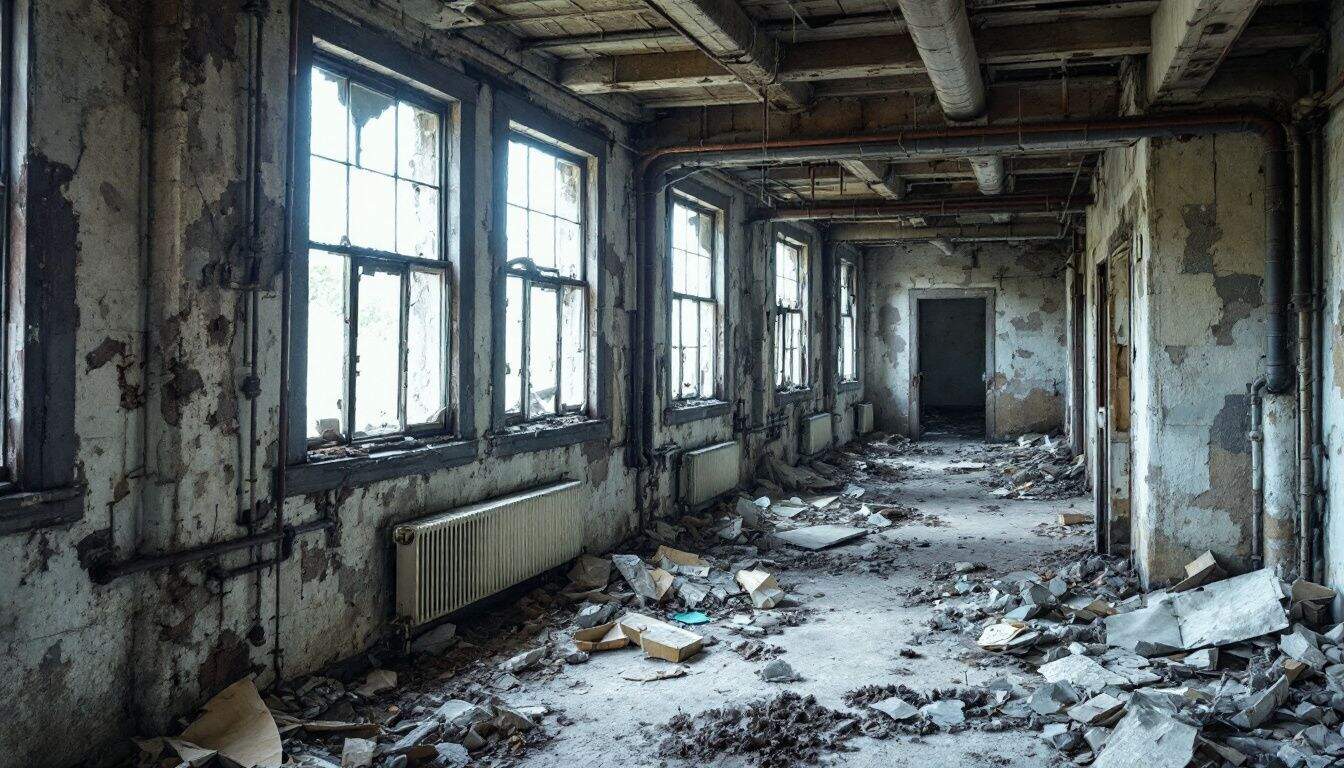
If your premises were built or refurbished before asbestos use ended, you should assume asbestos may be present unless reliable survey information or documented evidence proves otherwise. Guesswork is where exposure incidents start.
Workplaces where asbestos is commonly found include:
- Offices and business parks
- Schools, colleges and universities
- Hospitals and healthcare settings
- Retail units and shopping parades
- Warehouses and distribution sites
- Factories and industrial premises
- Plant rooms and service areas
- Communal areas in residential blocks
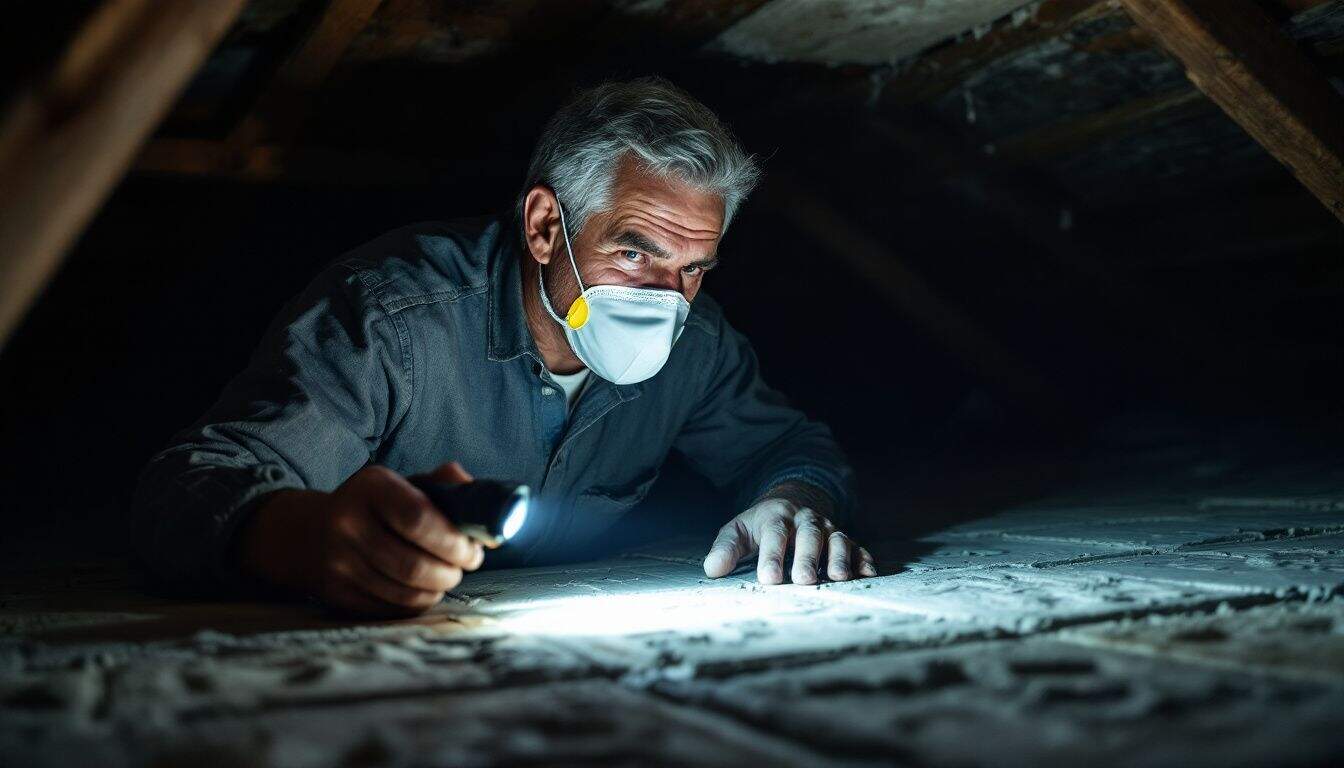
The biggest risk is rarely asbestos sitting untouched in a sealed location. The real problem is routine work such as maintenance, data cabling, electrical upgrades, plumbing, repairs, refurbishment, demolition or accidental impact by contractors who were not given the right information before starting.
What asbestos is and where it is commonly found
Asbestos is a group of naturally occurring fibrous minerals. In buildings, it was used in products designed to resist heat, improve fire protection, add strength or provide insulation.
Because it was used so widely, asbestos can turn up in obvious places and in parts of a building many people would never suspect. A visual check alone is not enough to rule it out.
Common types of asbestos found in UK premises
The three types most often discussed in UK asbestos surveys and management are:
- Chrysotile – often found in textured coatings, floor tiles, cement products, gaskets and some insulation products
- Amosite – commonly associated with insulating board, ceiling tiles, thermal insulation and partition systems
- Crocidolite – found in some spray coatings, pipe insulation and specialist products
Different asbestos-containing materials present different levels of risk depending on their friability, condition, accessibility and likelihood of disturbance. That is why material type alone never tells the full story.
Typical workplace locations for asbestos
Asbestos may be found in:
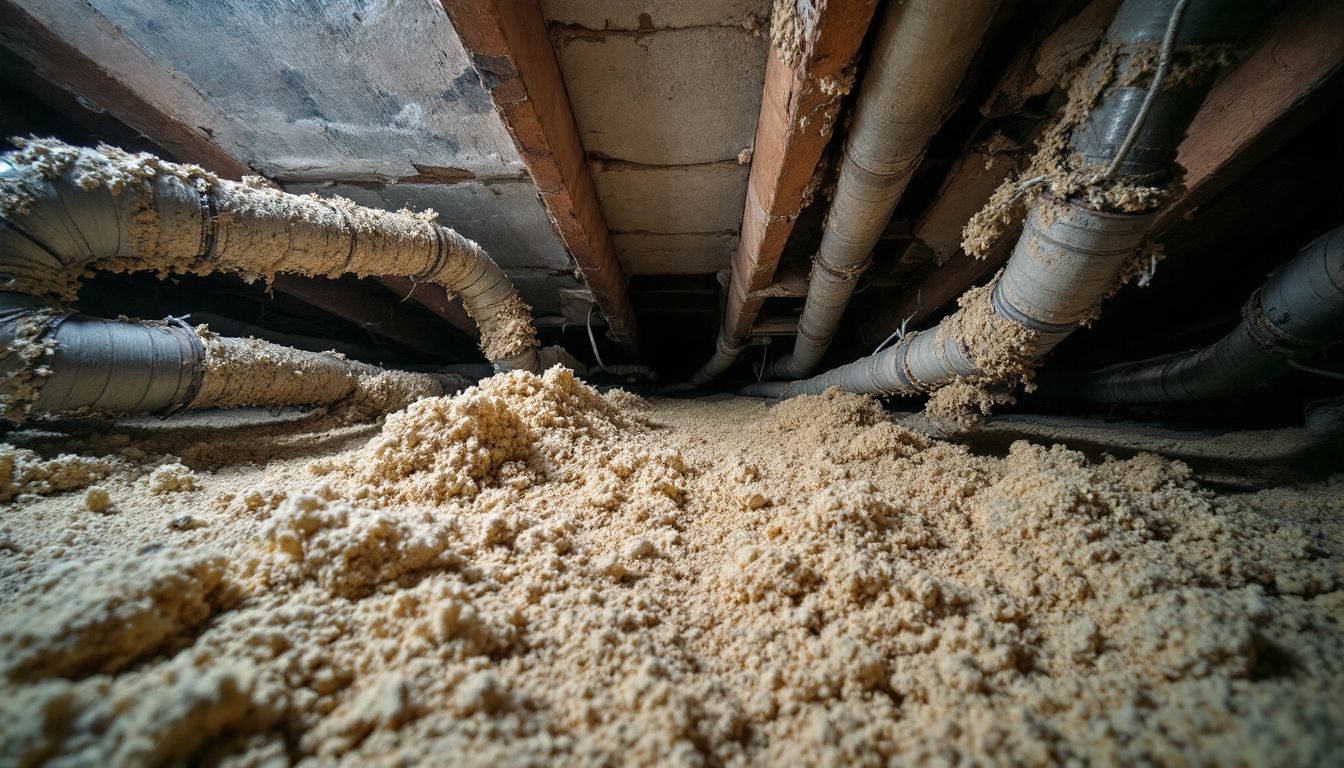
- Pipe lagging and thermal insulation
- Asbestos insulating board in partitions, risers and ceiling panels
- Sprayed coatings on ceilings or structural steel
- Cement sheets, roof panels, gutters and flues
- Vinyl floor tiles and bitumen adhesive
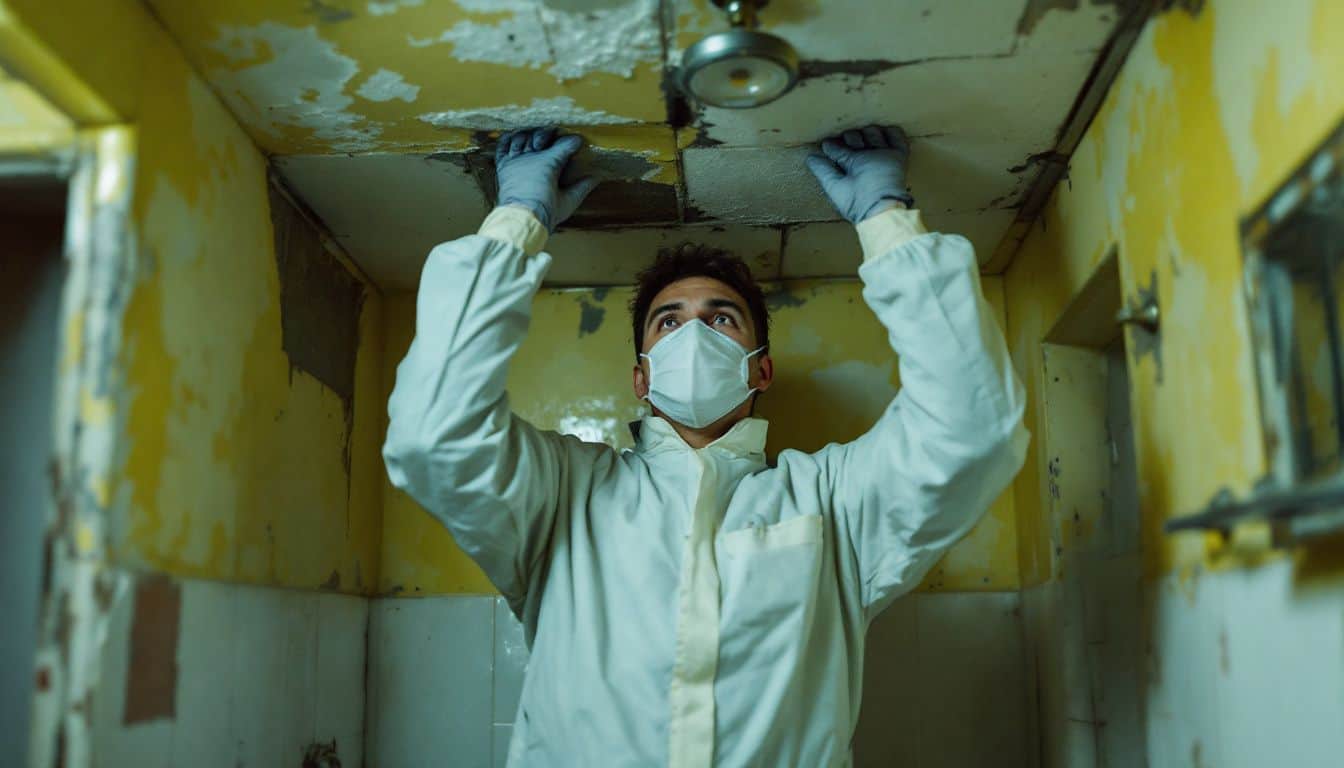
- Textured coatings on walls and ceilings
- Soffits, service ducts and lift shafts
- Fire doors and fire protection panels
- Toilet cisterns and other moulded products
- Roofing felt, mastics, sealants and gaskets
- Plant room insulation and service void materials
If records are missing, incomplete or out of date, arrange a survey before any work starts. It is far cheaper than dealing with an uncontrolled asbestos incident, project delay or enforcement issue.
How asbestos affects health
When asbestos is damaged or disturbed, fibres can become airborne. These fibres are usually too small to see, and once inhaled they can lodge deep in the lungs.
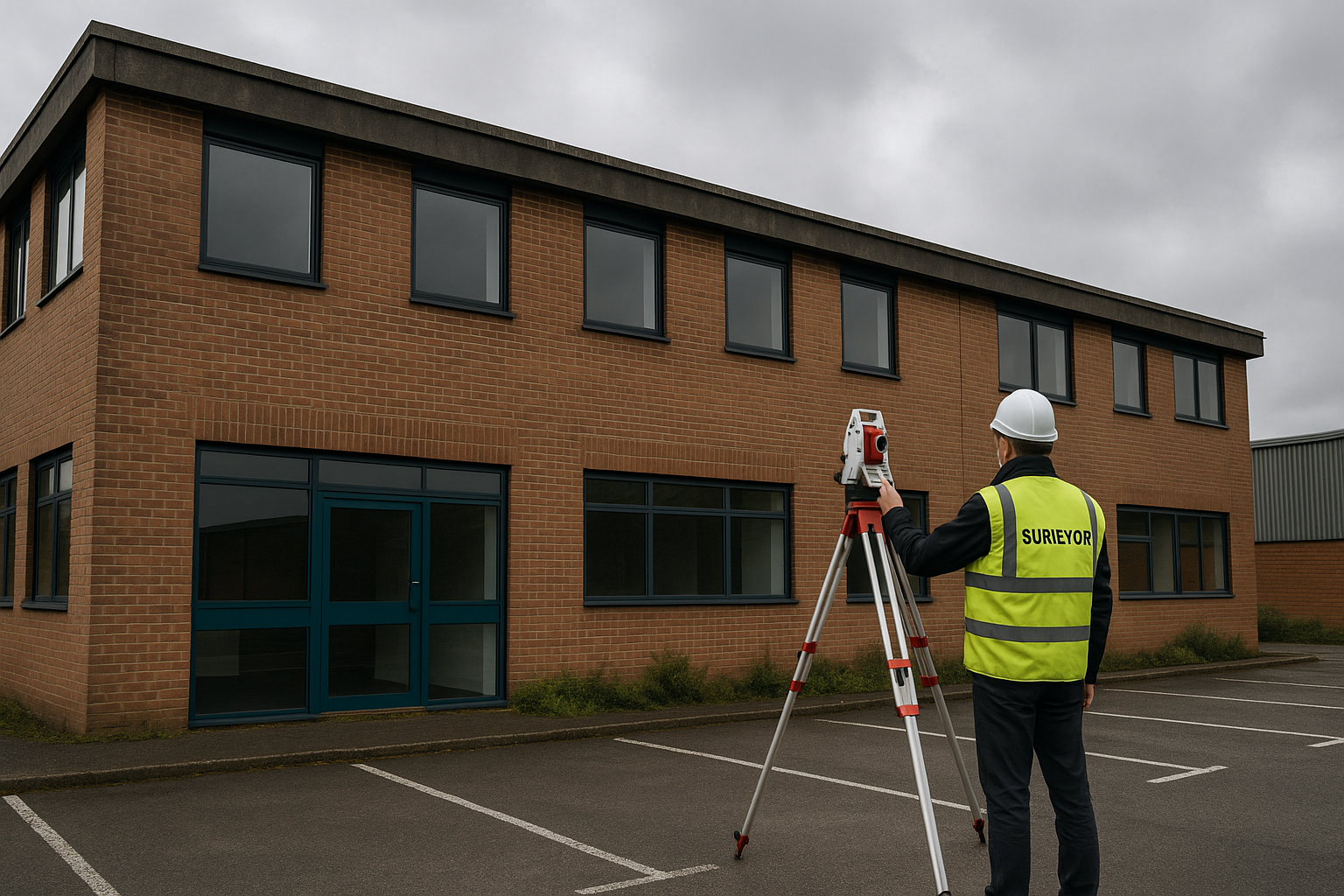
One reason asbestos is so dangerous is that exposure may not cause immediate symptoms. Someone can feel completely well at the time, while serious disease develops much later.
Asbestosis
Asbestosis is a serious lung condition caused by inhaling asbestos fibres over time. It leads to scarring of the lungs, which can make breathing progressively more difficult.
Typical effects include shortness of breath, a persistent cough and reduced ability to exert yourself. Prevention matters because the damage is not something you can simply reverse later.
Lung cancer
Exposure to asbestos increases the risk of lung cancer. That risk can be higher for smokers, but asbestos exposure on its own is a major health concern.
In workplace settings, avoidable exposure often happens during maintenance and refurbishment where materials were not checked first. This is why survey information and permit controls should be part of normal building management, not an afterthought.
Mesothelioma
Mesothelioma is an aggressive cancer associated with asbestos exposure. It affects the lining of the lungs and, less commonly, the lining of the abdomen.
For dutyholders, the practical lesson is simple: even limited exposure can be significant. No one should be asked to work on an older building without clear asbestos information.
Pleural thickening and other pleural disease
Asbestos exposure can also lead to pleural thickening and related disease affecting the lining of the lungs. These conditions can reduce lung function and contribute to long-term breathing problems.
The safest approach is always the same. If a material could contain asbestos, have it properly assessed before work begins.
Legal duties for managing asbestos at work
The main legal framework is the Control of Asbestos Regulations. These regulations place duties on those responsible for maintenance and repair of non-domestic premises, often referred to as the dutyholder.
Depending on the building and contractual arrangements, the dutyholder may be a landlord, managing agent, employer, facilities manager or another person with responsibility for the premises. If you control the building, you may also control the asbestos duty.
The duty to manage asbestos
The duty to manage means taking reasonable steps to find out whether asbestos is present, where it is, and what condition it is in. Where there is uncertainty, materials should be presumed to contain asbestos unless there is strong evidence to show otherwise.
Once identified, the risk from asbestos must be assessed and managed. This is not a one-off task. Registers, plans and building information need regular review.
What HSG264 means in practice
HSG264 sets out guidance for asbestos surveying. For most property managers, the key point is choosing the right survey for the work being planned.
Two survey types matter most in day-to-day property management:
- A management survey is used to locate, as far as reasonably practicable, the presence and extent of asbestos-containing materials that could be disturbed during normal occupation, maintenance or installation work.
- A demolition survey is required before demolition, and intrusive refurbishment work requires the appropriate refurbishment and demolition survey approach before the building fabric is disturbed.
Using the wrong survey creates avoidable risk. A management survey is not a substitute for intrusive pre-refurbishment investigation where walls, ceilings, floors, risers or service voids will be opened up.
Employer and building owner responsibilities
HSE guidance is clear that asbestos information must be available to anyone liable to disturb it, and it must be shared before work starts. Waiting until contractors discover a suspect material on site is already too late.
Your responsibilities may include:
- Checking whether asbestos is present
- Maintaining an up-to-date asbestos register
- Assessing the risk from known or presumed asbestos
- Preparing and implementing a management plan
- Sharing information with contractors, staff and others who may disturb materials
- Monitoring the condition of asbestos-containing materials
- Arranging encapsulation, repair or removal where needed
High-risk occupations and situations for asbestos exposure
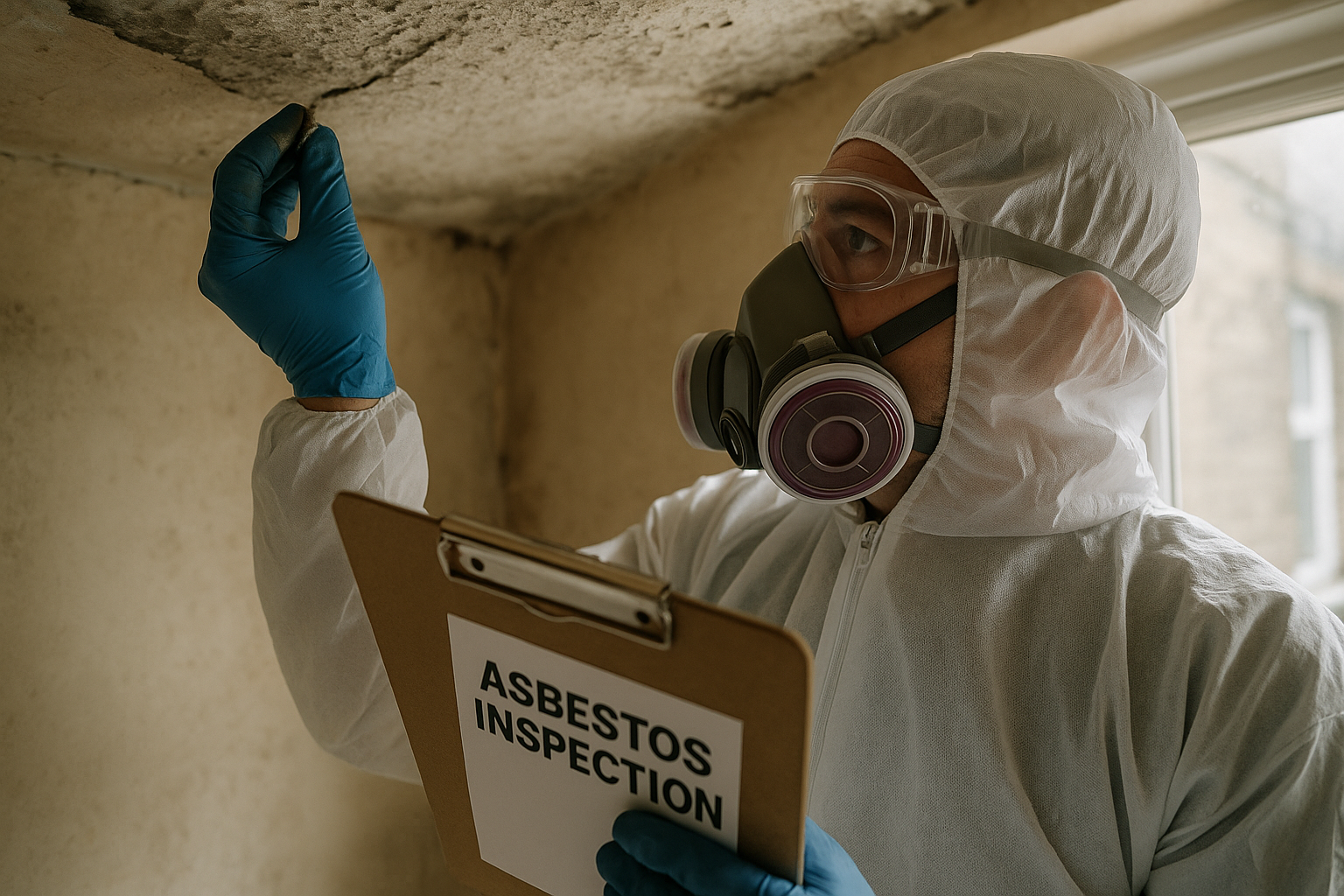
Specialist removal contractors are not the only people at risk from asbestos. In many cases, exposure happens during ordinary building work carried out by people who do not expect to encounter it.
Construction workers and trades
Builders, electricians, plumbers, joiners, decorators, roofers and demolition teams regularly disturb the fabric of older buildings. Drilling a wall, lifting floor finishes or opening a ceiling void can release asbestos fibres if checks were not made first.
If you manage contractors, make asbestos information part of pre-start planning. Do not assume they will ask for it.
Maintenance teams
In-house maintenance teams are often exposed to asbestos risk through repeated small jobs across a site. Replacing lights, running cables, boxing in pipework or repairing doors can all involve hidden asbestos materials.
Give maintenance staff clear procedures, access to the register and suitable asbestos awareness training where relevant. Practical controls save time and prevent poor decisions under pressure.
Industrial and plant workers
Factories, plant rooms and older industrial environments may contain asbestos in insulation, gaskets, rope seals, panels and thermal systems. Even where equipment has been upgraded, surrounding infrastructure may still contain legacy asbestos.
Before servicing or replacing plant, check the wider area as well as the item being worked on. The surrounding lagging, boards and service penetrations are often where asbestos is found.
Emergency responders and firefighters
Emergencies can disturb asbestos without warning. Fire, impact damage and structural collapse can all release fibres from previously hidden materials.
Good records and sensible emergency planning help reduce uncertainty when an incident happens. If your site has known asbestos, make sure that information is accessible.
Transport and specialist environments
Some transport infrastructure and older specialist facilities were built using asbestos-containing products for insulation and fire protection. Repair, strip-out and upgrade work in these settings needs particularly careful planning.
Where access is difficult or the structure is complex, competent surveying before work starts is essential.
How to manage asbestos effectively in a workplace
Good asbestos management is not about removing everything on sight. It is about identifying asbestos, understanding the risk, keeping accurate records and making sure nobody disturbs it without proper controls.
1. Start with the right asbestos survey
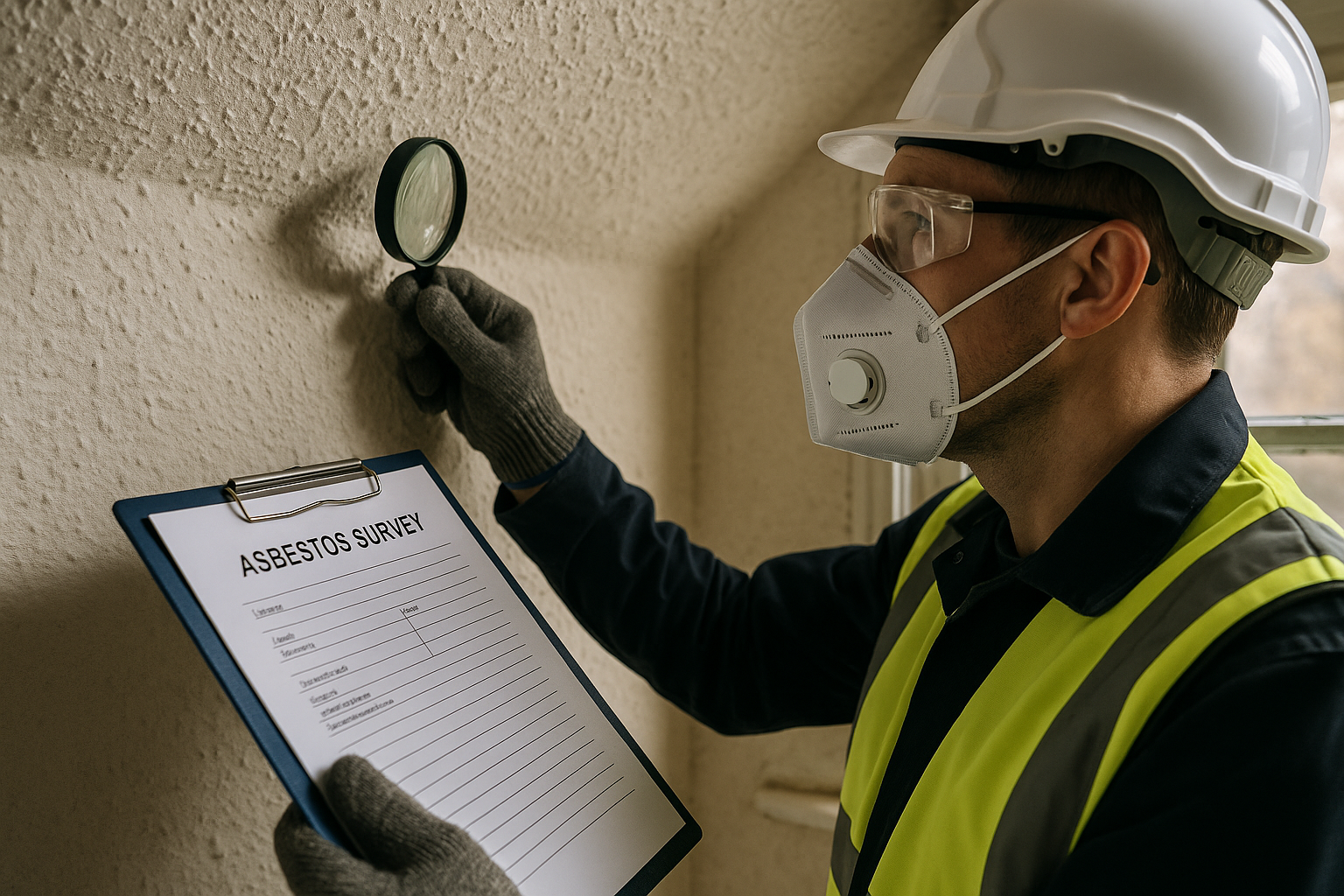
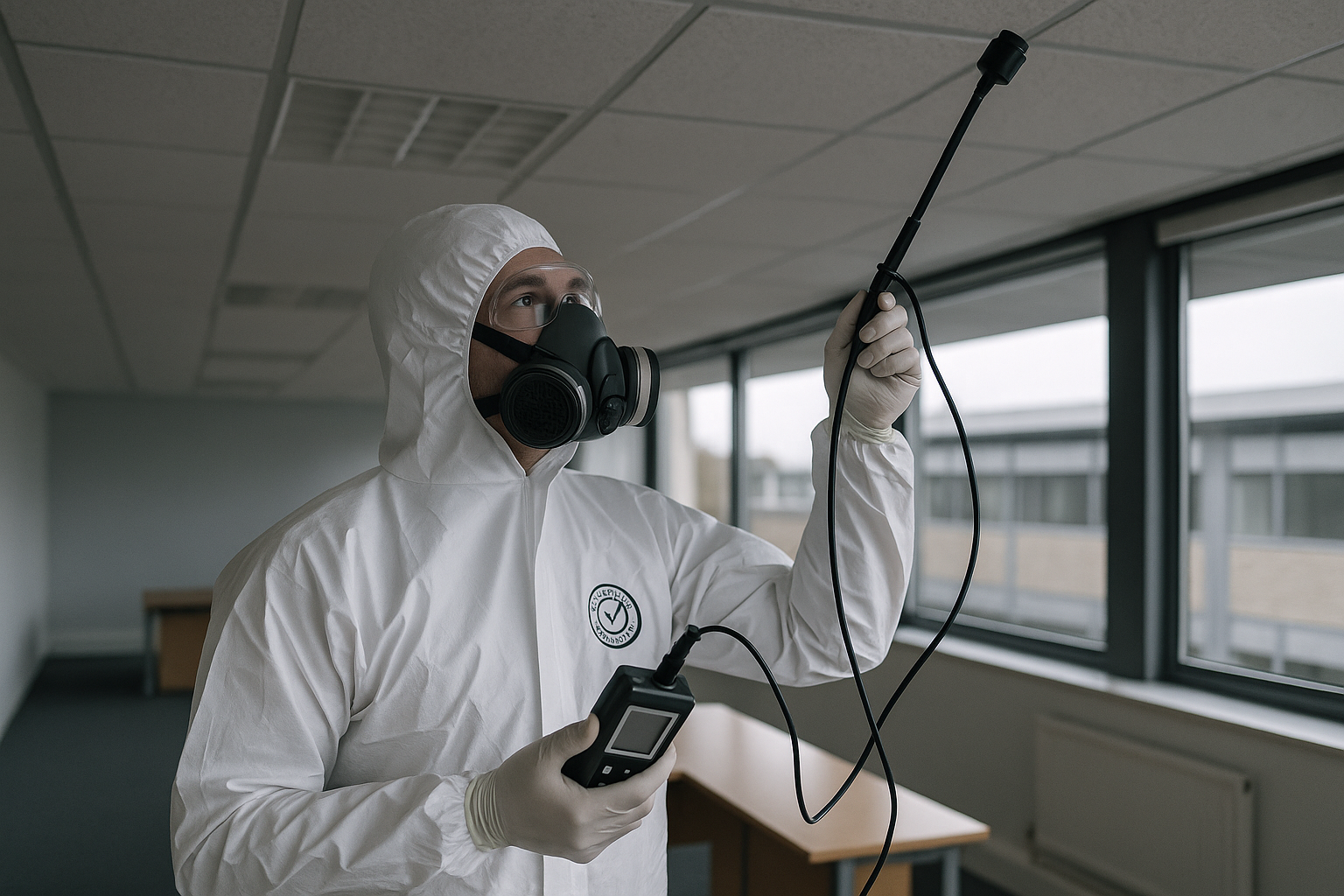
If you do not have reliable records, commission the right survey. For occupied premises, that often means a management survey. For intrusive works, refurbishment or demolition, arrange the correct survey before the project is priced, programmed or started.
If your site is in the capital, booking an asbestos survey London service is a practical way to establish what is present and what action is required. Regional support matters too, whether you need an asbestos survey Manchester appointment for a commercial property in the North West or an asbestos survey Birmingham inspection for a Midlands site.
2. Keep an accurate asbestos register
An asbestos register should record the location, extent, product type, condition and risk of known or presumed asbestos-containing materials. It should be clear enough for contractors and maintenance teams to use without confusion.
Update the register whenever there is new survey information, damage, removal work, encapsulation, sampling or a material change in building use.
3. Create a working management plan
Your asbestos management plan should explain who is responsible, how materials are monitored, where the register is held, how contractors are informed and what happens if damage is found.
A plan that exists only for audit purposes is not enough. It should support real decisions on permits, maintenance, access and project planning.
4. Inspect and monitor materials
Not all asbestos needs immediate removal. If asbestos is in good condition and unlikely to be disturbed, it may be safer to leave it in place and manage it.
That only works if inspections happen regularly. Water ingress, vibration, wear, accidental knocks and repeated access can all change the condition of asbestos over time.
5. Control contractor access
Before intrusive work starts, contractors should:
- Check the asbestos register
- Review relevant survey information
- Confirm whether the planned work could disturb suspect materials
- Stop and escalate if information is incomplete
This is one of the simplest ways to prevent accidental asbestos exposure. A short pre-start review can avoid a major incident.
6. Label and communicate where appropriate
In some settings, labelling asbestos-containing materials or service areas can help prevent accidental disturbance. Communication should be practical and proportionate to the site.
The wider point is that asbestos information must reach the people doing the work. A register hidden in a head office folder does not protect anyone on site.
7. Act quickly if damage is found
If suspect asbestos is damaged, stop work immediately, restrict access and seek competent advice. Do not sweep, vacuum or attempt to remove debris unless the work is being handled under the correct controls.
Record what happened, preserve the area and make sure relevant people are informed. Fast, calm action reduces further exposure and disruption.
When asbestos should be left in place and when action is needed
One of the most common mistakes in asbestos management is assuming every asbestos-containing material must be removed immediately. In many cases, removal is not the safest or most proportionate option.
If asbestos is in good condition, sealed, stable and unlikely to be disturbed, managing it in place may be appropriate. That decision should be based on risk, not convenience.
Asbestos may be managed in place when:
- The material is in good condition
- It is not friable or easily damaged
- It is in a low-access location
- There is no planned work likely to disturb it
- It can be inspected and monitored effectively
Action is more likely to be needed when:
- The asbestos is damaged or deteriorating
- It is in a high-traffic or vulnerable area
- Maintenance work regularly affects the location
- Refurbishment or demolition is planned
- The material cannot be safely managed in place
Possible actions include repair, sealing, encapsulation, enclosure or removal. The right option depends on the material, condition, location and future use of the building.
Practical mistakes that lead to asbestos incidents
Most workplace asbestos incidents are not caused by unusual events. They happen because straightforward controls were missed.
Watch out for these common failures:
- Starting work without checking the asbestos register
- Relying on an old survey that no longer reflects the building
- Using a management survey for intrusive refurbishment work
- Failing to share asbestos information with contractors
- Assuming a material is harmless because it looks modern
- Ignoring minor damage to known asbestos
- Keeping records that are too vague to be useful
- Allowing emergency repairs to bypass asbestos checks
If any of these sound familiar, tighten your process now. Small improvements in planning, record keeping and communication make a major difference.
What to do before maintenance, refurbishment or demolition
Asbestos risk increases sharply when the building fabric is disturbed. That means planned works need a structured pre-start process.
Before maintenance work
- Review the asbestos register
- Check whether the task affects walls, ceilings, floors, ducts or plant
- Confirm whether existing survey information is sufficient
- Pause the job if there is uncertainty
Before refurbishment
- Define the exact scope of works
- Arrange the correct intrusive survey for affected areas
- Share findings with designers, contractors and project managers
- Build asbestos controls into the programme and budget
Before demolition
- Ensure the required survey has been completed
- Identify asbestos-containing materials that need removal or control first
- Sequence the work properly
- Keep records available for everyone involved in the project
Do not leave asbestos checks until the contractor is already on site. By then, delays and unsafe shortcuts become far more likely.
Frequently Asked Questions
Is asbestos always dangerous if it is present in a building?
Not always. Asbestos is most dangerous when it is damaged, disturbed or deteriorating and fibres can be released into the air. If it is in good condition and unlikely to be disturbed, it may be managed safely in place with the right monitoring and controls.
Do I need an asbestos survey for an occupied workplace?
If you are responsible for an older non-domestic building and do not have reliable asbestos information, you will usually need a suitable survey. For normal occupation and routine maintenance, a management survey is typically the starting point.
What is the difference between a management survey and a demolition survey?
A management survey helps locate asbestos that could be disturbed during normal occupation, maintenance or installation work. A demolition survey is used where demolition is planned, and intrusive refurbishment work requires the appropriate refurbishment and demolition survey approach before the building fabric is disturbed.
Who is responsible for asbestos in the workplace?
Responsibility usually sits with the dutyholder under the Control of Asbestos Regulations. That may be the landlord, employer, managing agent, facilities manager or another person with responsibility for maintenance and repair of the premises.
What should I do if suspected asbestos is damaged?
Stop work immediately, keep people away from the area, prevent further disturbance and seek competent advice. Do not try to clean up suspect asbestos debris without the correct controls and expertise.
Need expert help with asbestos?
If you need clear advice, fast turnaround and competent surveying, Supernova Asbestos Surveys can help. We provide asbestos surveys for commercial, industrial and residential properties across the UK, with practical support for dutyholders, property managers, landlords and project teams.
To arrange a survey or discuss your asbestos requirements, call 020 4586 0680 or visit asbestos-surveys.org.uk. Supernova can help you identify asbestos, stay compliant and keep your building safe to manage, maintain or redevelop.