How long after asbestos exposure symptoms appear is one of the first questions people ask after a workplace incident, a DIY mistake, or years spent working in older buildings. The difficult truth is that asbestos-related disease usually develops very slowly, with symptoms often taking decades rather than days or weeks to show.
That delay can create false reassurance. You may feel completely well now, yet asbestos fibres inhaled in the past can remain in the lungs or pleura for many years and contribute to scarring, inflammation, or cancer later in life.
If you are an employer, landlord, facilities manager, contractor, or former tradesperson, understanding how long after asbestos exposure symptoms may appear helps you make better decisions now. It affects reporting, medical follow-up, building management, and whether you need professional asbestos advice for the premises you control.
Overview: how long after asbestos exposure symptoms may appear
There is no single timeline because asbestos can cause several different conditions. Each condition has its own latency period, symptoms, and level of risk.
In most cases, asbestos-related illness does not happen immediately after exposure. Fibres can lodge deep in the lungs or in the lining around the lungs, where the body struggles to clear them.
As a broad guide, the time between exposure and illness is often measured in years or decades:
- Asbestosis: commonly develops after heavy, prolonged exposure, often around 10 to 40 years later
- Mesothelioma: often appears 20 to 50 years after exposure, sometimes longer
- Asbestos-related lung cancer: often develops after 15 to 35 years
- Pleural plaques: often appear 20 to 30 years after exposure
- Diffuse pleural thickening: often develops 20 to 40 years after exposure
- Benign asbestos pleural effusion: can occur earlier than some other asbestos conditions, but still needs medical assessment
These are broad ranges, not guarantees. Some people with substantial exposure never develop disease, while others become ill after lower levels of exposure, particularly with mesothelioma.
So when people ask how long after asbestos exposure symptoms start, the honest answer is usually this: not straight away, and often not for many years.
Why asbestos disease takes so long to develop
Asbestos fibres are microscopic, durable, and resistant to breakdown. Once inhaled, some fibres can travel deep into the lungs and remain there for a very long time.
The body tries to remove them, but often cannot do so effectively. Over time, this can lead to chronic irritation, inflammation, scarring, and cellular damage.
Bronchioles and alveoli in the lungs
To understand how long after asbestos exposure symptoms may appear, it helps to know what happens inside the lungs. Air passes through the windpipe into the bronchi, then into smaller airways called bronchioles, and finally into tiny air sacs called alveoli.
The alveoli are where oxygen passes into the blood and carbon dioxide leaves the body. When asbestos fibres reach these deep parts of the lungs, they can become trapped.
If fibres lodge in or around the bronchioles and alveoli, they may cause:
- Persistent irritation in lung tissue
- Inflammation that does not fully settle
- Fibrosis, which is permanent scarring
- Reduced flexibility of the lungs
- Impaired gas exchange over time
This process is usually slow. A person may feel entirely normal for years while damage develops gradually in the background.
The role of the pleura
Asbestos does not only affect the lung tissue itself. It can also affect the pleura, the thin lining around the lungs.
That is why exposure may lead to pleural plaques, diffuse pleural thickening, pleural effusions, and mesothelioma. Some of these conditions can restrict how well the lungs expand, leading to breathlessness or chest discomfort.
Risk factors that affect when symptoms appear
Not everyone exposed to asbestos develops the same condition, and not everyone develops symptoms at the same pace. Several factors influence risk and timing.
- Amount of asbestos inhaled: heavier exposure usually means greater risk
- Frequency of exposure: repeated exposure is generally more concerning than a single low-level event
- Duration of exposure: long-term work in dusty environments carries more risk
- Type and condition of the material: friable materials release fibres more easily than bonded products in good condition
- How the material was disturbed: cutting, drilling, sanding, scraping, or breaking materials can release fibres
- Smoking history: smoking greatly increases the risk of lung cancer in people exposed to asbestos
- Individual health factors: people do not all respond in the same way
This is why no one can give an exact personal countdown for how long after asbestos exposure symptoms will show. Exposure history matters, but so does the specific disease being considered.
Symptoms of asbestosis
Asbestosis is a chronic lung disease caused by scarring of lung tissue after significant asbestos exposure, usually over a prolonged period. It tends to develop gradually rather than suddenly.
Early symptoms can be mild and easy to dismiss. That is one reason many people do not seek medical advice until the disease is more advanced.
Common symptoms of asbestosis
- Shortness of breath, especially on exertion
- A persistent dry cough
- Chest tightness or discomfort
- Fatigue
- Reduced exercise tolerance
- Finger clubbing in some cases
Breathlessness is often the symptom that prompts people to speak to a GP. At first it may only appear when climbing stairs, walking uphill, or carrying shopping, but it can become more noticeable over time.
If you are wondering how long after asbestos exposure symptoms of asbestosis appear, the answer is usually after heavy or repeated exposure over many years, with symptoms often showing 10 to 40 years later.
Symptoms of other asbestos-related diseases
Asbestos exposure can lead to more than one type of illness. The symptoms vary depending on the condition.
Mesothelioma symptoms
Mesothelioma is a cancer affecting the lining around the lungs, and less commonly the lining of the abdomen. Early symptoms can be vague.
- Persistent chest pain
- Breathlessness
- A persistent cough
- Unexplained weight loss
- Fatigue
- Fluid around the lungs
Mesothelioma can develop after relatively low exposure, although risk generally increases with greater exposure.
Asbestos-related lung cancer symptoms
Asbestos exposure also increases the risk of lung cancer. Smoking increases that risk significantly further.
- A new or changing cough
- Coughing up blood
- Chest pain
- Breathlessness
- Unexplained weight loss
- Hoarseness
Anyone with these symptoms should seek medical advice promptly, especially if they have a known asbestos exposure history.
Pleural plaques and diffuse pleural thickening
Pleural plaques are areas of thickening on the pleura. They are a marker of past asbestos exposure and do not turn into cancer.
They often cause no symptoms and may be found incidentally on imaging. Diffuse pleural thickening is more extensive and may cause breathlessness or chest discomfort because it can restrict lung expansion.
What do I do if I have been exposed to asbestos through work or an occupational activity?
If exposure may have happened at work, stop the activity straight away and prevent further disturbance. Do not carry on working in the area until the material has been assessed properly.
This matters whether you are a direct employee, self-employed contractor, maintenance worker, or someone exposed during an occupational task.
Immediate steps to take
- Leave the area if fibres may be airborne.
- Stop the work that disturbed the material.
- Do not sweep up dust or use a standard vacuum cleaner.
- Avoid eating, drinking, or smoking until you have washed thoroughly.
- Wash exposed skin and shower if possible.
- Change clothing carefully and bag potentially contaminated items separately.
- Report the incident through your employer’s health and safety procedure.
Record what happened
Write down the details while they are fresh. Accurate records can be very important later for occupational health, insurance, or compensation questions.
- Where the incident happened
- What work was being carried out
- What material was disturbed
- How long the exposure may have lasted
- Whether visible dust was present
- What controls or PPE were in place
- Who else may have been exposed
Tell your employer, occupational health provider, or GP
Employers should have procedures for reporting hazardous incidents under their health and safety arrangements. If occupational health support is available, ask for the exposure to be documented.
If you are self-employed, keep your own written record and tell your GP so it can be noted in your medical history. That does not mean illness will follow, but it creates a clear record if concerns arise later.
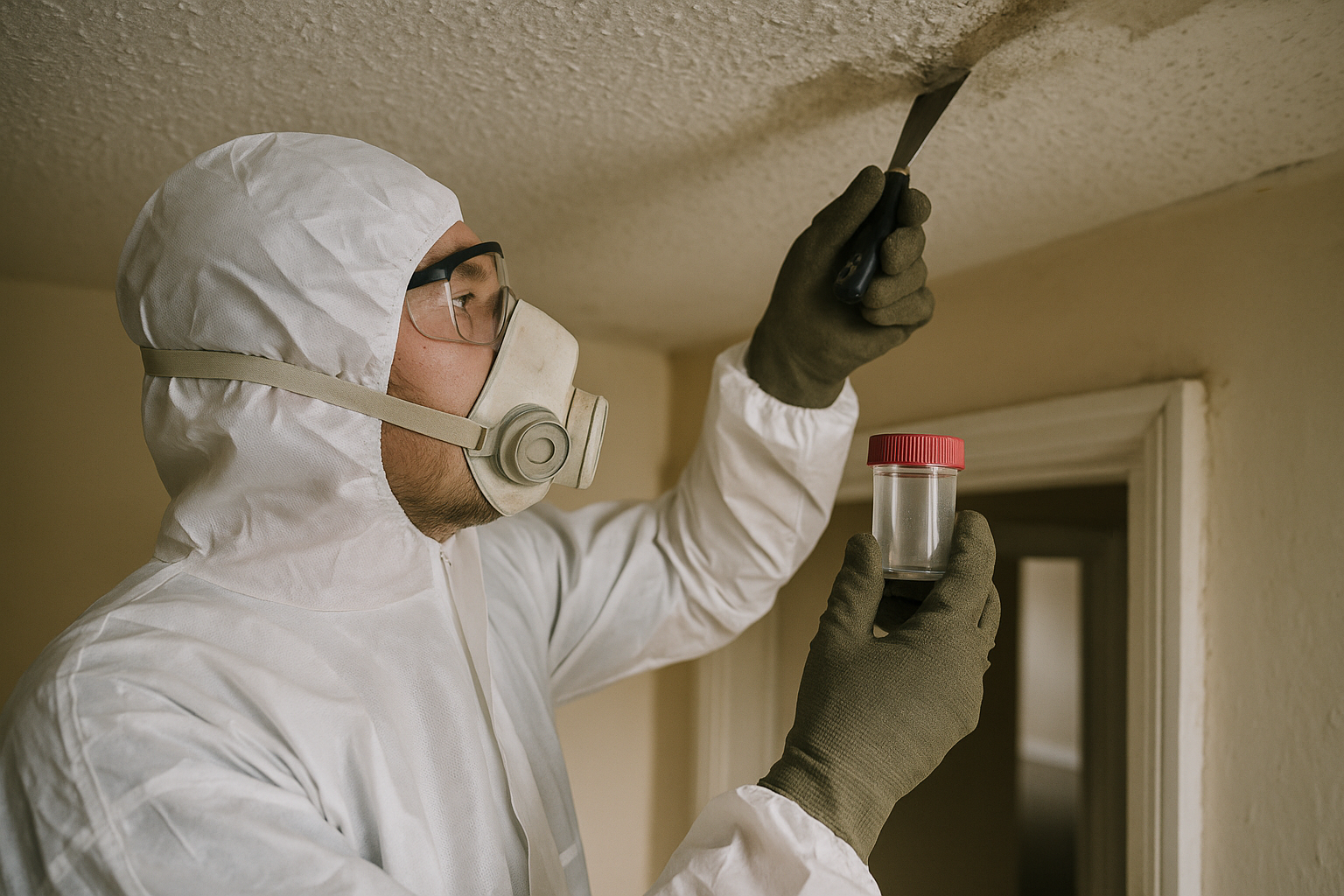
Get the material identified properly
Do not guess whether a material contains asbestos. The correct next step is professional inspection, sampling, or surveying by a competent organisation.
If you manage premises in the capital, arranging an asbestos survey London service can help confirm whether suspect materials are present and what action is needed. The same applies elsewhere, whether you need an asbestos survey Manchester provider or an asbestos survey Birmingham inspection for a regional portfolio.
Tests for asbestosis
If a GP suspects asbestos-related disease, they will usually ask about your symptoms, smoking history, and any past exposure to asbestos. Be specific about the type of work you did, where you worked, and how often you may have been exposed.
Tests for asbestosis and other asbestos-related disease may include:
- Chest X-ray: can show signs of scarring or pleural changes
- CT scan: gives a more detailed picture of the lungs and pleura
- Lung function tests: assess how well your lungs are working
- Oxygen level assessment: may be used to see how effectively your lungs are transferring oxygen
- Specialist referral: a respiratory consultant may arrange further investigation if needed
A diagnosis is not based on one symptom alone. Doctors will look at your exposure history, imaging results, lung function, and overall clinical picture.
If symptoms are new or worsening, do not wait for them to become severe before seeking advice. Early assessment is sensible even though asbestos disease itself often has a long latency period.
Treatment for asbestosis
There is no cure that reverses the scarring caused by asbestosis. Treatment focuses on managing symptoms, slowing deterioration where possible, and helping you maintain the best quality of life.
The treatment plan depends on how advanced the condition is and whether there are other respiratory issues present.
Common treatment approaches
- Monitoring: regular review of symptoms and lung function
- Inhalers or other medication: may help if there are overlapping breathing conditions
- Pulmonary rehabilitation: structured exercise and breathing support programmes
- Oxygen therapy: may be needed in more advanced cases
- Vaccination: helps reduce the chance of infections that affect the lungs
- Smoking cessation support: particularly important for anyone who smokes
Treatment for mesothelioma, lung cancer, or pleural disease is different and may involve specialist oncology or respiratory care. The right pathway depends entirely on the diagnosis.
Do: practical steps to help if you have asbestosis or asbestos-related lung damage
Medical treatment matters, but day-to-day choices matter as well. If you have asbestosis or another asbestos-related lung condition, there are practical steps that can help protect your lungs.
- Do try to quit smoking if you smoke – your symptoms may get worse if you smoke, and it increases the risk of lung cancer
- Do get the flu vaccination and the pneumococcal vaccination – this reduces your chance of getting an infection that affects your lungs
- Do attend follow-up appointments and investigations
- Do tell healthcare professionals about your asbestos exposure history
- Do pace physical activity and ask about pulmonary rehabilitation if breathlessness is affecting daily life
- Do seek prompt medical advice if you develop a chest infection, worsening breathlessness, chest pain, or unexplained weight loss
These steps will not remove existing scarring, but they can reduce complications and support better lung health.
Government compensation scheme for asbestosis
If you have been diagnosed with asbestosis or another recognised asbestos-related disease linked to work, you may be entitled to claim financial support. Eligibility depends on your diagnosis, employment history, and the route of exposure.
Compensation may be available through more than one route, including industrial injuries support or civil claims where appropriate. The correct option depends on your circumstances.
Practical advice if compensation may apply
- Keep copies of your diagnosis letters and test results
- Write down your employment history in as much detail as possible
- Record the names of employers, sites, dates, and job roles if known
- Keep any incident reports, risk assessments, or occupational health records
- Seek specialist legal or benefits advice from a properly qualified professional
If you believe exposure happened through work or another occupational activity, do not rely on memory alone years later. Start gathering records now while details are easier to trace.
Relevant UK regulations and guidance
When asbestos is present in non-domestic premises, dutyholders must manage the risk in line with the Control of Asbestos Regulations. Surveying, risk assessment, and management arrangements should follow recognised standards and competent practice.
For asbestos surveys, HSG264 remains the key guidance document for understanding survey types, planning, and reporting. It supports decisions on whether a management survey or a refurbishment and demolition survey is required.
HSE guidance also sets out expectations for identifying asbestos-containing materials, preventing exposure, using licensed contractors where required, and keeping suitable records.
For property managers, the practical takeaway is simple:
- Do not assume a building is asbestos-free because materials look harmless
- Do not disturb suspect materials without checking first
- Do maintain an asbestos register where required
- Do review survey information before maintenance, refurbishment, or demolition work starts
If you are responsible for older premises, a survey is often the starting point for legal compliance as well as safety.
Research: what we know and what remains uncertain
Research into asbestos-related disease has been ongoing for decades. The broad picture is clear: inhaled asbestos fibres can remain in the body for a long time, and the diseases linked to them often have long latency periods.
What remains less predictable is exactly who will become ill and when. Two people with apparently similar exposure histories may have very different outcomes.
Research continues to look at:
- Why some individuals develop mesothelioma after relatively low exposure
- How fibre type, size, and durability affect disease mechanisms
- How imaging and biomarkers may improve earlier detection
- How supportive treatment can improve quality of life for people with established disease
For anyone searching how long after asbestos exposure symptoms, the key message from research is consistency rather than certainty. The risk is real, the timeline is often long, and proper exposure prevention remains far more effective than trying to deal with illness later.
Further reading
If you are dealing with possible asbestos in a building, medical concerns are only one part of the picture. You may also need practical information on surveys, sampling, registers, and what type of inspection is suitable before maintenance or refurbishment work.
Useful areas to read about next include:
- The difference between management surveys and refurbishment and demolition surveys
- Where asbestos is commonly found in commercial and residential buildings
- What to do after accidental damage to asbestos-containing materials
- How asbestos sampling works
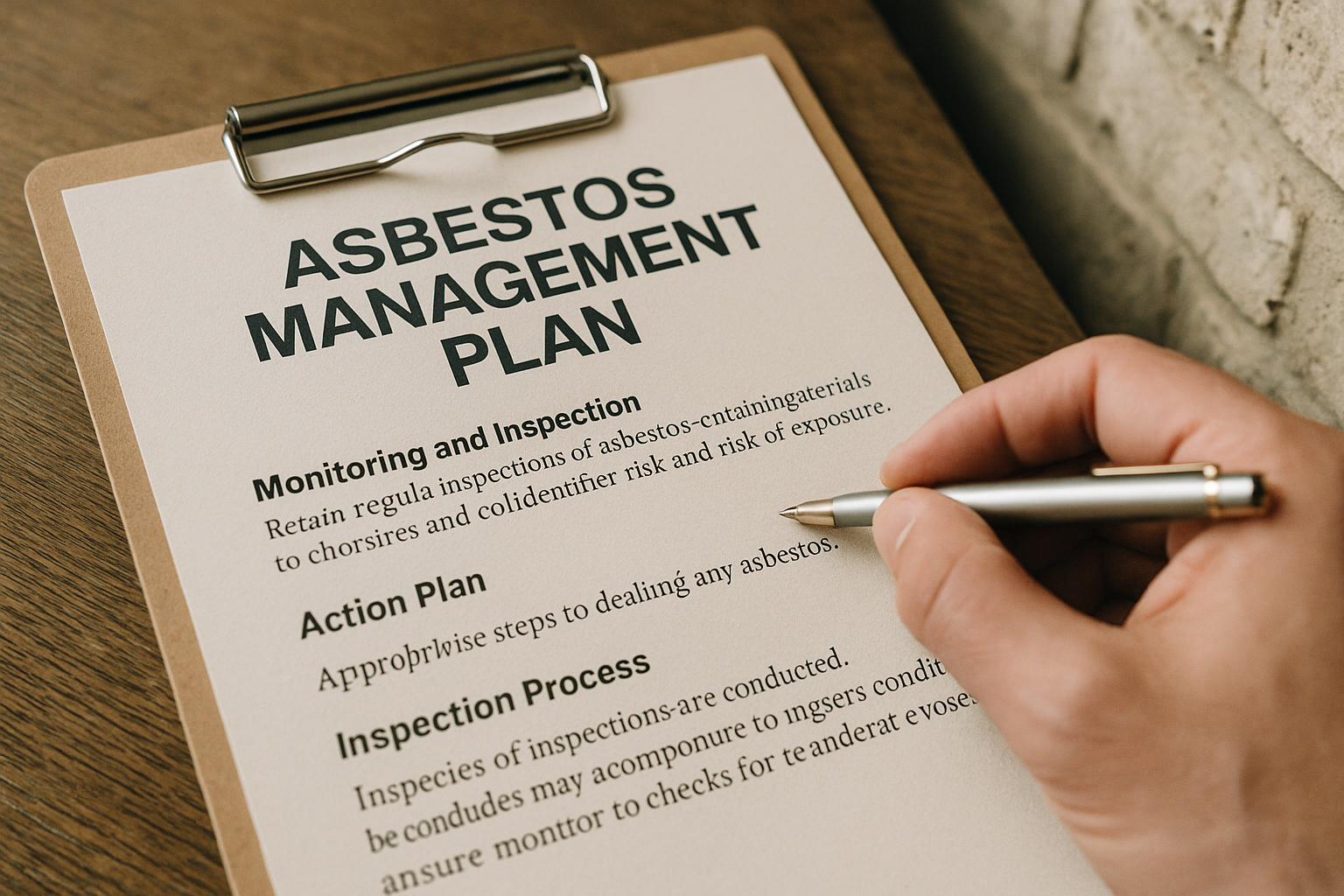
- What property managers need in an asbestos management plan
For employers and dutyholders, further reading should focus on prevention. Once fibres have been released, the opportunity to avoid exposure has already been lost.
Related news
Asbestos remains a live issue across the UK because many older buildings still contain asbestos-containing materials. Related news often involves accidental disturbance during refurbishment, failures in asbestos management, enforcement action, or renewed attention on occupational exposure from past decades.
For property professionals, the lesson in most asbestos news stories is familiar: assumptions cause problems. Work starts, materials are disturbed, and only then does someone ask whether asbestos was present.
If you manage multiple sites, build a repeatable process:
- Check whether the building age and construction type create asbestos risk.
- Review existing survey information before any intrusive work.
- Update the asbestos register when materials are removed, repaired, or re-assessed.
- Make sure contractors have the information they need before starting work.
That approach reduces the chance of emergency decisions, unsafe disturbance, and avoidable exposure incidents.
When to seek medical advice
You should speak to a GP if you have a history of asbestos exposure and develop ongoing breathlessness, a persistent cough, chest pain, unexplained fatigue, or unexplained weight loss. Mention the exposure clearly rather than assuming it is obvious from your records.
You should also seek advice if you were involved in a significant occupational exposure incident and want it documented, even if you currently feel well. That can be helpful for future medical records and occupational health follow-up.
Urgent medical advice is appropriate if you have severe breathing difficulty, chest pain, or cough up blood.
What property managers and employers should do now
If your concern started with an exposure incident, there is a wider management issue to address. The same building conditions that caused one event may expose other people unless the risk is identified and controlled properly.
- Review whether an asbestos survey is already in place and still current
- Check that the asbestos register reflects the actual condition of materials on site
- Make sure contractors can access asbestos information before work begins
- Arrange sampling or reinspection where materials are damaged or uncertain
- Pause refurbishment work until the asbestos risk is properly assessed
This is where experienced surveyors add real value. A clear survey report helps you decide whether materials can remain in place and be managed, or whether remedial action is needed before work continues.
Need expert help with asbestos risk?
If you are responsible for a building, the safest response is not guesswork. Supernova Asbestos Surveys carries out professional asbestos surveys, sampling, and reporting across the UK, helping landlords, property managers, employers, and contractors stay compliant and reduce exposure risk.
To arrange a survey or discuss the right service for your premises, call 020 4586 0680 or visit asbestos-surveys.org.uk. Supernova has completed more than 50,000 surveys nationwide and can help you act quickly and sensibly.
Frequently Asked Questions
How long after asbestos exposure symptoms usually start?
In most cases, asbestos-related disease develops after many years rather than immediately. Depending on the condition, symptoms may appear roughly 10 to 50 years after exposure.
Can asbestos symptoms appear straight away after exposure?
Serious asbestos-related diseases do not usually appear straight away. Immediate symptoms after an incident are more likely to be caused by dust irritation, anxiety, or another short-term issue, but any breathing problem should still be assessed by a medical professional.
Does one exposure to asbestos mean I will get ill?
No. A single exposure does not mean you will definitely develop disease. Risk depends on factors such as how much asbestos was inhaled, how often exposure happened, the type of material involved, and individual health factors.
What should I do after accidental asbestos exposure at work?
Stop work, leave the area, avoid spreading dust, report the incident, and get the material assessed professionally. Record what happened and tell your GP or occupational health provider so the exposure is documented.
Can smoking make asbestos-related disease worse?
Yes. Smoking does not cause mesothelioma, but it does increase the risk of lung cancer in people exposed to asbestos and can worsen respiratory symptoms. Quitting smoking is one of the most practical steps you can take to protect your lungs.