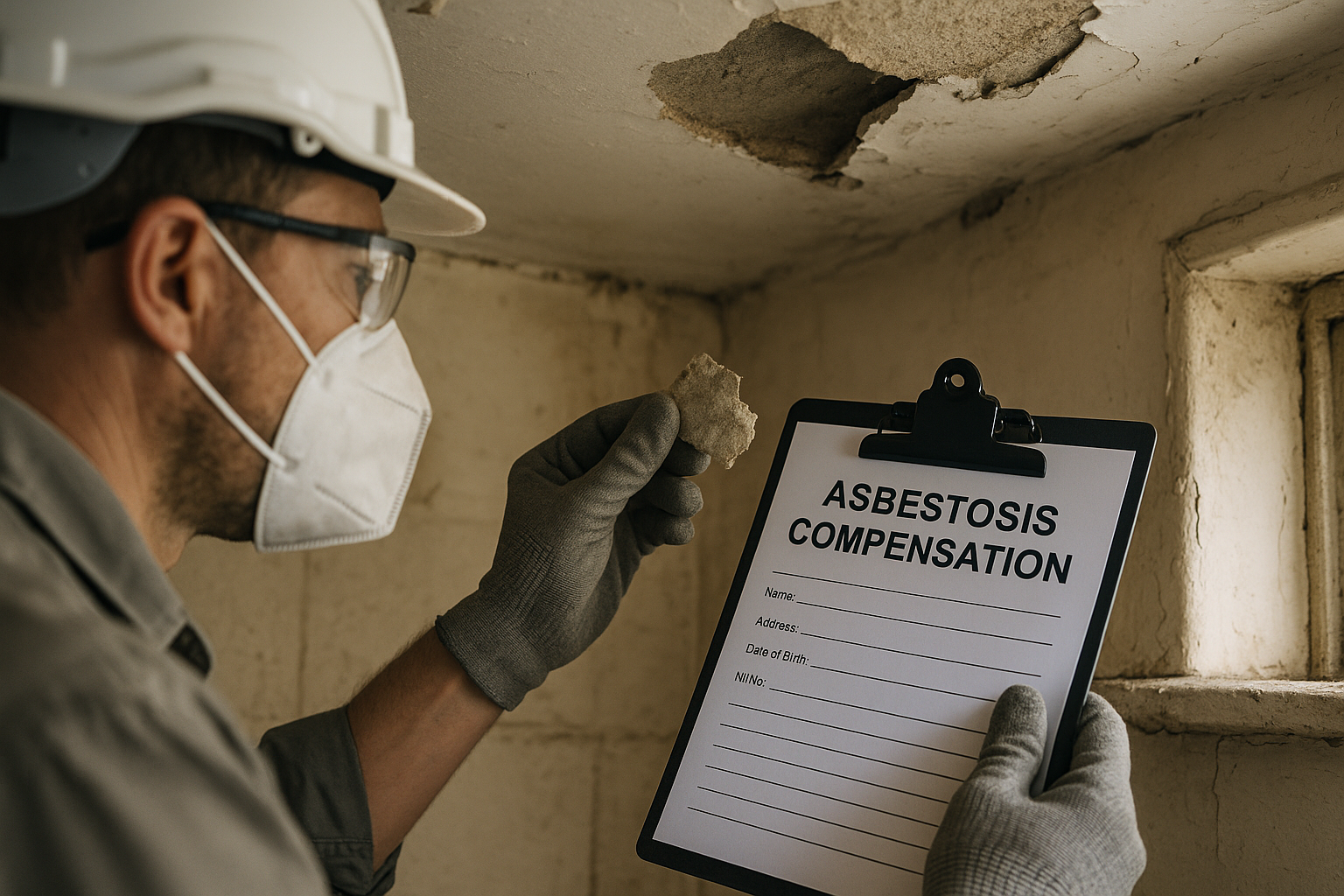
Asbestos External Wall Cladding: What Every Property Owner Needs to Know
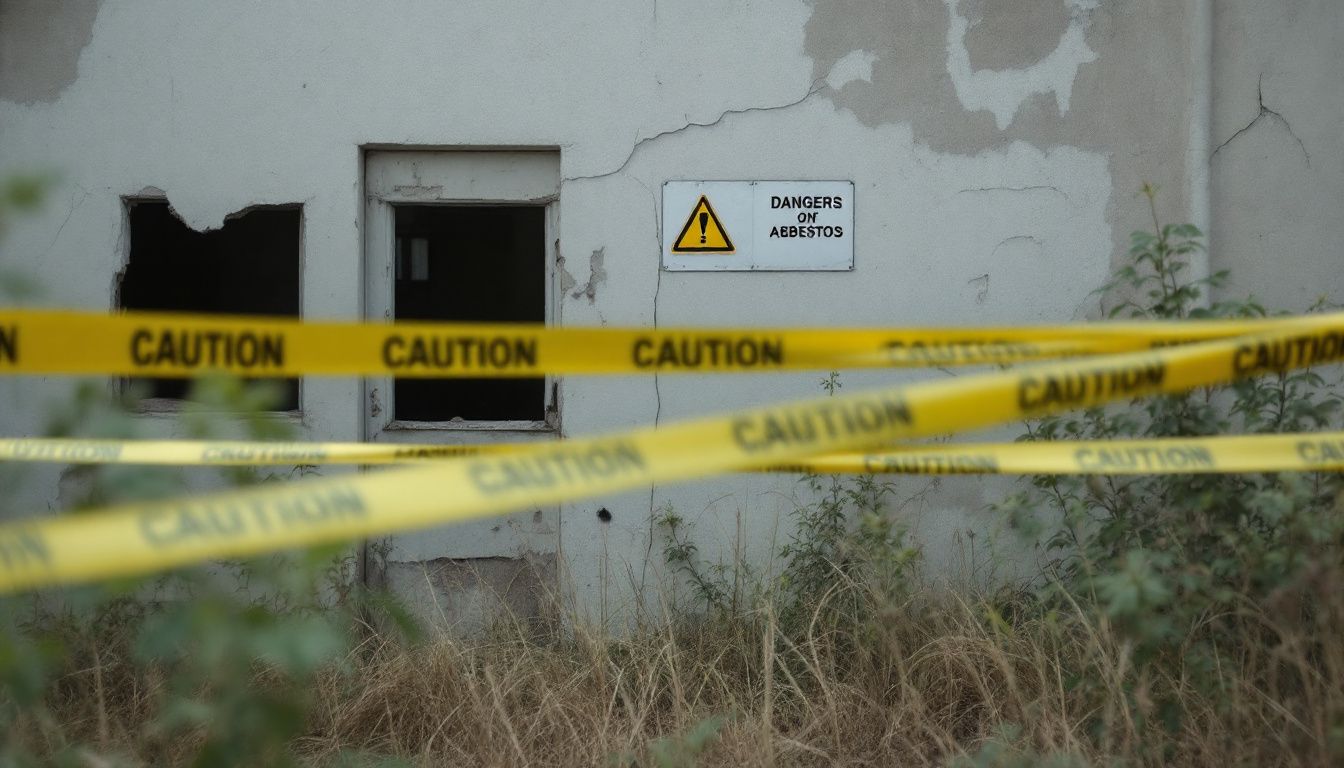
Thousands of UK buildings are still clad with materials that contain asbestos — and many owners have no idea. Asbestos external wall cladding looks ordinary, weathers quietly, and raises no immediate alarm. But the moment it is drilled, cut, broken, or simply left to deteriorate, it can release microscopic fibres that lodge permanently in the lungs.
The consequences can be fatal, and they may not show up for decades. If your property was built or refurbished before the year 2000, there is a real possibility that asbestos is present somewhere in the external envelope.
Where Asbestos External Wall Cladding Is Most Commonly Found
Asbestos was used extensively in construction from the 1940s through to the late 1980s, and in some products right up until the UK ban in 1999. Its appeal was straightforward — it was cheap, strong, fire-resistant, and weatherproof. Those same qualities mean it is still sitting on millions of buildings across the country today.
The most widespread form of asbestos external wall cladding is asbestos cement sheeting. This was manufactured as flat panels and corrugated sheets and applied to façades, gables, infill panels above and below windows, porch ceilings, and eaves. On industrial and agricultural buildings, you will also find it used as ridge capping, guttering, downpipes, and flue pipes.
Other locations where asbestos-containing materials are commonly found in the external envelope include:
- Soffit boards beneath eaves and canopies
- Bulkhead linings in corridors, stairwells, and lift lobbies
- Expansion joint mastics and old putty around window frames
- Galbestos panels — steel sheets with an asbestos-based coating, common on commercial and industrial buildings
- Stump packers and sub-floor supports on older timber-framed buildings
- Garden fences and outbuilding walls clad with corrugated asbestos sheets
Asbestos Insulating Board (AIB) is another material that appears in external and semi-external locations. It was widely used for fire protection and looks almost identical to plasterboard or fibre cement board, making visual identification completely unreliable without laboratory analysis.
How to Spot Potential Asbestos Cladding Before Calling a Surveyor
You cannot confirm asbestos by sight alone. Only accredited laboratory testing can do that. However, there are visual indicators that should prompt you to treat a material as suspect and stop any planned work immediately.
Signs That Cladding May Contain Asbestos
- Nail heads sitting proud of the panel surface rather than countersunk flush — a characteristic of asbestos cement fixing methods
- Cover straps or timber battens running over the joints between sheets
- Corrugated or flat fibre cement panels installed before the 1990s, particularly the well-known Super Six profile on older sheds and outbuildings
- Panels with a dull, slightly chalky surface texture that differs from modern fibre cement or uPVC cladding
- Galbestos panels with an aged, pitted metallic finish unlike contemporary plastisol-coated steel
- Soffit boards that appear identical to plasterboard but are in an external or semi-external location
If any of these features are present, do not drill, cut, sand, or pressure-wash the surface. Commission a professional survey before any work proceeds. Arranging a management survey is often the right starting point for occupied buildings where no immediate work is planned.
The Health Risks of Asbestos Fibre Inhalation
Asbestos fibres are invisible to the naked eye. When cladding is disturbed — whether by a power tool, a pressure washer, or physical impact — those fibres become airborne and can be inhaled deep into the lungs. Once there, the body cannot expel them.
The diseases caused by asbestos exposure are severe and, in most cases, incurable:
- Mesothelioma — a cancer of the lining of the lungs or abdomen, almost exclusively linked to asbestos exposure and almost always fatal
- Lung cancer — risk is significantly elevated in those exposed to asbestos, particularly in combination with smoking
- Asbestosis — progressive scarring of lung tissue that causes increasing breathlessness and reduces quality of life over time
- Pleural thickening — scarring of the membrane surrounding the lungs, which can restrict breathing capacity
What makes asbestos particularly dangerous is the latency period. Symptoms typically take between 20 and 50 years to develop after initial exposure. A worker who handled asbestos cement cladding in the 1970s may only now be receiving a diagnosis.
Crocidolite, commonly known as blue asbestos, carries the highest risk per fibre inhaled, though all forms of asbestos are classified as carcinogens under UK and international health guidance. There is no known safe level of exposure.
Types of Asbestos Products Used in External Cladding
Asbestos Cement Sheets
Asbestos cement was by far the most common asbestos product used in external cladding. It was manufactured by mixing Portland cement with asbestos fibres — typically chrysotile (white asbestos) — to create panels that were strong, lightweight, and resistant to moisture and fire.
In good condition, asbestos cement is considered a lower-risk material because the fibres are bound within the cement matrix. However, weathering, impact damage, moss growth, and pressure washing all degrade the surface and expose loose fibres. Any maintenance or repair work that involves cutting or drilling creates a serious inhalation risk.
Asbestos cement was also used for ridge cappings, edge trims, flues, and guttering — all components that are frequently disturbed during routine building maintenance.
Asbestos Insulating Board (AIB)
AIB is considerably more hazardous than asbestos cement. It contains a higher proportion of asbestos fibres, and those fibres are less tightly bound, meaning disturbance releases far greater quantities of airborne material.
AIB was commonly used as soffit boards, fire-protection panels, and bulkhead linings. Because it closely resembles modern fibre cement board and plasterboard, it is frequently misidentified and disturbed without appropriate precautions.
Removal of AIB in poor condition is classified as licensed work under the Control of Asbestos Regulations and must only be carried out by a contractor holding a current HSE licence.
Asbestos Mastic and Sealants
Older expansion joint mastics and window putties sometimes contained asbestos fibres. These materials are easily overlooked during surveys and renovation planning. When they dry out, crack, or are raked out during repointing or window replacement work, fibres can be released.
Always include joint sealants and putties in any survey scope for older buildings. A thorough refurbishment survey will cover these materials as part of a full pre-works assessment.
Galbestos Panels
Galbestos is a composite product consisting of steel sheeting coated with an asbestos-based layer. It was widely used on commercial and industrial buildings during the 1960s and 1970s. The asbestos content is in the coating rather than the substrate, which means cutting, grinding, or drilling through the panel releases fibres readily.
Galbestos is not always included in older survey records, so if your building has aged metallic cladding with a pitted or flaking surface, treat it as suspect until tested.
Legal Duties for Managing Asbestos External Wall Cladding
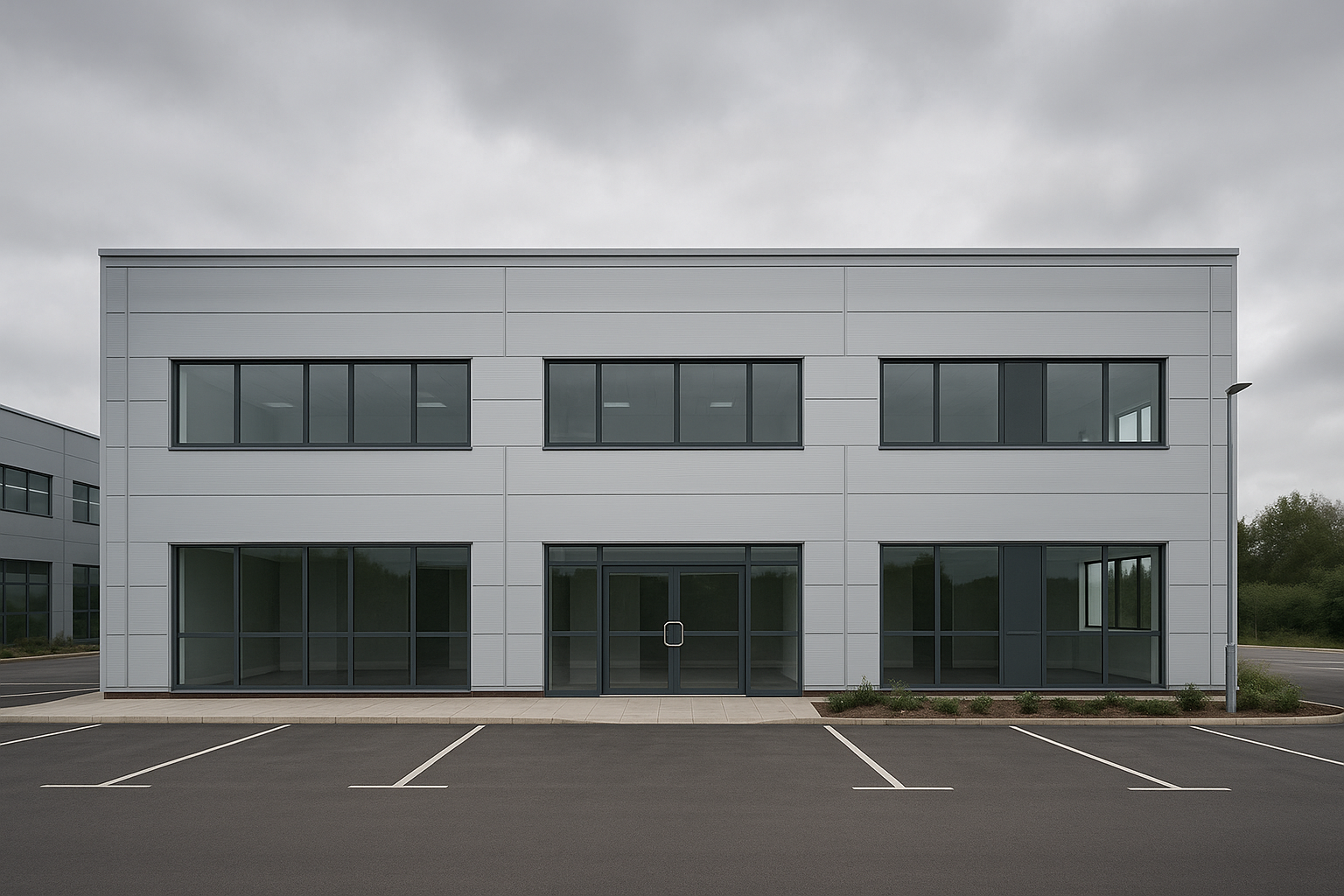
The Control of Asbestos Regulations place a duty to manage asbestos on anyone who owns, occupies, or has responsibility for maintaining non-domestic premises. This duty applies to the external fabric of a building just as much as it does to internal areas.
If asbestos is present in the cladding of a commercial, industrial, or communal residential building, it must be identified, assessed, and managed with a written plan. The HSE’s guidance document HSG264 sets out how surveys should be conducted and what they must cover.
Two main survey types apply to asbestos external wall cladding:
- Management survey — required for occupied buildings to locate and assess asbestos-containing materials that could be disturbed during normal occupation and maintenance. This is the baseline survey for ongoing duty-to-manage compliance.
- Refurbishment and demolition survey — required before any refurbishment, repair, or demolition work. This is a more intrusive survey that must cover all areas where work will take place.
If your building is being stripped back or demolished entirely, a demolition survey is a legal requirement before any structural work begins.
Failing to commission the appropriate survey before work begins is a criminal offence. It also exposes contractors, building owners, and principal designers to significant liability if workers or occupants are subsequently harmed.
Getting Asbestos Testing Right
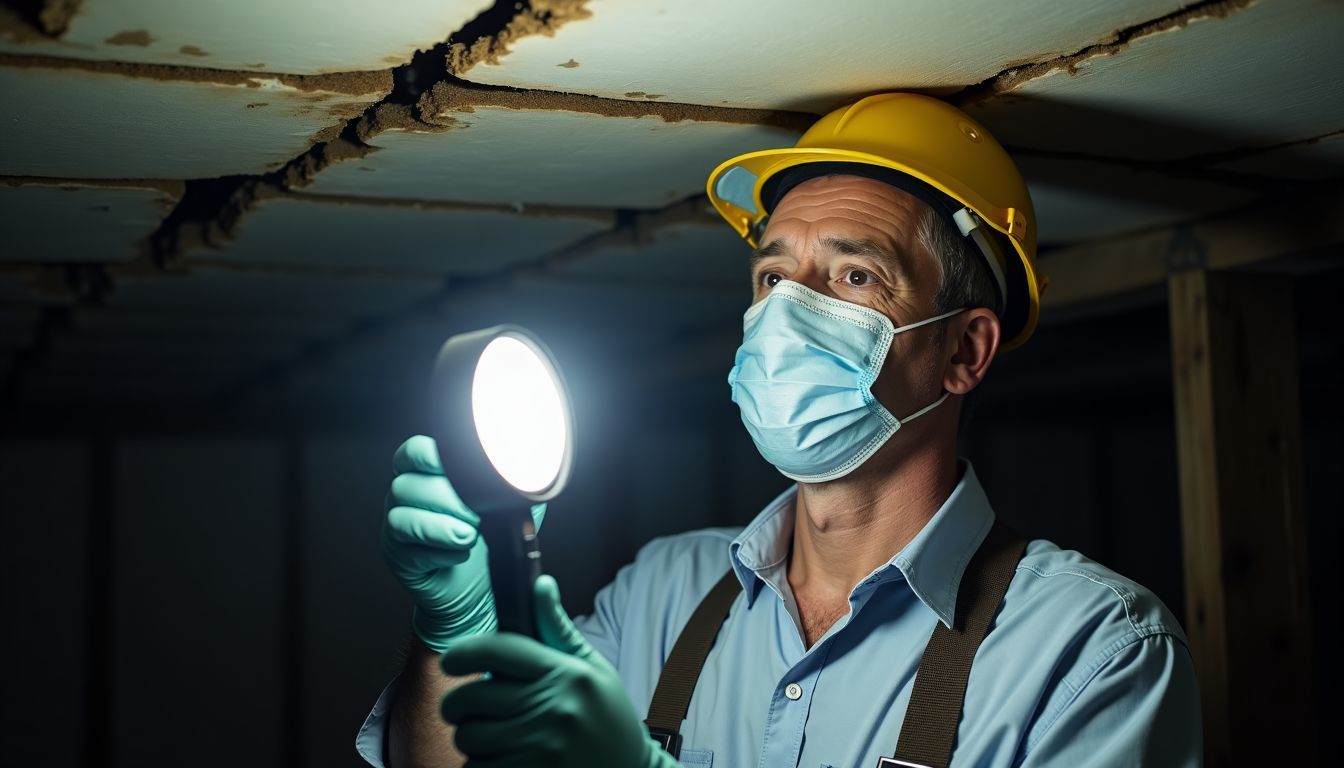
No visual inspection, however experienced the surveyor, can confirm the presence or absence of asbestos. Confirmation requires laboratory analysis of a physical sample. Samples must be collected by trained professionals following strict protocols to prevent fibre release during the sampling process.
Accredited asbestos testing involves polarised light microscopy or other approved analytical techniques carried out by a UKAS-accredited laboratory. The results identify which type of asbestos is present and at what concentration, which directly informs the risk assessment and the management or remediation approach.
If you have existing survey records for your building but they are more than a few years old, or if the building has been altered since the survey was carried out, the records may no longer be reliable. Updated asbestos testing ensures your risk assessment reflects the current condition of the materials.
Managing Asbestos External Wall Cladding Safely
Encapsulation
Where asbestos cement cladding is in sound condition — no cracking, spalling, or physical damage — encapsulation is often the most practical management option. Specialist coatings or over-cladding systems are applied by trained operatives to seal the surface and prevent fibre release from weathering or minor impacts.
Encapsulation is not a permanent solution and requires periodic inspection to confirm the coating remains intact. It is not appropriate for friable materials such as damaged AIB or crumbling asbestos millboard, where the underlying material is already releasing fibres.
Removal
Where cladding is in poor condition, where refurbishment work requires its disturbance, or where a duty holder decides removal is the preferred long-term option, the work must be carried out by appropriately licensed contractors.
Removal of AIB and any sprayed asbestos coatings is licensed work under the Control of Asbestos Regulations. Some lower-risk asbestos cement removal may be carried out under a notification-only regime, but this still requires trained operatives and strict controls. Professional asbestos removal involves:
- Controlled wetting of materials to suppress fibre release
- Full enclosure and negative pressure air systems where required
- Double-bagging and labelling of all waste
- Transportation to a licensed waste disposal facility
Placing asbestos waste in general skips or household bins is illegal and can result in prosecution. Never pressure-wash asbestos cement roofs or cladding — this is one of the most common and dangerous mistakes made during building maintenance. High-pressure water strips the surface layer and disperses fibres across a wide area, contaminating the surrounding environment.
Ongoing Monitoring and Re-Inspection
Where asbestos-containing cladding is being managed in place, it must be re-inspected at regular intervals — typically annually — to assess its condition and update the risk assessment. Any deterioration, damage, or change in the building’s use or occupancy pattern should trigger an immediate re-inspection rather than waiting for the scheduled date.
Keep records of all surveys, test results, risk assessments, and inspection reports. These documents form your asbestos management plan and must be made available to any contractor working on the building.
What to Do If You Suspect Asbestos in Your Cladding Right Now
If you have reason to believe your building’s external cladding may contain asbestos, the steps are straightforward:
- Stop all work on the affected area immediately — including cleaning, painting, drilling, and any form of cutting
- Restrict access to the area if there is visible damage or deterioration
- Do not disturb the material in any way while awaiting a professional assessment
- Commission a survey from an accredited surveying company — the type of survey will depend on whether work is planned or the building is simply occupied
- Act on the findings — whether that means encapsulation, ongoing monitoring, or removal, follow the surveyor’s recommendations and document everything
If you are based in or around the capital and need urgent advice, our team provides asbestos survey London services with fast turnaround times. We also cover the full UK mainland, including dedicated teams offering asbestos survey Manchester and asbestos survey Birmingham services for clients across the Midlands and North West.
Frequently Asked Questions
How do I know if my external wall cladding contains asbestos?
You cannot tell by looking at it. The only reliable way to confirm whether asbestos is present is through laboratory analysis of a physical sample taken by a trained professional. Visual indicators — such as corrugated fibre cement panels, chalky surface textures, or proud nail fixings — can suggest suspect materials, but they are not proof. If your building was constructed or refurbished before 2000, treat any unidentified cladding as potentially hazardous until tested.
Is asbestos cement cladding dangerous if it is in good condition?
Asbestos cement in sound, undamaged condition presents a relatively low risk because the fibres are bound within the cement matrix. However, weathering, moss growth, impact damage, and maintenance activities such as drilling or cutting can degrade the surface and release fibres. The material must still be identified, recorded in your asbestos management plan, and inspected regularly. Any planned work on or near the cladding requires a refurbishment survey before it proceeds.
Who is legally responsible for managing asbestos in external cladding?
Under the Control of Asbestos Regulations, the duty to manage asbestos falls on the dutyholder — typically the owner, landlord, or managing agent of a non-domestic building. This duty covers the external fabric of the building, not just internal areas. Domestic properties are not covered by the duty-to-manage requirement, but landlords of flats and communal areas do have obligations. Failure to comply can result in prosecution by the HSE.
Can I remove asbestos cement cladding myself?
No. Even though some lower-risk asbestos cement removal falls outside the licensed contractor requirement, it still requires trained operatives, appropriate respiratory protective equipment, and strict waste disposal procedures. Carrying out removal without the necessary training and controls is illegal and creates a serious health risk for you, those nearby, and anyone who later comes into contact with contaminated waste. Always use a contractor with demonstrable asbestos training and experience.
How often should asbestos cladding be re-inspected?
Where asbestos-containing materials are being managed in place rather than removed, HSE guidance recommends re-inspection at least annually. The condition of the material should be assessed at each inspection and the risk assessment updated accordingly. If the building is damaged, altered, or changes use, an immediate re-inspection should be carried out rather than waiting for the next scheduled date. All inspection records must be kept as part of the asbestos management plan.
Get Professional Help From Supernova Asbestos Surveys
Supernova Asbestos Surveys has completed over 50,000 surveys across the UK. Our UKAS-accredited surveyors work with commercial landlords, local authorities, housing associations, contractors, and private property owners to identify, assess, and manage asbestos across all types of buildings — including complex external cladding situations.
Whether you need a management survey for an occupied site, a refurbishment survey ahead of planned works, or urgent sampling and testing, we provide fast, accurate, fully documented results you can act on with confidence.
Call us on 020 4586 0680 or visit asbestos-surveys.org.uk to arrange a survey or discuss your requirements with our team.