What Your Asbestos Re Inspection Report Must Include — And Why Getting It Wrong Puts You at Risk
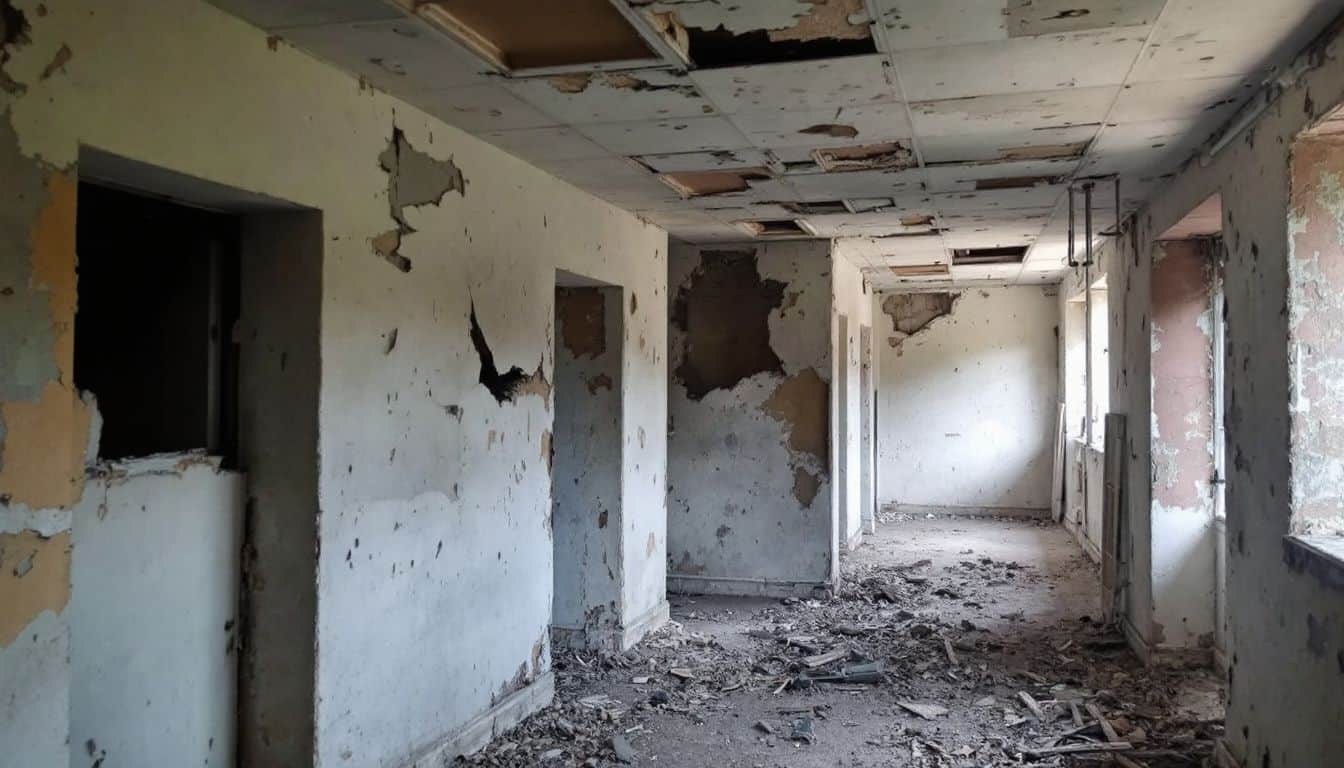
If you manage or own a building constructed before the year 2000, an asbestos re inspection report isn’t a box-ticking exercise — it’s a legal obligation that directly affects the safety of everyone who sets foot in that property. Many duty holders aren’t entirely sure what a thorough, compliant re inspection report should actually contain. Get it wrong, and you’re not just exposed to enforcement action; you’re potentially exposing people to one of the UK’s deadliest occupational hazards.
This post breaks down exactly what belongs in an asbestos re inspection report, why each element matters, and what you should expect from a qualified surveyor delivering one.
What Is an Asbestos Re Inspection Report?
An asbestos re inspection report is a formal document produced following a periodic review of previously identified asbestos-containing materials (ACMs) within a building. It’s not the same as an initial survey — it’s an update to your existing asbestos management plan, confirming whether the condition of known ACMs has changed since they were last assessed.
Under the Control of Asbestos Regulations, duty holders are required to keep their asbestos management plan current. That means conducting regular inspections — typically annually — and producing a re inspection report that reflects the current state of all ACMs on site. Failing to do so is a breach of your legal duty.
The re inspection feeds directly into your management survey records, ensuring that the register remains accurate and actionable rather than a static document gathering dust in a filing cabinet.
The Core Components of a Compliant Asbestos Re Inspection Report
General Information and Survey Scope
Every asbestos re inspection report should open with clear general information: the property address, the date of inspection, the name and qualifications of the surveyor, and a precise definition of the survey scope. The scope tells you — and any future reader — exactly which areas of the building were inspected and, critically, which were not.
Areas that were inaccessible or excluded must be clearly flagged. This protects both the surveyor and the duty holder, and ensures that any gaps in coverage are documented rather than assumed to be clear.
Executive Summary
The executive summary is where the headline findings live. It should give the reader — whether that’s a facilities manager, a building owner, or an HSE inspector — a clear, concise overview of the current condition of ACMs across the property.
This section should highlight any materials whose condition has deteriorated since the last inspection, any newly identified concerns, and the overall risk profile of the building. It’s the first thing most people read, so it needs to be accurate, jargon-free, and actionable.
Updated Asbestos Register
The asbestos register is the backbone of your entire asbestos management process. Within the re inspection report, it must be fully updated to reflect the current condition of every ACM identified in the original survey.
Each entry in the register should include:
- The location of the ACM (room, floor, specific element such as ceiling tiles or pipe lagging)
- The type of asbestos present (where confirmed by sampling)
- The current condition — intact, damaged, or deteriorating
- The material assessment score, updated to reflect any changes
- Photographs taken during the re inspection
- The date of the last inspection and the date of this one
- Any actions taken since the previous inspection
If the register hasn’t been updated to reflect actual current conditions, it has no value as a management tool.
Material Assessment and Priority Risk Scoring
Material Assessment Algorithm
Each ACM in the register is scored using a material assessment algorithm — a structured method for evaluating the likelihood that a material will release fibres. The score is based on factors including the type of asbestos, the product type, the extent of damage, and the surface treatment applied.
In a re inspection report, these scores must be reviewed and updated where conditions have changed. A material that was scored as low risk at the previous inspection may have deteriorated and now presents a higher risk — and that change must be captured in the updated report.
Priority Assessment
The priority assessment goes a step further. It combines the material assessment score with factors relating to human exposure — how accessible the area is, how frequently it’s occupied, and whether maintenance activities are likely to disturb the material.
The result is a priority score that tells you which ACMs need to be addressed most urgently. This is the information that drives your management decisions: whether to encapsulate, label, manage in place, or arrange asbestos removal. A re inspection report that lacks a properly updated priority assessment leaves you without the information you need to make safe, informed decisions.
Condition Changes and Photographic Evidence
One of the most important functions of an asbestos re inspection report is documenting change over time. Surveyors should compare the current condition of each ACM against the baseline established in the original survey or the most recent re inspection.
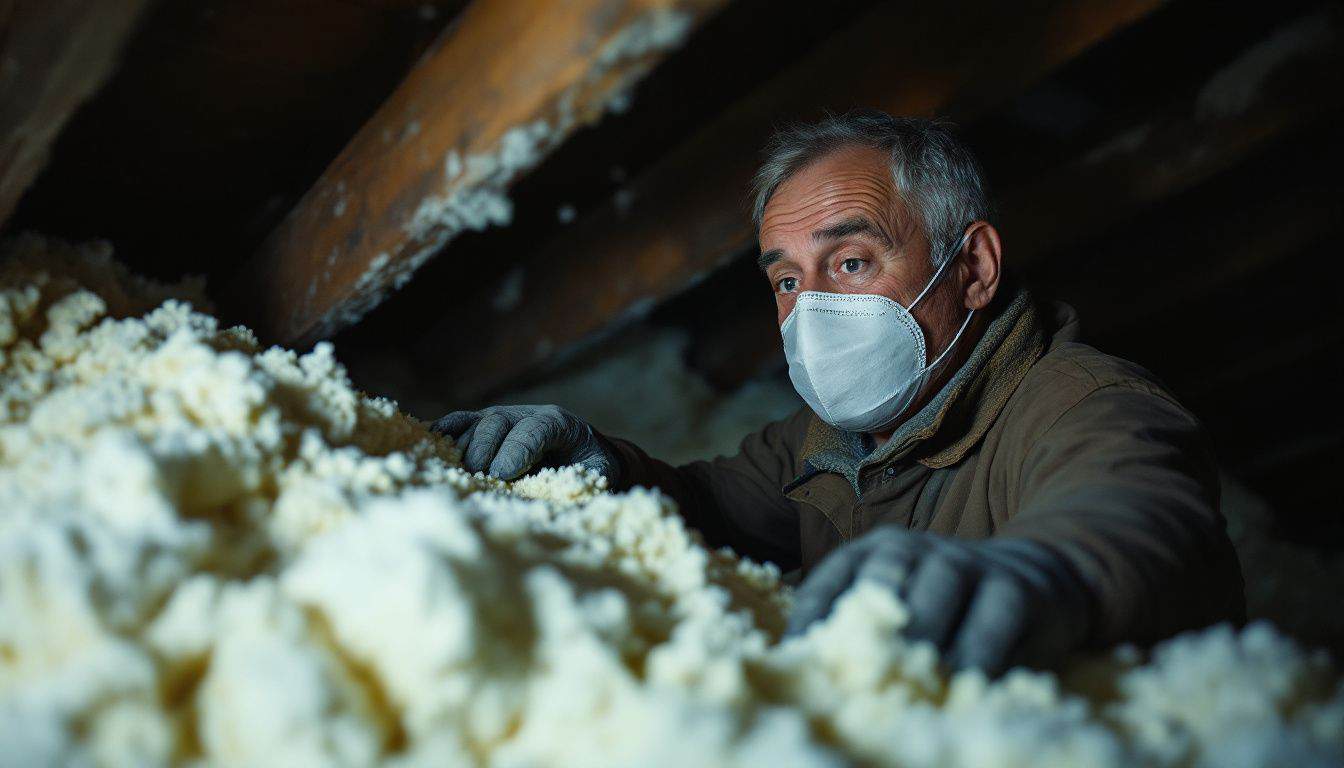
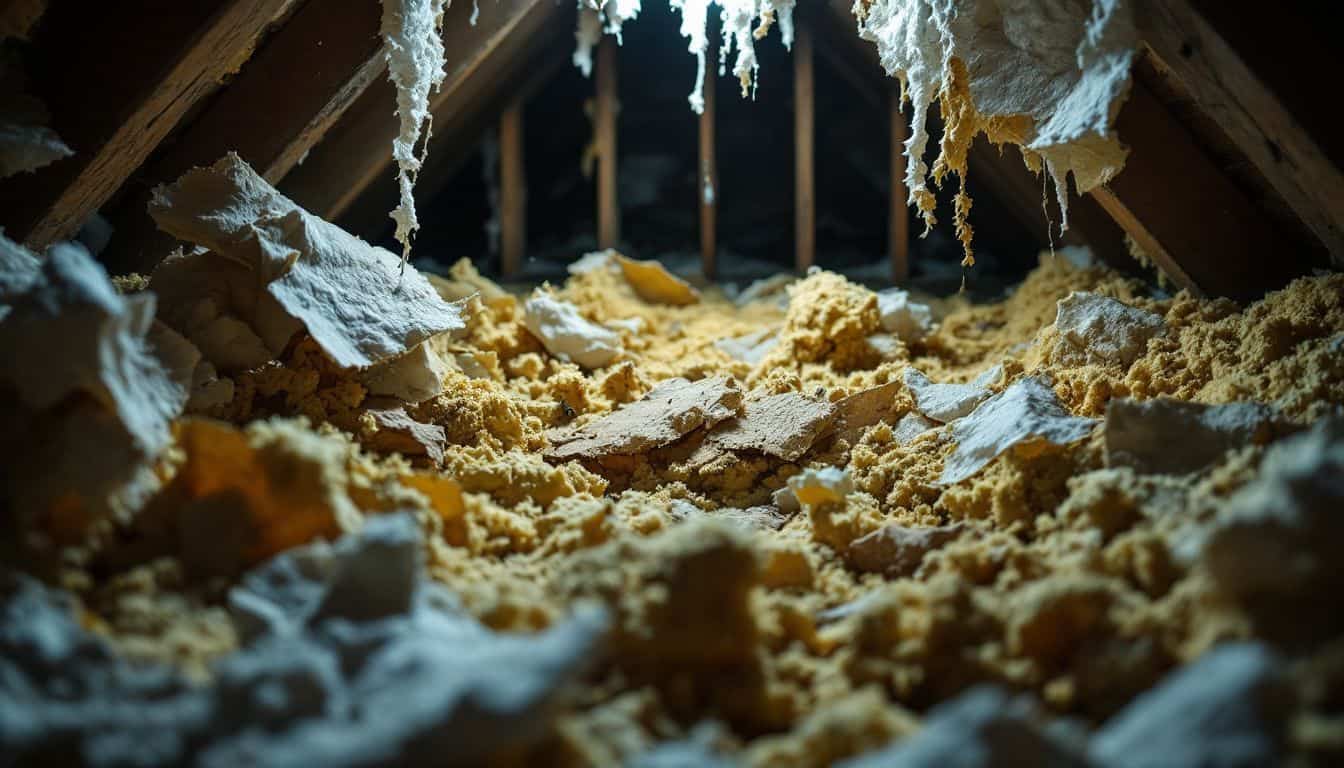
Where deterioration has occurred — even minor surface damage or delamination — this must be clearly noted, described, and photographed. Photographic evidence is not optional; it provides an objective record that supports decision-making and demonstrates due diligence if your management approach is ever scrutinised.
Good photographic records also make it easier to brief contractors, prioritise remediation work, and demonstrate compliance during audits or property transactions.
Sample Collection and Laboratory Analysis
When Sampling Is Required During Re Inspection
In some cases, a re inspection will identify materials that were previously presumed to contain asbestos but never sampled, or materials that have deteriorated to the point where the original identification needs to be confirmed. In these situations, sampling should be carried out as part of the re inspection process.
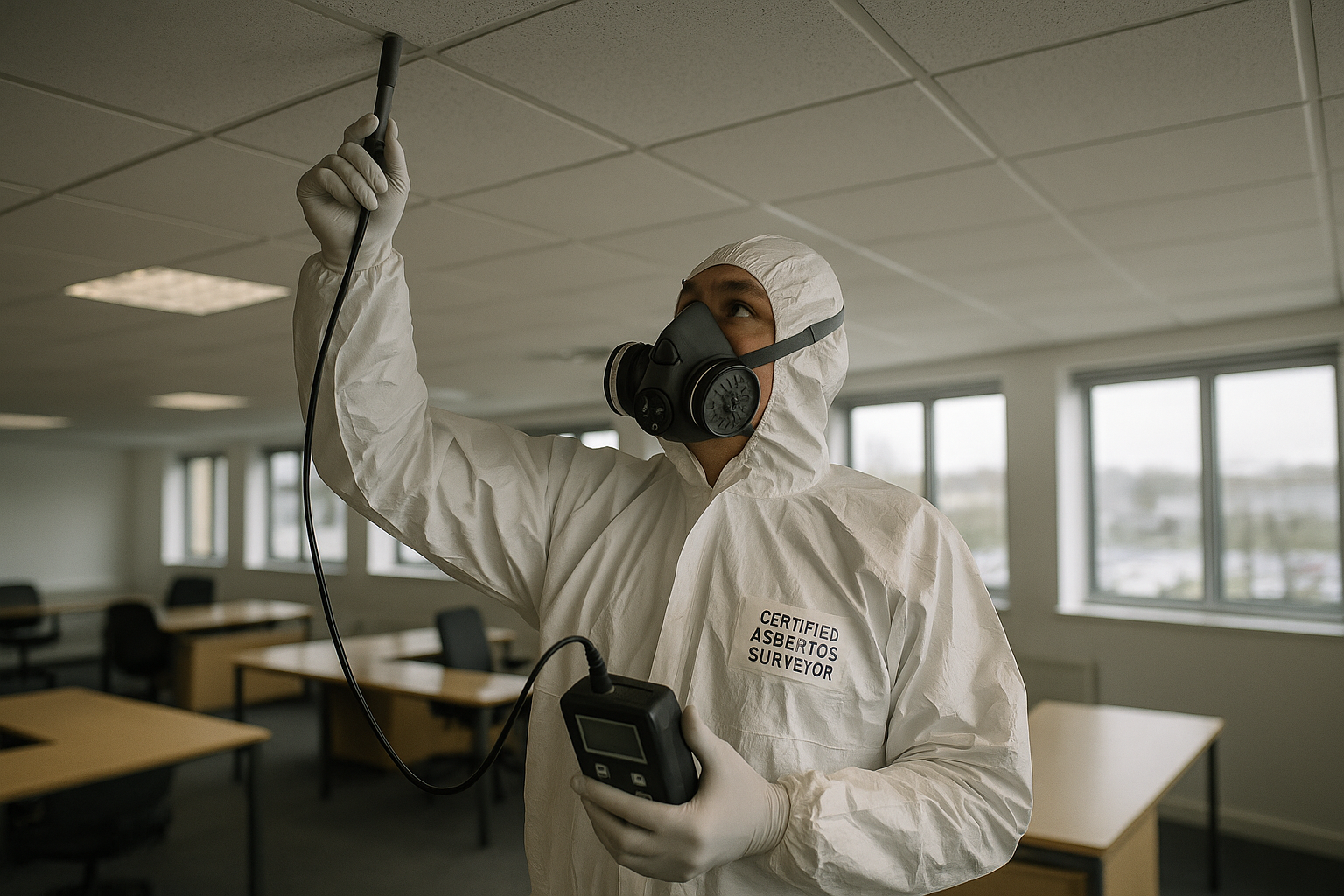
Sampling must be conducted by trained, competent personnel using appropriate personal protective equipment. Samples are then submitted for laboratory analysis — a process that should always be carried out by a UKAS-accredited laboratory to ensure the results are legally defensible. You can arrange professional asbestos testing through a qualified surveying team, or where you need individual samples assessed, a dedicated sample analysis service can provide fast, accredited results.
Laboratory Accreditation and Analyst Qualifications
Any laboratory analysis referenced in your re inspection report must have been carried out by a UKAS-accredited facility. This isn’t a recommendation — it’s a requirement if the results are to be considered reliable and compliant with HSE guidance, including HSG264.
The report should clearly state the name of the laboratory used, its accreditation status, and the qualifications of the analysts involved. This level of transparency is what separates a professionally produced report from a document that won’t stand up to scrutiny.
Asbestos Management Plan Updates
The re inspection report doesn’t exist in isolation — it feeds directly into your asbestos management plan. The management plan must be reviewed and updated in light of the re inspection findings, and the report should clearly indicate what changes have been made or are recommended.
This includes:
- Revised risk ratings for any ACMs whose condition has changed
- Updated action plans specifying what needs to be done, by whom, and by when
- Revised inspection frequencies for materials that are deteriorating more quickly than expected
- Communication updates to ensure that anyone likely to disturb ACMs — contractors, maintenance staff — has access to current information
- Records of any remediation work carried out since the last inspection
An asbestos management plan that isn’t updated following each re inspection is non-compliant. It’s also a practical risk — if the plan doesn’t reflect current conditions, the people relying on it to work safely are operating on outdated information.
Recommendations for Remediation and Next Steps
A well-produced asbestos re inspection report won’t just describe what was found — it will tell you what to do about it. The recommendations section should be specific, prioritised, and realistic.
Typical recommendations might include:
- Encapsulation of a damaged ACM to prevent fibre release
- Application of sealant to a material showing surface deterioration
- Increased inspection frequency for a material in a high-traffic area
- Referral for specialist removal before planned refurbishment works
- Commissioning a demolition survey if significant structural works are being planned
Recommendations should be linked directly to the ACMs they relate to, with clear reference to the register entries. Vague, generic advice is not useful and does not demonstrate the level of professional judgement you should expect from a qualified surveyor.
Legal and Compliance Documentation
The re inspection report must demonstrate compliance with the Control of Asbestos Regulations. This means the document itself needs to be structured and detailed enough to show that your duty of care has been properly discharged.
Key compliance elements to look for in any re inspection report include:
- Confirmation that the inspection was carried out by a competent, appropriately qualified surveyor
- Evidence that all known ACMs were assessed, or that any exclusions are clearly documented
- Updated material and priority assessment scores in line with HSG264 methodology
- Records of any sampling and analysis, with UKAS-accredited laboratory confirmation
- Dated, signed documentation suitable for retention and audit
- GDPR-compliant handling of any personal data included in the report
These aren’t bureaucratic niceties — they’re the elements that protect you legally if an incident occurs or if the HSE carries out an inspection of your premises.
Who Needs an Asbestos Re Inspection Report?
If you are the duty holder for any non-domestic building — or a domestic property where common areas are managed, such as a block of flats — you are legally required to manage asbestos. That means conducting an initial survey, producing a management plan, and then reviewing and updating that plan through regular re inspections.
Re inspections are typically required annually, though higher-risk materials or buildings with significant maintenance activity may require more frequent reviews. Your original survey report or management plan should specify the recommended re inspection frequency for your specific property.
Whether you need an asbestos survey London team, an asbestos survey Manchester service, or an asbestos survey Birmingham provider, the re inspection process and the standards your report must meet are identical across the UK.
Practical Steps to Prepare for a Re Inspection
Getting the most out of your re inspection starts before the surveyor arrives. Preparation makes a material difference to the quality and completeness of the report you receive.
Here’s what you should do in advance:
- Locate your existing asbestos register and management plan — the surveyor will need these as a baseline for the re inspection.
- Note any areas of concern you’ve observed since the last inspection — damaged materials, areas of building work, or new access routes.
- Ensure access to all areas listed in the original survey scope — locked rooms or restricted areas will result in gaps in the re inspection coverage.
- Gather records of any work carried out since the last inspection that may have affected ACMs — maintenance, repairs, or minor refurbishment.
- Brief your surveyor on any planned works — if refurbishment or demolition is on the horizon, this affects the type of survey and the scope of the re inspection.
- Check your management plan’s recommended re inspection frequency — ensure you’re not overdue and that the timing of this re inspection aligns with your compliance obligations.
Being well-prepared doesn’t just make the surveyor’s job easier — it directly improves the accuracy and usefulness of the asbestos re inspection report you receive.
What Happens After the Re Inspection Report Is Issued?
Receiving your asbestos re inspection report is not the end of the process — it’s the start of the next management cycle. Once the report has been issued, you need to act on its findings promptly and systematically.
Your immediate priorities should be:
- Review the updated risk scores and identify any ACMs that have moved into a higher priority category
- Implement any urgent recommendations — particularly where deterioration poses an immediate risk of fibre release
- Update your asbestos management plan to incorporate the re inspection findings
- Communicate changes to all relevant personnel — maintenance teams, contractors, and anyone else who regularly works in or around the affected areas
- File the report securely and ensure it is accessible to anyone who needs it, including contractors carrying out work on the premises
- Diarise the next re inspection date based on the recommended frequency stated in the report
Where the re inspection has identified materials requiring further investigation, arranging prompt asbestos testing ensures that your register remains accurate and that any decisions about remediation are based on confirmed, rather than presumed, identification.
Common Shortcomings in Asbestos Re Inspection Reports
Not all re inspection reports are created equal. Understanding where reports commonly fall short helps you identify whether the document you’ve received is fit for purpose — or whether it needs to be challenged.
Watch out for the following red flags:
- No updated photographs — a re inspection without current photographic evidence of each ACM is not properly documenting condition changes.
- Generic condition descriptions — phrases like “appears intact” without reference to specific damage criteria are not adequate. Condition assessments should follow the HSG264 methodology.
- Missing or unchanged risk scores — if every ACM has the same score as the previous inspection without any explanation, the scoring hasn’t been genuinely reviewed.
- No reference to the previous report — a re inspection that doesn’t compare current findings against the baseline isn’t fulfilling its purpose.
- Vague or absent recommendations — a report that identifies deterioration but doesn’t specify what action is required, or by when, is not actionable.
- No surveyor credentials — the report must confirm the competence and qualifications of the person who carried out the inspection.
If your re inspection report contains any of these shortcomings, it may not provide the legal protection you’re relying on it to deliver.
Frequently Asked Questions
How often is an asbestos re inspection report required?
For most non-domestic buildings, an asbestos re inspection should be carried out annually. However, the required frequency depends on the condition and risk rating of the ACMs identified in your original survey. Materials in poor condition, or located in high-traffic areas, may require more frequent review. Your asbestos management plan should specify the recommended re inspection interval for your property.
Who is legally required to have an asbestos re inspection report?
Any duty holder responsible for a non-domestic building — including commercial premises, industrial sites, schools, hospitals, and the common areas of residential blocks — is required under the Control of Asbestos Regulations to manage asbestos. This includes maintaining an up-to-date asbestos management plan through regular re inspections. Private homeowners are not subject to the same duty, but landlords and managing agents of residential properties with communal areas are.
What is the difference between an asbestos re inspection and a new management survey?
A management survey is an initial assessment carried out to locate and identify ACMs within a building. An asbestos re inspection is a periodic review of ACMs already identified in a previous survey, assessing whether their condition has changed. If significant building works have taken place, or if areas were inaccessible during the original survey, a new or supplementary management survey may be required rather than a standard re inspection.
Does an asbestos re inspection report need to be carried out by an accredited surveyor?
The Control of Asbestos Regulations require that asbestos surveys and re inspections are carried out by competent persons. For most commercial and public buildings, this means using a surveyor with appropriate qualifications and experience. While UKAS accreditation of the surveying organisation is not a legal requirement in all circumstances, it is strongly recommended by the HSE and provides the strongest evidence of competence. Any laboratory analysis associated with the re inspection must be carried out by a UKAS-accredited laboratory.
What should I do if my asbestos re inspection report identifies deteriorating materials?
Act on the recommendations in the report without delay. Depending on the severity of the deterioration, this may mean encapsulating the material, increasing the monitoring frequency, restricting access to the affected area, or arranging for specialist removal by a licensed contractor. Do not wait until the next scheduled re inspection if the report identifies materials presenting an elevated risk. Your duty of care requires you to respond to findings promptly and to update your management plan accordingly.
Get Your Asbestos Re Inspection Report Right — First Time
An asbestos re inspection report is only as useful as the care and expertise that goes into producing it. A document that ticks the right boxes on the surface but lacks rigour in its assessments, scoring, or recommendations isn’t protecting you — or the people who use your building.
Supernova Asbestos Surveys has completed over 50,000 surveys across the UK, delivering re inspection reports that meet the full requirements of the Control of Asbestos Regulations and HSG264. Our qualified surveyors provide detailed, actionable reports that give you a genuine picture of your current risk profile — not just a piece of paper for the filing cabinet.
To arrange your asbestos re inspection report, or to discuss your asbestos management obligations, call us on 020 4586 0680 or visit asbestos-surveys.org.uk.