When Was Asbestos Legally Banned in the UK — And What Has Happened Since?
Asbestos was once celebrated as a wonder material. Cheap, fire-resistant, and extraordinarily versatile, it was woven into the fabric of British construction for most of the twentieth century. Then the evidence of what it does to human lungs became impossible to ignore — and understanding when asbestos was legally banned in the UK means understanding one of the most consequential regulatory decisions in the country’s industrial history.
The ban did not arrive in a single moment. It came in stages, shaped by decades of epidemiological research, trade union campaigning, and mounting pressure on regulators. And crucially, the prohibition on new use did not solve the problem — it simply changed its nature.
Millions of buildings across the UK still contain asbestos-containing materials installed before the ban took effect. Managing that legacy remains a live legal and safety obligation for property owners and managers today. Here is the full picture: the legislative timeline, the science that drove it, what research has revealed since, and what it means for anyone responsible for a building right now.
When Was Asbestos Legally Banned in the UK? The Legislative Timeline
The UK’s approach to banning asbestos was incremental. Regulators targeted the most dangerous fibre types first, then extended the prohibition to cover all forms. Understanding this timeline matters — it explains why so many different types of asbestos-containing material can still be found in buildings constructed at different points during the twentieth century.
1985: Blue and Brown Asbestos Prohibited
Crocidolite (blue asbestos) and amosite (brown asbestos) were the first to be prohibited, banned under the Asbestos (Prohibitions) Regulations. These amphibole fibre types were considered the most hazardous — their sharp, needle-like fibres lodge deeply in lung tissue and resist the body’s natural clearance mechanisms.
The link between these fibres and mesothelioma, the fatal cancer of the lung lining, was well established by this point. Removing them from use was a significant step forward, but it left chrysotile — white asbestos — still legally permitted in many applications for another fourteen years.
1999: The Complete UK Asbestos Ban
The complete ban came into force in 1999. Amendments to the Asbestos (Prohibitions) Regulations extended the prohibition to chrysotile, the last remaining permitted form. From that point, no new asbestos-containing materials could be imported, supplied, or used in the UK.
This made the UK one of the earlier industrialised nations to implement a full ban — though it followed years of sustained pressure from health campaigners and trade unions who had long argued that no level of asbestos exposure was safe. The science has since confirmed that position repeatedly.
Why Did It Take So Long? The Science Behind the Delay
Asbestos-related diseases have an unusually long latency period — typically between 20 and 50 years from first exposure to diagnosis. This biological reality made it extremely difficult in the early and mid-twentieth century to draw a clear causal line between occupational exposure and illness.
By the time workers developed mesothelioma or asbestosis, their exposure had often occurred decades earlier. Without the epidemiological tools and longitudinal data sets needed to track those cohorts over time, the industry was able to contest the evidence for far longer than it should have been permitted to.
Large-scale cohort studies tracking asbestos workers over several decades eventually produced findings that were impossible to dismiss — significantly elevated mortality rates from mesothelioma, lung cancer, and asbestosis. Combined with laboratory research showing how asbestos fibres damage DNA and cell membranes at a molecular level, the case for prohibition became irrefutable.
The UK currently reports approximately 2,700 mesothelioma deaths per year — one of the highest rates per capita globally. These deaths reflect exposures that occurred predominantly before the ban, and the numbers are expected to remain elevated for some years yet before declining as the cohort of heavily exposed workers diminishes.
What Research Has Shown Since the 1999 Ban
The ban was not the end of the story scientifically. Research into asbestos-related disease has continued to develop in important ways, with findings that have shaped both clinical practice and regulatory thinking.
Genetic Risk Factors and Individual Susceptibility
One of the more significant discoveries in recent years has been the role of genetic variation in determining individual susceptibility to asbestos-related cancer. Research has identified that variations in the BAP1 gene — a tumour suppressor gene — can substantially increase a person’s risk of developing mesothelioma following asbestos exposure.
This does not mean genetics alone causes the disease. Asbestos exposure remains the primary driver. But it helps explain why some individuals who experienced relatively modest exposure develop mesothelioma while others with heavier exposure do not — and it is beginning to inform how surveillance programmes are designed.
Cellular and Molecular Research
Laboratory studies using electron microscopy and advanced imaging have confirmed in detail how asbestos fibres interact with human cells. Both chrysotile and amphibole fibres have been shown to penetrate cell membranes, cause oxidative stress, and induce genetic mutations that can trigger malignant transformation.
This research underpins the regulatory position that there is no safe threshold for asbestos exposure. Any exposure carries some degree of risk — a position that has direct implications for how legacy asbestos in buildings must be managed today.
Advances in Early Detection and Diagnosis
Diagnostic technology has improved substantially since the ban. High-resolution computed tomography and biomarker analysis now allow clinicians to detect asbestos-related changes in lung tissue before symptoms become apparent. Earlier diagnosis translates directly into more treatment options and better outcomes for patients.
Scanning electron microscopy has also improved the ability to identify asbestos fibres in tissue samples and building materials with high precision — supporting both clinical diagnosis and the analytical work carried out by professional asbestos surveyors.
Treatment Developments
Medical treatment for asbestos-related cancers has advanced considerably. Immunotherapy agents including pembrolizumab and nivolumab have shown meaningful results in mesothelioma treatment — a disease previously considered almost uniformly fatal within a short period of diagnosis. Combination chemotherapy regimens have also improved, and gene therapy research continues to progress.
These developments do not diminish the importance of prevention, but they represent genuine progress for those affected by exposures that occurred before the ban took hold.
The Ongoing Challenge: Legacy Asbestos in UK Buildings
The 1999 ban stopped new asbestos entering the built environment. It did nothing to remove the asbestos already installed. This is the central challenge facing property managers, employers, and surveyors today.
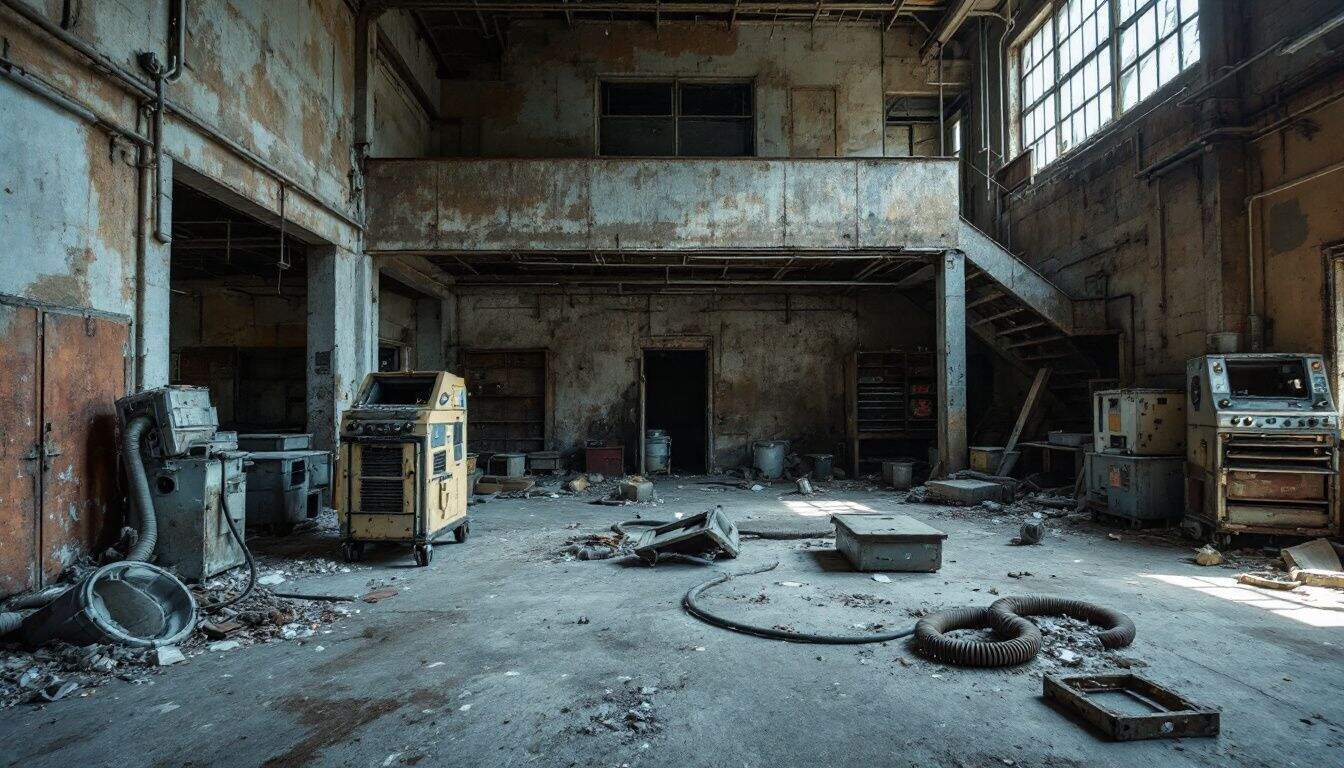
Asbestos-containing materials are present in a significant proportion of UK buildings constructed before 2000. This includes not just industrial and commercial premises but schools, hospitals, and domestic properties — particularly those built during the post-war construction boom of the 1950s, 1960s, and 1970s when asbestos use was at its peak.
Common Locations of Asbestos in Buildings
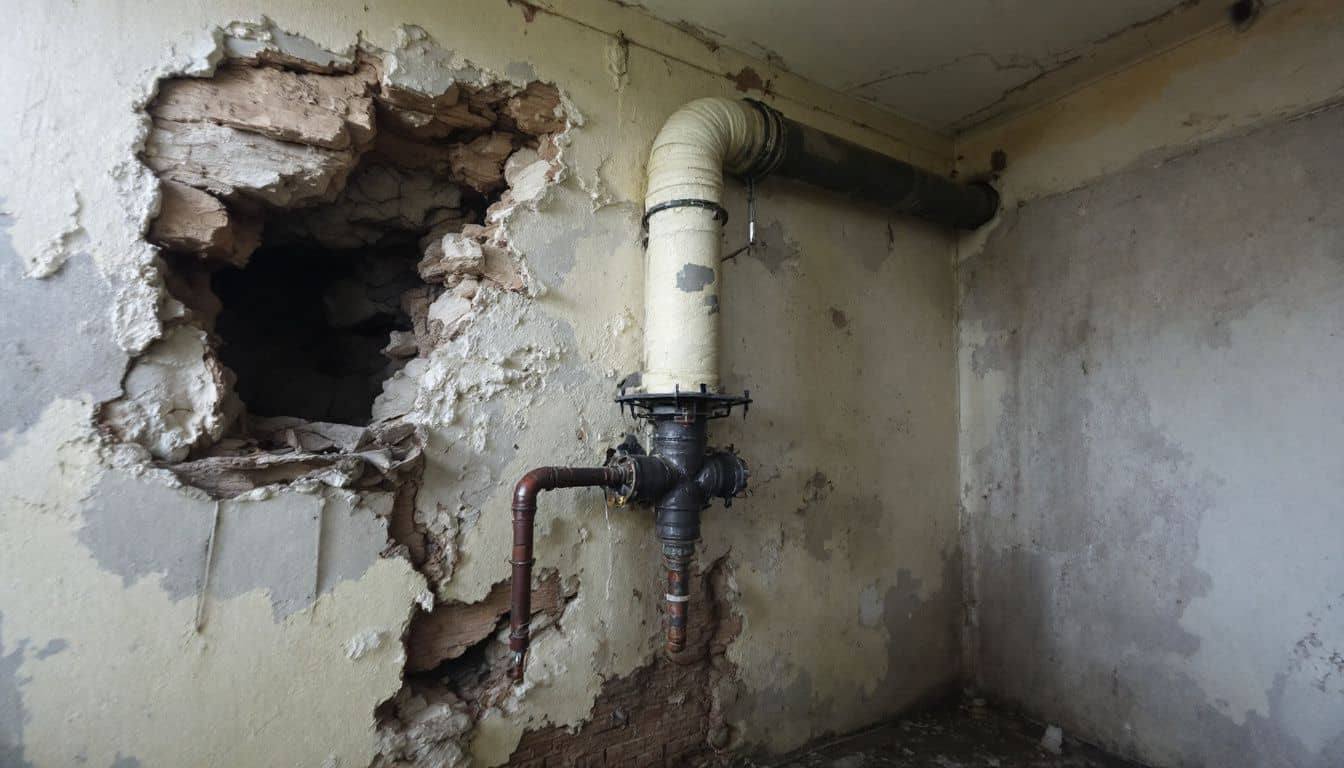
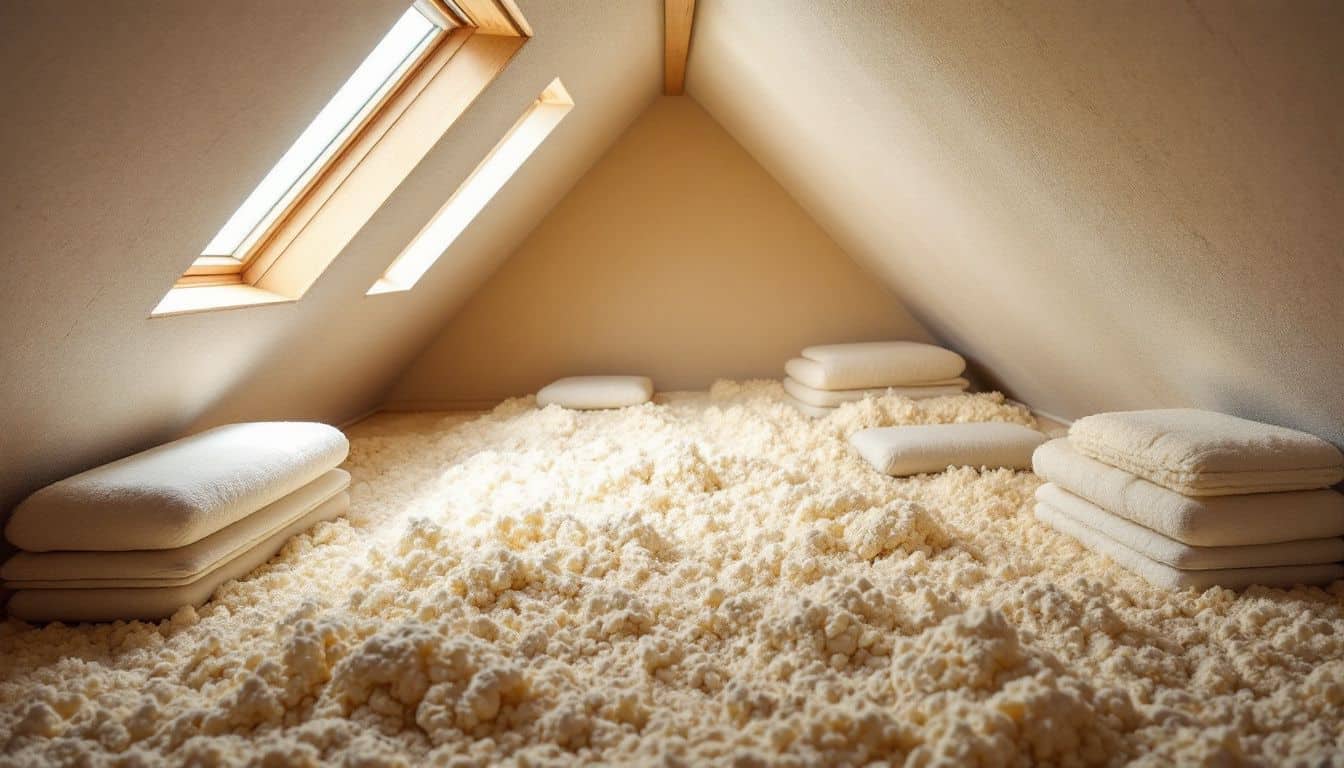
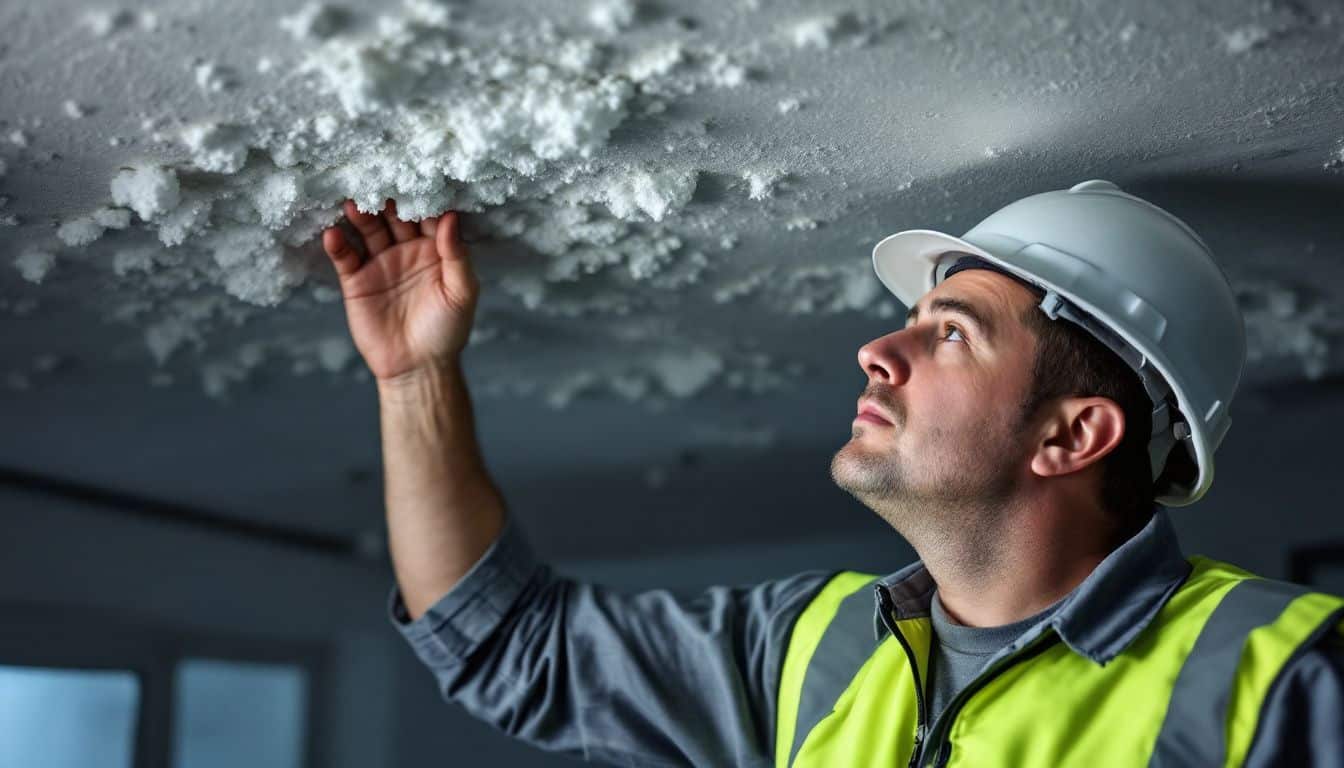
Many asbestos-containing materials are not immediately obvious. Asbestos cement sheeting looks like ordinary cement. Artex looks like decorative plaster. Without professional testing, it is impossible to confirm the presence or absence of asbestos in suspect materials.
Common locations include:
- Ceiling tiles and textured coatings, including Artex
- Pipe lagging and boiler insulation
- Roof panels and corrugated sheeting
- Floor tiles and associated adhesives
- Partition walls and suspended ceiling panels
- Soffit boards and fascias
- Sprayed coatings on structural steelwork
- Insulating board used in fire protection systems
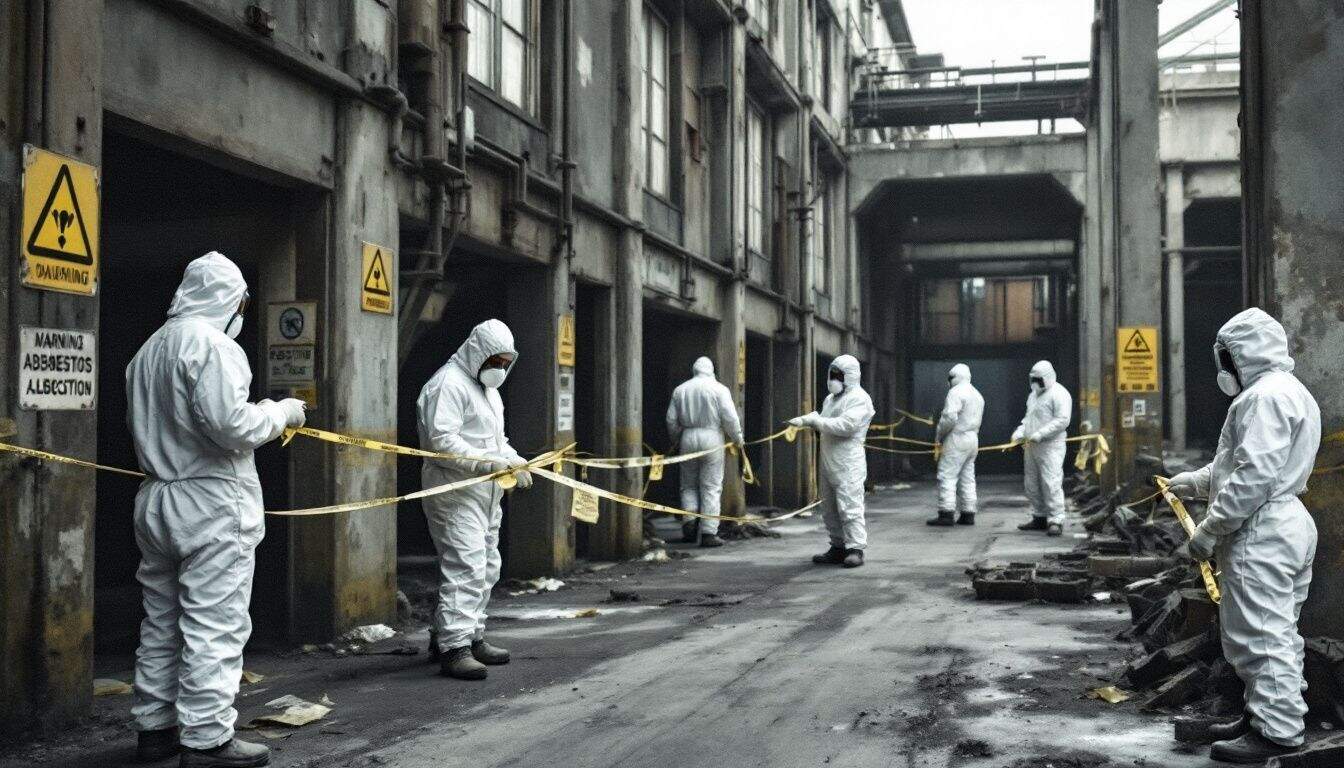
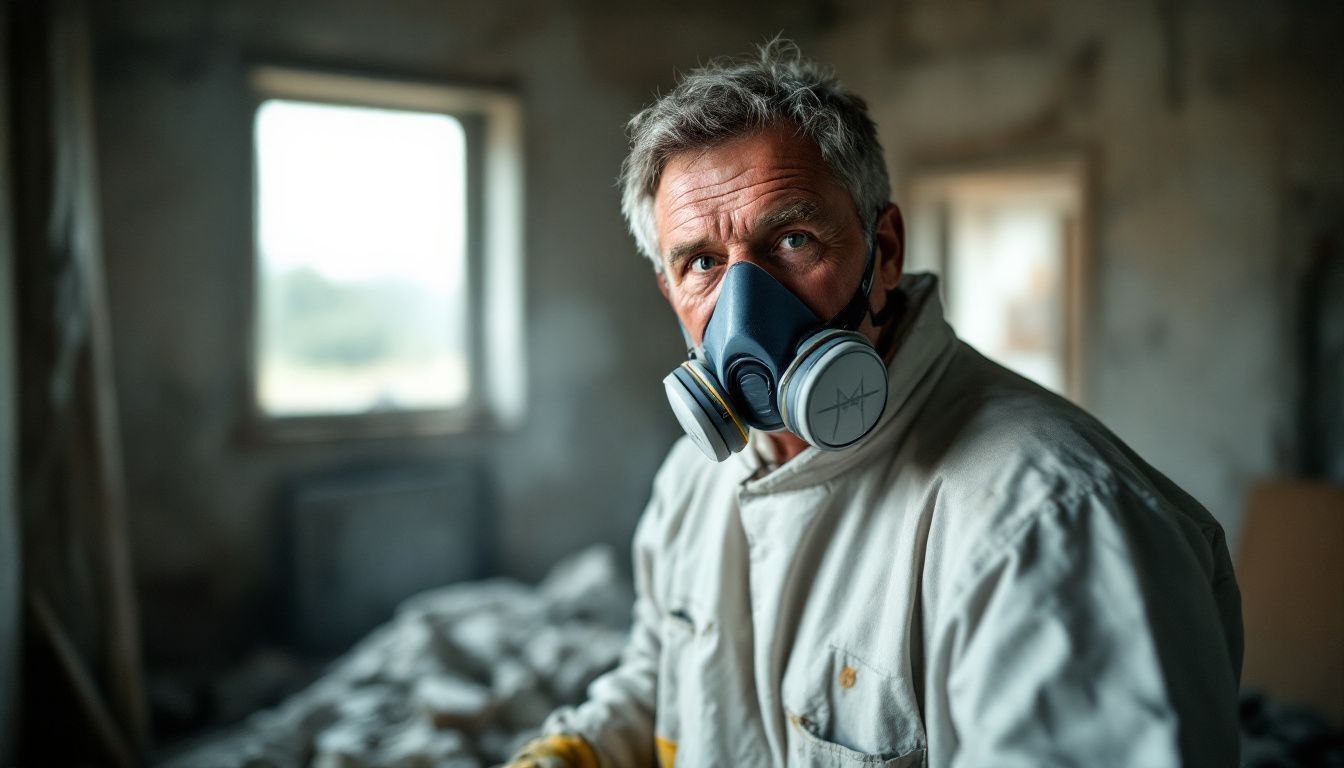
The risk is not simply from the presence of asbestos — it is from disturbance. Fibres are only released when materials are cut, drilled, sanded, or otherwise broken up. This is why planned works in older buildings require careful management before any contractor picks up a tool.
The Legal Duty to Manage Asbestos
Understanding when asbestos was legally banned in the UK is one thing. Understanding the ongoing legal obligations that flow from that ban is another — and for anyone responsible for a non-domestic building, those obligations are substantial.
The Control of Asbestos Regulations place a duty on those responsible for the maintenance or repair of non-domestic premises to identify whether asbestos is present, assess its condition, and put a management plan in place. This is known as the duty to manage.
The HSE’s guidance document HSG264 provides detailed technical guidance on how surveys should be conducted and what they must cover. Failure to comply is not a minor administrative matter. Enforcement action by the HSE can result in substantial fines and, in serious cases, prosecution.
The Duty Does Not Require Immediate Removal
This is a point that causes genuine confusion. The duty to manage does not automatically mean asbestos must be removed. In many cases, asbestos in good condition and unlikely to be disturbed is best left in place and monitored.
What the regulations require is that it is known about, documented, and controlled — and that anyone who might disturb it is made aware before they begin work. An up-to-date asbestos register and management plan are the practical tools through which duty holders demonstrate compliance.
Types of Asbestos Survey and When You Need One
Not all asbestos surveys are the same. The type required depends on the circumstances and the intended use of the building. Commissioning the wrong type — or skipping a survey entirely — can have serious legal and safety consequences.
Management Surveys
A management survey is the standard survey required for most occupied non-domestic premises. Its purpose is to locate asbestos-containing materials that could be disturbed during normal occupation, routine maintenance, and foreseeable minor works. It informs the asbestos management plan and should be updated whenever the condition of materials changes or planned works come into scope.
Refurbishment and Demolition Surveys
Before any refurbishment or demolition work takes place, a more intrusive survey is required. A demolition survey involves destructive inspection to locate all asbestos-containing materials in the areas affected by the planned work. It must be completed before contractors begin — this is a legal requirement, not an optional precaution.
Skipping this step exposes contractors, building owners, and occupants to serious risk. It also exposes the duty holder to enforcement action if undisclosed asbestos is subsequently disturbed during works.
What Happens When Asbestos Is Found?
Finding asbestos does not automatically mean it needs to come out. The decision depends on the type of asbestos, its condition, its location, and the likelihood of it being disturbed during normal use or planned works.
Asbestos in good condition that is not in a position where it will be disturbed is often best managed in place — recorded, monitored, and flagged to anyone who might encounter it. Where asbestos is damaged, deteriorating, or in a location where disturbance is unavoidable during refurbishment, professional asbestos removal by a licensed contractor is the appropriate course of action.
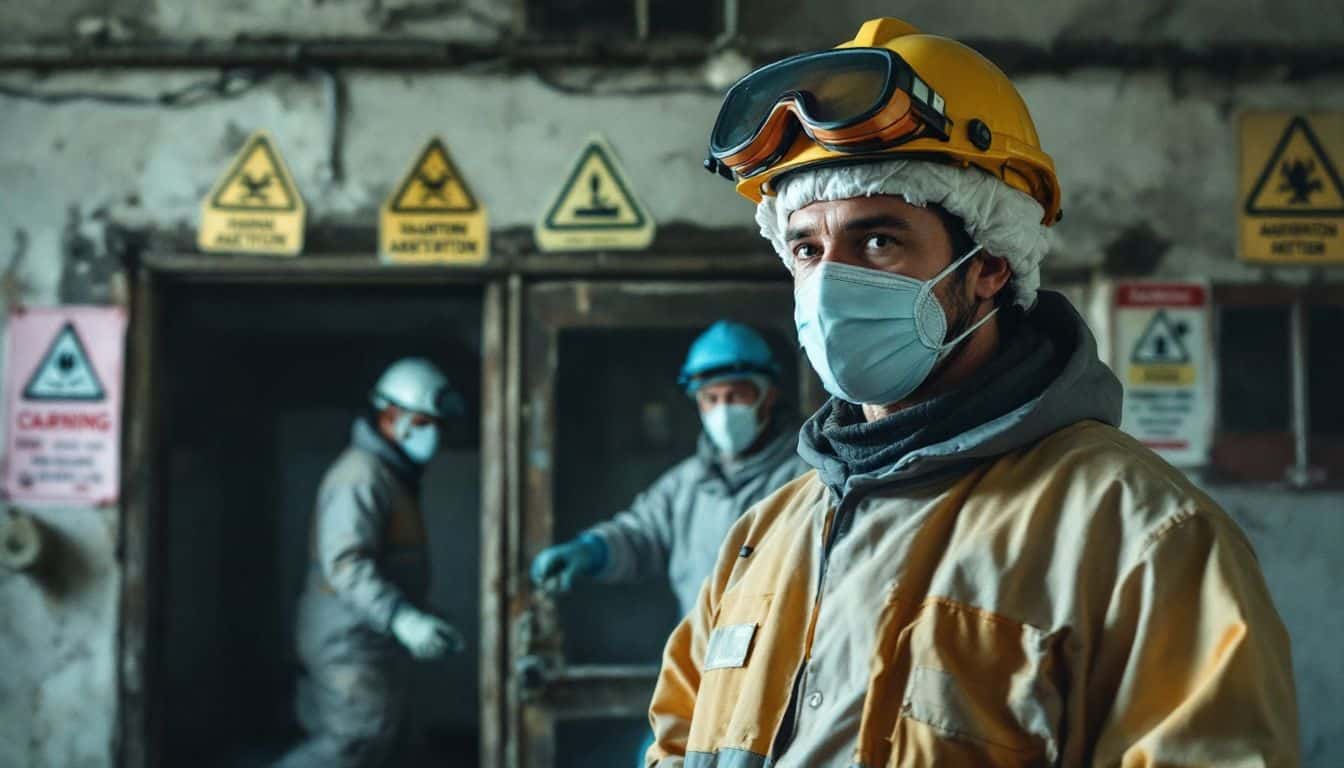
Licensed removal is legally required for the most hazardous materials, including sprayed coatings, asbestos insulation board, and pipe lagging. Only contractors holding a licence issued by the HSE may carry out this work. Attempting to remove these materials without the appropriate licence is a criminal offence.
The Legacy of the Ban: Where the UK Stands Now
More than two decades after asbestos was legally banned in the UK entirely, the consequences of pre-ban use continue to play out across the country’s building stock and public health statistics. The regulatory framework in place today — built around the Control of Asbestos Regulations and supported by HSG264 — reflects the hard-won understanding that the danger did not end in 1999.
The ban removed asbestos from new construction. The work of managing what remains is ongoing, and it falls squarely on those who own and operate the buildings where it still exists. That responsibility is not optional, and it is not diminishing with time.
For property managers and employers, the practical takeaway is straightforward: if your building was constructed before 2000 and you do not have a current asbestos survey and management plan in place, you are likely not compliant with your legal duties. Getting a survey commissioned is the first and most important step.
Asbestos Surveys Across the UK
Supernova Asbestos Surveys operates nationwide, with specialist teams covering every region of the country. Whether you need a survey for a single commercial unit or a large multi-site estate, we have the experience and accreditation to deliver it correctly.
If you are based in the capital, our asbestos survey London service covers the full Greater London area, from central offices and retail premises to schools and industrial sites. Our teams are familiar with the range of building types and construction periods found across the city.
In the North West, our asbestos survey Manchester service covers the wider Greater Manchester area, including the significant stock of industrial and commercial premises built during the post-war decades when asbestos use was at its height.
In the Midlands, our asbestos survey Birmingham team works across the city and surrounding areas, supporting duty holders in a region with a substantial legacy of manufacturing and commercial construction from the asbestos era.
Frequently Asked Questions
When was asbestos legally banned in the UK?
The complete ban came into force in 1999, when amendments to the Asbestos (Prohibitions) Regulations extended the prohibition to chrysotile (white asbestos) — the last permitted form. Blue and brown asbestos had already been banned in 1985. From 1999 onwards, no asbestos-containing materials could be imported, supplied, or used in the UK.
Does the ban mean there is no asbestos in UK buildings today?
No. The 1999 ban prevented new asbestos from entering the built environment, but it did nothing to remove materials already installed. A significant proportion of UK buildings constructed before 2000 still contain asbestos-containing materials. Managing this legacy is an ongoing legal obligation for those responsible for non-domestic premises.
Am I legally required to have an asbestos survey?
If you are responsible for the maintenance or repair of a non-domestic building constructed before 2000, the Control of Asbestos Regulations place a duty on you to identify whether asbestos is present, assess its condition, and put a management plan in place. An asbestos management survey is the standard mechanism for fulfilling this duty. A demolition or refurbishment survey is additionally required before any significant building works begin.
Is asbestos always dangerous, or only when disturbed?
Asbestos-containing materials in good condition and left undisturbed do not generally pose an immediate risk. The danger arises when materials are damaged, deteriorating, or disturbed — for example, during drilling, cutting, or refurbishment work — which releases microscopic fibres into the air. Inhaling those fibres is what causes asbestos-related diseases. This is why managing and monitoring asbestos in place is often the correct approach, rather than automatically removing it.
What should I do if I suspect asbestos is present in my building?
Do not disturb the material. Commission a professional asbestos survey from a qualified, accredited surveyor who can sample and test suspect materials in a laboratory. Once the survey is complete, you will have a clear picture of what is present, its condition, and what action — if any — is required. Never attempt to identify asbestos by appearance alone, as many asbestos-containing materials look identical to non-asbestos alternatives.
Get Your Asbestos Survey Booked Today
Supernova Asbestos Surveys has completed over 50,000 surveys across the UK. Our surveyors are fully qualified, our reports are clear and actionable, and we operate under accreditation that meets the requirements of HSG264 and the Control of Asbestos Regulations.
Whether you need a management survey, a refurbishment survey, or advice on what to do following a positive asbestos find, our team is ready to help. Call us on 020 4586 0680 or visit asbestos-surveys.org.uk to request a quote or speak to a surveyor directly.