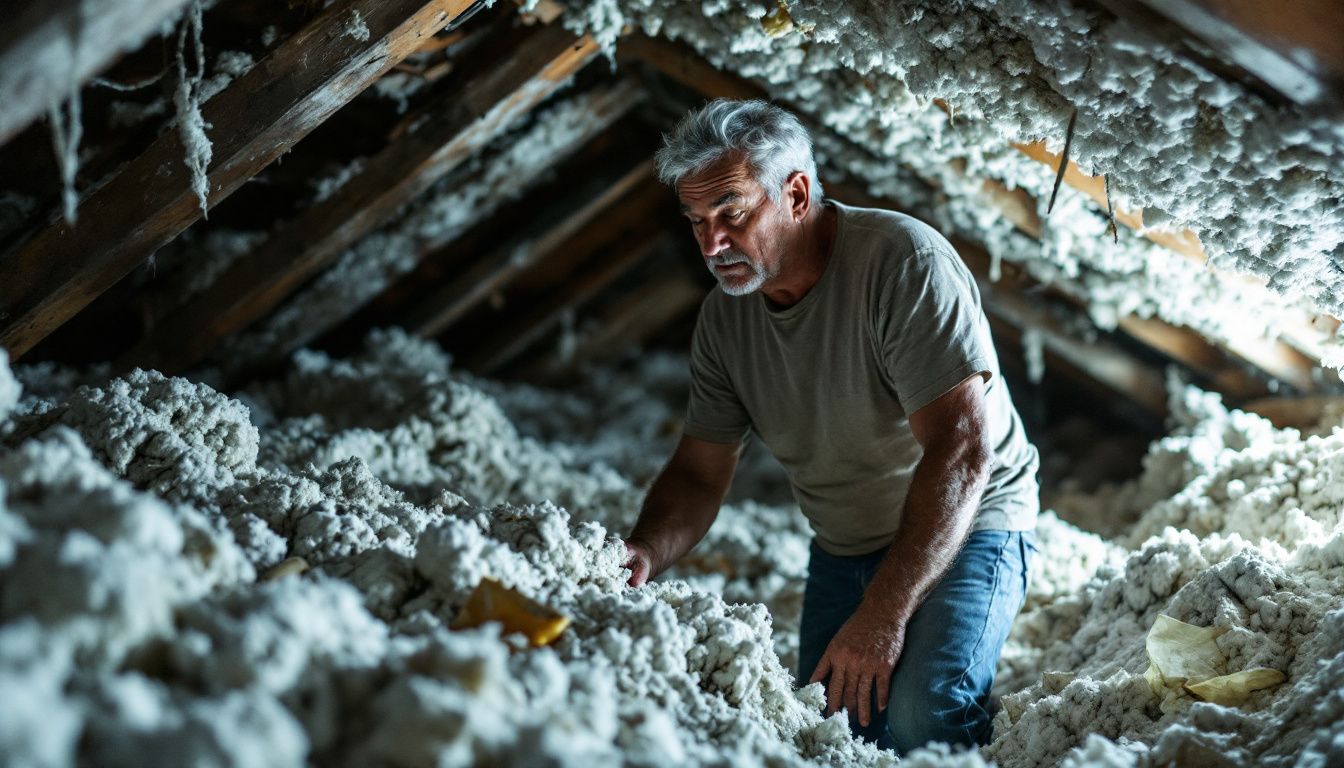
Asbestos Doesn’t Announce Itself — But the Risk Factors Are Knowable
Asbestos doesn’t kill quickly. It kills quietly, over decades, long after the dust has settled and the job is done. Understanding what are the key factors in the risk of developing an asbestos related disease is not an academic exercise — it’s a matter of life and death for millions of people living and working in UK buildings constructed before 2000.
The UK holds one of the highest mesothelioma death rates in the world. Over 5,000 people die every year from asbestos-related diseases in Great Britain. Yet many of those deaths were entirely preventable, rooted in exposures that happened decades earlier and were poorly understood at the time.
This post breaks down the risk factors clearly, explains how disease develops, and tells you what you can do to protect yourself and others right now.
Why Asbestos Is Still a Live Issue in the UK
Many people assume asbestos is a problem of the past. It isn’t. Asbestos was not fully banned in the UK until 1999, which means an enormous number of buildings — homes, schools, hospitals, offices, factories — still contain asbestos-containing materials (ACMs).
Estimates suggest there are between 210,000 and 400,000 ACMs in UK buildings. Around 81% of UK school buildings and over 90% of NHS hospital buildings are believed to contain asbestos in some form. Approximately 29% of asbestos found in hospitals has been classified as damaged — meaning fibres could already be releasing into the air.
This is not a historical footnote. It is an ongoing public health issue that demands attention right now.
What Are the Key Factors in the Risk of Developing an Asbestos Related Disease?
Risk is not uniform. Not everyone who has ever been near asbestos will develop a disease. Several interconnected factors determine how likely a person is to suffer harm — and understanding them helps individuals, employers, and building managers make informed decisions.
1. Duration and Frequency of Exposure
The longer and more frequently a person is exposed to asbestos fibres, the greater their cumulative risk. A brief, one-off encounter in a well-managed building is very different from years of daily exposure in a shipyard or on a construction site.
Occupational exposure remains the single largest driver of asbestos-related disease in the UK. Trades that historically carried the highest risk include:
- Plumbers and pipefitters working with lagged pipework
- Electricians drilling through asbestos insulation boards
- Carpenters cutting asbestos-containing floor tiles
- Demolition workers disturbing sprayed asbestos coatings
- Boilermakers and insulation engineers
- Shipyard workers exposed to asbestos during vessel construction
Even trades not directly working with asbestos — such as painters decorating near asbestos boards — accumulated significant exposure simply by being in the same environment. Proximity matters, even without direct contact.
2. Fibre Type and Concentration
Not all asbestos is equal in terms of risk. There are six recognised types, but three were most commonly used in the UK: chrysotile (white), amosite (brown), and crocidolite (blue).
Crocidolite and amosite are generally considered the most dangerous. Their thin, needle-like fibres penetrate deep into lung tissue and are highly resistant to the body’s natural clearance mechanisms. Chrysotile fibres are more curved and may clear from the lungs more readily — though they are still classified as carcinogenic and remain dangerous at high concentrations.
The concentration of fibres in the air — measured in fibres per millilitre — also directly influences risk. Higher airborne fibre counts mean greater inhalation and greater cellular damage over time.
3. The Condition of Asbestos-Containing Materials
Asbestos that is in good condition and left undisturbed poses a much lower immediate risk than asbestos that is damaged, deteriorating, or being actively disturbed. This is the principle behind the manage-or-remove approach used in UK asbestos management.
Friable asbestos — materials that can be crumbled by hand, releasing fibres — is the most hazardous. Sprayed asbestos coatings, pipe lagging, and loose-fill insulation fall into this category. Bonded asbestos, such as asbestos cement sheets, is less immediately dangerous but can become friable if damaged or cut.
Any renovation, drilling, or maintenance work that disturbs ACMs without proper controls can release a significant volume of fibres in a very short time. This is why a refurbishment survey is a legal requirement before any intrusive works begin in a building that may contain asbestos.
4. Individual Biological Susceptibility
Two people can receive identical exposures and have very different outcomes. Individual biology plays a meaningful role in how the body responds to inhaled asbestos fibres.
Factors that influence susceptibility include:
- Smoking: The combination of smoking and asbestos exposure dramatically increases the risk of lung cancer — the risk is considered multiplicative rather than simply additive. Someone who smokes and has had significant asbestos exposure faces a far higher lung cancer risk than either factor alone would predict.
- Pre-existing lung conditions: Those with compromised respiratory systems may be more vulnerable to the effects of fibre inhalation.
- Genetic factors: Emerging research suggests certain genetic markers may influence susceptibility to mesothelioma in particular, though this area of science is still developing.
- Age at first exposure: Exposure during younger years, when tissues are still developing, may carry a different risk profile than exposure in later working life.
5. The Latency Period: Why Diseases Appear Decades Later
One of the most important and most misunderstood aspects of asbestos-related disease is the latency period. Mesothelioma — the cancer most closely associated with asbestos — typically takes between 20 and 60 years to develop after initial exposure.
Asbestosis and lung cancer have similar, if sometimes shorter, latency periods of 10 to 30 years or more. This means someone diagnosed today may have been exposed in the 1970s or 1980s, potentially before they fully understood the risks.
It also means the full impact of exposures occurring today may not be seen for another generation. The latency period makes early intervention, proper management, and prevention all the more critical — because by the time symptoms appear, significant damage has already been done.
6. Secondary and Environmental Exposure
Risk does not stop at the workplace gate. Secondary exposure — also known as para-occupational exposure — occurs when asbestos fibres are carried home on workers’ clothing, hair, and skin, subsequently exposing family members who never set foot on a work site.
This has historically placed women and children at particular risk. Partners who laundered work clothing were unknowingly exposed to significant quantities of asbestos fibres. Cases of mesothelioma in women with no direct occupational exposure are frequently traced back to this mechanism.
Environmental exposure also occurs in communities located near asbestos mines, processing plants, or industrial sites where asbestos was heavily used. Certain occupations traditionally associated with lower asbestos risk — including teaching, healthcare, and clerical work in older buildings — have also been linked to elevated rates of disease due to the presence of ACMs in the buildings themselves.
The Diseases Caused by Asbestos Exposure
Understanding what are the key factors in the risk of developing an asbestos related disease is inseparable from understanding what those risks lead to. Asbestos causes a range of serious and often fatal conditions, each with its own profile and prognosis.
Mesothelioma
Mesothelioma is a cancer of the lining of the lungs (pleural mesothelioma), abdomen (peritoneal mesothelioma), or, rarely, the heart. It is almost exclusively caused by asbestos exposure. The UK has one of the highest rates of mesothelioma in the world — a legacy of the country’s industrial past and widespread asbestos use in construction and manufacturing.
Symptoms — including persistent chest pain, breathlessness, and unexplained weight loss — often do not appear until the disease is advanced. Prognosis remains poor, though treatment options continue to improve.
Asbestosis
Asbestosis is a chronic, progressive scarring of the lung tissue caused by the inhalation of asbestos fibres. It is not a cancer, but it is a serious and disabling condition that causes breathlessness, a persistent cough, and reduced lung function. There is no cure; management focuses on slowing progression and managing symptoms.
Lung Cancer
Asbestos is a recognised cause of lung cancer, independent of smoking. However, as noted above, the combination of smoking and asbestos exposure creates a dramatically elevated risk. Lung cancer caused by asbestos is clinically identical to lung cancer caused by other factors, making attribution difficult — but legally and medically important for affected individuals.
Pleural Plaques and Pleural Thickening
Pleural plaques are areas of thickened tissue on the lining of the lungs, caused by asbestos exposure. They are not cancerous and do not usually cause symptoms, but their presence is a marker of significant past exposure and may indicate elevated risk of more serious disease. Diffuse pleural thickening can cause breathlessness and reduced lung capacity.
Diagnosis, Treatment, and Monitoring
Early and accurate diagnosis is critical for anyone with a history of asbestos exposure. Diagnostic tools include standard chest X-rays and high-resolution CT scans, which can detect changes in lung tissue and pleural abnormalities. Advanced biopsy techniques allow tissue samples to be taken for definitive analysis.
Treatment depends on the specific disease and its stage:
- Surgery may be used to remove tumours or affected tissue in suitable patients.
- Chemotherapy remains a primary treatment for mesothelioma, often using a combination of drugs to slow disease progression.
- Radiation therapy targets affected areas to reduce tumour burden and manage symptoms.
- Immunotherapy is an increasingly important treatment option, particularly for mesothelioma, where it has shown meaningful results in extending survival.
- Palliative and supportive care plays a vital role in managing symptoms and maintaining quality of life for those with advanced disease.
Anyone who has had significant occupational asbestos exposure should discuss regular monitoring with their GP, even in the absence of symptoms. Early detection remains the most powerful tool available.
Your Legal Obligations Around Asbestos in the UK
In the UK, asbestos management is governed by the Control of Asbestos Regulations. These regulations place a legal duty on owners and managers of non-domestic premises to identify ACMs, assess their condition, and manage the risk they pose — this is known as the Duty to Manage.
HSG264 — the HSE’s definitive survey guide — sets out how asbestos surveys must be conducted. There are two primary survey types:
- A management survey is required for the ongoing management of ACMs in occupied premises. It identifies the location, condition, and risk rating of asbestos materials to inform a management plan.
- A refurbishment survey is required before any intrusive works or demolition. It involves destructive inspection to locate all ACMs in areas to be disturbed.
Once an asbestos register is in place, it must be kept up to date. A re-inspection survey should be carried out periodically — typically annually — to monitor the condition of known ACMs and ensure the management plan remains current.
Where ACMs are in poor condition or pose an unacceptable risk, asbestos removal by a licensed contractor may be the appropriate course of action. Removal must be carried out under strict controls and is subject to licensing requirements under the regulations.
Failure to comply with the Control of Asbestos Regulations can result in prosecution, substantial fines, and — most critically — preventable harm to the people who use your building.
Practical Steps to Reduce Risk Right Now
Whether you manage a commercial property, work in the trades, or are simply concerned about a building you spend time in, there are concrete actions you can take to reduce exposure risk.
- Commission a survey before any building work. Never assume a building is asbestos-free. If it was built or refurbished before 2000, a survey is essential before any drilling, cutting, or structural work begins.
- Keep your asbestos register current. An outdated register is almost as dangerous as no register at all. Schedule annual re-inspections and update records whenever works are carried out.
- Train your workforce. Anyone who may encounter ACMs during their work must receive appropriate asbestos awareness training. This is a legal requirement under the Control of Asbestos Regulations.
- Never disturb suspected ACMs without assessment. If you encounter a material you suspect contains asbestos, stop work immediately and arrange for a sample to be taken and analysed by an accredited laboratory.
- Use licensed contractors for high-risk removal. Certain categories of asbestos work — including the removal of sprayed coatings, pipe lagging, and asbestos insulating board — must only be carried out by HSE-licensed contractors.
- If you smoke and have had asbestos exposure, speak to your GP. The combination significantly elevates your lung cancer risk, and your doctor should be aware of your exposure history.
Asbestos Risk Across the UK
Asbestos exposure risk is not confined to one region. The legacy of industrial construction spans the entire country, from former shipbuilding communities in the north to post-war housing estates in the south.
If you manage property or carry out construction work in London, our asbestos survey London service covers the full capital and surrounding areas. For properties across the north-west, our asbestos survey Manchester team operates throughout Greater Manchester and beyond. In the Midlands, our asbestos survey Birmingham service is available for commercial, industrial, and public sector clients.
Wherever your property is located, the obligation to manage asbestos safely is the same — and the health consequences of getting it wrong are equally serious.
Frequently Asked Questions
What are the key factors in the risk of developing an asbestos related disease?
The main factors include the duration and frequency of exposure, the type and concentration of asbestos fibres inhaled, the condition of the asbestos-containing materials, individual biological susceptibility (including smoking history), and whether exposure was occupational, secondary, or environmental. The disease latency period — often 20 to 60 years — means risk can be difficult to perceive until serious harm has already occurred.
Can a single exposure to asbestos cause disease?
A single, brief exposure is unlikely to cause disease in the way that prolonged occupational exposure does, but there is no fully established safe threshold for asbestos fibre inhalation. Any exposure carries some level of risk, and the cumulative effect of multiple low-level exposures over time can be significant. The key message is that no exposure should be treated as trivial, and any suspected disturbance of ACMs should be assessed immediately.
How long after asbestos exposure do symptoms appear?
Asbestos-related diseases have long latency periods. Mesothelioma typically takes between 20 and 60 years to develop after initial exposure. Asbestosis and lung cancer can appear within 10 to 30 years or more. This means symptoms may not appear until long after the original exposure, and many people are diagnosed in retirement age having been exposed during their working years.
Is asbestos still present in UK buildings?
Yes. Asbestos was not fully banned in the UK until 1999, and a very large number of buildings constructed before that date still contain asbestos-containing materials. This includes schools, hospitals, offices, and residential properties. The presence of asbestos is not automatically dangerous — undisturbed, well-managed ACMs in good condition pose a lower immediate risk — but they must be identified, assessed, and managed in accordance with the Control of Asbestos Regulations.
What should I do if I think my building contains asbestos?
Do not disturb any suspected materials. Commission a professional asbestos survey from a UKAS-accredited surveying company. A management survey will identify the location and condition of ACMs and form the basis of your asbestos management plan. If you are planning any building work, a refurbishment survey is legally required before intrusive works begin. Contact Supernova Asbestos Surveys on 020 4586 0680 or visit asbestos-surveys.org.uk to arrange a survey.
Protect Your Building — and the People in It
The diseases caused by asbestos exposure are serious, often fatal, and entirely preventable with the right approach. The key factors in the risk of developing an asbestos related disease are well understood — and so are the steps needed to manage that risk effectively.
Supernova Asbestos Surveys has completed over 50,000 surveys nationwide. Our UKAS-accredited surveyors work with property managers, employers, local authorities, and contractors across the UK to identify asbestos, manage risk, and keep people safe.
To arrange a survey or speak to one of our team, call 020 4586 0680 or visit asbestos-surveys.org.uk.