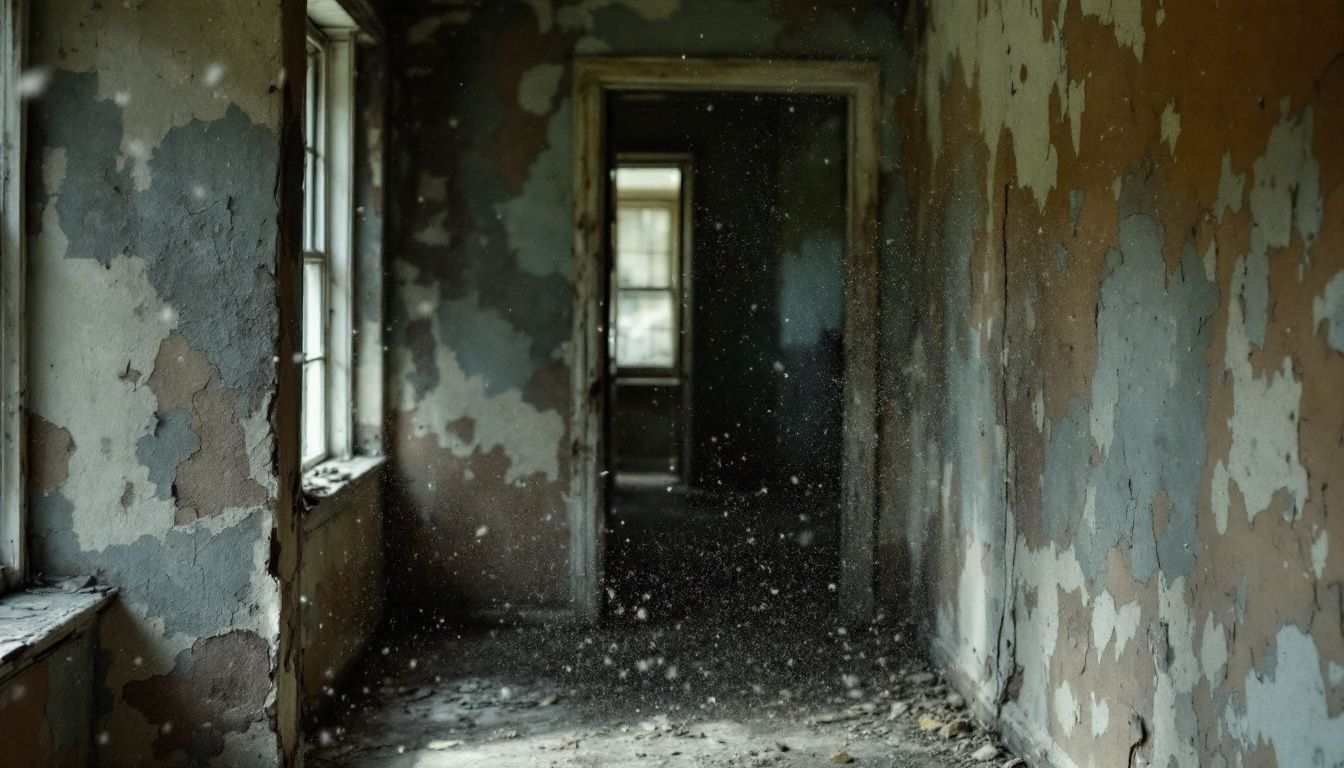
The Hazards of Asbestos: Why This Hidden Threat Still Matters in UK Buildings
Asbestos was banned in the UK in 1999, but the hazards of asbestos haven’t gone anywhere. Millions of properties built before the turn of the millennium still contain asbestos-containing materials (ACMs), and many owners and occupants have no idea they’re living or working alongside them. When those materials are disturbed — during a renovation, a repair job, or even routine maintenance — microscopic fibres are released into the air. Once inhaled, they can lodge permanently in lung tissue and trigger diseases that may not appear for decades. The danger is invisible, odourless, and entirely preventable with the right approach.
Why the Hazards of Asbestos Remain a Live Issue Today
It’s tempting to think of asbestos as a problem from the past. The reality is very different. Asbestos was used extensively in UK construction throughout the twentieth century — in schools, hospitals, offices, factories, and homes. Because it was cheap, fire-resistant, and durable, it was woven into the fabric of the built environment.
The ban stopped new asbestos from being imported or used, but it did nothing to remove what was already in place. The HSE estimates that asbestos is still present in around half a million non-domestic buildings across Great Britain — and that figure doesn’t account for the residential stock.
Mesothelioma — the cancer most closely associated with asbestos exposure — continues to claim thousands of lives every year in the UK. The disease has a latency period of between 20 and 50 years, meaning people diagnosed today were often exposed in the 1970s, 1980s, or 1990s. The legacy of that era is still playing out in NHS wards and coroners’ courts.
How Asbestos Damages the Body
Understanding the health hazards of asbestos starts with understanding what happens when fibres are inhaled. Asbestos fibres are extremely fine — far thinner than a human hair — and the body’s natural defences cannot clear them effectively once they reach the lower airways. Over time, these fibres cause chronic inflammation and scarring.
Depending on the level and duration of exposure, this can lead to several serious and often fatal conditions.
Mesothelioma
Mesothelioma is a cancer of the lining of the lungs, abdomen, or heart. It is almost exclusively caused by asbestos exposure and has no cure. Symptoms — including chest pain, breathlessness, persistent dry cough, fatigue, and unexplained weight loss — typically appear decades after the initial exposure, which makes early diagnosis extremely difficult.
Asbestos-Related Lung Cancer
Asbestos exposure significantly increases the risk of lung cancer, particularly in individuals who also smoke. The risk is multiplicative rather than additive — meaning the combination of asbestos exposure and smoking creates a far greater risk than either factor alone. Lung cancer linked to asbestos accounts for a substantial number of occupational disease deaths in the UK each year.
Asbestosis
Asbestosis is a chronic lung condition caused by prolonged inhalation of asbestos fibres. The fibres cause progressive scarring of lung tissue, leading to worsening breathlessness, a persistent cough, and reduced lung function. It is not cancerous, but it is debilitating and incurable, and it significantly increases the risk of developing other asbestos-related diseases.
Pleural Thickening and Pleural Plaques
Pleural plaques are areas of thickened tissue on the lining of the lungs. They are a marker of past asbestos exposure and, while not directly harmful in themselves, indicate that more serious conditions may develop. Diffuse pleural thickening is more extensive and can cause significant breathlessness, restricting the expansion of the lungs and reducing quality of life considerably.
Where Asbestos Hides in UK Properties
One of the most significant hazards of asbestos is that it is rarely obvious. It doesn’t look dangerous. It doesn’t smell. In many cases, it’s concealed beneath other materials or incorporated into products that appear entirely ordinary.
In properties built or refurbished before 2000, asbestos may be present in any of the following locations:
- Insulation boards and fireproof panels — used extensively in ceiling tiles, partition walls, and around boilers and fireplaces
- Asbestos cement roofing and cladding — common on garages, outbuildings, and industrial units
- Sprayed coatings on structural steelwork — applied for fire protection in commercial and industrial buildings
- Pipe and boiler lagging — used to insulate hot water systems, heating pipes, and plant rooms
- Floor tiles and adhesives — particularly vinyl floor tiles laid before the 1980s
- Textured coatings — including Artex-style finishes on ceilings and walls
- Roof felt and guttering — in older residential properties
- Consumer goods — historically, asbestos was used in products including car brake pads and certain household items
The condition of the material matters enormously. Asbestos that is in good condition and left undisturbed poses a much lower risk than asbestos that is damaged, deteriorating, or about to be disturbed by building work. This is why professional assessment is essential before any renovation or demolition project begins. Guessing is never an acceptable strategy when the consequences can be fatal.
Who Is Most at Risk from the Hazards of Asbestos?
While anyone can be exposed to asbestos, certain groups face a disproportionately higher risk. Historically, workers in the construction, shipbuilding, insulation, and manufacturing industries had the greatest exposure. Many of the mesothelioma deaths recorded today are among men who worked in these trades during the mid-twentieth century.
Today, the groups most at risk include:
- Tradespeople — electricians, plumbers, carpenters, and decorators who work in older buildings without knowing what’s in the walls, floors, or ceilings
- Building and facilities managers — who may unknowingly commission work that disturbs ACMs
- Landlords and property owners — who have a legal duty to manage asbestos in non-domestic premises
- Family members of workers — secondary exposure occurs when asbestos fibres are carried home on clothing, skin, or hair
Secondary exposure is a particularly sobering aspect of the asbestos hazard. Spouses and children of workers who handled asbestos have developed mesothelioma decades later, having never set foot on a worksite. The fibres travel home invisibly, and the consequences can be just as severe.
The Legal Framework: What UK Regulations Require
The UK has one of the most developed asbestos regulatory frameworks in the world, built around the Control of Asbestos Regulations. These regulations place clear legal duties on dutyholders — typically the owners or managers of non-domestic premises — to identify, assess, and manage asbestos risks.
The key obligations include:
- Identifying ACMs — through a professional asbestos survey carried out by a competent surveyor
- Assessing the risk — based on the condition, location, and type of material
- Producing an asbestos register — a documented record of all ACMs found and their risk ratings
- Implementing a management plan — setting out how ACMs will be monitored, managed, or removed
- Keeping the register up to date — through regular re-inspections and updates when work is carried out
- Informing anyone who might disturb ACMs — including contractors, maintenance staff, and emergency services
The HSE’s guidance document HSG264 sets out the standards for asbestos surveys and is the benchmark against which all professional surveys are assessed. Any survey that doesn’t follow HSG264 is unlikely to satisfy your legal duties or provide meaningful protection.
Failure to comply with the Control of Asbestos Regulations can result in substantial fines and, in serious cases, criminal prosecution. More importantly, non-compliance puts lives at risk.
The Different Types of Asbestos Survey Explained
Not all asbestos surveys are the same. The type of survey you need depends on what you intend to do with the property and what information you require. Choosing the wrong type of survey can leave you exposed — legally and physically.
Management Survey
A management survey is the standard survey for occupied buildings. It identifies ACMs that could be disturbed during normal occupation and maintenance, and forms the basis of your asbestos register and management plan. This is the survey most dutyholders require to fulfil their legal obligations under the Control of Asbestos Regulations.
Refurbishment Survey
Before any renovation, alteration, or refurbishment work begins, a refurbishment survey is legally required. This is a more intrusive survey that involves accessing areas that will be disturbed by the planned works. It ensures that contractors are not unknowingly cutting into or demolishing materials that contain asbestos.
Demolition Survey
A demolition survey is required before a building is demolished. This is the most thorough type of survey, covering the entire structure and all materials. Because demolition disturbs every part of a building, a complete picture of all ACMs present is essential before work begins.
Re-Inspection Survey
Once an asbestos register is in place, it must be kept up to date. A re-inspection survey assesses the current condition of known ACMs and updates the risk ratings accordingly. This is typically carried out annually, though higher-risk materials may need more frequent monitoring.
Safe Asbestos Removal: What the Process Involves
When asbestos management is no longer sufficient — because materials are deteriorating, or because planned work will disturb them — asbestos removal becomes necessary. Removal must always be carried out by licensed contractors for the most hazardous materials, and the process is tightly regulated.
Licensed contractors are required to notify the HSE at least 14 days before starting work with notifiable asbestos. The work area must be sealed and decontaminated, workers must wear appropriate respiratory protective equipment, and all waste must be disposed of as hazardous material at a licensed facility.
Attempting to remove asbestos without the correct training, equipment, and licensing is not only illegal — it is extremely dangerous. Disturbing ACMs incorrectly can release far more fibres into the air than leaving them in place.
Asbestos Testing: Understanding Your Options
When it comes to confirming whether a material contains asbestos, there are several routes available depending on your situation and budget. Understanding which option is appropriate can save time and money while ensuring you have the information you need to act safely.
For smaller properties or situations where you have a specific suspect material, an asbestos testing kit allows you to collect a sample safely and have it analysed by a UKAS-accredited laboratory. This can be a cost-effective first step for homeowners dealing with a single suspect material.
If you’d prefer a fully managed approach, professional asbestos testing carried out by a qualified surveyor gives you a more complete picture and a formal report you can rely on. A surveyor will identify suspect materials, collect samples correctly, and provide written results that carry professional weight.
For commercial properties or situations requiring a thorough assessment, the asbestos testing service from a specialist surveying company covers multiple materials across the whole building, with full documentation of findings. This is the appropriate route for dutyholders with legal obligations to fulfil.
Whichever route you choose, the principle is the same: do not attempt to identify asbestos visually. Many ACMs look identical to non-asbestos materials. Only laboratory analysis can confirm the presence or absence of asbestos fibres.
Asbestos and Fire Safety: Two Obligations, Not One
Asbestos management doesn’t exist in isolation. If you manage a commercial property, you have obligations under both asbestos and fire safety legislation. These are separate legal requirements, but they often intersect — particularly when building work, alterations, or emergency access is involved.
A fire risk assessment is a separate but equally important legal requirement for non-domestic premises. Both your asbestos register and your fire risk assessment should be kept current, shared with relevant contractors and emergency services, and reviewed whenever the building’s use or layout changes.
Managing both obligations together reduces administrative burden and ensures that anyone working in or responding to an emergency in your building has access to the information they need to stay safe.
What to Do If You Suspect Asbestos in Your Property
If you’re unsure whether your property contains asbestos, the most important thing you can do is not disturb any suspect materials until you know what you’re dealing with. Drilling, sanding, cutting, or breaking materials that contain asbestos can release fibres immediately.
Your next steps should follow this sequence:
- Stop any planned work that might disturb the suspect material until testing or surveying is complete
- Do not attempt to sample the material yourself without the correct equipment and guidance — disturbing ACMs without protection creates immediate exposure risk
- Arrange a professional survey — a management survey for occupied buildings, or a refurbishment or demolition survey if building work is planned
- Use a testing kit if you’re a homeowner with a single suspect material and want a cost-effective first step
- Act on the results — whether that means producing an asbestos register, arranging removal, or implementing a monitoring programme
Property managers and landlords should also ensure that any contractors they commission are informed of known or suspected ACMs before work begins. This is a legal requirement under the Control of Asbestos Regulations, and failing to do so puts workers at risk.
Practical Steps for Property Managers and Landlords
If you manage non-domestic premises, your legal duties under the Control of Asbestos Regulations are non-negotiable. Here’s a practical checklist to ensure you’re meeting those obligations:
- Commission a management survey if you don’t already have an asbestos register in place
- Ensure your asbestos register is accessible to anyone who might work in or on the building
- Schedule annual re-inspections to keep risk ratings current
- Commission a refurbishment or demolition survey before any planned building work begins
- Use only licensed contractors for the removal of high-risk ACMs
- Keep records of all surveys, re-inspections, and removal works
- Inform your insurer and any incoming tenants of the asbestos register
- Review your fire risk assessment alongside your asbestos management plan
These steps don’t just protect you legally — they protect the people who occupy and work in your building every day.
Frequently Asked Questions
What are the main hazards of asbestos?
The primary hazards of asbestos relate to inhaling microscopic fibres released when asbestos-containing materials are disturbed. These fibres can cause mesothelioma, asbestos-related lung cancer, asbestosis, and pleural thickening — all serious and often fatal conditions. Because symptoms can take between 20 and 50 years to appear, the damage is done long before it becomes apparent.
Is asbestos dangerous if left undisturbed?
Asbestos-containing materials that are in good condition and left undisturbed pose a relatively low risk. The hazard arises when materials are damaged, deteriorating, or disturbed — for example during drilling, cutting, or demolition. A professional survey will assess the condition of any ACMs and advise on whether management or removal is appropriate.
How do I know if my property contains asbestos?
You cannot identify asbestos by sight. If your property was built or refurbished before 2000, it may contain asbestos-containing materials. The only reliable way to confirm whether a material contains asbestos is through laboratory analysis of a sample. For commercial properties, a management survey is the standard first step. For homeowners with a single suspect material, a testing kit can provide a cost-effective starting point.
Who is legally responsible for managing asbestos?
Under the Control of Asbestos Regulations, the dutyholder — typically the owner or manager of non-domestic premises — is legally responsible for identifying, assessing, and managing asbestos risks. This includes commissioning surveys, producing an asbestos register, implementing a management plan, and informing contractors of any known ACMs before work begins.
When does asbestos need to be removed rather than managed?
Asbestos does not always need to be removed. In many cases, managing ACMs in place — through monitoring and controlled access — is the appropriate approach. Removal becomes necessary when materials are in poor condition and deteriorating, when planned building work will disturb them, or when a demolition survey identifies ACMs that cannot remain in place. Removal must be carried out by licensed contractors for the most hazardous materials.
Get Expert Help Today
If you need professional advice on asbestos in your property, our team of qualified surveyors is ready to help. With over 50,000 surveys completed across the UK, Supernova Asbestos Surveys delivers clear, actionable reports you can rely on.
Call us on 020 4586 0680 or visit asbestos-surveys.org.uk for a free, no-obligation quote.