The UK’s Asbestos Crisis Is Not History — It Is Happening Right Now
More than two decades after the UK banned asbestos, the material still lurks inside millions of buildings across the country. This is not a historical footnote — it is an active, ongoing public health emergency. A genuine call to action addressing the persistent asbestos problem in the UK today is long overdue, and every property owner, employer, and government body has a role to play.
Asbestos fibres, once disturbed, can cause fatal diseases that take decades to develop. The delay between exposure and diagnosis is precisely what makes this hazard so insidious — and so easy to ignore until it is far too late.
The Scale of the Problem: Where Does the UK Stand?
The UK banned asbestos in 1999, but the ban only stopped new use. It did nothing to remove the material already embedded in buildings constructed throughout the twentieth century. The scale of what remains is staggering.
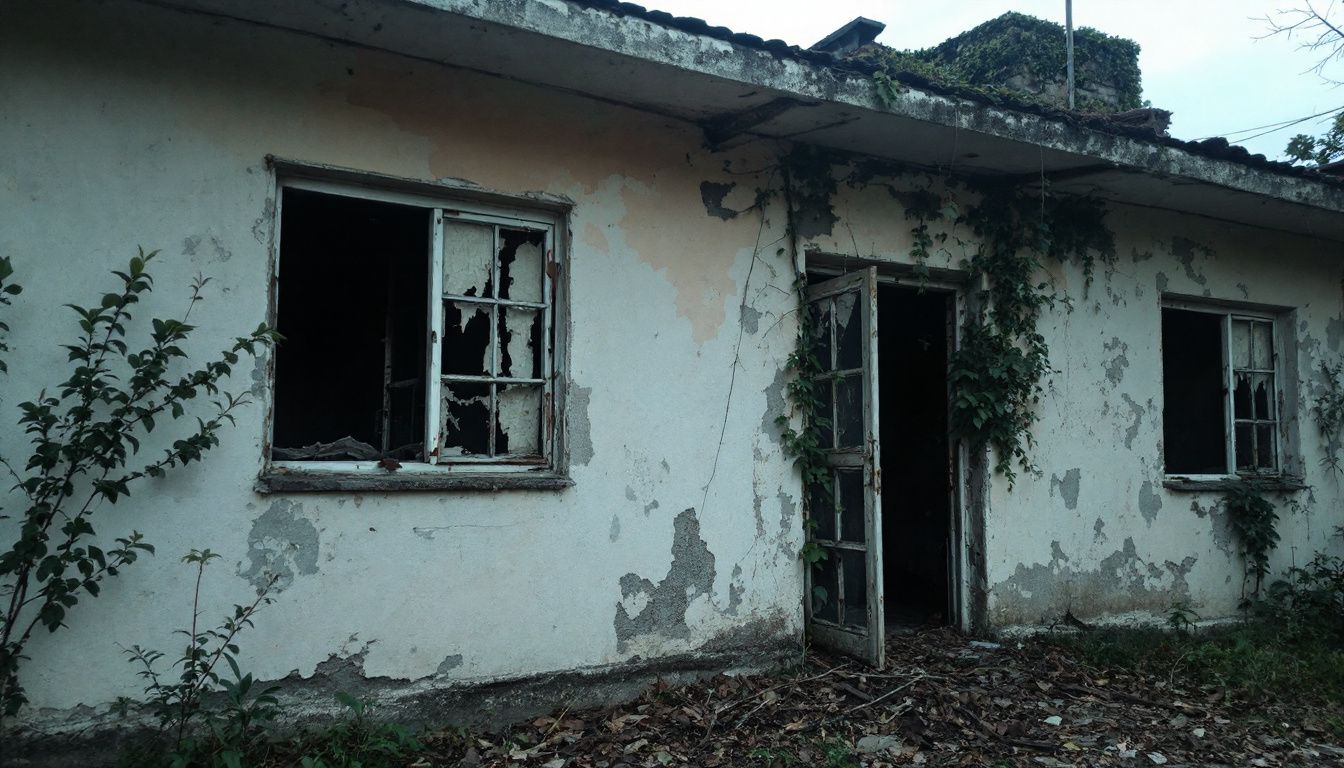
Approximately 1.5 million buildings across the UK — including homes, schools, hospitals, and commercial properties — are estimated to still contain asbestos-containing materials (ACMs). Around 300,000 non-domestic buildings built before 1999 are known to retain asbestos in some form. These are not derelict structures. They are places where people live, work, and study every single day.
Construction Workers: The Group Most at Risk
Construction workers bear a disproportionate share of the risk. Many tradespeople — electricians, plumbers, joiners, and general builders — regularly work in older buildings without adequate asbestos awareness training.
When they drill, cut, or disturb materials without knowing what they contain, they can release fibres into the air without realising the danger. The problem is not ignorance so much as the absence of consistent, mandatory education at every level of the trades.
Net Zero Retrofitting: A New Dimension to an Old Problem
The drive towards net zero and energy efficiency retrofitting has introduced a new and urgent dimension to this problem. As buildings are upgraded with insulation, new heating systems, and structural alterations, the risk of disturbing hidden asbestos increases significantly.
Without proper management survey procedures in place before works begin, these well-intentioned renovation projects can inadvertently become exposure events. The irony of green retrofitting creating a public health hazard is not lost on those working in asbestos risk management.
Health Risks: Why Asbestos Remains the UK’s Deadliest Workplace Hazard
Asbestos is not merely unpleasant — it is lethal. The fibres, when inhaled, become permanently lodged in lung tissue and the lining of the chest cavity. The body cannot expel them, and over time they cause progressive, irreversible damage.
The diseases linked to asbestos exposure include:
- Mesothelioma — a rare and aggressive cancer of the lining of the lungs, heart, or abdomen, almost exclusively caused by asbestos exposure. There is no cure.
- Asbestosis — a chronic lung condition caused by scarring of lung tissue, leading to breathlessness and a significantly reduced quality of life.
- Asbestos-related lung cancer — distinct from mesothelioma but equally serious, particularly in those who also smoked.
- Pleural thickening — a non-cancerous but debilitating condition in which the lung lining thickens and restricts breathing.
Approximately 5,000 people die from asbestos-related diseases in the UK every year, making it the single largest cause of work-related deaths in the country. Many of those dying today were exposed in the 1970s and 1980s — the latency period for mesothelioma can be anywhere from 20 to 50 years.
The people being exposed right now may not show symptoms until the 2040s or 2050s. Preventing exposure in the first place is not just preferable — it is the only effective strategy.
The Regulatory Framework: What the Law Requires
The UK has a robust legal framework governing asbestos management, but awareness of legal duties remains inconsistent — particularly among smaller landlords and business owners.
The Control of Asbestos Regulations
The Control of Asbestos Regulations form the backbone of asbestos law in Great Britain. They set out licensing requirements for high-risk work, notification duties for certain types of asbestos activity, and — critically — the duty to manage asbestos in non-domestic premises.
Regulation 4 places a legal duty on owners and managers of non-domestic buildings to identify ACMs, assess their condition and risk, and maintain an up-to-date asbestos register. This duty cannot be delegated away or ignored.
If you manage a non-domestic property and do not have an asbestos register in place, you may already be in breach of your legal obligations — with consequences including enforcement action and significant fines.
HSG264: The HSE’s Survey Guidance
HSG264 — Asbestos: The Survey Guide — is the Health and Safety Executive’s definitive guidance on conducting asbestos surveys. It sets out the methodology for management surveys and refurbishment and demolition surveys, and all competent asbestos surveyors operate in accordance with it.
If your surveyor cannot demonstrate compliance with HSG264, that is a serious red flag. The guidance exists to ensure surveys are thorough, consistent, and legally defensible.
Licensing and Competence Requirements
Not all asbestos work requires a licence, but work with certain high-risk materials — such as sprayed coatings, lagging, and insulating board — must only be carried out by an HSE-licensed contractor. Even for non-licensed work, operatives must be trained and competent.
The gap between what the law requires and what actually happens on many sites remains a serious and ongoing concern.
Government Action: Progress, Setbacks, and What Still Needs to Happen
In recent years there has been growing parliamentary attention to the asbestos problem. The Work and Pensions Committee proposed a 40-year deadline for the removal of asbestos from all public and commercial buildings — an ambitious but arguably necessary target given the scale of the risk. That proposal was rejected, leaving the UK without a formal national removal strategy.
Without a clear government commitment to systematic removal, the default position remains one of managed risk — keeping asbestos in place and monitoring it, rather than eliminating it. This approach has merit in some situations, but it depends entirely on consistent, competent management. In practice, that consistency is far from guaranteed.
Organisations including IOSH (the Institution of Occupational Safety and Health) and BOHS (the British Occupational Hygiene Society) continue to advocate for stronger asbestos policy, better training standards, and greater public awareness. Global Asbestos Awareness Week plays an important role in keeping the issue in the public consciousness.
What is needed now is a national strategic plan — one that sets clear timelines, enforces duty holder responsibilities, funds competence training, and commits to the eventual elimination of asbestos from the built environment. The current patchwork of regulations and guidance, while legally sound, is not delivering the public health outcomes the situation demands.
What Property Owners and Managers Must Do Right Now
Waiting for government action is not an option for those with legal duties today. If you own or manage a non-domestic property built before 2000, there are concrete steps you must take — and none of them are optional.
Step 1: Commission an Asbestos Management Survey
If you do not already have an asbestos register, your first step is to commission an asbestos management survey carried out by a qualified surveyor. This survey identifies the location, type, and condition of any ACMs in your building and provides the foundation for your asbestos management plan.
Without it, you are managing a risk you cannot see.
Step 2: Keep Your Asbestos Register Up to Date
An asbestos register is not a one-off exercise. ACMs deteriorate over time, and their risk profile changes. A periodic re-inspection survey ensures that your register reflects the current condition of materials and that any deterioration is identified before it becomes a hazard.
Step 3: Commission a Demolition Survey Before Any Significant Works
If you are planning refurbishment, demolition, or any intrusive works, a demolition survey is a legal requirement before works begin. This type of survey is more invasive than a management survey and is designed to locate all ACMs that may be disturbed during the planned works.
Skipping this step is not just illegal — it puts workers and occupants at serious risk.
Step 4: Arrange Safe Removal Where Necessary
Where ACMs are in poor condition or are likely to be disturbed by planned works, asbestos removal by a licensed contractor is often the safest course of action. Removal eliminates the ongoing management burden and removes the risk permanently.
It is not always the right answer, but where materials are deteriorating or in high-traffic areas, it is frequently the most responsible one.
Step 5: Don’t Neglect Associated Safety Obligations
Asbestos management does not exist in isolation. If you manage a commercial property, you are also likely to have duties under fire safety legislation. A fire risk assessment should sit alongside your asbestos management plan as part of a holistic approach to building safety.
These obligations reinforce each other — and both carry serious legal consequences if neglected.
Step 6: Consider DIY Testing for Lower-Risk Situations
For homeowners or landlords who suspect a specific material may contain asbestos, a testing kit can provide a cost-effective first step. Samples are sent to an accredited laboratory for analysis, giving you a clear answer without the need for a full survey in every case.
It is not a substitute for a professional survey where one is legally required, but it can provide useful intelligence before you commit to further action.
The Role of Public Awareness and Education
Regulation and enforcement can only achieve so much. The other essential ingredient is public awareness — ensuring that homeowners, tenants, tradespeople, and small business owners understand the risks and know what to do about them.
Too many people still believe that asbestos is only a problem in old industrial buildings, or that it was fully dealt with when the ban came into force. Neither is true. Asbestos is present in textured coatings, floor tiles, roof sheets, pipe lagging, and ceiling boards in millions of ordinary homes and offices. It is not always obvious, and it cannot be identified by sight alone.
Training for construction workers must be strengthened and made more consistent. Awareness campaigns need to reach not just large contractors but the sole traders and small firms who make up the bulk of the trades workforce — and who are statistically most likely to encounter asbestos without adequate preparation.
Schools, too, have a role. A generation of young people entering the construction trades or property management should understand the basics of asbestos risk before they ever set foot on a site. The knowledge required to stay safe is not complex. What is lacking is the will to make sure it reaches the people who need it most.
Asbestos Surveying Across the UK: Local Expertise, National Reach
Access to qualified asbestos surveyors should not be a barrier to compliance. Supernova Asbestos Surveys operates nationwide, with experienced BOHS P402-qualified surveyors covering every region of the UK.
If you are based in the capital, our asbestos survey London service provides fast, reliable coverage across all London boroughs. In the North West, our asbestos survey Manchester team offers same-week availability for both residential and commercial properties. In the Midlands, our asbestos survey Birmingham service covers the city and the surrounding region with the same level of expertise and rigour.
Wherever you are in the UK, the legal duty to manage asbestos applies equally. And wherever you are, Supernova can help you meet it.
This Is a Call to Action — Not a Conversation for Later
The persistent asbestos problem in the UK is not going to resolve itself. The buildings are still standing. The fibres are still present. And people are still being exposed — often without knowing it — every single day.
The regulatory framework exists. The surveying expertise exists. The removal technology exists. What has been missing, for too long, is the collective will to treat this as the ongoing emergency it actually is.
If you are a property owner or manager who has been putting this off, the time to act is now — not when enforcement comes knocking, and not when a worker is diagnosed with mesothelioma decades from now. The decisions made today will determine who is safe tomorrow.
Duty holders must commission surveys, maintain registers, and manage ACMs responsibly. Government must provide the strategic framework and enforcement teeth to make compliance universal rather than optional. And the wider public must understand that asbestos is not a solved problem — it is a live one, hiding in plain sight across millions of buildings.
A genuine call to action addressing the persistent asbestos problem in the UK today means all of these things happening at once. The question is whether the urgency of the situation will finally be matched by the response it demands.
Frequently Asked Questions
Is asbestos still a problem in the UK if it was banned in 1999?
Yes — the 1999 ban stopped new asbestos being imported or used, but it did nothing to remove the material already present in buildings constructed before that date. Millions of homes, schools, hospitals, and commercial properties still contain asbestos-containing materials. The risk exists wherever those materials are disturbed, damaged, or deteriorating.
Who is legally responsible for managing asbestos in a building?
Under the Control of Asbestos Regulations, the duty to manage asbestos in non-domestic premises falls on the dutyholder — typically the owner, landlord, or person responsible for the maintenance and repair of the building. This duty includes identifying ACMs, assessing their condition, maintaining an asbestos register, and ensuring that anyone who may disturb the materials is informed of their presence.
What is the difference between a management survey and a demolition survey?
A management survey is used to locate and assess ACMs in a building that is in normal use. It is the standard survey required to fulfil the duty to manage. A demolition survey — sometimes called a refurbishment and demolition survey — is a more invasive inspection carried out before any significant works, refurbishment, or demolition. It is designed to locate all ACMs that could be disturbed during the planned activity, including those in less accessible areas.
How often should an asbestos register be updated?
There is no fixed legal interval, but HSE guidance is clear that asbestos registers must be kept up to date and that ACMs must be periodically re-inspected to monitor their condition. In practice, most duty holders carry out a re-inspection every 12 months, though higher-risk materials or areas with significant footfall may warrant more frequent review. The condition of ACMs can change, and an outdated register provides a false sense of security.
Can I test for asbestos myself before commissioning a full survey?
For homeowners or landlords with a specific material of concern, a professional-grade testing kit allows you to take a sample and send it to an accredited laboratory for analysis. This can be a useful and cost-effective first step. However, it is not a substitute for a full management survey where one is legally required — particularly in non-domestic premises. If you are unsure whether a survey is legally required in your situation, speaking to a qualified asbestos surveyor is the safest course of action.
Get Expert Help from Supernova Asbestos Surveys
Supernova Asbestos Surveys has completed over 50,000 surveys nationwide. Our BOHS-qualified surveyors work across all property types — commercial, residential, industrial, and public sector — and provide clear, legally compliant reports that give you the information you need to manage your obligations with confidence.
To book a survey, discuss your requirements, or get a fast quote, call us on 020 4586 0680 or visit asbestos-surveys.org.uk. We offer same-week availability in most areas and a straightforward, no-jargon service from first contact to final report.