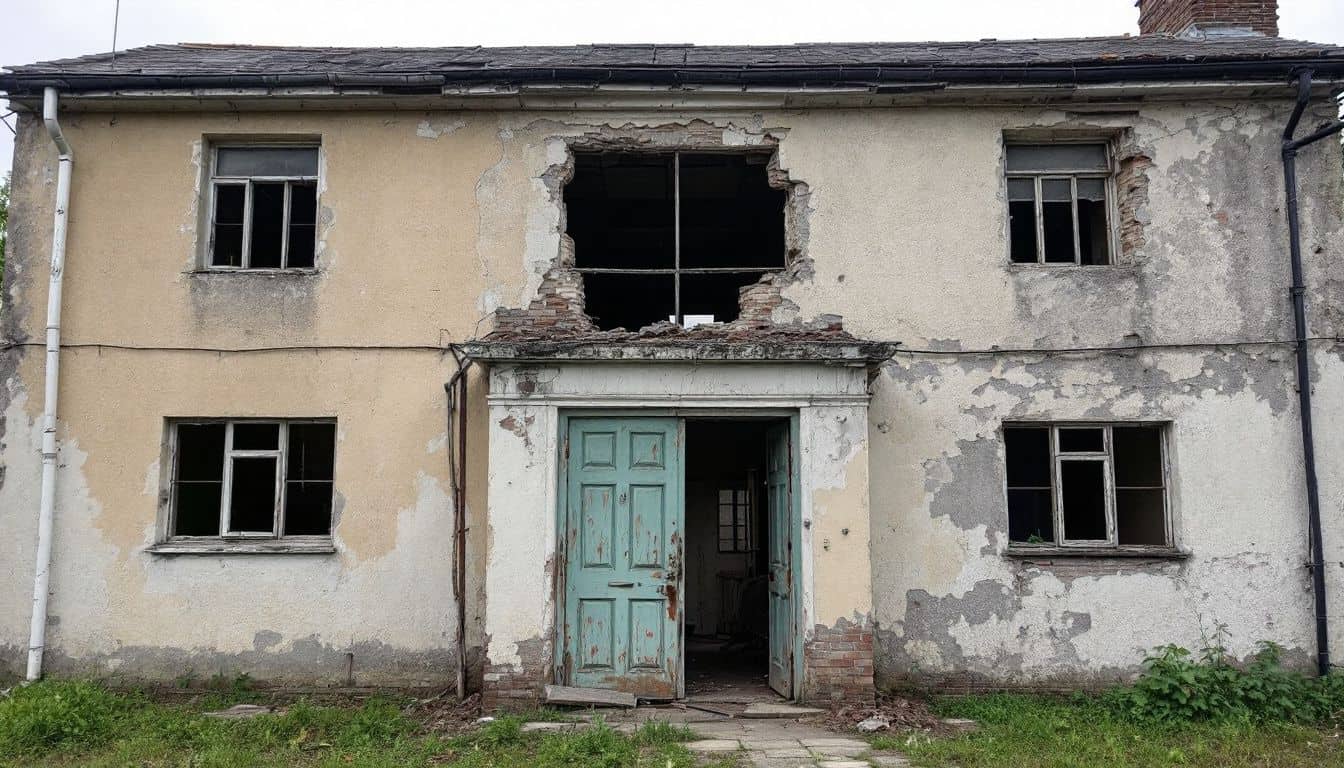
Why Asbestos Hazardous Materials Are Still Killing People in the UK
Asbestos hazardous materials are not a relic of the past — they are hiding inside millions of UK buildings right now. Despite a full ban on the use and import of asbestos in 1999, this deadly mineral continues to claim thousands of lives every year. If you own, manage, or work in a building constructed before the year 2000, this affects you directly.
Understanding what makes asbestos so dangerous, where it hides, and what your legal obligations are could quite literally save lives. Here is what you need to know.
What Makes Asbestos Hazardous to Human Health?
Asbestos is a naturally occurring silicate mineral that was used extensively in construction and manufacturing throughout the 20th century. Its appeal was obvious — heat-resistant, durable, and cheap to produce. The problem is what happens when it is disturbed.
When asbestos-containing materials (ACMs) are damaged, drilled, cut, or simply deteriorate with age, they release microscopic fibres into the air. These fibres are invisible to the naked eye and can remain airborne for hours. Once inhaled, they become permanently lodged in the lung tissue and the lining of the chest cavity.
The body cannot break down or expel these fibres. Over time, they cause irreversible scarring and cellular damage that leads to serious and often fatal disease:
- Mesothelioma — an aggressive and almost always fatal cancer of the lining of the lungs, heart, or abdomen
- Asbestos-related lung cancer — frequently misdiagnosed or attributed to other causes
- Asbestosis — progressive scarring of the lung tissue that severely restricts breathing
- Pleural thickening — a condition that reduces lung capacity and causes chronic breathlessness
What makes asbestos particularly insidious is the latency period. Symptoms typically take between 10 and 50 years to appear after initial exposure. By the time a diagnosis is made, the disease is usually at an advanced and untreatable stage.
The Scale of the Problem in the UK Today
The UK has one of the highest rates of mesothelioma in the world. Approximately 2,700 new mesothelioma cases are diagnosed every year, and around 5,000 people die annually from asbestos-related diseases. These are not historical figures — they reflect exposures happening in workplaces and buildings today.
The construction, plumbing, electrical, and maintenance trades are particularly at risk. Workers who regularly enter older buildings — carrying out repairs, fitting new equipment, or undertaking refurbishments — face repeated low-level exposure that accumulates dangerously over a career.
Healthcare settings present a specific concern. Studies have shown that nurses experience significantly elevated rates of mesothelioma, reflecting the asbestos burden that remains within NHS buildings. The Royal College of Nursing has called for dedicated funding to address the NHS building maintenance backlog, much of which involves ACMs in deteriorating condition.
In some parts of the country, the problem is particularly acute. Plymouth, for example, has historically reported some of the highest mesothelioma mortality rates in the UK, reflecting the legacy of shipbuilding and heavy industry in the region.
Where Is Asbestos Hazardous Material Commonly Found?
Asbestos was used in an enormous range of building products and industrial applications. If a building was constructed or refurbished between the 1950s and 1999, there is a reasonable chance it contains ACMs somewhere.
Common locations include:
- Lagging on pipes, boilers, and ductwork
- Textured decorative coatings such as Artex on ceilings and walls
- Ceiling and floor tiles
- Partition walls and ceiling panels
- Cement roof panels and guttering, particularly in industrial and agricultural buildings
- Sprayed coatings on structural steelwork
- Insulating board around fireplaces, doors, and electrical panels
- Roofing felt and soffit boards
The presence of asbestos does not automatically mean a building is dangerous. Asbestos that is in good condition and left undisturbed poses a low risk. The danger arises when materials are damaged, aged, or subjected to work activities that release fibres.
There is also growing concern about Reinforced Autoclaved Aerated Concrete (RAAC), a material used in many public buildings from the 1950s to the 1990s. While RAAC itself does not contain asbestos, maintenance and remediation work on RAAC structures frequently disturbs surrounding ACMs, creating a compounded risk.
Your Legal Obligations Under UK Asbestos Regulations
The Control of Asbestos Regulations place clear legal duties on those who own or manage non-domestic premises. These are not optional guidelines — they are enforceable law, and failure to comply can result in substantial fines, prosecution, and serious harm to people in your building.
The Duty to Manage
Regulation 4 of the Control of Asbestos Regulations establishes the duty to manage asbestos in non-domestic premises. This requires duty holders to take reasonable steps to identify ACMs, assess their condition, and implement a management plan to control the risk.
The duty holder must maintain an asbestos register, share information with anyone who may disturb ACMs, and review the management plan regularly. If you are a landlord, facilities manager, or employer responsible for a building, this duty applies to you.
HSG264 — The Survey Standard
The HSE’s guidance document HSG264 sets out how asbestos surveys should be conducted. It defines two principal survey types: the management survey and the refurbishment and demolition survey. Any survey carried out to satisfy your legal duty should comply with HSG264 standards and be conducted by a competent, qualified surveyor.
Licensed and Non-Licensed Work
Not all asbestos work requires a licence, but high-risk activities — such as removing asbestos insulation board, lagging, or sprayed coatings — must be carried out by a licensed contractor. Other work may be notifiable to the HSE even if a licence is not required.
Understanding which category your planned work falls into is essential before any maintenance or refurbishment begins. Getting this wrong exposes you, your workers, and your building occupants to serious risk.
The Right Survey for the Right Situation
One of the most common mistakes duty holders make is commissioning the wrong type of survey for their circumstances. Each survey type serves a distinct purpose, and using the wrong one can leave you legally exposed and your building occupants at risk.
Management Survey
A management survey is the standard survey required to manage ACMs in an occupied building during normal use. It identifies the location, extent, and condition of asbestos-containing materials and forms the basis of your asbestos register and management plan. This is the survey most duty holders need as a baseline.
Refurbishment Survey
Before any building work, renovation, or refurbishment takes place, a refurbishment survey is required. This is a more intrusive investigation that identifies all ACMs in areas that will be disturbed. It must be completed before work begins — not during or after.
Demolition Survey
Where a building is to be demolished in whole or in part, a demolition survey is required. This is the most intrusive survey type, designed to locate all ACMs throughout the entire structure before demolition work commences. It is a legal requirement and must be carried out by a competent surveyor.
Re-Inspection Survey
Asbestos management is not a one-off exercise. ACMs deteriorate over time, and your management plan must be reviewed and updated regularly. A re-inspection survey assesses the current condition of known ACMs and updates your risk ratings accordingly, ensuring your management plan reflects the actual state of the building.
Asbestos Removal
Where ACMs are in poor condition or located in areas that cannot be safely managed in situ, asbestos removal by a licensed contractor is the appropriate course of action. Removal eliminates the long-term management burden and the risk of future disturbance.
The Challenge of Managing the UK’s Asbestos Legacy
Despite the scale of the problem, progress on systematically removing asbestos from the UK’s built environment has been slow. A proposal put forward for a funded programme to remove asbestos from non-domestic properties over a 40-year period failed to secure sufficient government support. As the UK’s building stock continues to age, the proportion of ACMs in poor condition will only increase, raising the baseline risk for anyone working in or visiting older buildings.
This makes proactive management more important than ever. Buildings with known ACMs that are not regularly inspected and re-assessed present an escalating risk. The cost of a re-inspection survey is negligible compared to the human and financial cost of an asbestos-related illness or enforcement action.
Practical Steps You Can Take Right Now
Whether you are a building owner, facilities manager, employer, or concerned homeowner, there are concrete actions you can take to reduce asbestos risk immediately.
- Commission a survey — If you do not have an up-to-date asbestos register for your non-domestic premises, this is your first legal obligation. Book a management survey before anything else.
- Check your existing register — If you have a register but it has not been reviewed recently, arrange a re-inspection to confirm the current condition of any ACMs.
- Never disturb suspect materials without a survey — Before any maintenance, refurbishment, or demolition work, the appropriate survey must be completed. Do not assume materials are safe.
- Test suspect materials at home — Homeowners concerned about materials in their property can use a testing kit to collect samples for laboratory analysis. It is a straightforward, low-cost way to get certainty.
- Ensure contractors are informed — Anyone carrying out work in a building with known or suspected ACMs must be provided with relevant asbestos information before they begin.
- Pair your asbestos management with a fire risk assessment — Many properties that require asbestos management also have fire safety obligations. A fire risk assessment can be carried out alongside your asbestos survey to address both compliance requirements efficiently.
Asbestos Surveys Across the UK
Supernova Asbestos Surveys operates nationwide, with specialist teams covering every region. If you are based in the capital, our team provides a full range of services including an asbestos survey London clients can book with same-week availability.
In the North West, our team delivers an asbestos survey Manchester clients rely on for fast turnaround and accurate reporting. In the Midlands, we offer a trusted asbestos survey Birmingham service covering commercial, industrial, and residential properties.
Wherever your property is located, our BOHS P402-qualified surveyors will attend promptly, conduct a thorough inspection in line with HSG264 guidance, and deliver a clear, legally compliant report within 3 to 5 working days.
What to Expect When You Book With Supernova
Booking a survey with Supernova is straightforward. Here is how the process works:
- Booking — Contact us by phone or via our website. We confirm availability and send a booking confirmation, often with same-week appointments available.
- Site Visit — A qualified P402 surveyor attends at the agreed time and carries out a thorough visual inspection of the property.
- Sampling — Representative samples are collected from suspect materials using correct containment procedures to prevent fibre release.
- Laboratory Analysis — Samples are analysed under polarised light microscopy at our UKAS-accredited laboratory, ensuring legally defensible results.
- Report Delivery — You receive a clear, fully itemised report including your asbestos register, condition ratings, risk assessments, and recommended actions — typically within 3 to 5 working days of the site visit.
With over 50,000 surveys completed nationwide, Supernova is the UK’s most experienced asbestos surveying company. Our reports are written in plain English, structured for practical use, and accepted by insurers, local authorities, and enforcement bodies.
To book a survey or discuss your requirements, call us on 020 4586 0680 or visit asbestos-surveys.org.uk. Do not wait until asbestos hazardous materials become an emergency — act now while you still have control of the situation.
Frequently Asked Questions
Is asbestos hazardous in all buildings, or only older ones?
Asbestos was banned from use in UK construction in 1999, so any building constructed after that date is very unlikely to contain ACMs. However, buildings built or refurbished before 2000 — including homes, offices, schools, hospitals, and industrial premises — may contain asbestos in a wide range of materials. If you are unsure, commissioning a survey is the only reliable way to find out.
How do I know if asbestos in my building is dangerous?
The condition and location of the material matters more than the mere presence of asbestos. ACMs that are in good condition and are not at risk of being disturbed pose a low risk. Materials that are damaged, friable, or in areas where maintenance or refurbishment work will take place are considered higher risk. A qualified surveyor will assess each material and assign a risk rating based on its condition and likelihood of disturbance.
What happens if I ignore my duty to manage asbestos?
Failure to comply with the duty to manage under the Control of Asbestos Regulations is a criminal offence. The HSE can issue improvement notices, prohibition notices, and prosecute duty holders. Penalties can include unlimited fines and, in serious cases, custodial sentences. Beyond the legal consequences, failing to manage asbestos puts the health of everyone in your building at risk.
Can I remove asbestos myself?
In limited circumstances, a small amount of non-licensed asbestos work may be carried out by a competent person who is not a licensed contractor — but this is tightly defined. High-risk materials such as asbestos insulation board, lagging, and sprayed coatings must only be removed by a licensed contractor. Attempting unlicensed removal of these materials is illegal and extremely dangerous. Always seek professional advice before disturbing any suspect material.
How often should an asbestos register be reviewed?
The Control of Asbestos Regulations require duty holders to review their asbestos management plan regularly and keep it up to date. In practice, most duty holders should arrange a re-inspection survey at least every 12 months, or sooner if conditions change — for example, if ACMs are found to be deteriorating, if building use changes, or if maintenance work is planned. Your surveyor can advise on the appropriate review frequency based on the condition and risk ratings of the materials in your building.