
Breathlessness that creeps in over years is easy to dismiss. A bit less fitness, a demanding job, getting older. But asbestosis is not normal wear and tear. It is a serious, irreversible lung disease caused by breathing in asbestos fibres, and it still matters because exposure often happened decades before symptoms appear.
For property managers, landlords, employers and dutyholders, that delay is exactly why asbestos management cannot be treated as a box-ticking exercise. The damage linked to asbestosis may take years to show itself, but preventing exposure starts long before anyone develops symptoms.
What is asbestosis?
Asbestosis is a chronic lung disease caused by prolonged or repeated inhalation of asbestos fibres. Those fibres can reach deep into the lungs, where they trigger inflammation and scarring over time.
That scarring, known as fibrosis, makes the lungs less flexible. As the tissue stiffens, breathing becomes harder and oxygen transfer becomes less efficient. Once that scarring has developed, it cannot be reversed.
Asbestosis is one of several asbestos-related diseases, but it is not the same as:
- Mesothelioma
- Asbestos-related lung cancer
- Pleural plaques
- Diffuse pleural thickening
Someone with a history of asbestos exposure may be at risk of more than one asbestos-related condition, which is why a proper medical and exposure history matters.
How asbestosis affects the lungs
Healthy lungs contain tiny air sacs called alveoli. These need to stay elastic so they can expand, contract and exchange oxygen properly.
When asbestos fibres become lodged in lung tissue, the body struggles to clear them. Over time, the irritation caused by those fibres leads to fibrosis. Scarred tissue does not stretch like healthy tissue, so every breath takes more effort.
Why scarring causes breathlessness
The symptoms of asbestosis are closely linked to this loss of flexibility. The lungs cannot expand as fully as they should, and the body has to work harder to get enough oxygen.
- Breathing becomes less efficient
- Oxygen transfer is reduced
- Physical activity brings on symptoms more quickly
- Breathing muscles have to work harder
That is why someone with asbestosis may feel manageable at rest but struggle on stairs, hills or routine physical work. Early changes can be subtle, which is one reason the disease is often recognised late.
What causes asbestosis?
The direct cause of asbestosis is inhaling asbestos fibres over time. In most cases, this happened in workplaces where asbestos-containing materials were handled, damaged, drilled, cut, stripped or removed without the level of control now required.

Risk is shaped by several factors:
- How much asbestos dust was present
- How often exposure happened
- How long exposure continued
- What type of asbestos-containing material was involved
- Whether fibres were released in a confined or poorly controlled environment
Not everyone exposed to asbestos develops asbestosis. The greatest concern is usually repeated, heavy exposure over a long period.
Occupational exposure
Historically, asbestosis has been strongly linked to work environments where airborne asbestos dust was common. Workers in dusty trades were often exposed before modern controls, training and asbestos management procedures became standard.
Jobs and industries commonly associated with asbestos exposure include:
- Construction and demolition
- Shipbuilding and ship repair
- Boiler and pipe insulation work
- Manufacturing involving asbestos products
- Power stations and heavy industry
- Railway engineering
- Garage work involving older brakes and clutches
- Maintenance and refurbishment of older buildings
Exposure can still happen today if asbestos-containing materials are disturbed during repair, maintenance or refurbishment. Before intrusive work starts in an older building, the asbestos risk needs to be identified properly. If works are planned in the capital, booking an asbestos survey London service before work begins is a practical step to protect contractors and support compliance.
Secondary and environmental exposure
Not every case of asbestosis came from direct handling at work. Some people were exposed through contaminated clothing brought home from industrial jobs. Others lived near sites where asbestos dust was present in the surrounding environment.
These routes are less common than occupational exposure, but they are still relevant. A clinician assessing possible asbestosis should consider home circumstances and indirect exposure as well as formal job titles.
Symptoms of asbestosis
Asbestosis usually develops slowly. Symptoms can be mild at first, which makes them easy to ignore or misread as ageing, reduced fitness or another chest problem.
Common symptoms include:
- Shortness of breath, especially on exertion
- A persistent dry cough
- Chest tightness or discomfort
- Fatigue
- Reduced exercise tolerance
- Loss of appetite or unintended weight loss in some cases
In more advanced disease, finger clubbing may occur. This is where the fingertips become enlarged or rounded and should always be assessed by a medical professional.
Early symptoms people often dismiss
Early asbestosis may not feel dramatic. That is part of the problem.
- Getting out of breath walking uphill
- Pausing on stairs when you did not used to
- A dry cough that lingers
- Feeling unusually tired after routine activity
If there is any history of asbestos exposure, even from many years ago, these changes should not be brushed aside.
Advanced symptoms and complications
As asbestosis progresses, breathlessness can become more severe and may happen during very light activity or even at rest. In advanced cases, complications can include respiratory failure, repeated chest infections, pulmonary hypertension and strain on the right side of the heart.
There is also an increased risk of lung cancer in people with asbestos exposure, particularly in those who smoke or used to smoke. That is why smoking cessation is strongly advised for anyone with a history of exposure.
Who is most at risk of asbestosis?
People most at risk of asbestosis are those with long-term, repeated occupational exposure to airborne asbestos fibres. In practical terms, that usually means workers who spent years around damaged insulation, lagging, sprayed coatings, asbestos insulating board or other materials that released dust when disturbed.
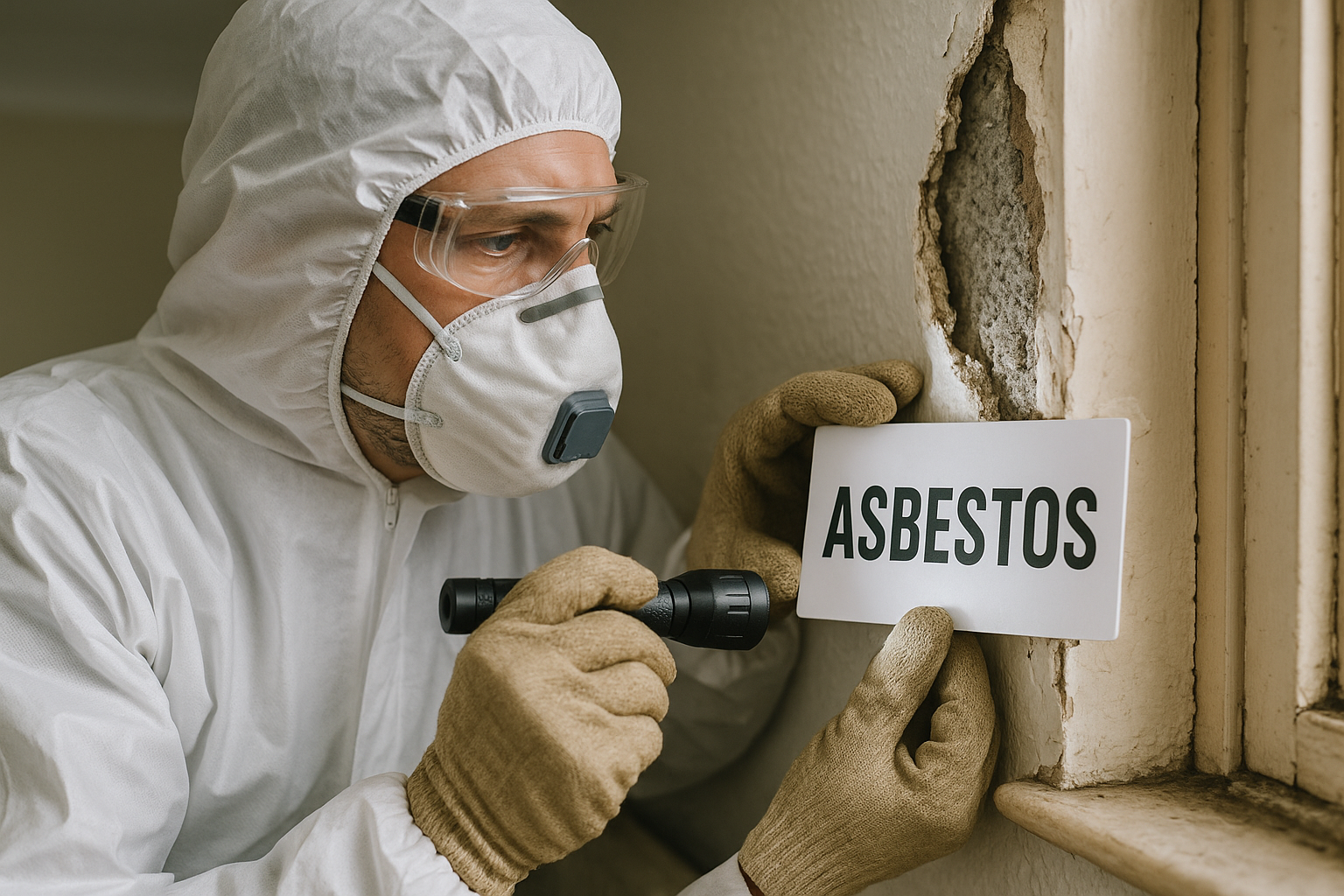
You should think carefully about past exposure if you:
- Worked in construction before asbestos controls became more robust
- Carried out refurbishment or demolition in older buildings
- Served in shipyards, engineering works or heavy industry
- Maintained boilers, pipework or plant rooms
- Handled insulation boards, asbestos cement or textured coatings
- Worked in schools, hospitals, factories or offices built before the asbestos ban and carried out intrusive maintenance
For property managers, the message is straightforward. Older buildings can still contain asbestos, and uncontrolled disturbance creates avoidable risk for tradespeople, contractors, maintenance teams and occupants.
When to seek medical advice
If you have a history of asbestos exposure and develop persistent breathlessness, cough or chest discomfort, speak to your GP. Do not wait until symptoms become severe.
Be specific about your exposure history. Clear details help a clinician understand the likely level of risk and whether referral for further respiratory assessment is appropriate.
Useful details to tell your GP
- The jobs and roles you held
- The sites, buildings or industries involved
- Whether you handled lagging, insulation, ceiling tiles, cement sheets or other suspect materials
- How long the exposure may have lasted
- Whether dust controls or respiratory protection were used
- Whether anyone at home may also have been exposed through clothing
Even if exposure happened decades ago, it is still relevant. Asbestosis often has a long latency period.
How asbestosis is diagnosed
There is no single test that proves asbestosis on its own. Diagnosis usually depends on a combination of exposure history, clinical examination, imaging and lung function testing.
The aim is to work out whether lung scarring is present, how severe it is and whether another condition could explain the symptoms.
Medical history and examination
A detailed occupational and environmental history is central to diagnosis. A respiratory clinician will ask what work you did, what materials you handled and whether the exposure was likely to be heavy or prolonged.
On examination, they may listen for fine crackling sounds at the bases of the lungs. They may also look for finger clubbing or signs of reduced oxygen levels.
Imaging
A chest X-ray is often used as an initial investigation, but it may not show early disease clearly. High-resolution CT scanning gives a much more detailed view of lung tissue and pleural changes and is often more useful when assessing suspected asbestosis.
Lung function tests
Lung function testing helps show how well the lungs are working. In asbestosis, results often suggest a restrictive pattern, meaning the lungs cannot expand normally.
Tests may include:
- Spirometry
- Lung volume measurement
- Gas transfer testing
- Oxygen saturation checks at rest and on exertion
These tests help confirm the impact of the disease and provide a useful baseline for monitoring.
Further investigations
Depending on the clinical picture, doctors may arrange blood tests, exercise testing or referral to a respiratory specialist. The goal is not just to put a name to the condition, but to understand severity, progression and any complications that need treatment.
Can asbestosis be treated?
There is no cure that can reverse the scarring caused by asbestosis. Management focuses on relieving symptoms, preserving lung function where possible and reducing the risk of complications.
That may sound stark, but practical steps can make a real difference to day-to-day quality of life.
Key management steps
- Stop smoking. Smoking increases the risk of lung cancer and can worsen breathing symptoms.
- Keep vaccinations up to date. Flu and pneumococcal vaccination can help reduce the impact of chest infections.
- Stay active within your limits. Gentle exercise and pulmonary rehabilitation can improve stamina and breathing efficiency.
- Act quickly on infections. Fever, worsening cough, increased sputum or a sudden drop in breathing ability should prompt medical advice.
- Avoid further lung irritants. Smoke, dust, chemical fumes and uncontrolled building work can all aggravate symptoms.
Some people may need inhalers if they also have airway disease. Others may require oxygen therapy if oxygen levels fall. Treatment is tailored to the individual rather than the diagnosis alone.
What asbestosis means for employers, landlords and dutyholders
For anyone responsible for property, asbestosis is a reminder of what poor asbestos control can lead to. The legal duty is not just paperwork. It is about preventing exposure that could affect workers and occupants for the rest of their lives.
Under the Control of Asbestos Regulations, dutyholders must manage asbestos risks in non-domestic premises. That means identifying asbestos-containing materials, assessing risk, maintaining records and ensuring anyone liable to disturb asbestos has the right information.
Survey work should be carried out by competent professionals in line with HSG264, which sets out the survey standard used across the industry. Day-to-day management should also follow relevant HSE guidance, especially where maintenance, refurbishment or demolition could disturb hidden materials.
Practical actions that reduce exposure risk
- Identify asbestos-containing materials before maintenance or refurbishment
- Keep an up-to-date asbestos register where required
- Make survey findings available to contractors before work starts
- Do not allow intrusive work on suspect materials without proper assessment
- Use competent asbestos professionals for surveying and sampling
- Review management plans regularly and after any changes to the building
- Ensure staff and contractors know what to do if suspect asbestos is found
If you manage sites in the North West, arranging an asbestos survey Manchester service before planned works can help identify risks early. The same applies in the Midlands, where an asbestos survey Birmingham can support safer project planning and legal compliance.
How to prevent the exposure that leads to asbestosis
The most effective way to deal with asbestosis is to prevent asbestos fibres being inhaled in the first place. For building owners and managers, that means treating asbestos management as a live safety issue, not a file that sits untouched on a shelf.
Start with the right survey
The right survey depends on what you are doing in the building. A management survey helps locate asbestos-containing materials that could be disturbed during normal occupation and routine maintenance. A refurbishment or demolition survey is needed before more intrusive work begins.
Choosing the wrong survey leaves gaps. Those gaps can put contractors at risk.
Keep records accurate and accessible
An asbestos register should reflect what is actually in the building, where it is, what condition it is in and whether it is likely to be disturbed. If records are out of date, contractors may walk into risk without realising it.
Make sure survey reports and registers are available before work starts, not halfway through the job.
Control maintenance and refurbishment properly
Many dangerous exposures happen during routine work rather than major demolition. Drilling a panel, lifting ceiling tiles, opening a service riser or chasing cables through walls can all disturb hidden asbestos-containing materials.
Before any intrusive task:
- Check the asbestos register and survey information
- Confirm whether the planned work area has been assessed
- Stop work if information is missing or unclear
- Arrange sampling or a more suitable survey where needed
- Use licensed or suitably competent contractors where the material and task require it
Train the right people
Anyone who may encounter asbestos during their work should have appropriate awareness training. That includes maintenance staff, caretakers, engineers, electricians, plumbers and some contractors.
Training does not qualify someone to remove asbestos. It helps them recognise risk, avoid disturbing suspect materials and know when to stop and seek advice.
Common misunderstandings about asbestosis
There are a few misconceptions that still cause problems in real buildings and real workplaces.
“Asbestos is banned, so it is no longer an issue”
Asbestos use is banned, but asbestos-containing materials remain in many older premises across the UK. If those materials are in good condition and managed properly, risk can be controlled. If they are disturbed without planning, exposure can still happen.
“Only removal workers are at risk”
Not true. Historically, many people exposed to asbestos were tradespeople, engineers, maintenance workers and labourers carrying out ordinary tasks in buildings that contained asbestos materials.
“A little dust will not matter”
Any suspected asbestos dust should be treated seriously. The level of risk depends on the material, the condition it was in and how fibres were released, but casual assumptions are exactly what lead to uncontrolled exposure.
“If symptoms appear years later, nothing can be done now”
Medical assessment still matters. While scarring from asbestosis cannot be reversed, symptoms can be managed, complications can be monitored and further lung damage can often be reduced.
What to do if asbestos is suspected in a building
If suspect asbestos is found during maintenance or refurbishment, stop work immediately. Do not drill, cut, sweep or try to bag the material unless the work is being carried out under proper controls by competent professionals.
Take these steps:
- Stop work and keep people away from the area
- Prevent further disturbance
- Report the issue to the responsible person or dutyholder
- Check existing survey information and the asbestos register
- Arrange professional inspection or sampling if the material is not already identified
- Only restart work when the risk has been properly assessed and controlled
That response protects workers now and helps prevent the kind of exposure history that can lead to asbestosis years later.
Why early asbestos management matters
Asbestosis develops slowly, but the decisions that prevent it are immediate. Failing to identify asbestos before work starts, relying on outdated records or sending contractors into older buildings without proper information can create avoidable exposure.
Good asbestos management is practical. It means knowing what is in your building, understanding the condition of those materials, planning work properly and using competent surveyors. Done well, it protects health, supports compliance and reduces costly disruption.
If you need help identifying asbestos risks in a commercial, public or residential property, speak to Supernova Asbestos Surveys. We provide professional asbestos surveys nationwide, with clear reporting and practical support for dutyholders, landlords and property managers. Call 020 4586 0680 or visit asbestos-surveys.org.uk to arrange a survey.
Frequently Asked Questions
What is the difference between asbestosis and mesothelioma?
Asbestosis is a chronic scarring disease of the lungs caused by inhaling asbestos fibres over time. Mesothelioma is a cancer affecting the lining of the lungs or abdomen. Both are linked to asbestos exposure, but they are different conditions.
Can asbestosis be cured?
No. The lung scarring caused by asbestosis cannot be reversed. Treatment focuses on symptom control, reducing complications, supporting lung function and avoiding further irritation or exposure.
How long does asbestosis take to develop?
Asbestosis usually develops after a long latency period. Symptoms may not appear until many years after the original exposure, which is why historic work history is so important during medical assessment.
Who is legally responsible for managing asbestos in a building?
In non-domestic premises, the duty to manage asbestos usually sits with the dutyholder under the Control of Asbestos Regulations. This may be the owner, landlord, managing agent or another party with responsibility for maintenance and repair.
Should I get an asbestos survey before refurbishment works?
Yes. If refurbishment or other intrusive work is planned in an older building, the relevant asbestos survey should be carried out before work begins. This helps identify asbestos-containing materials, protect contractors and support compliance with HSE guidance and HSG264.