
Breathlessness that creeps in over years is easy to shrug off. You slow down on stairs, avoid carrying heavy bags, and assume it is age catching up with you. But asbestosis is different. It is a serious lung disease caused by inhaling asbestos fibres, and it often appears decades after the original exposure.
For property managers, employers, landlords and tradespeople, asbestosis matters for two reasons. First, it helps explain why old asbestos exposure should never be dismissed. Second, it shows why proper asbestos management under the Control of Asbestos Regulations, supported by HSE guidance and HSG264, is essential before maintenance, refurbishment or demolition work begins.
Although asbestosis is a medical condition rather than a defect in a building, the chain of events usually starts with asbestos-containing materials in older premises. When those materials are damaged or disturbed without suitable controls, fibres can become airborne and reach deep into the lungs.
What is asbestosis?
Asbestosis is a long-term lung disease caused by breathing in asbestos fibres. It is not a cancer, but it is permanent and can be life-changing.
The disease causes scarring in the lung tissue, known as fibrosis. That scarring makes the lungs less flexible and less efficient at moving oxygen into the bloodstream. As the scarring progresses, breathing becomes harder and ordinary daily tasks can become tiring.
One reason asbestosis is often missed at first is the long delay between exposure and symptoms. Someone may have worked around asbestos many years ago and only notice problems much later.
How asbestosis differs from other asbestos-related diseases
People often use asbestos-related illness as a catch-all term, but the conditions are not the same. Asbestosis is one of several diseases linked to exposure.
- Asbestosis – scarring of the lung tissue
- Mesothelioma – cancer of the lining around the lungs or other organs
- Asbestos-related lung cancer – lung cancer linked to asbestos exposure
- Pleural plaques – localised thickening on the lung lining
- Pleural thickening or effusions – changes affecting the pleura that may cause breathlessness
That distinction matters. A person with suspected asbestosis needs proper medical assessment rather than assumptions based on a past exposure alone.
How asbestos fibres cause asbestosis
To understand asbestosis, it helps to picture how healthy lungs work. Air travels through the airways into tiny air sacs called alveoli. These delicate structures allow oxygen to pass into the blood and carbon dioxide to leave the body.
When asbestos fibres are inhaled, some can bypass the body’s normal defences and lodge deep in the lungs. The body reacts with inflammation. Over time, that inflammation can lead to permanent scarring.
As asbestosis develops, several things happen:
- The lung tissue becomes stiffer
- The lungs expand less easily
- Gas exchange becomes less efficient
- Breathing takes more effort
- Oxygen levels may fall, especially on exertion
This is why people with asbestosis often say they cannot get a satisfying breath, even when they try to breathe deeply. The lungs are working harder, but doing less.
Who is most at risk of asbestosis?
Asbestosis is linked to inhaling asbestos fibres, usually over a prolonged period or through repeated exposure. The biggest risk is not simply being in an older building. The real danger comes when asbestos-containing materials are disturbed and fibres are released into the air.
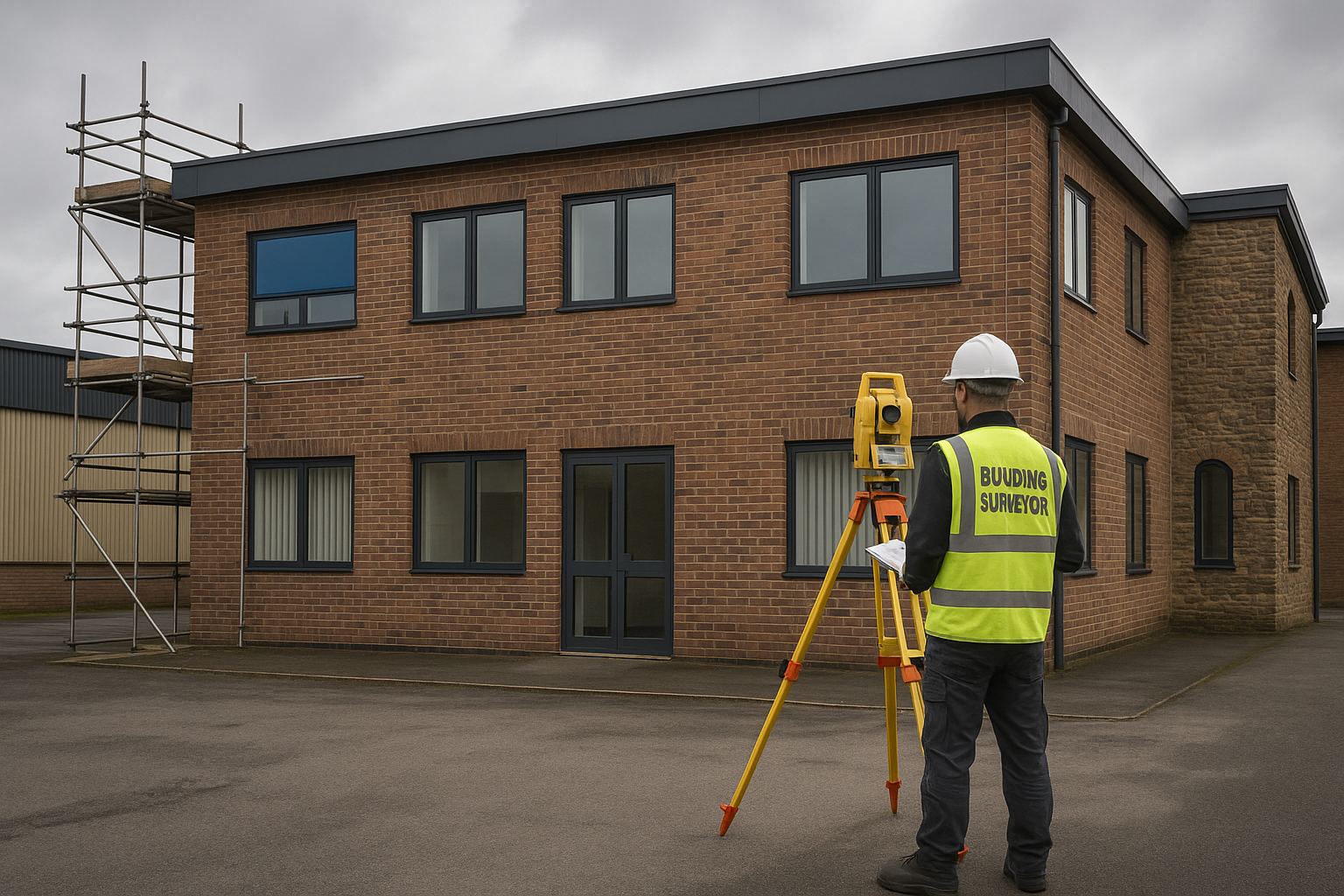
Historically, higher-risk occupations included:
- Construction and demolition workers
- Laggers and insulation installers
- Shipyard workers
- Boilermakers and pipefitters
- Factory workers handling asbestos products
- Electricians, plumbers and joiners working in older buildings
- Maintenance staff disturbing insulation, boards, ceiling tiles or gaskets
Exposure often happened during cutting, drilling, sanding, stripping or removing asbestos-containing materials. Dry sweeping contaminated dust was another common route.
Accidental exposure in older buildings
Many cases of asbestosis did not come from specialist asbestos work. They came from routine jobs carried out without good information or planning.
Common failings include:
- No up-to-date asbestos register
- No suitable survey before intrusive work
- Poor refurbishment planning
- Damaged asbestos materials left unmanaged
- Contractors working beyond their competence
- Weak asbestos awareness training
- Improper cleaning and waste handling
If you manage premises in the capital, arranging an asbestos survey London service before work starts is a practical way to identify asbestos-containing materials and reduce the risk of future exposure.
For sites in the North West, a professional asbestos survey Manchester inspection can help you plan maintenance and refurbishment safely.
And if you oversee property in the Midlands, booking an asbestos survey Birmingham assessment gives contractors the information they need before they disturb hidden materials.
Symptoms of asbestosis to watch for
Asbestosis usually develops slowly. Symptoms may begin mildly and worsen over time, which is why people often put them down to ageing, lack of fitness or another chest problem.
The most common symptoms include:
- Shortness of breath, especially during activity
- A persistent dry cough
- Chest tightness or discomfort
- Fatigue
- Reduced exercise tolerance
- A crackling sound in the lungs when breathing in
- Clubbing of the fingertips in some cases
Some people notice the change in small ways first. They walk more slowly, avoid stairs, or need more breaks during ordinary tasks. In more advanced asbestosis, breathlessness can interfere with independence and quality of life.
When to seek medical advice
Anyone with ongoing breathlessness, a cough that will not settle, or a history of asbestos exposure should speak to a GP or respiratory specialist. That is true even if the exposure happened many years ago.
Be specific about your work history. Job titles, sites, materials handled and the kind of work carried out can all help a clinician assess whether asbestosis or another asbestos-related disease is a possibility.
How asbestosis is diagnosed
There is no single test that confirms asbestosis on its own. Diagnosis usually depends on a combination of exposure history, symptoms, examination findings and imaging or lung function tests.
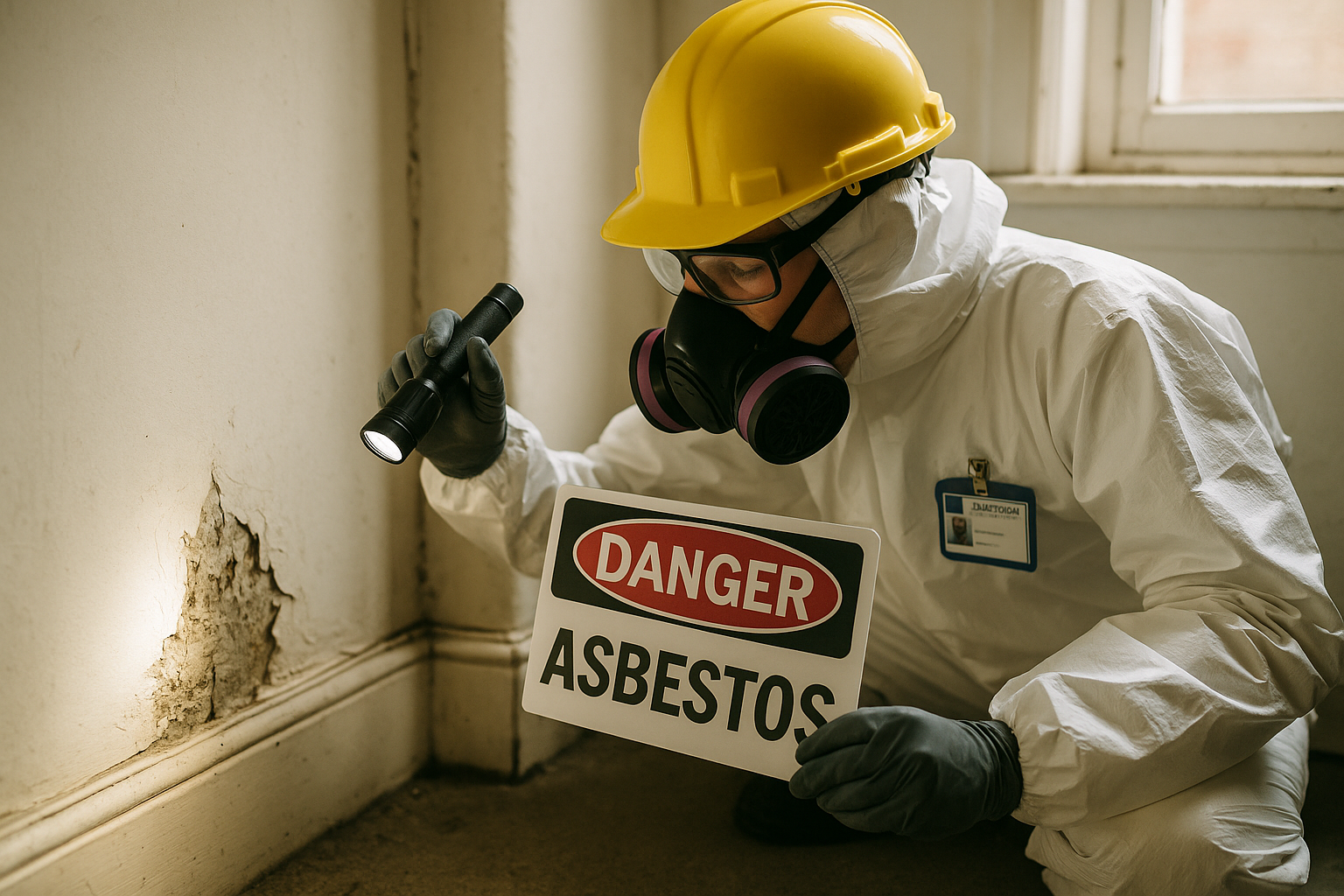
Medical and occupational history
The starting point is usually a detailed history. A clinician will ask where you worked, what tasks you carried out, whether dust controls were in place and how long exposure may have lasted.
This matters because asbestosis is strongly linked to significant past exposure. The work history often provides the context needed to interpret scans and symptoms correctly.
Chest examination
During an examination, a doctor may listen for fine crackles at the bases of the lungs. These can be a clue, although they are not unique to asbestosis.
Chest X-ray
A chest X-ray may show changes consistent with fibrosis or other asbestos-related abnormalities. It can also help identify pleural changes.
However, X-rays do not always show the full extent of disease, especially in earlier stages.
High-resolution CT scan
A high-resolution CT scan is often more detailed than a standard X-ray. It can show scarring patterns more clearly and help distinguish asbestosis from other lung conditions.
Where symptoms are significant but X-ray findings are unclear, CT imaging is often especially useful.
Lung function tests
Lung function tests assess how well the lungs are working. In asbestosis, they often show a restrictive pattern, meaning the lungs cannot expand as fully as they should.
Gas transfer testing may also show that oxygen is not moving across the lungs as efficiently as normal.
Oxygen assessment and further investigations
Doctors may check oxygen levels at rest and during exertion. Some people with asbestosis have normal oxygen readings while sitting still but develop low levels when walking.
Additional tests may be needed to rule out other causes of breathlessness, such as heart disease or other lung conditions. A specialist team will decide what is appropriate in each case.
Treatment and management of asbestosis
There is no cure that reverses the scarring caused by asbestosis. Treatment focuses on symptom control, preserving lung function where possible, preventing complications and supporting day-to-day life.
Management depends on the severity of symptoms and whether other conditions are present, such as COPD or heart disease.
Core steps for anyone with asbestosis
- Avoid any further asbestos exposure
- Attend regular medical follow-up
- Report worsening breathlessness promptly
- Stay as active as safely possible
- Take advice on vaccination seriously
- Seek quick treatment for chest infections
- Stop smoking if you smoke
Common treatment approaches
Not every person with asbestosis will need the same support, but treatment may include:
- Inhalers if there is co-existing airway disease
- Pulmonary rehabilitation to improve breathing technique and exercise tolerance
- Oxygen therapy if oxygen levels are consistently low
- Prompt treatment of chest infections
- Support for fatigue, anxiety, sleep problems and reduced mobility
A respiratory specialist will tailor treatment to the individual rather than applying a one-size-fits-all plan.
Why stopping smoking matters
Smoking does not cause asbestosis, but it can worsen breathlessness and increases the risk of lung cancer in people who have been exposed to asbestos. Quitting smoking is one of the most practical steps a person can take to protect what lung function they have left.
Vaccinations and infection prevention
People with asbestosis can be more vulnerable to chest infections. Following medical advice on flu and pneumococcal vaccination can help reduce the risk of serious illness.
Simple steps also help:
- Seek advice early if a cough worsens
- Do not ignore fever or increased sputum
- Keep follow-up appointments
- Stay physically active within safe limits
Complications and long-term outlook
Asbestosis can range from relatively mild disease to severe, disabling lung damage. The outlook depends on the degree of scarring, the level of lung impairment and whether there are other health issues.
Possible complications include:
- Progressive breathlessness
- Reduced oxygen levels
- Increased strain on the heart
- Greater vulnerability to chest infections
- Reduced mobility and independence
Some people remain stable for long periods. Others find symptoms worsen steadily. What matters most is regular medical review, sensible activity, and avoiding any further exposure to asbestos dust.
Why asbestos management still matters today
Asbestosis is a disease of exposure, and that makes prevention crucial. Many buildings across the UK still contain asbestos in some form. If those materials remain in good condition and are managed properly, the risk can often be controlled. If they are disturbed carelessly, the consequences can last a lifetime.
For dutyholders, landlords, employers and property managers, the practical lesson is clear: do not let anyone disturb suspect materials without the right information first.
What good asbestos management looks like
Under the Control of Asbestos Regulations, those responsible for non-domestic premises have duties around identifying and managing asbestos risk. Surveys should be suitable for the work planned, and information should be shared with anyone who may disturb asbestos-containing materials.
In practice, good management includes:
- Keeping an accurate asbestos register
- Reviewing asbestos information regularly
- Commissioning the correct survey type
- Making sure contractors see relevant asbestos information before work starts
- Using competent surveyors and analysts
- Following HSE guidance and HSG264 for surveying standards
If refurbishment is planned, a management survey alone may not be enough. Intrusive work usually requires a more specific approach so hidden asbestos can be identified before the job starts.
Practical advice for property managers and employers
- Check your asbestos records now. Do not wait until contractors are on site.
- Match the survey to the work. Routine occupation and intrusive refurbishment are not the same risk.
- Brief contractors properly. If they do not know where asbestos is, they cannot avoid disturbing it.
- Stop work if suspect materials appear. Do not rely on guesswork.
- Use competent specialists. Survey quality directly affects safety and compliance.
These are simple steps, but they are the difference between controlled management and preventable exposure that may later contribute to diseases such as asbestosis.
Frequently Asked Questions
Is asbestosis the same as mesothelioma?
No. Asbestosis is scarring of the lung tissue caused by asbestos exposure. Mesothelioma is a cancer affecting the lining around the lungs or other organs. Both are linked to asbestos, but they are different conditions.
Can asbestosis be cured?
No. The scarring caused by asbestosis cannot be reversed. Treatment focuses on managing symptoms, preventing complications and helping people maintain the best possible quality of life.
How long does asbestosis take to develop?
Asbestosis often develops many years after exposure. Symptoms may not appear until decades later, which is why people do not always connect breathing problems with past work in older buildings or industrial settings.
Does everyone exposed to asbestos develop asbestosis?
No. Not everyone exposed to asbestos will develop asbestosis. Risk is generally associated with the amount and duration of exposure, particularly heavy or repeated exposure. Any uncontrolled exposure should still be taken seriously.
What should I do if I manage a building that may contain asbestos?
Do not allow work that could disturb suspect materials until you have suitable asbestos information. Commission the correct survey, keep records up to date, and share findings with contractors before work begins.
If you need expert help identifying and managing asbestos risk, Supernova Asbestos Surveys can assist with surveys across the UK. Call 020 4586 0680 or visit asbestos-surveys.org.uk to book the right survey for your property.