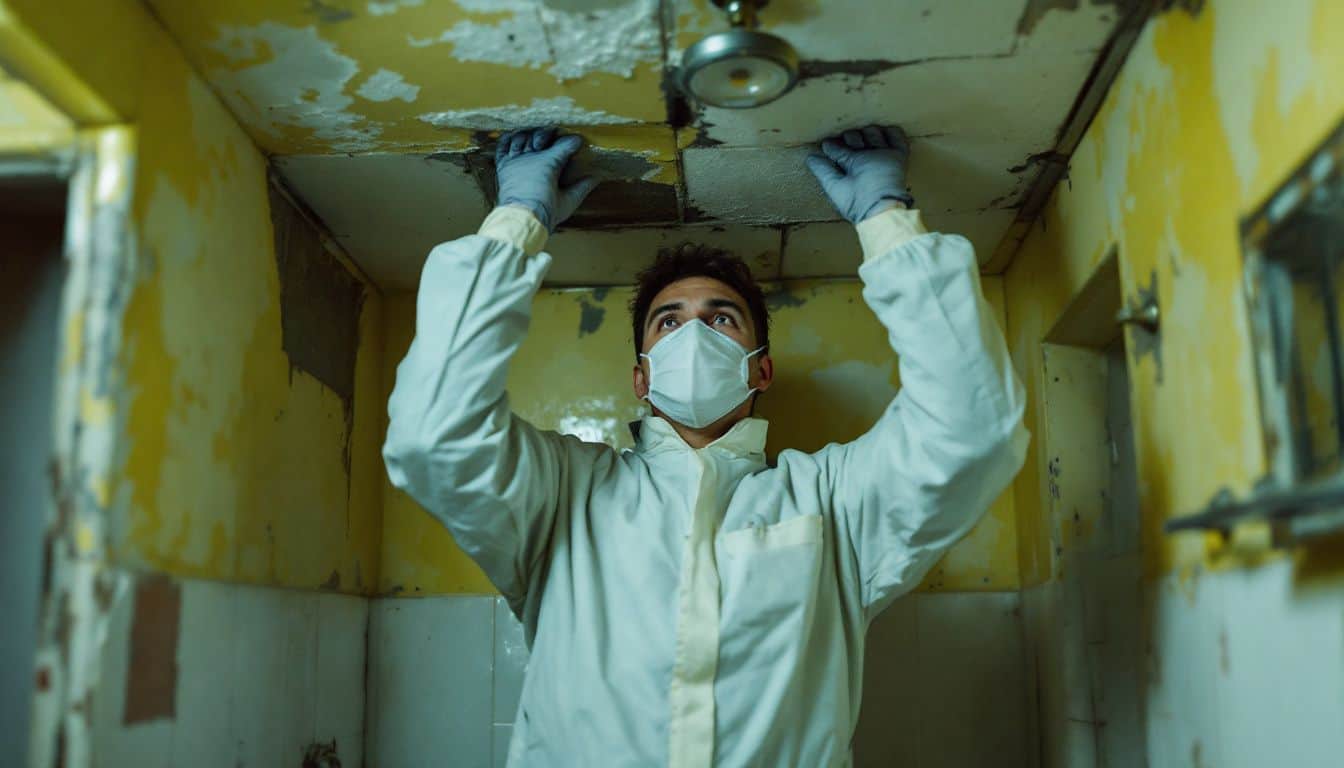
Asbestos remains one of the most dangerous legacy materials found in UK buildings — and it is far more widespread than most property owners realise. If you own, manage, or work in a building constructed before the year 2000, understanding asbestos is not just good practice, it is a legal and moral obligation. From the different types and their distinct hazard profiles, to health risks, legal duties, safe removal, and modern alternatives — here is everything you need to know to protect people and stay compliant.
The Main Types of Asbestos and Their Properties
Asbestos is not a single material. It is a group of naturally occurring silicate minerals, each with distinct fibre structures and risk profiles. Knowing the differences is essential when it comes to risk assessment and management.
Chrysotile (White Asbestos)
Chrysotile is the most widely used form of asbestos globally and accounts for the vast majority of asbestos found in UK buildings. It belongs to the serpentine mineral family and has long, curly fibres that were valued for their flexibility and heat resistance.
You will find chrysotile in cement pipes, roofing sheets, floor tiles, and insulation boards. Despite being considered less hazardous than amphibole types, chrysotile can still cause lung cancer and pleural thickening when fibres are inhaled.
Amosite (Brown Asbestos)
Amosite belongs to the amphibole group and was widely used in thermal insulation, ceiling tiles, and cement products. Its straight, needle-like fibres are particularly dangerous — they penetrate deep into lung tissue and are difficult for the body to expel.
Construction and manufacturing workers faced significant occupational exposure to amosite throughout the mid-twentieth century. Professional asbestos removal by licensed contractors is essential whenever amosite is identified in a building.
Crocidolite (Blue Asbestos)
Crocidolite is widely regarded as the most hazardous form of asbestos. Its thin, rigid fibres are highly biopersistent, meaning they can remain in lung tissue for decades after exposure.
Crocidolite was used in spray-applied insulation, steam engine lagging, and certain cement products. If crocidolite is suspected, professional asbestos testing is the only reliable way to confirm its presence — never attempt to disturb or sample the material yourself.
The Health Risks of Asbestos Exposure
There is no safe level of asbestos exposure. When asbestos-containing materials (ACMs) are disturbed, microscopic fibres become airborne and can be inhaled. The health consequences are severe and often do not manifest until decades after the original exposure.
Respiratory Diseases
Asbestosis is a chronic, progressive lung disease caused by the scarring of lung tissue following prolonged asbestos exposure. Sufferers experience worsening breathlessness, persistent cough, and reduced lung function — and there is no cure, only symptom management.
Pleural thickening and pleural plaques are also common consequences of exposure, affecting the lining of the lungs and chest wall, causing pain and restricted breathing.
Asbestos-Related Cancers
Mesothelioma is a cancer of the lining of the lungs, abdomen, or heart, and it is almost exclusively caused by asbestos exposure. It has a latency period of between 20 and 50 years, which means people are being diagnosed today from exposures that occurred decades ago.
Lung cancer risk is also significantly elevated by asbestos exposure, particularly in individuals who smoke. The UK has one of the highest rates of mesothelioma in the world — a direct legacy of widespread industrial asbestos use throughout the twentieth century. Thousands of people in the UK die each year from asbestos-related diseases, which is why proper ACM management remains a public health priority.
Identifying Asbestos in Buildings
You cannot identify asbestos by sight alone. The only way to confirm whether a material contains asbestos is through laboratory analysis of a sample. That said, there are clear indicators that should prompt you to arrange a professional survey without delay.
Age of the Building
Any building constructed or refurbished before 2000 may contain ACMs. The risk is particularly high in properties built between the 1950s and 1980s, when asbestos use in construction was at its peak.
Buildings constructed after 2000 are very unlikely to contain asbestos, as the UK banned its import and use in 1999. If you are unsure of your building’s construction date, treat it as potentially containing ACMs until confirmed otherwise.
Common Locations for ACMs
Asbestos was incorporated into an enormous range of building materials. Common locations include:
- Ceiling tiles and textured coatings such as Artex
- Pipe and boiler lagging
- Insulation boards around heating systems and electrical panels
- Asbestos cement roofing sheets and guttering
- Floor tiles and the adhesive beneath them
- Sprayed insulation on structural steelwork
- Partition walls and soffit boards
If any of these materials are present in a pre-2000 building and are in poor condition or likely to be disturbed, a professional survey is essential before any work begins.
Getting a Professional Survey
A qualified asbestos surveyor will inspect the building, take samples where necessary, and produce a written report identifying the location, type, and condition of any ACMs. This report forms the basis of an asbestos management plan — a legal requirement for non-domestic premises under the Control of Asbestos Regulations.
There are two primary survey types. A management survey is used for buildings in normal occupation and identifies ACMs that could be disturbed during routine maintenance. A demolition survey is required before any major refurbishment or demolition work and involves a more intrusive inspection to locate all ACMs.
Supernova Asbestos Surveys provides accredited surveys across the UK, including asbestos survey London, asbestos survey Manchester, and asbestos survey Birmingham services, with fast turnaround times and clear, actionable reports.
Safe Removal and Management of Asbestos
Not all asbestos needs to be removed immediately. The HSE’s guidance, set out in HSG264, is clear: if ACMs are in good condition and are not likely to be disturbed, managing them in place is often the safest option. Removal becomes appropriate when materials are deteriorating, are at risk of damage, or when significant building work is planned.
When Removal Is Required
If asbestos does need to be removed, the work must be carried out by a licensed contractor for the most hazardous materials, including sprayed coatings, lagging, and insulation boards. For lower-risk materials, a notifiable non-licensed contractor may be used, but strict controls still apply.
The removal process follows a structured sequence:
- Conduct a thorough survey and confirm the type and extent of ACMs
- Develop a detailed written removal plan compliant with the Control of Asbestos Regulations
- Notify the HSE where required for licensed work
- Equip all workers with appropriate PPE, including respirators and disposable coveralls
- Seal off the work area using plastic sheeting to prevent fibre migration
- Dampen materials before handling to suppress dust
- Remove materials carefully, avoiding breakage, and place directly into sealed, labelled waste bags
- Clean the area using HEPA-filtered vacuums and wet methods
- Transport waste to a licensed disposal facility
- Carry out air testing after removal to confirm the area is safe for reoccupation
For confirmation that an area is clear following removal work, independent asbestos testing provides the reassurance needed before contractors or occupants return to the space.
Asbestos Management Plans
For non-domestic premises, the duty to manage asbestos under the Control of Asbestos Regulations places a legal obligation on the dutyholder — typically the building owner or facilities manager — to identify ACMs, assess their condition, and put a written management plan in place.
This plan must be kept up to date and made available to anyone who may disturb the materials, including maintenance contractors. Failure to maintain an accurate, accessible plan is itself a breach of the regulations.
Your Legal Duties Under UK Asbestos Regulations
The Control of Asbestos Regulations set out clear legal duties for those who own or manage non-domestic premises. Failure to comply is a criminal offence and can result in significant fines or prosecution.
Key legal requirements include:
- Duty to manage: Identify and manage ACMs in non-domestic premises
- Licensing: Use only HSE-licensed contractors for high-risk asbestos removal work
- Notification: Notify the HSE before undertaking licensed asbestos removal
- Training: Ensure workers who may encounter asbestos receive appropriate awareness training
- Record keeping: Maintain accurate records of surveys, assessments, and removal activities
- Disposal: Dispose of asbestos waste only at authorised facilities, in accordance with hazardous waste regulations
For domestic properties, the legal framework is less prescriptive, but homeowners still have a duty of care to anyone working in or visiting their home. If you are planning renovation work on a pre-2000 property, arranging a survey before work begins is the responsible course of action — and it could protect you from significant liability.
Modern Alternatives to Asbestos in Construction
Since the UK ban on asbestos came into force, the construction industry has adopted a range of safer alternatives that match or exceed asbestos in terms of thermal and fire performance. Understanding these materials helps put the history of asbestos use in proper context.
Insulation Materials
Mineral wool — including rockwool and glasswool — is now the standard insulation material in UK construction. It provides excellent thermal and acoustic performance, is non-combustible, and poses no comparable health risk to asbestos when handled correctly.
Cellulose insulation, made from recycled paper treated with fire retardants, is an eco-friendly option increasingly used in residential buildings. Rigid foam boards made from polyurethane or phenolic foam offer high thermal performance in thinner profiles.
Structural and Cladding Materials
Fibre cement boards — now manufactured without asbestos — provide the same durability and fire resistance as the original asbestos cement products. Calcium silicate boards are used in fire protection applications where asbestos insulation boards were once common.
Ceramic fibre products are used in high-temperature industrial applications where crocidolite was previously specified. These materials carry their own handling precautions, but are not classified as carcinogenic in the same way as asbestos fibres.
A Responsibility That Cannot Be Delegated
Understanding asbestos — its types, its risks, where it hides, and how to manage it lawfully — is not optional for anyone responsible for a UK building built before 2000. The consequences of getting it wrong are severe: for people’s health, for finances, and for legal standing.
With the right professional support, managing asbestos safely and compliantly is entirely achievable. A proper survey, a clear management plan, and access to licensed removal contractors when needed are the foundations of responsible asbestos management.
Supernova Asbestos Surveys has completed over 50,000 surveys across the UK. Whether you need a management survey, a refurbishment and demolition survey, or post-removal air testing, our UKAS-accredited team delivers fast, reliable results with reports that are clear enough to act on immediately. Call us on 020 4586 0680 or visit asbestos-surveys.org.uk to book your survey or speak to one of our specialists today.
Frequently Asked Questions
How do I know if my building contains asbestos?
You cannot tell by looking. If your building was constructed or refurbished before 2000, it may contain ACMs. The only reliable way to confirm their presence is through a professional asbestos survey followed by laboratory analysis of any suspect materials. A qualified surveyor will inspect the property, take samples where appropriate, and provide a written report you can act on.
Is asbestos always dangerous, or only when disturbed?
Asbestos-containing materials that are in good condition and are not being disturbed generally pose a low risk. The danger arises when ACMs are damaged, deteriorating, or disturbed during maintenance or renovation work — at which point fibres become airborne and can be inhaled. HSE guidance recommends managing stable ACMs in place rather than removing them unnecessarily.
Who is legally responsible for managing asbestos in a building?
In non-domestic premises, the legal duty falls on the dutyholder — typically the building owner, landlord, or facilities manager. Under the Control of Asbestos Regulations, they must identify ACMs, assess their condition, and maintain a written management plan. Failure to do so is a criminal offence. In domestic properties, homeowners have a duty of care to contractors and visitors working in the building.
Do I need a licensed contractor to remove asbestos?
It depends on the type and condition of the material. The most hazardous ACMs — including sprayed coatings, lagging, and insulation boards — must be removed by an HSE-licensed contractor. Lower-risk materials may be handled by a notifiable non-licensed contractor, but strict controls still apply. Never attempt to remove asbestos yourself without professional guidance and the appropriate training and equipment.
What happens after asbestos is removed?
Once removal is complete, the area must be thoroughly cleaned using HEPA-filtered vacuums and wet methods. Independent air testing should then be carried out to confirm that fibre levels are within safe limits before the space is reoccupied. All asbestos waste must be disposed of at a licensed facility in accordance with hazardous waste regulations. Your contractor should provide documentation confirming safe disposal.