
Asbestos is still one of the biggest hidden risks in UK property. It sits above ceilings, behind panels, around pipework, inside floor finishes and on old roofs, often unnoticed until a contractor starts drilling, cutting or stripping out.
If you manage, maintain or refurbish a building built or altered before 2000, asbestos needs proper attention. Safe removal is only one part of the picture. The real priority is knowing when removal is necessary, what the law expects, and how to stop exposure before work begins.
What asbestos is and why it still matters
Asbestos is the commercial name for a group of naturally occurring fibrous minerals. Those fibres are strong, heat resistant and durable, which is why asbestos was used so widely in construction, engineering and manufacturing.
The problem is what happens when asbestos-containing materials are damaged or disturbed. Tiny fibres can become airborne and, if inhaled, create a serious health risk. That is why asbestos remains tightly regulated under the Control of Asbestos Regulations and managed in line with HSE guidance and HSG264.
The asbestos types most commonly discussed in UK buildings are:
- Chrysotile – white asbestos
- Amosite – brown asbestos
- Crocidolite – blue asbestos
All asbestos types are hazardous if disturbed. No form of asbestos should be treated as safe to drill, sand, break, scrape or remove without suitable controls.
A brief history of asbestos in buildings and industry
The word asbestos comes from a Greek term linked to something inextinguishable. That meaning reflects the quality people valued most: resistance to heat and flame.
Early references describe mineral fibres being used in specialist applications such as lamp wicks and heat-resistant cloth. Those uses were limited. The real spread of asbestos came later, when mining, manufacturing and large-scale construction made it cheap and easy to use across whole industries.
Why asbestos became so common
Asbestos solved several practical problems at once. It could insulate against heat, resist fire, strengthen cement products and cope with wear in demanding environments.
Industry favoured asbestos because it offered:
- Fire resistance
- Thermal insulation
- Electrical insulation
- Resistance to chemical attack
- Durability under friction and wear
- Compatibility with cement, boards, textiles and coatings
That combination made asbestos attractive in factories, shipyards, transport, power generation and ordinary commercial buildings. By the time post-war building programmes expanded, asbestos had become routine across schools, hospitals, offices, warehouses, housing and industrial sites.
When the risk became clear
Asbestos was once seen as a useful material rather than a dangerous one. Over time, the link between airborne asbestos fibres and serious disease became clear, changing how asbestos was regulated and handled.
That shift is why modern property management cannot rely on guesswork. If asbestos may be present, decisions need to be based on evidence, the right survey information and competent advice.
Where asbestos is commonly found
One reason asbestos causes so many problems is that it was used in a huge range of products. Some materials are high risk because they release fibres more easily. Others are lower risk when intact, sealed and left undisturbed.
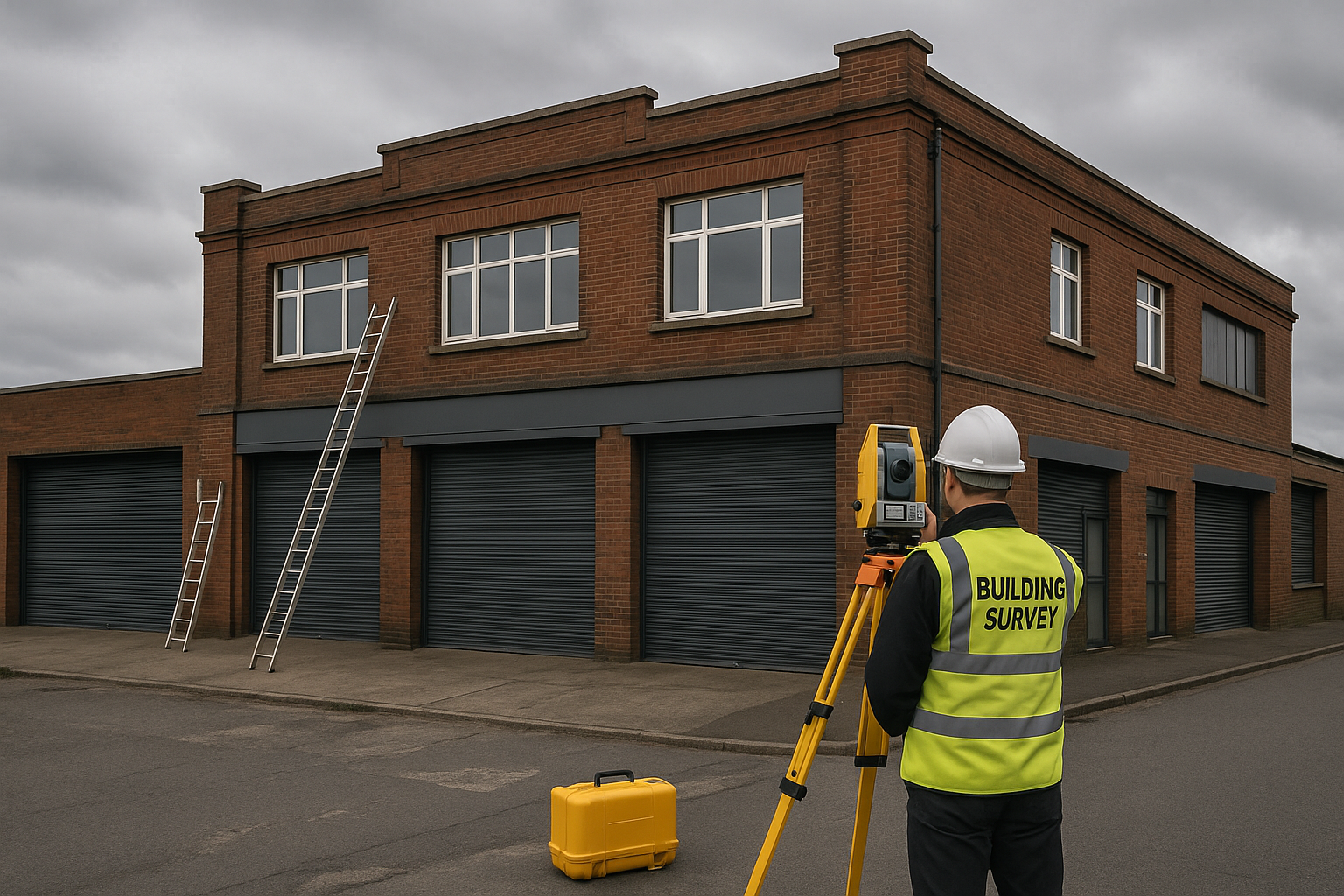
Common asbestos-containing materials in UK buildings include:
- Sprayed coatings
- Pipe lagging and thermal insulation
- Asbestos insulating board
- Ceiling tiles and service riser linings
- Textured coatings in some decorative finishes
- Asbestos cement roof sheets and wall sheets
- Gutters, downpipes and flues
- Vinyl floor tiles and bitumen adhesives
- Roofing felt and damp-proof products
- Gaskets, rope seals and packing around plant
- Fire doors and fire-resistant panels
- Toilet cisterns and bath panels
- Older electrical insulation and switchgear components
Asbestos is often hidden in places people only access when work starts. Typical locations include ceiling voids, plant rooms, risers, boiler houses, lift motor rooms, partition walls, floor finishes, roof spaces, external garages and service cupboards.
Higher-risk and lower-risk asbestos materials
Not all asbestos materials behave the same way. Broadly speaking, the higher-risk materials are the more friable ones, where fibres are easier to release.
Higher-risk asbestos materials often include:
- Sprayed coatings
- Pipe lagging
- Loose insulation
- Asbestos insulating board
Lower-risk asbestos materials often include:
- Asbestos cement sheets
- Some floor tiles
- Bitumen products
- Certain composite products in good condition
That does not mean lower-risk materials are harmless. It means the control measures and removal approach may differ depending on the product, condition and planned work.
Who is most likely to disturb asbestos
Many asbestos incidents start during routine jobs rather than major projects. The people most at risk are often those carrying out ordinary maintenance, repair or installation work in older buildings.
Occupations commonly exposed to asbestos risk include:
- Electricians
- Plumbers and heating engineers
- Joiners and carpenters
- Decorators
- Roofers
- General maintenance teams
- Fire and security installers
- Telecoms engineers
- Demolition and strip-out operatives
- Facilities and estates teams
Drilling a soffit, opening a riser, lifting floor tiles or replacing plant can disturb asbestos if the building fabric has not been checked properly. That is why asbestos information must be reviewed before any intrusive work starts.
What to do before any work starts
The safest asbestos removal job is the one planned properly from the start. Before anyone touches the building fabric, you need to know whether asbestos is present, where it is, what condition it is in and whether the planned work will disturb it.

For routine occupation and normal maintenance, a management survey helps identify asbestos so it can be assessed and managed. If intrusive works are planned, a refurbishment survey is usually required before the work begins. If the structure is coming down, a demolition survey is needed before demolition proceeds.
Practical pre-start checks
Before maintenance, fit-out, strip-out or removal work, use this checklist:
- Check whether the building was built or refurbished before 2000.
- Ask for the asbestos survey and asbestos register.
- Confirm the exact work area is covered by current information.
- Decide whether the task is intrusive.
- Stop the job if the information is missing, unclear or out of date.
- Arrange the correct survey before work continues.
- Make sure contractors understand the findings and restrictions.
If there is any doubt, treat the material as suspect until a competent surveyor or analyst confirms otherwise.
The steps for safely removing asbestos
Safe asbestos removal is a controlled process, not a quick strip-out exercise. The exact method depends on the material, its condition, the likelihood of fibre release and whether the work is licensable, notifiable non-licensed work or non-licensed work under HSE guidance.
For property managers, the key point is simple: removal should only be carried out by competent people using the right controls. Here is how the process typically works.
1. Identify the asbestos properly
You cannot plan safe asbestos removal without knowing what is there. Identification usually starts with survey information and, where required, sampling and analysis.
Visual inspection alone is not enough. Many asbestos materials look similar to non-asbestos products, so assumptions can lead to unsafe decisions.
2. Assess whether removal is actually needed
Not all asbestos must be removed. If asbestos is in good condition, unlikely to be disturbed and can be managed safely, leaving it in place may be the better option.
Removal is more likely to be necessary when:
- The asbestos is damaged or deteriorating
- It will be disturbed by planned works
- It is in a vulnerable location
- Encapsulation or management is not suitable
- Demolition or major refurbishment is planned
This decision should be based on risk, not habit. Unnecessary removal can create avoidable disturbance.
3. Decide what type of contractor is required
Some asbestos work must be completed by a licensed asbestos contractor. Other work may fall into non-licensed or notifiable non-licensed categories, depending on the material and task.
This is not an area for guesswork. If there is uncertainty, get specialist advice before appointing a contractor or allowing work to proceed.
4. Prepare the plan of work
Before asbestos removal starts, the contractor should prepare a clear plan of work. This sets out the method, equipment, control measures, waste handling and emergency arrangements.
For higher-risk asbestos removal, that plan may include enclosures, controlled wetting techniques, negative pressure units, decontamination procedures and air monitoring arrangements.
5. Isolate the area
The work area needs to be secured so other people cannot enter and become exposed. Depending on the job, this may involve barriers, warning signage, sealed enclosures and restricted access arrangements.
Good site control matters. One of the most common failures in asbestos work is allowing unrelated contractors or occupants too close to the area.
6. Use the right control measures during removal
Safe asbestos removal is about controlling fibre release at source. The method varies, but common controls include:
- Careful removal rather than breaking materials up unnecessarily
- Wetting or fibre-suppression techniques where appropriate
- Specialist class H vacuum equipment
- Suitable personal protective equipment and respiratory protective equipment
- Controlled bagging and wrapping of asbestos waste
- Decontamination procedures for workers and equipment
Dry stripping, uncontrolled breaking and ordinary site cleaning methods are not acceptable ways to deal with asbestos.
7. Clean and verify the area
Once asbestos removal is complete, the area must be cleaned using the correct methods. Depending on the work, this may be followed by inspection, air testing or formal clearance procedures before the space is handed back.
The aim is not just to remove visible debris. It is to make sure the area is safe for reoccupation or the next stage of work.
8. Dispose of asbestos waste correctly
Asbestos waste must be packaged, labelled, transported and disposed of in line with legal requirements. It should never be mixed with general construction waste or left on site for others to deal with.
Waste handling should be planned from the start, not treated as an afterthought.
When asbestos should not be removed straight away
There is a common assumption that finding asbestos always means immediate removal. That is not correct. In many buildings, the safest option is to leave asbestos in place and manage it properly.
You may not need immediate asbestos removal if the material is:
- In good condition
- Sealed or encapsulated effectively
- Located where it will not be disturbed
- Included in an up-to-date asbestos register
- Communicated clearly to anyone who may work nearby
Management can include labelling, condition checks, local protection measures and clear contractor controls. The duty is to prevent exposure, whether that is achieved by management or removal.
A worker’s guide to asbestos safety on site
Most unsafe asbestos incidents start with a simple mistake. Someone assumes a board is harmless, opens a ceiling void without checking, or starts cutting into a wall because the programme is tight.
The best rule on site is straightforward: if you do not know what the material is, do not disturb it.
Before starting work
- Ask for the asbestos survey and register
- Check the exact area you will be working in
- Review permit-to-work or induction information
- Confirm whether the task is intrusive
- Make sure the method matches the level of risk
- Stop the job if information is missing
If you find suspect asbestos during work
- Stop work immediately.
- Keep other people out of the area.
- Avoid touching or moving the material further.
- Report it to the site manager or responsible person.
- Arrange competent assessment and, where needed, sampling.
- Do not restart until the risk is understood and controlled.
Do not sweep, vacuum or bag suspect asbestos debris using ordinary site equipment. Standard cleaning methods can spread fibres and make the situation worse.
Training, awareness and legal duties
Anyone who may encounter asbestos during their work should have suitable asbestos awareness training. Awareness training helps people recognise likely asbestos materials and understand what to do if they come across them.
It does not qualify someone to remove asbestos. Removal, repair and disturbance work need the right level of competence, and in some cases a licensed contractor.
What dutyholders and property managers need to do
Under the Control of Asbestos Regulations, those responsible for non-domestic premises have duties to manage asbestos risk. In practical terms, that means:
- Finding out whether asbestos is present
- Keeping information up to date
- Assessing the risk from asbestos materials
- Preparing a management plan where needed
- Sharing information with anyone liable to disturb asbestos
- Reviewing the condition of known materials
If contractors are arriving on site without access to asbestos information, the system is already failing.
Choosing the right asbestos survey support
Good asbestos decisions depend on good information. If the survey is wrong, incomplete or not matched to the work, the risk carries through to every contractor and every stage of the project.
That is why the survey type matters so much. A management survey is for normal occupation and routine maintenance. A refurbishment survey is for intrusive works. A demolition survey is for full structural demolition.
If you need local support, Supernova can help with an asbestos survey London service, an asbestos survey Manchester service, and an asbestos survey Birmingham service, alongside nationwide coverage.
When appointing a surveyor or contractor, ask practical questions:
- Is the survey type right for the planned work?
- Will all relevant areas be accessed?
- Are samples and analysis arranged where needed?
- Will the findings be clear enough for contractors to use?
- Is the provider experienced with occupied, commercial and higher-risk sites?
Practical mistakes to avoid with asbestos
Most asbestos failures are avoidable. They usually come from rushing, assuming, or relying on partial information.
Avoid these common mistakes:
- Starting intrusive work without the right survey
- Assuming a material is safe because it looks ordinary
- Using a management survey to support refurbishment or demolition work
- Letting contractors work from outdated asbestos information
- Disturbing suspect materials to “check what they are”
- Using standard cleaning methods after accidental disturbance
- Treating asbestos as a paperwork issue instead of a live site risk
If you manage multiple sites, standardise your pre-start process. Make asbestos checks part of every maintenance instruction, permit-to-work system and contractor induction.
Frequently Asked Questions
Do all asbestos materials need to be removed?
No. If asbestos is in good condition, unlikely to be disturbed and can be managed safely, it may remain in place. Removal is usually needed when the material is damaged, vulnerable or affected by planned works.
Can a builder or maintenance contractor remove asbestos?
Only if the work falls within the relevant legal category and the contractor is competent to do it. Some asbestos work must be carried out by a licensed contractor. If there is any doubt, get specialist advice before work starts.
What survey do I need before refurbishment?
If the work is intrusive, you will usually need a refurbishment survey. A management survey is not designed for opening up the building fabric during refurbishment.
What should I do if asbestos is found unexpectedly during work?
Stop work immediately, keep people away from the area, report it to the responsible person and arrange competent assessment. Do not disturb the material further or try to clean it up using normal site methods.
Is asbestos only found in industrial buildings?
No. Asbestos can be found in offices, schools, hospitals, shops, warehouses, communal areas and many other property types, especially where buildings were constructed or refurbished before 2000.
Need clear asbestos advice before maintenance, refurbishment or demolition starts? Supernova Asbestos Surveys provides nationwide surveying support, practical guidance and fast reporting to help you manage asbestos safely and meet your duties. Call 020 4586 0680 or visit asbestos-surveys.org.uk to book a survey or speak to our team.