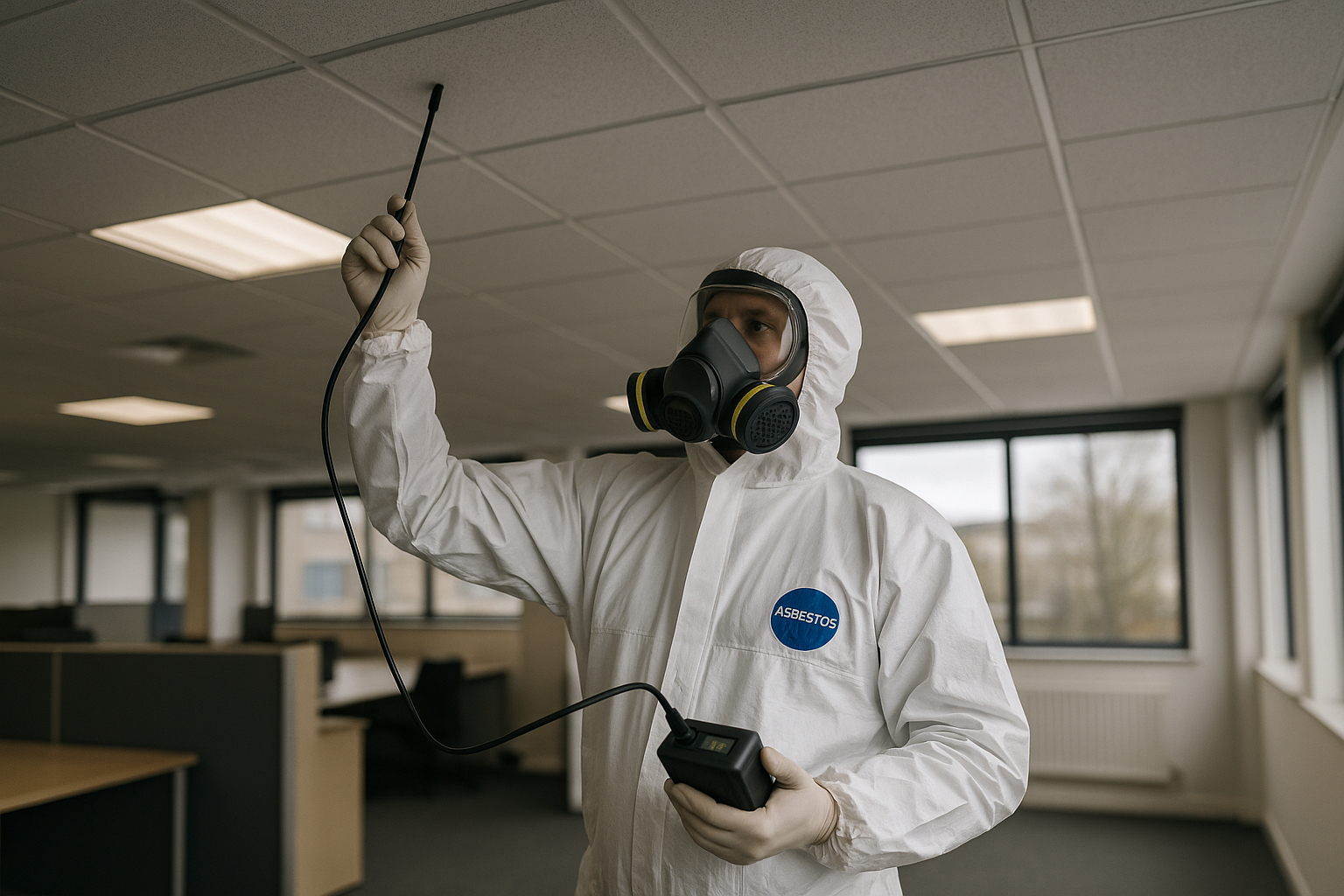
Asbestos in UK Buildings: What Every Dutyholder Needs to Know
Asbestos sits behind ceilings, inside service risers, around pipework and beneath old floor coverings in millions of UK buildings. You cannot smell it, you cannot see its fibres with the naked eye, and you cannot judge the risk by appearance alone. That is precisely why asbestos remains one of the most serious health and compliance challenges facing property managers, landlords, dutyholders and contractors today.
The real danger is not simply that asbestos exists in older buildings. It is that routine maintenance, minor refurbishments and unplanned damage can disturb asbestos-containing materials without warning. Once fibres are released into the air, the health consequences can be devastating — and the legal duties under the Control of Asbestos Regulations are unambiguous.
What Asbestos Is and Why It Is Dangerous
Asbestos is a group of naturally occurring fibrous minerals that were widely used in construction and manufacturing throughout the twentieth century. They were prized because they resist heat, electricity and chemical damage, making them ideal for insulation, cement products, coatings, flooring and fire protection materials throughout British buildings.
The danger emerges when asbestos-containing materials are damaged, drilled, cut, sanded, broken or allowed to deteriorate. That disturbance releases microscopic fibres into the air. If those fibres are inhaled, they can lodge in the lungs or surrounding tissue and remain there for decades.
Exposure to asbestos is associated with serious diseases including:
- Mesothelioma — a cancer of the lining of the lungs or abdomen
- Asbestos-related lung cancer
- Asbestosis — scarring of lung tissue
- Diffuse pleural thickening — thickening of the lung lining
These illnesses typically develop after a long latency period, often twenty to fifty years after initial exposure. That delay is one reason asbestos continues to cause deaths long after its use was banned in the UK.
The Link Between Asbestos and Mesothelioma
Mesothelioma is a cancer affecting the mesothelium — the protective lining surrounding the lungs, abdomen and other organs. Asbestos exposure is the primary known cause of mesothelioma, accounting for the vast majority of cases diagnosed in the UK each year.
What makes this particularly alarming is that even relatively low or short-term exposure to asbestos fibres can be enough to trigger the disease. There is no established safe threshold. This is why no one should take chances with suspect materials, and why a damaged ceiling tile, degraded pipe lagging or broken insulation board in a plant room demands a proper professional response rather than improvised remediation.
Secondary exposure has also been documented. Family members of workers in asbestos-heavy industries were sometimes exposed to fibres brought home on clothing, footwear and tools. That history underlines why asbestos controls are treated with such seriousness by the HSE and by responsible dutyholders.
Types of Asbestos Found in UK Buildings
There are six recognised asbestos minerals, but in UK properties three types are most commonly encountered. All asbestos types are hazardous and should be treated with caution regardless of their classification.
Chrysotile (White Asbestos)
Chrysotile was the most widely used form of asbestos in the UK. It was commonly incorporated into textured coatings, vinyl floor tiles, cement sheets, gaskets and some insulation products. Its prevalence means it is still the type most frequently encountered in surveys today.
Amosite (Brown Asbestos)
Amosite was widely used in asbestos insulating board, ceiling tiles, thermal insulation and fire protection products. It is regularly found in commercial, public and educational buildings constructed before the 1980s.
Crocidolite (Blue Asbestos)
Crocidolite is strongly associated with severe health risks and was used in some sprayed coatings, insulation and cement products. Although less common than chrysotile in domestic settings, it is still found in older commercial and industrial premises.
Less Common Types
Tremolite, anthophyllite and actinolite were used less frequently in commercial applications, though they may appear as contaminants in other materials. From a management perspective, the distinction between types matters less than the response: if asbestos is suspected, stop work and arrange proper assessment.
Where Asbestos Is Commonly Found in UK Properties
Asbestos can be present in any property built or refurbished before 2000. It is not confined to factories or heavy industry. Schools, offices, shops, hospitals, warehouses, communal residential blocks and private homes may all contain asbestos-containing materials.
Common locations include:
- Asbestos insulating board in partitions, risers, ceiling voids, fire breaks and service cupboards
- Pipe lagging around heating systems and plant
- Sprayed coatings on structural steel, ceilings and in plant rooms
- Textured coatings on walls and ceilings
- Floor tiles and bitumen adhesive beneath later finishes
- Asbestos cement roofing sheets, soffits, gutters and downpipes
- Ceiling tiles and acoustic panels
- Boiler insulation, rope seals and gaskets
- Fire doors and fire protection panels
- Water tanks and flues
The condition of the material is critical. Asbestos cement in good condition generally presents a lower risk than damaged lagging or broken insulation board. But lower risk does not mean no risk, and it certainly does not mean you should disturb it without checking first.
Who Is Most at Risk from Asbestos Exposure
Historically, asbestos exposure was associated with shipyard workers, insulation installers, factory workers and those in heavy industry. Today, many exposures occur during everyday maintenance, refurbishment and repair work in existing buildings.
Occupations that carry a higher risk of encountering asbestos include:
- Electricians
- Plumbers and heating engineers
- Joiners and carpenters
- Demolition workers
- Roofers
- Decorators
- General builders
- Telecoms and data cable installers
- Caretakers and maintenance teams
HSE guidance makes clear that workers in maintenance and construction should presume asbestos may be present in pre-2000 buildings unless there is strong evidence to the contrary. Presuming absence without evidence is not a safe approach — it is a compliance failure waiting to happen.
Asbestos in Products Beyond Obvious Building Materials
Most people associate asbestos with walls, roofs and insulation. But it has appeared in a wider range of products, which is particularly relevant when clearing old buildings, workshops, stores or plant areas.
Vermiculite Insulation
Loose-fill vermiculite insulation found in older lofts may contain asbestos contamination depending on its source. If you encounter lightweight, pebble-like insulation in an older loft space, do not disturb it. Arrange professional assessment before any boarding, lighting or insulation upgrade work begins.
Automotive Parts
Older brake linings, clutch facings and gaskets may contain asbestos. This is relevant in garages, transport depots, workshops and storage areas holding vintage vehicle parts.
Old Domestic Appliances and Fittings
Some older heaters, fires, ironing boards and heat-resistant pads used asbestos components. During strip-outs and clearances, unusual older items should be handled carefully if their composition is uncertain.
What to Do If You Suspect Asbestos
If you think asbestos may be present, do not poke, break, scrape or attempt to sample it yourself. The safest first step is to stop work, restrict access if necessary, and arrange professional advice without delay.
A practical immediate response looks like this:
- Stop the task immediately if any material may contain asbestos
- Keep people away from the area, especially if debris or dust is visible
- Do not clean up with a household vacuum or by dry sweeping — both can spread fibres further
- Check existing asbestos records, including the register and any previous survey information
- Arrange the correct survey or sampling through a competent, accredited provider
If the building is occupied and the material is visibly damaged, you may also need temporary controls such as sealing off the area and informing all contractors not to enter until the risk has been properly assessed.
You cannot confirm or rule out asbestos by appearance alone. Many non-asbestos materials look identical to asbestos-containing products. Laboratory analysis of samples, taken under controlled conditions, is the only reliable method for identification.
Asbestos Surveys: Which Type Do You Need?
Surveying is central to asbestos compliance. HSG264 sets out the purpose and methodology for asbestos surveys, and the correct survey type depends on what you intend to do with the property.
Management Survey
A management survey is used to locate, as far as reasonably practicable, the presence and extent of asbestos-containing materials that could be disturbed during normal occupation, routine maintenance or foreseeable installation work. It is the appropriate starting point for occupied buildings where the goal is ongoing management rather than intrusive construction.
This survey helps dutyholders establish an asbestos register, assess the condition of materials and put a management plan in place. It does not involve breaking into the building fabric, so it is less disruptive than a refurbishment or demolition survey.
Refurbishment and Demolition Survey
Before any intrusive works begin, a more invasive survey is required. If the project involves major strip-out or structural works, a demolition survey is required to identify asbestos in the affected areas so it can be removed or controlled before work starts.
This survey requires access behind finishes, inside voids and within the building fabric. It should always be arranged before contractors begin opening up walls, ceilings, floors or service runs. Using a management survey as a substitute for refurbishment-level assessment is a common and potentially dangerous compliance failure.
Legal Duties Around Asbestos in the UK
The legal framework is clear. Under the Control of Asbestos Regulations, dutyholders must manage asbestos in non-domestic premises and in the common parts of domestic buildings. That means identifying asbestos, assessing risk, keeping records up to date and ensuring that anyone liable to disturb asbestos has the right information before work begins.
In practice, this duty applies to:
- Commercial landlords
- Managing agents
- Facilities managers
- Employers occupying premises
- Housing associations
- Local authorities
- Contractors planning intrusive works
Key duties typically include:
- Finding out whether asbestos is present in the premises
- Recording the location and condition of asbestos-containing materials
- Assessing the risk of fibre release
- Preparing and regularly reviewing an asbestos management plan
- Sharing asbestos information with anyone who may disturb the material
- Monitoring the condition of known materials over time
Private homes do not generally fall under the same duty-to-manage requirements as non-domestic premises. However, asbestos in domestic settings still creates real risk during refurbishment, rewiring, heating upgrades, kitchen replacements and garage roof removal. If you are planning works in an older home built or refurbished before 2000, asbestos should be considered at the earliest planning stage.
Practical Asbestos Safety for Property Managers and Contractors
Good asbestos management is built on consistent systems, not guesswork. If you manage a property portfolio, oversee maintenance teams or instruct contractors, a few structured habits make a significant difference.
Before Any Work Starts
- Check whether the building was constructed or refurbished before 2000
- Review the asbestos register and management plan
- Confirm whether the planned task is covered by existing survey information
- Arrange a new asbestos survey if the scope of works has changed
- Ensure contractors have access to the asbestos information before they begin
During Occupation
- Inspect known asbestos-containing materials periodically
- Record any damage, wear, leaks or impact to suspect materials
- Label or otherwise identify asbestos-containing materials where appropriate
- Control access to plant rooms, risers and service voids
- Train staff so they know what to do if asbestos is suspected or damaged
If Damage Happens Unexpectedly
- Stop all activity in the affected area immediately
- Prevent further access and secure the area
- Do not attempt informal cleaning or remediation
- Seek professional advice on sampling, air testing or remedial action
- Document what happened and notify relevant parties
These steps are straightforward, but they are frequently missed when maintenance is rushed, when multiple contractors are working simultaneously, or when asbestos records have not been kept up to date.
Asbestos Surveys Across the UK
Supernova Asbestos Surveys operates nationwide, with specialist teams covering major cities and regions. Whether you need an asbestos survey in London, an asbestos survey in Manchester or an asbestos survey in Birmingham, our UKAS-accredited surveyors can mobilise quickly to support compliance, refurbishment planning and ongoing asbestos management.
With over 50,000 surveys completed across the UK, we understand the practical pressures facing property managers, facilities teams and contractors. We provide clear, actionable reports that help you meet your legal duties and protect the people who use your buildings.
To book a survey or discuss your requirements, call us on 020 4586 0680 or visit asbestos-surveys.org.uk.
Frequently Asked Questions
What is asbestos and why is it dangerous?
Asbestos is a group of naturally occurring fibrous minerals that were widely used in construction and manufacturing throughout the twentieth century. When asbestos-containing materials are disturbed, microscopic fibres are released into the air. If inhaled, these fibres can cause serious diseases including mesothelioma, lung cancer and asbestosis, often decades after the initial exposure.
How does asbestos cause mesothelioma?
When asbestos fibres are inhaled, they can penetrate deep into the lungs and lodge in the mesothelium — the protective lining surrounding the lungs and other organs. Over time, these fibres can cause cellular damage that leads to mesothelioma, an aggressive cancer with a long latency period. Asbestos exposure is the primary known cause of mesothelioma in the UK.
Do I need an asbestos survey before refurbishment work?
Yes. Before any intrusive refurbishment or demolition work, a refurbishment and demolition survey is legally required to identify asbestos in the areas affected. A standard management survey is not sufficient for this purpose. Arranging the correct survey before work begins protects workers, avoids costly delays and ensures compliance with the Control of Asbestos Regulations.
What should I do if I accidentally disturb asbestos?
Stop work immediately and prevent anyone else from entering the affected area. Do not attempt to clean up dust or debris with a household vacuum or by dry sweeping. Contact a competent asbestos specialist to assess the situation, carry out air testing if necessary and advise on appropriate remediation. Document the incident and notify relevant parties as required.
Which buildings are most likely to contain asbestos?
Any building constructed or refurbished before 2000 may contain asbestos-containing materials. This includes commercial offices, schools, hospitals, warehouses, communal residential blocks and private homes. Asbestos is not limited to industrial premises — it was used extensively across all building types during the twentieth century.