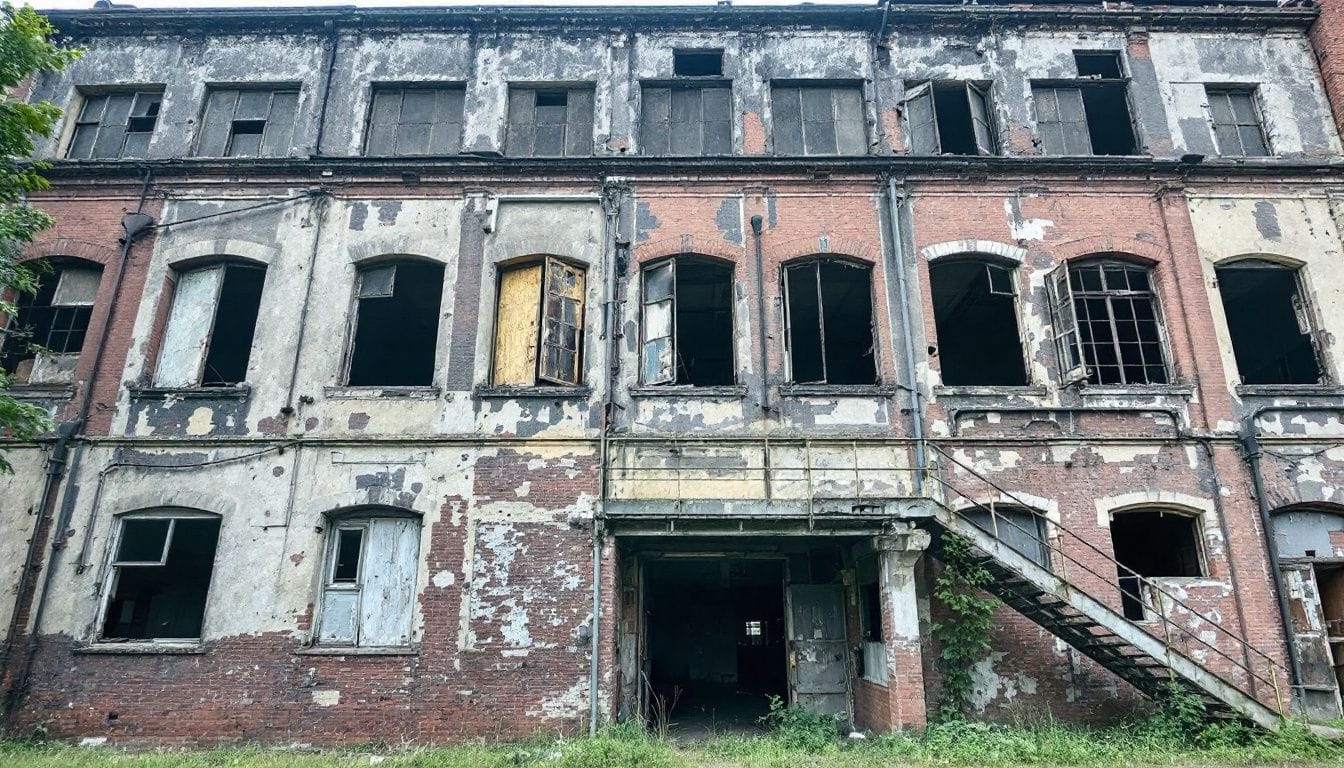
The UK’s Asbestos Crisis: What Every Property Owner and Worker Needs to Know
The UK holds one of the highest mesothelioma death rates in the world — and that is not a coincidence. Uncovering the facts about asbestos and mesothelioma in the UK reveals a public health crisis that has been unfolding in slow motion for decades, claiming thousands of lives every year long after the material was finally banned. If you live or work in an older building, or manage property built before 2000, this is not a historical curiosity. It is a present and ongoing risk.
What Is Asbestos and Why Is It So Dangerous?
Asbestos is a naturally occurring fibrous mineral used extensively across the UK construction industry from the post-war period through to the late 1990s. Its fire resistance, durability, and insulating properties made it a staple in everything from roof panels and pipe lagging to floor tiles and ceiling boards.
The danger lies in what happens when asbestos-containing materials (ACMs) are disturbed. Microscopic fibres are released into the air and, once inhaled, become permanently embedded in lung tissue and surrounding membranes. The body cannot break them down or expel them, and over time — often several decades — this leads to serious, life-threatening disease.
Diseases Caused by Asbestos Exposure
Asbestos exposure is linked to a range of serious conditions:
- Mesothelioma — a cancer of the lining of the lungs, abdomen, or heart, almost exclusively caused by asbestos exposure
- Asbestosis — chronic scarring of the lung tissue causing progressive breathing difficulties
- Lung cancer — significantly more likely in those with occupational asbestos exposure, particularly when combined with smoking
- Pleural plaques and thickening — changes to the lung lining that can restrict breathing capacity
There is no safe level of asbestos exposure. Even brief or secondary contact can be sufficient to trigger mesothelioma, which is why uncovering the facts about asbestos and mesothelioma in the UK remains so critically important for property owners, managers, and workers alike.
The Scale of Mesothelioma in the UK: What the Data Shows
The Health and Safety Executive (HSE) has been collecting and publishing mesothelioma mortality data for Great Britain for over 50 years. The picture those figures paint is sobering.
More than 2,500 people die from mesothelioma in Britain every year. Annual mesothelioma deaths were below 200 in the late 1960s — the dramatic rise since then reflects the disease’s exceptionally long latency period, which typically ranges from 20 to 50 years after initial exposure.
The peak years of asbestos use in the UK were the 1950s through to the 1970s. Workers exposed during that era are now in their 70s, 80s, and beyond — which is precisely why mesothelioma deaths remain so high today, even though asbestos use has long since ended.
Who Is Most Affected?
Mesothelioma has historically been associated with occupational exposure in industries such as construction, shipbuilding, plumbing, and engineering — sectors that were heavily male-dominated. This is reflected in the data, with men accounting for the significant majority of diagnoses.
However, women are far from immune. Over 400 women die from mesothelioma every year in the UK. Many were exposed indirectly — through contact with partners or family members who brought asbestos fibres home on their clothing and skin. This secondary exposure route is a stark reminder that the risks extended well beyond the factory floor or building site.
Age Group Trends
The data reveals a shifting demographic pattern. Deaths among individuals under 65 are gradually declining, reflecting reduced occupational exposure following tighter regulatory controls introduced from the 1970s onwards.
However, fatalities in those aged over 75 continue to rise — a direct consequence of the long latency period and the heavy industrial use of asbestos in the mid-20th century. This trend is expected to continue for some years before the full effect of the asbestos ban begins to show in mortality statistics. The disease’s long shadow means the UK will be dealing with its consequences well into the coming decades.
How Asbestos Exposure Happens — Then and Now
During the peak period of asbestos use, workers across dozens of industries handled the material daily, often with no protective equipment and no understanding of the risks. Exposure levels were extraordinary by modern standards.
Regulatory action began in earnest in the 1970s, with restrictions first introduced on blue (crocidolite) and brown (amosite) asbestos — the most hazardous forms. White asbestos (chrysotile) was not banned in the UK until 1999, completing the full prohibition of all asbestos types.
Environmental and Secondary Exposure
Occupational exposure was not the only route. Environmental exposure — living near asbestos processing plants or in areas where ACMs were widely used — has also contributed to mesothelioma cases. Secondary exposure affected family members who never set foot in a factory or on a building site.
Today, the risk of new exposure comes primarily from ACMs that remain in older buildings. Asbestos is still present in a significant proportion of UK buildings constructed before 2000. When these materials are in good condition and left undisturbed, they do not pose an immediate risk — but the danger arises during renovation, refurbishment, or demolition work, when fibres can be released without warning.
Your Legal Duties Around Asbestos in Buildings
If you own or manage a non-domestic property, you have a legal duty to manage asbestos under the Control of Asbestos Regulations. This is known as the Duty to Manage, and it applies to anyone responsible for the maintenance or repair of non-domestic premises.
The duty requires you to identify whether ACMs are present, assess their condition and risk, maintain an up-to-date asbestos register, and put in place a management plan. Failure to comply can result in significant fines and, more seriously, puts the health of workers and building occupants at risk.
The HSE’s guidance document HSG264 sets out exactly how asbestos surveys should be conducted and what they must cover. All reputable asbestos surveyors follow this guidance as standard.
Types of Asbestos Survey Explained
The type of survey you need depends on your circumstances. Here is a straightforward breakdown:
- A management survey is the standard survey for occupied buildings. It identifies ACMs that could be disturbed during normal use and maintenance, and assesses their condition and risk.
- A refurbishment survey is required before any renovation or building work. It is more intrusive and covers all areas where work is planned, including inside walls and above ceilings.
- A demolition survey is required before any structure is demolished. It is the most thorough survey type and covers the entire building, including areas not normally accessible.
- A re-inspection survey is carried out periodically to check the condition of known ACMs and update the asbestos register accordingly.
If you are unsure whether a material in your property contains asbestos, a testing kit allows you to collect a sample safely for laboratory analysis — a practical first step before commissioning a full survey.
The Human Cost: The Ongoing Impact of Mesothelioma
Behind every statistic is a person and a family. Former construction workers who spent decades working with asbestos-containing materials — often with no knowledge of the risks — have received mesothelioma diagnoses 30 or 40 years after their exposure. The prognosis remains poor, with most patients surviving less than 18 months after diagnosis.
Because mesothelioma has such a long latency period, symptoms — including breathlessness, chest pain, and persistent coughing — often do not appear until the disease is already at an advanced stage. Affected families describe the devastating speed at which it progresses once those symptoms emerge.
These stories underscore why preventing future exposure is not simply a regulatory matter. It is a moral imperative. Every unnecessary exposure today is a potential mesothelioma diagnosis in 20 or 30 years’ time.
What You Can Do to Protect Yourself and Others
Awareness and action are the most effective tools available. Whether you are a property manager, a homeowner, a contractor, or simply someone who lives or works in an older building, there are practical steps you can take right now.
- Do not disturb suspected ACMs. If you believe a material may contain asbestos, leave it alone and seek professional advice before carrying out any work.
- Commission an asbestos survey. If you are responsible for a non-domestic property, a management survey is a legal requirement and the sensible starting point.
- Keep records up to date. An asbestos register is only useful if it reflects the current condition of ACMs. Regular re-inspections ensure your records remain accurate.
- Inform contractors. Before any maintenance or building work, ensure contractors are aware of known ACMs and have access to the asbestos register.
- Consider a fire risk assessment. Asbestos management and fire safety often overlap in older buildings. A fire risk assessment carried out alongside an asbestos survey gives you a fuller picture of the risks in your property.
Why the UK’s Asbestos Legacy Demands Ongoing Vigilance
The UK used more asbestos per capita than almost any other nation during the mid-20th century. That legacy is embedded — quite literally — in the fabric of millions of buildings still in daily use today. Schools, hospitals, offices, warehouses, and residential properties all potentially harbour ACMs that were installed decades ago.
The regulatory framework introduced under the Control of Asbestos Regulations has done much to reduce the risk of new exposures. But regulations only work when they are followed. Unlicensed work on ACMs, inadequate surveys, and failure to maintain asbestos registers remain ongoing problems that put tradespeople and building occupants at risk.
Uncovering the facts about asbestos and mesothelioma in the UK is not just an academic exercise. It is the foundation of every practical decision about how to manage the material safely — from commissioning the right survey to ensuring contractors are properly briefed before they pick up a tool.
Supernova Asbestos Surveys: Expert Help Across the UK
With over 50,000 surveys completed and more than 900 five-star reviews, Supernova Asbestos Surveys is one of the UK’s most trusted asbestos consultancies. Our BOHS P402-qualified surveyors follow HSG264 guidance on every survey, and all samples are analysed at our UKAS-accredited laboratory.
We offer fast turnaround times, transparent fixed pricing, and reports that are fully compliant with the Control of Asbestos Regulations. Whether you need a survey for a single property or a nationwide portfolio, we have the capacity and expertise to deliver.
We operate across England, Scotland, and Wales. If you need an asbestos survey London properties require, or an asbestos survey Manchester teams can attend quickly, our surveyors are typically available within the same week.
Our survey pricing starts from:
- Management Survey: from £195
- Refurbishment & Demolition Survey: from £295
- Re-inspection Survey: from £150 (plus £20 per ACM re-inspected)
- Bulk Sample Testing Kit: from £30 per sample
- Fire Risk Assessment: from £195
All prices vary depending on property size and location. Request a quote online for a tailored, no-obligation price.
📞 Call us on 020 4586 0680 to speak with a specialist today.
🌐 Visit asbestos-surveys.org.uk to book your survey or get a free quote online.
Frequently Asked Questions
What is the connection between asbestos exposure and mesothelioma in the UK?
Mesothelioma is almost exclusively caused by exposure to asbestos fibres. When ACMs are disturbed, microscopic fibres are released into the air and can be inhaled. Once lodged in the lining of the lungs, abdomen, or heart, these fibres trigger a slow inflammatory process that can develop into mesothelioma decades later. The UK’s extensive use of asbestos throughout the mid-20th century is the direct reason the country has one of the highest mesothelioma rates in the world.
Is asbestos still present in UK buildings?
Yes. Asbestos was widely used in UK construction until it was fully banned in 1999, meaning a significant proportion of buildings constructed before 2000 are likely to contain ACMs. These include schools, hospitals, offices, industrial premises, and many residential properties. When in good condition and left undisturbed, ACMs do not pose an immediate risk — but any work that disturbs them can release dangerous fibres.
Who has a legal duty to manage asbestos in buildings?
Under the Control of Asbestos Regulations, anyone responsible for the maintenance or repair of non-domestic premises has a legal Duty to Manage asbestos. This includes landlords, property managers, employers, and building owners. The duty requires identifying ACMs, assessing their condition, maintaining an asbestos register, and putting a management plan in place. HSE guidance document HSG264 sets out how surveys should be conducted to meet this obligation.
Can secondary exposure to asbestos cause mesothelioma?
Yes. Secondary exposure — where someone is exposed to asbestos fibres brought home on another person’s clothing, hair, or skin — is a well-documented cause of mesothelioma. This is why many women who never worked in industry have still developed the disease. There is no safe level of asbestos exposure, and even low-level secondary contact carries a risk over time.
What type of asbestos survey do I need?
The right survey depends on what you intend to do with the building. A management survey is the standard requirement for occupied premises under normal use. A refurbishment survey is required before renovation or building work begins. A demolition survey is needed before any structure is torn down. If you already have an asbestos register, periodic re-inspection surveys keep your records current and compliant. A qualified surveyor can advise which type is appropriate for your specific situation.