
Will a Bank Finance a House With Asbestos Siding?
You have found the right property, the survey is moving along, and then asbestos siding appears in the report. The next question is usually immediate: will a bank finance a house with asbestos siding? In many cases, yes — but the answer depends on the type of material, its condition, where it sits on the property, and how the lender’s valuer assesses the risk.
Asbestos siding does not automatically stop a mortgage. What causes problems is damaged material, poor maintenance, missing evidence, or a lender deciding the property could be harder to sell in future. If you understand what banks look for and get the right paperwork in place early, you can avoid delays and make better decisions before exchange.
The Short Answer: It Depends on Evidence
There is no blanket rule across all lenders. Some will lend if the siding is stable and undisturbed. Others may ask for further reports, reduce the amount they are willing to lend, or impose conditions before completion.
From a lender’s perspective, asbestos is not just a health issue — it is also a valuation and resale issue. If the property needs expensive remedial work, or if future buyers may be put off, the bank may see that as added lending risk. That is why the answer to will a bank finance a house with asbestos siding nearly always comes down to evidence. A proper inspection, clear reporting and realistic costings carry far more weight than assumptions.
Why Lenders Worry About Asbestos Siding
Banks and building societies want to know whether the property offers suitable security for the mortgage. Asbestos siding can affect that security in several ways, especially if the material is deteriorating or likely to be disturbed during repairs, refurbishment or normal occupation.
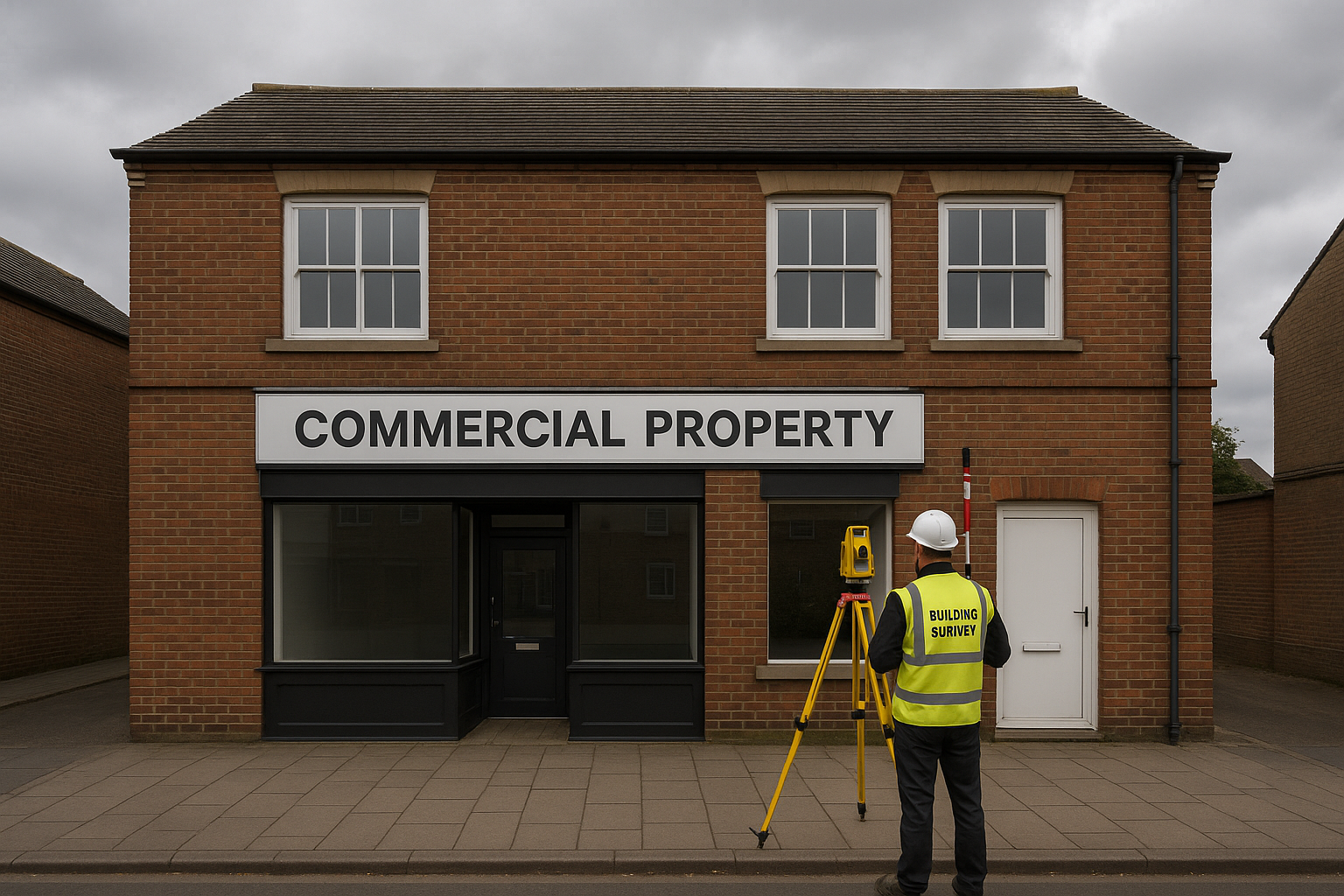
Most lenders rely heavily on the mortgage valuation and any specialist reports. If the valuer flags asbestos as a concern, underwriting becomes more cautious.
Health and Safety Concerns
Asbestos is dangerous when fibres are released and inhaled. Materials in good condition may present a lower immediate risk, but cracked, drilled, broken or weathered siding can increase the chance of fibre release. Under the Control of Asbestos Regulations, asbestos risks must be properly identified and managed. Survey work should follow HSG264, which sets the standard for asbestos surveying in the UK, and broader decisions should align with HSE guidance.
Property Value Concerns
A lender also considers what would happen if they needed to repossess and sell the property. If asbestos siding narrows the future buyer pool or creates obvious remedial costs, that can affect the valuation. This does not mean the mortgage will be refused automatically. It does mean the bank may lend against a lower figure, ask for specialist confirmation, or require works to be completed before releasing funds.
Repair and Maintenance Concerns
Even where asbestos siding is currently sound, lenders know that future maintenance can become more complicated. Routine works such as replacing windows, repairing walls, drilling fixings or external refurbishment may need asbestos-aware planning. That added complexity can influence the lender’s appetite, especially if no survey evidence is available.
What Banks and Mortgage Valuers Actually Look At
The lender is not usually carrying out a full asbestos risk assessment themselves. They are relying on a chain of evidence. Understanding that chain helps you prepare properly.
That evidence typically includes:
- The mortgage valuation and the valuer’s comments on visible asbestos-containing materials
- The property’s overall condition and state of repair
- Any asbestos survey or sampling report
- Quotes for remedial works where needed
- The likely impact on future marketability
A valuer may note asbestos siding and still consider the property acceptable security. Equally, they may recommend further investigation before the lender proceeds. The key issue is rarely the label alone — it is the level of risk attached to the material.
Condition Matters More Than Presence Alone
Not all asbestos-containing materials create the same level of concern. Cement-based products, including some external siding panels, are generally lower risk than more friable materials, provided they remain intact and undisturbed. If the siding is weathered, broken, flaking or has been poorly repaired, the lender may take a very different view.
A house with stable asbestos cement cladding is a different proposition from one with visibly damaged external panels and no management plan in place.
Location and Extent
Banks will also consider how widespread the asbestos siding is. A small outbuilding with asbestos cement sheets may be treated differently from the main dwelling being covered in asbestos-containing cladding. The more extensive the material, the more likely it is to affect valuation, insurance discussions, repair costs and buyer confidence.
When Asbestos Siding Is Most Likely to Affect Mortgage Approval
Some properties move through underwriting with little fuss. Others trigger extra checks or a refusal. These are the situations where asbestos siding is most likely to cause problems:

- The siding is damaged. Cracks, breaks, delamination or loose fragments raise obvious concerns for valuers and underwriters alike.
- The material is unconfirmed. If the valuer suspects asbestos but there is no survey evidence, the lender may pause the application.
- Major works are planned. Refurbishment can disturb asbestos-containing materials and increase the cost and complexity of the project.
- The valuation is reduced. If the valuer adjusts the market value downward, the lender may reduce the loan amount accordingly.
- The property is considered hard to resell. Some lenders are more cautious where they believe future buyers may also struggle to obtain finance.
So, will a bank finance a house with asbestos siding if the siding is old but intact? Often yes. If it is damaged and unsupported by proper reporting, the answer becomes considerably less certain.
How Asbestos Surveys Help Keep a Purchase on Track
The single most useful step you can take is getting the right survey evidence. A lender may accept asbestos siding if a suitable report shows the material is present, assesses its condition and explains whether action is required. Surveying should be carried out in line with HSG264.
For a standard purchase where the building is occupied and no intrusive refurbishment is planned, an asbestos management survey is often the appropriate starting point. This type of survey locates and assesses asbestos-containing materials that could be disturbed during normal occupation or routine maintenance.
If major renovation or structural work is intended, a more intrusive demolition survey may be needed before works begin. This is a more thorough inspection designed to locate all asbestos-containing materials before significant disruption takes place.
A good asbestos report should help answer practical questions quickly:
- Is the siding likely to contain asbestos?
- What type of product is it and what is its condition?
- Is it damaged or likely to deteriorate?
- Does it need removal, repair, encapsulation or simple management?
- Will any planned works disturb it?
Survey evidence gives buyers, sellers and lenders the clarity they each need. Buyers understand what they are taking on. Sellers can progress the transaction with confidence. Lenders gain confidence in the security they are being asked to back.
If the property is in the capital, arranging an asbestos survey London service early can prevent a lender query from becoming a last-minute problem that threatens exchange.
Removal, Encapsulation or Management: What Lenders Prefer
Not every house with asbestos siding needs immediate removal. In many cases, asbestos-containing materials can remain in place if they are in good condition and are managed correctly. The right option depends on risk, future plans and lender expectations.
Option 1: Leave in Place and Manage
If the siding is intact, sealed and unlikely to be disturbed, management may be the most sensible route. That means recording its presence, monitoring its condition and making sure anyone carrying out work on the property knows it is there. A formal management survey supports this approach by providing documented evidence of the material’s condition and location.
This can satisfy some lenders, particularly where the valuer does not see a significant impact on value or saleability.
Option 2: Encapsulation
Encapsulation involves sealing the material to reduce the risk of fibre release. This can be suitable where the siding is broadly sound but needs protection from wear or weathering. For some properties, encapsulation is a practical middle ground — it can reassure a lender without the disruption and cost of full removal.
Option 3: Professional Asbestos Removal
Where the siding is damaged, extensive, or likely to be disturbed by planned works, removal may be the better option. If a lender has made remedial action a condition of the mortgage, this may be unavoidable. Any work should follow the relevant legal requirements and safe systems of work under the Control of Asbestos Regulations.
If removal is needed, using a specialist asbestos removal service helps ensure the work is handled safely, properly documented and reported back to the lender and your solicitor without delay.
What Buyers Should Do Before Applying for a Mortgage
If you already suspect asbestos siding, do not wait for the lender to discover it first. Being proactive almost always saves time, money and stress.
- Ask direct questions early. Check whether the seller has previous asbestos reports, maintenance records or removal certificates.
- Review the homebuyer or building survey carefully. If asbestos is mentioned, do not assume it is routine — follow it up.
- Arrange a specialist asbestos survey. This gives you evidence for the lender and a clearer picture of actual risk.
- Get quotes if remedial work may be needed. Lenders and valuers respond better to real costings than rough estimates.
- Tell your broker or lender promptly. Surprises late in the process are what cause delays and, in some cases, lost sales.
If the property is in the North West, arranging an asbestos survey Manchester appointment before underwriting reaches the final stage can make any lender follow-up far easier to deal with.
What Sellers Should Do If Asbestos Siding Is Present
Sellers often worry that disclosing asbestos will kill a sale. In reality, hiding or minimising the issue creates far bigger problems. If the buyer’s survey later identifies asbestos siding, trust drops quickly and the transaction can stall or collapse entirely.
The better approach is to be open and organised:
- Gather any existing asbestos reports and keep them readily available
- Maintain records of repairs, encapsulation or previous removal works
- Be clear and accurate about the current condition of the siding
- Consider commissioning a survey before marketing if the issue is obvious
Accurate disclosure also helps solicitors deal with enquiries more efficiently. While domestic sellers do not carry the same duty to manage asbestos as non-domestic dutyholders, misleading information provided during a sale can still create legal and financial difficulties after completion.
If the property is in the Midlands, getting an asbestos survey Birmingham arranged before going to market can make the entire process smoother for all parties involved.
Can Asbestos Siding Affect the Valuation Even If the Bank Will Lend?
Yes — and this is a point many buyers miss entirely. The answer to will a bank finance a house with asbestos siding could still be yes, while the valuation comes in lower than expected. That matters because mortgage offers are based on the lender’s valuation, not necessarily the agreed purchase price.
If the valuer reduces the figure to reflect asbestos-related risk or anticipated remedial costs, you may need a larger deposit to bridge the gap. A lender might be willing to proceed, but only on the basis of:
- A reduced valuation
- A retention until specified works are completed
- Special conditions requiring further specialist reports
- Confirmation that the material is asbestos cement in stable, undisturbed condition
This is why practical evidence is so valuable. A sound survey and realistic contractor quotes can stop a vague concern becoming an exaggerated deduction from the valuation figure.
What Happens If the Lender Declines the Mortgage?
A refusal is not always the end of the purchase. It usually means that particular lender was not comfortable with the available evidence or the level of risk as they assessed it. Different lenders have different risk appetites when it comes to asbestos-containing materials.
If this happens, the practical steps are:
- Find out precisely why the application was declined — is it the condition of the siding, the absence of a survey, or a general policy?
- Commission a specialist asbestos survey if one has not already been done.
- Obtain quotes for any remedial works the lender or valuer has flagged.
- Speak to a whole-of-market mortgage broker who has experience with properties containing asbestos-containing materials.
- Consider whether encapsulation or removal would resolve the concern before reapplying.
Some specialist lenders and building societies are more accustomed to properties with asbestos-containing materials than high street banks. A broker with relevant experience will know where to direct the application.
The Role of Accurate Documentation Throughout
Whether you are a buyer, seller or solicitor, documentation is the thread that holds a transaction together when asbestos is involved. A lender needs to see that the risk has been properly assessed, not simply acknowledged.
That documentation should include:
- A survey report prepared in line with HSG264
- Clear identification of the material type, location and condition
- A risk assessment or priority assessment where relevant
- Records of any previous works, encapsulation or removal
- Contractor documentation for any remedial works carried out
Keeping this paperwork organised and presenting it early — to the valuer, the lender and the solicitor — removes the ambiguity that so often causes delays. Asbestos in a property is a manageable issue in the vast majority of cases. What makes it unmanageable is a lack of information.
Frequently Asked Questions
Will a bank finance a house with asbestos siding if the material is undamaged?
In many cases, yes. Lenders are generally more willing to proceed where asbestos siding is intact, undisturbed and supported by a specialist survey report confirming its condition. The presence of asbestos alone does not automatically result in a refusal — it is the level of risk, and the evidence available to assess that risk, which drives the lender’s decision.
What type of asbestos survey is needed when buying a property with asbestos siding?
For most residential purchases where the property is occupied and no major works are planned, an asbestos management survey is the standard starting point. If significant renovation, structural alterations or demolition is intended, a refurbishment and demolition survey will be required before those works begin. A qualified asbestos surveyor can advise on which type is appropriate for your specific situation.
Can asbestos siding reduce the mortgage valuation even if the lender agrees to lend?
Yes. A valuer may reduce the assessed market value of the property to reflect the cost of remedial works or the perceived impact on future saleability. This can affect the loan-to-value ratio and may mean you need a larger deposit than anticipated. Providing clear survey evidence and realistic contractor quotes can help minimise any reduction.
Does asbestos siding need to be removed before a mortgage will be approved?
Not necessarily. Many lenders will accept asbestos siding that is in good condition and properly managed without requiring removal. However, if the material is damaged, if major works are planned, or if the lender has imposed removal as a condition of the mortgage offer, then professional removal may be required. The right course of action depends on the material’s condition and the individual lender’s requirements.
What should I do if my mortgage application has been declined because of asbestos siding?
First, establish the specific reason for the refusal — whether it relates to the condition of the material, the absence of a survey report, or a general lending policy. Commission a specialist asbestos survey if one has not been done, obtain remedial quotes if works are needed, and speak to a whole-of-market mortgage broker with experience in properties containing asbestos-containing materials. Some lenders are more experienced in this area than others.
Speak to Supernova Asbestos Surveys
Supernova Asbestos Surveys has completed over 50,000 surveys across the UK, helping buyers, sellers, solicitors and lenders navigate exactly these situations. Whether you need a survey to support a mortgage application, documentation to satisfy a valuer’s query, or advice on the right course of action for a specific property, our team is ready to help.
Call us on 020 4586 0680 or visit asbestos-surveys.org.uk to arrange a survey or discuss your requirements with one of our specialists.