
How to Know If You’ve Been Exposed to Asbestos — and What to Do Next
Asbestos exposure doesn’t announce itself. You can’t smell it, taste it, or feel it in the moment — and that’s precisely what makes it so dangerous. If you’re asking how to know if you’ve been exposed to asbestos, you’re already doing the right thing by taking it seriously.
Asbestos-related diseases remain a significant cause of occupational death in Great Britain. The fibres responsible can be inhaled without any immediate symptoms, sometimes lying dormant for decades before illness develops. Understanding whether you’ve been exposed — and acting on that knowledge — could be one of the most important things you do for your long-term health.
What Is Asbestos and Why Is Exposure So Dangerous?
Asbestos is a naturally occurring fibrous mineral that was widely used in UK construction and industry throughout much of the twentieth century. It was valued for its heat resistance, durability, and insulating properties.
The problem is that when asbestos-containing materials are disturbed, they release microscopic fibres into the air. Those fibres, once inhaled, can lodge permanently in the lungs and other tissues. Over time, they can cause serious and often fatal diseases including mesothelioma, asbestosis, and lung cancer.
There is no safe level of asbestos exposure. Even short-term or low-level contact carries some degree of risk — which is why understanding your exposure history matters so much.
How to Know If You’ve Been Exposed to Asbestos: Key Indicators
Knowing whether you’ve been exposed isn’t always straightforward, but there are several clear indicators to consider. Exposure typically occurs when asbestos-containing materials are disturbed — through drilling, cutting, demolition, or gradual deterioration over time.

You Were Present When Asbestos-Containing Materials Were Disturbed
The most direct route to exposure is being physically present when asbestos is disturbed. This could mean working in a building during renovation or demolition, carrying out DIY on an older property, or being in the vicinity of asbestos removal that wasn’t properly contained.
If you were nearby and noticed dust or debris in the air — particularly in an older building — it’s worth investigating further. Asbestos fibres are invisible to the naked eye, so the absence of visible dust doesn’t mean you weren’t exposed.
You’ve Worked in a High-Risk Occupation
Certain trades and industries carried — and in some cases still carry — a significantly elevated risk of asbestos exposure. If your working history includes any of the following, discuss your exposure history with your GP:
- Construction and demolition work, particularly in buildings erected before 2000
- Plumbing, heating, and ventilation engineering
- Electrical installation in older buildings
- Shipbuilding and ship repair
- Insulation work
- Roofing and floor laying
- Automotive mechanics (brake and clutch components historically contained asbestos)
- Teaching or working in schools built in the mid-twentieth century
- Working in power stations, factories, or industrial plants from the same era
Secondary exposure is also a recognised risk. Family members of workers in these industries were sometimes exposed through contact with contaminated work clothing brought home — a route of exposure that is easily overlooked.
You’ve Lived or Worked in a Building Constructed Before 2000
Asbestos use in the UK was not fully banned until 1999. Any building constructed or significantly refurbished before that date could contain asbestos-containing materials (ACMs). Common locations include:
- Ceiling tiles and floor tiles
- Pipe lagging and boiler insulation
- Artex and textured wall coatings
- Roof sheeting and guttering
- Insulating boards around fireplaces and in partition walls
- Rope seals and gaskets in older heating systems
Simply living or working in such a building doesn’t automatically mean you’ve been exposed. Intact, undisturbed asbestos is generally considered low risk. The danger arises when those materials are damaged, deteriorating, or disturbed during maintenance or refurbishment work.
You Noticed Unusual Dust or Debris in an Older Building
If you’ve recently carried out — or been present during — work in an older property and noticed powdery or fibrous dust around ceiling tiles, pipe insulation, or wall panels, that’s a warning sign worth taking seriously.
Stop any work immediately if you suspect asbestos has been disturbed and seek professional advice. Don’t attempt to clean up or remove suspected asbestos yourself — disturbing it further increases the risk of fibre release significantly.
Symptoms of Asbestos Exposure: What to Look Out For
This is where asbestos becomes particularly insidious. There are no immediate symptoms of asbestos exposure. You won’t cough, wheeze, or feel unwell in the hours or days after inhaling asbestos fibres.
The diseases caused by asbestos typically have a latency period of between 10 and 50 years. That means someone exposed in the 1980s might only begin to develop symptoms now. By the time symptoms appear, the disease is often at an advanced stage — which makes early awareness and monitoring all the more critical.
Symptoms Associated With Asbestos-Related Diseases
If you have a history of asbestos exposure and experience any of the following, see your GP without delay and mention your exposure history explicitly:
- Persistent shortness of breath, particularly on exertion
- A dry, persistent cough that doesn’t resolve
- Chest tightness or pain
- Unexplained weight loss
- Fatigue and reduced exercise tolerance
- Finger clubbing (a rounding of the fingertips) in some cases
These symptoms are associated with conditions including asbestosis, pleural thickening, and mesothelioma. None are exclusive to asbestos-related disease, but your GP needs to know about any occupational or environmental exposure history to investigate appropriately.
What to Do If You Think You’ve Been Exposed to Asbestos
Acting promptly and methodically gives you the best chance of managing any health risks and fulfilling your legal obligations if the exposure occurred in a workplace setting.
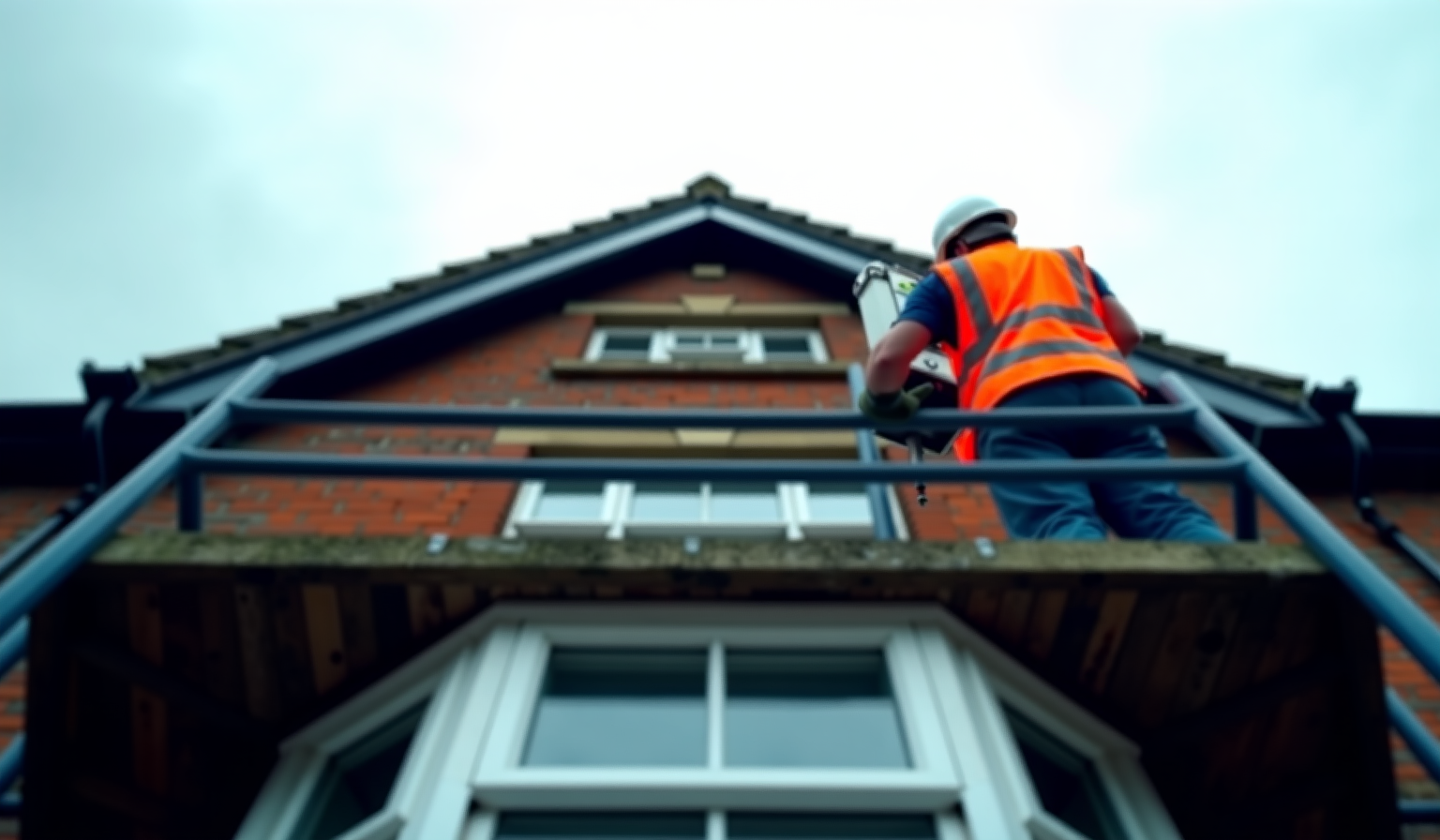
Step 1 — Stop Any Ongoing Work Immediately
If you believe asbestos has been disturbed during ongoing work, stop immediately. Seal off the area if possible and prevent others from entering. Don’t attempt to clean up dust or debris — this will disturb fibres further and increase the risk of inhalation.
Step 2 — Seek a Professional Assessment
Contact a qualified asbestos surveying company to assess the site. A management survey can identify the presence, location, and condition of any asbestos-containing materials in a building that is in normal use. If work is planned, a refurbishment survey is required before any intrusive work begins.
Samples will be taken and sent to an accredited laboratory for analysis — this is the only reliable way to confirm whether a material contains asbestos. If you’re in the capital, an asbestos survey London specialist can attend quickly and provide a full written report.
Step 3 — Speak to Your GP
Make an appointment with your GP and be specific about the nature and duration of any suspected exposure. Mention your occupational history, the type of work carried out, and any relevant timeframes.
Your GP can refer you for chest X-rays, lung function tests, or specialist respiratory assessment if appropriate. Keep a written record of what happened, when it happened, and who else was present — this information could be important for any future health monitoring or legal proceedings.
Step 4 — Report It If the Exposure Occurred at Work
If the exposure happened in a workplace setting, your employer has legal obligations under the Control of Asbestos Regulations. They must carry out a risk assessment, maintain an asbestos management plan, and ensure that workers are informed of any known asbestos on site before work begins.
If you believe your employer failed to meet these obligations, you can report the incident to the Health and Safety Executive (HSE). You may also wish to seek legal advice, particularly if you have suffered demonstrable harm.
Step 5 — Consider Long-Term Health Monitoring
If you’ve had significant occupational exposure to asbestos — particularly if you worked in a notifiable non-licensed work (NNLW) capacity — you may be entitled to ongoing health surveillance. Records of such work must be kept for a minimum of 40 years under current regulations.
Speak to an occupational health specialist or your GP about whether regular monitoring is appropriate for your situation. Early detection of asbestos-related changes in the lungs gives the best chance of effective management.
The Legal Framework: What Employers and Duty Holders Must Do
Understanding the legal context helps you know your rights and what to expect from those responsible for the buildings you work or live in.
The Control of Asbestos Regulations place a clear duty on those who manage non-domestic premises to identify, manage, and monitor any asbestos-containing materials. This is known as the “duty to manage.” Duty holders must:
- Assess whether asbestos is present in the building
- Maintain an up-to-date asbestos register and management plan
- Ensure that anyone working on the premises is informed of the location and condition of any ACMs
- Arrange regular re-inspections to monitor the condition of known materials
HSE guidance document HSG264 sets out the standards for asbestos surveying in the UK. Surveys must be carried out by competent, trained surveyors — not by untrained staff or contractors.
If you’re a property manager or employer and you’re unsure whether your obligations have been met, commissioning a professional survey is the right first step. Businesses in the North West can access local expertise through an asbestos survey Manchester provider, whilst those in the Midlands should look for accredited surveyors with regional knowledge through an asbestos survey Birmingham specialist.
Asbestos in Domestic Properties: What Homeowners Should Know
The duty to manage applies specifically to non-domestic premises, but homeowners are not without risk. If you own a home built before 2000, asbestos-containing materials may well be present.
You are not legally required to have a survey carried out on a domestic property, but it is strongly advisable before undertaking any renovation, extension, or refurbishment work. Many homeowners unknowingly disturb asbestos during DIY projects — drilling into textured ceilings, removing old floor tiles, or stripping out pipe insulation are all common triggers.
The cost of a professional survey is negligible compared to the potential health and financial consequences of disturbing asbestos without knowing it’s there. If asbestos removal is subsequently required, having a survey report in place means the removal contractor knows exactly what they’re dealing with and can work safely and efficiently.
Can You Be Tested for Asbestos Exposure?
There is no simple blood test that confirms asbestos exposure. However, there are clinical investigations that can detect changes in the lungs and pleura consistent with asbestos-related disease.
These include:
- Chest X-ray — can reveal pleural plaques, thickening, or changes in lung tissue
- High-resolution CT scan — provides more detailed imaging of the lungs and pleura
- Lung function tests (spirometry) — assess whether lung capacity has been affected
- Bronchoalveolar lavage — in specialist settings, this can sometimes identify asbestos fibres in lung fluid
Your GP or a specialist respiratory physician can advise which investigations are appropriate based on your exposure history and current symptoms. The key is to be open and specific about your history — the more information your doctor has, the better placed they are to investigate effectively.
Don’t wait for symptoms to develop before seeking medical advice if you have a known or suspected exposure history. Proactive monitoring is far more valuable than reactive investigation once symptoms have already appeared.
Protecting Yourself and Others Going Forward
Whether you’re a building owner, employer, contractor, or homeowner, the steps you take now can prevent future exposure for yourself and everyone who uses the buildings you’re responsible for.
If you manage a commercial or industrial property, ensure your asbestos register is current and that all contractors are briefed on the location of any known ACMs before work begins. If you’re planning significant works, a refurbishment survey is a legal requirement — not an optional extra.
If you’re a worker in a high-risk trade, make it standard practice to ask about asbestos surveys before starting any work on a pre-2000 building. You have the right to that information, and a responsible employer or building owner will have it readily available.
For homeowners, the message is simple: survey before you start. A professional assessment before any renovation work is the single most effective way to protect yourself and your family from inadvertent exposure.
Frequently Asked Questions
How do I know if I’ve been exposed to asbestos?
There are no immediate physical signs of asbestos exposure — you won’t feel it happening. The key indicators are circumstantial: were you present when asbestos-containing materials were disturbed? Have you worked in a high-risk trade or industry? Have you lived or worked in a building constructed before 2000 that has undergone renovation or deterioration? If any of these apply, speak to your GP about your exposure history and consider commissioning a professional asbestos survey of any buildings you’re responsible for.
How long after asbestos exposure do symptoms appear?
Asbestos-related diseases have a latency period that can range from 10 to 50 years. This means symptoms may not appear until decades after the original exposure. Conditions such as mesothelioma, asbestosis, and pleural thickening can all develop many years after the fibres were first inhaled, which is why long-term health monitoring is so important for anyone with a known exposure history.
Can I get tested to find out if I’ve been exposed to asbestos?
There is no blood test that directly confirms asbestos exposure. However, your GP can refer you for clinical investigations — including chest X-rays, CT scans, and lung function tests — that can detect changes in the lungs and pleura consistent with asbestos-related disease. Be specific with your GP about your occupational history and any incidents you’re aware of.
What should I do if I accidentally disturb asbestos during DIY work?
Stop work immediately, leave the area, and don’t attempt to clean up any dust or debris. Seal off the space if you can and seek professional advice from a qualified asbestos surveying company. They can take samples for laboratory testing and advise on appropriate next steps, including whether professional removal is required. See your GP and explain what happened, even if you feel well.
Do I need an asbestos survey before renovating an older property?
For commercial and non-domestic properties, a refurbishment survey is a legal requirement before any intrusive work begins. For domestic properties, there is no legal obligation, but it is strongly advisable. Disturbing unknown asbestos during renovation work is one of the most common routes to unintentional exposure. A professional survey is a relatively modest investment that could protect your health and that of everyone in your household.
Speak to Supernova Asbestos Surveys
Supernova Asbestos Surveys has completed over 50,000 surveys across the UK. Whether you need a management survey, a refurbishment survey ahead of planned works, or advice following a suspected exposure incident, our team of qualified surveyors is ready to help.
We operate nationwide, with specialist teams covering London, Manchester, Birmingham, and every region in between. Call us on 020 4586 0680 or visit asbestos-surveys.org.uk to book a survey or speak to one of our experts.