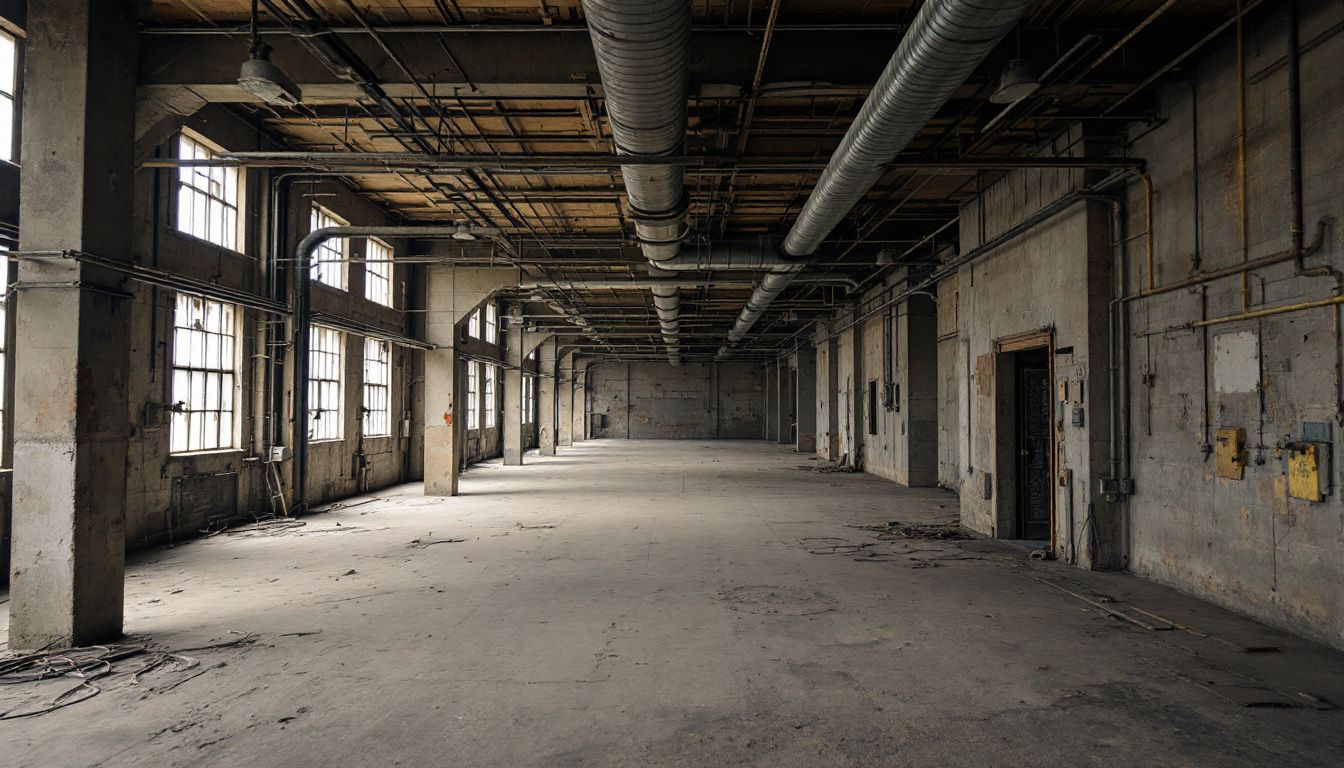
Why Industrial Safety Inspections Must Include Asbestos — Before It’s Too Late
Asbestos doesn’t announce itself. It sits quietly inside walls, beneath floor tiles, around pipe lagging, and above suspended ceilings — waiting to become a problem the moment it’s disturbed. For anyone responsible for a commercial or industrial property built before 2000, industrial safety inspections that include a thorough asbestos assessment aren’t optional. They’re a legal duty and, more importantly, a matter of life and death.
The UK still records thousands of asbestos-related deaths every year. Many of those deaths trace back to exposures that happened decades ago in workplaces where nobody thought to look. With the right inspection regime in place, the risk can be managed effectively — and legally.
What Asbestos Inspections Actually Involve
An asbestos inspection — formally known as an asbestos survey — is a structured assessment of a building to identify, locate, and evaluate any asbestos-containing materials (ACMs). It’s not a quick visual sweep. A qualified surveyor examines the fabric of the building systematically, taking samples where necessary and assessing the condition of any materials found.
There are three main survey types under HSG264, the HSE’s guidance on asbestos surveys:
- Management survey: Used during normal occupation to locate ACMs that could be disturbed during routine maintenance or everyday activities.
- Refurbishment survey: Required before any major works — intrusive enough to locate all ACMs in the areas to be affected, including those hidden behind walls or above ceilings.
- Demolition survey: Required before a building is demolished, covering the entire structure to locate every ACM present.
All three survey types feed into an asbestos register — a live document that records every ACM found, its location, its condition, and the risk it poses. Under the Control of Asbestos Regulations, this register must be kept up to date and made accessible to anyone who might disturb those materials.
The Six Types of Asbestos Found in Industrial Buildings
Not all asbestos is the same. Six mineral types fall under the asbestos classification, and they vary in fibre structure, friability, and associated health risk.
- Chrysotile (white asbestos) — the most commonly used, found in roofing sheets, floor tiles, and cement products
- Amosite (brown asbestos) — frequently used in insulation boards and ceiling tiles
- Crocidolite (blue asbestos) — considered the most hazardous; used in spray coatings and pipe insulation
- Anthophyllite — less common, occasionally found in composite flooring
- Tremolite — often found as a contaminant in other materials
- Actinolite — rare in commercial use but occasionally identified in older industrial settings
All six are hazardous when fibres become airborne. The HSE sets a workplace exposure limit of 0.1 fibres per cubic centimetre of air — a threshold that can be breached quickly when ACMs are disturbed without proper controls in place.
High-Risk Industries Where Industrial Safety Inspections Are Critical
While any building constructed before 2000 may contain asbestos, certain industries carry a significantly elevated risk due to the nature of their work environments and the age of their infrastructure.
Construction and Demolition
Construction and demolition workers routinely disturb building materials — and in older structures, that means a real risk of asbestos exposure. Roofing sheets, textured coatings, insulation board, and pipe lagging are all common ACMs on construction sites.
Dust generated during cutting, drilling, or breaking these materials can release fibres at dangerous concentrations. A refurbishment or demolition survey is a legal requirement before any intrusive work begins — without one, contractors are working blind and potentially exposing their workforce to a substance that causes cancer.
Manufacturing Plants
Older manufacturing facilities used asbestos extensively in machinery insulation, fireproofing, and lagging around pipework. Much of this material remains in place in facilities that haven’t undergone major refurbishment.
Workers carrying out maintenance — replacing gaskets, working around boilers, or accessing ceiling voids — can disturb ACMs without realising it. Regular industrial safety inspections in manufacturing environments help identify these hidden risks before routine maintenance activities become a serious health hazard.
At Supernova Asbestos Surveys, we’ve worked with manufacturing clients to survey active facilities without disrupting production — identifying ACMs and helping management teams put effective control measures in place.
Power Generation Facilities
Power stations and energy facilities built in the mid-twentieth century used asbestos heavily in turbine insulation, boiler lagging, and electrical systems. Workers in these environments have historically faced some of the highest rates of asbestos-related disease.
Mesothelioma rates among power generation workers remain a serious concern. Thorough surveys and ongoing asbestos management plans are essential in these settings.
Shipbuilding and Marine Industries
Shipyards used asbestos prolifically throughout the twentieth century — in engine rooms, on bulkheads, and throughout the accommodation sections of vessels. Workers involved in ship repair and breaking remain at elevated risk.
Marine engineers and those working in historic dockyards should ensure industrial safety inspections are part of their routine health and safety management programme.
Education and Healthcare Estates
Schools, universities, and NHS estates built before 2000 frequently contain asbestos in ceiling tiles, floor coverings, and pipe insulation. These environments present unique challenges because of the number of people present daily and the vulnerability of some occupants.
Estates managers in these sectors must treat industrial safety inspections as a non-negotiable element of their duty of care — not simply a regulatory hurdle to clear once and forget.
The Health Consequences of Asbestos Exposure
What makes asbestos particularly insidious is the time delay between exposure and disease. Symptoms of asbestos-related illness can take 20 to 40 years to appear — meaning workers exposed today may not develop symptoms until well into retirement. By the time a diagnosis is made, the damage is irreversible.
Asbestosis
Asbestosis is a chronic lung condition caused by the scarring of lung tissue following prolonged asbestos fibre inhalation. It causes progressive breathlessness, a persistent cough, and reduced lung function. There is no cure — management focuses on slowing progression and relieving symptoms.
Mesothelioma
Mesothelioma is an aggressive cancer of the lining of the lungs, abdomen, or heart. It is almost exclusively caused by asbestos exposure. Prognosis is poor, with most patients surviving less than 18 months after diagnosis.
The UK has one of the highest mesothelioma rates in the world — a direct consequence of the widespread industrial use of asbestos throughout the twentieth century.
Lung Cancer
Asbestos exposure significantly increases the risk of lung cancer, particularly in individuals who also smoke. The combined effect of smoking and asbestos exposure is multiplicative rather than simply additive — making it essential that workers in high-risk industries are identified and monitored.
These diseases are entirely preventable through proper management. Regular industrial safety inspections, accurate asbestos registers, and effective control measures are the front line of prevention.
Legal Requirements: What UK Regulations Demand
The Control of Asbestos Regulations places a clear legal duty on those who own, occupy, or manage non-domestic premises. The “duty to manage” requires that:
- All ACMs in a building are identified through a suitable survey
- The condition of those materials is assessed and recorded
- An asbestos register is maintained and kept up to date
- An asbestos management plan is produced and implemented
- Information about ACMs is made available to anyone who may disturb them
- The condition of ACMs is monitored periodically
The HSE enforces these requirements rigorously. Failure to comply can result in enforcement notices, improvement notices, and prosecution. Fines for non-compliance can reach £20,000 in magistrates’ courts, with unlimited fines and custodial sentences possible in Crown Court for serious breaches.
Beyond the legal penalties, the reputational damage of a workplace asbestos incident — and the human cost to affected workers and their families — is immeasurable. Compliance isn’t just about avoiding fines. It’s about fulfilling a genuine duty of care.
What a Professional Industrial Safety Inspection Delivers
Working with a professional asbestos surveying company delivers far more than a tick-box exercise. A quality survey gives you the information you need to manage your building safely and confidently.
Accurate Risk Assessment
Surveyors assess not just the presence of ACMs but their condition and the likelihood of fibre release. A sealed, undamaged asbestos insulating board in good condition poses a very different risk to a damaged, friable spray coating in a busy workshop.
This nuanced risk assessment informs the management plan and helps prioritise remedial action where it’s needed most.
Detailed Documentation
A professional survey produces a thorough asbestos register with photographs, floor plans, material assessments, and risk scores. This documentation satisfies legal requirements and provides a practical working document for facilities managers, maintenance teams, and contractors.
Sampling and Laboratory Analysis
Where materials are suspected to contain asbestos, samples are taken and submitted for laboratory analysis. This confirms the presence and type of asbestos, allowing accurate risk scoring and appropriate management decisions.
Advanced Survey Technologies
Modern surveying increasingly incorporates digital tools that improve accuracy and efficiency. Drone-based inspection of roofing and external structures reduces the need for scaffolding and allows safer access to difficult areas.
Digital imaging and real-time air monitoring equipment support more precise assessments in complex industrial environments — giving dutyholders a clearer, more defensible picture of their building’s asbestos risk.
At Supernova Asbestos Surveys, our team brings extensive experience across all types of industrial premises — whether you need an asbestos survey London for a commercial building or a detailed refurbishment survey for a large industrial site.
Asbestos Management Plans: Turning Survey Results into Action
A survey is the starting point, not the end point. The findings must feed into an asbestos management plan — a live document that sets out how ACMs will be managed, monitored, and where necessary, removed.
An effective management plan includes:
- A schedule of periodic reinspections to monitor ACM condition
- Clear procedures for contractors working near ACMs
- Training requirements for maintenance staff
- Arrangements for updating the register when work is carried out
- Remediation actions for high-risk materials
For businesses operating across multiple sites — including those in major industrial centres — managing asbestos across a property portfolio requires a consistent, systematic approach. Our team regularly supports clients with an asbestos survey Manchester and across the wider North West, helping multi-site operators maintain compliance across their entire estate.
Worker Training and Awareness
Legal compliance and professional surveys are essential — but they only work if the people on the ground understand the risks. Worker training is a core component of any effective asbestos management regime.
Maintenance staff, facilities managers, and contractors should all receive appropriate asbestos awareness training. This covers:
- What asbestos is and where it’s commonly found
- How to recognise materials that may contain asbestos
- What to do — and crucially, what not to do — if suspected ACMs are encountered
- How to access and interpret the asbestos register
- Emergency procedures if ACMs are accidentally disturbed
Training doesn’t replace a professional survey, but it dramatically reduces the likelihood of accidental disturbance between formal inspection cycles. An informed workforce is one of the most cost-effective risk controls available to any dutyholder.
How Often Should Industrial Safety Inspections Be Carried Out?
This is one of the most common questions from facilities managers and property owners — and the honest answer is: it depends on the building and the condition of the ACMs within it.
As a general framework:
- Initial survey: Required as soon as possible if no existing asbestos register is in place for a pre-2000 building
- Periodic reinspection: Typically annually for most premises, though higher-risk environments may require more frequent checks
- Pre-works survey: Required before any refurbishment, maintenance, or demolition work that could disturb building fabric
- Following an incident: If ACMs are accidentally disturbed or damaged, an immediate reassessment is required
The frequency of reinspection should be risk-based — driven by the condition of the materials, the level of activity in the building, and any changes to how the space is used. A static storage facility with low footfall and stable ACMs in good condition may require less frequent reinspection than a busy manufacturing plant where maintenance activities are frequent.
For businesses in the Midlands, our team carries out an asbestos survey Birmingham and surrounding areas, helping property managers stay on top of their legal obligations without unnecessary disruption to operations.
Choosing the Right Asbestos Surveying Partner
Not all asbestos surveys are equal. The quality of the survey depends heavily on the competence and thoroughness of the surveying team — and cutting corners at the inspection stage creates false confidence that can be more dangerous than having no survey at all.
When selecting a surveying company, look for:
- UKAS-accredited laboratory analysis — ensuring sample results are reliable and legally defensible
- P402-qualified surveyors — the recognised qualification for asbestos surveying under the British Occupational Hygiene Society framework
- Sector experience — surveyors who understand your industry and the specific materials and configurations common in your type of building
- Clear, usable reporting — a register and management plan that your team can actually work with, not just a document filed and forgotten
- Responsive communication — the ability to mobilise quickly when pre-works surveys are needed at short notice
At Supernova Asbestos Surveys, we’ve completed over 50,000 surveys across the UK — from small commercial units to large-scale industrial complexes. Our surveyors are qualified, experienced, and focused on giving clients the information they need to manage their buildings safely and stay on the right side of the law.
Frequently Asked Questions
What is the difference between a management survey and a refurbishment survey?
A management survey is carried out during normal building occupation and is designed to locate ACMs that could be disturbed during routine maintenance or day-to-day activities. It is less intrusive and focuses on accessible areas. A refurbishment survey is required before any significant building works and is far more intrusive — surveyors access voids, lift floor coverings, and open up wall cavities to locate all ACMs in the areas to be affected. The type of survey you need depends on what’s planned for the building.
Are industrial safety inspections a legal requirement in the UK?
Yes. Under the Control of Asbestos Regulations, anyone who owns, occupies, or manages a non-domestic premises built before 2000 has a legal duty to manage asbestos. This includes identifying ACMs through a suitable survey, maintaining an asbestos register, producing a management plan, and making information available to contractors. Failure to comply can result in enforcement action, unlimited fines, and in serious cases, custodial sentences.
How long does an industrial asbestos survey take?
The duration depends on the size and complexity of the building. A small commercial unit might be completed in a few hours, while a large industrial facility could take several days. At Supernova Asbestos Surveys, we assess each project individually and provide a clear timeline before work begins. We also work flexibly around operational requirements to minimise disruption to your business.
What happens if asbestos is found during an industrial safety inspection?
Finding asbestos doesn’t necessarily mean it needs to be removed. In many cases, ACMs in good condition and low-risk locations can be safely managed in place — monitored, labelled, and recorded in the asbestos register. Removal is typically only required when materials are in poor condition, when they pose a high risk of disturbance, or when refurbishment or demolition work requires it. Your surveyor will provide a risk assessment and recommend the most appropriate course of action.
Can I carry out my own asbestos inspection?
No. Asbestos surveys must be carried out by a competent, qualified surveyor — typically someone holding the P402 qualification or equivalent. Taking samples without proper training and equipment can itself create a risk of fibre release. The HSE is clear that surveys must be conducted by someone with the appropriate skills, knowledge, and experience. Using an unqualified person to carry out an asbestos survey does not satisfy your legal duty and could expose you to significant liability.
Get Your Industrial Safety Inspection Booked Today
Supernova Asbestos Surveys has completed over 50,000 surveys across the UK, working with industrial operators, facilities managers, local authorities, and property owners to keep buildings safe and compliant. Whether you need a management survey for an occupied facility, a refurbishment survey ahead of planned works, or a full demolition survey, our qualified team is ready to help.
Call us on 020 4586 0680 or visit asbestos-surveys.org.uk to request a quote or find out more about how we can support your asbestos management obligations.