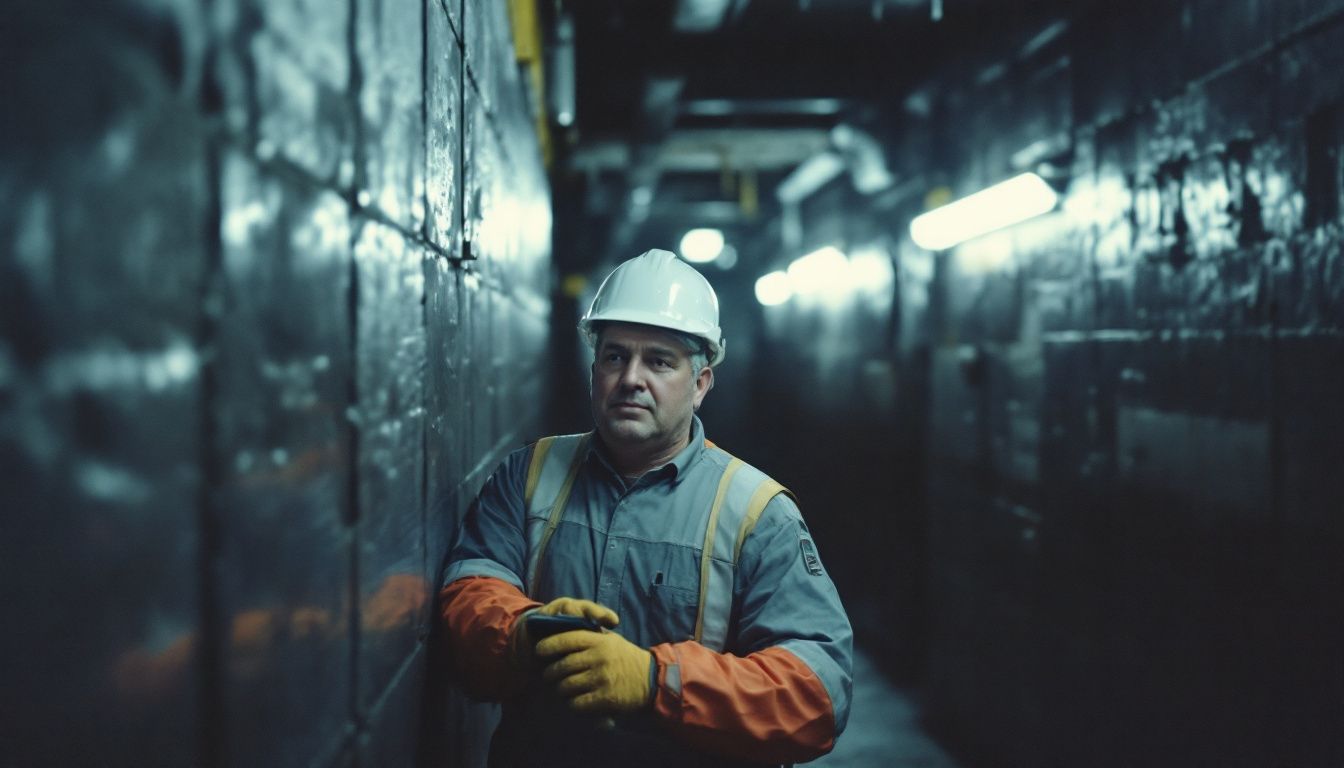
Why Asbestos Inspections Are a Key Element in Protecting Industrial Workers from Harm
Industrial workplaces carry risks that aren’t always visible to the naked eye. Asbestos — once a staple building material across UK factories, warehouses, and manufacturing facilities — remains one of the most serious occupational health hazards in existence. Asbestos inspections are a key element in protecting industrial workers from harm, and without them, the dangers lurking inside ageing structures go undetected until it’s too late.
Mesothelioma, asbestosis, and asbestos-related lung cancer claim thousands of lives in the UK every year. These diseases don’t develop overnight — they build silently over decades of exposure. That’s precisely why proactive inspection matters so much in industrial settings.
The Hidden Danger Inside Industrial Buildings
Any building constructed or refurbished before the year 2000 may contain asbestos-containing materials (ACMs). In industrial environments, those materials can be found almost anywhere: ceiling tiles, floor coverings, pipe lagging, boiler insulation, roof panels, and even electrical wiring boards.
Workers who disturb these materials — during maintenance, renovation, or emergency repairs — can unknowingly release microscopic fibres into the air. Once inhaled, those fibres embed in lung tissue and cause irreversible damage over time.
The trades most at risk include:
- Plumbers and pipefitters working around lagged pipework
- Electricians disturbing ceiling voids and partition walls
- Firefighters entering burning structures where ACMs are present
- Construction workers on refurbishment and demolition projects
- Maintenance engineers in older industrial facilities
Regular inspections identify where ACMs exist and what condition they’re in — giving employers the information they need to protect their workforce before any disturbance takes place.
What Asbestos Inspections Actually Involve
An asbestos inspection isn’t simply a visual walkthrough. A qualified surveyor will systematically assess the premises, locate suspected ACMs, and take samples for laboratory analysis. The results feed directly into an asbestos register and management plan — both of which are legal requirements for most non-domestic premises.
Types of Survey Used in Industrial Settings
There are two primary survey types used in industrial environments, each serving a different purpose.
Management surveys are the baseline. They identify ACMs in areas that are likely to be accessed during normal occupancy and routine maintenance. This type of survey informs the asbestos management plan and helps prioritise risk.
Refurbishment and demolition surveys go deeper — literally. They involve intrusive inspection of areas that will be disturbed during building work. These are mandatory before any significant refurbishment or demolition activity begins.
In addition to these, a re-inspection survey is required periodically to monitor the condition of known ACMs. If asbestos is already recorded in your register but hasn’t been removed, it must be checked regularly to ensure it hasn’t deteriorated or been disturbed.
The Role of Asbestos Testing
When a surveyor identifies a suspected ACM, samples are collected and sent for laboratory analysis. This is where asbestos testing plays a critical role — confirming whether a material actually contains asbestos fibres and identifying the specific type present.
Different asbestos types carry different risk levels. Crocidolite (blue asbestos) and amosite (brown asbestos) are considered the most dangerous due to the shape and durability of their fibres. Chrysotile (white asbestos), while still hazardous, was the most commonly used in UK buildings. Knowing what you’re dealing with directly influences how it should be managed or removed.
Legal Duties: What the Regulations Require
The Control of Asbestos Regulations set out clear legal duties for those responsible for non-domestic premises. Compliance isn’t optional — it’s a legal obligation that carries serious consequences when ignored.
The Duty to Manage
Under the regulations, the ‘duty holder’ — typically the employer, building owner, or facilities manager — must take reasonable steps to find out whether ACMs are present, assess their condition, and manage the risk they pose. This involves:
- Commissioning a suitable asbestos survey
- Maintaining an up-to-date asbestos register
- Producing and implementing an asbestos management plan
- Ensuring the plan is reviewed and kept current
- Informing anyone who may disturb ACMs of their location and condition
HSE guidance, including HSG264, provides detailed technical direction on how surveys should be conducted and recorded. Surveyors working to this standard will provide results that satisfy regulatory requirements.
RIDDOR Reporting Obligations
If a worker is exposed to asbestos in the workplace — or if an asbestos-related incident occurs — this must be reported to the HSE under the Reporting of Injuries, Diseases and Dangerous Occurrences Regulations (RIDDOR). Failing to report within the required timeframe can result in enforcement action, fines, and significant legal liability.
Penalties for Non-Compliance
Businesses that fail to meet their asbestos management obligations face substantial financial penalties. Fines can reach £20,000 in magistrates’ courts, with unlimited fines and custodial sentences possible at Crown Court level for serious breaches. Beyond the financial impact, non-compliance puts workers’ lives at risk — and that’s a consequence no responsible employer should be willing to accept.
How Inspections Protect Industrial Operations
The business case for regular asbestos inspections goes well beyond legal compliance. In industrial settings, the operational and financial benefits are substantial.
Preventing Costly Disruption
Discovering asbestos unexpectedly during maintenance or refurbishment work can bring an entire operation to a standstill. Emergency containment, specialist removal, air quality testing, and regulatory notification all take time — and unplanned downtime in a manufacturing or industrial environment is expensive.
Scheduled inspections allow facility managers to plan around known ACMs, prioritise high-risk areas for managed removal, and phase maintenance work in a way that minimises disruption. Prevention is considerably cheaper than crisis management.
Supporting Maintenance Planning
An accurate asbestos register gives maintenance teams the information they need to work safely. Before any drilling, cutting, or demolition work begins, operatives can check whether ACMs are present in the affected area. This simple step prevents accidental disturbance and protects workers who may have no specialist asbestos training.
Risk assessments become more meaningful when they’re informed by real data. Inspections provide that data, enabling better decision-making at every level of facility management.
Reducing Insurance Costs
Insurers take occupational health risks seriously. Businesses that demonstrate proactive asbestos management — through documented surveys, up-to-date registers, and regular re-inspections — present a lower risk profile. This can translate directly into reduced insurance premiums and more favourable policy terms.
Conversely, businesses with poor asbestos records face higher premiums, potential policy exclusions, and greater exposure to liability claims if workers are harmed.
Emergency Procedures When Asbestos Is Discovered
Even with a robust management plan in place, unexpected asbestos discoveries do happen — particularly during renovation work in older industrial buildings. Having clear emergency procedures in place is essential.
If asbestos is suspected or discovered during work, the immediate steps should be:
- Stop all work in the affected area immediately
- Prevent access to the area using barriers and clear signage
- Avoid disturbing the material further
- Notify the responsible person within the organisation
- Contact a licensed asbestos contractor for assessment and, if necessary, removal
- Conduct air quality testing before allowing work to resume
- Report the incident to the HSE under RIDDOR if required
Workers should be trained to recognise potential ACMs and know exactly what to do if they encounter suspected asbestos. This training should be refreshed regularly — knowledge fades, and new staff need to be brought up to speed.
Asbestos Removal: When Management Isn’t Enough
Not all ACMs need to be removed immediately. Asbestos that is in good condition and unlikely to be disturbed can often be managed in place safely. However, when materials are damaged, deteriorating, or located in areas that will be subject to refurbishment, removal becomes necessary.
Licensed asbestos removal must be carried out by a contractor holding a licence from the HSE. This applies to the most hazardous types of asbestos work, including the removal of sprayed coatings, lagging, and insulating board. Attempting to remove these materials without the appropriate licence is illegal and extremely dangerous.
Following removal, a clearance certificate must be issued by an independent analyst confirming that the area is safe for reoccupation. This document should be retained as part of your asbestos records.
The Role of Technology in Modern Asbestos Inspections
Asbestos detection and management has advanced considerably in recent years. While the fundamentals of surveying remain the same, new technologies are improving accuracy, speed, and safety.
Infrared and Digital Imaging
Infrared imaging tools allow surveyors to identify anomalies within building structures without always needing to take invasive samples. Digital imaging systems produce detailed visual records of suspected ACMs, making it easier to track changes in condition over time during re-inspections.
AI-Assisted Analysis
Artificial intelligence is beginning to play a role in asbestos fibre analysis, helping laboratories process sample data more quickly and with greater consistency. Machine learning models can identify patterns in large datasets that might indicate the presence of ACMs in specific building types or construction eras — useful intelligence when planning survey scope.
These advances don’t replace the expertise of a qualified surveyor, but they do make the process faster and reduce the amount of time workers spend in potentially hazardous environments during the inspection itself.
Industrial Sectors Where Inspections Are Critical
While asbestos inspections matter across all non-domestic property types, certain industrial sectors carry particularly elevated risk.
Manufacturing
Older manufacturing facilities frequently contain asbestos in their fabric — particularly in roof panels, wall cladding, pipe insulation, and machinery housing. Workers in these environments may be exposed repeatedly over long periods, making routine inspection and monitoring essential.
Construction and Refurbishment
Construction workers are among the most at-risk groups for asbestos exposure. Refurbishment and demolition surveys are a legal requirement before significant building work begins, and asbestos testing of sampled materials is a critical part of that process. Skipping this step puts trades workers directly in harm’s way.
Utilities and Infrastructure
Power stations, water treatment works, and other utility infrastructure built in the mid-to-late twentieth century frequently contain substantial quantities of asbestos. Maintenance engineers working in these environments need clear, current information about ACM locations before any work begins.
Supernova Asbestos Surveys: Nationwide Coverage for Industrial Clients
Supernova Asbestos Surveys has completed over 50,000 surveys across the UK, working with industrial clients ranging from small manufacturing businesses to large multi-site operations. Our qualified surveyors work to HSG264 standards, providing management surveys, refurbishment and demolition surveys, re-inspection surveys, and asbestos testing services.
We cover the full length and breadth of the country. If you’re based in the capital, our asbestos survey London service is available across all boroughs and surrounding areas. For clients in the North West, our asbestos survey Manchester team covers the city and wider region. In the Midlands, our asbestos survey Birmingham service provides the same high standard of inspection and reporting.
Whatever the size or complexity of your site, we’ll provide a clear, actionable report that gives you everything you need to manage asbestos safely and compliantly.
Frequently Asked Questions
How often should asbestos inspections be carried out in industrial premises?
The frequency depends on the condition of known ACMs and the nature of the work carried out on site. Most asbestos management plans specify annual re-inspections for materials in reasonable condition, with more frequent checks for materials that are damaged or in areas of high activity. Your asbestos management plan should set out a clear schedule based on your specific risk assessment.
Do I need an asbestos survey before refurbishment work on an industrial building?
Yes. A refurbishment and demolition survey is a legal requirement before any work that will disturb the building fabric. This applies even if a management survey has already been carried out — refurbishment surveys are more intrusive and specifically designed to identify ACMs in areas that will be affected by the planned work.
Who is responsible for asbestos management in an industrial workplace?
The duty to manage asbestos falls on whoever has responsibility for maintaining the premises — typically the employer, building owner, or facilities manager. In leased premises, responsibility may be shared between landlord and tenant depending on the terms of the lease. It’s worth clarifying this in writing to ensure there are no gaps in compliance.
What happens if asbestos is found during routine maintenance work?
Work should stop immediately in the affected area. The site should be isolated, and a licensed asbestos contractor should be contacted to assess the situation. If workers may have been exposed, the incident must be reported to the HSE under RIDDOR. Air quality testing should be carried out before any work resumes in the area.
Is it safe to leave asbestos in place rather than removing it?
In many cases, yes — provided the material is in good condition and is unlikely to be disturbed. Asbestos that is encapsulated and undamaged poses a low risk when managed correctly. However, it must be recorded in the asbestos register, monitored through regular re-inspections, and clearly communicated to anyone who may work in the area. When materials deteriorate or when refurbishment is planned, removal by a licensed contractor becomes necessary.
Protect Your Workforce — Speak to Supernova Today
Asbestos inspections are a key element in protecting industrial workers from harm — and the cost of getting it wrong is measured not just in fines, but in lives. If your industrial premises haven’t been surveyed recently, or if you’re planning refurbishment work and need a survey before you begin, Supernova Asbestos Surveys can help.
Call us on 020 4586 0680 or visit asbestos-surveys.org.uk to request a quote or find out more about our services. With over 50,000 surveys completed nationwide, you can trust us to get it right.