You do not need a major incident to have been exposed to asbestos. In the UK, long-term exposure often happens quietly during maintenance, refurbishment, cleaning, or simple day-to-day occupation of older buildings. If you think you have been exposed over weeks, months, or years, the right response is calm and practical: stop further disturbance, record what happened, get medical advice where appropriate, and make sure the building is properly assessed.
That matters because asbestos-related disease can take many years to develop. The absence of immediate symptoms does not mean the exposure was harmless, and panic is not useful either. What you need is a clear plan based on the Control of Asbestos Regulations, HSG264 survey guidance, and current HSE expectations around asbestos management.
What to do first if you have been exposed to asbestos
If you may have been exposed to asbestos, your first priority is to prevent any more fibres being released or inhaled. Do not carry on working in the area, and do not try to clean up dust or debris yourself.
Well-meaning attempts to tidy up often make matters worse. Sweeping, vacuuming, drilling, cutting, or bagging debris without the right controls can spread contamination far beyond the original area.
Immediate actions to take
- Stop work straight away if suspect materials have been disturbed
- Leave the area if dust may still be airborne
- Keep other people out until the risk has been assessed
- Do not sweep, brush, or use a domestic vacuum cleaner
- Do not drill, cut, sand, scrape, or break suspect materials
- If dust is on clothing, remove the clothing carefully and bag it separately
- Wash exposed skin gently
- Report the issue to the employer, landlord, site manager, or dutyholder
- Make a written note of what happened while the details are fresh
If the material is still in place and you do not know what it is, do not guess. Arrange a professional inspection by a competent asbestos surveyor. If the property is in the capital, booking an asbestos survey London service is a practical way to confirm whether asbestos-containing materials are present and what should happen next.
How dangerous is it to be exposed to asbestos?
Not every person exposed to asbestos faces the same level of risk. The danger depends on how much fibre was released, how often exposure happened, what material was involved, and whether it was damaged or disturbed.
Asbestos is most hazardous when fibres become airborne and are inhaled. Intact and sealed materials may present a lower immediate risk than friable products such as lagging, sprayed coatings, or damaged asbestos insulating board.
Factors that affect risk
- Duration: repeated or prolonged exposure is generally more concerning than a one-off low-level event
- Material type: friable materials release fibres more easily than bonded products such as some asbestos cement items
- Condition: cracked, broken, or deteriorating materials are more likely to release fibres
- Activity: refurbishment, demolition, maintenance, and cleaning can disturb asbestos
- Location: enclosed areas with poor ventilation can increase fibre concentration
- Controls: lack of isolation, wetting, containment, and trained contractors can increase exposure risk
If you have been exposed to asbestos once, it does not automatically mean you will develop illness. Equally, repeated low-level exposure should never be brushed aside. Treat any credible exposure seriously and get proper advice.
Where people are commonly exposed to asbestos in UK buildings
People are often exposed to asbestos without realising it at the time. That is because asbestos was used widely in building materials across many types of premises, particularly older commercial, industrial, public, and residential stock.
Property managers, landlords, contractors, caretakers, and maintenance teams are especially likely to come across it during repair or alteration work. Occupants can also be exposed if materials have deteriorated or been damaged by previous works.
Common asbestos-containing materials
- Pipe lagging and thermal insulation
- Asbestos insulating board in partitions, ceiling tiles, and service risers
- Sprayed coatings and fire protection materials
- Textured coatings and decorative finishes
- Asbestos cement roof sheets, wall panels, soffits, and garage roofs
- Floor tiles, bitumen adhesives, and backing materials
- Boiler cupboards, toilet cisterns, and old fire doors
- Gaskets, ropes, and insulation around plant and machinery
If you manage premises in the North West, arranging an asbestos survey Manchester inspection before maintenance starts can prevent accidental disturbance. The same applies in the Midlands, where an asbestos survey Birmingham appointment can help dutyholders identify risks before contractors begin work.
Medical steps after being exposed to asbestos
If you have been exposed to asbestos over an extended period, speak to your GP or occupational health provider. They may not arrange specialist tests immediately in every case, but they can record your exposure history, review symptoms, and decide whether monitoring or referral is appropriate.
Be specific when you describe what happened. Explain where the exposure occurred, how long it lasted, what work was being done, whether dust was visible, and whether the material was later identified.
Symptoms that should prompt medical advice
Many asbestos-related conditions do not cause early symptoms. Even so, seek medical attention if you have a known exposure history and notice:
- Persistent cough
- Shortness of breath
- Chest pain or tightness
- Wheezing
- Unexplained fatigue
- Unexplained weight loss
These symptoms do not automatically mean asbestos disease. They do mean you should not delay getting checked.
What a doctor may consider
- A detailed occupational and exposure history
- Review of current symptoms and general respiratory health
- Lung function testing where clinically appropriate
- Chest imaging such as X-rays or CT scans if indicated
- Referral to a respiratory specialist if needed
If the exposure was work-related, ask whether occupational health records exist and keep copies of any letters, referrals, and results. Good records can be useful later, even if no immediate illness is identified.
Record everything if you have been exposed to asbestos
When someone has been exposed to asbestos, details matter. Exposure cases are often reviewed years later, so relying on memory is risky.
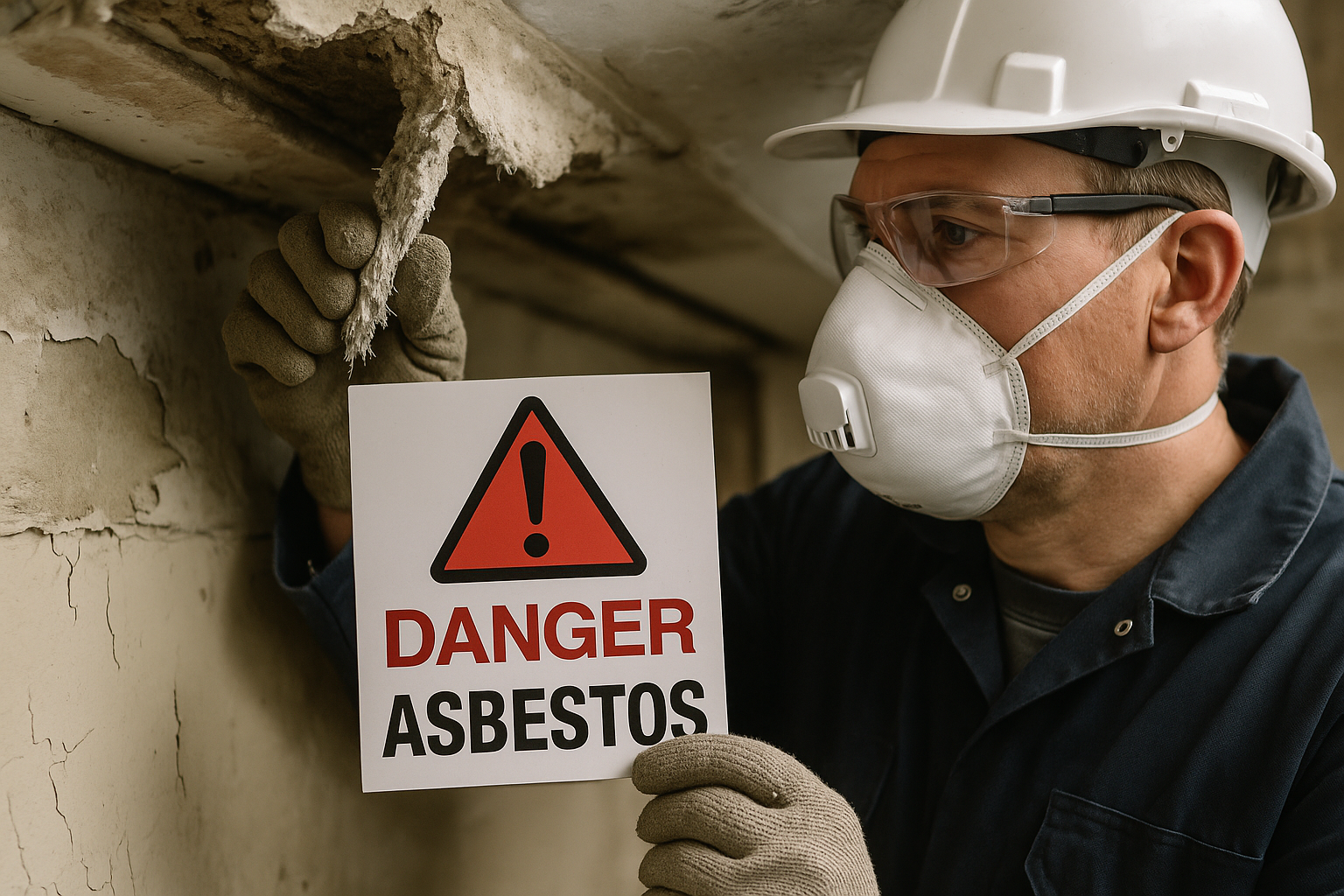
A clear written record can support medical follow-up, internal investigations, insurance notifications, and any future legal claim. If you are responsible for the building, it also helps you review whether your asbestos management arrangements were adequate.
What to document
- Date or approximate period of exposure
- Property address and exact location in the building
- What material was disturbed or suspected
- What task was taking place at the time
- Whether dust or debris was visible
- How often the exposure may have happened
- Names of employers, contractors, supervisors, or witnesses
- Photographs, permits, site logs, emails, or text messages
- Any symptoms noticed afterwards
If the incident happened at work, ask for a copy of the accident report or internal notification. If you are a tenant, notify the landlord or managing agent in writing and keep a copy of that correspondence.
Legal duties when people may be exposed to asbestos
In the UK, asbestos management is governed by the Control of Asbestos Regulations. These regulations place duties on employers, dutyholders, and those responsible for maintenance and repair to identify asbestos, assess the risk, and prevent people from being exposed to asbestos unnecessarily.
Surveying should follow the approach set out in HSG264, which is the recognised guidance for asbestos surveys. Wider HSE guidance explains expectations around asbestos management, training, licensed work, and safe systems of work.
What dutyholders and employers should do
- Identify whether asbestos-containing materials are present
- Keep an up-to-date asbestos register where required
- Assess the condition and risk of known materials
- Share asbestos information with anyone liable to disturb it
- Plan maintenance, refurbishment, and demolition safely
- Use trained and competent professionals for survey, sampling, and removal
- Review the asbestos management plan after any incident
If those steps are missed, workers, contractors, and occupants can be exposed to asbestos without warning. That creates health risks, operational disruption, and potential legal liability.
What property managers and landlords should do next
If you are responsible for a building, speed and structure matter. Once there is reason to believe someone has been exposed to asbestos, you need to protect people, preserve evidence, and bring in competent specialists.
Delays can increase risk and make the incident harder to investigate properly. A calm, documented response is usually the safest route.
Practical action plan for responsible persons
- Stop any work in the affected area immediately
- Restrict access and prevent further disturbance
- Check the asbestos register and previous survey reports
- Arrange inspection, sampling, or the correct type of survey
- Inform contractors, staff, tenants, or occupiers who may be affected
- Record what action has been taken and by whom
- Review whether your asbestos management arrangements were adequate
- Update procedures before work restarts
If no asbestos information exists for an older non-domestic building, treat that as a serious gap. The absence of records does not mean the absence of asbestos.
How to prevent further exposure after asbestos is suspected
The wrong response is often the most common one: someone tries to deal with the material quickly using general maintenance staff or builders. That can turn a local issue into wider contamination.
The safer approach is to leave suspect materials alone until they have been assessed by a competent professional. In some cases, asbestos can be managed in place if it is in good condition and unlikely to be disturbed. In other cases, repair, encapsulation, or asbestos removal will be the right option.
Do not do this yourself
- Do not drill into suspect walls, ceilings, or panels
- Do not sand textured coatings or old adhesive residues
- Do not break asbestos cement sheets unnecessarily
- Do not use standard vacuum cleaners on dust or debris
- Do not place asbestos waste in general rubbish
- Do not ask untrained staff to clear the area
Safer next steps
- Isolate the area if practical
- Arrange professional sampling or surveying
- Use licensed contractors where the work requires it
- Ensure waste is handled, transported, and disposed of correctly
- Keep records of all reports, recommendations, and remedial work
Can you claim compensation if you have been exposed to asbestos?
Possibly. Whether compensation is available depends on the facts: where the exposure happened, who was responsible, whether proper controls were missing, and whether illness has developed.
If you were exposed to asbestos at work because risks were not identified or managed properly, specialist legal advice is sensible. Claims may involve employers, occupiers, landlords, or others with responsibility for the premises or work activity.
Useful steps if you are considering a claim
- Keep employment records and payslips if the exposure was work-related
- Write down names of colleagues who can confirm the conditions
- Retain medical letters, referrals, and test results
- Keep photographs, emails, survey reports, and site records
- Seek advice from a solicitor experienced in asbestos-related claims
Even if you currently feel well, preserving evidence is wise where the exposure may have been significant or prolonged. Documents are far easier to keep now than to recover later.
Long-term monitoring after being exposed to asbestos
One of the most difficult aspects of being exposed to asbestos is uncertainty. People often expect immediate symptoms or a quick medical answer, but asbestos-related conditions usually develop over a long period.
That means long-term monitoring is often about staying alert, keeping records, and making sure your GP knows about the exposure history. You do not need to live in a state of alarm, but you should take the issue seriously.
Practical long-term steps
- Keep a personal file with all exposure notes, survey reports, and medical correspondence
- Tell your GP about the exposure history, even if you feel well
- Attend any follow-up appointments offered
- Report new respiratory symptoms promptly
- If exposure happened at work, ask for copies of any occupational health records
For employers and dutyholders, long-term monitoring also means reviewing how the incident happened. If someone has been exposed to asbestos because the register was out of date, the survey was missing, or contractors were not informed, those failings need to be corrected before work continues elsewhere on site.
How surveys help prevent people being exposed to asbestos
The best way to deal with asbestos exposure is to prevent it happening in the first place. That starts with the right survey, carried out by a competent asbestos surveying company.
Under HSG264, the type of survey depends on what you are planning to do with the building. A management survey helps locate, as far as reasonably practicable, the presence and condition of asbestos-containing materials that could be disturbed during normal occupation or routine maintenance. A refurbishment or demolition survey is needed before more intrusive work starts.
When a survey is especially important
- Before refurbishment works
- Before demolition
- Before major maintenance projects
- When taking over management of an older building
- When no reliable asbestos information is available
- When suspect materials have been damaged
If you manage multiple properties, do not assume one report covers every building or every future project. Survey scope, access, and planned works matter. A report that was suitable for routine occupation may not be suitable before intrusive refurbishment.
Common mistakes after suspected asbestos exposure
When people are worried they may have been exposed to asbestos, they often make the same avoidable mistakes. These errors can increase contamination, weaken records, or create legal problems later.
Mistakes to avoid
- Carrying on with work to finish the job quickly
- Trying to identify materials by eye without testing
- Cleaning debris with a domestic vacuum or brush
- Failing to report the incident in writing
- Assuming there is no risk because symptoms are absent
- Relying on old or incomplete asbestos records
- Using general trades rather than competent asbestos specialists
If you are a property manager, one of the biggest mistakes is poor communication. Contractors, maintenance staff, and tenants need clear information about restricted areas, next steps, and when it is safe to re-enter.
Frequently Asked Questions
What should I do immediately if I think I have been exposed to asbestos?
Stop work, leave the area if dust may still be airborne, and prevent other people entering. Do not clean up debris yourself. Report the issue to the responsible person and arrange a professional asbestos assessment.
Does being exposed to asbestos mean I will become ill?
No. Being exposed to asbestos does not automatically mean you will develop an asbestos-related disease. Risk depends on factors such as duration, frequency, material type, condition, and how much fibre was released. Even so, any credible exposure should be taken seriously.
Should I see a doctor after being exposed to asbestos?
If the exposure was prolonged, repeated, or involved visible dust, speak to your GP or occupational health provider. They can record your exposure history, review symptoms, and decide whether any follow-up is needed.
Who is responsible for preventing asbestos exposure in a building?
Responsibility depends on the premises and the work being done, but dutyholders, employers, landlords, managing agents, and those responsible for maintenance all have legal duties under the Control of Asbestos Regulations to identify asbestos risks and prevent unnecessary exposure.
When is asbestos removal necessary?
Removal is not always required. Some asbestos-containing materials can be managed in place if they are in good condition and unlikely to be disturbed. Removal is more likely to be necessary when materials are damaged, deteriorating, or in the way of planned works.
If you are concerned that someone in your building has been exposed to asbestos, Supernova Asbestos Surveys can help with surveys, sampling, and practical advice on the next steps. We work nationwide and support landlords, property managers, employers, and contractors with fast, compliant asbestos services. Call 020 4586 0680 or visit asbestos-surveys.org.uk to arrange expert support.