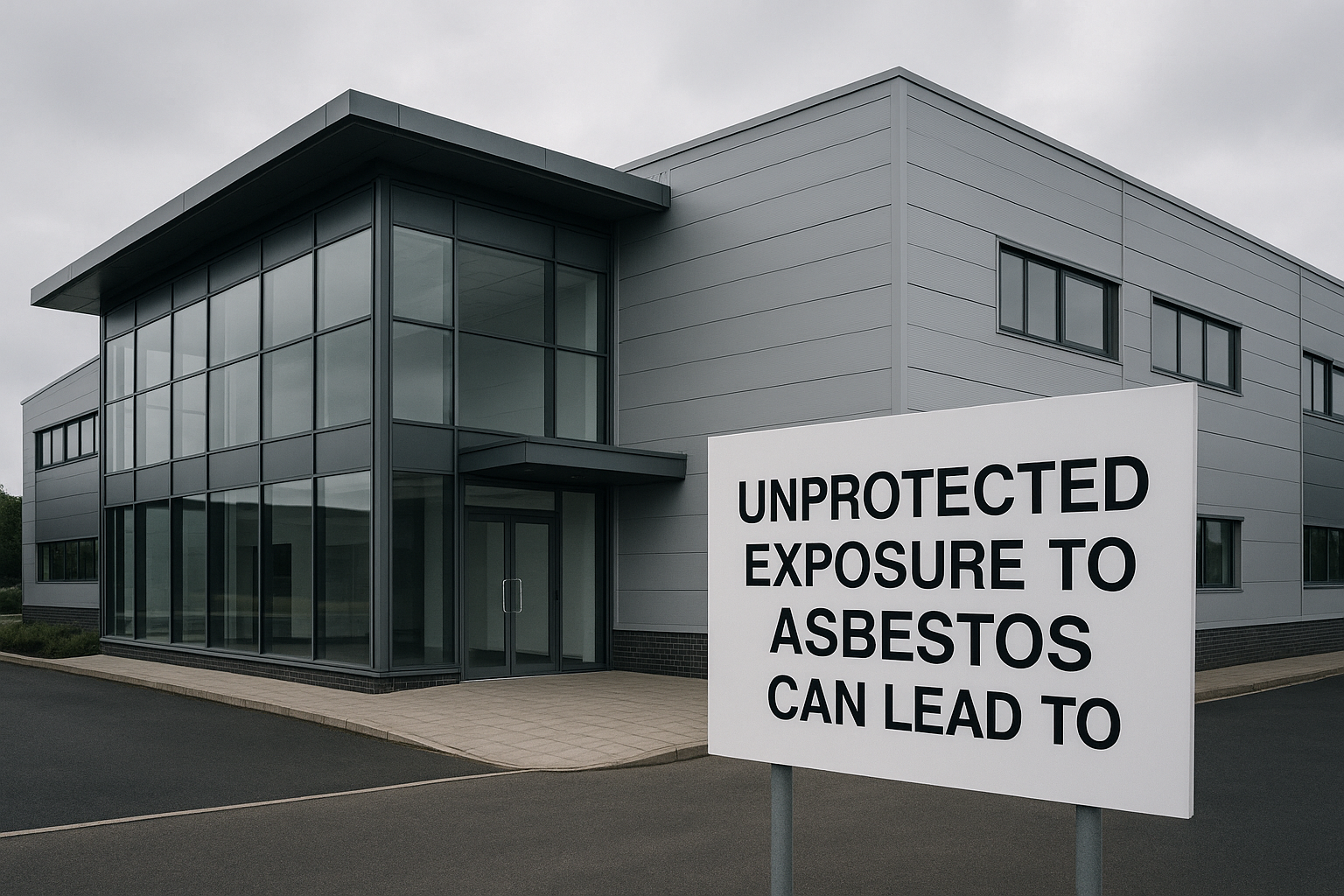
Unprotected exposure to asbestos can lead to life-changing illness, and the danger often goes unnoticed until many years after the fibres were first inhaled. For landlords, facilities managers, property professionals and anyone responsible for older buildings, that is not a distant health issue. It is a day-to-day compliance risk that needs proper control.
Asbestos does not usually announce itself. It can sit inside ceiling voids, wall panels, floor coverings, pipe lagging and textured coatings for years, then release microscopic fibres when disturbed during maintenance, refurbishment or demolition. Once those fibres are airborne, they can be inhaled deeply into the lungs and remain there for decades.
The practical message is simple: do not guess, do not disturb suspect materials, and do not let contractors start intrusive work without the right information. If you manage a building, your decisions now affect the health of occupants, tradespeople and your own legal position later.
Why unprotected exposure to asbestos can lead to serious long-term harm
The reason asbestos is so dangerous comes down to fibre size and persistence. When asbestos-containing materials are cut, drilled, broken, sanded or allowed to deteriorate, tiny fibres can be released into the air. They are too small to see with the naked eye, and once inhaled, the body struggles to remove them.
Over time, those fibres may cause inflammation, scarring and cellular damage. That is why unprotected exposure to asbestos can lead to disease many years after the original contact took place. The delay between exposure and illness is one of the biggest reasons asbestos remains such a serious issue in property management.
Risk is influenced by several factors:
- How often exposure happened
- How long each exposure lasted
- The type of asbestos present
- The condition of the material
- Whether fibres were actually released into the air
- Whether suitable controls and respiratory protection were in place
- Individual health factors, including smoking history
From a building perspective, the key issue is not simply whether asbestos exists. It is whether it can be disturbed. Material in good condition may sometimes be managed in place, but damaged or vulnerable material needs prompt professional assessment.
Health conditions unprotected exposure to asbestos can lead to
When people ask what unprotected exposure to asbestos can lead to, cancer is usually the first concern. That concern is justified, but it is not the only outcome. Asbestos can also cause serious non-cancerous lung and pleural disease.
Mesothelioma
Mesothelioma is a cancer affecting the lining of the lungs or, less commonly, the lining of the abdomen. It is strongly associated with asbestos exposure. One of the most difficult aspects is the latency period, because symptoms may not appear until many years after exposure.
Symptoms that should be medically investigated include:
- Shortness of breath
- Persistent chest pain
- A worsening cough
- Fatigue
- Unexplained weight loss
These symptoms are not exclusive to mesothelioma, but they should never be ignored where there is a known exposure history.
Lung cancer
Unprotected exposure to asbestos can lead to lung cancer, particularly where exposure has been repeated or substantial. Smoking further increases the risk, making prevention even more important for employers and dutyholders.
If contractors are working in an older building, preventing fibre release is far more effective than trying to deal with the consequences later. That means identifying asbestos before work starts, not after damage has already occurred.
Asbestosis
Asbestosis is a chronic lung disease caused by scarring of lung tissue after significant asbestos exposure. It is not cancer, but it can be progressive and severely limiting.
Common symptoms include:
- Breathlessness, especially during activity
- A persistent dry cough
- Chest tightness
- Reduced exercise tolerance
- Long-term decline in breathing capacity
The scarring caused by asbestosis cannot be reversed. Early medical assessment and avoiding any further exposure are essential.
Pleural plaques and diffuse pleural thickening
Asbestos can also affect the pleura, the membrane around the lungs. Pleural plaques are localised areas of thickening that indicate past exposure. They may not cause symptoms on their own, but they are still a recognised sign that exposure has occurred.
Diffuse pleural thickening is more extensive and may restrict lung expansion. That can lead to breathlessness and reduced lung function, particularly over time.
Who is most at risk from repeated asbestos exposure
Anyone can be exposed if asbestos is poorly managed, but some groups face much higher risk because of the type of work they do or the buildings they occupy.

Workers in high-risk trades
Historically, many asbestos exposures happened in construction and maintenance environments. The same risk remains today where older buildings are worked on without proper surveys and controls.
Higher-risk roles include:
- Construction workers
- Refurbishment contractors
- Demolition teams
- Electricians
- Plumbers and heating engineers
- Joiners and carpenters
- Roofers
- Maintenance staff
- Ventilation and ductwork engineers
- Industrial and plant workers
These trades are more likely to disturb asbestos insulating board, lagging, floor tiles, textured coatings, cement products and other hidden materials.
Occupants of older buildings
Asbestos risk is not limited to contractors. Occupants can be exposed if damaged materials are left in place without monitoring, or if poor-quality maintenance releases fibres into occupied areas.
This matters in offices, schools, shops, warehouses, communal residential areas and public buildings. If your premises are older, asbestos management should be part of routine building safety, not an afterthought.
Family members and secondary exposure
Unprotected exposure to asbestos can lead to harm beyond the original workplace. Historically, fibres were sometimes carried home on clothing, tools and footwear. That is one reason proper decontamination and controlled handling procedures matter so much during licensed and non-licensed asbestos work.
People near unsafe refurbishment or demolition work
Refurbishment and demolition create some of the highest asbestos risks because hidden materials are far more likely to be disturbed. If intrusive works are planned, a pre-work survey is essential.
For occupied premises and routine maintenance, a management survey helps identify asbestos-containing materials that could be disturbed during normal use. Before major structural work, a demolition survey is needed to locate materials likely to be affected by intrusive works.
Common symptoms after repeated asbestos exposure
Symptoms usually do not appear quickly. That long delay is exactly why exposure records, survey reports and maintenance histories matter so much. If someone has had repeated or significant contact with asbestos, they should not wait for symptoms to become severe before seeking advice.
Symptoms that warrant medical attention include:
- A persistent cough
- Wheezing
- Shortness of breath
- Chest pain or chest tightness
- Unexplained tiredness
- Unintentional weight loss
- Recurring chest infections
None of these symptoms prove an asbestos-related disease. They do mean the person should speak to their GP and explain their exposure history clearly, including the type of work carried out, the buildings involved and how long the exposure may have lasted.
For employers and dutyholders, there is a practical lesson here. Keep records properly. Good documentation can support medical investigation later and show that asbestos risks were being managed in line with legal duties.
How asbestos-related disease is diagnosed and monitored
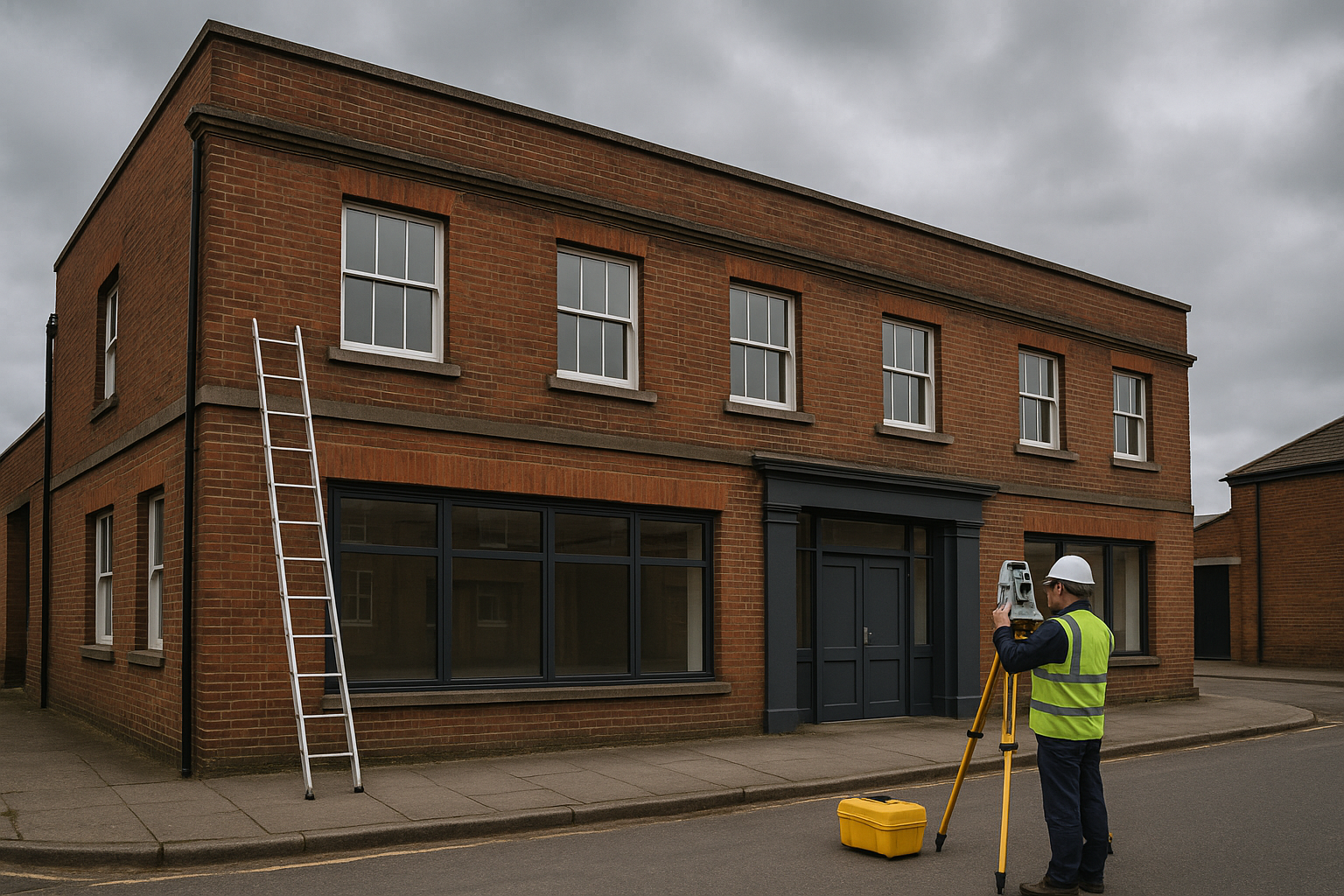
Diagnosis is a medical matter, but property managers should understand the process because accurate building and exposure records can be highly relevant.
Exposure history
Clinicians will often begin by asking where, when and how exposure may have happened. That could include job roles, building names, maintenance tasks, refurbishment works and known contact with asbestos-containing materials.
Imaging tests
Chest X-rays and CT scans are commonly used to look for lung scarring, pleural changes or suspicious growths. Imaging can help identify patterns consistent with asbestos-related disease, although further testing may still be needed.
Lung function tests
These tests assess how well the lungs are working. They are especially relevant where breathlessness or suspected asbestosis is involved.
Biopsy and specialist review
Where cancer is suspected, a biopsy may be required to confirm the diagnosis. Respiratory specialists and oncology teams then decide on treatment and monitoring.
From a compliance point of view, the lesson is clear. Under the Control of Asbestos Regulations, those responsible for non-domestic premises must identify asbestos where required, assess the risk, and prevent exposure. Survey work should align with HSG264 and relevant HSE guidance.
What building owners and dutyholders should do right now
If unprotected exposure to asbestos can lead to severe illness, the sensible response is prevention. In practice, that means identifying asbestos, assessing risk, planning work properly and using competent professionals.
1. Establish whether asbestos is present
If your building was constructed or refurbished when asbestos-containing materials were commonly used, do not rely on assumption. Arrange the correct survey for the premises and the type of work planned.
Choose the survey type based on the situation:
- Management survey for normal occupation and routine maintenance
- Refurbishment or demolition survey before intrusive building work
Survey choice matters because the scope, level of intrusion and purpose are different. Getting this wrong can leave hidden asbestos undiscovered until work has already started.
2. Keep an asbestos register up to date
For non-domestic premises, the duty to manage asbestos is a core legal requirement. Your asbestos register should show where asbestos-containing materials are known or presumed to be, their condition, and what controls are in place.
Review it regularly. A register that is years out of date is not much use when a contractor is about to drill into a wall.
3. Maintain a workable asbestos management plan
Your plan should not sit in a file unread. It needs to set out who is responsible, how materials will be monitored, how contractors will be informed, and what action will be taken if damage is found.
A practical asbestos management plan should include:
- Named responsibilities
- Inspection frequencies
- Procedures for reporting damage
- Contractor communication steps
- Emergency arrangements if asbestos is disturbed
4. Brief contractors before they start
One of the most common failures in asbestos management is poor communication. Contractors need access to the asbestos register and relevant survey information before work begins, not halfway through the job.
Ask direct questions:
- Have they reviewed the asbestos information?
- Will their work disturb any known or presumed asbestos-containing materials?
- Do they need further sampling or a more intrusive survey first?
- Are their control measures suitable for the task?
5. Stop work immediately if suspect material is found
If a material looks suspicious and has not been assessed, work should stop. The area should be kept clear and competent asbestos professionals should be contacted to inspect and, where appropriate, sample the material.
Do not sweep debris, vacuum it with ordinary equipment or allow trades to carry on while someone “has a quick look”. That is how avoidable exposure happens.
6. Plan refurbishment and demolition properly
Intrusive work needs intrusive information. Before strip-out, structural alteration or demolition, the correct survey must be completed so hidden asbestos can be identified in advance.
This is especially important in mixed-use sites, older commercial units and buildings with a long maintenance history where undocumented alterations may have concealed asbestos-containing materials.
How asbestos is commonly found in buildings
Property managers often think of asbestos as pipe lagging in plant rooms, but it was used much more widely than that. It can appear in both obvious and less obvious places.
Common examples include:
- Asbestos insulating board
- Pipe lagging
- Ceiling tiles
- Textured coatings
- Floor tiles and adhesives
- Roof sheets and wall cladding
- Soffits and gutters
- Boiler insulation
- Fire doors and panels
- Service risers and ducts
The condition of the material and the likelihood of disturbance are what matter most. A cement roof sheet in good condition presents a different level of immediate risk from damaged insulating board in a service cupboard used by contractors every week.
Practical steps to reduce asbestos risk on site
Good asbestos management is not complicated, but it does require consistency. Small failures in communication or record keeping can create major problems once work starts.
Use this checklist as a baseline:
- Check whether the building already has an asbestos survey
- Confirm the survey is the correct type for the planned work
- Review the asbestos register before maintenance begins
- Label or otherwise clearly identify known asbestos risks where appropriate
- Train staff to report damaged materials immediately
- Share asbestos information with contractors in advance
- Arrange reinspection of known asbestos-containing materials
- Keep records of inspections, actions and contractor briefings
If you manage multiple sites, standardise your process. Use the same pre-start checks, contractor sign-off procedure and escalation route for suspect materials across the portfolio.
Location-specific asbestos survey support
Wherever your property is based, local access to competent surveyors makes planning easier and reduces delays. If you need support in the capital, you can arrange an asbestos survey London service before maintenance or project work begins.
For sites in the North West, an asbestos survey Manchester service can help identify asbestos-containing materials before contractors attend. If your property is in the Midlands, an asbestos survey Birmingham service gives you the information needed to manage risk properly.
The main point is not geography. It is timing. Surveys should be arranged before work starts, not after an unexpected discovery has already disrupted the site.
Why early action matters
Unprotected exposure to asbestos can lead to consequences that are irreversible, but exposure itself is often preventable. Most serious failures happen because nobody checked the existing asbestos information, the wrong survey was used, or contractors were allowed to begin work without clear instruction.
Acting early gives you options. You can assess materials properly, sequence work safely, brief contractors, protect occupants and keep your compliance position in order. Leave it too late, and decisions become reactive, expensive and far harder to control.
If you are responsible for an older building, the safest approach is straightforward: identify asbestos, record it, monitor it, and make sure nobody disturbs it without the right controls.
Frequently Asked Questions
Can a single exposure to asbestos be dangerous?
Any asbestos exposure should be taken seriously, because risk depends on the type of material, the amount of fibre released and how long the exposure lasted. Repeated or heavy exposure is generally associated with greater risk, but no unprotected exposure should be dismissed without proper assessment.
What should I do if asbestos is accidentally disturbed?
Stop work immediately, keep people out of the area, and avoid sweeping or using standard vacuums. Isolate the space as far as possible and contact a competent asbestos professional for advice, inspection and any necessary sampling or remediation.
Do all older buildings contain asbestos?
No, but many older buildings contain asbestos-containing materials or have areas where asbestos should be presumed until proven otherwise. The only reliable way to know is through the correct survey and, where needed, sampling by competent professionals.
What is the difference between a management survey and a demolition survey?
A management survey is used to locate asbestos-containing materials that could be disturbed during normal occupation and routine maintenance. A demolition survey is far more intrusive and is required before demolition or similarly destructive work so hidden asbestos can be identified before the structure is disturbed.
Who is responsible for managing asbestos in a non-domestic building?
Responsibility usually sits with the dutyholder under the Control of Asbestos Regulations. That may be the owner, landlord, managing agent or another party with responsibility for maintenance and repair. The exact arrangement depends on who controls the premises and the relevant contractual duties.
If you need clear, reliable asbestos advice, Supernova Asbestos Surveys can help with survey planning, inspections and support for properties across the UK. Call 020 4586 0680 or visit asbestos-surveys.org.uk to book the right survey for your building.