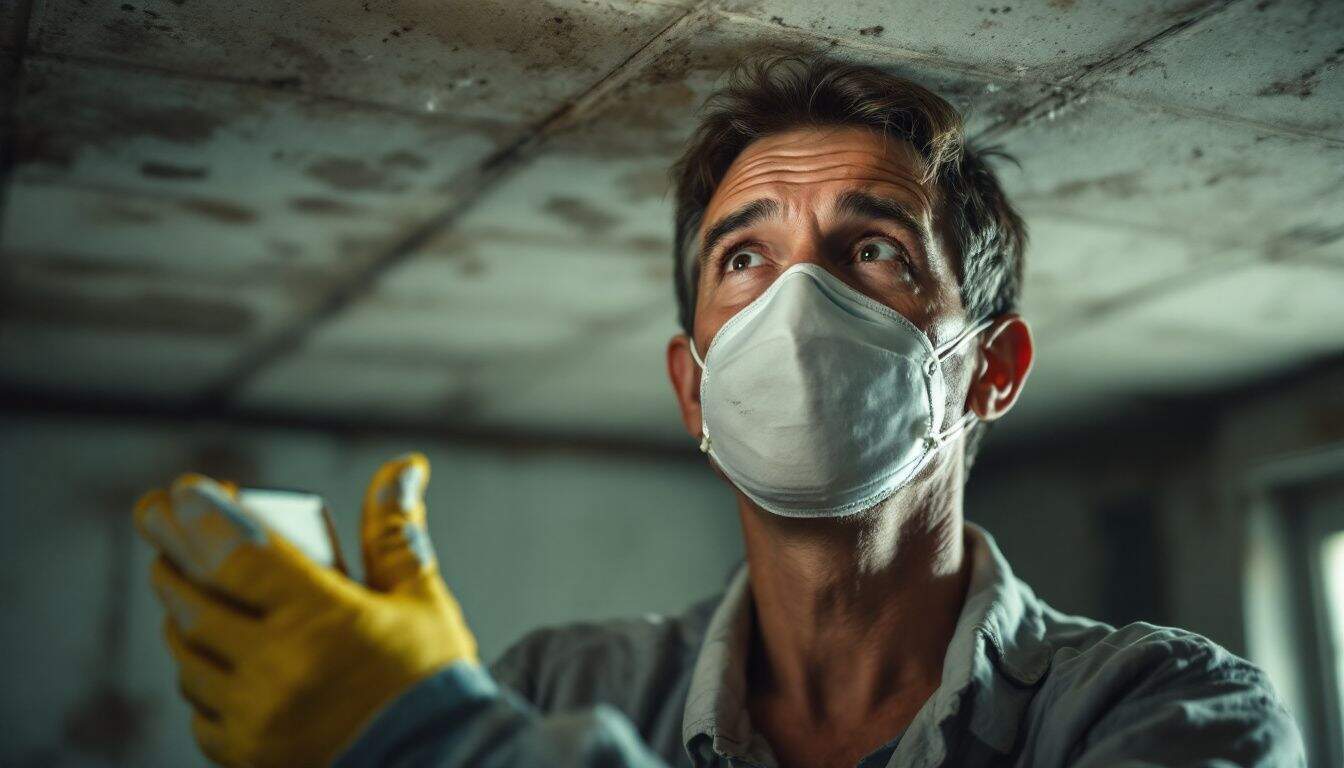
What Older Buildings Are Still Doing to Your Health — And Why Nadis Asbestos Risks Remain Very Real
Millions of people across the UK live and work in buildings constructed before asbestos was banned. Many of those buildings still contain asbestos-containing materials (ACMs) tucked inside walls, beneath floors, above ceilings, and wrapped around pipework — often undisturbed for decades, but never entirely without risk.
Understanding nadis asbestos risks, how older building stock contributes to long-term health problems, and what your legal obligations actually are is something every property manager, landlord, and building occupant should take seriously. This is not a historical problem that has been neatly resolved.
People are still being diagnosed with asbestos-related diseases today as a direct result of exposures that happened 20, 30, or even 40 years ago. The long latency period between exposure and diagnosis means the full human cost of past asbestos use is still unfolding across UK communities right now.
Where Asbestos Hides in Older Buildings
Asbestos was used extensively in UK construction throughout the 20th century. Its fire resistance, durability, and insulating properties made it an attractive material across a huge range of building applications.
If your building was constructed or refurbished before the year 2000, there is a realistic chance asbestos is present somewhere within the fabric of that structure.
Common Asbestos-Containing Materials
ACMs turn up in more places than most people expect. Knowing what to look for is the first step in managing the risk effectively:
- Pipe and boiler insulation — lagging on heating systems was one of the most widespread uses of asbestos in older properties
- Ceiling tiles and textured coatings — Artex and similar spray-applied finishes frequently contained asbestos fibres
- Vinyl floor tiles and adhesives — both the tiles themselves and the black mastic adhesive beneath them commonly tested positive
- Asbestos cement products — corrugated roofing sheets, guttering, soffits, and fascias made from asbestos cement were widely used in domestic and commercial buildings
- Fireproofing boards and sprayed coatings — applied to structural steelwork in commercial and industrial buildings
- Plaster and joint compounds — some formulations included asbestos to improve workability and fire resistance
- Electrical insulation — certain switchgear, fuse boxes, and wiring components contained asbestos to manage heat
- Gaskets and seals — found inside heating systems, boilers, and industrial machinery
The presence of any of these materials does not automatically mean danger. Asbestos that is in good condition and left undisturbed generally poses a low risk. The danger increases significantly when materials are damaged, deteriorating, or disturbed during maintenance or refurbishment work.
Recognising Signs of Deterioration
Deteriorating ACMs are a more urgent concern than intact ones. Visible warning signs include crumbling or flaking surfaces, sagging ceiling tiles, cracks in asbestos cement sheets, and worn or damaged pipe lagging.
Water damage can accelerate deterioration considerably. If you spot any of these signs, do not attempt to investigate further yourself — contact a qualified asbestos surveyor before any disturbance occurs. Early professional assessment is far cheaper than dealing with a contamination incident after the fact.
How Asbestos Is Identified and Tested
Suspecting asbestos is present is not the same as confirming it. Proper identification requires a structured approach that combines visual inspection with laboratory analysis.
Professional Visual Inspections
A qualified asbestos surveyor will carry out a systematic inspection of the building, examining suspect materials and recording their location, condition, and accessibility. This forms the basis of an asbestos register — a legal requirement for non-domestic premises under the Control of Asbestos Regulations.
Surveyors are trained to identify ACMs that would not be obvious to an untrained eye. They also assess the risk posed by each material based on its condition, the likelihood of disturbance, and the number of people who could be affected.
Laboratory Sampling and Analysis
Where materials are suspected to contain asbestos, bulk samples are taken and sent to an accredited laboratory for analysis. Polarised light microscopy (PLM) is the standard technique for bulk samples, while transmission electron microscopy (TEM) is used for air monitoring and fibre counting where a higher level of precision is required.
Air monitoring may also be carried out after disturbance or removal work to confirm that fibre levels have returned to background concentrations. This is a critical step in ensuring an area is safe for reoccupation.
All sampling and analysis should be conducted in line with HSE guidance and HSG264, which sets out the methodology for asbestos surveys in non-domestic premises. For domestic properties, the same principles apply even where the formal regulatory framework differs slightly.
The Long-Term Health Risks of Asbestos Exposure
Asbestos causes disease by releasing microscopic fibres into the air. When inhaled, these fibres become lodged in lung tissue and the lining of the chest cavity. The body cannot break them down, and over time they cause scarring, inflammation, and cellular damage that can lead to life-threatening illness.
What makes nadis asbestos exposure particularly dangerous is the long latency period between exposure and diagnosis. Many people who are ill today were exposed during work or home renovation projects that took place decades ago.
Asbestosis
Asbestosis is a chronic lung disease caused by the scarring of lung tissue following prolonged asbestos exposure. It causes progressive breathlessness, a persistent cough, and reduced lung function. There is no cure — management focuses on slowing progression and relieving symptoms.
Asbestosis is most commonly associated with heavy occupational exposure, such as that experienced by insulation workers, shipbuilders, and those working in asbestos manufacturing. However, lower-level exposures over extended periods can also contribute to its development.
Mesothelioma
Mesothelioma is a cancer that affects the lining of the lungs (pleural mesothelioma) or, less commonly, the lining of the abdomen. It is almost exclusively caused by asbestos exposure.
The latency period is typically between 20 and 50 years, which means many people are diagnosed in later life, long after the original exposure occurred. Mesothelioma carries a very poor prognosis, and the UK continues to record significant numbers of diagnoses each year — a direct reflection of exposures from decades past when asbestos use was at its peak.
Even relatively brief or low-level exposure to certain types of asbestos — particularly crocidolite (blue asbestos) and amosite (brown asbestos) — can be sufficient to cause the disease.
Lung Cancer
Asbestos exposure significantly increases the risk of lung cancer, particularly in people who also smoke. The combination of smoking and asbestos exposure is far more dangerous than either risk factor alone.
The latency period for asbestos-related lung cancer is typically 15 to 35 years. Unlike mesothelioma, asbestos-related lung cancer is clinically indistinguishable from lung cancer caused by other factors, which means the true number of cases attributable to asbestos is likely higher than official figures reflect.
Pleural Plaques and Other Pleural Conditions
Pleural plaques are areas of thickened, scarred tissue on the lining of the lungs. They are a marker of past asbestos exposure and, while not cancerous themselves, indicate that a person has been exposed at a level sufficient to cause measurable physical changes to lung tissue.
Pleural effusions — a build-up of fluid around the lungs — are another condition associated with asbestos exposure and can cause significant discomfort and breathing difficulties.
Who Is Most at Risk?
While anyone exposed to asbestos fibres faces some degree of risk, certain groups face disproportionately higher exposure levels and health consequences.
Older Adults and Long-Term Occupants
People who have lived or worked in older buildings for many years may have accumulated significant exposure without realising it — particularly if ACMs were disturbed during maintenance or renovation work at any point during their occupancy.
Older adults also tend to have reduced immune function, which can make it harder for the body to manage the effects of fibre deposition. Underlying respiratory conditions, which become more common with age, can compound the impact of asbestos-related disease considerably.
Tradespeople and Maintenance Workers
Electricians, plumbers, carpenters, and general maintenance workers are among the most at-risk groups today. Their work routinely involves drilling, cutting, and disturbing building materials — often in older properties where ACMs may not have been identified or labelled.
This is sometimes referred to as the “second wave” of asbestos-related disease, as the tradespeople who worked in buildings containing asbestos during the 1970s, 80s, and 90s are now reaching the age at which these diseases manifest.
Secondary exposure is also a concern. Workers who inadvertently carry asbestos fibres home on their clothing can expose family members — including children — to harmful levels of asbestos without anyone being aware it is happening.
Construction Workers and Demolition Teams
Large-scale construction and demolition projects carry a high risk of asbestos disturbance, particularly in urban areas where older building stock is being redeveloped. Proper asbestos surveys and management plans must be in place before any demolition or significant refurbishment work begins.
Failure to do so puts workers, neighbouring residents, and the wider environment at risk — and exposes the responsible parties to serious legal liability.
Legal Duties and the Regulatory Framework in the UK
The UK has a well-established legal framework governing asbestos management. Understanding your obligations is not optional — non-compliance can result in significant fines and, more importantly, real harm to people.
The Duty to Manage
The Control of Asbestos Regulations place a legal duty on those responsible for non-domestic premises to manage asbestos. This duty holder — typically the building owner, landlord, or facilities manager — must identify whether ACMs are present, assess their condition and risk, and put in place a written asbestos management plan.
The management plan must be kept up to date and made available to anyone who might disturb ACMs — including contractors, maintenance workers, and emergency services. An asbestos register is the practical document that records where ACMs are located and what condition they are in.
Licensed Removal and Disposal
Not all asbestos work requires a licence, but the most hazardous materials — including sprayed coatings, pipe lagging, and asbestos insulating board — must only be removed by a contractor licensed by the HSE. Attempting to remove these materials without the appropriate licence is illegal and extremely dangerous.
Proper disposal is equally important. Asbestos waste must be double-bagged in clearly labelled, heavy-duty polythene bags and disposed of at a licensed waste facility. It cannot be mixed with general construction waste.
If you need asbestos removal carried out on your property, always verify that the contractor holds a current HSE licence and carries appropriate insurance before any work begins.
HSE Guidance and HSG264
HSG264 is the HSE’s definitive guidance document on asbestos surveys. It defines the two main types of survey — management surveys and refurbishment and demolition surveys — and sets out the methodology surveyors must follow.
Any survey that does not comply with HSG264 is not fit for purpose and may not satisfy your legal obligations.
A management survey is appropriate for occupied buildings where no intrusive work is planned. A demolition survey is required before any work that might disturb the building fabric — it is more intrusive and must access all areas that will be affected by the planned work.
Protecting Building Occupants: Practical Steps
Managing nadis asbestos risk in older buildings does not always mean removing every ACM immediately. In many cases, a well-maintained asbestos management plan is the most appropriate and proportionate response.
Here is a practical framework for property managers and duty holders:
- Commission a professional asbestos survey — this is the essential starting point. Without a survey, you cannot know what you are dealing with or where the risks lie.
- Create and maintain an asbestos register — document the location, type, and condition of all identified ACMs. Keep this updated as conditions change.
- Develop a written management plan — set out how identified ACMs will be monitored, managed, and, where necessary, remediated.
- Brief all contractors before they start work — anyone working in your building must be made aware of the asbestos register and the location of any ACMs that could affect their work.
- Carry out regular condition monitoring — ACMs that are in good condition today may deteriorate over time. Schedule periodic re-inspections and update your records accordingly.
- Act promptly when damage is identified — do not leave damaged or deteriorating ACMs unaddressed. Get professional advice and take remedial action without delay.
- Ensure removal work is carried out by licensed contractors — for licensable materials, there is no legal shortcut. The cost of doing it properly is always less than the cost of getting it wrong.
Asbestos Surveys Across the UK
Nadis asbestos risks are present in older buildings right across the country, from major cities to rural towns. Wherever your property is located, getting the right professional support in place is straightforward.
Supernova Asbestos Surveys provides professional asbestos surveys nationwide. Whether you need an asbestos survey in London, an asbestos survey in Manchester, or an asbestos survey in Birmingham, our qualified surveyors are ready to help you understand and manage your obligations.
With over 50,000 surveys completed across the UK, we have the experience and expertise to support property managers, landlords, local authorities, housing associations, and commercial operators of all sizes.
Frequently Asked Questions
What does nadis asbestos mean?
“Nadis asbestos” is a search term used to find information about asbestos risks in buildings, particularly in the context of health impacts and regulatory guidance in the UK. It is commonly used by people researching asbestos management obligations, health risks associated with older buildings, and what steps property owners need to take to comply with the Control of Asbestos Regulations.
Is asbestos still a risk in UK buildings today?
Yes. Asbestos was not fully banned in the UK until 1999, which means a very large proportion of the country’s building stock — particularly properties built or refurbished before that date — may still contain asbestos-containing materials. Where those materials are undisturbed and in good condition, the risk is generally low. However, any disturbance during maintenance, renovation, or demolition work can release fibres and create a serious health hazard.
What are the legal obligations for managing asbestos in a building?
Under the Control of Asbestos Regulations, duty holders for non-domestic premises are legally required to identify whether ACMs are present, assess the risk they pose, and put in place a written asbestos management plan. This includes commissioning an appropriate survey, maintaining an asbestos register, and ensuring that all contractors working in the building are aware of any ACMs that could be disturbed. Failure to comply can result in enforcement action by the HSE.
What types of asbestos survey do I need?
The type of survey required depends on how the building is being used and what work is planned. A management survey is suitable for occupied buildings where no intrusive work is planned — it identifies ACMs that could be disturbed during normal occupation and maintenance. A refurbishment and demolition survey is required before any work that will disturb the building fabric, and it must cover all areas that will be affected. Both types of survey must comply with HSG264, the HSE’s guidance on asbestos surveys.
How long does it take for asbestos-related diseases to develop?
The latency period — the time between asbestos exposure and the development of disease — varies depending on the condition. For mesothelioma, it is typically between 20 and 50 years. For asbestos-related lung cancer, it is generally 15 to 35 years. Asbestosis can develop after prolonged heavy exposure, though it may take many years before symptoms become apparent. This long latency period is one of the reasons asbestos-related diseases remain a significant public health concern in the UK today.
Get Professional Asbestos Support from Supernova
If you manage, own, or occupy an older building and you are not certain whether asbestos has been properly identified and managed, now is the time to act. The risks are real, the legal obligations are clear, and professional support is readily available.
Supernova Asbestos Surveys has completed over 50,000 surveys across the UK. Our qualified surveyors work to HSG264 standards and provide clear, actionable reports that help you meet your obligations and protect the people in your buildings.
Call us on 020 4586 0680 or visit asbestos-surveys.org.uk to book a survey or speak to one of our team about your specific requirements.