The Long-Term Health Impact of Asbestos Exposure in the Workplace
Around 5,000 workers in the UK die every year from diseases caused by past asbestos exposure. That figure hasn’t fallen dramatically — because the diseases asbestos triggers take decades to develop. Workers exposed in the 1970s and 1980s are still dying today.
Understanding how does asbestos exposure in the workplace impact long-term health isn’t a theoretical exercise. It’s a matter of life and death for anyone who works in, manages, or owns a building constructed before 2000. This post covers how exposure happens, which industries carry the highest risk, what diseases result, how they’re diagnosed, and what legal protections exist for UK workers.
How Workers Are Exposed to Asbestos
Asbestos poses no risk when left completely undisturbed. The danger begins the moment asbestos-containing materials (ACMs) are disturbed, damaged, or degraded — releasing microscopic fibres into the air. Those fibres are invisible to the naked eye and have no smell, which makes them especially treacherous.
Inhalation: The Primary Route of Exposure
Breathing in asbestos fibres is by far the most common and most dangerous route of exposure. When ACMs are cut, drilled, sanded, or broken, fibres become airborne and are easily inhaled. Once inside the lungs, the body cannot expel them effectively.
The fibres embed themselves in lung tissue and the lining of the chest cavity. Over years and decades, this causes progressive scarring, inflammation, and DNA damage — the biological foundations of every asbestos-related disease discussed below.
Secondary and Para-Occupational Exposure
Skin contact with ACMs is less dangerous than inhalation, but contaminated workwear is a serious secondary exposure route. Asbestos fibres cling to clothing, hair, and skin, meaning workers can carry fibres home without realising it.
This has historically caused what’s known as para-occupational exposure — family members, particularly spouses who washed work clothes, developing asbestos-related diseases without ever setting foot on a worksite. The risk doesn’t stay within the workplace boundary.
Which Workplaces Carry the Highest Risk?
Asbestos was used extensively in UK construction and industry from the 1950s through to the late 1990s. A ban on all asbestos use came into force in 1999, but the legacy of its widespread use means millions of buildings still contain ACMs today.
Construction and Refurbishment Sites
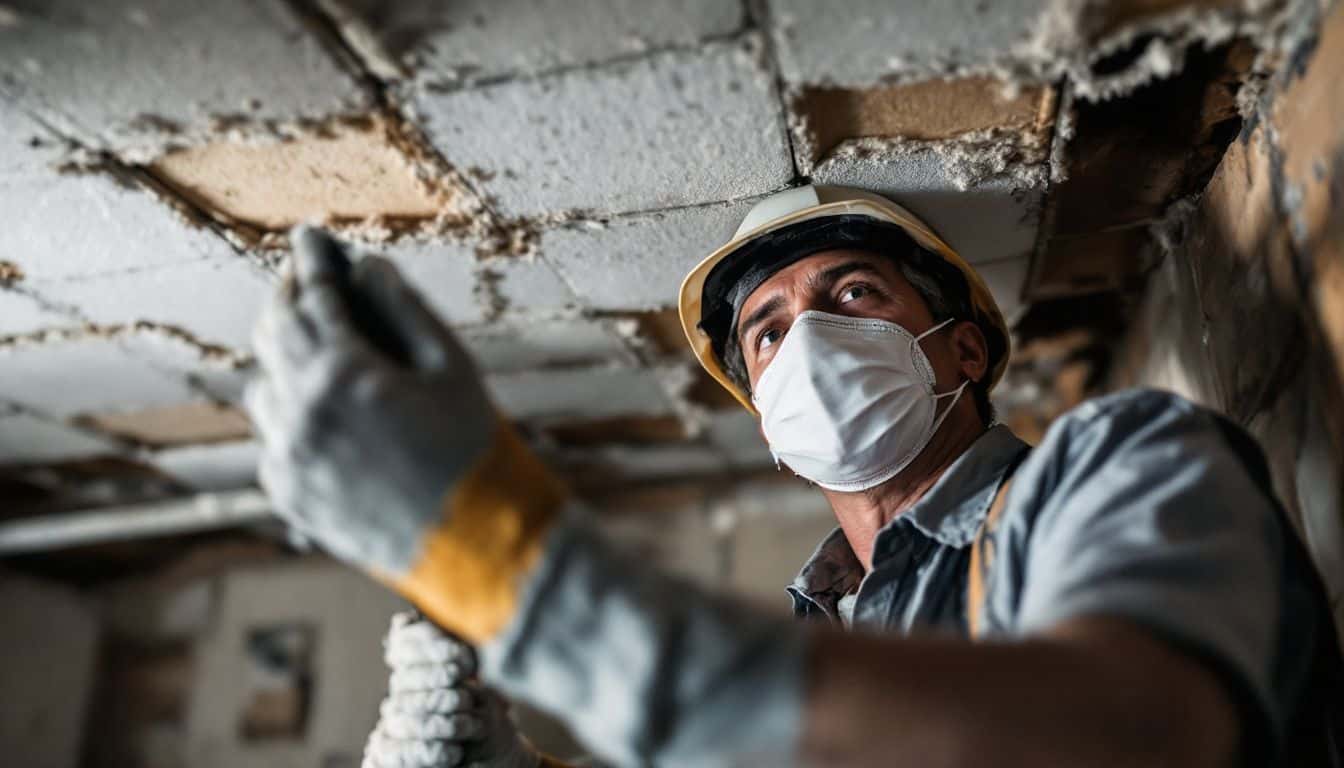
Construction workers face some of the highest ongoing risks from asbestos exposure. Renovation, refurbishment, and demolition work on pre-2000 buildings frequently disturbs ACMs hidden within walls, floors, ceilings, and roof spaces.
Trades particularly at risk include electricians, plumbers, carpenters, plasterers, and roofers — all of whom routinely work in areas where asbestos may be present. Without a current asbestos survey before work begins, these workers may be disturbing ACMs with no protection whatsoever.
If you’re managing construction or refurbishment work, commissioning a professional asbestos survey London before breaking ground is a legal obligation under the Control of Asbestos Regulations — not an optional precaution.
Manufacturing Plants
Asbestos was used extensively in manufacturing as insulation, fireproofing, and a strengthening agent across a wide range of products. Workers in these environments were often exposed to high concentrations of fibres over long careers, with inadequate or nonexistent protective equipment.
Former manufacturing workers are among the highest-risk groups for mesothelioma and asbestosis diagnoses, often presenting with symptoms 30 to 40 years after their initial exposure.
Shipyards and Maritime Operations
Shipbuilding is historically one of the industries most associated with asbestos-related disease in the UK. Asbestos was used prolifically in ships for insulation, pipe lagging, and fireproofing — and the enclosed spaces meant fibres accumulated in high concentrations.
Shipyard workers, laggers, and boilermakers were exposed to some of the heaviest concentrations recorded in any industry. This workforce carries disproportionately high rates of mesothelioma and lung cancer as a direct result.
Other High-Risk Sectors
Asbestos exposure has affected workers across a surprisingly broad range of sectors beyond the headline industries:
- Firefighters — attending fires in older buildings where burning materials release asbestos fibres
- Heating and ventilation engineers — working with pipe lagging and boiler insulation
- Teachers and school staff — many UK schools built in the 1960s and 70s contain ACMs
- Automotive mechanics — older brake pads and clutch linings contained asbestos
- Power station workers — asbestos was used heavily in turbine and boiler insulation
How Does Asbestos Exposure in the Workplace Impact Long-Term Health?
The diseases caused by occupational asbestos exposure are serious, often fatal, and almost always take decades to develop. This latency period is one of the most challenging aspects — by the time symptoms appear, the disease is frequently at an advanced stage.
Asbestosis
Asbestosis is a chronic, progressive lung disease caused by the scarring of lung tissue following prolonged asbestos fibre inhalation. The fibres trigger an inflammatory response that, over time, leads to fibrosis — the replacement of healthy lung tissue with scar tissue.
As the scarring spreads, the lungs lose their elasticity and capacity. Symptoms include persistent breathlessness, a chronic dry cough, chest tightness, and in advanced cases, clubbing of the fingers. There is no cure; treatment focuses on slowing progression and managing symptoms.
Diagnosis typically involves chest X-rays, high-resolution CT scans, and pulmonary function tests to measure how severely lung capacity has been reduced. A lung biopsy may be performed in some cases to confirm the presence of asbestos fibre-related changes in lung tissue.
Mesothelioma
Mesothelioma is an aggressive cancer that develops in the mesothelium — the thin lining surrounding the lungs (pleura), abdomen (peritoneum), or heart. It is almost exclusively caused by asbestos exposure, with the vast majority of UK cases directly linked to occupational contact.
Over 2,700 people are diagnosed with mesothelioma in the UK each year, and the prognosis remains poor. The average time between first exposure and diagnosis is 30 to 50 years, meaning many patients are in their 60s, 70s, or 80s when the disease is discovered.
Symptoms include persistent chest pain, breathlessness, a build-up of fluid around the lungs (pleural effusion), unexplained weight loss, and fatigue. Diagnosis involves imaging scans — CT, MRI, or PET — and biopsy to confirm the cancer type. Treatment options include surgery, chemotherapy, radiotherapy, and immunotherapy, though the focus for many patients shifts to palliative care.
Lung Cancer
Asbestos is a confirmed human carcinogen. Workers exposed to asbestos have a significantly elevated risk of developing lung cancer — and that risk multiplies dramatically for those who also smoke.
Asbestos fibres lodged in lung tissue trigger the production of reactive oxygen species, causing oxidative stress and DNA damage. Over time, this damage can lead to the mutations that drive malignant cell growth. The combination of asbestos exposure and smoking is particularly dangerous, with the risk understood to be multiplicative rather than simply additive.
Symptoms include a persistent cough, coughing up blood, chest pain, breathlessness, and unexplained weight loss. Early detection significantly improves outcomes, making regular health surveillance critical for workers with a history of exposure.
Pleural Plaques and Pleural Thickening
Not all asbestos-related conditions are cancerous. Pleural plaques are areas of thickened, calcified tissue that develop on the pleura following asbestos exposure. They are the most common indicator of past exposure and, while not cancerous themselves, are a marker that more serious conditions may develop.
Diffuse pleural thickening is a more extensive form of scarring that can restrict lung function significantly, causing breathlessness and reduced exercise tolerance. Both conditions are typically identified on chest X-rays or CT scans during routine surveillance or investigation of symptoms.
Chronic Obstructive Pulmonary Disease (COPD)
Prolonged asbestos exposure can also contribute to the development of COPD — a group of progressive lung conditions that obstruct airflow and make breathing increasingly difficult. While smoking remains the primary cause of COPD, occupational dust and fibre exposure, including asbestos, are recognised contributing factors under HSE guidance.
The Latency Problem: Why Symptoms Appear So Late
One of the most clinically challenging aspects of asbestos-related disease is the extraordinary latency period. Unlike many occupational illnesses where symptoms develop relatively quickly after exposure, asbestos-related diseases typically take between 15 and 50 years to manifest.
This means workers exposed in the 1970s and 1980s — before the full scale of the danger was widely understood and before adequate protective measures were enforced — are still developing and dying from these diseases today. It also means workers currently being exposed, even at lower levels, may not experience symptoms for decades.
The practical implication is stark: there is no safe level of asbestos exposure, and the absence of symptoms is not evidence that exposure has been harmless.
UK Regulations Protecting Workers from Asbestos Exposure
The UK has some of the most robust asbestos regulations in the world, though the burden of enforcing them falls heavily on employers and duty holders. The Control of Asbestos Regulations set out the legal framework for managing asbestos in non-domestic premises.
Key obligations include:
- Identifying the location and condition of all ACMs in a building
- Assessing the risk posed by those materials
- Preparing and maintaining an asbestos management plan
- Ensuring workers who may disturb ACMs are properly trained and equipped
- Notifying the Health and Safety Executive (HSE) before certain licensable asbestos work begins
The HSE’s guidance document HSG264 provides detailed technical guidance on how asbestos surveys should be conducted and documented. Employers who fail to meet these obligations face enforcement action, improvement notices, and prosecution.
All asbestos use in the UK was banned in 1999. The importation, supply, and use of all forms of asbestos is now prohibited — but the material already present in existing buildings remains a live hazard that must be actively managed.
Workplace Safety Measures That Reduce the Risk
While there is no way to eliminate the risk posed by asbestos already present in buildings, a structured approach to management and control can dramatically reduce the likelihood of harmful exposure.
Asbestos Surveys Before Any Intrusive Work
The single most effective preventative measure is ensuring a thorough asbestos survey is carried out before any refurbishment, maintenance, or demolition work begins on a pre-2000 building. Under HSG264, there are two principal survey types:
- Management survey — identifies ACMs that could be disturbed during normal occupancy and routine maintenance, forming the basis of an ongoing asbestos management plan
- Demolition survey — a more intrusive inspection required before any structural work or demolition, identifying all ACMs that could be disturbed during the project
Selecting the right survey type for the work being undertaken is not optional — it’s a legal requirement. Getting this wrong can expose workers to uncontrolled asbestos release and expose duty holders to serious legal liability.
Personal Protective Equipment and Controlled Work Environments
Where ACMs must be worked near or around, appropriate respiratory protective equipment (RPE) must be worn. This means correctly fitted, adequately rated respirators — not standard dust masks, which offer no meaningful protection against asbestos fibres.
Controlled work environments — including enclosures, negative pressure units, and air monitoring — are required for licensable asbestos work. These controls are designed to prevent fibres from spreading beyond the immediate work area and to protect both workers on site and anyone in adjacent spaces.
Training and Awareness
Under the Control of Asbestos Regulations, workers who are liable to disturb ACMs in the course of their work must receive adequate asbestos awareness training. This applies to a wide range of trades and maintenance roles — not just specialist asbestos contractors.
Training should cover how to recognise materials that may contain asbestos, what to do if ACMs are discovered unexpectedly, and when to stop work and seek specialist advice. Refresher training at regular intervals is strongly recommended.
Health Surveillance for Exposed Workers
Workers who are regularly exposed to asbestos, or who have a history of significant past exposure, should be enrolled in a health surveillance programme. This typically involves periodic chest examinations and lung function testing carried out by an appointed doctor.
Health surveillance won’t prevent asbestos-related disease, but it can detect changes in lung function earlier — giving clinicians more time to intervene and giving patients more options. It also creates a documented record of a worker’s health status, which is relevant for any future compensation claims.
Regional Considerations: Where Asbestos Risk Is Highest
Asbestos risk isn’t evenly distributed across the UK. Industrial cities and regions with heavy manufacturing, shipbuilding, and construction heritage carry a higher concentration of ACMs in their building stock.
In major urban centres, the sheer volume of pre-2000 commercial, industrial, and residential properties means the likelihood of encountering ACMs during any refurbishment or maintenance project is significant. Duty holders in these areas need to be especially rigorous about commissioning surveys before any intrusive work.
Businesses and property managers operating in the north-west can arrange a professional asbestos survey Manchester to ensure compliance before any planned works. Similarly, those managing properties in the West Midlands should commission an asbestos survey Birmingham from a qualified surveying team before any maintenance or refurbishment activity begins.
Wherever your properties are located, the obligation to protect workers from asbestos exposure remains the same. Geography changes the probability of encountering ACMs — it doesn’t change the legal duty to look for them.
What Workers Should Do If They Suspect Past Exposure
If you’ve worked in a high-risk industry or occupation and believe you may have been exposed to asbestos, there are practical steps you should take now — even if you feel perfectly well.
- Speak to your GP — inform them of your occupational history and ask about referral for lung function testing or chest imaging if appropriate
- Document your exposure history — record the workplaces, dates, and nature of work where exposure may have occurred; this is valuable for both clinical and legal purposes
- Seek legal advice — if you were exposed due to an employer’s failure to comply with regulations in force at the time, you may be entitled to compensation; specialist industrial disease solicitors can advise on your options
- Avoid smoking or stop if you currently smoke — the multiplicative interaction between smoking and asbestos exposure dramatically elevates lung cancer risk; stopping smoking significantly reduces that additional risk
- Attend any health surveillance appointments offered — if your employer offers occupational health screening, attend every appointment and be honest about your exposure history
Frequently Asked Questions
How does asbestos exposure in the workplace impact long-term health?
Occupational asbestos exposure can cause a range of serious and potentially fatal diseases, including asbestosis, mesothelioma, lung cancer, pleural plaques, and pleural thickening. These conditions typically take between 15 and 50 years to develop after initial exposure, meaning symptoms often don’t appear until decades after the exposure occurred. There is no safe level of asbestos exposure, and the severity of disease is generally related to the duration and intensity of contact with asbestos fibres.
Which jobs carry the highest risk of asbestos exposure?
Construction trades (electricians, plumbers, carpenters, roofers, and plasterers), shipyard workers, manufacturing plant workers, heating and ventilation engineers, firefighters, and automotive mechanics are among the highest-risk occupations. Teachers and school staff in buildings constructed in the 1960s and 70s are also at elevated risk. Any worker who regularly enters or works within pre-2000 buildings should be aware of the potential for ACMs to be present.
Is asbestos exposure still a risk in UK workplaces today?
Yes. While the importation and use of asbestos was banned in the UK in 1999, millions of buildings constructed before that date still contain ACMs. Construction, maintenance, and refurbishment workers who disturb these materials without adequate precautions face real and ongoing exposure risk. The Control of Asbestos Regulations and HSG264 set out the legal obligations that duty holders must meet to protect workers.
What should I do if asbestos is discovered unexpectedly on a worksite?
Stop work immediately. Do not disturb the material further. Evacuate the area and restrict access until a qualified asbestos surveyor has assessed the situation. Report the find to the person responsible for managing asbestos on site. Work should not resume in the affected area until the material has been properly assessed, and a plan for safe management or removal has been put in place by a licensed contractor where required.
What types of asbestos survey do I need before refurbishment or demolition?
For routine maintenance and refurbishment work, a management survey is required to identify ACMs that could be disturbed. For more extensive structural work or demolition, a demolition survey (also called a refurbishment and demolition survey) is required — this is a more intrusive inspection that aims to locate all ACMs in the areas to be affected. Both survey types must be carried out by a qualified surveyor in accordance with HSG264. Choosing the wrong survey type for the scope of work is a compliance failure.
Protect Your Workers — Commission a Survey Today
Understanding how does asbestos exposure in the workplace impact long-term health is the first step. Acting on that understanding is what protects your workers, your organisation, and your legal position.
Supernova Asbestos Surveys has completed over 50,000 surveys across the UK, working with property managers, employers, contractors, and duty holders to identify and manage asbestos risk before it causes harm. Our qualified surveyors operate nationwide and deliver reports that meet the requirements of HSG264 and the Control of Asbestos Regulations.
To book a survey or discuss your requirements, call us on 020 4586 0680 or visit asbestos-surveys.org.uk.