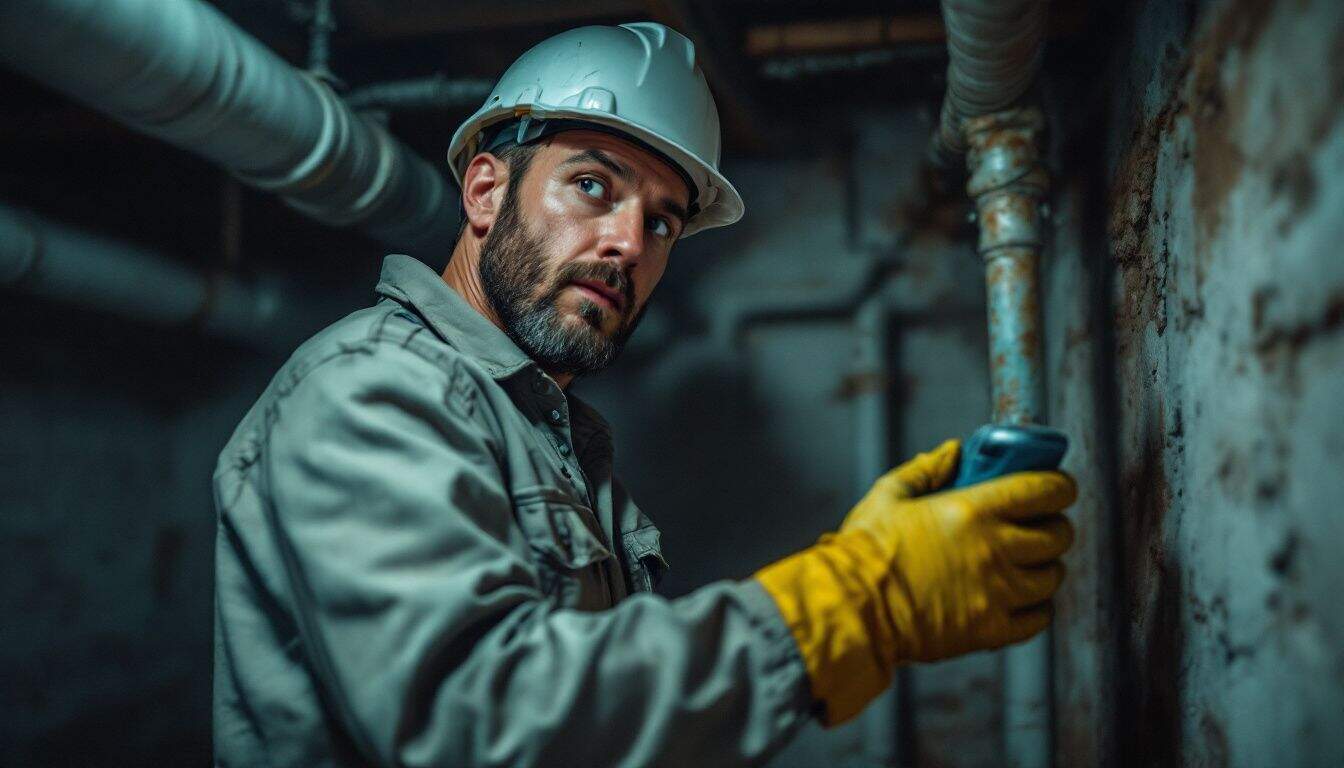
Asbestosis Causes: How Occupational Exposure Damages the Lungs
Asbestosis is not an accident of fate. It is the direct consequence of breathing in asbestos fibres — often over years of working in industries where the material was used without adequate protection. Understanding asbestosis causes is essential for anyone who has worked in construction, shipbuilding, engineering, or any trade where asbestos-containing materials were commonplace.
This condition is irreversible. Once lung tissue scars, it does not heal. That is why prevention and awareness matter so much — and why the duty to manage asbestos in buildings remains one of the most important occupational health obligations in the UK today.
What Is Asbestosis and Why Does It Develop?
Asbestosis is a chronic, progressive lung disease caused exclusively by the inhalation of asbestos fibres. When microscopic fibres are breathed in, the body’s immune system attempts to break them down — but cannot. The repeated inflammatory response causes fibrosis: permanent scarring of the lung tissue that stiffens the lungs and makes breathing progressively harder.
Unlike some occupational lung conditions, asbestosis has a long latency period. Symptoms often do not appear until 20 to 40 years after initial exposure, which means many people are only now experiencing the consequences of work they did decades ago.
The primary asbestosis causes are straightforward: prolonged or intense exposure to airborne asbestos fibres. The more fibres inhaled, and the longer the duration of exposure, the greater the risk of developing the condition.
The Occupations Most Closely Linked to Asbestosis Causes
Asbestos was used extensively across British industry throughout most of the twentieth century. Certain occupations carried — and in some cases still carry — a significantly elevated risk of exposure.
Construction Workers
Construction workers have historically faced some of the highest rates of asbestos-related disease. Asbestos was incorporated into an enormous range of building materials: insulation boards, ceiling tiles, floor tiles, roofing felt, textured coatings such as Artex, pipe lagging, and fire-resistant panels.
During renovation, refurbishment, or demolition of buildings constructed before 2000, these materials can be disturbed. When that happens, fibres become airborne and are easily inhaled. Tradespeople working in enclosed spaces — loft conversions, pipe runs, ceiling voids — face particularly concentrated exposure.
If you are managing construction work in London, understanding the asbestos risks in older buildings is critical. Commissioning an asbestos survey London before any refurbishment begins is not just good practice — in many circumstances it is a legal requirement under the Control of Asbestos Regulations.
Shipyard Workers
Shipbuilding is one of the industries most closely associated with asbestosis causes. Naval vessels and commercial ships built before the 1980s used asbestos extensively throughout their construction — in engine rooms, boiler rooms, pipe insulation, bulkhead linings, and deck materials.
Workers who built, repaired, or broke down these vessels were exposed to extremely high concentrations of asbestos fibres in confined, poorly ventilated spaces. The fibres settled on clothing, skin, and hair, meaning secondary exposure was also common — family members of shipyard workers could be affected simply through contact with contaminated work clothes.
The legacy of shipyard asbestos exposure continues to affect workers and their families today, decades after the peak of the industry.
Insulation Engineers and Laggers
Insulation workers — often called laggers — applied asbestos-based insulation directly to pipes, boilers, and industrial equipment. This work involved cutting, mixing, and handling raw asbestos materials with minimal protection.
The dust generated during lagging work was dense with respirable fibres. Without effective respiratory protection, the cumulative dose absorbed over a career was enormous. This group has some of the highest rates of asbestosis, mesothelioma, and asbestos-related lung cancer of any occupation.
Electricians and Plumbers
Electricians and plumbers occupy a medium-risk category — but that should not minimise the genuine danger they face. Both trades regularly work in and around asbestos-containing materials in older buildings.
Electricians drilling through asbestos insulation boards to run cables, or disturbing textured coatings when fitting fixtures, can release fibres without realising it. Plumbers working with lagged pipework, or cutting through asbestos cement panels to access systems, face similar risks.
The key issue is that these workers may not know asbestos is present. Without a management survey or refurbishment survey in place, tradespeople can unknowingly disturb hazardous materials on a daily basis.
Power Plant and Industrial Workers
Power stations, chemical plants, and heavy manufacturing facilities relied on asbestos for its heat-resistant and fireproofing properties. Boiler operators, maintenance engineers, and plant workers were regularly exposed during routine maintenance tasks, shutdowns, and overhauls.
In these environments, asbestos was present in gaskets, rope seals, pipe lagging, spray coatings, and structural insulation. Workers who carried out maintenance without adequate controls were at significant risk, particularly in older plant built before modern safety regulations took effect.
Firefighters
Firefighters face a dual exposure risk. When a building containing asbestos-based materials catches fire, those materials can be damaged, releasing fibres into the smoke and debris. Firefighters attending incidents in older buildings may inhale asbestos fibres alongside other combustion products.
Post-fire overhaul work — checking through debris to ensure a fire is fully extinguished — carries particular risk, as disturbed asbestos-containing rubble can release fibres into the air. Respiratory protection during overhaul is essential but has not always been consistently used.
How Asbestos Fibres Actually Cause Lung Disease
Understanding the biological mechanism behind asbestosis causes helps explain why the condition is so serious and why there is no cure.
When asbestos fibres are inhaled, the smallest ones — those less than three micrometres in diameter — penetrate deep into the lung’s alveoli, the tiny air sacs responsible for gas exchange. The body’s macrophages attempt to engulf and destroy these fibres, but asbestos fibres are biopersistent. They resist breakdown and remain in the lung tissue indefinitely.
The repeated attempts by the immune system to clear these fibres generate chronic inflammation. Over time, this inflammatory response triggers the production of collagen, which forms scar tissue. As fibrosis spreads through the lung, the organ becomes progressively stiffer and less efficient at transferring oxygen into the bloodstream.
The result is a gradual, worsening breathlessness that cannot be reversed. In severe cases, asbestosis leads to respiratory failure, and it also significantly increases the risk of developing lung cancer and mesothelioma.
The Different Types of Asbestos and Their Relative Risks
Not all asbestos fibres carry identical risk profiles, though all types are considered hazardous under UK law and all are capable of causing asbestosis.
- Crocidolite (blue asbestos) — considered the most dangerous due to its thin, needle-like fibres that penetrate deeply into lung tissue and are highly biopersistent.
- Amosite (brown asbestos) — also highly hazardous, frequently used in insulation boards and ceiling tiles in commercial buildings.
- Chrysotile (white asbestos) — the most widely used type globally, found in cement sheets, floor tiles, and roofing products. While sometimes described as less dangerous than amphibole types, it remains a proven cause of asbestosis and lung cancer at sufficient exposure levels.
All three types were used extensively in UK construction and industry. Buildings constructed before 2000 may contain any or all of them.
If you are managing property in the Midlands, commissioning an asbestos survey Birmingham ensures your legal obligations are met and that workers and occupants are properly protected.
Symptoms of Asbestosis: What Workers Should Know
The long latency period of asbestosis means that by the time symptoms appear, significant damage has already occurred. Recognising the signs early and seeking medical attention promptly can help slow progression and improve quality of life.
Common symptoms include:
- Progressive shortness of breath, initially on exertion and later at rest
- A persistent, dry cough
- Chest tightness or discomfort
- Crackling sounds in the lungs when breathing (heard through a stethoscope)
- Finger clubbing — a widening and rounding of the fingertips, associated with chronic lung conditions
- Fatigue and reduced exercise tolerance
Anyone who has worked in a high-risk occupation and develops these symptoms should inform their GP of their occupational history. Diagnosis typically involves a chest X-ray, CT scan, and lung function tests.
UK Regulations Designed to Prevent Asbestosis
The UK has some of the most robust asbestos regulations in the world, though they came too late for many workers already exposed in the twentieth century. The Control of Asbestos Regulations place clear duties on employers and those responsible for non-domestic premises.
Key requirements include:
- Duty to manage — Duty holders for non-domestic premises must identify asbestos-containing materials, assess their condition, and manage the risk they pose.
- Refurbishment and demolition surveys — Before any work that may disturb the building fabric, a survey must be carried out to locate and characterise all asbestos present. A demolition survey is required before any demolition work commences.
- Notification of work — Licensed asbestos removal work must be notified to the relevant enforcing authority before it begins.
- Training — Workers who may encounter asbestos in their work must receive appropriate information, instruction, and training.
- Air monitoring and clearance testing — Following licensed asbestos removal, the area must be cleared by an independent analyst before re-occupation.
The HSE’s guidance document HSG264 provides detailed practical guidance on asbestos surveying and is the definitive reference for surveyors and duty holders alike.
For businesses and property managers in the North West, commissioning an asbestos survey Manchester ensures that your compliance obligations are properly fulfilled before any intrusive work begins.
Secondary Exposure: Families at Risk
Asbestosis causes are not limited to direct workplace exposure. Secondary — or para-occupational — exposure has affected the families of workers in high-risk industries for generations.
Asbestos fibres cling to clothing, hair, and skin. Workers who came home in contaminated overalls — before the risks were widely understood — inadvertently brought fibres into the domestic environment. Wives and children who handled, washed, or simply came into contact with work clothing were exposed to fibres, sometimes over many years.
Cases of mesothelioma and asbestosis in individuals with no direct occupational exposure but with a family member who worked in shipbuilding, construction, or insulation are well documented in the medical literature. This underlines how dangerous even indirect exposure can be.
What to Do If You Suspect Asbestos in Your Workplace or Property
If you manage a property or worksite and suspect asbestos-containing materials may be present, the correct course of action is clear: stop any work that could disturb those materials and arrange for a professional survey immediately.
Do not attempt to sample or test materials yourself. Disturbing suspected asbestos without proper controls and respiratory protection can significantly increase the risk of fibre release — and personal exposure.
The type of survey you need depends on the circumstances:
- For ongoing management of a building in use, a management survey identifies the location, extent, and condition of asbestos-containing materials so that a management plan can be put in place.
- Before any refurbishment work, a refurbishment survey is required to locate all asbestos in the areas to be worked on — including within the building fabric.
- Before demolition, a demolition survey must cover the entire structure and identify all asbestos-containing materials that will need to be removed prior to demolition work commencing.
Where asbestos is identified and poses a risk, professional asbestos removal by a licensed contractor is the appropriate course of action. Removal must be carried out under strict controls, with air monitoring and independent clearance testing before the area is returned to use.
Reducing the Risk Going Forward
While the legacy of past asbestos use cannot be undone, the risk of future exposure — and future cases of asbestosis — can be substantially reduced through proper management and compliance.
For employers and duty holders, the practical steps are well established:
- Commission a survey before any work on pre-2000 buildings
- Maintain an up-to-date asbestos register for your premises
- Ensure all contractors and maintenance workers are informed of any known asbestos locations before they begin work
- Never allow workers to disturb suspected asbestos-containing materials without prior survey and risk assessment
- Use only licensed contractors for notifiable asbestos removal work
- Keep records of all asbestos surveys, management plans, and removal works
For individual workers, particularly those in the trades, the key protective measures are equally straightforward: know what you are working with, check whether an asbestos survey has been carried out before starting work in older buildings, and use appropriate respiratory protection whenever there is any doubt.
Asbestosis causes real, lasting harm. But with the right information, the right surveys, and the right professional support, the risk of future exposure can be effectively managed.
Get Professional Asbestos Survey Support from Supernova
Supernova Asbestos Surveys has completed over 50,000 surveys across the UK, helping property managers, employers, and contractors meet their legal obligations and protect the people who work in and around their buildings.
Whether you need a management survey for an occupied building, a refurbishment survey ahead of planned works, or a full demolition survey, our UKAS-accredited surveyors provide clear, accurate reports that give you the information you need to act.
Call us today on 020 4586 0680 or visit asbestos-surveys.org.uk to book your survey or speak with one of our team.
Frequently Asked Questions
What are the main asbestosis causes?
Asbestosis is caused by prolonged or intense inhalation of asbestos fibres. The fibres lodge permanently in the lung tissue, triggering a chronic inflammatory response that leads to progressive fibrosis — scarring that stiffens the lungs and impairs breathing. The condition is directly linked to occupational exposure in industries such as construction, shipbuilding, insulation, and engineering.
How long after exposure do asbestosis symptoms appear?
Asbestosis has a long latency period, typically between 20 and 40 years. This means someone exposed to asbestos during their working life in the 1970s or 1980s may only now be developing symptoms. By the time breathlessness and other signs appear, significant lung damage has usually already occurred.
Can family members develop asbestosis without working with asbestos directly?
Yes. Secondary or para-occupational exposure is well documented. Asbestos fibres carried home on the clothing, hair, or skin of workers can expose family members over time. Cases of asbestosis and mesothelioma in people with no direct occupational exposure but with a family member in a high-risk industry have been recorded in medical literature.
Is asbestosis the same as mesothelioma?
No. Asbestosis is a fibrotic lung disease — scarring of the lung tissue — caused by asbestos fibre inhalation. Mesothelioma is a form of cancer affecting the lining of the lungs, abdomen, or heart, also caused by asbestos exposure. Both conditions are serious, irreversible, and associated with occupational asbestos exposure, but they are distinct diagnoses with different clinical presentations and prognoses.
What survey do I need before starting renovation work on an older building?
Before any refurbishment work that may disturb the building fabric of a pre-2000 property, you are legally required to commission a refurbishment survey under the Control of Asbestos Regulations. This survey identifies and characterises all asbestos-containing materials in the areas to be worked on. For full demolition, a demolition survey covering the entire structure is required. Supernova Asbestos Surveys can advise on the right type of survey for your specific project — call 020 4586 0680 to discuss your requirements.