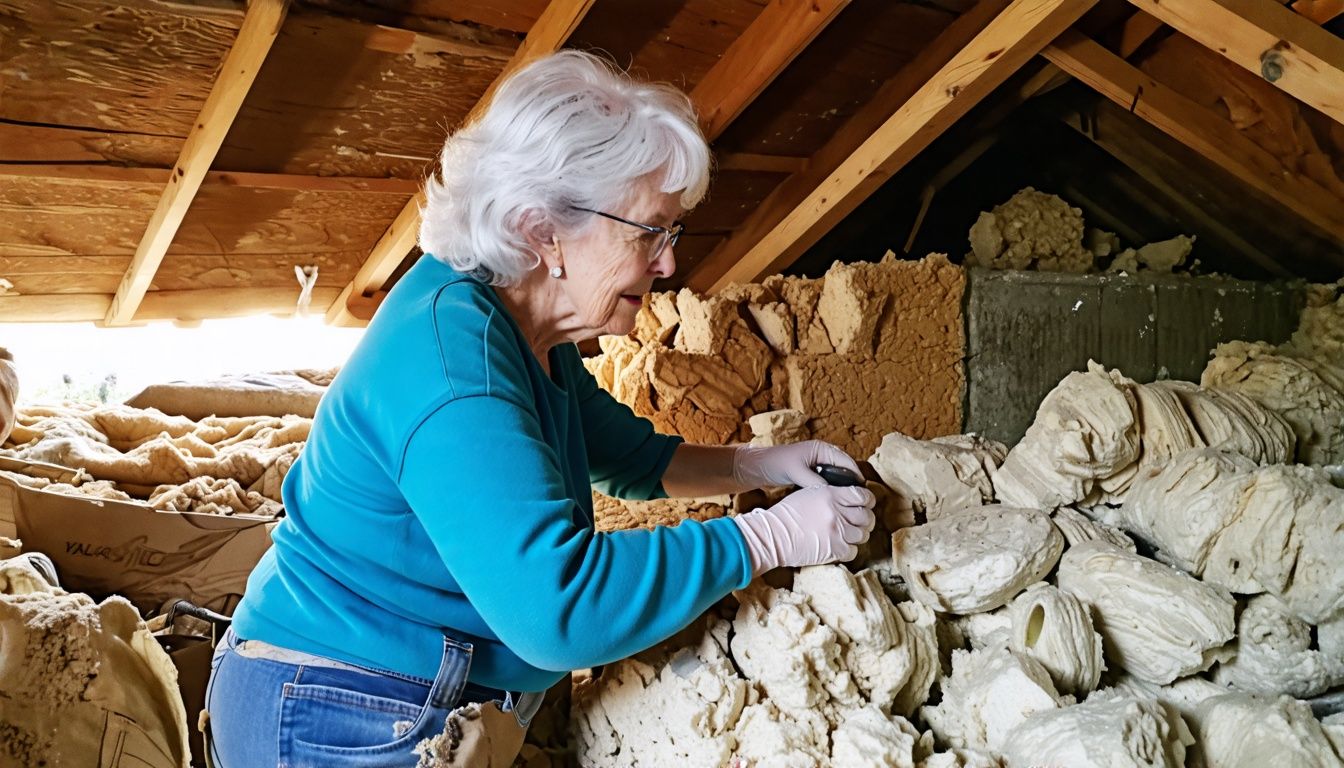
Jobs With Asbestos Exposure: Which Occupations Carry the Highest Risk?
Asbestos-related disease remains one of the UK’s most significant occupational health crises — and it is far from over. Thousands of people are diagnosed with asbestos-related conditions every year, and the vast majority of cases trace directly back to jobs with asbestos exposure that occurred decades ago. If you work in, or have previously worked in, certain industries, understanding your level of risk could genuinely save your life.
Why Occupational Asbestos Exposure Still Matters Today
Asbestos was used extensively across UK industry throughout most of the twentieth century. It wasn’t until 1999 that all forms of asbestos were banned in Britain, which means anyone who worked in construction, engineering, manufacturing, or a range of other trades before the turn of the millennium may have been exposed — often without ever knowing it.
The insidious nature of asbestos-related disease is that symptoms rarely appear until decades after the original exposure. Lung cancer, mesothelioma, and asbestosis can take 20 to 50 years to develop. By the time a diagnosis is made, the exposure that caused it may have occurred in a completely different era of someone’s working life.
This long latency period also means the problem isn’t confined to history. Workers in older buildings today can still disturb asbestos-containing materials (ACMs) that have been sitting undisturbed for 40 or 50 years. The hazard is very much present in the existing building stock across the UK.
The Highest-Risk Jobs With Asbestos Exposure
Construction Workers
Construction is consistently identified as the highest-risk industry for asbestos exposure in the UK. A significant proportion of homes, schools, offices, and public buildings were constructed during the period when asbestos use was at its peak. When workers renovate, refurbish, or demolish older buildings, they routinely encounter ACMs.
Common asbestos-containing materials found in construction include:
- Sprayed asbestos coatings on structural steelwork
- Asbestos insulating board (AIB) used in ceiling tiles, partition walls, and fire doors
- Textured coatings such as Artex on ceilings and walls
- Pipe lagging and boiler insulation
- Roofing and soffit boards made from asbestos cement
- Floor tiles and their adhesives
Drilling, cutting, or sanding these materials without proper precautions releases microscopic fibres into the air. Breathed in repeatedly over a working career, those fibres cause irreversible lung damage.
Under the Control of Asbestos Regulations, any construction work that may disturb asbestos requires prior identification. This means commissioning a refurbishment survey before renovation work begins, or a demolition survey ahead of any planned demolition — both carried out by a qualified surveyor. This legal obligation is frequently overlooked on smaller jobs, which is precisely where exposure incidents tend to occur.
Shipyard Workers and Royal Navy Veterans
Shipbuilding was once one of Britain’s most important industries, with major yards operating across Scotland, Northern Ireland, the North East, and Wales. Asbestos was used extensively throughout ships for thermal insulation and fire protection — in engine rooms, around pipework, on bulkheads, and in crew quarters.
Workers who built, repaired, or maintained vessels — and those who served aboard them — faced sustained, heavy exposure in enclosed spaces with poor ventilation. The legacy of that exposure is still being felt today, with former shipyard workers and Royal Navy veterans accounting for a disproportionate share of mesothelioma diagnoses in the UK.
If you or a family member served in the Royal Navy or worked in shipbuilding, speak to your GP about occupational health monitoring, even if you currently feel well.
Power Station and Utility Workers
Power stations built during the mid-twentieth century relied heavily on asbestos for insulation around boilers, turbines, pipes, and electrical switchgear. Workers employed in these environments — including boiler engineers, turbine operators, and maintenance crews — faced regular contact with ACMs throughout their careers.
The same applies to workers in the gas, water, and electricity supply industries, where asbestos-lagged pipework and infrastructure were commonplace across the network. Many of these installations remain in place today within older infrastructure.
Industrial and Manufacturing Workers
Factories producing textiles, building materials, vehicle parts, and electrical components historically incorporated asbestos into their products and processes. Workers on production lines handling raw asbestos or asbestos-containing components faced significant ongoing exposure.
Insulation materials were also widely used in factory buildings themselves. Even workers not directly handling asbestos could be exposed through general disturbance of the building fabric during maintenance — sometimes without any awareness of the risk at all.
Medium-Risk Occupations: Still Serious, Still Relevant
Boiler Engineers and Heating Engineers
Asbestos was the insulation material of choice around boilers, pipes, and heating systems for much of the twentieth century. Engineers who serviced, repaired, or replaced these systems — particularly in older commercial and residential properties — disturbed asbestos lagging on a regular basis.
Even today, engineers working on older heating systems in buildings that haven’t been properly surveyed can inadvertently disturb asbestos. A management survey before any such work is not just good practice — it’s a legal requirement for non-domestic premises under the Control of Asbestos Regulations.
HVAC Engineers
Heating, ventilation, and air conditioning engineers working in pre-2000 buildings frequently encounter asbestos in ductwork insulation, ceiling voids, and plant rooms. Cutting into walls or ceilings to install or modify systems can easily disturb ACMs if the building hasn’t been properly assessed beforehand.
The Health and Safety Executive (HSE) requires that those carrying out work liable to disturb asbestos have received appropriate training. For licensed asbestos removal work, only HSE-licensed contractors can legally carry out the job — and that work must be planned and notified in advance.
Railway Workers
Asbestos was used extensively in rolling stock and railway infrastructure — in brake linings, gaskets, clutch pads, floor tiles, and carriage insulation. Engineers and maintenance workers who serviced trains and railway buildings were regularly exposed to disturbed fibres over the course of their careers.
Modern rolling stock and newly refurbished infrastructure are asbestos-free, but older vehicles and heritage railway settings may still contain ACMs that require careful management and regular condition monitoring.
Additional Occupations at Risk of Asbestos Exposure
Firefighters
When a building containing asbestos catches fire, the resulting smoke and debris can carry fibres across a wide area. Firefighters entering burning or structurally compromised buildings face acute exposure — often in chaotic conditions where full respiratory protection may not always be achievable.
The fire service has significantly improved its protocols around asbestos awareness, but firefighters who worked in the 1970s, 1980s, and 1990s may have experienced substantial cumulative exposure before those improvements were made.
Electricians
Older buildings used asbestos extensively as electrical insulation — around wiring, in consumer units, and in ceiling and wall voids. Electricians working in pre-2000 buildings who drill, chase, or cut into walls are at genuine risk of disturbing ACMs without realising it.
Before carrying out any invasive work in an older building, electricians should check whether a management survey has been completed and whether an asbestos register is available on site. Where there’s any doubt, request a refurbishment survey before work begins — not after.
Plumbers
Domestic and commercial plumbers routinely work around pipe lagging, cisterns, and ceiling materials in older buildings — all potential sources of asbestos. Work in roof spaces, under floors, and within service voids places plumbers in close proximity to ACMs that may have been undisturbed for decades.
Disturbing these materials without prior identification is both a health risk and a legal breach under the Control of Asbestos Regulations. The duty to manage asbestos exists precisely to protect tradespeople like plumbers who access these areas as part of their everyday work.
Automotive Mechanics
Asbestos was used in vehicle brake pads, clutch linings, and gaskets for much of the twentieth century. Mechanics who regularly worked on older vehicles — removing, machining, or blowing out brake dust — were exposed to fibres over extended periods without adequate protection.
While modern replacement parts are asbestos-free, mechanics working on classic or vintage vehicles should treat brake and clutch components as potentially hazardous and take appropriate precautions before any work begins.
Teachers and School Staff
A significant number of UK school buildings were constructed during the post-war period when asbestos was in widespread use. Teachers, caretakers, and maintenance staff working in older school buildings have historically been exposed to ACMs — particularly during building works or where materials have deteriorated.
Caretakers and site managers in schools are particularly at risk because they often carry out minor maintenance work themselves, potentially disturbing asbestos without realising it. Any school built before 2000 should have a current asbestos management plan in place, underpinned by a valid management survey.
The Health Consequences of Jobs With Asbestos Exposure
Lung Cancer
Asbestos is a recognised cause of lung cancer, and the risk is significantly elevated in smokers who have also been exposed occupationally. The latency period between exposure and diagnosis is typically 20 to 50 years, which means many people currently being diagnosed were exposed during the 1970s and 1980s.
Symptoms are often absent in the early stages, making regular health monitoring essential for anyone with a known history of occupational exposure. Early detection significantly improves outcomes.
Mesothelioma
Mesothelioma is an aggressive cancer of the lining of the lungs, abdomen, or heart. It is almost exclusively caused by asbestos exposure and remains incurable in most cases. The UK has one of the highest rates of mesothelioma in the world — a direct consequence of the scale of industrial asbestos use throughout the twentieth century.
Around 2,500 people are diagnosed with mesothelioma in Britain each year, and the vast majority can link their diagnosis to an occupational exposure that happened decades earlier.
Asbestosis
Asbestosis is a chronic lung condition caused by the scarring of lung tissue following prolonged inhalation of asbestos fibres. It causes progressive breathlessness, a persistent cough, and reduced lung function. While not a cancer, it is debilitating, irreversible, and was almost always preventable.
Those diagnosed with asbestosis remain at elevated risk of developing lung cancer or mesothelioma and should be under regular medical supervision for the remainder of their lives.
Pleural Disease
Pleural plaques and pleural thickening are common findings in people with a history of asbestos exposure. Pleural plaques — patches of scar tissue on the lining of the lung — are in themselves benign, but their presence confirms that significant exposure has occurred and should prompt ongoing medical monitoring.
Diffuse pleural thickening can restrict lung function and cause breathlessness, significantly affecting quality of life over time.
Secondary Exposure: When Family Members Are Also at Risk
The risk from jobs with asbestos exposure didn’t always stay in the workplace. Workers who came home with fibres on their clothing, hair, and skin inadvertently exposed their families to asbestos — a phenomenon known as secondary or para-occupational exposure.
Spouses who washed work clothing, and children who came into contact with contaminated garments, have subsequently been diagnosed with mesothelioma and other asbestos-related conditions. This is a well-documented pattern in communities built around heavy industry, shipbuilding, and manufacturing.
If a close family member worked in a high-risk occupation and you have any respiratory symptoms or concerns, raise your occupational history with your GP — including the indirect exposure you may have experienced at home.
What Employers and Duty Holders Must Do
Under the Control of Asbestos Regulations, duty holders — those responsible for the maintenance and repair of non-domestic premises — have a legal obligation to manage the risk from asbestos. This means identifying whether ACMs are present, assessing their condition, and putting a management plan in place to protect workers and others who access the building.
For employers whose workers carry out trades in older buildings, the obligations are clear:
- Ensure an asbestos register is available and accessible before work begins
- Commission the appropriate survey type for the work being planned
- Provide workers with adequate information and training about asbestos risks
- Arrange for licensed removal where required before any intrusive work proceeds
- Keep records of all asbestos-related work and monitoring
Where asbestos is identified and needs to be removed safely, only an HSE-licensed contractor can legally undertake licensed removal work. Supernova’s asbestos removal service connects you with licensed contractors and guides you through the process from survey to clearance.
Protecting Workers Today: Practical Steps
If you work in any of the trades or industries described above, there are practical steps you can take right now to reduce your risk:
- Never assume a building is asbestos-free — if it was built or refurbished before 2000, treat it as potentially containing ACMs until proven otherwise
- Check for an asbestos register before starting any work that involves disturbing walls, ceilings, floors, or service voids
- Stop work immediately if you suspect you’ve disturbed asbestos — leave the area, prevent others from entering, and report it to the site manager or employer
- Seek a survey before invasive work — a refurbishment or management survey takes far less time and costs far less than the consequences of uncontrolled exposure
- Keep a record of your occupational history — if you’re ever diagnosed with a respiratory condition, your exposure history will be critical for both medical treatment and any legal claim
- Attend occupational health checks — if your employer offers health surveillance, take it seriously
Supernova Asbestos Surveys operates nationwide, with specialist teams covering major cities and regions. Whether you need an asbestos survey in London, an asbestos survey in Manchester, or an asbestos survey in Birmingham, our UKAS-accredited surveyors can assess your building quickly and provide a clear, actionable report.
Frequently Asked Questions
Which jobs carry the highest risk of asbestos exposure in the UK?
Construction workers, shipyard workers, power station employees, and industrial manufacturing workers historically faced the heaviest asbestos exposure. Tradespeople including plumbers, electricians, boiler engineers, and HVAC engineers also carry significant risk when working in older buildings. The risk is not purely historical — anyone working in pre-2000 buildings today can still encounter asbestos-containing materials.
Can I be exposed to asbestos even if I don’t directly work with it?
Yes. Secondary or para-occupational exposure is well documented. Family members of workers in high-risk trades were exposed through contact with contaminated clothing and equipment brought home from work. Additionally, workers in any occupation who spend time in older buildings — teachers, office workers, caretakers — can be exposed if ACMs are disturbed or in poor condition.
How long after exposure do asbestos-related diseases develop?
Asbestos-related conditions have a long latency period — typically between 20 and 50 years from first exposure to diagnosis. This means someone diagnosed today may have been exposed during the 1970s or 1980s. It also means that workers currently being exposed could face health consequences several decades from now, which is why prevention and early identification of ACMs is so critical.
What type of asbestos survey do I need before starting building work?
The type of survey depends on the nature of the work. A management survey is appropriate for routine maintenance and ongoing occupation of a building. A refurbishment survey is required before any renovation or intrusive work that will disturb the building fabric. A demolition survey is needed before any planned demolition. All three are legal requirements under HSE guidance and the Control of Asbestos Regulations where applicable.
What should I do if I think I’ve been exposed to asbestos at work?
Stop work immediately and leave the area without disturbing the material further. Report the incident to your employer or site manager. Seek medical advice from your GP, providing as much detail as possible about the nature and duration of the exposure. Keep a written record of the incident. If you have a history of occupational asbestos exposure, ask your GP about referral for occupational health monitoring, even in the absence of current symptoms.
Speak to Supernova Asbestos Surveys
If you manage a building, employ tradespeople, or work in an industry where asbestos exposure is a known risk, don’t wait for an incident to prompt action. Supernova Asbestos Surveys has completed over 50,000 surveys across the UK, helping employers, duty holders, and property managers meet their legal obligations and protect their workers.
Call us on 020 4586 0680 or visit asbestos-surveys.org.uk to book a survey or speak to one of our qualified surveyors about the right approach for your building and your workforce.