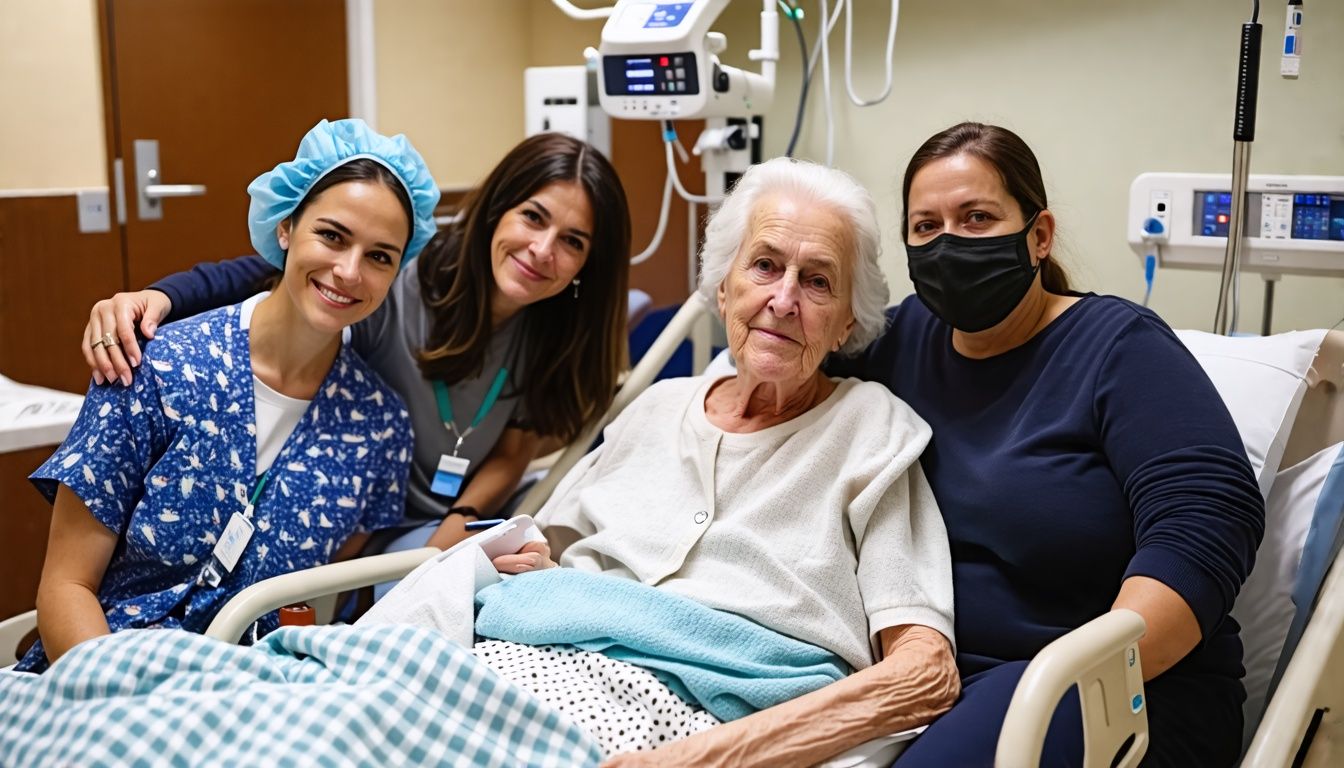
Asbestos Related Lung Cancer Treatment: What Patients and Families Need to Know
A diagnosis of lung cancer linked to asbestos exposure is devastating — and the weeks that follow can feel overwhelming. Understanding your options for asbestos related lung cancer treatment won’t change the diagnosis, but it will help you ask the right questions, make informed decisions, and advocate effectively for yourself or someone you love.
Treatment has advanced significantly over the past decade. Patients today have access to a broader range of therapies than at any previous point — from surgery and chemotherapy through to immunotherapy, targeted therapy, and specialist palliative care. This post walks through each of those pathways in plain terms.
How Asbestos Fibres Cause Lung Cancer
When asbestos fibres are inhaled, they become permanently lodged deep in lung tissue. The body cannot break them down, so they remain there indefinitely, causing chronic inflammation and cellular scarring over many years.
This long-term damage can eventually trigger cancerous changes — often 20 to 40 years after the original exposure. That latency period explains why asbestos-related lung cancer is still being diagnosed in people who worked in construction, shipbuilding, insulation, and manufacturing decades ago.
There are two main types of lung cancer associated with asbestos exposure:
- Non-Small Cell Lung Cancer (NSCLC) — the most common type, including adenocarcinoma, squamous cell carcinoma, and large cell carcinoma
- Small Cell Lung Cancer (SCLC) — less common but more aggressive, spreading rapidly and usually systemic at the point of diagnosis
It is worth clarifying that mesothelioma is a separate condition. It affects the lining of the lungs rather than the lung tissue itself, and it is treated differently. Asbestos causes both, but they are distinct diagnoses requiring distinct clinical approaches.
Smoking compounds the risk considerably. People who were both exposed to asbestos and smoked face a substantially higher likelihood of developing lung cancer than those with only one of those risk factors.
Getting an Accurate Diagnosis
Because asbestos-related lung cancer can take decades to develop, it is often identified in people who no longer connect their current health with past occupational exposure. Accurate diagnosis is the essential first step — without it, the right treatment cannot be selected.
A multidisciplinary team (MDT) within the NHS will typically coordinate the diagnostic process, bringing together oncologists, radiologists, surgeons, and specialist nurses. The cancer type and its stage at diagnosis are the two most important factors in determining the appropriate treatment pathway.
Diagnostic Tests Commonly Used
- Chest X-ray — usually the first investigation; identifies suspicious areas in the lungs
- CT scan — provides detailed cross-sectional images to assess tumour size, location, and potential spread
- PET scan — shows metabolic activity in tissues, helping to determine whether cancer has spread to lymph nodes or distant organs
- MRI scan — used for greater detail in specific areas when needed
- Tissue biopsy — the definitive test; a pathologist analyses a sample of lung tissue to confirm cancer type and stage
- Bronchoscopy — a camera passed into the airways to examine and sample tissue directly
- Blood tests — assess overall health and identify markers associated with cancer
- Pulmonary function tests — measure how well the lungs are working, which directly affects which treatments can safely be used
Surgery for Asbestos Related Lung Cancer
Surgery is most commonly used for early-stage NSCLC, where the cancer is localised and has not spread to distant organs or lymph nodes. The aim is to remove the tumour along with a margin of healthy tissue to reduce the risk of recurrence.
Common Surgical Procedures
- Lobectomy — removal of an entire lobe of the lung; the preferred option when the patient’s lung function can support it
- Wedge resection or segmentectomy — removal of a smaller section, used when preserving as much lung function as possible is a priority
- Pneumonectomy — removal of an entire lung, reserved for cases where the tumour’s position makes partial removal impractical
Minimally invasive techniques, including video-assisted thoracoscopic surgery (VATS), are increasingly used. These offer shorter recovery times and less post-operative discomfort compared to traditional open surgery.
Surgery is rarely appropriate for SCLC. Because this type of cancer spreads rapidly and is usually systemic by the time it is diagnosed, localised surgical removal is generally not a viable option. Chemotherapy and radiotherapy are the primary approaches for SCLC.
Chemotherapy
Chemotherapy uses powerful drugs to kill cancer cells or prevent them from dividing. For asbestos related lung cancer treatment, it is used in several different contexts depending on the stage and type of cancer involved.
When Chemotherapy Is Used
- Before surgery (neoadjuvant) — to shrink a tumour and make surgical removal more straightforward
- After surgery (adjuvant) — to eliminate any remaining cancer cells and lower the risk of recurrence
- As the primary treatment — particularly for SCLC or later-stage NSCLC where surgery is not an option
- Combined with radiotherapy — to increase effectiveness in locally advanced cases
Platinum-based drugs such as cisplatin and carboplatin are commonly used, often combined with paclitaxel, docetaxel, or pemetrexed. The specific combination is chosen based on cancer type, stage, and the patient’s overall tolerance.
Side effects — including fatigue, nausea, increased infection risk, and hair loss — are managed through supportive medications and careful monitoring throughout the treatment course.
Radiotherapy
Radiotherapy uses high-energy beams to destroy cancer cells. It plays a central role in asbestos related lung cancer treatment across multiple stages of the disease.
How Radiotherapy Is Applied
- Radical radiotherapy — used as a curative-intent treatment for early-stage NSCLC patients who are not suitable for surgery
- Concurrent chemoradiotherapy — chemotherapy and radiotherapy delivered together for locally advanced NSCLC or SCLC
- Prophylactic cranial irradiation (PCI) — low-dose radiation to the brain in SCLC patients whose disease has responded to treatment, to reduce the risk of brain metastases
- Palliative radiotherapy — used to relieve symptoms such as pain, breathlessness, or bleeding caused by tumour growth
Modern techniques including stereotactic ablative radiotherapy (SABR) and intensity-modulated radiotherapy (IMRT) allow oncologists to target tumours with high precision while minimising exposure to surrounding healthy tissue. This significantly reduces side effects compared to older approaches.
Immunotherapy: One of the Most Significant Recent Advances
Immunotherapy has transformed lung cancer treatment over the past decade. Rather than attacking cancer cells directly, it works by removing the biological signals that cancer cells use to hide from the immune system — allowing the body’s own defences to recognise and destroy them.
Immune checkpoint inhibitors such as pembrolizumab (Keytruda) and nivolumab (Opdivo) have shown meaningful improvements in survival for certain NSCLC patients. These drugs block proteins — particularly PD-1 and PD-L1 — that would otherwise prevent the immune system from identifying cancer cells.
Not all patients respond equally. Oncologists test tumour tissue for PD-L1 expression levels and other biomarkers to assess who is most likely to benefit. In some cases, immunotherapy is combined with chemotherapy for a greater overall effect.
Side effects differ from those of chemotherapy and relate to immune activation. They can include fatigue, skin reactions, and in some cases inflammation of the lungs, liver, or other organs. These are generally manageable but require careful monitoring throughout treatment.
Targeted Therapy for Mutation-Positive Tumours
For patients whose tumours carry specific genetic mutations — such as EGFR, ALK, or ROS1 alterations — targeted therapies offer a more precise approach than standard chemotherapy. These are typically oral medications designed to block the specific molecular pathways that drive tumour growth.
Tumour genetic profiling, also known as molecular testing, is now routinely offered as part of the diagnostic process for NSCLC patients, particularly those with adenocarcinoma. If a targetable mutation is identified, targeted therapy may be offered as a first-line treatment — often with better tolerability and response rates than chemotherapy alone.
This area of asbestos related lung cancer treatment continues to evolve rapidly, with new targeted agents regularly entering clinical use as research advances. Patients should ask their oncologist whether molecular testing has been carried out and whether any targetable mutations were identified.
Palliative Care: Managing Symptoms at Every Stage
Palliative care is not the same as end-of-life care. It can — and should — be introduced at any stage of a lung cancer diagnosis, running alongside active treatment rather than replacing it. Its purpose is to manage symptoms, maintain quality of life, and support both patients and their families.
What Palliative Care Typically Includes
- Pain management through medication and nerve block techniques
- Oxygen therapy and breathing support for breathlessness
- Pulmonary rehabilitation to maintain lung function and physical stamina
- Dietetic support to maintain nutrition through treatment
- Psychological support and counselling for patients and carers
- Social care coordination and practical support at home
Specialist palliative care teams work closely with oncology departments and GPs to ensure symptom management runs in parallel with active treatment — not as a last resort, but as an integral part of the overall care plan.
Emerging Treatments and Clinical Trials
Research into asbestos related lung cancer treatment is ongoing. Clinical trials continue to explore new approaches, including gene therapy aimed at correcting or counteracting the genetic damage caused by asbestos fibres, as well as advances in CAR-T cell therapy and combination immunotherapy regimens.
Patients who are interested in participating in a clinical trial should speak to their oncologist. Participation can provide access to treatments not yet widely available and contributes to the evidence base that benefits future patients. The NHS provides information on open trials through its clinical research network.
Factors That Influence Prognosis
Prognosis for asbestos-related lung cancer varies considerably between individuals. Outcomes should never be directly compared between patients, as they are shaped by a combination of biological and clinical factors unique to each person.
Key factors include:
- Stage at diagnosis — earlier-stage cancer, caught before significant spread, offers better treatment outcomes
- Type of lung cancer — NSCLC and SCLC behave differently and respond differently to treatment
- Overall health and lung function — determines which treatments can be safely tolerated
- Smoking history — combined with asbestos exposure, smoking substantially increases cancer risk and can complicate treatment
- Genetic profile of the tumour — the presence of targetable mutations can open up more effective treatment options
- Response to initial treatment — how well the cancer responds to first-line therapy influences subsequent decisions
Practical Steps Following a Diagnosis
A lung cancer diagnosis following known asbestos exposure raises important legal and financial considerations alongside the medical ones. Here is what to consider in the early weeks:
- Record your full occupational history — your medical team needs to know where and when you were exposed to asbestos, as this is relevant to both treatment planning and any potential legal claim
- Seek specialist legal advice — you may be entitled to compensation through civil claims against former employers, or through government schemes where applicable
- Register with a specialist lung cancer MDT — NHS specialist centres have dedicated teams with experience in occupationally caused lung disease
- Ask about a lung cancer clinical nurse specialist (CNS) — they act as your key point of contact, coordinate your care, and can answer questions between appointments
- Contact a patient support organisation — Roy Castle Lung Cancer Foundation and Macmillan Cancer Support both offer practical and emotional support for lung cancer patients and their families
The Role of Asbestos Surveys in Prevention
While treatment options have improved considerably, prevention remains the most effective strategy. Asbestos-related lung cancer is entirely preventable — the key is identifying and managing asbestos-containing materials before fibres are disturbed and released into the air.
Under the Control of Asbestos Regulations, duty holders for non-domestic premises are legally required to manage asbestos on their premises. This begins with a professional asbestos survey carried out by a qualified surveyor — not a visual inspection or assumption based on building age.
If you are based in the capital and need to understand the asbestos risk in your property, an asbestos survey London from a qualified team will identify the location, condition, and type of any asbestos-containing materials present, giving you the information needed to manage them safely.
For those responsible for properties in the North West, an asbestos survey Manchester follows the same rigorous process — with surveyors experienced in the industrial and commercial building stock common across the region.
In the Midlands, an asbestos survey Birmingham provides property managers, landlords, and employers with the legally required documentation and a clear action plan for managing any asbestos found on site.
Identifying asbestos before it becomes a health risk is not just a legal obligation — it is the single most effective way to prevent future cases of asbestos-related lung cancer and other asbestos-related diseases.
Frequently Asked Questions
What is the difference between asbestos-related lung cancer and mesothelioma?
Asbestos-related lung cancer develops within the lung tissue itself, whereas mesothelioma affects the mesothelium — the lining that surrounds the lungs, heart, and abdomen. Both are caused by asbestos exposure, but they are distinct diagnoses with different treatment pathways, different prognoses, and different legal entitlements. If you have been diagnosed with either condition following asbestos exposure, you should seek specialist legal advice as well as medical support.
How long after asbestos exposure does lung cancer develop?
Asbestos-related lung cancer typically develops 20 to 40 years after the original exposure. This long latency period means that many people who are diagnosed today were exposed during employment in industries such as construction, shipbuilding, or insulation work decades ago. It also means that symptoms may not appear until the cancer is already at an advanced stage, which is why early investigation of any respiratory symptoms is important for anyone with a known history of asbestos exposure.
Is asbestos-related lung cancer treated differently from other lung cancers?
The core treatment approaches — surgery, chemotherapy, radiotherapy, immunotherapy, and targeted therapy — are the same regardless of the underlying cause of the lung cancer. However, the occupational history is relevant because it can inform the MDT’s understanding of the tumour’s likely biology and may affect decisions around specific therapies. The legal and financial context also differs, as patients with a confirmed occupational asbestos exposure may have entitlements to compensation that other lung cancer patients do not.
Can immunotherapy be used for asbestos-related lung cancer?
Yes, immunotherapy is used for eligible NSCLC patients, including those whose cancer was caused by asbestos exposure. Eligibility depends on the results of biomarker testing, particularly PD-L1 expression levels in the tumour tissue. Patients with high PD-L1 expression may be offered immunotherapy as a first-line treatment, either alone or in combination with chemotherapy. Your oncologist will carry out the necessary testing and discuss whether immunotherapy is appropriate for your specific situation.
What should I do if I think my lung cancer was caused by asbestos exposure at work?
Tell your medical team immediately. Your occupational history is relevant to your care, and your MDT needs to know about any known asbestos exposure. In parallel, seek specialist legal advice — you may be entitled to compensation through a civil claim against a former employer, and there are government schemes available in certain circumstances. A specialist asbestos disease solicitor can advise you on your options based on your specific history of exposure.
Talk to Supernova Asbestos Surveys
Supernova Asbestos Surveys has completed over 50,000 surveys nationwide, helping property owners, landlords, and employers meet their legal obligations and protect the people in their buildings. Our qualified surveyors operate across the UK, providing management surveys, refurbishment and demolition surveys, and asbestos testing in line with HSE guidance and HSG264.
If you are responsible for a property and need to understand its asbestos risk, call us on 020 4586 0680 or visit asbestos-surveys.org.uk to book a survey or speak to a member of our team.