
Heat resistance made asbestos attractive to builders for decades, which is why people still ask is asbestos resistant to radiation. The short answer is yes, to a degree. But for a property manager, landlord or dutyholder, that is not the detail that protects your building, your contractors or your legal position.
The real issue is whether asbestos-containing materials are present, what condition they are in, and whether they could release fibres if disturbed. Under the Control of Asbestos Regulations, supported by HSG264 and HSE guidance, your duty is to identify asbestos, assess the risk and manage it properly.
Is asbestos resistant to radiation?
Broadly, yes. Asbestos is a naturally occurring mineral fibre with strong heat resistance, chemical stability and insulating properties. Those characteristics helped it withstand demanding environments, including areas exposed to heat and some forms of radiation.
That does not mean asbestos is harmless. A material can be physically durable and still be dangerous to health if fibres are released into the air and inhaled.
What people usually mean by radiation resistance
When someone asks is asbestos resistant to radiation, they are often referring to one of three things:
- Resistance to high temperatures
- Stability under certain industrial conditions
- Use around plant, boilers, ducts or specialist equipment
Asbestos was valued because it did not burn easily, insulated well and could tolerate harsh service conditions. That is why it appeared in heating systems, fire protection, insulation products and industrial applications across the UK.
Why the question can be misleading
The phrase sounds technical, but it can distract from the practical risk. Whether is asbestos resistant to radiation is answered yes or no does not change how you manage asbestos in a building.
What matters on site is simple:
- Is asbestos present?
- Is it damaged or likely to be disturbed?
- Do you have the right survey and asbestos register?
- Have contractors been told what they need to know before work starts?
Why asbestos was used so widely in UK buildings
Asbestos was used because it solved several building problems at once. It provided insulation, fire resistance, durability and affordability, which made it popular in everything from schools and offices to factories, hospitals and housing stock.
Even now, many properties built or refurbished before the UK ban may still contain asbestos-containing materials. Some are obvious. Many are hidden behind finishes, above ceilings or inside service voids.
Properties that made asbestos attractive
- Strong resistance to heat
- Good thermal insulation
- Electrical insulation
- Resistance to chemical attack in some settings
- Mechanical strength when mixed into boards, cement and coatings
This is the context behind the question is asbestos resistant to radiation. It formed part of a wider group of useful engineering properties. Unfortunately, those same materials can still be present in older premises today.
Where asbestos may still be found
If you manage an older building, asbestos may be present in both visible and concealed locations. It is often found in areas that are routinely accessed for maintenance, which is where exposure risk rises.
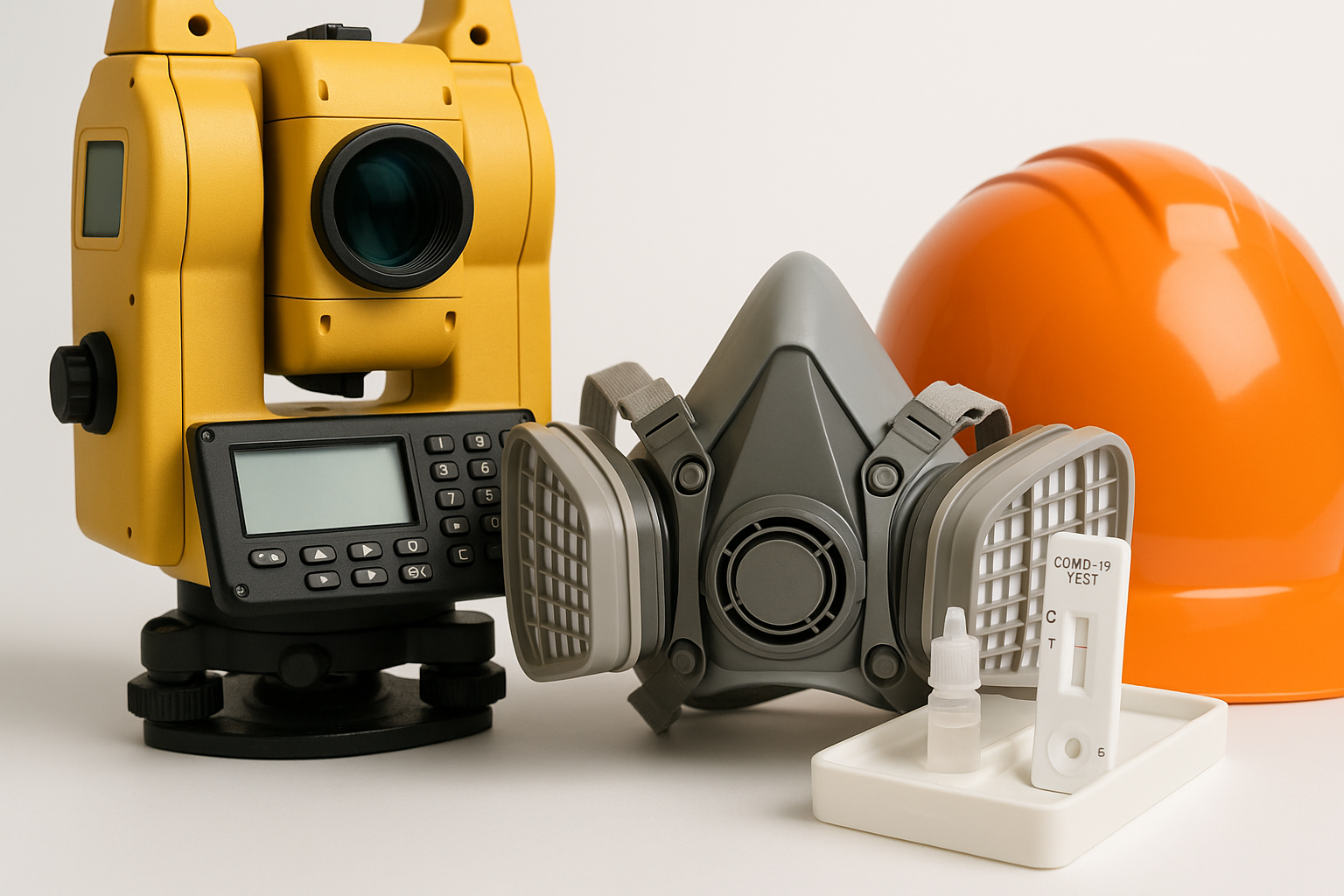
Common locations include:
- Pipe lagging and boiler insulation
- Asbestos insulating board in partitions, risers and ceiling voids
- Textured coatings on walls and ceilings
- Vinyl floor tiles and bitumen adhesive
- Roof sheets, gutters and downpipes made from asbestos cement
- Fire doors and fire protection panels
- Sprayed coatings used for insulation or fire resistance
- Plant rooms, service cupboards and ducts
If your premises have not been surveyed properly, assumptions are risky. A material may look harmless while still containing asbestos.
Higher-risk asbestos materials
Some asbestos-containing materials are more likely to release fibres than others. These need especially careful handling and assessment.
- Pipe lagging
- Loose fill insulation
- Sprayed coatings
- Damaged asbestos insulating board
These products are generally more friable, which means fibres can be released more easily if the material is disturbed.
Resistance does not mean safe
This is the point many building owners miss. The answer to is asbestos resistant to radiation does not tell you whether a material is safe to leave in place, safe to drill through or safe to remove without controls.
Safety depends on condition, location and likelihood of disturbance. A stable asbestos cement sheet in good condition presents a different risk profile from damaged lagging in a plant room. Both still require proper management.
Common misconceptions
- If it is heat resistant, it must be safe. False. Heat resistance has nothing to do with inhalation risk.
- If it looks solid, it cannot release fibres. False. Cutting, drilling, sanding or breakage can release fibres.
- If it has been there for years, it is no longer a concern. False. Age, water damage and maintenance work can increase the risk.
- If nobody has complained, there is no problem. False. Asbestos fibres are microscopic and there is no immediate warning sign.
How asbestos becomes dangerous to health
Asbestos is dangerous when fibres become airborne and are inhaled. These fibres are too small to see with the naked eye, and they can remain suspended in the air after disturbance.
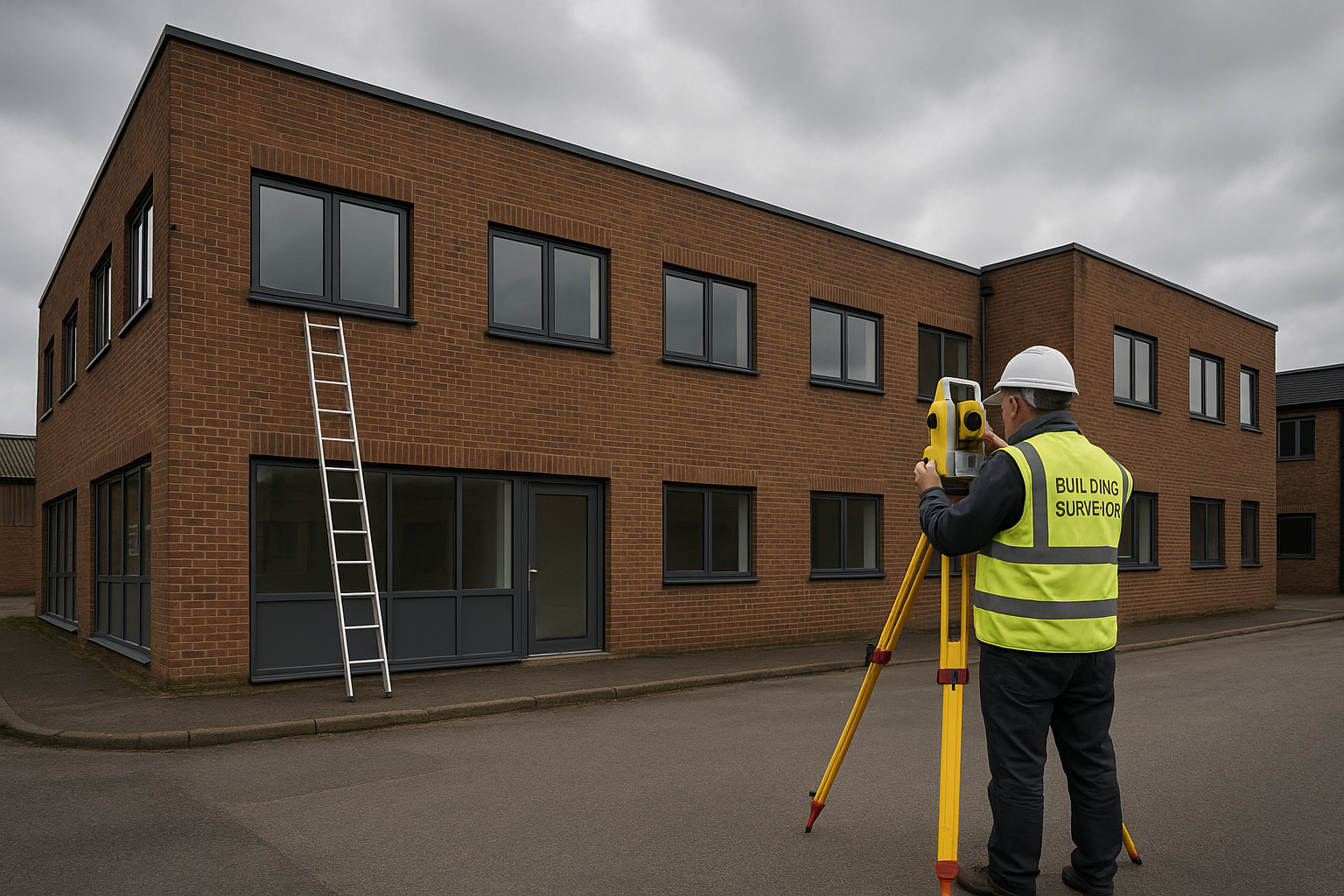
Once inhaled, fibres can lodge deep in the lungs. The body does not remove them effectively, which is why asbestos-related disease can develop long after the original exposure.
Health effects linked to asbestos exposure
- Mesothelioma
- Asbestos-related lung cancer
- Asbestosis
- Pleural thickening
- Pleural plaques
These illnesses often have a long latency period. That is one reason asbestos management must be proactive rather than reactive.
The practical lesson is clear: whether or not is asbestos resistant to radiation has a technical answer, asbestos remains a serious health hazard when disturbed.
Your legal duties under UK asbestos law
For non-domestic premises, the duty to manage asbestos sits under the Control of Asbestos Regulations. If you are the dutyholder, you must take reasonable steps to find out whether asbestos is present, assess the risk and keep that information up to date.
HSG264 sets the recognised standard for asbestos surveying. HSE guidance makes clear that surveys, sampling and risk assessments must be suitable and carried out by competent people.
What dutyholders need to do
- Identify whether asbestos is present or presumed to be present
- Keep an up-to-date asbestos register
- Assess the condition and risk of each material
- Prepare and review an asbestos management plan
- Share asbestos information with anyone who may disturb the material
- Arrange reinspection where needed
- Commission the right survey before refurbishment or demolition
If you only remember one point, make it this: asking is asbestos resistant to radiation is not a substitute for legal compliance. You need evidence, records and a practical management process.
When you need an asbestos survey
You need an asbestos survey when asbestos may be present and the building is occupied, maintained, refurbished or demolished. The correct survey type depends on what is happening at the property.
Using the wrong survey, or relying on an old one, can leave hidden asbestos undiscovered.
Management survey
A management survey is designed to locate, as far as reasonably practicable, the presence and extent of asbestos-containing materials that could be disturbed during normal occupation or routine maintenance.
This is usually the foundation of your asbestos register. If you are responsible for day-to-day occupation of a non-domestic building, this is often the starting point.
Refurbishment survey
A refurbishment survey is needed before work that will disturb the building fabric. It is more intrusive because it must identify asbestos in the specific areas affected by the planned works.
This is essential before strip-outs, major upgrades, rewiring, HVAC replacement or internal alterations. Without it, contractors can disturb hidden asbestos and contaminate the area.
Demolition survey
A demolition survey is required before a structure is demolished. It is fully intrusive and aims to identify all asbestos-containing materials within the building so they can be managed before demolition starts.
This protects workers, neighbouring premises and the wider environment.
Practical steps if you suspect asbestos
If you find a suspicious material, do not try to confirm it yourself. Do not break off a sample, wipe dust away or ask a contractor to “just be careful”.
Take these steps instead:
- Stop work immediately
- Keep people away from the area
- Avoid touching or moving the material
- Prevent sweeping, drilling or cleaning nearby
- Check the asbestos register if one exists
- Contact a competent asbestos surveyor for inspection or sampling
Fast action limits the chance of fibre release. It also shows that you have taken sensible steps as a dutyholder.
What not to do
- Do not rely on visual identification alone
- Do not send untrained staff to investigate
- Do not continue work until the material has been assessed
- Do not assume a domestic-looking product is asbestos-free
How to manage asbestos safely in occupied buildings
Not all asbestos has to be removed immediately. In many cases, the safest option is to leave it in place if it is in good condition, unlikely to be disturbed and properly recorded.
That decision must be based on evidence, not guesswork.
Good asbestos management in practice
- Maintain a clear asbestos register
- Label or record affected areas appropriately
- Review material condition during periodic reinspections
- Control access where necessary
- Brief contractors before they start work
- Update records after sampling, removal or remedial work
For property managers with multiple sites, consistency matters. A clear process across your portfolio reduces confusion and helps contractors work safely.
Why older reports can create problems
One of the biggest compliance issues is reliance on outdated asbestos information. A report may be years old, limited in scope or based on a building layout that has since changed.
Refurbishment, damage, water ingress and service works can all alter the condition of asbestos-containing materials. If your register is vague, incomplete or difficult for contractors to use, it needs attention.
Signs your asbestos information may need updating
- The survey does not match the current building layout
- Materials are listed as presumed but never sampled
- There is no recent reinspection information
- Planned works go beyond the survey scope
- Contractors cannot clearly identify affected areas from the records
That is where fresh surveying becomes essential, especially before intrusive work.
Local support for multi-site property portfolios
If you manage properties across different regions, local access to surveyors helps keep projects moving. Whether you need a single site visit or support across a wider estate, using a specialist team makes coordination easier.
Supernova provides regional support including asbestos survey London, asbestos survey Manchester and asbestos survey Birmingham services.
That matters when you are dealing with maintenance deadlines, pre-acquisition checks, tenant works or contractor mobilisation across multiple buildings.
What property managers should take away from this
So, is asbestos resistant to radiation? Yes, that is one of the reasons it was historically used in demanding environments. But that property is not what creates your risk today.
Your real exposure lies in unidentified materials, poor records, unplanned disturbance and gaps in contractor communication. If asbestos is present, your job is to know where it is, understand its condition and make sure nobody disturbs it without the right controls.
If you are unsure whether your building has been properly assessed, act before maintenance or refurbishment starts. That is always cheaper and safer than dealing with contamination after the event.
Need expert asbestos surveying support?
Supernova Asbestos Surveys has completed more than 50,000 surveys nationwide and supports property managers, landlords, managing agents and dutyholders across the UK. If you need help with asbestos identification, reinspection or the right survey before planned works, speak to our team.
Call 020 4586 0680 or visit asbestos-surveys.org.uk to book a survey or get practical advice on the next step.
Frequently Asked Questions
Is asbestos resistant to radiation and heat?
Asbestos has strong heat resistance and can remain stable in some harsh conditions, which is why it was historically used in insulation and fire protection. However, that does not make it safe. The health risk comes from inhaling airborne fibres if the material is disturbed.
Does radiation resistance mean asbestos is safe to leave in place?
No. Whether asbestos can stay in place depends on its condition, location and likelihood of disturbance. Some materials can be managed safely if they are in good condition and properly recorded, but others may need remedial action or removal.
When do I need an asbestos survey?
You may need a survey if you manage an older non-domestic property, if asbestos status is unknown, or before refurbishment or demolition works. The correct survey type depends on whether the building is in normal use, being refurbished or being demolished.
Can I identify asbestos just by looking at it?
No. Many asbestos-containing materials look similar to non-asbestos products. Visual inspection alone is not enough to confirm presence or absence, which is why sampling and surveying should be carried out by competent professionals.
What should I do if a contractor damages suspected asbestos?
Stop work immediately, restrict access, prevent further disturbance and seek professional advice. Do not clean up debris or continue working until the material has been assessed and the right controls are in place.