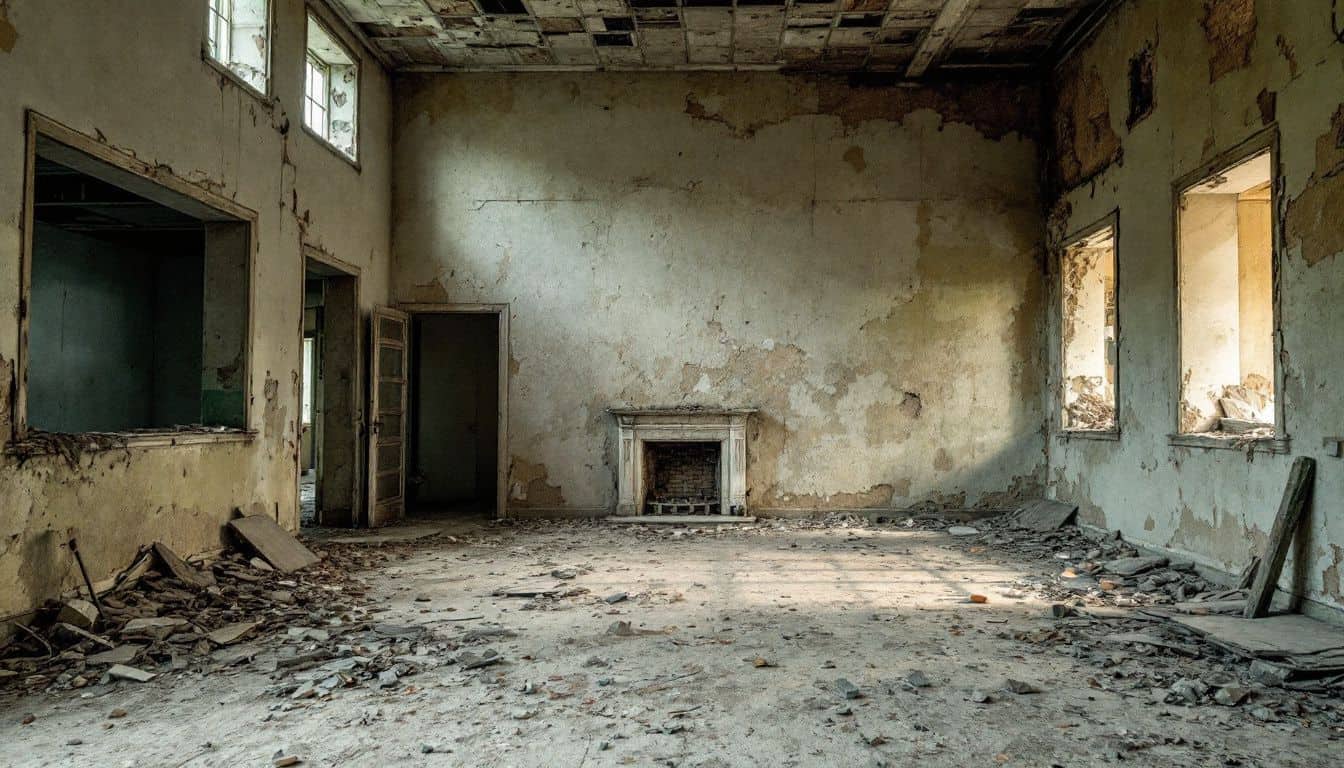
Can I Sue My Landlord for Asbestos? Your Rights as a UK Tenant
If you’ve discovered asbestos in your rented home and your landlord has done nothing about it, you’re not alone — and you may well have legal grounds to take action. The question “can I sue my landlord for asbestos” comes up regularly, and the honest answer is: yes, in many circumstances you can.
But success depends on understanding your rights, gathering solid evidence, and knowing exactly which obligations your landlord has failed to meet. This post breaks down your legal rights as a tenant, the steps you should take before pursuing any legal action, and how to protect your health in the meantime.
What Are Your Landlord’s Legal Obligations Regarding Asbestos?
Landlords in the UK are not simply expected to manage asbestos — they are legally required to. Several pieces of legislation place clear duties on property owners when it comes to asbestos-containing materials (ACMs).
The Control of Asbestos Regulations
The Control of Asbestos Regulations place a duty to manage asbestos on those responsible for non-domestic premises. For residential landlords, this covers common areas of rented properties — hallways, stairwells, boiler rooms, and shared spaces — which must be assessed and managed appropriately.
Where asbestos is present and in poor condition, landlords must take action. Ignoring it is not a legal option.
The Landlord and Tenant Act 1985
Under this Act, landlords are required to keep rented properties in a safe and habitable condition. If asbestos is present and poses a risk to health — particularly if it’s damaged or disturbed — this could constitute a breach of the landlord’s repairing obligations.
Tenants who suffer harm as a result of a landlord’s failure to address a known hazard may have a valid claim in negligence or breach of contract.
The Housing Act and the Homes (Fitness for Human Habitation) Act
The Housing Act introduced the Housing Health and Safety Rating System (HHSRS), which identifies asbestos as a potential hazard that local authorities can act upon. The Homes (Fitness for Human Habitation) Act goes further, requiring that rented properties remain fit for habitation throughout the tenancy.
A property with hazardous, deteriorating asbestos materials could fall foul of both pieces of legislation — giving tenants additional routes to seek redress.
Can I Sue My Landlord for Asbestos Exposure? Understanding the Grounds
Simply having asbestos present in a property is not, by itself, grounds for a lawsuit. Asbestos that is in good condition and undisturbed is generally considered low risk. What matters legally is whether your landlord knew about the asbestos, failed to manage or disclose it, and whether that failure caused you harm or put you at genuine risk.
Grounds for a Legal Claim
You may have grounds to sue your landlord if one or more of the following apply:
- Your landlord knew asbestos was present and failed to disclose it to you
- Maintenance or renovation work disturbed asbestos without proper precautions, exposing you to fibres
- Asbestos-containing materials were in a deteriorating condition and your landlord ignored your complaints
- You or a family member have developed an asbestos-related illness linked to exposure in the property
- Your landlord failed to commission a proper asbestos survey before allowing work to proceed
Types of Legal Action Available
Depending on your circumstances, you could pursue one or more of the following:
- A negligence claim — if your landlord failed in their duty of care and you suffered harm as a result
- A breach of contract claim — if the tenancy agreement or statutory obligations were not met
- A personal injury claim — if you have developed an asbestos-related disease such as mesothelioma, asbestosis, or lung cancer
- A housing disrepair claim — if hazardous asbestos constitutes a failure to maintain the property in a habitable condition
Personal injury claims related to asbestos-related diseases are among the most serious and can result in significant compensation. These claims are time-sensitive, so seeking legal advice promptly is essential.
What Evidence Do You Need to Build a Case?
Before pursuing legal action, you need a solid evidential foundation. Courts and solicitors will want to see that you raised the issue, that your landlord was aware, and that they failed to act appropriately.
Document Everything
Keep records of every communication with your landlord regarding asbestos — emails, letters, text messages, and notes from phone calls. If you’ve made verbal complaints, follow them up in writing so there’s a clear paper trail.
Photograph the affected areas, particularly if materials appear damaged or deteriorating. Visual evidence of poor condition carries real weight in legal proceedings.
Get a Professional Asbestos Survey
One of the most important steps you can take is to arrange an independent asbestos testing survey carried out by a qualified professional. A surveyor will identify whether ACMs are present, assess their condition, and produce a formal report.
This report can serve as critical evidence in any legal proceedings, demonstrating the presence and condition of asbestos at a specific point in time. Do not skip this step — it could be the difference between a strong claim and a weak one.
Medical Records
If you believe you have been exposed to asbestos fibres, see your GP immediately and ensure the potential exposure is documented in your medical records. Asbestos-related diseases can take decades to develop, so early documentation of exposure is vital for any future claim.
What Should You Do Immediately If You Find Asbestos in Your Rented Property?
Before any legal action, there are immediate practical steps you must take to protect yourself and others in the property.
Stop All Work and Secure the Area
If asbestos is discovered during maintenance or renovation work, stop all activity immediately. Disturbing asbestos releases microscopic fibres into the air — fibres that can be inhaled and cause serious, irreversible lung damage.
Seal off the affected area using heavy-duty plastic sheeting and restrict access until a licensed professional has assessed the situation. Do not attempt to clean up debris yourself.
Notify Your Landlord in Writing
Contact your landlord immediately — and do so in writing. This creates an official record that they were informed of the issue. Be specific about where the suspected asbestos was found, what condition it appears to be in, and what work (if any) disturbed it.
Give your landlord a reasonable timeframe to respond and take action. Keep copies of absolutely everything.
Report to the Relevant Authorities
If your landlord fails to act, you have several avenues for escalation:
- The Health and Safety Executive (HSE) — the primary regulatory body for asbestos in the UK. You can report concerns via their website or helpline.
- Your local council’s environmental health department — they have powers to inspect properties and require landlords to address hazards under the HHSRS.
- The Housing Ombudsman Service — if your landlord is a social housing provider, the Ombudsman can investigate complaints of negligence.
- The Local Government Ombudsman — if the local authority itself has failed to act on your complaint.
Seek Legal Advice Without Delay
Speak to a solicitor who specialises in housing disrepair or personal injury claims. Many operate on a no-win, no-fee basis for asbestos-related cases. They will assess the merits of your claim and advise on the best course of action.
Personal injury claims are subject to limitation periods — typically three years from the date you knew (or ought to have known) that your illness was linked to asbestos exposure. Do not delay.
What Should a Responsible Landlord Actually Be Doing?
Understanding what your landlord should be doing is important — both to identify failures and to know what a proper response looks like.
Commission a Professional Survey Before Any Work
Before any maintenance, renovation, or demolition work on a property built before 2000, a responsible landlord must commission a professional asbestos survey. This is not optional guidance — it is required under HSE guidance (HSG264) for refurbishment and demolition work.
Whether you need asbestos testing for a rented flat or a large commercial premises, the principle is the same: survey first, work second. No exceptions.
If you’re based in London, our team provides a thorough asbestos survey London service covering all property types across the capital. We also offer a dedicated asbestos survey Manchester service and an asbestos survey Birmingham service for tenants and landlords across the Midlands and North West.
Use Licensed Removal Contractors
Not all asbestos work requires a licensed contractor, but high-risk materials — such as sprayed coatings, lagging, and loose-fill insulation — must only be handled by HSE-licensed professionals. A responsible landlord will never cut corners here.
If asbestos removal is required, the contractor must follow strict procedures: sealing off the work area, using appropriate personal protective equipment (PPE) including HEPA filter respirators and disposable coveralls, and transporting waste to an authorised disposal facility.
Maintain an Asbestos Management Plan
For properties with known ACMs that are in good condition, management in situ — leaving it undisturbed and monitoring it — is often the safest approach. But this requires a written asbestos management plan, regular condition monitoring, and clear communication with tenants about what is present and where.
If your landlord has never mentioned asbestos despite the property being of an age where it is likely present, that is a red flag worth pursuing.
Health Risks: Why Acting Quickly Matters
Asbestos-related diseases are among the most serious health conditions in the UK. Mesothelioma — a cancer of the lining of the lungs — is almost exclusively caused by asbestos exposure and has no cure. Asbestosis causes progressive, irreversible scarring of lung tissue. Asbestos-related lung cancer is also well-documented.
What makes these diseases particularly devastating is the latency period — symptoms may not appear until 20 to 40 years after exposure. By the time a diagnosis is made, the disease is often advanced.
This is why acting quickly when you suspect asbestos exposure is so critical. Arrange independent testing to confirm what you’re dealing with, see your GP, and seek legal advice without delay.
What Compensation Could You Claim?
The amount of compensation available in asbestos-related claims varies significantly depending on the nature and severity of the harm suffered. Claims can include:
- General damages — for pain, suffering, and loss of amenity
- Special damages — for financial losses including medical costs, lost earnings, and care costs
- Provisional damages — where you have been exposed but not yet developed a disease, preserving your right to return to court if a condition develops in future
In cases involving serious asbestos-related diseases, compensation awards can be substantial. A specialist solicitor will give you a realistic assessment based on your specific circumstances.
What If Your Landlord Claims They Didn’t Know?
Ignorance is not a complete defence. Landlords have a legal duty to assess their properties for asbestos, particularly in buildings constructed before 2000 when asbestos use was widespread. Claiming not to have known is not the same as having taken reasonable steps to find out.
If a landlord failed to commission a survey before undertaking work, or purchased a property without investigating its asbestos status, a court may find that they ought to have known — and hold them liable accordingly. The duty to manage is proactive, not reactive.
Protecting Yourself as a Tenant: A Practical Checklist
Whether you’re in the early stages of concern or preparing for legal action, keep this checklist in mind:
- Stop any work that may have disturbed suspected asbestos immediately
- Seal off the affected area and keep others away
- Notify your landlord in writing, with specific details of the issue
- Photograph all affected areas and keep dated records
- Arrange an independent professional asbestos survey
- See your GP and request that any potential exposure is recorded in your notes
- Report to the HSE or your local environmental health team if your landlord fails to respond
- Consult a specialist solicitor — many offer free initial consultations
- Keep every piece of correspondence, no matter how minor it seems
Each of these steps strengthens your position, whether you’re seeking to force your landlord to act or building a case for compensation.
Frequently Asked Questions
Can I sue my landlord for asbestos if I haven’t developed an illness yet?
Yes, in some circumstances. If your landlord’s negligence exposed you to asbestos fibres, you may be able to claim for the distress, disruption, and risk caused — even without a current diagnosis. You may also be eligible for provisional damages, which preserve your right to claim again if a condition develops in future. Speak to a specialist solicitor to understand your options fully.
What if my landlord claims they didn’t know about the asbestos?
Landlords have a proactive duty to assess their properties for asbestos, particularly in buildings built before 2000. Claiming ignorance is not a complete defence — if a landlord failed to take reasonable steps to investigate, a court may find they ought to have known. Document everything and seek legal advice, as this argument often fails under scrutiny.
Does the law cover asbestos in private rented homes as well as social housing?
Yes. While the Control of Asbestos Regulations primarily apply to non-domestic premises and common areas, the Homes (Fitness for Human Habitation) Act and the Landlord and Tenant Act apply to all rented residential properties — whether private or social housing. Tenants in both sectors have legal protections and routes to seek redress.
How long do I have to make a claim?
For personal injury claims related to asbestos-related diseases, the limitation period is typically three years from the date you knew — or ought reasonably to have known — that your illness was linked to asbestos exposure. For housing disrepair claims, different timeframes may apply. Given these time limits, seeking legal advice as soon as possible is strongly advisable.
What type of asbestos survey do I need as a tenant?
As a tenant, you would typically commission a management survey to establish whether ACMs are present and assess their condition. If refurbishment or demolition work is planned, a refurbishment and demolition survey is required under HSG264. A qualified asbestos surveyor will advise you on the appropriate type based on your specific situation and the nature of any work involved.
Get Expert Asbestos Support from Supernova
If you’ve found asbestos in your rented property, don’t wait for your landlord to act. Supernova Asbestos Surveys has completed over 50,000 surveys across the UK, providing tenants, landlords, and property managers with the independent, professional assessments they need.
Our UKAS-accredited surveyors operate nationwide, with specialist teams covering London, Manchester, Birmingham, and beyond. We provide clear, legally robust survey reports that can support housing disrepair complaints, legal claims, and regulatory investigations.
Call us today on 020 4586 0680 or visit asbestos-surveys.org.uk to book your survey. Acting now could protect both your health and your legal position.