Why Asbestos Management Plans in Public Buildings Must Be a Government Priority
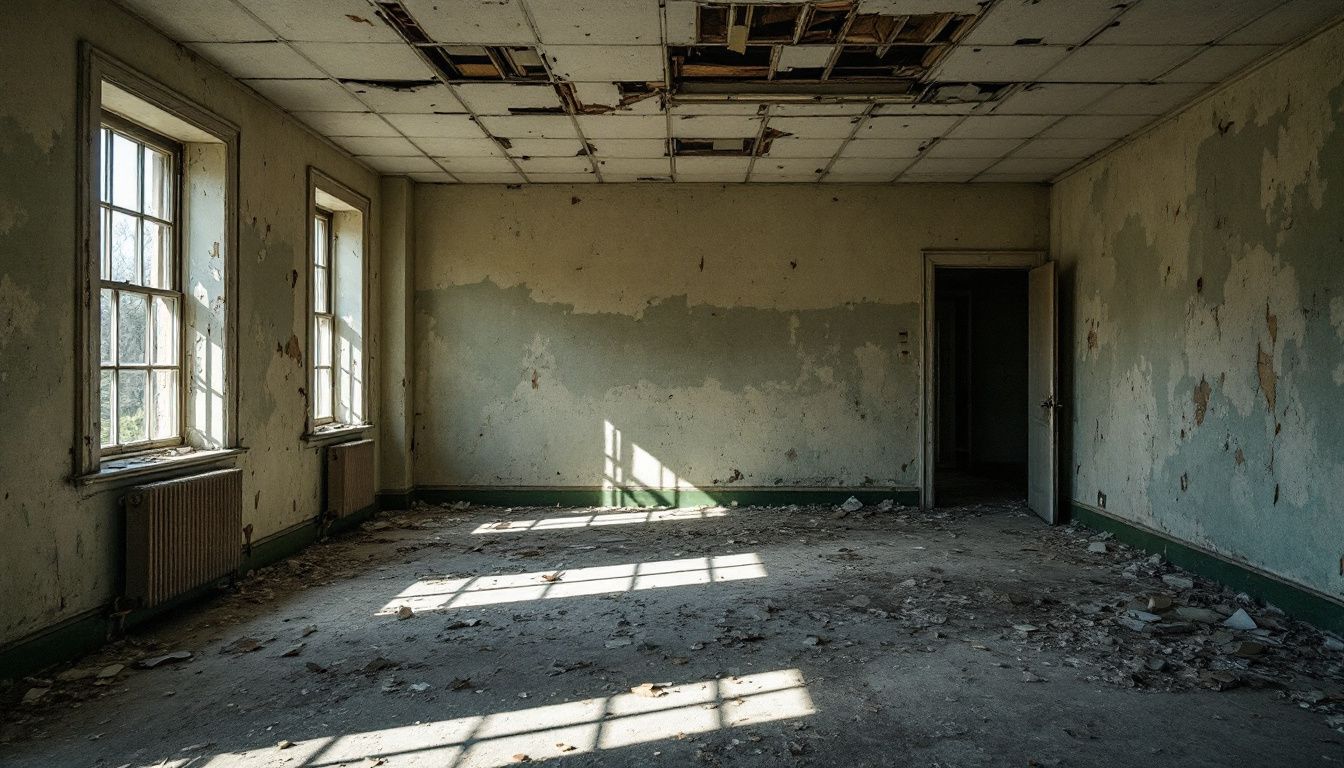
Hundreds of thousands of public buildings across the UK still contain asbestos — and the majority of people who use them every day have no idea. Schools, hospitals, council offices, and government institutions built before 2000 are particularly affected, and without robust asbestos management plans in public buildings, the risk to occupants remains entirely real and legally unresolved.
This is not a historical problem that quietly resolved itself decades ago. It is an ongoing legal duty that building owners, local authorities, and government bodies are required to address right now. Getting it right protects lives. Getting it wrong can result in prosecution, significant financial penalties, and — most critically — preventable deaths from asbestos-related diseases including mesothelioma and lung cancer.
The Scale of the Problem Across UK Public Buildings
Asbestos was widely used in UK construction from the 1950s through to the late 1990s, prized for its fire resistance, durability, and insulating properties. The result is that a vast number of public buildings constructed during that era contain asbestos-containing materials (ACMs) in everything from ceiling tiles and floor coverings to pipe lagging, roof panels, and electrical switchgear.
The NHS estate is a stark example. A significant proportion of NHS hospitals contain asbestos, and managing it safely is an ongoing operational challenge for trust estates teams. Schools present a similar picture — surveys have repeatedly found that the majority of school buildings constructed before 2000 contain some form of ACM.
Worryingly, many teaching staff remain unaware of whether asbestos is present in their workplace at all. Government offices, courts, police stations, libraries, and leisure centres face the same reality. The sheer volume of affected buildings makes asbestos management plans in public buildings one of the most significant occupational health challenges facing the public sector today.
The Legal Framework: What the Regulations Require
The Control of Asbestos Regulations place a clear legal duty on those who manage non-domestic premises to take responsibility for asbestos within their buildings. This duty applies to all public sector buildings — there are no exemptions for government institutions or local authorities.
The Duty to Manage
The duty to manage asbestos requires dutyholders to identify whether ACMs are present, assess the condition and risk they pose, and put in place a written asbestos management plan that sets out how those risks will be controlled. This plan must be kept up to date and made accessible to anyone who needs it — including contractors, maintenance staff, and emergency services.
HSE guidance, including HSG264, provides detailed practical advice on how surveys should be conducted and how management plans should be structured. Following this guidance is not optional for public bodies — it is the expected standard of compliance.
Who Is Responsible?
The dutyholder is typically the building owner, the employer responsible for the premises, or whoever holds a lease that gives them control over maintenance. In public buildings, this often means local councils, NHS trusts, academy trusts, government departments, or other public bodies.
Dutyholders must:
- Commission and maintain an up-to-date asbestos register
- Ensure a suitable asbestos management plan is in place and reviewed regularly
- Inform anyone who may disturb ACMs of their location and condition
- Ensure all work involving asbestos is carried out by appropriately trained and, where required, licensed contractors
- Keep records of all surveys, inspections, and remediation work
Failure to meet these obligations can result in enforcement action by the HSE, improvement notices, prohibition notices, and prosecution. Fines in magistrates’ courts can reach significant sums, and cases referred to the Crown Court carry the potential for unlimited fines and custodial sentences.
Conducting Asbestos Surveys in Public Buildings
Before any management plan can be written, a thorough asbestos survey must be carried out. This is not something that can be done by a caretaker with a checklist — it requires a competent, accredited surveyor working to the standards set out in HSG264.
Management Surveys
A management survey is the standard survey required for occupied buildings. It identifies the location, extent, and condition of ACMs that could be disturbed during normal occupancy, including routine maintenance and minor works. The findings feed directly into the asbestos register and management plan.
For public buildings with large and complex estates — such as hospital campuses or multi-site school trusts — management surveys need to be carefully planned and phased to avoid disrupting operations. Survey teams must have access to all accessible areas, including roof voids, plant rooms, and service ducts where ACMs are commonly found.
Refurbishment and Demolition Surveys
If a public building is undergoing significant refurbishment or is due for demolition, a more intrusive demolition survey is required. This goes beyond what a management survey covers and involves destructive inspection of areas that would otherwise remain undisturbed. No major building works should begin without one.
Public sector project managers and estates teams must ensure that asbestos surveys are built into the planning timeline for any capital works programme — not treated as an afterthought once contractors are already on site.
Developing an Effective Asbestos Management Plan
An asbestos management plan is not simply a document that sits in a filing cabinet. It is a live working tool that guides how asbestos risks are controlled day to day and how the organisation responds when circumstances change.
What a Good Plan Includes
An effective asbestos management plan for a public building should cover:
- A full asbestos register detailing the location, type, and condition of all identified ACMs
- A risk assessment for each ACM, determining the likelihood of fibre release and the potential for disturbance
- Specific control measures for each identified risk — whether that is encapsulation, labelling, monitoring, or planned removal
- Clear procedures for informing contractors and maintenance workers before they begin any work
- A programme of periodic reinspection to monitor the condition of ACMs over time
- Emergency procedures for accidental disturbance or damage to ACMs
- Training requirements for relevant staff, including facilities managers, caretakers, and anyone else who may encounter ACMs in their work
Keeping the Plan Current
An asbestos management plan must be reviewed and updated regularly. Any change to the building — a refurbishment, a change of use, new survey findings, or the removal of an ACM — should trigger a review of the relevant sections of the plan.
Public bodies with large estates should have a named individual with clear responsibility for maintaining the plan and ensuring it reflects the current state of the building. Digital asset management systems are increasingly used to maintain asbestos registers and management plans for complex estates, allowing real-time updates and providing an auditable record of all actions taken.
Challenges Facing Public Sector Dutyholders
Managing asbestos in public buildings is rarely straightforward. Public sector organisations face a combination of financial pressure, ageing building stock, and operational constraints that make compliance genuinely difficult — though none of these factors reduce the legal obligation to manage risks properly.
Budget Constraints
Asbestos management and remediation is expensive. Surveys, reinspections, management plan maintenance, and — where necessary — asbestos removal all carry significant costs. For local authorities and NHS trusts operating under sustained financial pressure, it can be tempting to defer planned reinspections or delay remediation work.
This is a false economy. The cost of reactive remediation following an accidental disturbance, or of defending an HSE enforcement action, will almost always exceed the cost of proactive management. Where removal is identified as the appropriate long-term solution, it should be properly planned and funded within capital programmes rather than indefinitely deferred.
Operational Disruption
Public buildings are, by definition, in constant use. Conducting surveys, carrying out reinspections, and undertaking remediation work in occupied schools, hospitals, and council offices requires careful coordination to avoid disrupting services. Out-of-hours working, phased programmes, and close collaboration between estates teams and operational managers are all essential.
Legacy Records and Knowledge Gaps
Many older public buildings have incomplete or inaccurate records of their construction history. Previous surveys may have been lost, or may have been conducted to standards that no longer reflect current HSE guidance. Where there is any doubt about the completeness of existing asbestos information, a new management survey should be commissioned rather than relying on outdated records.
Asbestos Management in Specific Public Building Types
Schools and Educational Establishments
Schools present particular challenges because the occupants — children — are potentially more vulnerable to the long-term effects of asbestos exposure, and because the buildings are used intensively throughout the academic year. The dutyholder in a maintained school is typically the local authority or, in the case of academies, the academy trust.
Headteachers and business managers should be fully briefed on the contents of their school’s asbestos management plan and know exactly what to do if ACMs are suspected to have been disturbed. All maintenance contractors working on school premises must be informed of the asbestos register before they begin work — no exceptions.
NHS and Healthcare Settings
NHS estates teams manage some of the most complex asbestos challenges in the public sector. Large hospital sites often contain a mix of building ages and construction types, with ACMs present in a wide range of locations including plant rooms, service corridors, ceiling voids, and older ward blocks.
The need to maintain clinical services at all times means that any asbestos work must be planned meticulously to avoid patient and staff exposure. Asbestos management plans in public buildings of this scale require a level of operational coordination that demands dedicated resource and clear lines of accountability.
Government and Local Authority Buildings
Council offices, courts, police stations, and other government buildings are subject to the same legal duties as any other non-domestic premises. Public bodies should not assume that their status as a government institution provides any protection from HSE enforcement — the regulator has taken action against public sector organisations in the past and will continue to do so where compliance is inadequate.
The Role of Technology in Modern Asbestos Management
Technology is improving the way asbestos is surveyed, monitored, and managed across public estates. Digital platforms allow asbestos registers and management plans to be maintained centrally and accessed by authorised users across multiple sites. Surveyors can upload findings, photographs, and risk assessments directly from site, reducing the lag between survey completion and plan update.
Air monitoring technology has also advanced significantly. Continuous air monitoring equipment can be deployed in areas where asbestos work is taking place to provide real-time data on airborne fibre concentrations, giving estates managers and contractors immediate assurance that control measures are working effectively.
Specialist vacuum and containment systems used during asbestos removal have become more effective at preventing fibre release during works, reducing the risk to building occupants and workers alike.
Asbestos Surveys Across the UK: Regional Coverage for Public Sector Clients
Public sector dutyholders across England need access to accredited, experienced surveyors who understand the specific demands of complex public estates. Supernova Asbestos Surveys operates nationwide, with dedicated regional teams covering major urban centres and surrounding areas.
For public bodies in the capital, our asbestos survey London service covers the full range of survey types across all public building categories. In the North West, our asbestos survey Manchester team works with local authorities, NHS trusts, and educational establishments throughout the region. Public sector clients in the Midlands can access the same level of expertise through our asbestos survey Birmingham service.
Wherever your buildings are located, our surveyors are BOHS-qualified, work to HSG264 standards, and understand the operational constraints that come with surveying occupied public buildings.
What Public Sector Dutyholders Should Do Right Now
If you manage a public building and are uncertain about the status of your asbestos management obligations, the following steps provide a practical starting point:
- Establish whether a current asbestos register exists — if not, or if the last survey is more than a few years old, commission a new management survey immediately.
- Review your existing asbestos management plan — does it reflect the current condition of the building? Has it been updated following any refurbishment or maintenance work?
- Check your contractor management procedures — are all contractors and maintenance workers being briefed on ACM locations before they begin work?
- Identify a named dutyholder — someone within your organisation must have clear, documented responsibility for asbestos management.
- Plan your reinspection programme — ACMs in situ must be monitored periodically. If reinspections are overdue, schedule them now.
- Assess any planned works — if refurbishment or demolition is on the horizon, ensure a refurbishment or demolition survey is commissioned before any work begins.
None of these steps require significant resource to initiate. What they require is clear accountability and a willingness to treat asbestos management as the serious, ongoing legal obligation it is — not an administrative inconvenience to be deferred.
Frequently Asked Questions
Are public buildings legally required to have an asbestos management plan?
Yes. The Control of Asbestos Regulations require dutyholders of all non-domestic premises — including public buildings — to manage asbestos. This includes identifying ACMs, assessing the risks they pose, and producing a written asbestos management plan. There are no exemptions for government institutions, local authorities, or public bodies of any kind.
How often should an asbestos management plan be reviewed in a public building?
There is no fixed statutory interval, but HSE guidance makes clear that management plans must be kept up to date. In practice, this means reviewing the plan whenever there is a change to the building, following any new survey findings, after any disturbance or remediation of ACMs, and at least annually as a matter of good practice. Large public estates should have a formal review schedule in place.
What type of asbestos survey is needed before refurbishment work in a public building?
A refurbishment or demolition survey is required before any significant building works begin. Unlike a management survey, this is a more intrusive inspection that involves accessing areas which would be disturbed during the works. It must be completed before contractors start work — not during or after. Commissioning this survey should be built into the project planning timeline from the outset.
Who is responsible for asbestos management in a school?
In a maintained school, the dutyholder is typically the local authority. In an academy or free school, responsibility falls to the academy trust. Headteachers and school business managers should be fully aware of their school’s asbestos management plan, know the location of any ACMs, and ensure that all maintenance contractors are briefed before undertaking any work on the premises.
What happens if a public sector organisation fails to comply with asbestos regulations?
The HSE can issue improvement notices, prohibition notices, and prosecute dutyholders who fail to comply with the Control of Asbestos Regulations. Fines in magistrates’ courts can be substantial, and cases referred to the Crown Court carry the potential for unlimited fines and custodial sentences. The HSE has previously taken enforcement action against public sector organisations and does not treat them differently from private sector dutyholders.
Speak to Supernova Asbestos Surveys
Supernova Asbestos Surveys has completed over 50,000 surveys across the UK, working with public sector clients including local authorities, NHS trusts, educational establishments, and government bodies. Our BOHS-qualified surveyors understand the specific demands of public sector asbestos management and can support you from initial survey through to management plan development, reinspection programmes, and remediation.
To discuss your requirements, call us on 020 4586 0680 or visit asbestos-surveys.org.uk to request a quote or find out more about our services.