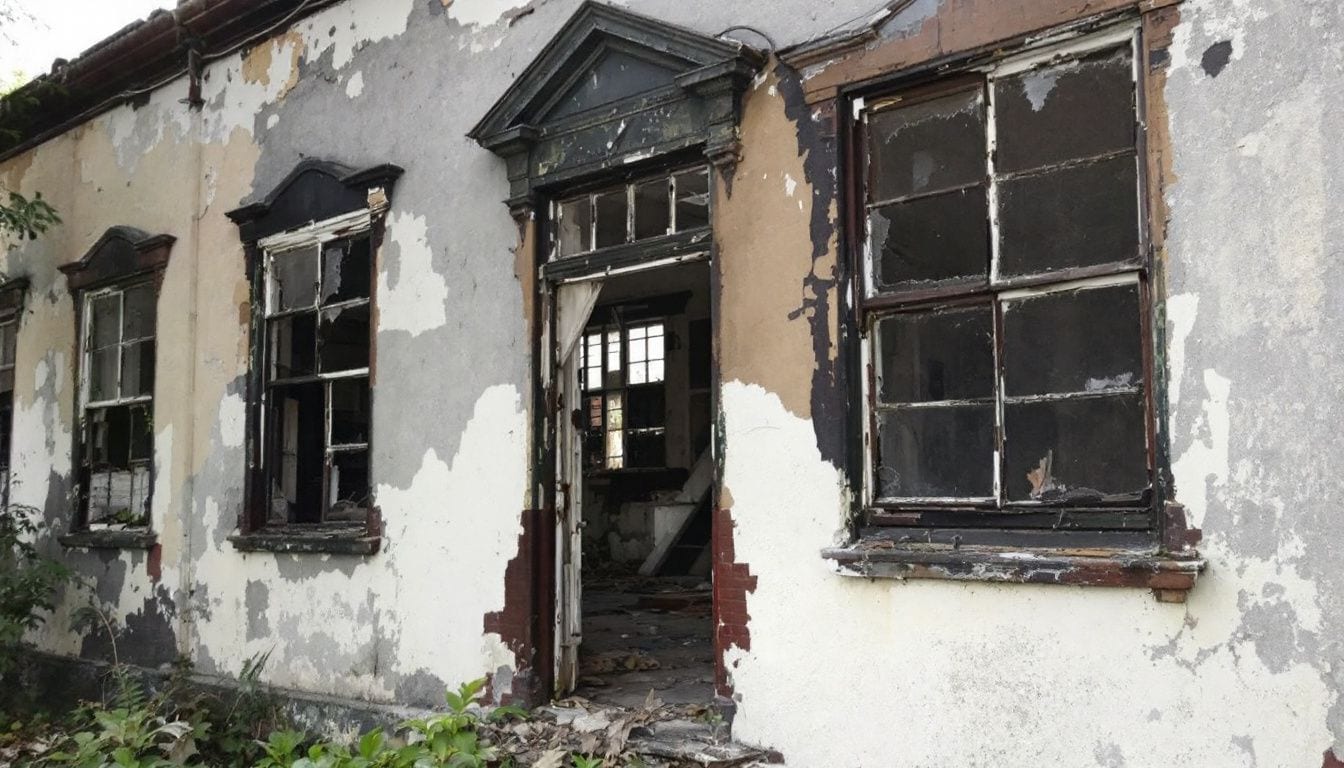
Asbestos Is Still Killing Thousands of People in the UK Every Year
The health effects of asbestos exposure remain a growing concern for UK public health — and the scale of the problem is far larger than most people realise. Despite a complete ban on asbestos use in 1999, the material still lurks inside millions of homes, schools, hospitals, and offices across the country. The fibres don’t announce themselves. They’re invisible, odourless, and capable of causing fatal disease decades after the initial contact.
Understanding where asbestos hides, what it does to the body, and what can be done about it could save your life — or the lives of people you’re responsible for.
Where Asbestos Still Exists in UK Buildings
The 1999 ban stopped new asbestos being imported or used in construction. It did nothing to remove the asbestos already installed in buildings built before that date. The result is a legacy problem of enormous proportions.
Over 1.5 million homes and an estimated 300,000 business premises in the UK are still believed to contain asbestos-containing materials (ACMs). A significant proportion of NHS hospital trusts and state-funded schools have recorded the presence of asbestos within their buildings.
Asbestos was used extensively in construction from the 1950s through to the late 1990s. Common locations include:
- Ceiling tiles and floor tiles
- Pipe lagging and boiler insulation
- Textured coatings such as Artex
- Roof sheeting and soffit boards
- Insulating board panels around doors and windows
- Sprayed coatings on structural steelwork
When these materials are in good condition and left undisturbed, the risk is lower. The danger escalates sharply when materials are damaged, disturbed during renovation work, or deteriorate over time — releasing microscopic fibres into the air.
The Health Effects of Asbestos Exposure: What the Science Tells Us
The health effects of asbestos exposure are severe, well-documented, and irreversible. When asbestos fibres are inhaled, they become lodged deep within the lung tissue. The body cannot break them down or expel them, and over time this causes inflammation, scarring, and — in many cases — malignant disease.
There are three primary diseases caused by asbestos exposure, and none of them have a cure.
Mesothelioma
Mesothelioma is a cancer of the lining of the lungs, abdomen, or heart. It is almost exclusively caused by asbestos exposure and carries an extremely poor prognosis. Most patients receive a life expectancy of less than twelve months from diagnosis.
One of the most alarming characteristics of mesothelioma is its latency period. Symptoms can take anywhere from 10 to 70 years to appear after the initial exposure — with most diagnoses occurring 30 to 40 years later. This means people exposed during the construction boom of the 1960s and 1970s are only now presenting with the disease.
The UK currently records some of the highest mesothelioma mortality rates in the world. Approximately 2,500 mesothelioma deaths are recorded in Britain each year.
Asbestos-Related Lung Cancer
Asbestos is a recognised cause of lung cancer, entirely independent of smoking. When someone has both been exposed to asbestos and smokes tobacco, the risk of developing lung cancer increases dramatically — the two risk factors do not simply add together; they multiply one another.
Lung cancer caused by asbestos is often difficult to attribute definitively, which means the true number of asbestos-related lung cancer deaths is likely higher than official figures suggest.
Asbestosis
Asbestosis is a chronic lung condition caused by the scarring of lung tissue following prolonged asbestos exposure. It is not a cancer, but it is a serious, progressive, and incurable condition. Sufferers experience worsening breathlessness, a persistent cough, and reduced lung function over time.
Asbestosis typically affects those with heavy occupational exposure — construction workers, shipbuilders, plumbers, and electricians who worked regularly with asbestos-containing materials over many years.
The Scale of Asbestos-Related Deaths in the UK
Approximately 5,000 people die from asbestos-related diseases in the UK every year. To put that in context, that is more than the number of people killed in road traffic accidents annually — yet asbestos rarely receives the same level of public attention.
The death toll is expected to remain elevated for years to come, given the long latency period of mesothelioma and the number of people exposed during the peak decades of its use. The health effects of asbestos exposure as a growing concern for UK public health cannot be overstated — this is not a historical problem that has resolved itself. It is an ongoing public health crisis.
Occupational exposure remains the primary driver of asbestos-related disease. Tradespeople — particularly those working in older buildings — continue to be at risk when they unknowingly disturb ACMs during refurbishment, maintenance, or demolition work. Electricians chasing cables through old walls, plumbers cutting through insulation board, and decorators sanding textured coatings are among those most frequently exposed.
Children and Schools: A Particularly Serious Concern
The presence of asbestos in schools has attracted growing scrutiny from public health researchers and campaigners. Children who attend schools containing asbestos face a disproportionately elevated risk compared to staff working in the same buildings.
Because children are still developing and spend many years in the same building, their cumulative exposure can be significantly higher. Research has indicated that children face around nine times the risk of developing mesothelioma from school-based asbestos exposure compared to adult members of staff.
Fibre concentrations in indoor environments vary considerably. Chrysotile asbestos concentrations can reach up to 10 fibres per cubic metre in rural outdoor settings, but indoor levels — particularly in damaged or poorly managed buildings — can range from 30 to 6,000 fibres per cubic metre. In schools where ACMs are deteriorating, this represents a genuine and serious risk to children’s long-term health.
Public Health Strategies: What Needs to Change
The current regulatory framework in the UK is built around the Control of Asbestos Regulations, which places a duty on those responsible for non-domestic premises to manage asbestos in situ rather than remove it automatically. The HSE’s guidance document HSG264 provides the framework for conducting asbestos surveys and managing identified materials.
While this approach has merit — disturbing intact asbestos unnecessarily can itself create risk — public health advocates argue that the current system does not go far enough. Several specific reforms have been proposed.
Lowering the Airborne Fibre Limit
The UK’s current control limit for airborne asbestos fibres stands at 0.1 fibres per cubic centimetre (f/cm³). This is significantly higher than the limits adopted by some other European countries, including France (0.005 f/cm³) and Germany (0.001 f/cm³).
Reducing the UK limit would bring it in line with international best practice and reduce permissible exposure levels for workers in environments where asbestos may be present.
Systematic Surveys of Public Buildings
A large-scale survey of public building assets found that a substantial proportion of inspected items were in a damaged or deteriorating condition. When materials are damaged, the risk of fibre release increases significantly.
More rigorous and frequent condition surveys in schools, hospitals, and public sector buildings would help identify materials that require urgent management or removal. Professional asbestos testing is a critical first step in understanding the extent of contamination in any building — without accurate data, risk management decisions simply cannot be made effectively.
A National Asbestos Register
One of the most frequently discussed public health proposals is the creation of a national asbestos register — a centralised database recording the location and condition of asbestos in UK buildings. Such a register would improve transparency, support better risk management, and ensure that workers entering buildings are aware of known hazards.
Despite advocacy from groups including Mesothelioma UK’s Don’t Let the Dust Settle campaign, proposals for a national register have not yet been adopted by the UK government. Campaigners continue to press for this change.
Planned Removal Programmes
Evidence suggests that a structured, planned programme of asbestos removal from schools and public buildings — rather than reactive management — would deliver significant long-term public health benefits. Analysis has indicated that a ten-year removal programme could yield benefits substantially exceeding the costs involved.
Where removal is required, it must be carried out by licensed contractors following strict HSE protocols. Safe asbestos removal is not a DIY task — attempting to remove asbestos without the correct training, equipment, and licensing puts everyone in the vicinity at serious risk.
What Property Owners and Managers Must Do Now
If you are responsible for a building constructed before the year 2000, you have a legal duty to manage any asbestos present. This means identifying whether ACMs exist, assessing their condition, and putting in place a written management plan.
The starting point is always a professional asbestos survey. There are two main types:
- Management survey: Used to locate and assess ACMs that could be disturbed during normal occupation and maintenance. A thorough management survey is the standard survey required under the duty to manage, and forms the foundation of any compliant asbestos management plan.
- Demolition survey: Required before any work that will disturb the building fabric. A demolition survey is a more intrusive inspection designed to locate all ACMs in the areas affected by planned works, and must be completed before contractors begin.
Following a survey, if samples need laboratory analysis to confirm the presence or type of asbestos, professional asbestos testing provides the accurate results needed to make informed decisions about risk management.
If you’re in the capital, our team provides expert asbestos survey London services covering all property types. For clients in the North West, our asbestos survey Manchester team is on hand to help. We also provide a full asbestos survey Birmingham service for property owners and managers across the Midlands.
Protecting Workers: Practical Steps for Tradespeople and Employers
Construction and maintenance workers remain the group most at risk from asbestos exposure. If your work takes you into buildings built before 2000, the following steps are non-negotiable:
- Check for an asbestos register or management plan before starting any work. The duty holder for the premises is legally required to share this information with you.
- Never assume a material is safe just because it looks intact. Asbestos-containing materials are not always visually identifiable.
- Stop work immediately if you suspect you have disturbed asbestos. Seal the area, prevent others from entering, and seek professional assessment.
- Attend asbestos awareness training. Under the Control of Asbestos Regulations, workers who may encounter asbestos during their work must receive appropriate training.
- Use appropriate PPE where there is any risk of exposure, including respiratory protective equipment rated for asbestos fibres.
Employers also have duties under the Control of Asbestos Regulations to ensure workers are not exposed to asbestos above the control limit and that appropriate procedures are in place before any work begins on potentially contaminated materials.
The Long Road Ahead: Why This Problem Won’t Resolve Itself
Given the decades-long latency of mesothelioma, the UK will continue to see significant numbers of asbestos-related deaths well into the future — even if every remaining ACM were managed perfectly from today. The people being diagnosed right now were exposed 30 or 40 years ago. The exposures happening today will not manifest as disease until the 2050s and beyond.
This is why the health effects of asbestos exposure remain such a pressing and growing concern for UK public health. The consequences of inadequate management are not immediate — they are delayed, hidden, and by the time they appear, irreversible.
The regulatory framework provides a baseline, but compliance with minimum legal requirements is not the same as genuinely protecting people. Property owners, employers, and public bodies all have a role to play in going beyond the minimum — commissioning regular surveys, maintaining accurate records, acting promptly when ACMs deteriorate, and ensuring that anyone who might encounter asbestos in their work is properly trained and informed.
The fibres may be invisible. The consequences are not.
Frequently Asked Questions
What are the main health effects of asbestos exposure?
The three primary diseases caused by asbestos exposure are mesothelioma (a cancer of the lining of the lungs, abdomen, or heart), asbestos-related lung cancer, and asbestosis (a chronic scarring of the lung tissue). All three are serious, progressive, and incurable. Symptoms can take decades to appear after the initial exposure, which is why asbestos-related disease continues to claim lives long after the material was banned from use in UK construction.
How many people die from asbestos-related diseases in the UK each year?
Approximately 5,000 people die from asbestos-related diseases in the UK every year. Of those, around 2,500 deaths are attributed specifically to mesothelioma. This makes asbestos-related disease one of the leading causes of occupational death in the country — exceeding annual road traffic fatalities — yet it receives comparatively little public attention.
Am I at risk if I live or work in a building that contains asbestos?
If asbestos-containing materials in a building are in good condition and undisturbed, the risk to occupants is generally low. The risk increases significantly when materials are damaged, deteriorating, or disturbed during maintenance or renovation work. If you are responsible for a building constructed before 2000, a professional asbestos management survey is the appropriate first step to understanding what is present and what condition it is in.
Do I have a legal duty to manage asbestos in my building?
Yes. The Control of Asbestos Regulations place a duty to manage asbestos on those responsible for non-domestic premises. This requires duty holders to identify the presence of ACMs, assess their condition, and maintain a written management plan. Failure to comply is a criminal offence. The HSE’s guidance document HSG264 sets out how surveys should be conducted and how identified materials should be managed.
What should I do if I think I’ve disturbed asbestos during building work?
Stop work immediately. Seal off the affected area and prevent anyone else from entering. Do not attempt to clean up any debris yourself. Contact a licensed asbestos contractor to carry out an assessment and, if necessary, arrange for professional removal. Continuing to work in an area where asbestos has been disturbed dramatically increases the risk of inhaling fibres, which can cause irreversible lung damage.
Speak to Supernova Asbestos Surveys Today
Supernova Asbestos Surveys has completed over 50,000 surveys across the UK, helping property owners, managers, and employers meet their legal obligations and protect the people in their buildings. Whether you need a management survey, a demolition survey, laboratory testing, or licensed removal, our qualified surveyors are ready to help.
Call us on 020 4586 0680 or visit asbestos-surveys.org.uk to book your survey or request a quote. Don’t wait until the problem becomes visible — by then, the damage may already be done.