Burying asbestos has been the standard disposal route for years, but many clients now want a better answer. Next generation asbestos disposal technologies beyond landfilling are attracting interest because they promise something landfill cannot: changing or destroying asbestos fibres rather than simply isolating them underground.
That said, the UK legal position is still clear. Asbestos must be identified properly, managed in line with the Control of Asbestos Regulations, surveyed to recognised standards such as HSG264, handled in line with HSE guidance, and sent through lawful waste channels. For most asbestos waste in the UK, hazardous landfill remains the main approved route.
Even so, understanding next generation asbestos disposal technologies beyond landfilling matters if you manage buildings, estates, refurbishment projects, or contractor procurement. It helps you challenge vague claims, ask the right compliance questions, and make disposal decisions that stand up to scrutiny.
Why next generation asbestos disposal technologies beyond landfilling are getting attention
Landfill is designed to contain asbestos, not neutralise it. If the waste is packaged, transported, and disposed of correctly, that can be lawful and effective, but the asbestos itself remains asbestos.
That is the core reason next generation asbestos disposal technologies beyond landfilling are being discussed more often. These technologies aim to alter the mineral structure of asbestos so it no longer exists in a hazardous fibrous form.
For property managers and dutyholders, this is not just a technical debate. Disposal choices affect programme risk, contractor selection, paperwork, cost planning, and long-term liability.
- Health protection: destroying fibres could reduce the chance of future fibre release
- Environmental performance: less reliance on permanent hazardous burial
- Capacity planning: reduced pressure on specialist landfill space
- Liability management: fewer concerns about buried hazardous waste in the future
- Procurement clarity: better understanding of what is genuinely available and what is still experimental
If you oversee offices, schools, housing stock, industrial units, hospitals, or retail properties, the practical point is simple. Disposal is the final stage of a much wider compliance chain, and weak decisions at the start usually create expensive problems at the end.
The current UK position on asbestos disposal
Before looking at alternatives, it helps to be clear about the present legal baseline. In the UK, asbestos waste is hazardous waste and must be handled in line with the Control of Asbestos Regulations, environmental rules, and relevant HSE guidance.
Surveying is the starting point. HSG264 sets out how asbestos surveys should be planned, undertaken, and reported so dutyholders can make informed decisions about management, refurbishment, and demolition.
If asbestos has not been identified properly, there is no reliable basis for deciding whether it should remain in place, be managed, or be removed for disposal. That is why disposal technology never replaces the need for competent surveying and lawful project planning.
What compliance looks like in practice
For most buildings, the process should follow a clear sequence from identification through to final waste destination.
- Locate and identify suspected asbestos-containing materials
- Assess condition, accessibility, and likelihood of disturbance
- Decide whether to manage in place or remove
- Plan the work using competent specialists
- Carry out licensed work where required
- Package and label waste correctly
- Transport the waste through the proper hazardous waste route
- Send it to an authorised facility
- Keep records, consignment notes, and supporting documents
In occupied buildings, a professional management survey helps identify materials that could be disturbed during normal occupation, maintenance, or minor works.
Before intrusive works or strip-out, a suitable demolition survey is essential so hidden asbestos can be found before contractors start opening up the structure.
Where materials need to be taken out, compliant asbestos removal remains the immediate priority. Only once the waste has been generated safely does the disposal route become relevant.
The limits of landfilling
Landfill still dominates because it is established, regulated, and familiar to the industry. It is a lawful route when used correctly, but it does have obvious limitations.
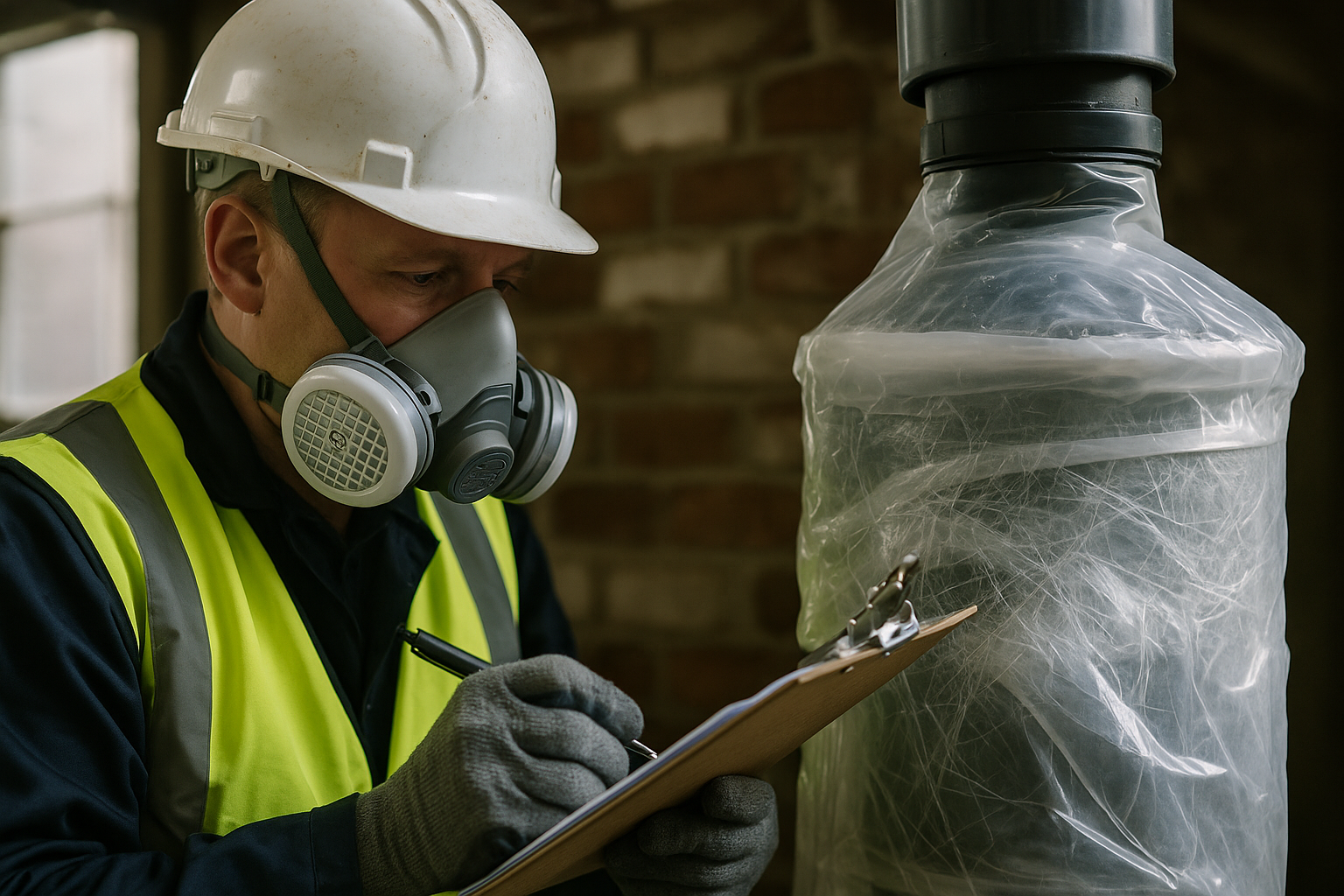
First, landfill does not destroy asbestos. It stores it in a controlled environment intended to prevent exposure, but the fibres remain present.
Second, specialist disposal capacity is not unlimited. Depending on the site location and waste type, transport distances may be significant, which adds handling stages, cost, and logistical pressure.
Third, many clients now question whether permanent burial is the best long-term answer where treatment technologies may eventually convert asbestos into an inert material. That is where next generation asbestos disposal technologies beyond landfilling enter the conversation.
Why this matters to property managers
Landfill limitations affect more than waste operators. They affect anyone commissioning asbestos work.
- Projects can slip if disposal arrangements are left too late
- Costs can rise when transport and specialist handling increase
- Procurement becomes harder when contractors make vague claims about alternative treatment routes
- Audit risk increases if the waste destination is unclear or records are weak
The safest approach is to apply the same scrutiny to disposal claims that you would apply to survey scope, removal plans, and air monitoring arrangements.
How next generation asbestos disposal technologies beyond landfilling work
Most emerging systems are built around one principle. Asbestos is dangerous because of its fibrous mineral structure. If a process destroys or fundamentally alters that structure, the material may no longer exist in the same hazardous form.
That sounds straightforward, but proving it reliably is the difficult part. A treatment process has to do more than look convincing in a pilot project. It must work consistently, produce verifiable outputs, and fit within UK regulatory expectations.
Different technologies try to achieve this in different ways. Some rely on very high heat, some on chemical reactions, and some use combined treatment stages to separate and then neutralise asbestos-bearing material.
Thermal treatment and vitrification
Vitrification is one of the best-known alternatives to landfill. It uses very high temperatures to melt asbestos-containing material and transform it into a glass-like product.
The appeal is obvious. Instead of burying asbestos indefinitely, the process aims to create a non-fibrous end material.
- It targets destruction of the asbestos fibre structure
- It may reduce long-term liability compared with burial
- It can produce a stable end product if process control is strong
- It may support future reuse of treated material, subject to classification and regulatory acceptance
The barriers are just as clear. Thermal treatment can be energy intensive, expensive to build, and difficult to scale. Waste streams also vary. Asbestos cement, insulation board, lagging debris, and mixed demolition arisings do not all behave the same way under treatment.
Plasma treatment
Plasma systems use extremely high temperatures generated by plasma arcs to break down hazardous materials. In asbestos treatment, the aim is again to destroy the fibrous structure and leave a stable residue.
Plasma often sounds like the most advanced option, and technically it can be powerful. The challenge is not the concept itself. The challenge is cost, plant complexity, throughput, emissions control, and proving reliable commercial-scale performance.
If a supplier promotes plasma treatment, ask for evidence of:
- Regulatory compliance
- Process validation
- Waste acceptance criteria
- Output classification
- Lawful end destination for the treated material
Chemical treatment
Chemical methods attempt to alter asbestos minerals through reagents that attack the crystal structure. Research has explored acidic, alkaline, and other chemical pathways that may transform fibres into less hazardous forms.
This area is attractive because it may offer lower-temperature alternatives to thermal destruction. But chemical treatment creates its own issues, including reagent handling, residue management, process control, and proof that transformation is complete.
A process is not compliant simply because it sounds scientific. It must demonstrate that hazardous fibres are destroyed reliably and that any resulting material is classified and managed lawfully.
Microwave and advanced heat-based systems
Microwave-assisted treatment has also been studied as a way to heat some materials more efficiently. Some systems use additives to improve heat transfer and support the breakdown of asbestos minerals.
The potential benefit is better energy efficiency in certain conditions. The practical difficulty is achieving even treatment across mixed waste streams and larger volumes.
That is a recurring issue with next generation asbestos disposal technologies beyond landfilling. Laboratory success does not automatically translate into dependable field-scale use.
Mechanical and combined treatment systems
Some approaches combine crushing, separation, heat, and chemical stages. The idea is to isolate asbestos-rich fractions, reduce volume, and then apply a destruction process more efficiently.
This may help where asbestos is mixed into wider mineral waste. But more stages also mean more handling, and more handling can mean more opportunities for fibre release if controls are poor.
From a risk management point of view, complexity is only worthwhile if containment, validation, and process control are equally robust.
What is realistic in the UK right now
The honest answer is straightforward. Hazardous landfill remains the main lawful route for most asbestos waste in the UK.
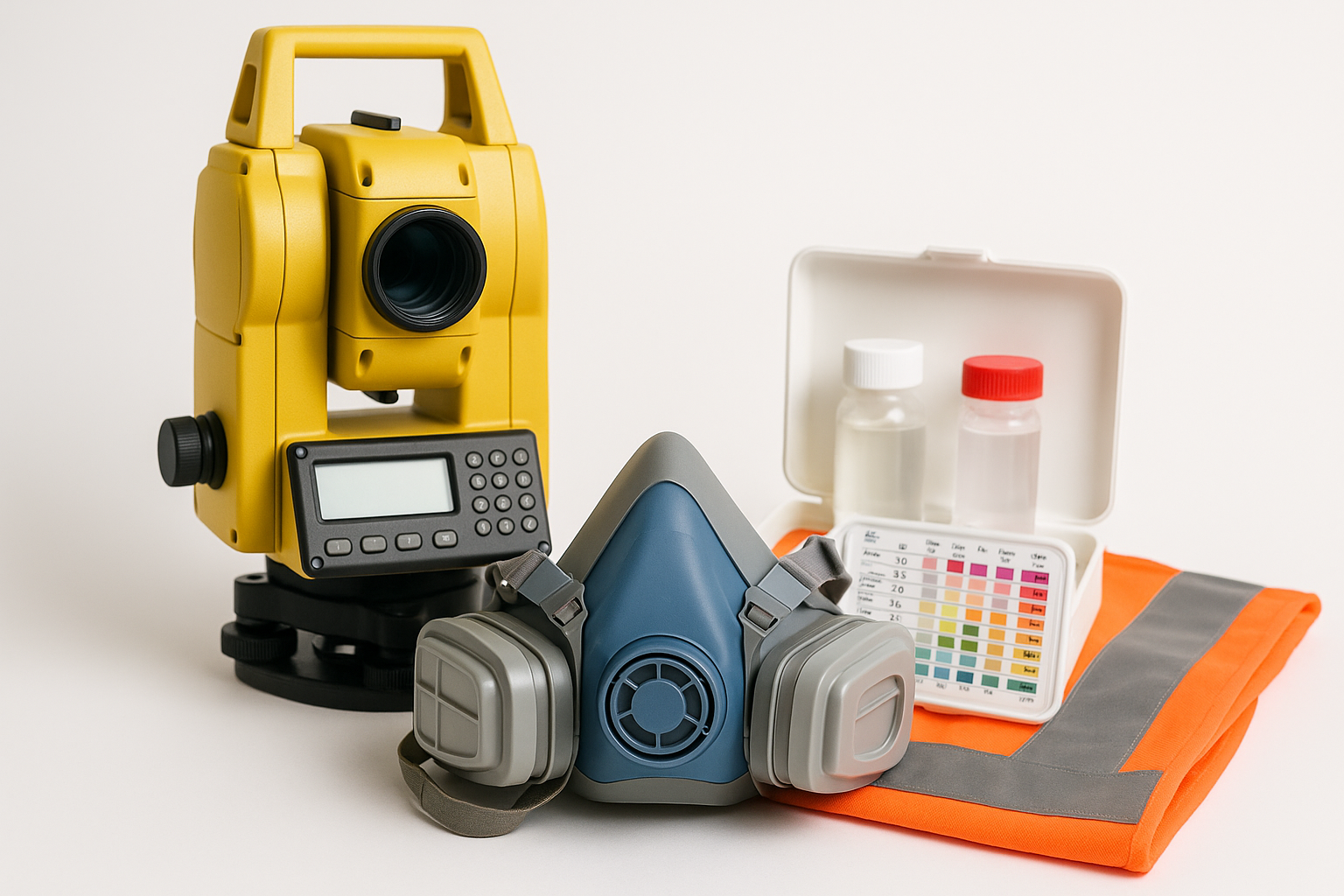
Next generation asbestos disposal technologies beyond landfilling are promising, but they are not a shortcut around current duties. Property managers should still focus on getting the basics right every time.
- Find asbestos before work starts
- Use competent surveyors and analysts
- Specify the right scope for removal
- Check waste packaging, transport, and documentation
- Keep records for audit, handover, and legal defence
This matters across single sites and multi-property estates. Whether you need an asbestos survey London service for a commercial office, an asbestos survey Manchester visit for an industrial unit, or an asbestos survey Birmingham appointment for a school, healthcare property, or retail building, accurate identification comes first.
How to assess claims about new disposal options
If a supplier says they offer an alternative to landfill, do not accept the claim at face value. Ask practical questions and insist on clear evidence.
Questions worth asking
- Is the process currently available at commercial scale in the UK?
- What evidence shows asbestos fibres are destroyed consistently?
- How is the output classified after treatment?
- What permits, approvals, or authorisations apply?
- What documentation will you receive for your records?
- Does the route change any legal duties earlier in the project?
- How is exposure controlled during loading, treatment, and discharge?
If the answers are vague, that is a warning sign. Novel language is not the same as lawful disposal.
Red flags to watch for
- Claims that a technology makes surveys less necessary
- Promises that asbestos can be treated with no need for strict waste controls
- Unclear information about permits or facility authorisation
- Little detail on residue testing or output classification
- Marketing material that skips over handling risks before treatment
A credible disposal route should fit into the full compliance chain, not sit outside it.
Potential benefits if these technologies become mainstream
If next generation asbestos disposal technologies beyond landfilling become widely available within a clear regulatory framework, the benefits could be significant.
Destroying asbestos rather than burying it could reduce the long-term environmental burden associated with permanent hazardous waste storage. It could also reduce pressure on specialist landfill capacity and create more resilience in the waste chain.
There may also be project-level benefits:
- More disposal options for complex portfolios
- Potential reductions in long-term liability concerns
- Better alignment with sustainability targets where lawful and proven
- Less dependence on remote hazardous landfill sites
- Greater confidence for clients who want treatment rather than containment
Those benefits are only meaningful if the technologies are validated properly. A disposal route is only useful when it is lawful, commercially available, and supported by reliable evidence.
Practical advice for dutyholders and project teams
If you are responsible for buildings, estates, or capital works, the safest approach is to treat disposal planning as part of the wider asbestos strategy, not as an afterthought.
Build disposal thinking into early planning
Do not wait until removal is underway to ask where the waste is going. Confirm likely disposal routes during project planning so you can assess cost, logistics, and documentation requirements early.
Match the survey to the work
Use the right survey for the job. Occupied premises usually require a management-focused approach, while refurbishment and demolition work needs intrusive surveying that identifies hidden asbestos before contractors disturb the fabric.
Check contractor competence carefully
Ask who is responsible for packaging, transport, consignment paperwork, and final waste destination. Make sure responsibilities are clear in writing rather than assumed.
Keep records organised
Store survey reports, plans of work, waste notes, and clearance-related documents in a way that can be retrieved quickly. This helps with audits, handovers, insurance queries, and future works.
Be cautious with sustainability claims
Many clients want better environmental outcomes, which is understandable. But a greener-sounding option is not automatically a lawful or proven option. Ask for evidence, not slogans.
Where next generation asbestos disposal technologies beyond landfilling fit in the bigger picture
It is easy to focus on disposal because it feels like the final answer. In reality, disposal is only one part of effective asbestos risk management.
The bigger picture starts with knowing what is in the building, where it is, what condition it is in, and whether planned works will disturb it. Good surveys, sensible management plans, competent removal, and accurate records still do most of the heavy lifting.
Next generation asbestos disposal technologies beyond landfilling may eventually change the final stage of the chain. They do not remove the need for compliant identification, planning, control, and documentation at every earlier stage.
For most dutyholders today, the right mindset is balanced caution. Stay informed about emerging technologies, but keep decisions anchored to current UK law, recognised survey standards, and practical site realities.
Frequently Asked Questions
Are next generation asbestos disposal technologies beyond landfilling widely available in the UK?
Not in routine mainstream use for most asbestos waste. Hazardous landfill remains the main lawful route in the UK, although treatment technologies continue to be researched and discussed.
Do these technologies replace the need for an asbestos survey?
No. Surveys are still essential. You must identify and assess asbestos properly before any decision is made about management, removal, or disposal. HSG264 remains central to how surveys should be planned and reported.
Is landfill still legal for asbestos waste?
Yes, when the waste is handled correctly and sent through the proper authorised route. Landfill remains the standard disposal option for most asbestos waste in the UK.
What should I ask if a contractor offers an alternative to landfill?
Ask for evidence of process validation, regulatory compliance, waste acceptance criteria, output classification, permits, and full documentation. If the answers are unclear, do not rely on the claim.
What is the first step before thinking about disposal technology?
The first step is accurate identification of asbestos-containing materials through the right type of survey for the building and the planned work. Without that, no disposal strategy can be planned properly.
If you need expert help with asbestos identification, planning, or compliant project support, speak to Supernova Asbestos Surveys. We provide surveys and asbestos services nationwide, including management and demolition surveys, with practical advice you can act on. Call 020 4586 0680 or visit asbestos-surveys.org.uk to arrange support.