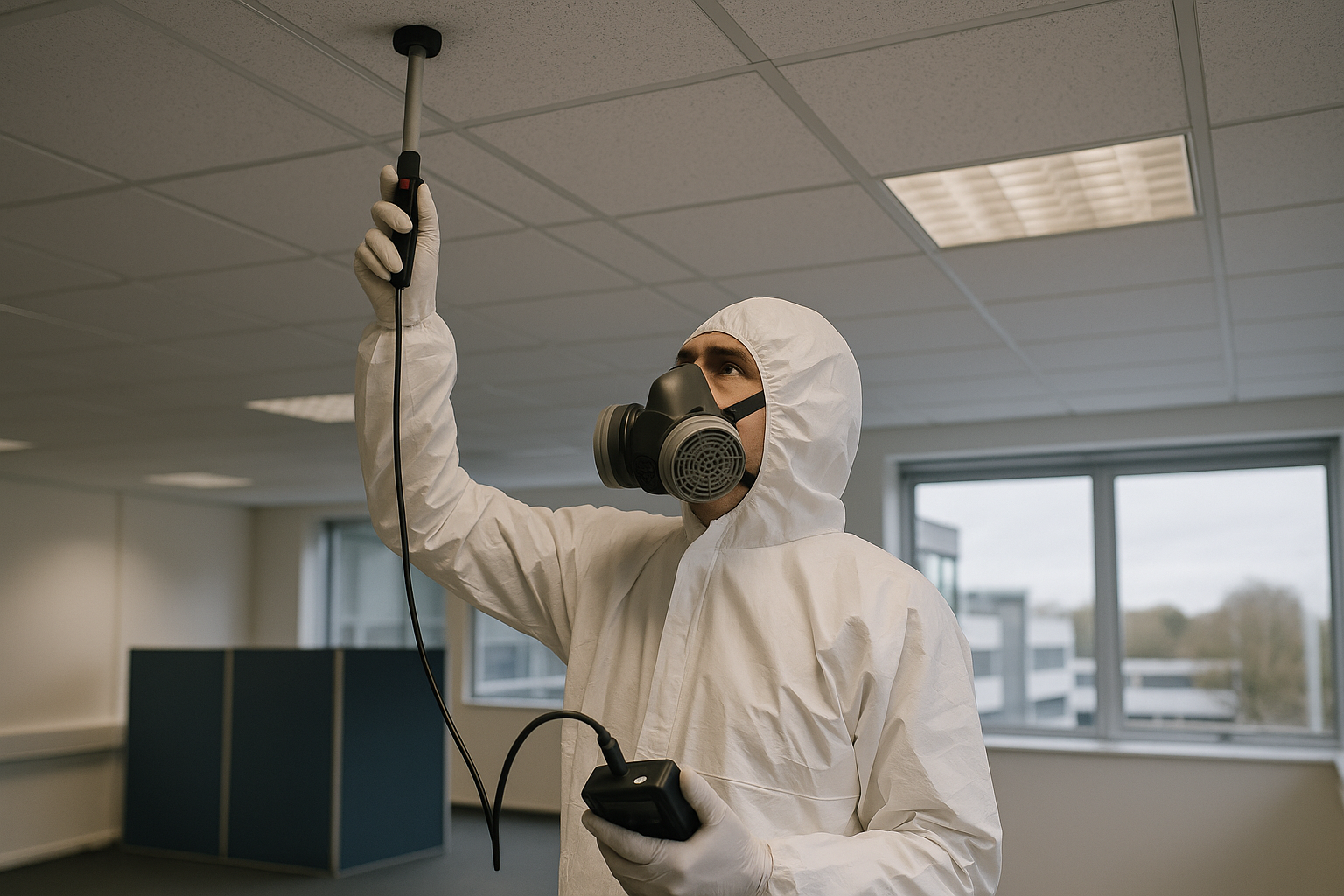
Walk into an older school, office block or plant room and you are looking at the reason why was asbestos used so widely for decades. It was cheap, practical, easy to mix into other products and remarkably good at resisting heat. For builders, local authorities, manufacturers and landlords, it looked like a problem-solver. For today’s dutyholders, it is a legacy risk that still needs careful management.
Understanding why was asbestos used is more than a history lesson. It helps you predict where asbestos-containing materials may still be hiding, which products are more likely to release fibres, and what checks you need before maintenance, refurbishment or demolition begins. If you manage any premises built or refurbished before the UK ban, that knowledge is useful from day one.
Why was asbestos used in so many buildings?
The short answer is that asbestos offered several benefits at once. It resisted heat, improved insulation, strengthened products, reduced noise and stayed affordable enough for mass construction. Few materials of the time matched that combination.
That is why asbestos ended up in homes, hospitals, factories, schools, shops, warehouses and public buildings. It was not chosen for one specialist task. It was used because it could do many jobs across the same building.
Fire resistance made it attractive
One of the biggest reasons why was asbestos used in construction was fire performance. Asbestos fibres do not burn in the same way as many organic materials, so they were added to products designed to slow the spread of fire or protect structural elements from heat.
This is why asbestos is often found in:
- Fire doors and door surrounds
- Asbestos insulating board
- Sprayed coatings
- Ceiling systems
- Service risers
- Pipe and boiler insulation
If you are responsible for an older building, areas linked to historic fire protection deserve particular attention. They often contain more friable materials than external cement sheets or floor tiles.
It was a strong insulator
Asbestos was also valued for thermal insulation. It was used around boilers, ducts, pipes, calorifiers and heating systems because it helped retain heat and protect nearby surfaces from high temperatures.
That is one reason plant rooms, service ducts, basements and roof voids are common asbestos locations. These are also the places where maintenance work often starts, which increases the chance of accidental disturbance if surveys are not checked first.
It strengthened everyday materials
Mixed into cement, bitumen, vinyl and similar binders, asbestos improved strength and durability without adding much weight. That made it useful in products expected to withstand weather, impact and long service lives.
This practical benefit explains the widespread use of asbestos cement in roofs, wall cladding, soffits, gutters and flues. Many of these items are still in place because they were built to last.
It helped with sound control
Noise reduction mattered in schools, hospitals, offices and civic buildings. Some asbestos-containing boards, tiles and panels were used because they offered acoustic benefits as well as fire resistance.
That is why asbestos is not limited to industrial settings. It can also be present in interior finishes that look ordinary and harmless.
It resisted chemicals and wear
In factories and engineering environments, another answer to why was asbestos used is chemical resistance. It performed well in demanding conditions, so it was used in seals, gaskets, friction materials and insulation products exposed to heat and corrosive substances.
Where there was machinery, steam, heat or industrial processing, asbestos often followed.
It was affordable and easy to source
Performance alone does not explain the scale of asbestos use. Cost was a major factor. Asbestos was available in large quantities and could be processed into many different forms at a price that suited mass building programmes.
When a material is cheap, versatile and heavily promoted, it quickly becomes normal practice. That is exactly what happened with asbestos across the UK construction and manufacturing sectors.
What is asbestos?
Asbestos is the name given to a group of naturally occurring fibrous minerals. When these minerals are disturbed, they can release microscopic fibres into the air. Those fibres can be inhaled and may remain in the lungs for many years.
The asbestos types most commonly encountered in UK buildings are chrysotile, amosite and crocidolite. All asbestos types are hazardous. All must be managed in line with the Control of Asbestos Regulations, HSG264 and relevant HSE guidance.
In practical terms, you should never try to identify asbestos by eye alone. If there is any doubt, arrange a competent asbestos survey and sampling where needed.
How asbestos became a standard building material
To fully understand why was asbestos used, it helps to look at how it moved from a useful mineral to a routine building product. Its rise was tied to industrial growth, urban expansion and the need for fire-resistant, low-cost materials.
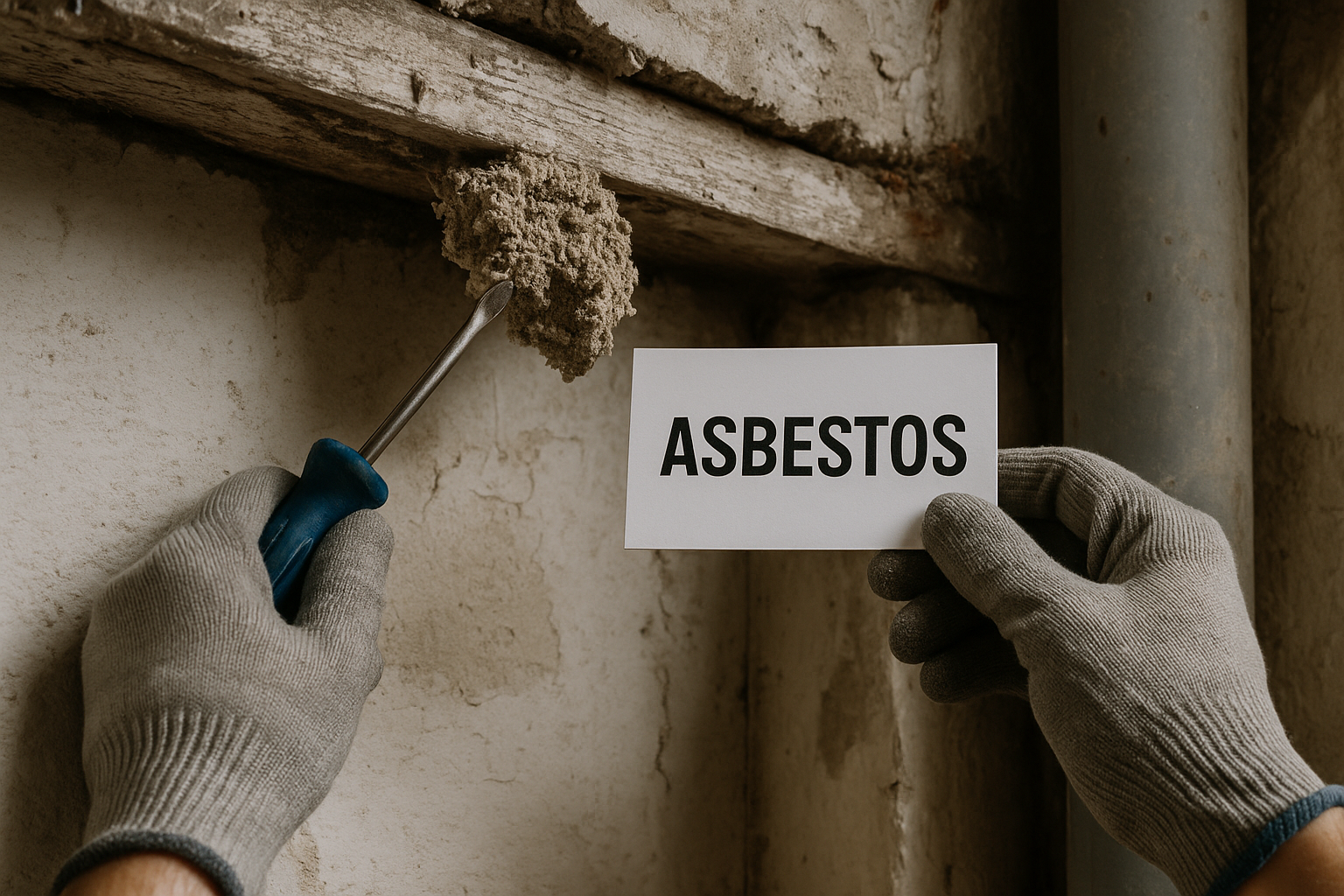
Industrial demand drove early growth
As factories, power generation, transport systems and heavy engineering expanded, there was growing demand for insulation and heat protection. Boilers, furnaces, steam systems and machinery all created environments where heat control mattered.
As manufacturing improved, asbestos was worked into boards, textiles, paper, cement products, sprayed coatings and friction materials. Once those production methods were established, asbestos entered supply chains across multiple industries.
It became normal in mainstream construction
By the time large-scale public and commercial building programmes accelerated, asbestos products were already familiar to engineers, surveyors and specifiers. They were marketed as modern, reliable and economical.
That led to widespread use in:
- Schools and colleges
- Hospitals and healthcare sites
- Factories and warehouses
- Offices and civic buildings
- Council housing and residential blocks
- Agricultural buildings
- Plant rooms and service areas
So when people ask why was asbestos used in such ordinary places, the answer is that it had become routine long before the risks were properly controlled.
Older refurbishments matter as much as original build dates
Many people focus only on when a building was first constructed. That can be misleading. Refurbishment work often introduced asbestos-containing materials long after the original structure went up.
If you manage pre-2000 premises, check both the build date and the refurbishment history. Ceiling replacements, heating upgrades, partitioning and roof works are all common routes for asbestos to have been added.
Where asbestos was commonly used in buildings
One of the clearest ways to answer why was asbestos used is to look at how many products it ended up in. It was not confined to one system or one trade. It appeared across the building fabric, inside and out.
Roofing and external materials
Asbestos cement was widely used outdoors because it was durable, weather resistant and relatively low maintenance. It remains common on older industrial, agricultural and utility buildings.
- Corrugated roof sheets
- Flat roofing panels
- Wall cladding
- Soffits and fascias
- Rainwater goods
- Flues and vent pipes
- Some roofing felt products
These materials are often lower risk when in good condition because the fibres are tightly bound. The risk increases if they are cracked, drilled, broken or badly weathered.
Internal walls, ceilings and fire protection
Asbestos-containing boards were used extensively indoors. Some were chosen for fire resistance, while others were used for acoustic control, partitioning or general lining.
- Asbestos insulating board panels
- Partition walls
- Ceiling tiles
- Service riser linings
- Fire door cores and surrounds
- Sprayed coatings on structural steel or soffits
These products can be higher risk than asbestos cement because they are often more friable. If you suspect board materials in older premises, do not assume they are safe to drill or remove.
Floors and adhesives
Flooring is another common source. Thermoplastic and vinyl floor tiles often contained asbestos, and the adhesive beneath them could contain it too.
- Vinyl floor tiles
- Thermoplastic floor tiles
- Bitumen adhesives
- Black mastics
- Floor backing materials
- Some underlays and screeds
During refurbishment, these products are sometimes lifted without proper checks. That is a common route to accidental fibre release.
Heating systems and plant rooms
Some of the highest-risk asbestos-containing materials are found around old heating and service infrastructure. Pipe lagging, boiler insulation and thermal wraps were widely used because of asbestos’s heat-resistant properties.
- Pipe lagging
- Boiler insulation
- Calorifier insulation
- Duct insulation
- Gaskets and rope seals
- Plant room debris from historic works
Never judge these materials by appearance. If work is planned, stop and check the asbestos register, then arrange further assessment if needed.
Decorative finishes and textured coatings
Some decorative products also contained asbestos, especially older textured coatings. These can be lower risk when sealed and in good condition, but sanding, scraping, drilling or removal can still release fibres.
This is another example of why was asbestos used being a much broader question than many people expect. It was built into decorative finishes as well as heavy industrial insulation.
Products outside the construction industry
Asbestos use extended far beyond buildings. That wider industrial use explains why exposure affected workers in many sectors, not just construction.
- Brake linings and clutch parts
- Industrial gaskets and seals
- Textiles and protective clothing
- Electrical insulation
- Shipbuilding and marine insulation
- Laboratory and heating equipment
- Cement pipes and utility infrastructure
This matters for property managers because asbestos can still turn up in old plant, machinery, spare parts and storage areas even where the building itself seems relatively modern.
Why asbestos is dangerous
The danger does not come from simply knowing asbestos is present. The main risk arises when asbestos-containing materials are damaged or disturbed and fibres are released into the air. Those fibres are microscopic, so you cannot rely on sight or smell to detect them.
Once inhaled, asbestos fibres can remain in the lungs for many years. That is why any suspected asbestos should be assessed properly before work starts.
Higher-risk and lower-risk materials
Not all asbestos-containing materials present the same level of risk. The type of product, its condition and the work being carried out all matter.
As a broad rule:
- Higher-risk materials are more friable and release fibres more easily, such as pipe lagging, sprayed coatings and some asbestos insulating board
- Lower-risk materials are more tightly bound, such as asbestos cement sheets and some floor tiles
Lower risk does not mean no risk. Even cement products can become hazardous if they are cut, smashed or badly deteriorated.
Common situations that lead to accidental exposure
Most accidental disturbances happen during routine work rather than major demolition. A contractor drills a wall, an electrician lifts a ceiling tile, or a maintenance team opens up a service riser without checking the register first.
Practical steps that reduce risk include:
- Check whether the building is likely to contain asbestos
- Review the asbestos register before any intrusive work
- Make sure contractors know where asbestos is located
- Stop work immediately if suspicious materials are uncovered
- Arrange sampling or a survey by a competent professional
What this means for property managers and dutyholders
If you are responsible for non-domestic premises, or the common parts of certain residential buildings, your legal duties do not depend on whether asbestos is convenient to deal with. Under the Control of Asbestos Regulations, asbestos must be managed properly where it is present or presumed to be present.
That starts with knowing what is in the building, where it is, what condition it is in and how likely it is to be disturbed.
When a survey is needed
The type of survey depends on what you are planning.
- Management surveys help locate, as far as reasonably practicable, the presence and extent of asbestos-containing materials that could be damaged or disturbed during normal occupation and routine maintenance
- Refurbishment and demolition surveys are needed before more intrusive work, so hidden asbestos can be identified in the affected areas
Surveying should follow the approach set out in HSG264. If your information is old, incomplete or does not cover the planned works, update it before work starts.
How to use survey findings properly
A survey is only useful if the findings are acted on. Keep the asbestos register accessible, brief contractors before they begin, and review material condition over time.
If asbestos-containing materials are in good condition and unlikely to be disturbed, they can often remain in place and be managed. If they are damaged or likely to be affected by planned works, more action may be needed.
Practical advice if you suspect asbestos
If you come across a suspect material in an older building, do not poke, scrape or break a piece off to check it. That creates risk and can contaminate the area.
Use this simple approach:
- Stop work straight away
- Keep others out of the area if there is a chance fibres have been released
- Do not disturb the material further
- Check existing asbestos information, including the register and previous surveys
- Arrange professional advice and sampling if required
If you manage multiple sites, build this process into contractor induction and permit systems. It prevents rushed decisions on site.
Why knowing why asbestos was used still matters today
There is a practical reason to keep asking why was asbestos used. Once you understand the original logic behind its use, you become better at predicting where it might still be present.
For example, if a room contains old pipework, boiler plant or service risers, heat protection may have driven asbestos use. If an external roof or walling system looks like older cement sheeting, durability and weather resistance may be the clue. If there are partition boards or fire doors in an older school or office, fire performance may explain their specification.
That way of thinking helps property managers make better decisions before works begin. It also helps avoid the common mistake of assuming asbestos only appears in obvious insulation.
Local support for asbestos surveys
If you manage property portfolios across different regions, local access to surveyors matters. Supernova provides support nationwide, including an asbestos survey London service for commercial and residential clients dealing with older premises and planned works.
We also assist clients who need an asbestos survey Manchester service, particularly where refurbishment projects need the right survey scope before contractors start on site.
For clients in the Midlands, our asbestos survey Birmingham service helps dutyholders identify asbestos risks and keep projects compliant.
Frequently Asked Questions
Why was asbestos used so much in the UK?
Asbestos was used so much because it was cheap, heat resistant, durable and easy to mix into many products. It helped with fire protection, insulation, sound control and product strength, which made it attractive across construction and manufacturing.
Was asbestos only used in industrial buildings?
No. Asbestos was used in homes, schools, hospitals, offices and public buildings as well as factories. It can be found in roofing, ceilings, floor tiles, boards, pipe insulation and decorative finishes.
If asbestos is present, does it always need to be removed?
No. If asbestos-containing materials are in good condition and unlikely to be disturbed, they can often be managed in place. Removal is usually considered when materials are damaged, deteriorating or likely to be affected by refurbishment or demolition work.
How can I tell if a material contains asbestos?
You cannot confirm asbestos reliably by sight alone. The safest approach is to review existing survey information and arrange sampling by a competent asbestos professional where necessary.
What should I do before maintenance or refurbishment in an older building?
Check the asbestos register and make sure the information is suitable for the planned works. If it is missing, outdated or does not cover intrusive work, arrange the correct survey before anyone starts.
If you need clear advice, fast turnaround and surveys carried out in line with UK guidance, speak to Supernova Asbestos Surveys. We provide asbestos surveys across the UK for landlords, managing agents, contractors and dutyholders. Call 020 4586 0680 or visit asbestos-surveys.org.uk to book your survey.