From Ancient Curiosity to Global Industrial Crisis: The Spread of Asbestos
Asbestos is one of the most consequential materials in human history. Understanding how did the use of asbestos spread globally isn’t just an exercise in industrial archaeology — it’s essential context for anyone managing a building, planning refurbishment work, or trying to make sense of why the UK still carries a significant asbestos burden decades after the material was banned.
The story runs from ancient pottery kilns to post-war housing estates, from colonial mines to modern demolition sites. Its consequences are still being felt every single day.
Ancient Origins: Asbestos Long Before Industry
Asbestos is not a modern discovery. Archaeological evidence places its use as far back as 2500 BC, with asbestos fibres found woven into Finnish pottery and cooking vessels. Ancient Greeks and Romans recognised its fire-resistant properties and worked it into textiles, building materials, and ceremonial cloth.
The Roman naturalist Pliny the Elder documented asbestos napkins cleaned by throwing them into fire rather than washing them — a party trick that no doubt impressed dinner guests. Persian and Egyptian accounts describe similar uses, including asbestos cloth used in embalming rituals and flame-cleansed linens deployed by rulers to demonstrate power.
Despite these applications spanning thousands of years, the health risks were entirely unknown. Asbestos was treated as a curiosity and a luxury material. The catastrophe that would follow was still centuries away.
The Industrial Revolution: When Global Demand Exploded
The real turning point came with industrialisation. Throughout the 19th century, factories, railways, and steam-powered machinery created enormous demand for materials that could withstand heat and resist fire. Asbestos met that demand better than almost anything else available at the time.
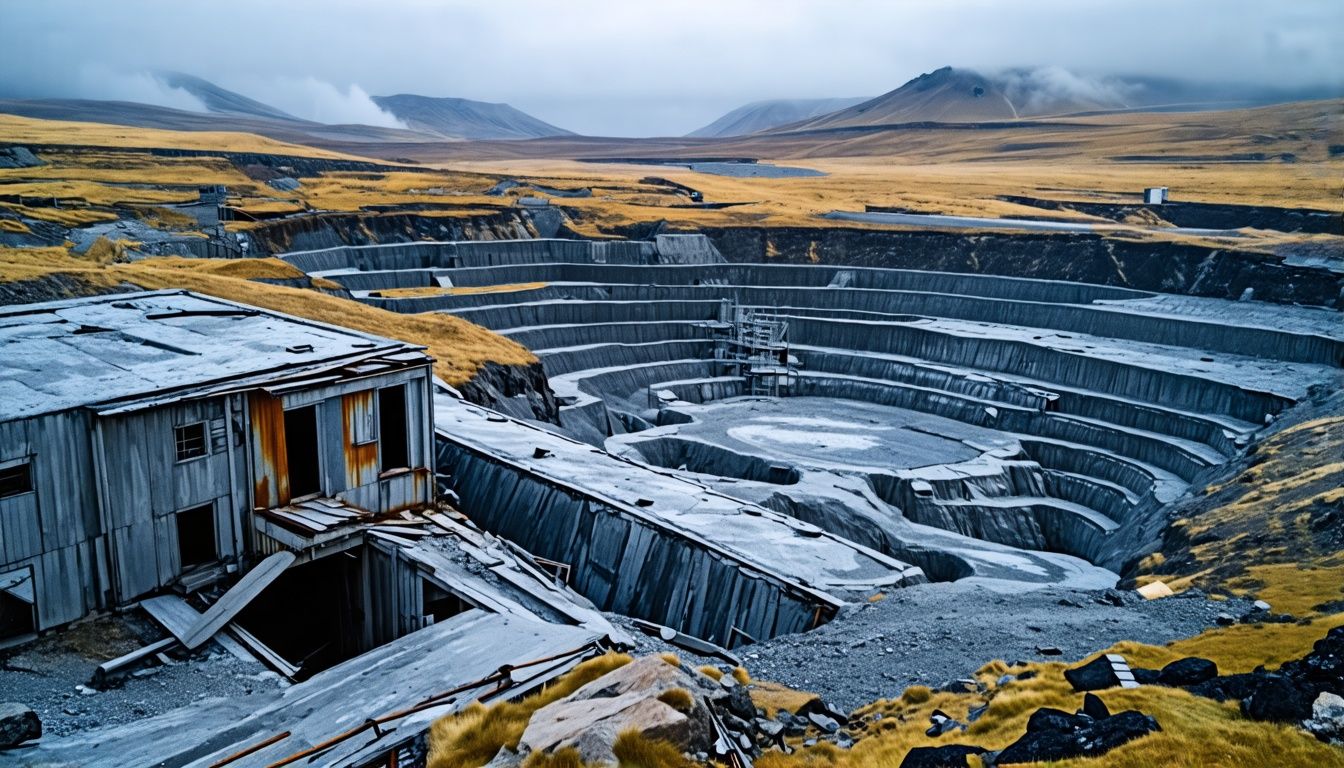
Mining operations scaled up rapidly across Canada, Russia, South Africa, and Australia to feed appetite from manufacturing hubs in Britain, Europe, and North America. Asbestos found its way into boiler insulation, pipe lagging, fireproof building boards, and factory roofing.
Workers in mines and factories were exposed daily, with no understanding of the risk and no protective equipment in sight. The seeds of the asbestos disease epidemic — which would take decades to fully emerge — were sown precisely during this period of rapid industrial expansion.
How Did the Use of Asbestos Spread Globally in the 20th Century?
Construction and Infrastructure
By the mid-20th century, asbestos had become embedded in construction practice on every inhabited continent. Its combination of fire resistance, durability, and low cost made it the material of choice for insulation, roofing sheets, floor tiles, ceiling panels, pipe lagging, and cement products.
In the UK, asbestos-containing materials were used extensively in schools, hospitals, housing estates, offices, and public buildings — particularly during the post-war rebuilding programmes of the 1950s, 60s, and 70s. This is precisely why so many British buildings constructed or refurbished before 2000 still contain asbestos today.
Ships, bridges, power stations, and industrial plants incorporated asbestos as standard. Its presence was so normalised that it was rarely questioned.
Commercialisation and Global Trade
The commercialisation of asbestos transformed it from an industrial material into a global commodity. Major producing nations — Canada being the largest for much of the 20th century, followed by the Soviet Union and South Africa — exported asbestos to markets across Asia, Latin America, Africa, and Europe.
Manufacturers marketed asbestos-containing products aggressively, often with health claims that were later shown to be entirely false. Thousands of products were brought to market: brake pads, gaskets, textiles, adhesives, paints, and more.
Even countries without their own asbestos deposits became major consumers through these trade networks. The commercial incentive to keep asbestos flowing was enormous, and it drove decisions — at corporate and governmental level — that kept workers and the public in the dark about health risks for decades.
The Role of Colonialism
Colonial exploitation played a significant and often overlooked role in how asbestos spread globally. European powers established mining operations in their colonial territories, extracting raw asbestos from places like South Africa, Rhodesia (now Zimbabwe), and Australia, then shipping it to European and North American manufacturing centres.
Asbestos-containing products were then exported back into these territories for use in colonial infrastructure — railways, government buildings, schools, and industrial plants. Workers in these mining and construction operations faced severe exposure, often with none of the limited protections that were beginning to appear in some Western workplaces.
The legacy of this extraction-and-consumption cycle is still felt in former colonies. Countries across sub-Saharan Africa, South Asia, and the Pacific continue to grapple with asbestos-contaminated buildings, limited specialist removal capacity, and asbestos-related disease burdens that are poorly understood and chronically under-resourced.
The Health Consequences: What We Now Know
Occupational Exposure
The diseases caused by asbestos exposure are serious and, in most cases, fatal. The primary conditions include:
- Mesothelioma — a cancer of the lining of the lungs, abdomen, or heart, almost exclusively caused by asbestos exposure
- Asbestos-related lung cancer — particularly aggressive, with risk significantly multiplied in people who also smoked
- Asbestosis — scarring of the lung tissue caused by asbestos fibre inhalation, leading to progressive breathing difficulties
- Pleural thickening and pleural plaques — changes to the lining of the lungs that can affect breathing capacity
What makes these diseases particularly cruel is their latency. Symptoms may not appear until 20 to 40 years after exposure. Many of the people dying from mesothelioma in the UK today were exposed during the 1960s and 70s — in shipyards, power stations, schools, and on building sites.
Environmental Exposure
Occupational exposure is the most widely understood route, but environmental exposure is also a serious concern. Communities living near asbestos mines or processing plants have historically faced elevated rates of asbestos-related disease, even among people who never worked directly with the material.
Wittenoom in Western Australia is one of the most documented examples — a former crocidolite (blue asbestos) mining town where former residents face significantly elevated rates of mesothelioma due to environmental contamination that persists to this day.
Naturally occurring asbestos deposits also present environmental risks in certain geological regions, where fibres can be disturbed by construction, farming, or erosion.
International Regulatory Responses
The UK and Europe
The UK has some of the most robust asbestos regulations in the world. The Control of Asbestos Regulations place clear legal duties on those who manage non-domestic premises to identify asbestos-containing materials, assess the risk they pose, and manage them safely. These duties apply to building owners, landlords, and employers.
All forms of asbestos have been banned in the UK since 1999, and the UK operates within a broader framework of international restrictions. However, the ban on new use does not remove the problem — millions of tonnes of asbestos remain in existing buildings, and managing it safely is an ongoing legal and practical obligation.
HSE guidance, including HSG264, sets out in detail how surveys should be planned and conducted. If you manage premises in a major city, specialist support is readily available — whether you need an asbestos survey London specialists can deliver, support for an asbestos survey Manchester properties require, or an asbestos survey Birmingham building owners can rely on.
The Global Picture
More than 60 countries have now introduced full or partial bans on asbestos. The European Union, Australia, Japan, and many other developed nations prohibit its use. However, asbestos mining and use continues in several major economies, including Russia, China, India, and Brazil, where it remains in use in construction materials and industrial products.
This creates a troubling global divide. Countries with the strongest regulations often have the clearest data on the human cost of asbestos — and have used that data to justify prohibition. Countries where it remains in use often lack the epidemiological infrastructure to measure the true toll.
International bodies including the World Health Organisation and the International Labour Organisation have long called for a global ban, recognising that there is no safe level of asbestos exposure.
The Legacy We’re Still Living With
Asbestos in Existing UK Buildings
Banning new asbestos use does not make existing asbestos disappear. In the UK, asbestos-containing materials are present in a very large proportion of buildings constructed before 2000 — including schools, NHS buildings, and social housing properties.
Asbestos that is in good condition and unlikely to be disturbed can often be safely managed in situ. But buildings don’t stand still — they are refurbished, extended, rewired, re-plumbed, and eventually demolished. Every one of those activities creates potential for disturbance if asbestos is not properly identified and managed beforehand.
A management survey is the standard starting point for any dutyholder who needs to understand what’s present and assess the level of risk. It’s not optional — it’s a legal obligation under the Control of Asbestos Regulations.
Refurbishment, Demolition, and Disturbance Risk
When buildings reach the end of their useful life, or when significant structural works are planned, the risk profile changes entirely. A demolition survey is a legal requirement before any demolition or major refurbishment work begins — it is far more intrusive than a management survey and is designed to locate all asbestos-containing materials so they can be removed safely before works proceed.
Skipping this step is not just a regulatory breach. It puts workers, future occupants, and neighbouring properties at risk from airborne asbestos fibres that can travel well beyond the immediate work area.
Keeping Asbestos Records Up to Date
One of the most persistent practical challenges in the UK is the number of buildings where surveys were conducted years ago and have never been updated. Asbestos registers that are out of date, incomplete, or simply non-existent leave workers and occupants at unnecessary risk.
The condition of asbestos-containing materials can change over time — through deterioration, accidental damage, or partial removal works. A re-inspection survey keeps your register current and ensures your risk assessment reflects the actual state of the building. Dutyholders are legally required to review their asbestos management plans regularly — not just once.
Asbestos Waste and Global Disposal Challenges
As older buildings are demolished or refurbished, asbestos waste requires specialist disposal at licensed facilities. In the UK this is tightly regulated, but globally, improper disposal — including illegal dumping and the reuse of asbestos-containing materials in lower-income countries — remains a significant and ongoing problem.
Developing nations often lack both the regulatory framework and the specialist capacity to manage asbestos waste safely. International cooperation and funding are genuinely needed to address this, particularly in countries that bear the heaviest burden from the colonial-era asbestos economy.
Where asbestos removal is required in the UK, it must be carried out by licensed contractors following strict HSE protocols — the regulations exist precisely because improper removal creates risks that can extend far beyond the immediate work area.
What This History Means for Building Owners and Managers Today
Understanding how did the use of asbestos spread globally isn’t just historical curiosity — it explains directly why the UK’s building stock carries such a heavy asbestos legacy. Decades of normalised use, aggressive commercial promotion, and delayed regulatory action left asbestos embedded in the fabric of millions of buildings.
For anyone managing a building constructed before 2000, the practical implications are clear:
- Know what you have. If you don’t have a current asbestos survey, commission one. A management survey is the legal baseline for any occupied non-domestic premises.
- Keep records current. An asbestos register from ten years ago may not reflect the current condition of materials. Regular re-inspection is a legal duty, not a recommendation.
- Plan ahead for works. Any refurbishment or demolition requires a demolition survey before work begins. Discovering asbestos mid-project is costly, disruptive, and potentially dangerous.
- Use licensed contractors for removal. Asbestos removal is not a DIY task. Licensed contractors operate under strict controls for good reason.
- Don’t assume condition. Asbestos-containing materials that were in good condition five years ago may have deteriorated. Physical changes to a building — even routine maintenance — can alter the risk profile significantly.
The global history of asbestos is a story of how a genuinely useful material was deployed at industrial scale before its dangers were understood — and then continued to be deployed even after those dangers became clear. The consequences of that history are still arriving in the form of asbestos-related disease diagnoses and contaminated buildings that require careful, ongoing management.
The obligation now falls on building owners, managers, and employers to ensure that the asbestos legacy in their properties is properly understood, documented, and managed. The regulatory framework exists. The specialist expertise exists. There is no justification for falling short.
Frequently Asked Questions
How did the use of asbestos spread globally so rapidly during the 20th century?
The combination of industrialisation, post-war construction booms, and aggressive commercial promotion drove asbestos into virtually every sector of the built environment worldwide. Its low cost, fire resistance, and versatility made it attractive to manufacturers and builders, while colonial trade networks ensured it reached markets across Africa, Asia, and Latin America. Regulatory oversight lagged far behind commercial use, allowing the material to become deeply embedded in global construction before its health risks were widely acknowledged.
Is asbestos still being used in other countries?
Yes. Despite bans in over 60 countries, asbestos mining and use continues in several major economies including Russia, China, India, and Brazil. It remains in use in construction materials and certain industrial products in these markets. International health bodies including the World Health Organisation have called for a global ban, but commercial and political interests have so far prevented this.
What are the legal obligations for building owners in the UK regarding asbestos?
Under the Control of Asbestos Regulations, those responsible for non-domestic premises have a legal duty to manage asbestos. This includes identifying asbestos-containing materials through a management survey, assessing the risk they pose, producing a written management plan, and ensuring it is regularly reviewed. Before any demolition or major refurbishment, a demolition survey is also legally required. Failure to comply can result in enforcement action, prosecution, and significant fines.
How long after exposure do asbestos-related diseases develop?
Asbestos-related diseases have a long latency period, typically between 20 and 40 years from the time of exposure to the appearance of symptoms. This is one reason why the full human cost of asbestos use during the mid-20th century is still being counted today. Conditions including mesothelioma, asbestosis, and asbestos-related lung cancer may not become apparent until decades after the original exposure occurred.
What should I do if I think my building contains asbestos?
Do not disturb any materials you suspect may contain asbestos. Commission a management survey from a qualified, accredited surveying company to identify what is present, where it is located, and what condition it is in. If you are planning refurbishment or demolition work, a demolition survey will also be required. Once asbestos is identified, your surveyor will help you understand your management obligations and whether any removal is necessary.
Speak to Supernova Asbestos Surveys
Supernova Asbestos Surveys has completed over 50,000 surveys nationwide, helping building owners, managers, and employers meet their legal obligations and protect the people in their buildings. Whether you need a management survey, a demolition survey, a re-inspection, or specialist removal support, our team is ready to help.
Call us on 020 4586 0680 or visit asbestos-surveys.org.uk to find out how we can support you.