Where Did Asbestos Come From? The Full History Behind a Dangerous Material
Asbestos has been called the “magic mineral” and the “miracle fibre.” Today it is recognised as one of the most hazardous substances ever used in construction, responsible for thousands of deaths across the UK every year. But where did asbestos come from, and how did something so harmful become so deeply embedded in human history — and in so many British buildings?
The story spans thousands of years and crosses continents. Understanding it explains why asbestos remains present in a significant proportion of UK buildings constructed before 2000, and why managing it correctly is both a legal duty and a moral obligation for every property owner and manager.
The Ancient Origins: Where Did Asbestos Come From First?
Stone Age Discoveries
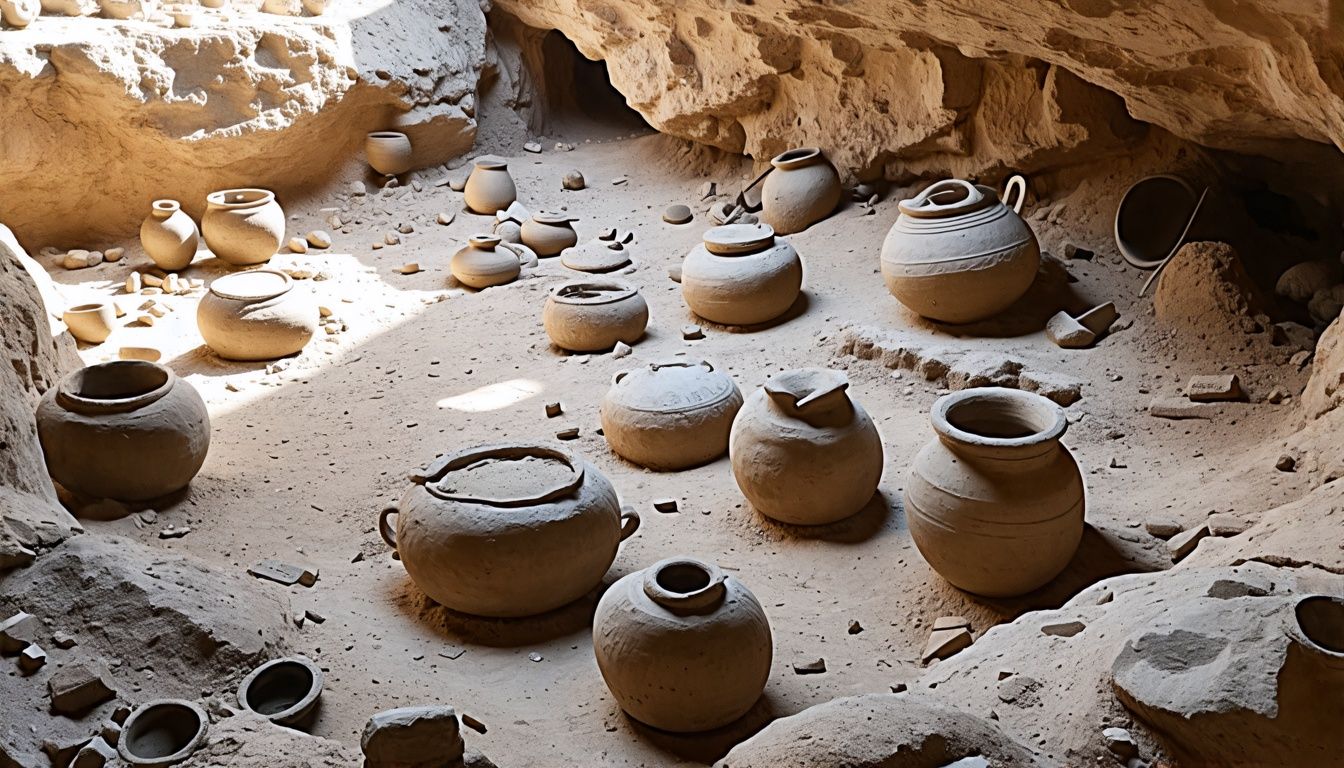
Asbestos use predates written history. Archaeological evidence suggests that Stone Age peoples were incorporating asbestos fibres into ceramic pots and lamp wicks as far back as 4000 BCE. The reasoning was entirely practical — the fibrous mineral didn’t burn, didn’t crack under heat, and added structural strength to fragile clay vessels.
Asbestos occurs naturally in surface deposits across many parts of the world, so early contact with the material was almost inevitable. Once people discovered its properties, knowledge of those uses spread rapidly along trade routes.
Greek and Roman Uses
The ancient Greeks gave us the word “asbestos” — derived from a term meaning indestructible or unquenchable. Greek and Roman writers documented its remarkable fire-resistant properties with a mixture of wonder and mythology. Some believed it came from the fur of a fire-dwelling creature; others simply marvelled at cloth that could be “cleaned” by throwing it into flames.
Practical applications in the ancient world included:
- Woven tablecloths and napkins that could be held over fire to remove stains
- Wicks for eternal flames in temples and sacred spaces
- Burial shrouds for prominent figures, believed to keep their ashes pure
- Insulating materials for pottery and vessels
The Romans reportedly used asbestos napkins at banquets, impressing guests by tossing them into the fire to “launder” them. Whether this was entirely practical or partly theatrical is debatable — but it shows how deeply the material captured the imagination of ancient cultures.
Asbestos in Asia and the Middle East
Chinese records reference asbestos-woven fabrics used for fire-resistant clothing for emperors, with some accounts dating back thousands of years. Charlemagne is said to have owned an asbestos tablecloth, used to astonish visitors by holding it over flames.
Across the ancient world, asbestos was rare enough to seem magical and useful enough to be genuinely valued. Its trade along early commerce routes meant it reached civilisations far from natural deposits, cementing its reputation as a material of almost supernatural quality.
The Industrial Revolution: When Asbestos Became Big Business
Why Industry Embraced Asbestos
Everything changed during the Industrial Revolution. Steam engines, factories, shipbuilding, and power generation created enormous demand for materials that could withstand intense heat, resist fire, and insulate against both temperature and electricity. Asbestos ticked every box — and it was relatively cheap to extract and process at scale.
Major mining operations were established in Canada, Russia, and South Africa during the 19th century, and production scaled rapidly. The Jeffrey Mine in Quebec became one of the largest asbestos mines in the world. Russia’s Ural Mountains contained vast chrysotile deposits that would be mined for well over a century.
Applications That Defined an Era
By the late 1800s and early 1900s, asbestos was being incorporated into an extraordinary range of products:
- Insulation lagging on steam pipes and boilers
- Fireproofing for ships and naval vessels
- Roofing felt and asbestos-cement sheets
- Textile fibres woven into protective clothing
- Gaskets, seals, and packing materials for machinery
- Electrical insulation in industrial settings
For engineers and manufacturers of the era, asbestos wasn’t just convenient — it seemed almost miraculous. No synthetic material of the time could replicate its combination of heat resistance, tensile strength, and chemical stability.
The 20th Century: Peak Production and the UK Building Boom
Asbestos Enters Everyday Life
The first half of the 20th century saw asbestos move beyond industrial settings and into ordinary homes, schools, hospitals, and offices. Post-war building programmes — including the UK’s enormous social housing expansion — relied heavily on asbestos-containing materials (ACMs) for their affordability and practicality.
Common ACMs installed in UK buildings during this period included:
- Sprayed asbestos coatings on structural steelwork and ceilings
- Asbestos insulating board (AIB) used in ceiling tiles, partition walls, and fire doors
- Asbestos cement sheets for roofing and external cladding
- Floor tiles bonded with asbestos-containing adhesives
- Pipe lagging in boiler rooms and heating systems
- Textured coatings such as Artex applied to ceilings
This is precisely why the Health and Safety Executive (HSE) recognises that asbestos-containing materials are still present in a significant proportion of UK buildings constructed before 2000. The legacy of 20th-century construction is still with us today — and it affects properties across the country, from those requiring an asbestos survey in London to Victorian terraces in the north.
The Automotive Industry
It wasn’t just buildings. The automotive industry became one of the largest consumers of asbestos globally, incorporating it into brake pads, clutch facings, gaskets, and heat shields. Mechanics working on older vehicles were unknowingly exposed to asbestos dust for decades — a fact that has contributed to mesothelioma cases appearing many years after the original exposure.
Global Production Peaks
Global asbestos mining reached its peak in the mid-1970s. The countries driving production were primarily Russia (then the Soviet Union), Canada, South Africa, Brazil, China, and Kazakhstan. Demand came from industrialised nations across North America, Europe, Japan, and Australia — all of which were building rapidly and faced little regulatory pressure to stop.
The Global Asbestos Trade: Who Produced It and Who Used It
The Major Producers
Russia has historically been the world’s dominant asbestos producer and remains active today, continuing to mine and export chrysotile asbestos despite widespread international bans. Kazakhstan is the other significant current producer. Both countries have resisted calls to ban the substance, arguing — contrary to scientific consensus — that controlled use of chrysotile asbestos is safe.
Canada was a major producer for much of the 20th century but banned the substance in 2018. South Africa phased out mining significantly before implementing a full ban. Brazil banned asbestos in 2017 following years of legal challenges from the industry.
The Heaviest Users
The UK, United States, Japan, Australia, and most of Western Europe were among the heaviest importers and users throughout the 20th century. Industrial uses varied by country — some prioritised asbestos-cement construction products, others focused on insulation and fireproofing for shipbuilding or textiles.
Developing nations in Asia, Africa, and Latin America also adopted asbestos heavily, often at a time when health risks were already documented elsewhere. Economic pressures, lower regulatory standards, and active lobbying from asbestos industry groups contributed to continued use in these regions well into the 2000s.
When Did We Know It Was Dangerous?
Early Warning Signs
The health risks of asbestos were not a sudden discovery. Concerns emerged early and built steadily — but were suppressed, ignored, or deprioritised for decades by both industry and government.
Factory inspectors in Britain noted alarming levels of lung disease among asbestos textile workers as early as 1898. By the late 1920s, physicians were documenting a new condition — asbestosis — caused by the scarring of lung tissue from inhaled asbestos fibres. A landmark UK government report in the early 1930s formally established the link between asbestos dust and lung disease, leading to the first asbestos industry regulations.
The Link to Cancer
The connection between asbestos and cancer took longer to establish formally. Research in the 1950s definitively linked asbestos exposure to significantly elevated rates of lung cancer. By the 1960s, mesothelioma — a rare and aggressive cancer of the lining of the lungs or abdomen — was identified as being caused almost exclusively by asbestos exposure.
What makes asbestos-related disease particularly devastating is the latency period. Mesothelioma can take anywhere from 20 to 60 years after exposure to develop. Many people diagnosed today were exposed during the UK’s post-war construction boom or whilst working in shipyards, power stations, and factories in the 1960s and 70s.
Industry Concealment
It is now well-documented that major asbestos manufacturers and mining companies were aware of the health risks far earlier than the public. Internal documents revealed that some companies actively suppressed research findings, manipulated studies, and lobbied against regulation.
This deliberate concealment delayed protective action by decades and contributed directly to preventable deaths. It is one of the most troubling episodes in the history of occupational health.
Regulation, Restriction, and the Road to Bans
Early UK Regulation
The UK was among the first countries to attempt regulation, introducing asbestos industry rules in the early 1930s following the Merewether report. However, these early rules focused primarily on limiting visible dust rather than restricting asbestos use itself.
Stricter controls followed gradually. Asbestos licensing requirements for high-risk work were introduced in the 1980s. Crocidolite (blue asbestos) and amosite (brown asbestos) were both banned in the UK in 1985, and chrysotile (white asbestos) followed in 1999. From 1999, the importation, supply, and use of all forms of asbestos has been prohibited in the UK.
The Current UK Legal Framework
Today, the management of existing asbestos in buildings is governed by the Control of Asbestos Regulations. The duty to manage asbestos applies to non-domestic premises and requires dutyholders — employers, building owners, and those responsible for maintenance — to:
- Identify the location and condition of any asbestos-containing materials
- Assess and manage the risk those materials present
- Maintain an asbestos register and management plan
- Ensure anyone who might disturb ACMs is informed of their presence
- Arrange re-inspections at appropriate intervals
Any work involving the disturbance, removal, or encapsulation of licensed asbestos materials must be carried out by a contractor holding an HSE asbestos licence. The HSE’s guidance document HSG264 sets out the standards for asbestos surveying and should be followed by any competent surveyor.
The Global Picture Today
More than 60 countries have now implemented comprehensive bans on asbestos, including all EU member states, Australia, Japan, Canada, and the UK. The World Health Organisation and International Labour Organisation have both called for global elimination of asbestos use.
However, asbestos mining and use continues in several countries, with Russia and Kazakhstan remaining significant producers. Some lower-income nations continue to import and use asbestos in construction and manufacturing, often with limited regulatory infrastructure to protect workers.
Why This History Matters for UK Property Owners Today
The historical trajectory of asbestos — from ancient marvel to industrial staple to banned substance — explains directly why so many UK buildings still contain it. If your property was built or refurbished before 2000, there is a realistic possibility that ACMs are present somewhere within the fabric of the building.
This isn’t a reason for panic. Asbestos-containing materials that are in good condition and left undisturbed do not typically pose an immediate risk. The danger arises when materials are damaged, deteriorating, or disturbed during maintenance, renovation, or demolition work.
The practical steps every property owner or manager should take include:
- Commission a management survey to identify the location, type, and condition of any ACMs in your building
- Maintain an asbestos register documenting all identified materials and their condition
- Brief contractors before any building work begins, ensuring they are aware of any ACMs that might be disturbed
- Arrange periodic re-inspections to monitor the condition of known ACMs over time
- Commission a refurbishment or demolition survey before any intrusive work takes place
Property managers in major cities face the same obligations as those managing buildings anywhere in the UK. Whether you need an asbestos survey in Manchester or are managing a portfolio of commercial premises elsewhere, the legal framework applies equally and the risks are identical.
What Types of Survey Do You Need?
Under HSG264, there are two principal types of asbestos survey:
- Management survey: The standard survey for occupied buildings. It identifies ACMs that could be disturbed during normal occupation and routine maintenance. It is the starting point for every asbestos management plan.
- Refurbishment and demolition survey: Required before any intrusive work or demolition. It is more invasive and aims to locate all ACMs in the areas affected by the planned work, including those that are hidden or inaccessible during normal occupation.
Choosing the wrong survey type — or using an unqualified surveyor — can leave you legally exposed and your occupants at risk. Always use a surveyor who works to HSG264 standards and holds appropriate qualifications.
The Human Cost of Getting It Wrong
Asbestos-related diseases remain a significant cause of occupational death in the UK. Mesothelioma, lung cancer, asbestosis, and pleural thickening continue to affect people whose exposure occurred decades ago. The latency of these diseases means the full impact of past asbestos use is still unfolding.
For property owners and managers, this history is not abstract. Every building constructed before 2000 is a potential site of legacy asbestos, and every renovation or maintenance job that disturbs ACMs without proper precautions is a potential exposure event. The duty to manage is not a bureaucratic formality — it exists because the consequences of getting it wrong are severe and irreversible.
If you manage properties in the West Midlands, arranging an asbestos survey in Birmingham with a qualified specialist is the single most effective step you can take to protect both your occupants and your legal position.
Frequently Asked Questions
Where did asbestos come from originally?
Asbestos is a naturally occurring fibrous silicate mineral found in surface and underground deposits across many parts of the world, including Canada, Russia, South Africa, Australia, and parts of Europe and Asia. It was first used by humans thousands of years ago, with evidence of its use in ceramics and lamp wicks dating back to around 4000 BCE. Its fire-resistant properties made it highly valued across ancient civilisations long before industrial mining began.
When was asbestos banned in the UK?
The UK banned crocidolite (blue asbestos) and amosite (brown asbestos) in 1985. Chrysotile (white asbestos) was banned in 1999. Since 1999, the importation, supply, and use of all forms of asbestos has been prohibited in the UK. However, asbestos installed before these bans remains in a significant proportion of buildings constructed before 2000 and must be managed in accordance with the Control of Asbestos Regulations.
Why is asbestos still found in UK buildings today?
Asbestos was used extensively in UK construction from the early 20th century through to the late 1990s. It was incorporated into a wide range of building materials including ceiling tiles, floor tiles, pipe lagging, roofing sheets, textured coatings, and fire doors. Because it was not banned until 1999, a large number of buildings constructed or refurbished before that date still contain asbestos-containing materials. These materials are not necessarily dangerous if they are in good condition and undisturbed, but they must be identified, recorded, and managed correctly.
How do I know if my building contains asbestos?
The only reliable way to determine whether asbestos-containing materials are present in your building is to commission a professional asbestos survey carried out by a qualified surveyor working to the standards set out in HSG264. Visual inspection alone is not sufficient — many ACMs are indistinguishable from non-asbestos materials without laboratory analysis. If your building was constructed or refurbished before 2000, you should treat ACMs as potentially present until a survey confirms otherwise.
Who is responsible for managing asbestos in a building?
Under the Control of Asbestos Regulations, the duty to manage asbestos in non-domestic premises falls on the dutyholder — typically the building owner, employer, or person responsible for maintenance and repair. This duty requires the dutyholder to identify ACMs, assess and manage the risk they present, maintain an asbestos register and management plan, and ensure that anyone liable to disturb ACMs is made aware of their presence. Failure to comply with this duty is a criminal offence.
Speak to Supernova Asbestos Surveys
Supernova Asbestos Surveys has completed over 50,000 asbestos surveys across the UK, working with property owners, facilities managers, housing associations, local authorities, and commercial landlords. Our surveyors work to HSG264 standards and provide clear, actionable reports that meet your legal obligations and help you manage risk effectively.
Whether you need a management survey for an occupied building, a refurbishment survey ahead of planned works, or advice on your asbestos management plan, our team is ready to help.
Call us on 020 4586 0680 or visit asbestos-surveys.org.uk to arrange a survey or discuss your requirements with one of our specialists.