
Breathlessness that creeps up over years is easy to brush off. But if you have a history of asbestos exposure, knowing how to test for asbestosis can make the difference between getting the right specialist help and being told it is simply age, smoking or poor fitness.
Asbestosis is a serious, irreversible lung disease caused by inhaling asbestos fibres over time. There is no single instant test. In UK practice, doctors diagnose it by building a full picture from your exposure history, symptoms, examination, scans and breathing tests, then comparing that evidence with other possible causes of lung scarring.
That matters well beyond healthcare. If you manage older buildings, arrange maintenance or oversee refurbishment, preventing exposure is always better than dealing with the long-term consequences. Before any work starts in a suspect property, the right survey is essential, whether you need an asbestos survey London service or support elsewhere in the UK.
How to test for asbestosis: what doctors actually do
Anyone searching for how to test for asbestosis usually wants a simple yes-or-no answer. In reality, doctors do not rely on one result alone. They look for a pattern that links past asbestos exposure with lung scarring and reduced lung function.
The process usually starts with three core questions:
- Was there meaningful asbestos exposure?
- Do the symptoms and examination findings fit interstitial lung disease?
- Do the scan and breathing test results support asbestosis rather than another condition?
This is why diagnosis can take time. Asbestosis can resemble other problems, including idiopathic pulmonary fibrosis, chronic obstructive pulmonary disease, heart failure and other occupational lung diseases.
Why there is no single definitive screening test
There is no routine blood test that confirms asbestosis. A chest X-ray can miss early disease, and even a detailed CT scan still has to be interpreted alongside a proper exposure history.
In practice, the diagnosis is strongest when several pieces of evidence point in the same direction. That is how UK respiratory teams typically approach suspected asbestos-related lung scarring.
Exposure history: the most important part of how to test for asbestosis
When doctors assess how to test for asbestosis, the first step is often the least technical. They need a detailed occupational and exposure history, because scan findings alone do not prove that asbestos caused the damage.
You may be asked about:
- Work in construction, demolition, shipbuilding, insulation, boiler rooms or heavy industry
- Repairs or refurbishment in pre-2000 buildings
- Cutting, drilling, sanding or removing asbestos-containing materials
- Exposure to lagging, insulation board, sprayed coatings, cement products or textured coatings
- How long the exposure lasted
- Whether respiratory protective equipment was used
- Smoking history and other medical conditions
- When breathlessness, cough or reduced exercise tolerance began
How to prepare before a GP or respiratory appointment
Bring as much detail as possible. Write down your employment history, job titles, site locations, rough dates and the tasks you carried out.
If you still have training records, payslips, union paperwork, site logs or old occupational health documents, take copies. That practical step can make the assessment far quicker and more accurate.
Why old building records matter
For employers and property managers, exposure records can become important many years later. Survey reports, asbestos registers and maintenance records may help a worker reconstruct where and when exposure happened.
That is one reason proper asbestos management matters so much. If you oversee older premises in the North West, arranging an asbestos survey Manchester service before work starts is a sensible way to reduce future risk and keep records in order.
Symptoms and examination findings doctors look for
Understanding how to test for asbestosis also means understanding what prompts doctors to investigate in the first place. Symptoms usually develop slowly and may not appear until decades after exposure.
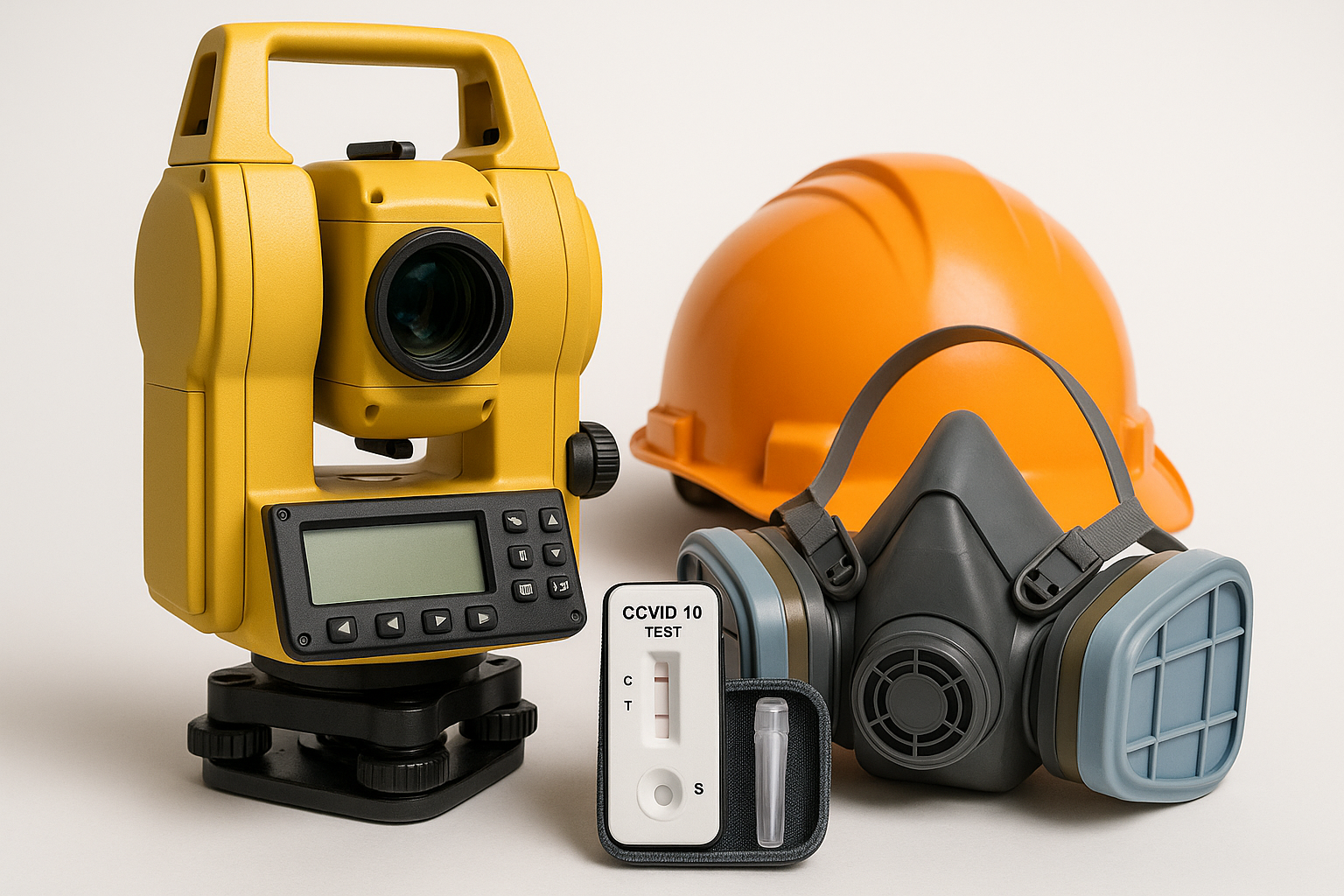
Common symptoms include:
- Progressive breathlessness
- A persistent dry cough
- Reduced exercise tolerance
- Chest tightness or discomfort
- Fatigue linked to reduced lung function
At examination, a clinician may hear fine crackles at the bases of the lungs. Some people also develop finger clubbing, though this is not specific to asbestosis and can occur in other lung conditions.
In more advanced disease, there may be signs of low oxygen levels or complications affecting the heart and circulation. None of these findings proves asbestosis on its own, but they help build the overall picture.
Scans and tests used to diagnose asbestosis
If you want to know how to test for asbestosis, this is the part most people mean. The main investigations usually include imaging and pulmonary function testing, with other checks added if the diagnosis is unclear or symptoms are severe.
Chest X-ray
A chest X-ray is often the first imaging test arranged. It may show lower-zone scarring, pleural plaques or pleural thickening that support previous asbestos exposure.
Its limitation is sensitivity. A normal X-ray does not rule out early asbestosis, which is why further imaging is often needed when suspicion remains high.
High-resolution CT scan
High-resolution CT, often shortened to HRCT, is much more useful than a plain X-ray when doctors suspect asbestosis. It gives a far clearer view of the pattern and extent of fibrosis.
Findings may include:
- Subpleural lines
- Reticulation in the lower lungs
- Parenchymal bands
- Traction bronchiectasis
- Honeycombing in advanced disease
- Pleural plaques that support a history of asbestos exposure
HRCT is one of the most important tools in how to test for asbestosis, but it still does not stand alone. Radiology has to fit the occupational history and the breathing test results.
Pulmonary function tests
Breathing tests show how well the lungs are working and help doctors measure severity. In asbestosis, the pattern is often restrictive, meaning the lungs cannot expand as effectively as they should.
Tests may include:
- Forced vital capacity
- Total lung capacity
- Gas transfer or diffusion capacity
- Oxygen levels at rest
- Oxygen levels during exertion in selected cases
Reduced gas transfer is common because scarring affects the movement of oxygen from the lungs into the bloodstream. These tests are also useful later on for monitoring progression.
Blood tests and other investigations
There is no standard blood test that confirms asbestosis. Blood tests may still be used to rule out other causes of breathlessness or to investigate autoimmune diseases that can also cause lung fibrosis.
Some patients also need:
- Exercise testing
- Echocardiography
- Oxygen assessment
- Further imaging if another diagnosis is possible
Biopsy and specialist review
Lung biopsy is not required for every patient. In many cases, a respiratory specialist can make the diagnosis from the history, HRCT findings and lung function results, often with multidisciplinary review.
Biopsy may be considered if the diagnosis remains uncertain and the result would change management. Because invasive procedures carry risk, they are used selectively rather than routinely.
How asbestosis develops inside the lungs
To understand how to test for asbestosis, it helps to know what doctors are trying to identify. Asbestosis is a form of diffuse interstitial pulmonary fibrosis caused by inhaled asbestos fibres.
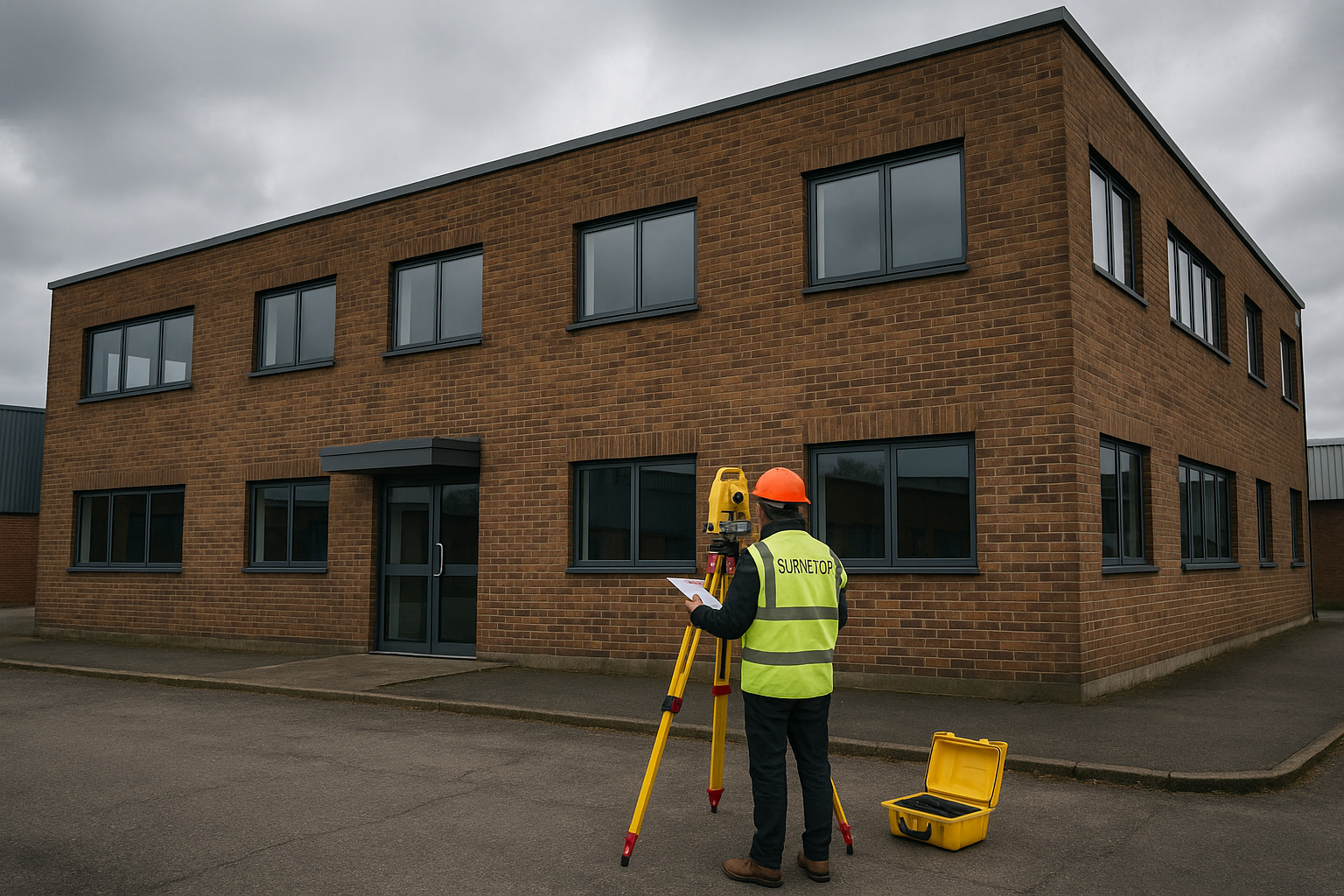
Fibre inhalation and persistence
When asbestos-containing materials are disturbed, microscopic fibres can become airborne. Once inhaled, some travel deep into the lungs and settle in the alveoli and small airways.
The body tries to clear them, but asbestos fibres are highly durable and can remain in lung tissue for many years. That persistence is one reason the damage can continue long after exposure has stopped.
Inflammation and scarring
Immune cells attempt to engulf the fibres and trigger ongoing inflammation. Over time, this leads to collagen deposition and progressive scarring of the lung interstitium.
As the lungs become stiffer, breathing becomes harder and gas exchange becomes less efficient. That is why people often notice increasing breathlessness on exertion first.
Why symptoms appear decades later
Asbestosis has a long latency period. Many people do not develop obvious symptoms until decades after the exposure that caused the damage.
That delay can make diagnosis harder. Someone may have retired years earlier, changed trade or forgotten the details of jobs where asbestos exposure occurred.
How doctors rule out other conditions
A key part of how to test for asbestosis is excluding other explanations for lung scarring and breathlessness. Doctors are not just looking for fibrosis. They are trying to identify the most likely cause.
Other conditions that may need to be considered include:
- Idiopathic pulmonary fibrosis
- Chronic obstructive pulmonary disease
- Smoking-related lung disease
- Heart failure
- Other occupational lung diseases
- Autoimmune-related interstitial lung disease
This is why the diagnosis is often reviewed by more than one specialist. Respiratory physicians, radiologists and, where needed, occupational lung disease specialists may all contribute.
What multidisciplinary review means
In more complex cases, the evidence may be discussed in a multidisciplinary meeting. That allows imaging, symptoms, exposure history and lung function to be assessed together.
From a patient point of view, that can feel slower. From a clinical point of view, it usually makes the diagnosis more reliable.
The usual UK referral pathway
If you are worried about symptoms and want to know how to test for asbestosis through the UK medical system, the usual starting point is your GP. They can take an initial history, examine you and arrange first-line tests or referral to a respiratory clinic.
What happens at the first appointment
The clinician will usually ask about your work history, possible asbestos exposure, smoking history and current symptoms. They will also want to know how far you can walk, whether symptoms are getting worse and whether you have had any previous imaging.
Be specific. Saying you worked in construction is less useful than saying you removed ceiling panels, drilled insulation board or worked around pipe lagging in older plant rooms.
Specialist referrals you may receive
Depending on the findings, you may be referred to:
- A respiratory physician
- An interstitial lung disease clinic
- An occupational lung disease specialist
- Radiology for HRCT
- A pulmonary physiology department for breathing tests
Some patients are also referred for pulmonary rehabilitation, smoking cessation support or oxygen assessment where appropriate.
Questions worth asking your specialist
Take a list with you. Useful questions include:
- Does my scan fit asbestosis or another lung disease?
- How severe is the scarring?
- Do I need repeat scans or breathing tests?
- Should I have pulmonary rehabilitation?
- Do I need an oxygen assessment?
- Can the likely occupational cause be clearly recorded in my notes?
Treatment and long-term management after diagnosis
People often search for how to test for asbestosis when what they really want to know is what happens next. Asbestosis cannot be reversed, so treatment focuses on symptom control, slowing decline where possible and managing complications.
Main parts of treatment
- Stopping any ongoing asbestos exposure
- Smoking cessation if relevant
- Vaccinations recommended by your clinician
- Inhalers if there is co-existing airway disease
- Pulmonary rehabilitation to improve exercise tolerance
- Oxygen therapy for selected patients with low oxygen levels
- Monitoring for progression and complications
Your care plan depends on symptom severity, scan findings and lung function results. Follow-up may be through a respiratory clinic, especially if breathlessness is worsening or oxygen levels are affected.
Complications that may need monitoring
Asbestosis is not only about scarring on a scan. It can lead to significant functional problems and may be associated with other asbestos-related disease.
Doctors may monitor for:
- Progressive respiratory impairment
- Low oxygen levels
- Pulmonary hypertension
- Pleural disease
- Lung cancer risk, particularly where there is also a smoking history
If your symptoms change quickly, do not wait for a routine follow-up. Seek medical advice sooner.
Practical steps if you think you may have asbestosis
If you are trying to work out how to test for asbestosis because symptoms have started, focus on practical preparation rather than guesswork online.
- Book a GP appointment if you have unexplained breathlessness, a persistent cough or reduced exercise tolerance.
- Write down your work history, including employers, sites, dates and likely asbestos exposure tasks.
- Gather documents such as old training records, site records or occupational health reports.
- List your symptoms clearly, including when they started and what activities bring them on.
- Stop smoking if you smoke, as this can worsen overall lung health and complicate assessment.
- Ask for clear explanations of scan findings, test results and next steps.
If you are an employer or property manager, there is another practical step: reduce the chance of future exposure by identifying asbestos before maintenance or refurbishment starts. For clients in the Midlands, arranging an asbestos survey Birmingham service can help you meet your duties under the Control of Asbestos Regulations, with surveys carried out in line with HSG264 and relevant HSE guidance.
Why prevention matters more than diagnosis
Once asbestosis develops, the lung scarring cannot simply be undone. That is why prevention remains the most effective protection.
If you are responsible for non-domestic premises, you should know where asbestos-containing materials are, assess their condition and make sure anyone liable to disturb them has the right information. If refurbishment or demolition is planned, the correct survey type must be arranged before work begins.
For homeowners, landlords and managing agents, the same principle applies. Do not assume a material is safe because it has been there for years. If it is disturbed without proper control, fibres can be released.
Practical prevention usually comes down to four things:
- Identify suspect materials before work starts
- Use a competent asbestos surveyor
- Keep records and asbestos registers organised
- Never allow uncontrolled drilling, cutting or removal of suspect materials
That approach protects tradespeople today and reduces the chance of someone needing to ask how to test for asbestosis years from now.
Frequently Asked Questions
Can a blood test diagnose asbestosis?
No. There is no routine blood test that confirms asbestosis. Doctors use exposure history, imaging, breathing tests and specialist assessment to make the diagnosis.
What scan is best for suspected asbestosis?
High-resolution CT is usually the most useful imaging test when asbestosis is suspected. It shows lung scarring in much more detail than a standard chest X-ray.
How long does it take for asbestosis to appear after exposure?
Asbestosis usually develops after a long latency period. Symptoms often appear decades after the asbestos exposure that caused the lung damage.
Can asbestosis be cured?
No. Asbestosis is irreversible. Treatment focuses on symptom control, monitoring, pulmonary rehabilitation, managing complications and preventing further exposure.
Who should I contact if I need an asbestos survey?
If you need to identify asbestos before maintenance, refurbishment or demolition, contact Supernova Asbestos Surveys. We provide asbestos surveys nationwide for commercial and residential clients. Call 020 4586 0680 or visit asbestos-surveys.org.uk to arrange the right survey for your property.