What Actually Replaces Asbestos? A Practical Guide for Property Managers and Dutyholders
When asbestos needs to come out, the next question arrives almost immediately: what goes in its place? The replacement of asbestos fibre — or more precisely, asbestos fibre — is not a matter of finding one universal substitute. It is about selecting safer materials that genuinely match what the original product was doing, whether that was fire protection, thermal insulation, weather resistance, sound control or structural reinforcement.
Get that choice wrong and you create new problems: compliance gaps, durability failures or materials that simply are not fit for purpose. Get it right and you reduce risk, support your legal duties and improve how the building performs for years to come.
For landlords, dutyholders, facilities managers and property teams, the replacement of asbestos fibre is a practical building decision — not just a technical footnote.
Why the Replacement of Asbestos Fibre Matters
Asbestos was used so extensively because it worked. It was mixed into boards, cement sheets, lagging, coatings, floor tiles, gaskets and pipe insulation because it offered heat resistance, durability and reinforcement at low cost. Dozens of building product categories relied on it.
The hazard is equally well established. When asbestos-containing materials are damaged, drilled, cut or otherwise disturbed, fibres can become airborne. Inhalation of those fibres is linked to serious and often fatal respiratory diseases, including mesothelioma and asbestosis. That is why the Control of Asbestos Regulations place clear duties on those responsible for non-domestic premises, and why HSE guidance — including HSG264 — is central to proper identification, management and removal planning.
In practice, the replacement of asbestos fibre becomes relevant in three main situations:
- Planned refurbishment or demolition works where asbestos-containing materials must be removed before work proceeds
- Damaged or deteriorating asbestos-containing materials that are no longer suitable for management in situ
- Building upgrades where performance, compliance or maintenance requirements have changed and the existing material no longer meets current needs
One point is worth being clear about before anything else: replacement always comes after identification. Before specifying any alternative material, you need reliable information about what is present, where it is, what condition it is in and whether planned works will disturb it.
Start With the Right Survey Before Choosing Alternatives
You cannot make sound decisions about the replacement of asbestos fibre without accurate survey information. Assumptions are where projects run into delays, unexpected costs and avoidable exposure risks.
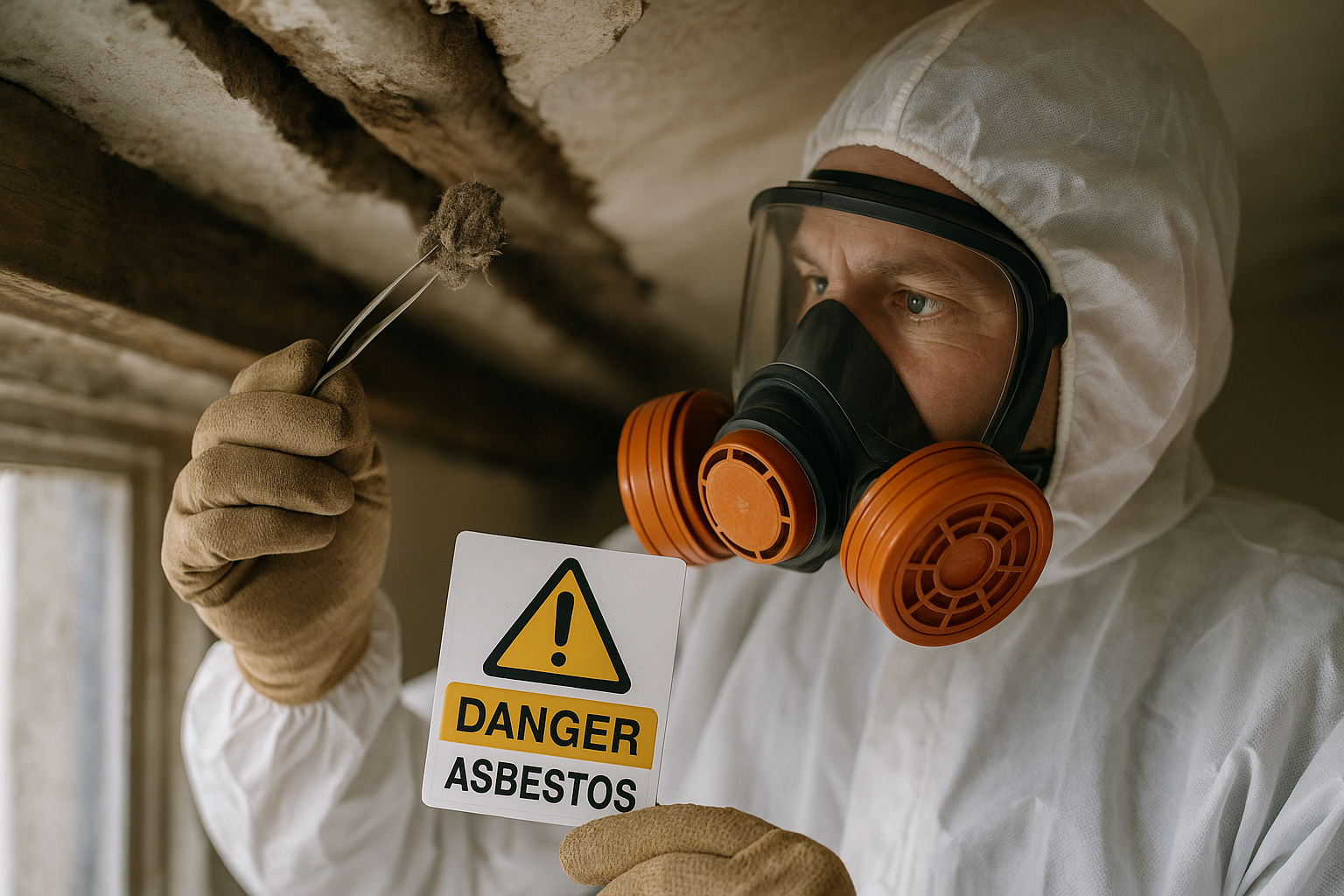
For occupied buildings, a management survey is used to locate and assess asbestos-containing materials that could be disturbed during normal occupation, routine maintenance or foreseeable installation work. It gives you the baseline information needed to manage asbestos safely and to plan any future works properly.
Before intrusive refurbishment or strip-out, the survey requirement changes. If walls, ceilings, risers, floors or structural elements are going to be opened up, a demolition survey is required so that hidden asbestos can be identified before work starts. This is not optional — it is a legal and practical necessity.
For many dutyholders, the most sensible first step is arranging an asbestos management survey and using that information to plan the next stage properly. HSG264 is clear that the survey must be suitable for its intended purpose — not a box-ticking exercise carried out to satisfy a contractor’s programme.
If you manage properties across multiple regions, local access matters. A planned fit-out in the capital may need an asbestos survey London service to keep the programme on schedule. Northern and Midlands portfolios may need support through an asbestos survey Manchester or asbestos survey Birmingham appointment before contractors are permitted on site.
What to Confirm Before Specifying a Replacement
Before anyone chooses a substitute material, confirm the basics. These points can seem obvious, but they are consistently where poor decisions begin.
- What asbestos-containing material is actually present and in what quantity
- Its location, extent and current condition
- Its original function within the building or system
- Whether removal is necessary or management in situ remains appropriate
- What performance the replacement must achieve — thermal, fire, acoustic, structural or weather-related
- Whether the original product formed part of a tested fire or insulation system
- What access, maintenance and environmental conditions will apply to the replacement
A safe material is not automatically the right material. The replacement of asbestos fibre only works when the substitute is both safer and technically suitable for the specific application.
Common Materials Used in the Replacement of Asbestos Fibre
There is no single universal substitute. Different products are used depending on whether the original asbestos-containing material provided thermal insulation, fire resistance, weather protection, structural reinforcement or sealing performance. Here is a practical overview of the most widely used alternatives.
Cellulose Fibre
Cellulose fibre is commonly used in insulation applications, often manufactured from recycled paper treated to improve fire performance and resistance to mould or pests. It can work well in lofts, wall cavities and some retrofit projects where thermal and acoustic performance are the primary requirements.
It is not a direct replacement for every asbestos product. It should only be specified where the environment, moisture conditions and fire requirements are genuinely suitable.
Fibreglass and Glass Fibre Products
Fibreglass is one of the most familiar alternatives where insulation is required. It is available in rolls, slabs, boards and specialist products for ducts, pipework and building services. Glass fibre products are commonly used for:
- Roof and loft insulation
- Wall insulation
- Pipe and duct insulation
- Acoustic treatments
- Elements within tested fire-resistant systems
These materials do not contain asbestos, but they still require correct handling. Dust and fibres from insulation products can cause irritation, so installers should follow manufacturer instructions and maintain appropriate site safety controls.
Mineral Wool and Rock Wool
Mineral wool — including rock wool — is widely used where both thermal and fire performance are required. In many product forms it is non-combustible and suitable for partitions, service risers, plant areas and external wall systems.
For the replacement of asbestos fibre, mineral wool is frequently chosen because it offers a practical combination of good fire resistance, thermal insulation, sound reduction and wide product availability. It can be particularly useful where asbestos insulating board or lagging has been removed and the replacement still needs to support compartmentation or heat control within the building.
Calcium Silicate Boards
Calcium silicate boards are often specified where a rigid, heat-resistant board is required. They are used in fire protection systems, service enclosures, plant rooms and higher-temperature environments.
These boards are a common alternative to asbestos insulating products, but performance varies significantly by manufacturer and application. Always specify them against the tested use — not by appearance or general assumption about what the board looks like.
Modern Fibre Cement Products
Modern fibre cement products use reinforcing fibres other than asbestos. They are widely used for roofing sheets, cladding panels, soffits and other external building elements where durability and weather resistance are needed.
This is one of the clearest examples of the replacement of asbestos fibre in modern construction. Older asbestos cement products typically served an external protective role, and non-asbestos fibre cement can provide a comparable function without the associated health hazard. Verify that the product is correctly rated for the exposure conditions and fixing method intended.
Aramid, Synthetic and Specialist Fibres
In industrial settings, the replacement of asbestos fibre may involve specialist materials rather than standard building insulation. Gaskets, seals, friction materials and engineered composites may use aramid fibres, glass fibres, ceramic fibres or other synthetic reinforcements depending on the application.
This is a more technical area. The right choice depends on temperature, pressure, wear resistance, chemical exposure and any certification requirements for the equipment or system involved. Engage a specialist with direct experience of the relevant industrial application.
Polyurethane and Other Foam Insulation Products
Foam insulation products are often used where strong thermal performance is needed within limited space. They may be installed as rigid boards, insulated panels or spray-applied systems depending on the project type and building element involved.
These are not direct substitutes for every asbestos application, but they can form part of a broader replacement of asbestos fibre strategy after asbestos has been removed from roofs, walls or service areas. Fire performance and installation quality must be checked carefully — this is particularly relevant given the regulatory focus on combustible materials in external wall systems.
How to Choose the Right Replacement Material
The best replacement is not always the cheapest, and it is rarely the one chosen in the shortest time. Use this checklist when assessing options for the replacement of asbestos fibre:
- Define the original purpose. Was the asbestos there for insulation, fire protection, weatherproofing, acoustic control or reinforcement? The answer determines the performance specification for the replacement.
- Check the location. Internal and external environments place very different demands on a material. Exposure to moisture, UV, temperature variation and mechanical wear all affect product selection.
- Review fire requirements. If the original material contributed to compartmentation or passive fire protection, the replacement must be suitable for that tested application — not just similar in appearance.
- Consider moisture exposure. Some products perform poorly in damp or variable conditions. Specify accordingly.
- Look at maintenance needs. Easy access and straightforward repair reduce lifecycle cost and reduce the risk of future disturbance.
- Confirm compatibility. The replacement should work with surrounding finishes, fixings, structure and adjacent systems.
- Use competent installers. Even the best-specified product can fail if installed incorrectly. Check that the installer has relevant experience with the system being used.
If the original asbestos-containing material formed part of a tested fire system, do not assume any non-asbestos board or insulation will perform equivalently. Fire performance depends on the full system — not just the individual product in isolation.
Questions to Ask Before Approving a Replacement
Before sign-off, ask direct questions. Clear answers now are significantly cheaper than remedial work later.
- What evidence supports the proposed replacement material for this specific application?
- Is it suitable for the exact location and exposure conditions?
- Does it meet the fire and insulation requirements of the building element?
- Has the installer worked with this system before, and can they demonstrate that experience?
- Will future maintenance disturb the new material, and if so, how will that be managed?
- Are operation and maintenance records being updated after installation to reflect what has changed?
Safety, Legal Duties and Removal Planning
The replacement of asbestos fibre sits within a wider legal process. Before replacement comes identification, risk assessment and — where required — properly controlled removal in line with HSE guidance and the Control of Asbestos Regulations.
If asbestos-containing materials need to be taken out, use a competent contractor for asbestos removal. The work must be planned carefully, with a clear scope, suitable controls, waste arrangements and protection for adjacent areas and occupants.
Removal is not only about stripping out the old material. Depending on the type of asbestos work involved, it may also require:
- Segregation of the work area
- Appropriate control measures and written method statements
- Waste handling and consignment procedures in line with environmental regulations
- Air monitoring where required
- Clearance arrangements before the area is re-occupied or other trades proceed
- Communication with occupants, contractors and facilities teams throughout
Key Legal Points for Dutyholders and Managers
The Control of Asbestos Regulations require asbestos risks in non-domestic premises to be identified and managed. Survey information must be available to anyone who may disturb asbestos-containing materials during their work — this includes maintenance contractors, fit-out teams and building services engineers.
Not all asbestos work is licensable, but all asbestos work must be properly assessed and controlled. Records matter as much as the physical work itself. If your asbestos register is out of date, the replacement of asbestos fibre can quickly become disorganised and unsafe.
For mixed-use estates, schools, offices, retail units and industrial portfolios, a practical approach includes:
- Keeping a live, up-to-date asbestos register
- Reviewing survey data before maintenance, fit-out or refurbishment works begin
- Briefing contractors before they start — not after
- Recording what has been removed and what has replaced it
- Updating plans, O&M manuals and maintenance information after completion
Benefits of Modern Alternatives When Properly Specified
When the replacement of asbestos fibre is handled correctly, the benefits extend well beyond removing a hazard. Modern alternatives — properly selected and installed — can improve building performance and reduce future management burden.
Better Health Protection
The most direct benefit is safer occupancy and maintenance. Removing asbestos-containing materials and replacing them with appropriate modern products reduces the risk of future disturbance and fibre release, protecting occupants, maintenance tradespeople and facilities staff over the long term.
Improved Thermal Efficiency
Many modern insulation materials offer better thermal performance than the asbestos products they replace. This can reduce energy costs, support compliance with current building regulations and contribute to sustainability objectives — particularly relevant for organisations with energy performance commitments or EPC improvement targets.
Reduced Long-Term Management Costs
Asbestos-containing materials in poor condition require ongoing monitoring, re-inspection and management. Once removed and replaced with appropriate modern materials, the associated management burden is significantly reduced. This has a direct impact on maintenance budgets and on the time facilities teams spend managing asbestos-related requirements.
Compliance Confidence
Modern alternatives specified and installed correctly give dutyholders a clearer compliance position. The asbestos register is updated, the risk is removed, and the building element performs to current standards. That clarity has value for insurers, tenants, auditors and anyone else with an interest in the building’s management.
Frequently Asked Questions
What is the most common replacement for asbestos insulating board?
Calcium silicate boards and mineral wool products are among the most widely used alternatives to asbestos insulating board. The right choice depends on the specific application, fire performance requirements and the conditions the material will be exposed to. Always specify against a tested system rather than selecting by appearance alone.
Do I need a survey before replacing asbestos-containing materials?
Yes. Before any replacement work begins, you need reliable survey information confirming what is present, where it is and what condition it is in. For occupied buildings, a management survey provides this baseline. For refurbishment or demolition works, a more intrusive survey will typically be required. HSG264 sets out the survey standards that apply.
Is the replacement of asbestos fibre a legal requirement in all cases?
Not always. The Control of Asbestos Regulations require asbestos risks to be managed — removal is one option, but management in situ is also permitted where the material is in good condition and is not likely to be disturbed. Replacement becomes necessary when materials are damaged, when planned works will disturb them, or when management in place is no longer practicable.
Can I choose any non-asbestos board to replace asbestos insulating board in a fire-rated system?
No. Fire performance depends on the full tested system, not just the individual board product. If the original asbestos-containing material contributed to a fire-rated partition, ceiling or enclosure, the replacement must be specified against the tested system requirements. Using an untested substitute can invalidate the fire rating of the element entirely.
Who should carry out asbestos removal before replacement materials are installed?
Asbestos removal must be carried out by a competent contractor. Depending on the type and condition of the material, the work may require a licensed contractor under the Control of Asbestos Regulations. All asbestos work — whether licensed or not — must be properly planned, assessed and controlled. Do not allow replacement installation to begin until removal has been completed, cleared and documented.
Speak to Supernova Asbestos Surveys
Supernova Asbestos Surveys has completed over 50,000 surveys across the UK, working with property managers, dutyholders, facilities teams and contractors who need reliable, practical asbestos support.
Whether you need a survey to establish what is present before replacement works begin, or guidance on the removal process, our team can help you move forward with confidence and in line with your legal duties.
Call us on 020 4586 0680 or visit asbestos-surveys.org.uk to discuss your requirements.