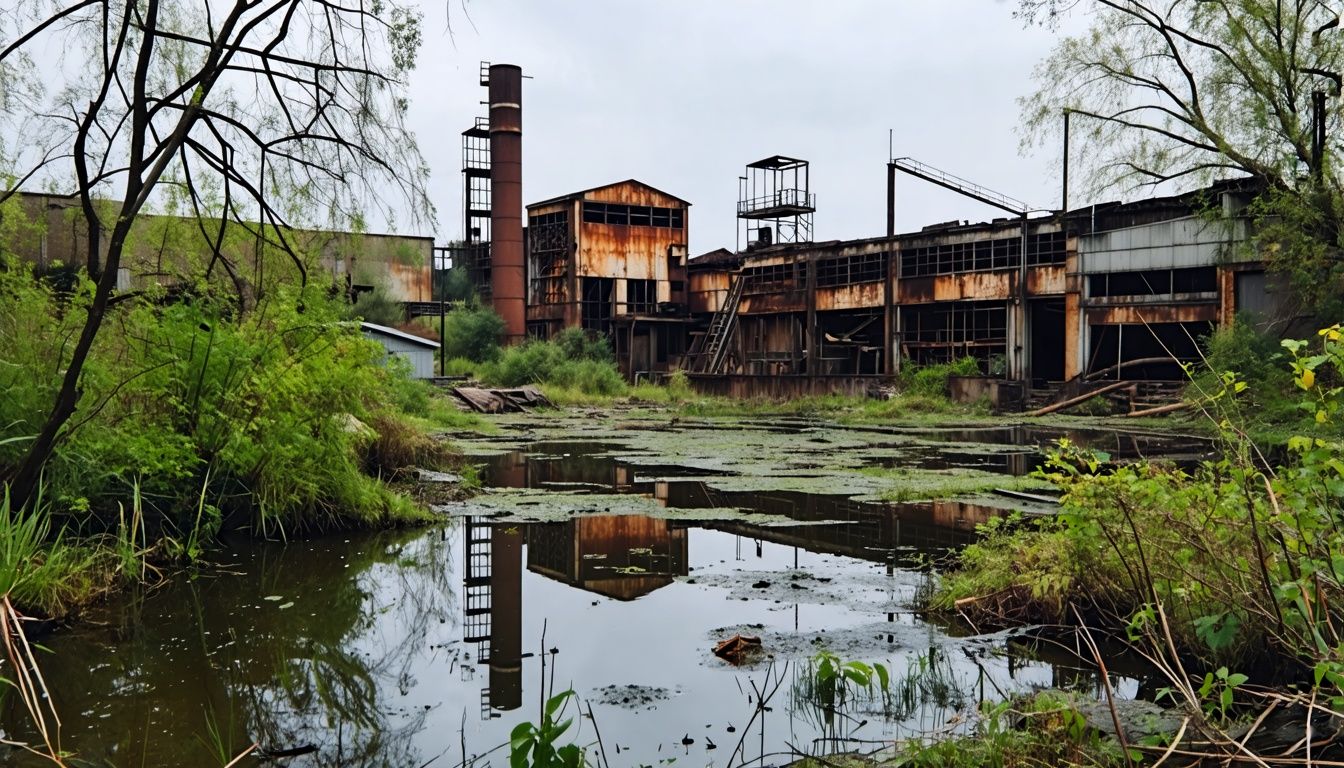
Asbestos and the Environment: What Happens When Fibres Leave the Building?
Most people understand that asbestos is dangerous to human health. Far fewer consider what happens to those fibres once they leave a building and enter the wider world — the air outside, the soil beneath a development site, the water running through a former industrial town. The asbestos environmental problem in the UK is not a historical footnote. It is ongoing, and it affects land, water, air quality, and ecosystems right now.
Asbestos fibres are virtually indestructible under natural conditions. They do not biodegrade, dissolve, or break down under UV light. Once released, they persist — and that persistence makes contamination from demolition work, fly-tipping, or industrial legacy sites a genuine long-term concern for communities, developers, and land managers across the country.
Why Asbestos Is So Persistent in the Environment
Asbestos is a naturally occurring silicate mineral found in several forms — chrysotile, crocidolite, amosite, and others. Every form shares the same fundamental characteristic: extraordinary physical durability. The properties that made it commercially attractive to manufacturers throughout the twentieth century are precisely what make it so problematic once it escapes into the environment.
Asbestos fibres do not break down in soil. They do not dissolve in water. They are not destroyed by sunlight or temperature fluctuation. Released fibres can remain viable — and hazardous — for an extremely long time, with no natural process capable of neutralising them.
The UK used asbestos extensively in construction and industry from the early twentieth century until its full ban in 1999. That legacy means contamination is still being discovered on brownfield sites, in waterways near former industrial areas, and in soils around old factory locations across England, Scotland, and Wales.
How Asbestos Affects Air Quality
How Fibres Become Airborne
Asbestos fibres are released into the air whenever asbestos-containing materials (ACMs) are disturbed. The triggers are varied and not always obvious:
- Demolition of buildings containing ACMs without prior surveys or proper controls
- Refurbishment work carried out without identifying asbestos beforehand
- Natural weathering and deterioration of external ACMs, such as cement roof sheets
- Illegal fly-tipping of asbestos waste on open land
- Erosion of naturally occurring asbestos deposits — less common in the UK but significant globally
Once airborne, asbestos fibres are invisible to the naked eye. They can travel considerable distances on air currents before settling, which is why contamination is rarely limited to the immediate source of release.
The Wider Air Quality Impact
Near active demolition or construction sites, fibre concentrations can be significant if proper controls are not in place. This affects not just workers on site but neighbouring residents and businesses.
The Control of Asbestos Regulations places clear duties on those responsible for managing or removing asbestos, including strict requirements for enclosure, extraction, and air monitoring during licensed removal work. These controls exist because uncontrolled release into the atmosphere is a genuine public health risk — not just an occupational one.
Wildlife is not immune either. Birds and mammals in areas with elevated airborne fibre concentrations can inhale particles, and whilst research on animal populations is less extensive than on humans, the biological mechanisms of fibre-induced damage are not unique to people.
Before any demolition or refurbishment work begins, a demolition survey is a legal requirement — and the most effective way to prevent uncontrolled fibre release into the surrounding environment.
Asbestos Contamination in Water
How Fibres Reach Waterways
Water contamination is one of the less-discussed asbestos environmental consequences, but it is a real and documented problem. Fibres enter water systems through several routes:
- Runoff from contaminated land — rainwater carries fibres from contaminated soil into drainage channels, streams, and rivers
- Historical industrial discharge — factories manufacturing asbestos products discharged wastewater containing fibres directly into waterways
- Deteriorating asbestos cement water pipes — the UK’s water infrastructure includes a significant legacy of asbestos cement pipework that can shed fibres as it ages
- Fly-tipped asbestos waste deposited near watercourses or on flood plains
Risks to Aquatic Ecosystems
Aquatic organisms — including fish, invertebrates, and plant life — can be affected by elevated fibre concentrations in water. Fibres can accumulate in sediment, where bottom-feeding organisms ingest them, creating a pathway for bioaccumulation through the food chain.
The long-term ecological consequences of asbestos contamination in river and lake sediments are a particular concern in areas adjacent to former heavy industrial sites in the North of England, South Wales, and central Scotland — regions with a significant legacy of asbestos manufacturing and use.
Drinking Water
In the UK, water companies are required to monitor for asbestos fibres in drinking water. The presence of fibres from deteriorating pipes remains a consideration, though current evidence does not suggest that ingested fibres carry the same disease risk as inhaled ones.
That said, the precautionary principle applies, and ongoing monitoring and pipe replacement programmes remain important safeguards. Treating the absence of proven drinking water risk as a reason to be complacent about asbestos in water infrastructure would be a serious mistake.
Asbestos in Soil: The Most Widespread Legacy
Sources of Soil Contamination
Soil contamination is arguably the most widespread asbestos environmental legacy in the UK. It occurs when:
- Former industrial sites — factories, shipyards, power stations, chemical plants — are redeveloped without adequate remediation
- Demolition waste containing ACMs is buried or incorporated into made ground
- Asbestos is fly-tipped on open land, which remains a persistent and serious problem
- Deteriorating ACMs on roofs or external walls shed fragments onto surrounding ground over many years
Brownfield development in the UK frequently encounters asbestos contamination. Any site with a history of industrial or commercial use should be treated as potentially contaminated until survey and asbestos testing work confirms otherwise.
Why Soil Contamination Is Particularly Concerning
Fibres in soil can remain dormant until the soil is disturbed. Gardening, landscaping, groundworks, agricultural activity — any of these can re-release fibres into the air. This is why contaminated land must be properly assessed and remediated before it is developed or made accessible to the public.
Children are especially vulnerable. Playgrounds and recreational areas on or near former industrial land can represent a serious risk if contamination has not been identified and addressed.
Soil contamination also affects the wider ecology of a site — plant root systems, soil microorganisms, and the insects and animals that depend on healthy soil can all be impacted by elevated fibre concentrations in contaminated ground.
The Industrial Legacy: Where the Contamination Came From
The UK was one of the world’s largest users of asbestos during the twentieth century. The industries that contributed most significantly to the asbestos environmental problem include:
- Asbestos manufacturing — towns such as Rochdale, Hebden Bridge, and Clydeside had major asbestos textile and insulation factories whose operational waste left lasting contamination in surrounding communities
- Shipbuilding — asbestos was used extensively in naval and merchant vessels; shipyard sites often carry significant ground contamination
- Construction — widespread use of asbestos cement, insulation board, and spray coatings throughout the post-war building boom
- Power generation — power stations used large volumes of asbestos insulation; many former sites are now being redeveloped
- Railways — asbestos was used in rolling stock, stations, and infrastructure throughout the rail network
The environmental footprint of these industries extends well beyond the factory gates. Communities living near manufacturing sites were often exposed to elevated fibre levels, and the land surrounding these sites continues to carry contamination in many cases.
The Regulatory Framework for Environmental Protection
The UK has a robust — if sometimes complex — regulatory framework governing asbestos and its environmental impact. Understanding where the key duties sit helps property owners and site managers stay on the right side of the law.
- The Control of Asbestos Regulations sets out duties for managing asbestos in non-domestic premises and controlling removal work, with strict requirements for licensed contractors and waste handling
- The HSE’s HSG264 guidance provides detailed technical standards for surveying and managing ACMs, and is the primary reference document for anyone commissioning or carrying out asbestos surveys
- The Environmental Protection Act and associated waste regulations govern how asbestos waste must be handled, transported, and disposed of — asbestos is classed as hazardous waste, and its disposal is tightly controlled
- The Environment Agency and local authorities have powers to investigate and require remediation of contaminated land under Part 2A of the Environmental Protection Act
- Planning authorities require contaminated land assessments before development proceeds on sites with industrial histories
Fly-tipping of asbestos is a criminal offence and can result in substantial fines — yet it remains a significant and ongoing problem, with the environmental consequences often borne by local communities and landowners who had no involvement in creating the original waste.
Practical Steps for Property Owners and Site Managers
If you manage a property, a development site, or a piece of land with any history of industrial or commercial use, there are concrete steps you should take to prevent contributing to the asbestos environmental problem.
Commission a Professional Survey Before Any Disturbance Work
This is the single most important step. A management survey will identify the presence and condition of ACMs in an occupied building. Before any intrusive work or demolition, a more detailed survey is required — disturbing hidden asbestos without knowing it is there is the primary cause of accidental environmental contamination.
Supernova Asbestos Surveys covers the full range of survey types wherever you are located — whether you need an asbestos survey in London, an asbestos survey in Manchester, or an asbestos survey in Birmingham.
Keep an Up-to-Date Asbestos Register
If you are a duty holder for a non-domestic building, you are legally required to manage asbestos on site. That means having a current asbestos register, assessing the condition of any ACMs regularly, and ensuring anyone who might disturb those materials is aware of their location.
A re-inspection survey should be carried out at regular intervals to keep your register accurate and your legal duty met. ACMs that were in good condition at the time of the original survey may deteriorate — and deteriorating materials are a release risk, both inside and outside the building.
Use Licensed Contractors for Removal
Most asbestos removal work in the UK must be carried out by a contractor licensed by the Health and Safety Executive. Licensed contractors work under strict controls — including air monitoring and proper waste disposal — that prevent fibres from entering the wider environment.
Using an unlicensed operator does not just risk health; it can result in significant legal liability for the duty holder. If you need to arrange asbestos removal, always verify that the contractor holds a current HSE licence and can provide documentation of correct waste disposal.
Test Before You Assume
If you are unsure whether a material contains asbestos, do not assume it is safe. Sampling and asbestos testing carried out by an accredited laboratory is the only reliable way to confirm whether ACMs are present. Guessing — or relying on the age or appearance of a material — is not an acceptable approach under current regulations, and it carries real environmental risk if you get it wrong.
Dispose of Asbestos Waste Correctly
Asbestos waste is classified as hazardous waste under UK law. It must be double-bagged in specialist packaging, clearly labelled, and transported by a registered waste carrier to a licensed disposal site. Fly-tipping asbestos — whether deliberately or through negligence in selecting a waste contractor — is a criminal offence with serious consequences.
Always request a waste transfer note and consignment note when asbestos waste is removed from your site. These documents are your evidence that disposal was handled correctly.
The Connection Between Environmental and Human Health Risk
It is worth being explicit about why the asbestos environmental issue matters beyond ecology. Environmental contamination is ultimately a human health issue too.
Fibres released from a poorly managed demolition site do not stay on that site. They settle on neighbouring gardens, enter drainage systems, and are inhaled by people who have no idea they are being exposed. Children playing near contaminated land, residents living adjacent to a fly-tipping site, or workers on a brownfield development without adequate site investigation — all of these groups face real exposure risk from environmental contamination.
The diseases caused by asbestos exposure — mesothelioma, asbestosis, lung cancer — have long latency periods. The environmental releases happening today may not manifest as illness for decades. That delay makes it easy to underestimate the seriousness of current contamination events. It should not.
Frequently Asked Questions
Does asbestos break down naturally in the environment?
No. Asbestos fibres do not biodegrade, dissolve in water, or break down under sunlight or temperature change. Once released into soil, water, or air, they persist indefinitely. This is what makes environmental contamination from asbestos such a long-term concern — there is no natural remediation process that neutralises released fibres over time.
Can asbestos contaminate drinking water?
Yes, asbestos fibres can enter drinking water supplies, primarily through the deterioration of asbestos cement pipes that remain part of the UK’s water infrastructure. Water companies are required to monitor for fibres. Current evidence suggests ingested fibres do not carry the same disease risk as inhaled fibres, but the precautionary principle applies and pipe replacement programmes remain an important safeguard.
What should I do if I suspect asbestos contamination on land I own or manage?
Commission a professional assessment immediately — do not disturb the ground or any suspect materials. A qualified asbestos surveyor can assess the situation, and if contamination is confirmed, a remediation plan will need to be developed in line with Environment Agency guidance and local authority requirements. Do not attempt to remove or bury contaminated material yourself.
Is fly-tipping asbestos a criminal offence?
Yes. Fly-tipping asbestos waste is a criminal offence under the Environmental Protection Act and associated waste regulations. Penalties can include substantial fines and, in serious cases, imprisonment. Landowners who discover fly-tipped asbestos on their property should contact their local authority and the Environment Agency — and should not attempt to handle or move the material without professional guidance.
How often should an asbestos register be updated?
Duty holders for non-domestic buildings should have their asbestos register reviewed whenever there is reason to believe conditions have changed — for example, after any building work, or if ACMs are observed to be deteriorating. As a minimum, a formal re-inspection survey should be carried out periodically, with the interval determined by the condition and risk rating of the materials identified in the original survey. HSG264 provides guidance on appropriate re-inspection frequencies.
Supernova Asbestos Surveys has completed over 50,000 surveys across the UK, helping property owners, developers, and duty holders manage their asbestos obligations safely and in full compliance with the Control of Asbestos Regulations. Whether you need a management survey, a pre-demolition survey, or advice on a contaminated site, our team of qualified surveyors is ready to help.
Call us on 020 4586 0680 or visit asbestos-surveys.org.uk to discuss your requirements and book a survey.