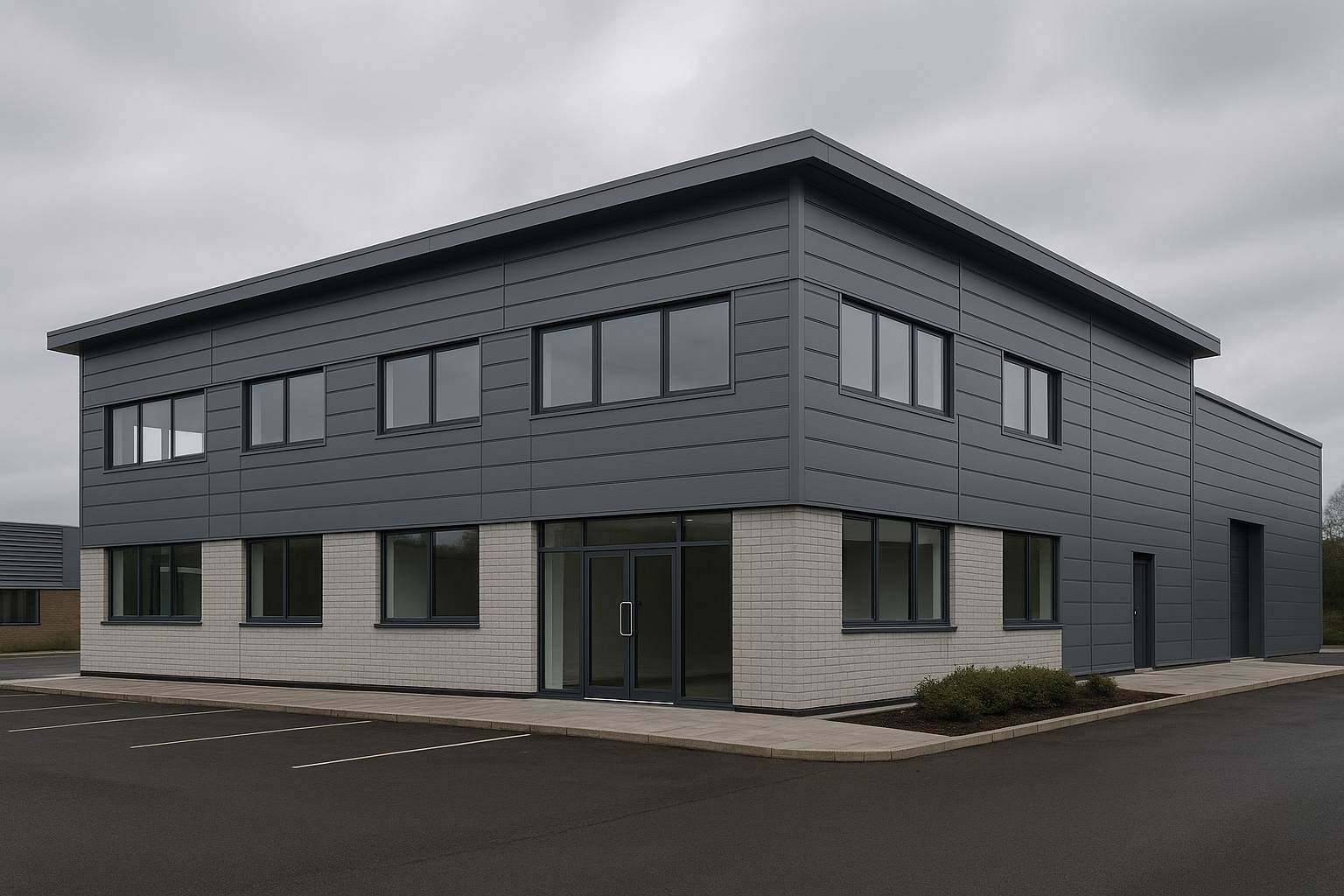
A cheap quote for asbestos removal cost can be the most expensive decision on a commercial property. If the price ignores the survey, the material type, access restrictions, licensed work requirements or waste controls, the real bill usually appears later as delays, change orders and compliance problems.
For property managers, landlords, facilities teams and dutyholders, the question is rarely “what is the standard price?”. The better question is “what will this specific asbestos job actually involve, and what needs to be budgeted properly from day one?”
There is no single national rate card for asbestos removal cost. Under the Control of Asbestos Regulations, asbestos work must be assessed correctly before anything is disturbed. Surveying and sampling should follow HSG264, and the right removal method depends on the type, condition and location of the asbestos-containing material.
If you do not yet know exactly what is present, start there. A small spend on identification is far cheaper than stopping a project halfway through because suspect materials were missed.
What affects asbestos removal cost in commercial buildings?
The biggest mistake people make with asbestos removal cost is assuming they are paying only for labour. In reality, you are paying for trained operatives, safe methods of work, supervision, possible enclosure arrangements, decontamination procedures, waste transport, paperwork and site-specific controls designed to prevent fibre release.
Two jobs that look similar on paper can be priced very differently once the practical details are known.
1. The type of asbestos-containing material
Some materials are much more expensive to remove because they release fibres more easily when disturbed. Friable products usually need tighter controls than firmly bonded materials.
- Higher-cost materials: pipe lagging, sprayed coatings, asbestos insulation board
- Mid-range materials: textured coatings, damaged floor tiles, contaminated bitumen adhesive
- Lower-cost materials: asbestos cement sheets, cement flues, some soffits and garage roofs
2. Whether the work is licensed, notifiable or non-licensed
This is one of the main drivers of asbestos removal cost. Higher-risk materials may require licensed contractors and stricter control measures. That can include enclosures, negative pressure equipment, decontamination arrangements and independent analyst involvement.
Lower-risk work may still need careful planning, notification and trained operatives. A lower quote is not a saving if it fails to match the legal standard required for the material involved.
3. Access, occupancy and programme pressure
A clear, empty plant room is simpler to work in than a live office floor, a school holiday programme, a retail unit or a confined riser. Access problems increase labour time and often add extra protection measures.
Costs often rise where the project needs:
- Scaffolding or mobile towers
- Out-of-hours working
- Segregation from staff, tenants or the public
- Temporary shutdowns to services
- Phased works to keep the building operational
- Extra cleaning and handover requirements
4. Quantity and condition
The more material present, the more packaging, labour and waste capacity are needed. Condition matters just as much. Intact cement sheets can often be removed whole, while broken or weathered materials take longer to handle safely.
Damage can also change the method statement. What looked like a simple collection job can become a more controlled removal once deterioration is confirmed on site.
5. Waste disposal and surrounding project costs
When people compare asbestos removal cost, they often focus only on the strip-out element. That misses other items that can materially change the final figure.
Depending on the job, you may also need:
- Pre-removal sampling
- Analyst attendance or reassurance testing
- Cleaning of adjacent areas
- Scaffold or access equipment
- Making good or reinstatement
- Temporary protection to occupied areas
- Additional waste collections
Always read the quote as a full project cost, not just a removal line.
Typical asbestos removal cost ranges in the UK
There is no universal price list for asbestos removal cost, but there are sensible budgeting ranges. These are planning figures only. Actual costs depend on survey findings, the plan of work, access, occupancy, waste volume and whether the material can be removed intact.
- Asbestos garage roof: around £1,000 to £3,500 for a standard single structure, with higher costs where access is difficult or the sheets are badly damaged
- Textured coatings: around £2,500 to £6,000 for a room-sized area, depending on the method and whether the substrate is also removed
- Asbestos insulation board: often £2,000 to £8,000 or more per room or contained area
- Asbestos floor tiles and bitumen adhesive: often around £50 to £120 per m², sometimes higher where adhesive treatment is complex
- Asbestos cement flues: around £500 to £1,500 depending on size, access and integration with the building
- Soffits, fascias and undercloaking: around £600 to £2,000 or more, excluding difficult access equipment
- Pipe lagging: often £150 to £400 per linear metre, sometimes higher in confined or complex service areas
- Mixed commercial strip-out projects: from several thousand pounds to six figures depending on scale and risk profile
If you need a firm figure rather than a rough budget, the right sequence is simple:
- Identify the material properly
- Confirm the scope of disturbance
- Assess access and occupancy constraints
- Obtain a quote based on the actual findings
That approach gives you a realistic asbestos removal cost instead of a guess that changes once work starts.
Asbestos insulation board and why it pushes asbestos removal cost up
Asbestos insulation board, often shortened to AIB, is one of the biggest reasons commercial asbestos budgets escalate. It was widely used for fire protection, partition walls, service risers, ceiling tiles, column casings, plant room linings and fire door panels.
It can look harmless, but it is far less dense than cement products and can release fibres much more readily if drilled, broken, cut or removed carelessly.
Why AIB removal is expensive
- It is commonly associated with higher-risk asbestos work
- Enclosures and negative pressure units may be needed
- Decontamination arrangements are more involved
- Independent air monitoring may be required
- It is often located in occupied commercial premises with difficult access
AIB also has a habit of appearing where contractors do not expect it. Common examples include panels above suspended ceilings, service duct linings, firebreaks in roof voids, boxing to structural steel and internal fire door components.
If refurbishment is planned, do not assume all boards are plasterboard. A targeted programme of asbestos testing is far cheaper than discovering AIB after demolition or fit-out has already started.
Practical budgeting advice for AIB
- Check whether intrusive works require a refurbishment or demolition survey
- Sample suspect boards instead of relying on appearance
- Make sure hidden voids, risers and service areas are included in scope
- Separate removal costs from reinstatement costs in the budget
- Allow time for access planning, analyst attendance and certification where required
Asbestos floor tiles and bitumen adhesive
Older offices, schools, retail units, healthcare premises and back-of-house areas often contain asbestos floor tiles and bitumen adhesive. These materials are frequently hidden below newer finishes, which means they are only discovered once refurbishment has already begun.
The tiles may appear stable, but asbestos removal cost can change quickly depending on the condition of the floor, the adhesive residue and the standard of finish needed for the next trade.
What changes the price?
- Total floor area
- Number of floor layers above the tiles
- Whether the tiles are intact or already broken
- The amount of bitumen adhesive left on the subfloor
- Whether the area must be handed back ready for new finishes
- Access restrictions and trading hours
In some commercial settings, floor tiles can be left in place and managed safely if they are in good condition and will not be disturbed. In others, over-boarding or covering with a new finish may be more practical than full removal.
But if the refurbishment involves chasing services, levelling floors, lifting the substrate or preparing a clean base, removal may be unavoidable. The adhesive is often the expensive part because it can remain after tile uplift and may need specialist treatment.
What property managers should ask before approving the work
- Does the quote include tile uplift?
- Does it include adhesive treatment or removal?
- Is waste packaging and disposal included?
- Will the area receive a final clean?
- Is subfloor preparation included or excluded?
Do not let flooring contractors scrape or grind old adhesive until it has been assessed. Mechanical preparation can spread contamination much further than the original floor covering.
Textured coatings and the real asbestos removal cost
Textured coatings, often referred to as Artex, are another area where confusion over asbestos removal cost is common. Some textured coatings contain asbestos and some do not. The right approach depends on the test result, the substrate, the condition and the planned works.
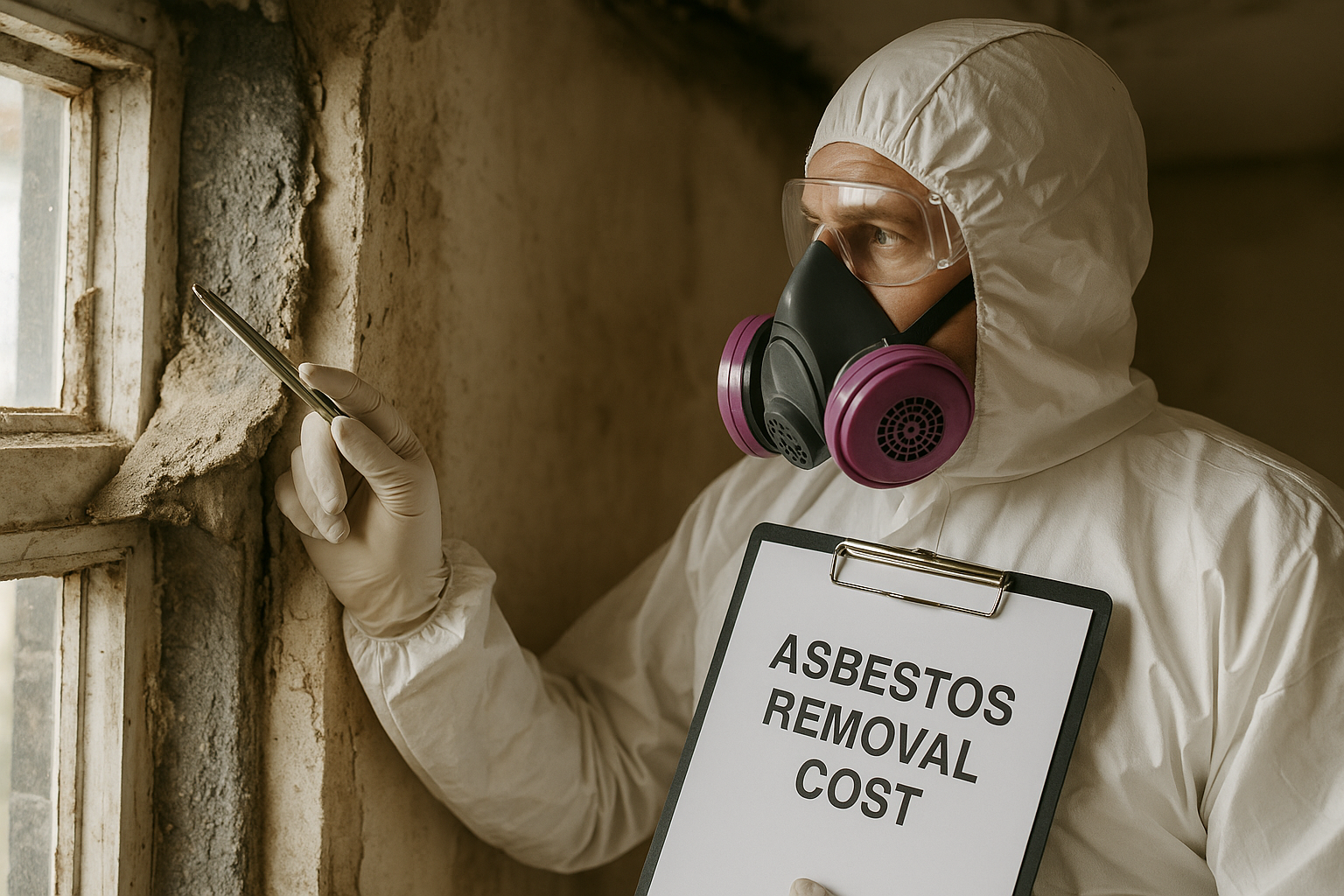
In commercial buildings, these coatings are often found on ceilings and walls in offices, corridors, stairwells, stores and ancillary spaces. They are frequently disturbed during lighting upgrades, M&E works, partition changes and full refurbishments.
Why the price varies so much
- Whether the coating is removed from the surface or with the board beneath it
- The total area involved
- Ceiling height and access equipment needed
- Whether the building is occupied
- The level of cleaning required after removal
Where the coating is on plasterboard and the ceiling is being replaced anyway, taking down the board and coating together can sometimes be the practical option. Where the finish is sound and there is no need to disturb it, encapsulation may be more economical than removal.
Textured coatings are often lower risk than AIB or lagging, but they should never be treated casually. Sanding, scraping and uncontrolled breakage can still release fibres and contaminate the work area.
If there is any doubt, arrange sampling first. A separate asbestos testing visit before decorations or ceiling work can prevent costly disruption later.
Asbestos cement flues, garage roofs and other cement products
Asbestos cement products are usually lower on the risk scale than friable materials, but they still affect asbestos removal cost when plant upgrades, roof works or demolition are planned. These materials are common in outbuildings, service areas, plant spaces and older ancillary structures.
Asbestos cement flues
Asbestos cement flues are often overlooked until a heating engineer or contractor starts disconnecting equipment. Intact flues can sometimes be removed relatively efficiently, but costs rise when they pass through walls, ceilings or roofs, or where working at height is involved.
Key price factors include:
- Length and diameter of the flue
- Whether sections pass through multiple building elements
- Ease of removing sections intact
- Roof access or scaffold requirements
- Whether the flue is part of a wider plant replacement
If a boiler or plant upgrade is already programmed, get the asbestos assessment completed before the mechanical contractor mobilises. Otherwise, the main programme can stall while the asbestos work is arranged.
Asbestos garage roofs and outbuildings
Asbestos garage roofs are one of the most common enquiries linked to asbestos removal cost. In commercial settings, this may mean maintenance sheds, detached stores, small workshops or ancillary units rather than domestic garages alone.
Most of these roofs are corrugated asbestos cement sheets. If the sheets are intact and accessible, removal is usually simpler and cheaper than friable internal materials.
Costs change according to:
- Roof size
- Condition of the sheets
- Whether fixings can be removed cleanly
- Access around the structure
- Need for edge protection or scaffolding
- Whether the sheets are already cracked or badly weathered
It also helps to separate the removal budget from the replacement roof budget. Some clients assume one contractor will handle everything, but that is not always how the project is packaged.
How to budget asbestos removal cost properly before refurbishment or demolition
The best way to control asbestos removal cost is to identify the risk early. Late discovery is what usually creates inflated prices, rushed procurement and programme delays.
For commercial projects, a sensible pre-start process looks like this:
- Confirm the planned works. Maintenance, refurbishment and demolition all require different levels of investigation.
- Get the right survey. If the works are intrusive, management information alone is not enough.
- Sample suspect materials. Never rely on visual identification where disturbance is planned.
- Scope hidden areas. Voids, risers, ceiling spaces and service ducts are frequent problem locations.
- Build asbestos works into the programme. Do not treat it as an afterthought.
- Compare quotes on scope, not just price. Check what is included, excluded and assumed.
If your project is in the capital, an early asbestos survey London appointment can help you identify materials before contractors are booked. The same applies regionally, whether you need an asbestos survey Manchester service or an asbestos survey Birmingham inspection for planned works.
Questions to ask when reviewing a quote
- What material has actually been identified?
- Is the quote based on survey evidence or assumptions?
- Does the price include access equipment?
- Are waste disposal and consignment arrangements included?
- Is cleaning, analyst attendance or air monitoring included where needed?
- Are reinstatement works excluded?
- What happens if additional asbestos is found?
Clear answers to those questions make asbestos removal cost far more predictable.
When removal is not always the best option
Not every asbestos-containing material needs to be removed immediately. If a material is in good condition and will not be disturbed, management in place may be the safer and more cost-effective option.
That is particularly relevant in occupied commercial properties where removal would create disruption without reducing any real risk. The right decision depends on condition, accessibility, future works and the likelihood of disturbance.
Options can include:
- Leaving the material in place and recording it in the asbestos register
- Encapsulating it to protect the surface
- Labelling and managing access
- Planning removal later as part of wider refurbishment
Where removal is required, it should be specified and delivered properly. Where management is suitable, that should also be based on evidence rather than guesswork. If removal is the right path, professional asbestos removal support should be planned around the building use, the material risk and the wider programme.
Common mistakes that increase asbestos removal cost
Most overspend comes from avoidable errors rather than the asbestos itself. A few simple checks can protect both budget and programme.
- Starting refurbishment without the right survey: this is one of the fastest ways to create delays and emergency costs
- Assuming all boards or coatings are harmless: appearance is not enough
- Using non-specialists to disturb suspect materials: this can contaminate larger areas
- Comparing quotes without checking scope: the cheapest line item is often the least complete
- Ignoring access and occupancy issues: live sites nearly always cost more to manage safely
- Forgetting reinstatement: removal may be only one part of the total project spend
If your priority is cost control, the answer is not to cut corners. It is to define the scope properly before anyone starts work.
Frequently Asked Questions
Is there a standard asbestos removal cost for commercial properties?
No. Asbestos removal cost varies according to the material type, condition, quantity, access, occupancy, waste requirements and whether the work needs higher levels of control. A survey-based quote is the only reliable way to price the job properly.
What is the biggest factor affecting asbestos removal cost?
The type of asbestos-containing material is usually the biggest factor. Higher-risk materials such as asbestos insulation board or pipe lagging generally cost more to remove than intact asbestos cement because the work methods and controls are more demanding.
Can asbestos floor tiles be left in place?
Sometimes, yes. If the tiles are in good condition and will not be disturbed, management in place or covering them may be appropriate. If refurbishment requires the floor to be lifted, levelled or mechanically prepared, removal may be necessary.
Why does asbestos insulation board cost more to remove?
AIB can release fibres more easily than cement-based products and is often found in sensitive locations such as risers, ceiling voids and fire protection elements. That means stricter controls, more planning and potentially analyst involvement, all of which increase cost.
Should I get testing before asking for a removal quote?
Yes. If the material has not been confirmed, any removal price is based partly on assumption. Testing and the right survey information help contractors price accurately and reduce the risk of changes once the job is under way.
Need a firm asbestos removal cost for your site?
If you need a reliable price rather than a rough guess, Supernova Asbestos Surveys can help with surveys, sampling, testing and project support nationwide. We work with commercial clients across offices, industrial sites, schools, retail units and mixed property portfolios.
Call 020 4586 0680 or visit asbestos-surveys.org.uk to arrange the right survey, testing or removal support for your building.