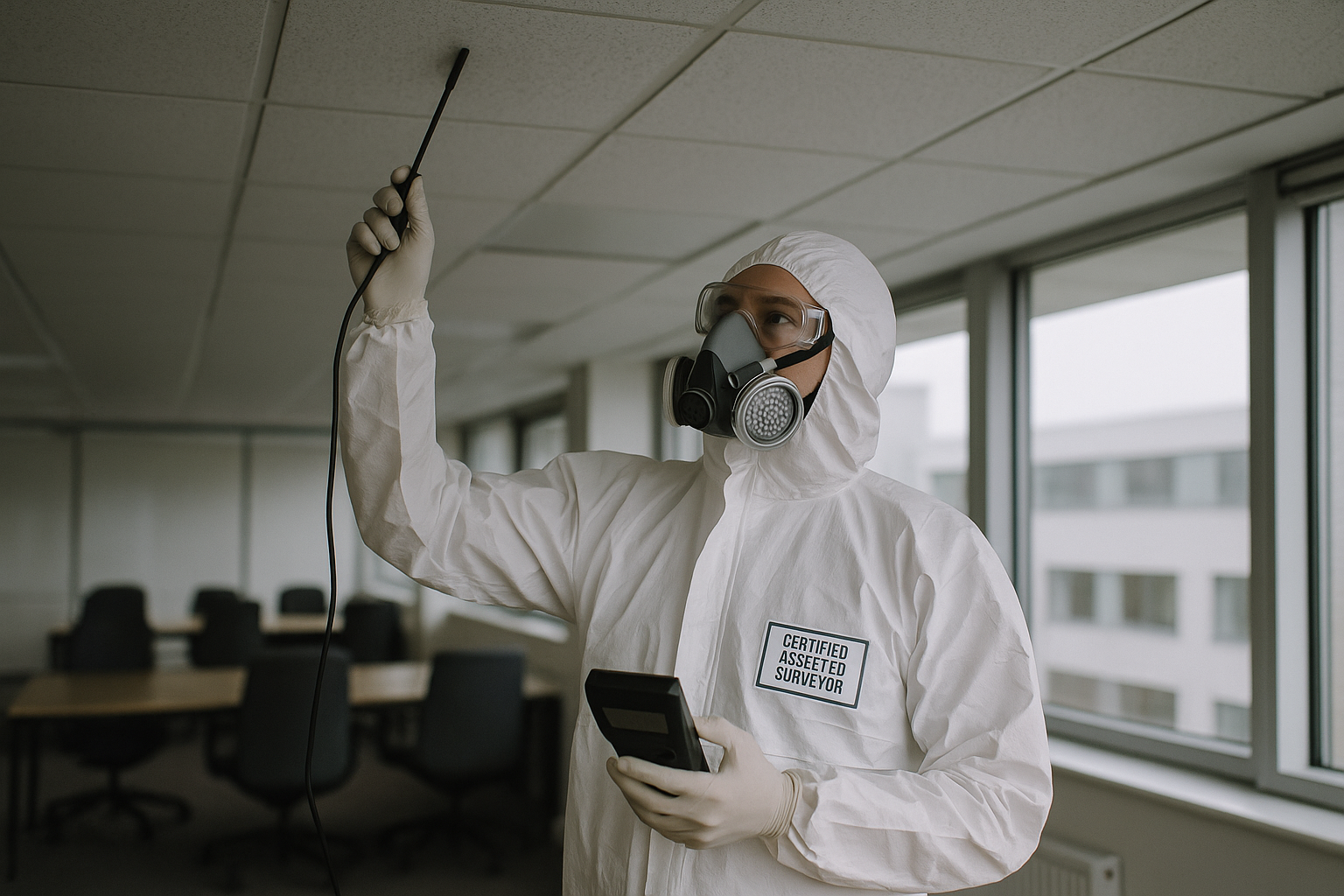
Textured ceilings have a habit of turning a routine commercial job into a compliance problem overnight. A lighting upgrade, CAT A strip-out, office refit, school maintenance programme, or retail alteration can all bring the artex asbestos removal cost into sharp focus once somebody asks the obvious question: has that coating been checked properly?
For commercial property managers, dutyholders, landlords, and FM teams, the real issue is not just price. It is whether the material contains asbestos, whether the planned works will disturb it, and whether the next step is management, encapsulation, overboarding, or removal. Under the Control of Asbestos Regulations, supported by HSE guidance and survey standards in HSG264, assumptions are not enough.
If textured coatings such as Artex were applied before asbestos was fully phased out, they should be treated as potentially asbestos-containing until survey and sampling evidence says otherwise. That is why the artex asbestos removal cost is only one part of the wider commercial decision.
Why artex asbestos removal cost varies so much in commercial property
There is no reliable one-size-fits-all figure for the artex asbestos removal cost. Two ceilings of the same size can produce very different quotes depending on access, condition, occupancy, removal method, and what needs to happen afterwards.
Commercial buildings add layers of complexity that domestic pricing guides often ignore. A vacant storeroom is not the same as a live office floor, a school corridor, a healthcare setting, or a retail unit trading below the work area.
The main cost drivers usually include:
- Whether asbestos is confirmed by survey and sampling
- Total area and number of separate rooms
- Condition of the textured coating
- Ceiling height and ease of access
- Whether the building is occupied
- Need for phased or out-of-hours working
- Waste handling and disposal requirements
- Whether removal, encapsulation, or overboarding is the best option
- How much reinstatement is needed after asbestos works
That is why sensible budgeting starts with identifying the material first. Trying to price the whole project from a photograph or a contractor’s guess usually leads to delays, revised costs, and awkward conversations once works have already been scheduled.
Start with the right asbestos survey before pricing removal
The first step is rarely removal. It is establishing what is present, where it is, and whether your planned works will disturb it.
If the building is occupied and the coating is only being managed during normal use, a management survey is usually the right starting point. This helps dutyholders locate and assess asbestos-containing materials that could be disturbed during routine occupation, maintenance, or minor works.
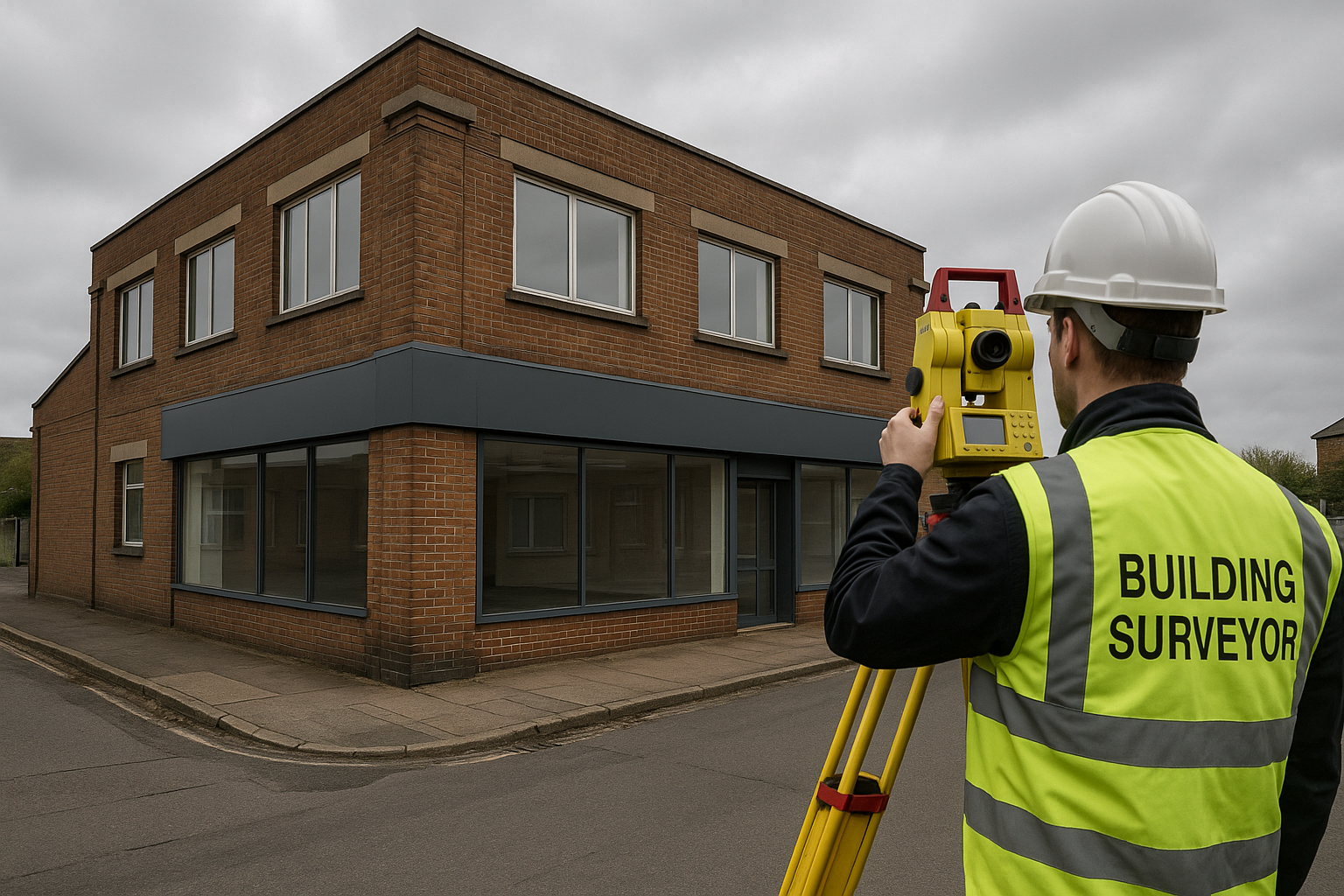
If you are replacing ceilings, installing services, altering lighting, moving partitions, or carrying out intrusive fit-out works, you will generally need a refurbishment survey before work begins. This is the survey designed for areas that will be disturbed during planned works.
Where a building, or part of it, is being taken down or stripped back to structure, a demolition survey is required. That survey identifies asbestos-containing materials so they can be dealt with before demolition proceeds.
In practical terms, commercial clients should follow this order:
- Identify the work scope
- Get the correct survey for that scope
- Review any sampling results for textured coatings
- Decide whether the material can stay in place or needs action
- Price the asbestos works and reinstatement together
This approach gives you a realistic view of the artex asbestos removal cost instead of a guess built on incomplete information.
What should be included in a commercial artex asbestos removal cost quote?
A proper quote should cover more than labour to strip a ceiling. In commercial settings, the price needs to reflect planning, controls, cleaning, waste handling, and coordination with the wider programme.
Ask for a written scope and check whether the quote includes:
- Review of survey information and sample results
- Pre-start planning and method statements
- Access equipment and site set-up
- Protection of adjacent areas
- Controlled removal, encapsulation, or overboarding
- Cleaning of the work area
- Packaging and disposal of asbestos waste where applicable
- Air monitoring or reassurance procedures where required
- Basic making good or preparation for follow-on trades
- Out-of-hours or phased working if the building is occupied
If a contractor prices only for “remove Artex ceiling”, the scope is too vague. Commercial asbestos work needs clear boundaries so property teams know what has been allowed for and what has not.
Removal, overboarding, or encapsulation: which option affects cost most?
The artex asbestos removal cost depends heavily on the chosen treatment method. Removal is not always the only answer, and it is not always the best answer.
Full removal of asbestos-containing textured coating
Full removal is often chosen when refurbishment works will disturb the ceiling anyway, when the coating is damaged, or when the client wants to reduce future asbestos management liabilities. This is usually the highest-cost option because it involves controlled working methods, waste handling, and surface preparation afterwards.
Full removal may be the right choice where:
- Services such as lighting, HVAC, alarms, or data are being altered
- Ceilings are being stripped back as part of a fit-out
- The textured coating is damaged or unstable
- The client wants the asbestos-containing material removed rather than left in place
Overboarding with plasterboard
Overboarding is often described on site as coating with plasterboard. Instead of taking the textured coating off the original ceiling, new plasterboard is fixed beneath it to create a new finish.
This can reduce disruption and speed up reinstatement, which can improve programme certainty on commercial jobs. However, it does not remove the asbestos-containing material. The asbestos remains in place and must still be recorded in the asbestos register and managed properly.
Overboarding can be attractive when:
- The existing substrate is sound
- The programme is tight
- A smooth finish is needed quickly
- Full removal would cause disproportionate disruption
It may be less suitable where there are many penetrations, services, plant interfaces, or future access requirements above the ceiling.
Encapsulation and management in place
If the textured coating is in good condition and no intrusive work is planned, encapsulation may be an option. This usually means sealing the surface and keeping it under active management.
Encapsulation is often cheaper than removal, but it only works if:
- The material is unlikely to be disturbed
- The asbestos register is accurate and up to date
- Contractors are informed before future works
- Condition checks continue as part of asbestos management
For dutyholders, this is a key point: a lower immediate artex asbestos removal cost is not always a lower long-term management cost if the material is likely to be disturbed later.
Scraping and sanding Artex: why this is where projects go wrong
Many commercial delays start with a simple mistake. A decorator, maintenance team, or fit-out contractor assumes the ceiling finish can be scraped or sanded as part of preparation, without checking the asbestos information first.
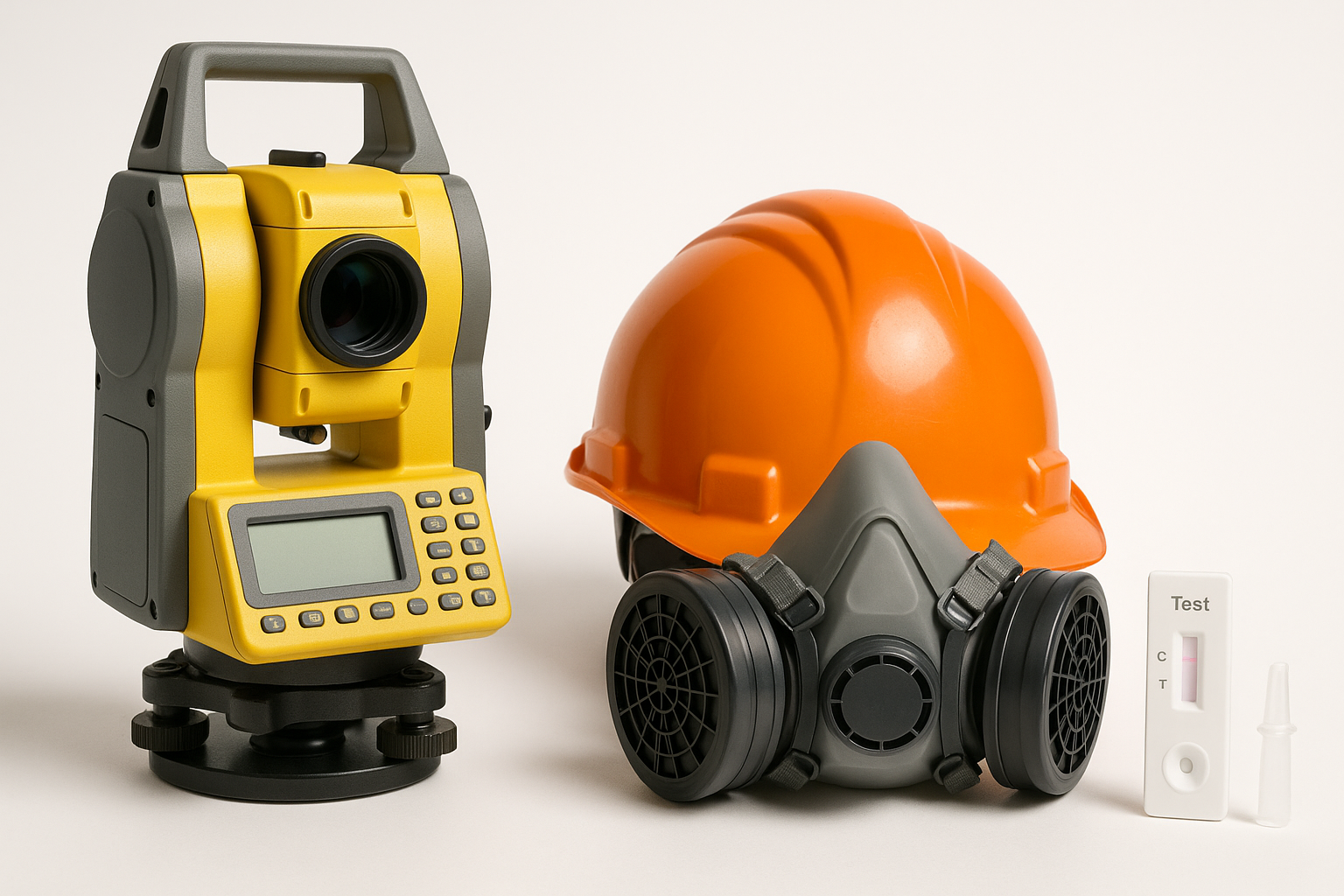
If the textured coating contains asbestos, scraping and sanding are not routine prep tasks. They can disturb the material and create exposure risks if the work is not properly assessed and controlled.
Before anyone touches a textured ceiling, ask two questions:
- Has the coating been surveyed and, where needed, sampled?
- If asbestos is present, what control method has been specified?
If asbestos is not present, standard ceiling preparation may be possible at normal market rates. If asbestos is present, the controls and pricing change. That is why the artex asbestos removal cost cannot be separated from compliance.
Practical steps for commercial sites:
- Do not authorise sanding of textured coatings until asbestos information has been checked
- Do not rely on building age alone
- Make sure contractors can access the asbestos register before starting work
- Pause intrusive works immediately if survey information is missing or unclear
Labour costs and site conditions that push prices up
Labour is a major part of the artex asbestos removal cost, but not simply because of time on tools. Commercial clients are paying for competent planning, controlled methods, protection of adjacent areas, cleaning, packaging, and compliance.
Labour costs usually rise when the job involves:
- Out-of-hours working to avoid disruption
- Multiple small rooms rather than one open-plan area
- High ceilings or awkward access
- Restricted routes through occupied premises
- Phased working around tenants or staff
- Extra cleaning and protection measures
- Coordination with other trades and programme constraints
The cheapest quote is often the most expensive project outcome if it ignores access restrictions, occupancy, sequencing, or reinstatement. A low figure on day one can quickly become a variation-heavy job once the practical realities appear on site.
Reinstatement costs after Artex asbestos works
One of the most common budgeting mistakes is treating asbestos work as a standalone line item. In reality, the ceiling still needs to be handed back in a usable condition.
After removal or overboarding, the next costs may include plastering, boarding, decoration, and sometimes ceiling replacement. If these are not allowed for early, the overall project budget will be wrong even if the asbestos quote itself was accurate.
Plastering after removal
Once textured coating has been removed, the substrate underneath may not be ready for decoration. Old repairs, uneven surfaces, cracking, or blown plaster can all become visible once the coating is dealt with.
Plastering work may involve:
- Skimming over prepared surfaces
- Patching damaged areas
- Boarding and skimming
- Full ceiling replacement where the background is poor
Painting and decorating
Decoration is often needed after removal, overboarding, or plastering. In commercial settings, this needs to be planned around occupancy, handover dates, and the required finish standard.
Decorating costs are affected by:
- Whether fresh plaster needs mist coating first
- Ceiling height and access equipment
- Number of coats required
- Whether walls also need redecoration to match
- Whether the area is occupied or vacant
When reviewing the artex asbestos removal cost, always ask what the finished ceiling needs to look like at handover. That answer often changes the preferred method.
Commercial factors that influence the final artex asbestos removal cost
Area matters, but it is rarely the only pricing factor. In commercial property, these issues often make the biggest difference.
Building use and occupancy
An empty unit is usually simpler than a live office, school, healthcare environment, or trading retail space. Occupied buildings often need more planning, more protection, and tighter sequencing.
Condition of the textured coating
Stable textured coating is easier to manage than material that is cracked, flaking, water-damaged, or previously disturbed. Poor condition may affect both the control method and the amount of cleaning or making good required.
Access and ceiling height
High-level work, stairwells, fixed furniture, plant below the ceiling, or restricted access routes can all add time and cost. A straightforward ceiling on paper may be awkward in practice.
Programme pressures
Fast-track projects, phased handovers, and out-of-hours works usually cost more than jobs carried out in a vacant building with flexible timing. If your project has a hard possession date, say so early.
Waste handling
Where asbestos-containing material is removed, waste must be handled and disposed of properly. Commercial sites with difficult loading arrangements or long internal travel routes may see this reflected in the price.
Extent of follow-on works
If the asbestos contractor is expected to leave the area ready for plastering, decoration, or another trade, that should be written into the scope. If not, somebody else still needs to do it.
How to control costs without creating compliance problems
Reducing the artex asbestos removal cost should never mean cutting corners. The better approach is to improve project clarity before the work is priced.
Commercial property teams can control cost by doing the following:
- Define the scope early. Be clear whether the works affect one room, one floor, or a full strip-out.
- Get the correct survey. Wrong survey type means wrong information, which leads to wrong pricing.
- Share asbestos information with all contractors. Ceiling, M&E, fire alarm, and decoration teams all need the same picture.
- Decide whether removal is really necessary. In some cases, management or overboarding is the better commercial option.
- Price reinstatement at the same time. Removal without making good is only part of the budget.
- Plan around occupancy honestly. If the building cannot be vacated, tell your surveyor and contractor from the start.
These steps will not make asbestos work cheap, but they do make it more predictable.
Nationwide support for commercial asbestos projects
Commercial clients rarely need one isolated service. They need a clear route from identification to action, backed by reporting that stands up to scrutiny and helps the wider project move forward.
Supernova supports commercial property teams with surveys, sampling, reporting, and next-step advice across offices, schools, hospitality sites, industrial premises, healthcare environments, retail buildings, and mixed-use property. Where removal is required, we can also help arrange compliant asbestos removal through the correct process.
If your portfolio includes sites in the capital, our asbestos survey London team can support planned works and duty-to-manage requirements. We also assist clients needing an asbestos survey Manchester service or an asbestos survey Birmingham appointment for regional property portfolios.
The key is getting the right information before contractors start opening ceilings, sanding finishes, or pricing blind around textured coatings.
When should a commercial client remove Artex rather than manage it?
There is no automatic rule that all textured coating must be removed. The right decision depends on condition, location, and planned works.
Removal is often the better option when:
- Refurbishment works will disturb the ceiling
- The coating is damaged
- The client wants to reduce future asbestos liabilities
- Repeated contractor access makes long-term management impractical
- The finish is being replaced anyway as part of the project
Management in place may be appropriate when:
- The coating is in good condition
- No intrusive work is planned
- The area can be monitored effectively
- The asbestos register is robust and accessible
If you are unsure, the safest commercial route is to get the survey evidence first and then review the practical options against programme, cost, and ongoing management obligations.
Frequently Asked Questions
Is Artex always asbestos-containing in commercial buildings?
No. Textured coatings are not always asbestos-containing, but they should be treated as potentially containing asbestos until survey and sampling evidence confirms otherwise. Visual inspection alone is not enough.
Can we get a fixed artex asbestos removal cost from photos?
Usually not with any real accuracy. Photos may help with early budgeting, but a proper quote normally depends on survey results, access, occupancy, condition, waste arrangements, and the chosen treatment method.
Is overboarding cheaper than full removal?
It can be, especially where programme speed and reduced disruption matter. However, overboarding leaves the asbestos-containing material in place, so it must still be recorded and managed.
Do we need a refurbishment survey before replacing lights or ceilings?
If the work will disturb the ceiling or other building fabric, a refurbishment survey is usually required for the affected area before intrusive works begin. This helps identify asbestos-containing materials that could be disturbed.
Who is responsible for managing asbestos information on a commercial site?
The dutyholder is responsible for managing asbestos risks under the Control of Asbestos Regulations. In practice, that means keeping asbestos information current, making it available to contractors, and ensuring work is planned using the right survey data.
If you need clear advice on artex asbestos removal cost, the right survey, or the next step for a commercial property, speak to Supernova Asbestos Surveys. We provide nationwide surveying, sampling, reporting, and support for compliant asbestos projects. Call 020 4586 0680 or visit asbestos-surveys.org.uk to arrange a survey or discuss your site.