One asbestos discovery can stall a fit-out, disrupt tenants, and turn a straightforward project into a compliance headache. That is why commercial asbestos removal needs to be planned properly from the start, with the right survey information, the right controls, and a clear understanding of what will affect cost, timing, and legal duties.
For commercial property owners, landlords, facilities managers, and managing agents, the real question is rarely just “how much will it cost?”. You also need to know how to keep people safe, avoid unnecessary delays, and meet your duties under the Control of Asbestos Regulations. In practice, commercial asbestos removal is usually more complex than residential work, and that complexity is what drives the difference.
Why commercial asbestos removal often costs more than residential work
The gap is not simply about square footage. A domestic outbuilding with asbestos cement sheets is a very different proposition from a live office floor, a retail unit in a shared block, or an industrial site with plant rooms, risers, and service ducts.
Commercial asbestos removal often involves more people, more access restrictions, tighter controls, and more coordination with other contractors. If the building is occupied, the work may also need to be phased around staff, customers, tenants, or critical operations.
Main reasons costs rise on commercial sites
- Larger scope: more rooms, voids, service areas, roofs, risers, and external structures
- Higher occupancy risk: more people could be affected if fibres are released
- Complex access: plant rooms, basements, work at height, confined spaces, and shared circulation routes
- Programme pressure: lease events, refits, dilapidations, and demolition deadlines
- Stricter controls: some materials and tasks require licensed contractors, enclosures, decontamination procedures, and air monitoring
That is why a small job in a vacant unit may be relatively straightforward, while a strip-out across several floors can become a major project. The material itself matters, but so does the setting.
What affects the price of commercial asbestos removal?
No reliable contractor should price commercial asbestos removal from guesswork. The final figure depends on the type of asbestos-containing material, its condition, where it is located, how easy it is to access, and what you plan to do with the building.
1. Type of asbestos-containing material
Some asbestos-containing materials are lower risk because the fibres are tightly bound. Others are much more friable and can release fibres more easily when disturbed, which means stricter controls and a higher removal cost.
Common materials found in commercial premises include:
- Asbestos cement sheets and roof panels
- Textured coatings
- Floor tiles and bitumen adhesive
- Asbestos insulating board
- Pipe lagging
- Sprayed coatings
- Gaskets, rope seals, and plant insulation
Asbestos insulating board, lagging, and sprayed coatings usually require more intensive controls than cement products. That often makes them more expensive to remove.
2. Condition of the material
If asbestos is intact, sealed, and unlikely to be disturbed, removal may not be the first recommendation. If it is broken, deteriorating, exposed, or likely to be affected by maintenance or refurbishment, the risk increases quickly.
Damaged materials can mean more containment, more cleaning, and more waste handling. All of that adds labour time and disposal cost.
3. Accessibility
Easy access keeps a project simpler. Tight ceiling voids, high-level soffits, service risers, lift shafts, and congested plant areas do the opposite.
Access difficulties can trigger extra costs such as:
- Scaffolding or mobile towers
- Out-of-hours work
- Temporary closures
- Additional containment
- Longer set-up and decontamination periods
4. Whether the building is occupied
Occupied commercial buildings nearly always cost more to manage safely. You may need segregated routes, phased works, after-hours access, ventilation controls, and close communication with building users.
In a vacant building, contractors can often work more efficiently. In a live environment, the planning burden is heavier and that affects the total price of commercial asbestos removal.
5. Size and spread of the project
A single room is easier to isolate, clean, and complete than asbestos spread across several floors or blocks. Even when the total quantity is similar, fragmented work takes longer to mobilise and manage.
6. Waste transport and disposal
Asbestos waste is hazardous waste. It must be packaged, labelled, transported, and disposed of correctly, with the right documentation in place.
The amount of waste, the type of material, and the distance to an authorised disposal facility all influence the final bill.
Surveying first: the step that prevents expensive surprises
If you want to budget accurately for commercial asbestos removal, you need reliable information before any work starts. Surveying is where sensible cost control begins.
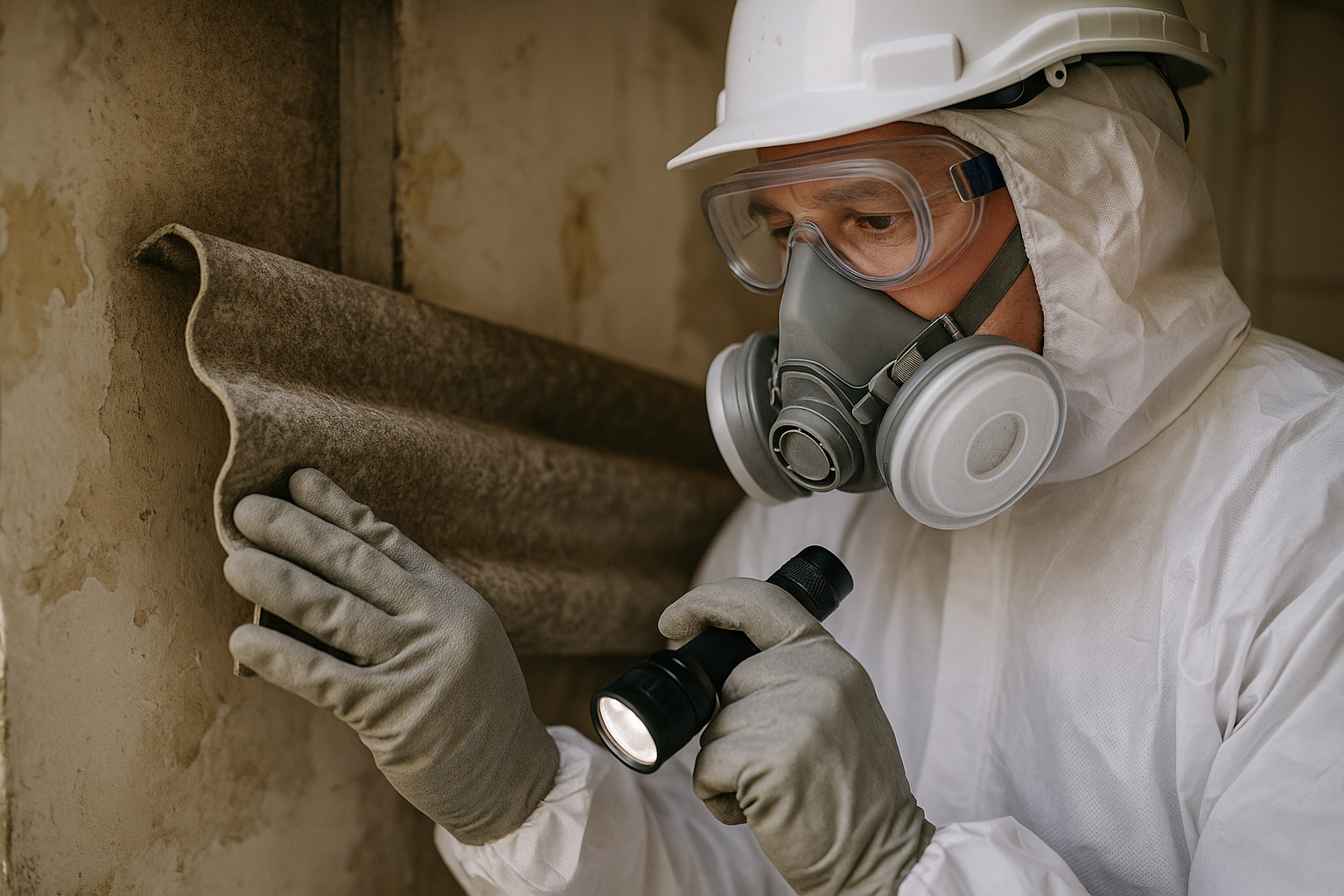
If the building is occupied and you need to manage asbestos during normal use, a management survey helps identify asbestos-containing materials that could be disturbed during routine occupation, maintenance, or minor works.
If major structural work is planned, you will usually need a more intrusive survey. For strip-out or knock-down projects, a demolition survey is designed to locate asbestos in the affected areas before work begins.
This matters because removal quotes are only as good as the survey behind them. If hidden materials are missed, the result can be delays, variations, emergency controls, and avoidable cost increases.
What a good survey should provide
- Clear identification of suspected asbestos-containing materials
- Sample results from a UKAS-accredited laboratory where sampling is undertaken
- Accurate locations and extent of materials
- Material assessments and recommendations where relevant
- Practical advice on management, encapsulation, or removal
- Information suitable for contractors pricing the work
Survey work should align with HSG264 and current HSE guidance. If you are comparing prices, make sure each contractor is pricing from the same scope and the same survey information.
Commercial asbestos removal or encapsulation: which is better?
Commercial asbestos removal is not always the right first option. In some buildings, leaving asbestos in place and managing it safely is entirely appropriate.
The correct decision depends on condition, likelihood of disturbance, accessibility, and your future plans for the property. Intact asbestos cement in a low-risk area may be managed safely. Damaged lagging in a plant room due for refurbishment is a very different situation.
When management or encapsulation may be suitable
- The material is in good condition
- It is unlikely to be disturbed
- The area can be monitored and controlled
- No planned works will affect it
When removal is usually the better option
- The material is damaged or deteriorating
- Refurbishment or demolition is planned
- Maintenance access is likely to disturb it
- The location creates an ongoing risk to occupants or contractors
Encapsulation can reduce immediate cost, but it does not remove the legal duty to manage asbestos. You still need records, an asbestos register where required, and procedures to prevent accidental disturbance.
Where removal is necessary, using a specialist provider for asbestos removal helps ensure the work is scoped, controlled, and documented correctly.
Typical stages in a commercial asbestos removal project
Understanding the process makes it easier to plan access, budgeting, and communication with staff, tenants, and contractors. Most commercial asbestos removal projects follow a similar sequence, even though the level of control varies depending on the material and risk.
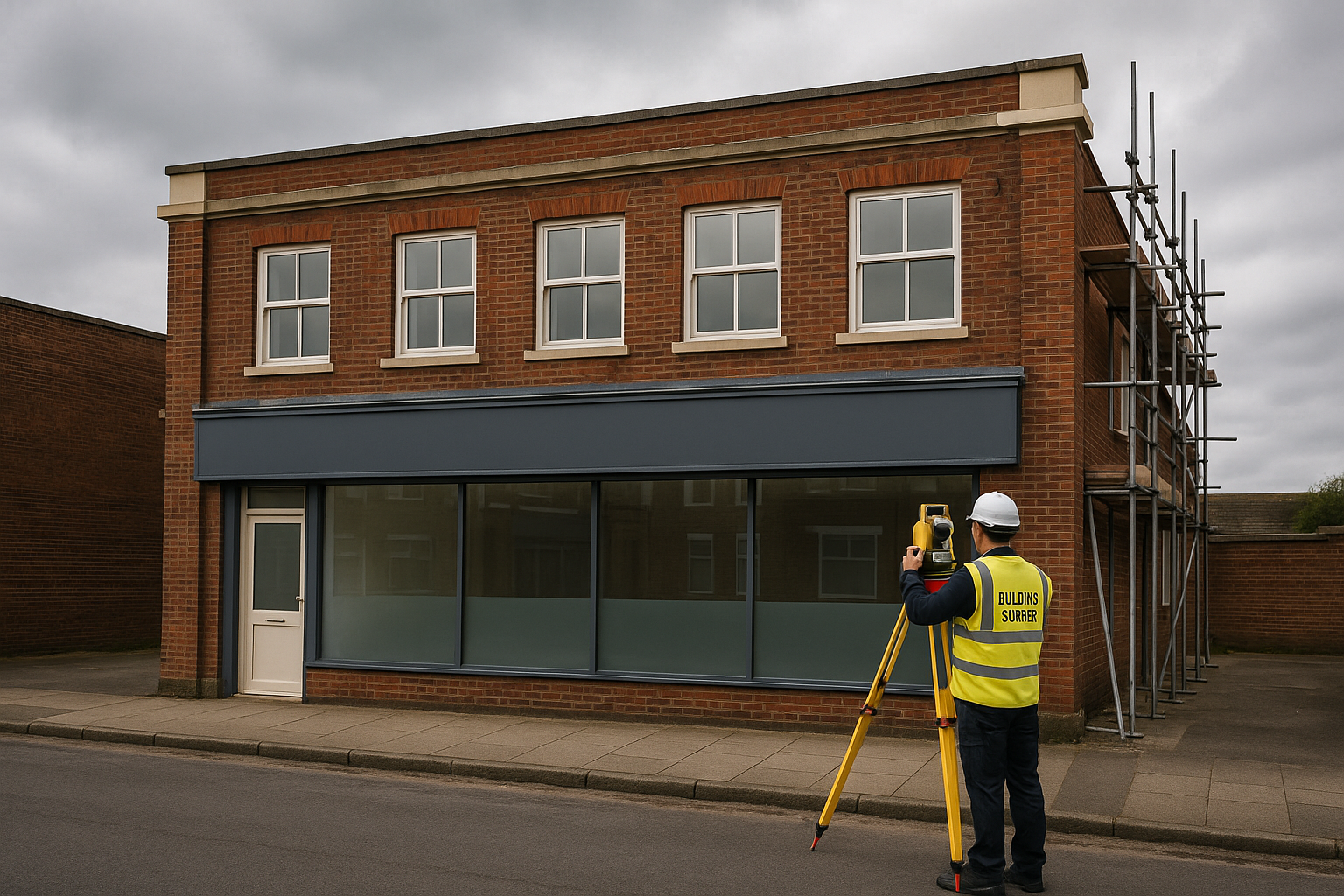
- Survey and sampling
Identify asbestos-containing materials and establish how they affect the building’s current use or planned works.
- Scope and quotation
Contractors review the survey, site constraints, access arrangements, waste volumes, and programme requirements.
- Risk assessment and plan of work
The removal method, equipment, controls, sequencing, and emergency procedures are set out in detail.
- Site preparation
This may include enclosures, warning signage, service isolation, decontamination arrangements, and restricted access zones.
- Removal or remediation
Trained operatives carry out the work using the required control measures.
- Cleaning and clearance
The area is cleaned thoroughly and, where required, independently assessed before reoccupation.
- Waste transfer and records
Hazardous waste documentation is completed and retained as part of the project record.
The visible removal work is only one part of the cost. Planning, isolation, cleaning, compliance checks, and waste handling are all built into the process.
What you are actually paying for
When a quote for commercial asbestos removal seems high, it helps to break it down. You are not simply paying for someone to strip material from a wall, ceiling, or pipe.
Surveying and analysis
Reliable identification comes first. Sampling, laboratory analysis, and accurate reporting reduce the risk of the wrong control method being used and help avoid surprises once work starts.
Competent labour
Asbestos work requires trained operatives and supervisors. Where higher-risk materials are involved, a licensed contractor may be required.
Containment and control measures
Depending on the material and task, the project may need controlled enclosures, decontamination arrangements, specialist vacuums, respiratory protective equipment, and careful cleaning procedures.
Air monitoring and clearance procedures
Some jobs require independent reassurance that the area is suitable for normal use again. This protects both compliance and confidence.
Waste packaging, transport, and disposal
Hazardous waste cannot be treated like ordinary construction waste. Proper packaging, labelling, consignment documentation, and disposal routes all carry cost.
Project management
On commercial sites, coordination is often a major part of the job. Contractors may need to liaise with facilities teams, principal contractors, tenants, and other trades to keep the wider programme moving.
Legal duties for commercial property owners and managers
If you manage non-domestic premises, asbestos is not just a maintenance issue. It is a legal compliance issue.
Under the Control of Asbestos Regulations, duty holders in non-domestic premises must manage asbestos risks. In practical terms, that means knowing whether asbestos is present, assessing its condition, keeping records, and making sure anyone who may disturb it has the right information.
Your responsibilities may include
- Arranging suitable asbestos surveys
- Maintaining an asbestos register
- Assessing the risk from identified materials
- Putting a management plan in place where required
- Sharing asbestos information with contractors and maintenance teams
- Reviewing the position if building use or condition changes
Where refurbishment or demolition is planned, failing to identify asbestos before work starts can create serious risks and major delays. If workers are put at risk, enforcement action may follow.
Using survey information prepared in line with HSG264 and following current HSE guidance is the safest route. If the work involves higher-risk materials or activities, a licensed asbestos contractor may be required.
How to keep commercial asbestos removal costs under control
You cannot make asbestos cheap, but you can make commercial asbestos removal more predictable. The best savings come from planning properly rather than cutting corners.
1. Survey early
Do not wait until builders are already on site. Early surveys give you time to budget properly, tender accurately, and avoid emergency work at premium rates.
2. Match the survey to the project
A management survey is not a substitute for an intrusive survey when major works are planned. Use the right survey for the building’s next stage.
3. Coordinate asbestos work with the wider programme
If refurbishment is happening floor by floor, phase the asbestos work to match. This can reduce disruption and improve access for all trades.
4. Consider occupancy strategy
Vacant possession, weekend working, or temporary relocation of staff can sometimes reduce cost and shorten the programme. On live sites, even small changes to access arrangements can make a big difference.
5. Get clear, like-for-like quotations
Make sure each contractor is pricing from the same survey, the same scope, and the same assumptions. Ask what is included for access equipment, waste disposal, air testing, and out-of-hours work.
6. Keep records organised
An up-to-date asbestos register, previous survey reports, plans, and maintenance records can save time during tendering and reduce uncertainty.
7. Avoid partial information
One of the biggest causes of cost escalation is incomplete information. If the survey is vague or the scope is unclear, contractors will either price defensively or the cost will rise later through variations.
Practical advice before you appoint a contractor
Choosing the right contractor for commercial asbestos removal is about more than the headline price. You need confidence that the work will be carried out safely, with the right controls and paperwork in place.
Before appointing anyone, ask the following:
- Are they pricing from a suitable survey?
- Have they explained whether the work is licensed, non-licensed, or notifiable non-licensed where relevant?
- Do they understand the building’s occupancy and access constraints?
- Have they allowed for waste disposal, cleaning, and any necessary clearance procedures?
- Can they coordinate with your facilities team, principal contractor, or tenants?
- Will you receive clear records at the end of the job?
You should also be wary of any contractor willing to quote without enough information. Low prices based on assumptions often become expensive once the real scope emerges.
Commercial asbestos removal in different property types
The nature of commercial asbestos removal changes depending on the building. The material risk may be similar, but the practical challenges vary widely.
Offices
Office buildings often involve ceiling voids, risers, plant rooms, floor finishes, and partitioning materials. Work may need to be phased outside normal hours to avoid disrupting staff.
Retail units
Retail environments can involve shopfronts, back-of-house areas, storage rooms, service ducts, and shared landlord areas. Access windows may be tight, especially in busy centres.
Industrial premises and warehouses
These sites often include asbestos cement roofs and cladding, insulation to plant and pipework, and large service areas. Access at height and coordination with ongoing operations can significantly affect cost.
Schools, healthcare, and public buildings
These settings require particularly careful planning because of occupancy, safeguarding, and operational sensitivity. Timing, segregation, and communication are critical.
Mixed-use buildings
If commercial units sit below flats or alongside other occupied spaces, access and isolation become more complex. Shared services and circulation routes need careful management.
Local support for commercial properties
If your portfolio spans multiple sites, local knowledge helps. Building type, access conditions, and contractor logistics can all affect how smoothly commercial asbestos removal is delivered.
Supernova supports clients across the country, including those who need an asbestos survey London service for offices, retail units, and mixed-use properties in the capital.
For landlords, managing agents, and facilities teams in the North West, arranging an asbestos survey Manchester can help establish the right scope before refurbishment, maintenance, or removal work begins.
Clients in the Midlands can also benefit from an asbestos survey Birmingham service to support compliance planning and accurate contractor pricing.
Frequently Asked Questions
Is commercial asbestos removal always more expensive than residential removal?
Not always, but it often is. Commercial projects usually involve more complex access, more occupants, tighter controls, and greater coordination with other works, all of which can increase cost.
Can asbestos in a commercial building be left in place?
Yes, if the material is in good condition, unlikely to be disturbed, and can be managed safely. Removal is not always necessary, but the duty to manage asbestos still applies.
What survey do I need before commercial asbestos removal?
That depends on the building’s use and your plans. Occupied premises typically need a management survey for ongoing management, while refurbishment or demolition works usually require a more intrusive survey of the affected areas.
Who is responsible for managing asbestos in commercial premises?
Under the Control of Asbestos Regulations, the duty holder for non-domestic premises is responsible for managing asbestos risk. This may be the owner, landlord, managing agent, employer, or another party with maintenance responsibilities.
How can I reduce delays on a commercial asbestos project?
Start with the right survey, share accurate information with contractors, plan the work early, and coordinate asbestos removal with the wider programme. Most delays happen when asbestos is discovered too late or the original scope is incomplete.
Need expert help with commercial asbestos removal?
If you need clear advice, accurate surveying, or a reliable plan for commercial asbestos removal, Supernova Asbestos Surveys can help. We carry out surveys nationwide, support property managers and commercial owners, and help clients move from identification to safe, compliant action.
Call 020 4586 0680 or visit asbestos-surveys.org.uk to arrange a survey or discuss your project with Supernova’s team.