Why Asbestos Removal Quotes Vary So Much — And What You Can Do About It
One asbestos job wraps up in a day with a single operative and a few sealed bags. Another needs a licensed contractor, a full enclosure, negative pressure units, air monitoring and a programme spanning several days. That is why asbestos removal quotes can look so different for what appears to be the same problem — and why accepting the cheapest figure without understanding what sits behind it can be a costly mistake.
If you manage property, oversee maintenance or are buying an older building, the real question is not just what removal costs. It is what drives those costs, what information contractors actually need to price accurately, and when removal is even the right option in the first place.
The Core Reasons Asbestos Removal Quotes Differ
Two contractors can visit the same site and come back with figures that bear little resemblance to each other. That usually comes down to scope, survey quality, access conditions or a misunderstanding about the category of asbestos work involved.
Under the Control of Asbestos Regulations, all asbestos work must be properly assessed before it starts. The controls required depend on the material, its condition, the likelihood of fibre release and the type of work planned. HSE guidance and HSG264 shape how asbestos is identified and surveyed before any removal is priced — and both have a direct bearing on what a contractor needs to include in their quote.
The biggest factors affecting asbestos removal quotes are typically:
- The type of asbestos-containing material and its fibre release potential
- Whether the material is friable or bonded
- The condition and extent of the material
- Whether the work is licensed, non-licensed or notifiable non-licensed
- Access restrictions, working height and site environment
- Whether the building is occupied during works
- Waste packaging, transport and disposal requirements
- Whether air monitoring and clearance certificates are required
- The quality and completeness of survey and sampling information
Reliable asbestos removal quotes start with reliable information. Guesswork almost always leads to inflated pricing, unexpected variations once work begins, or quotes that simply cannot be compared on a like-for-like basis.
Friable vs Bonded Materials: The Biggest Pricing Difference
Material type is one of the most significant reasons asbestos removal quotes vary. Some asbestos-containing materials release fibres readily when disturbed. Others hold fibres within a stable matrix and can often be removed with less intensive controls — though that does not mean they are without risk.
Why Friable Asbestos Usually Costs More to Remove
Friable materials can release fibres more easily if damaged, cut or handled carelessly. Common examples include pipe lagging, sprayed coatings, loose insulation and asbestos insulating board in poor condition.
These materials often produce higher asbestos removal quotes because the contractor may need to put in place:
- Full enclosures with sealed airlocks
- Negative pressure units and continuous air extraction
- Decontamination facilities for operatives
- Specialist respiratory protective equipment
- Higher levels of supervision and planning
- Air monitoring during works and formal clearance procedures on completion
Where the work is licensable, it must be carried out by a contractor holding the appropriate HSE licence. That requirement alone changes the labour, planning, notification and compliance costs involved.
Bonded Asbestos Can Be Cheaper — But It Is Not Always Simple
Bonded asbestos products hold fibres within a solid material. Typical examples include cement roof sheets, rainwater goods, wall panels, floor tiles and some textured coatings. These often generate lower asbestos removal quotes because the setup is less complex.
But condition still matters. Damaged cement sheets, broken tiles or heavily weathered materials increase the risk of fibre release and push costs up. Never assume that bonded asbestos automatically means a straightforward, low-cost removal. Survey findings, breakage risk, access routes and waste handling all feed into the final figure.
Accurate Surveys Are the Foundation of Good Asbestos Removal Quotes
No contractor can price responsibly without knowing what is present, where it is and what condition it is in. Asking for asbestos removal quotes before the right survey has been completed will usually get you either a refusal to quote or a figure padded heavily with contingency.
For occupied buildings where materials could be disturbed during routine maintenance, a management survey is typically the starting point. It identifies asbestos-containing materials, informs the asbestos register and underpins the management plan that duty holders are required to maintain.
Where intrusive or structural works are planned, a different standard applies. Before major refurbishment or demolition, a demolition survey is required, with the same intrusive approach applied across the affected areas. HSG264 is clear that the survey type must match the intended activity — using the wrong survey type is one of the most common reasons removal quotes later unravel.
Good survey information improves asbestos removal quotes because it tells the contractor:
- The likely asbestos type where confirmed or suspected
- The product, any surface treatment and its condition
- The extent and precise location of each material
- Whether access is straightforward or restricted
- Whether sampling has confirmed the material or it remains presumed
Pre-Purchase Surveys Can Prevent Expensive Surprises
If you are buying an older commercial or mixed-use property, asbestos should be investigated before exchange where possible. This gives you a clearer picture of likely remediation costs and prevents you from relying on assumptions when seeking asbestos removal quotes after completion.
Practical steps before purchase:
- Ask for the existing asbestos register and any previous survey reports
- Check whether refurbishment is planned in the first twelve months
- Ensure the survey scope reflects the intended use of the building
- Separate urgent remedial items from longer-term management requirements
This approach supports accurate budgeting and can strengthen your negotiating position if significant asbestos liabilities are identified early.
How Sampling and Testing Sharpen Asbestos Removal Quotes
Asbestos sampling is often a small cost compared with the value it delivers. If a material is only suspected to contain asbestos, cautious contractors pricing blind may assume the highest-risk scenario. That can make asbestos removal quotes look considerably higher than necessary.
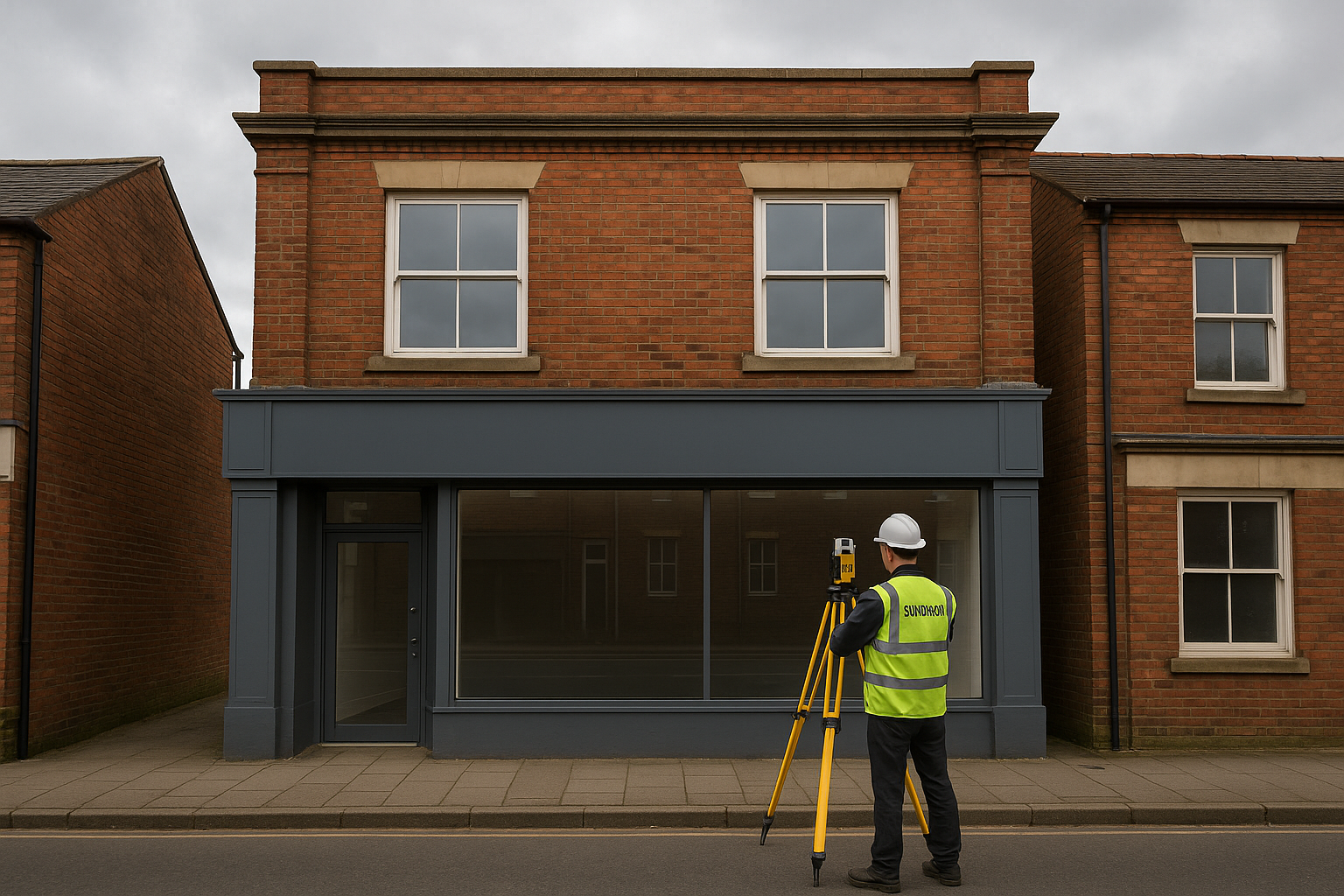
Laboratory confirmation reduces uncertainty. Samples should be taken safely by trained professionals where any disturbance is involved, then analysed by an accredited laboratory. A quote based on confirmed sampling is almost always more precise than one based on photographs, age assumptions or a client description over the phone.
Sampling is especially useful for:
- Textured coatings that may or may not contain asbestos
- Floor tiles and bitumen adhesives
- Cement products with unclear composition
- Board materials that could be insulating board or a non-asbestos alternative
- Unknown debris left after previous works
For simple suspect materials in domestic settings, a testing kit can be a useful first step. That said, professional site assessment is the safer option where damage, access issues or larger quantities are involved.
What Should Be Included in Asbestos Removal Quotes
A proper quote is not just a total cost. Good asbestos removal quotes explain what is included, what assumptions have been made and what might change the price once work starts. Ask for the following as standard:
- A clear description of each asbestos-containing material being removed
- The estimated quantity, area or volume
- The work category and method assumptions
- Access equipment required, such as towers, platforms or scaffold
- Waste packaging and transport arrangements
- Disposal arrangements and consignment note administration
- Whether air monitoring and a clearance certificate are included
- Whether making good after removal is included or excluded
- The expected duration and programme
- Any exclusions, such as electrical isolation or structural reinstatement
If asbestos removal quotes are vague on any of these points, ask questions before you proceed. The more detail you secure up front, the easier it is to compare contractors on a genuine like-for-like basis.
Questions to Ask Before Accepting a Quote
- What survey or sampling information has this quote been based on?
- Is the work licensed, non-licensed or notifiable non-licensed?
- Are waste disposal charges included in full?
- Is air testing included where it is required?
- What could trigger additional costs once the work starts?
These questions quickly reveal whether a contractor has priced the job properly or is relying on unverified assumptions.
Red Flags in Low Asbestos Removal Quotes
Not every low price is a problem. Some jobs are genuinely straightforward, and some contractors simply operate efficiently. But certain warning signs should make you pause before accepting asbestos removal quotes that look unusually cheap.
- No reference to the survey or sampling basis for the quote
- No mention of waste consignment notes or disposal arrangements
- No explanation of the control measures proposed
- No clarity on whether the work is licensed or otherwise
- Cash-only offers for what is a regulated hazardous waste process
- No method statement or risk assessment detail
Poor planning in asbestos removal is rarely cheap to fix. Contamination, enforcement action, delays and the need for repeat visits can easily dwarf the saving on the original quote.
Waste Disposal: A Major Component of Asbestos Removal Quotes
One of the most common misunderstandings is treating asbestos like ordinary building waste. It is not. Asbestos waste must be packaged, labelled, transported and disposed of under strict legal controls — which is a significant reason why asbestos removal quotes often look higher than general clearance prices.
You are not paying for someone to load a van and drive to a tip. You are paying for a hazardous waste process with legal duties at every stage. What asbestos waste disposal typically involves:
- Specialist bags, sheeting or wrapping materials
- Hazard labels and sealed packaging requirements
- Dedicated collection or skip arrangements where required
- Transport by an authorised waste carrier
- Disposal at a site permitted to accept asbestos waste
- Consignment note administration throughout the chain
When reviewing asbestos removal quotes, check whether disposal costs are clearly itemised. Hidden waste charges are one of the most common sources of disputes between clients and contractors.
Can Householders Take Asbestos to the Tip?
Some local authorities accept limited quantities of certain domestic asbestos waste — typically cement-bonded materials — but rules vary considerably and advance booking is usually required. This is not appropriate for most commercial premises and is never suitable for higher-risk materials.
Even where domestic arrangements exist, breaking sheets to make them fit a vehicle creates obvious fibre release risk and can turn a manageable task into a dangerous one. Proper assessment still matters regardless of the disposal route.
Textured Coatings and Why They Complicate Asbestos Removal Quotes
Textured coatings are one of the most misunderstood areas of asbestos pricing. Some contain asbestos and some do not. Even where asbestos is present, the right approach depends on condition, substrate, access and whether full removal is actually necessary.
One contractor may price for localised removal of a small area. Another may include wider ceiling works, protection measures, access equipment and preparation for reinstatement. Neither is necessarily wrong — the difference often reflects what information each contractor was given.
What affects the cost of textured coating removal:
- Whether sampling has confirmed asbestos is present
- Ceiling height and the access equipment required
- The surface beneath the coating and how it affects the removal method
- Whether the ceiling itself is being removed as part of wider works
- Whether the property is occupied during works
- The need to protect surrounding finishes and fixtures
In some cases, removal is not the first recommendation. If the coating is in good condition and will not be disturbed, managing it in place may be more sensible than immediate removal. The right decision should be based on risk assessment, not appearance.
Access, Occupancy and Programme: Hidden Drivers of Asbestos Removal Quotes
Two identical asbestos materials can cost very different amounts to remove if one is accessible from floor level and the other sits above a busy office, inside a school ceiling void or behind live electrical services. Access constraints have a direct effect on labour, equipment, setup time and the safety controls required.
Common access issues that increase costs include:
- Working at height with towers, mobile platforms or scaffold
- Restricted lofts, risers or narrow service voids
- Limited waste routes through occupied or sensitive areas
- Out-of-hours working requirements
- Confined spaces or fragile roof structures
Occupancy matters too. Removing asbestos in an empty unit is usually simpler than working around staff, tenants, residents or the public. In occupied premises, contractors may need phased programmes, additional segregation and tighter scheduling — all of which add cost.
If you want more accurate asbestos removal quotes, tell contractors early about access restrictions, site rules, parking limitations, permitted working hours and whether the building will remain operational throughout.
Asbestos Surveys Across the UK: Location and Logistics Matter
Where your building is located can also influence the cost and availability of asbestos removal services. Urban sites in major cities often have more contractors available, but may face higher access costs, parking restrictions and out-of-hours requirements. Rural or remote sites may involve travel time that affects pricing.
Supernova Asbestos Surveys operates across the country. Whether you need an asbestos survey in London, an asbestos survey in Manchester or an asbestos survey in Birmingham, the same standard of survey quality and reporting applies. Getting the survey right in your location is the first step to getting removal quotes you can actually rely on.
Using Consultancy and Audits to Reduce Costs Over Time
For property portfolios or larger estates, a reactive approach to asbestos removal quotes rarely produces the best outcomes. Bringing in independent consultancy to review your asbestos management position, audit existing registers and plan remediation in a structured way can reduce overall spend significantly.
Planned programmes allow contractors to price more competitively because they can schedule work efficiently. They also allow you to prioritise materials that present the greatest risk, rather than responding to each issue as it arises. Proactive asbestos management is almost always cheaper than crisis management.
Frequently Asked Questions
Why do asbestos removal quotes vary so much between contractors?
Quotes vary because contractors may be working from different information, making different assumptions about the work category, or pricing different scopes. One contractor may include air monitoring and disposal; another may not. Survey quality, access conditions and whether the work is licensed all have a significant bearing on the final figure. Always ask what each quote includes before comparing on price alone.
Does the type of asbestos affect the removal cost?
Yes, significantly. Friable materials such as pipe lagging, sprayed coatings and asbestos insulating board in poor condition generally require more intensive controls, licensed contractors and formal clearance procedures. Bonded materials such as cement sheets and floor tiles are often cheaper to remove, but condition, access and waste handling still affect the price. Material type is one of the biggest single drivers of cost variation.
What should a proper asbestos removal quote include?
A thorough quote should describe the material being removed, state the estimated quantity, explain the work category and method, detail waste disposal arrangements, clarify whether air monitoring and a clearance certificate are included, and list any exclusions. If a quote does not address these points, ask the contractor to clarify before you accept it.
Is a survey needed before getting asbestos removal quotes?
In most cases, yes. Without a survey, contractors are pricing on assumptions rather than facts. That leads to contingency-heavy quotes, unexpected variations once work starts, or — in the worst cases — work carried out without proper controls because the material was not correctly identified. A management or refurbishment survey, depending on the planned activity, gives contractors the information they need to price accurately and safely.
Can I get asbestos removal quotes for a domestic property?
Yes. Domestic properties are not exempt from asbestos risks, and many older homes contain asbestos-containing materials. The same principles apply: get the material properly identified before seeking quotes, understand whether the work is licensable, and ensure waste disposal is handled correctly. Some local authorities accept limited quantities of certain domestic asbestos waste, but this is not suitable for all materials and should not replace proper professional assessment.
Supernova Asbestos Surveys has completed over 50,000 surveys across the UK and works with property managers, landlords, contractors and duty holders to ensure asbestos is identified, managed and removed safely. If you need a survey before seeking removal quotes, or want independent advice on what your asbestos removal quotes should include, call us on 020 4586 0680 or visit asbestos-surveys.org.uk to find out how we can help.